Slate tile floors are a beautiful and durable choice for any home, but they require proper care to maintain their natural elegance. Over time, dirt, grime, and stains can dull their appearance if not cleaned correctly. I’ve spent years figuring out the best methods to keep slate floors looking their best, and I’m sharing my insights to help you avoid common mistakes. Whether you’re dealing with daily dust or deep-set stains, these tips will ensure your slate stays pristine for years to come.
Understanding Slate Tile Characteristics
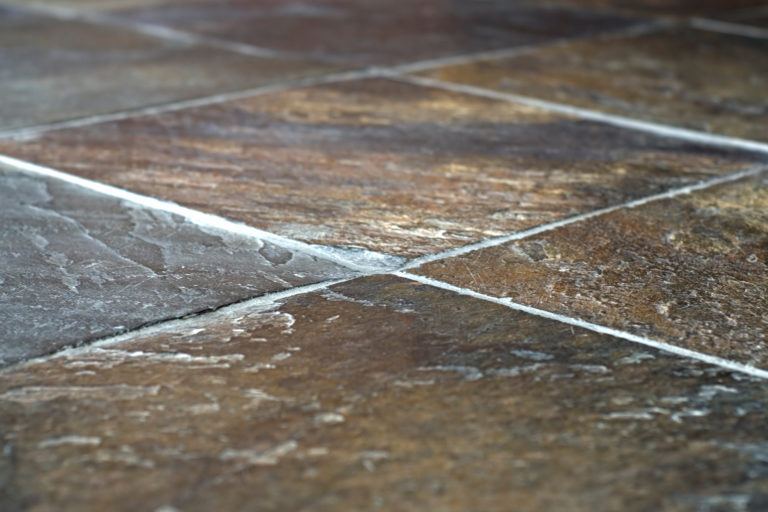
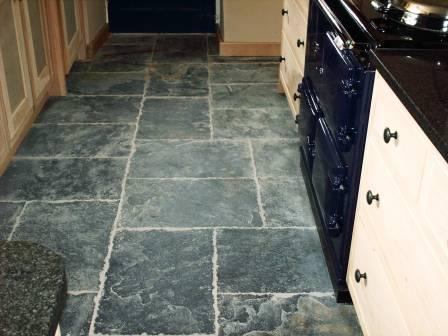
Slate is a natural stone with a unique texture and varying porosity, meaning some types absorb liquids more easily than others. This makes it essential to know your specific slate’s finish—whether it’s honed, polished, or natural—as each requires slightly different care. I’ve found that unsealed slate is more prone to staining, so identifying whether your floor has a sealant is the first step in proper maintenance.
Because slate is formed in layers, it can have slight unevenness, which traps dirt in crevices. Regular sweeping isn’t always enough, especially in high-traffic areas. I recommend using a soft-bristle broom or microfiber mop to prevent scratching the surface while effectively picking up debris. Ignoring this step can lead to abrasive particles grinding into the tile over time.
Another key factor is slate’s sensitivity to acidic or harsh cleaners. I learned the hard way that vinegar or ammonia-based products can etch the surface, leaving dull spots. Instead, pH-neutral cleaners designed for natural stone are the safest bet. Always test a small, hidden area before applying any new product to the entire floor.
Daily and Weekly Cleaning Routine
Keeping slate floors clean starts with a consistent routine. I sweep mine daily using a microfiber dust mop, which captures fine particles without spreading dust around. For homes with pets or kids, this step is even more important since dirt and sand can act like sandpaper underfoot, wearing down the sealant over time.
Once a week, I do a deeper clean with a damp mop and a mild stone cleaner. The key is avoiding excessive water, as standing moisture can seep into unsealed slate and cause discoloration or even mold. I wring out the mop thoroughly and work in small sections, drying the floor with a clean towel afterward. This method prevents water spots and keeps the tiles looking their best.
For high-traffic areas like entryways, I spot-clean more frequently. A mixture of warm water and a few drops of dish soap works well for sticky spills or muddy footprints. I apply it with a soft cloth, gently scrubbing if needed, then rinse and dry immediately. This quick response prevents stains from setting in and maintains the floor’s overall shine.
Dealing with Stubborn Stains
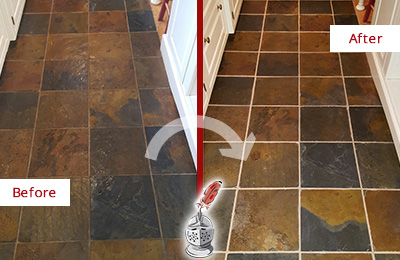
Even with the best care, stains can happen. For oil-based spills, I use a poultice made from baking soda and water. Applying a thick paste, letting it dry, and then scraping it off lifts the oil from the pores of the stone. This method has saved my kitchen slate from permanent grease marks more than once.
For rust stains, which can occur from metal furniture or wet tools, I rely on a rust remover specifically made for natural stone. Regular household rust cleaners can be too harsh, so I always check the label for stone-safe formulas. After treating the stain, I rinse the area thoroughly and dry it to prevent residue buildup.
Ink or dye stains are trickier, but not impossible to remove. I’ve had success with a hydrogen peroxide solution (mixed with water) applied carefully to the affected spot. Letting it sit for a few minutes before blotting helps lift the stain without bleaching the slate. If unsure, consulting a professional is better than risking damage with aggressive DIY methods.
Sealing and Protecting Slate Floors
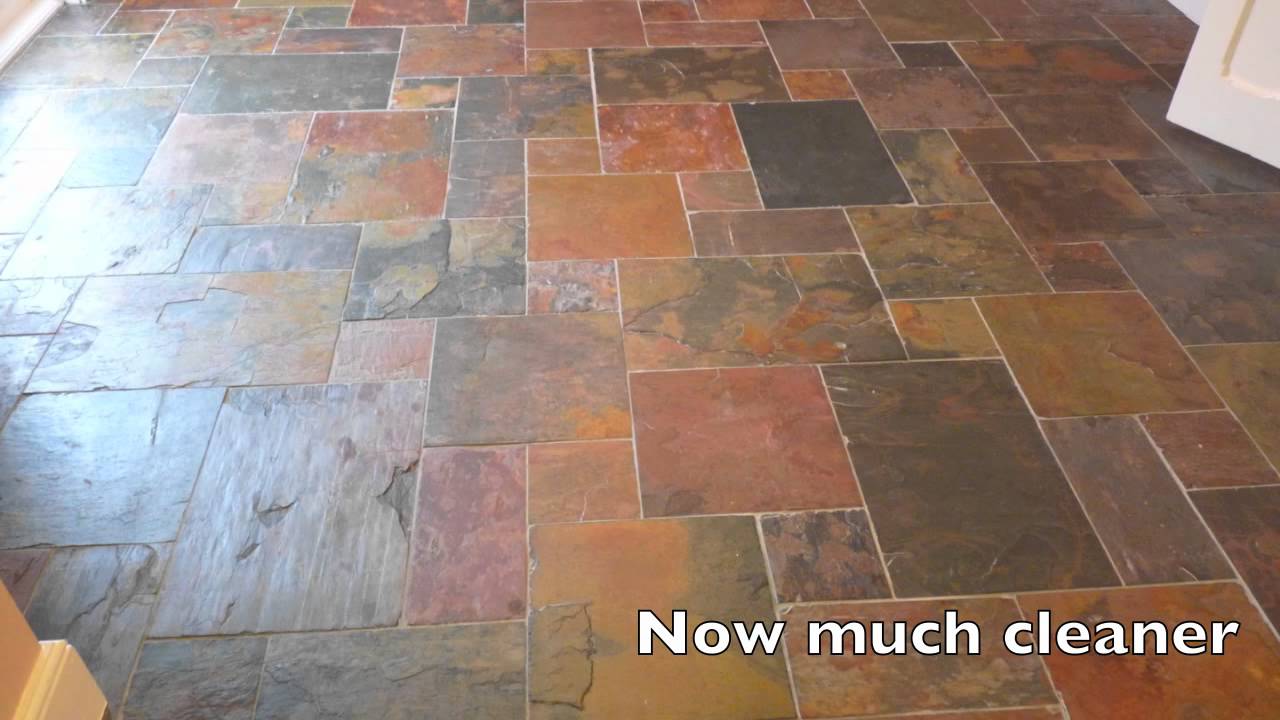
Sealing is one of the most important steps in slate floor maintenance. I check my sealant every year by sprinkling water on the tiles—if it beads up, the seal is still good; if it soaks in, it’s time to reapply. A high-quality penetrating sealer protects against stains and makes daily cleaning much easier.
Applying sealant isn’t difficult, but preparation is key. I start by deep-cleaning the floor and letting it dry completely. Using a foam brush or roller, I spread the sealer evenly, working in small sections to avoid streaks. After letting it penetrate for the recommended time, I buff off any excess with a clean cloth to prevent a sticky residue.
The frequency of resealing depends on foot traffic. In my home, I reseal every 12 to 18 months, but high-use areas like entryways may need it more often. Keeping up with this routine prevents long-term damage and preserves the slate’s natural beauty without requiring intensive repairs later.

Avoiding Common Cleaning Mistakes
One mistake I used to make was using a steam mop on slate. While steam is great for other floors, the heat and moisture can degrade the sealant and even loosen tiles over time. Now I stick to traditional damp mopping, which is just as effective without the risk.
Another pitfall is using abrasive scrubbers or harsh chemicals. I once used a stiff-bristle brush on a stubborn stain, only to notice tiny scratches afterward. Soft cloths or sponges are gentler and still get the job done. Similarly, bleach or ammonia-based cleaners can strip the sealant and dull the slate’s color.
Neglecting to clean spills immediately is another common error. Slate’s porous nature means liquids can penetrate quickly, especially if unsealed. I keep a dry towel handy for accidents, blotting rather than wiping to avoid spreading the spill. Quick action prevents most stains from becoming permanent problems.
Long-Term Maintenance Tips
Beyond regular cleaning, I protect my slate floors with felt pads under furniture legs to prevent scratches. Area rugs in high-traffic zones also reduce wear, but I make sure they have breathable backings to avoid trapping moisture. These small steps add up to long-term preservation.
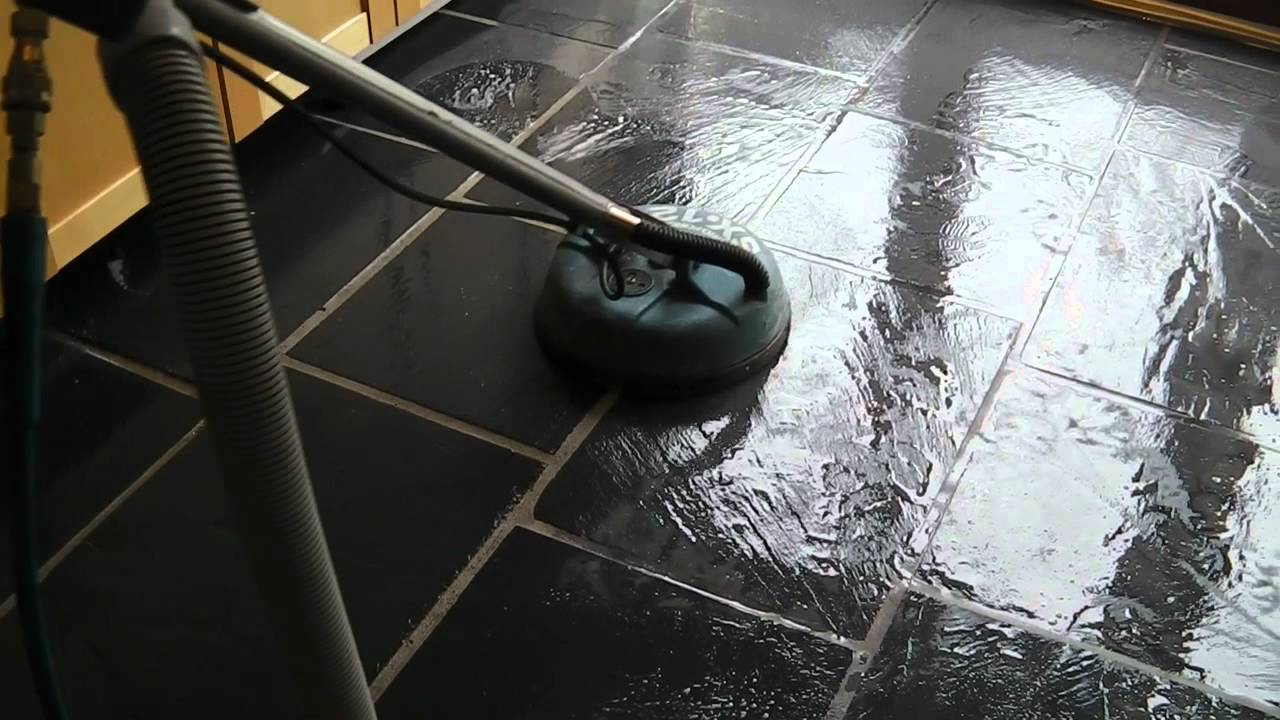
Periodic deep cleaning with a stone-specific product keeps the tiles looking fresh. I mix warm water with a neutral cleaner and use a soft mop, rinsing thoroughly to avoid soap buildup. For textured slate, a soft brush helps reach into crevices where dirt accumulates.
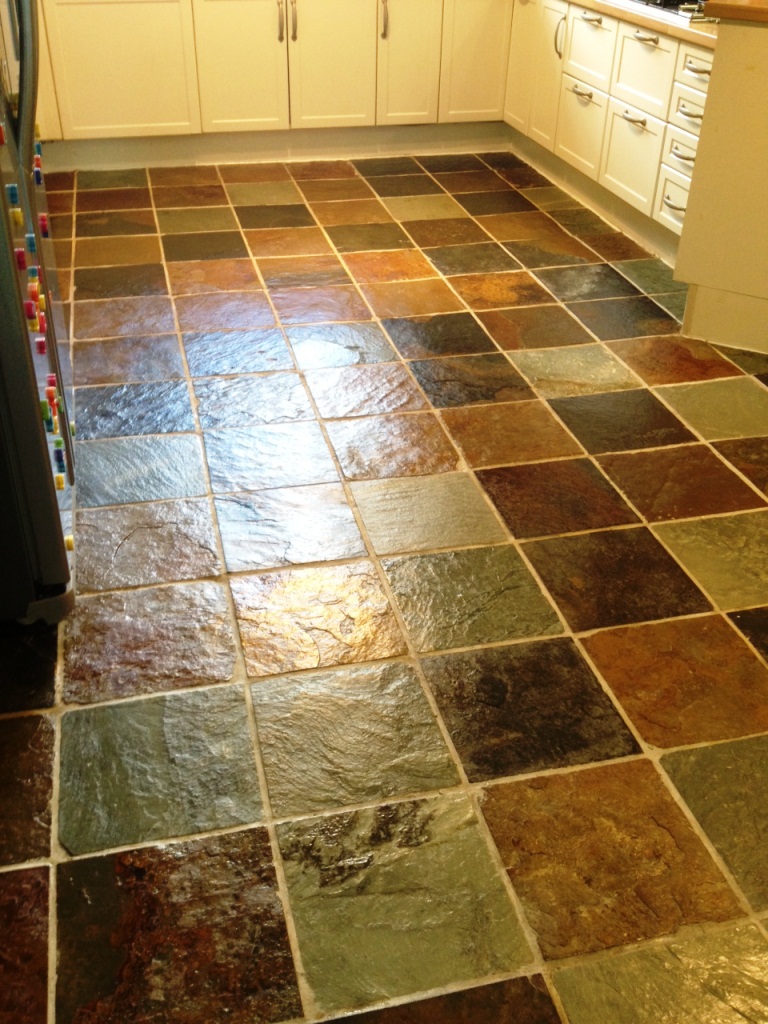
Finally, I inspect my floors regularly for cracks or loose tiles. Addressing minor issues early prevents costly repairs later. A well-maintained slate floor can last decades, and with these practices, mine still looks as stunning as the day it was installed.
How often should I seal my slate tile floors?
Sealing frequency depends on foot traffic and the type of sealant used. In my experience, most homes need resealing every 12 to 18 months. To test if resealing is necessary, sprinkle water on the tiles—if it absorbs within a few minutes, it’s time to reapply. High-traffic areas like entryways may require more frequent sealing, while low-use spaces can go longer between treatments. Always follow the manufacturer’s recommendations for the specific sealer you’re using.
Can I use vinegar to clean slate floors?
No, vinegar is acidic and can etch the surface of slate, dulling its finish over time. I avoid all acidic or abrasive cleaners, including lemon juice and ammonia-based products. Instead, I use pH-neutral cleaners designed for natural stone, which clean effectively without damaging the tiles. For a homemade solution, warm water with a small amount of mild dish soap works well for routine cleaning.

What’s the best way to remove scratches from slate?
Minor surface scratches can sometimes be buffed out with a stone polishing powder, but deep scratches may require professional repair. I prevent scratches by using furniture pads and sweeping regularly to remove abrasive dirt. For textured slate, scratches are less noticeable, but smooth-finished slate shows them more easily. Prevention is key, as repairing scratches can be difficult without expert help.
How do I clean heavily textured slate?
Textured slate requires a bit more effort because dirt settles into its grooves. I use a soft-bristle brush or an old toothbrush to gently scrub the crevices with a stone-safe cleaner. A vacuum with a brush attachment can also help lift debris before mopping. Avoid stiff brushes that could chip the stone, and always rinse thoroughly to prevent residue buildup in the textured areas.

Is steam cleaning safe for slate floors?
I don’t recommend steam cleaning for slate because the heat and moisture can weaken the sealant and adhesive beneath the tiles. Over time, this can lead to loosened tiles or water damage. Instead, I stick to damp mopping with a well-wrung mop and drying the floor immediately afterward. This method cleans effectively without risking long-term damage.
How do I restore the shine to dull slate floors?
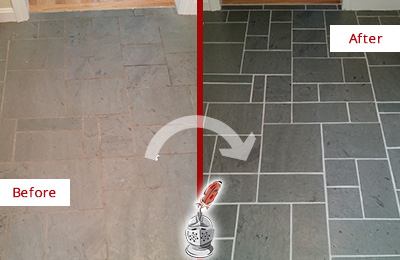
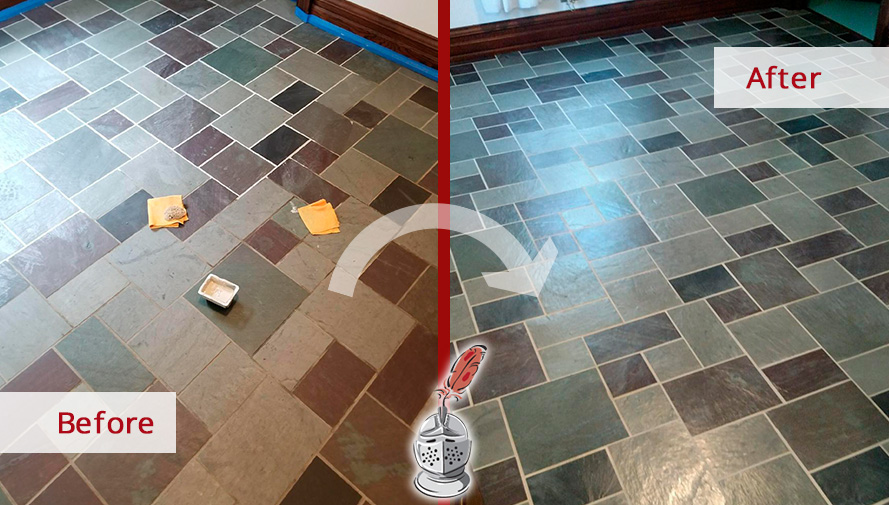
If your slate has lost its luster, the first step is a thorough cleaning to remove built-up grime. After that, applying a stone enhancer or resealing can bring back the natural color and shine. I’ve found that products designed specifically for natural stone work best, as they enhance without leaving a waxy buildup. For severely dull floors, a professional polishing may be necessary to restore the original finish.

Residential Slate Cleaning and Sealing
Do-It-Yourself Slate Floor Cleaner Recipes
How to Clean Slate
Cleaning Slate Floors I am sure I will be glad I pinned this one

This Damaged Slate Floor Received a Complete Overhaul Thanks to
Slate Tile Cleaning Information
Related Posts: