White oak solid wood flooring has long been a favorite among homeowners and designers for its natural beauty, strength, and versatility. Known for its light to medium golden tones and distinctive grain patterns, white oak complements both traditional and contemporary interiors. Unlike other wood species, white oak offers exceptional durability and resistance to moisture, making it suitable for high-traffic areas and various climates. Its ability to take stains evenly allows for customization, from natural finishes to darker hues. Whether used in residential or commercial spaces, white oak flooring adds warmth and character while standing the test of time.
Characteristics of White Oak Solid Wood Flooring
White oak is prized for its hardness and durability, ranking 1360 on the Janka hardness scale. This makes it more resistant to dents and scratches compared to softer woods like pine or cherry. Its tight grain structure and natural tannins provide added protection against moisture, reducing the risk of warping or swelling in humid environments. These qualities make it ideal for kitchens, living rooms, and even basements with proper sealing.
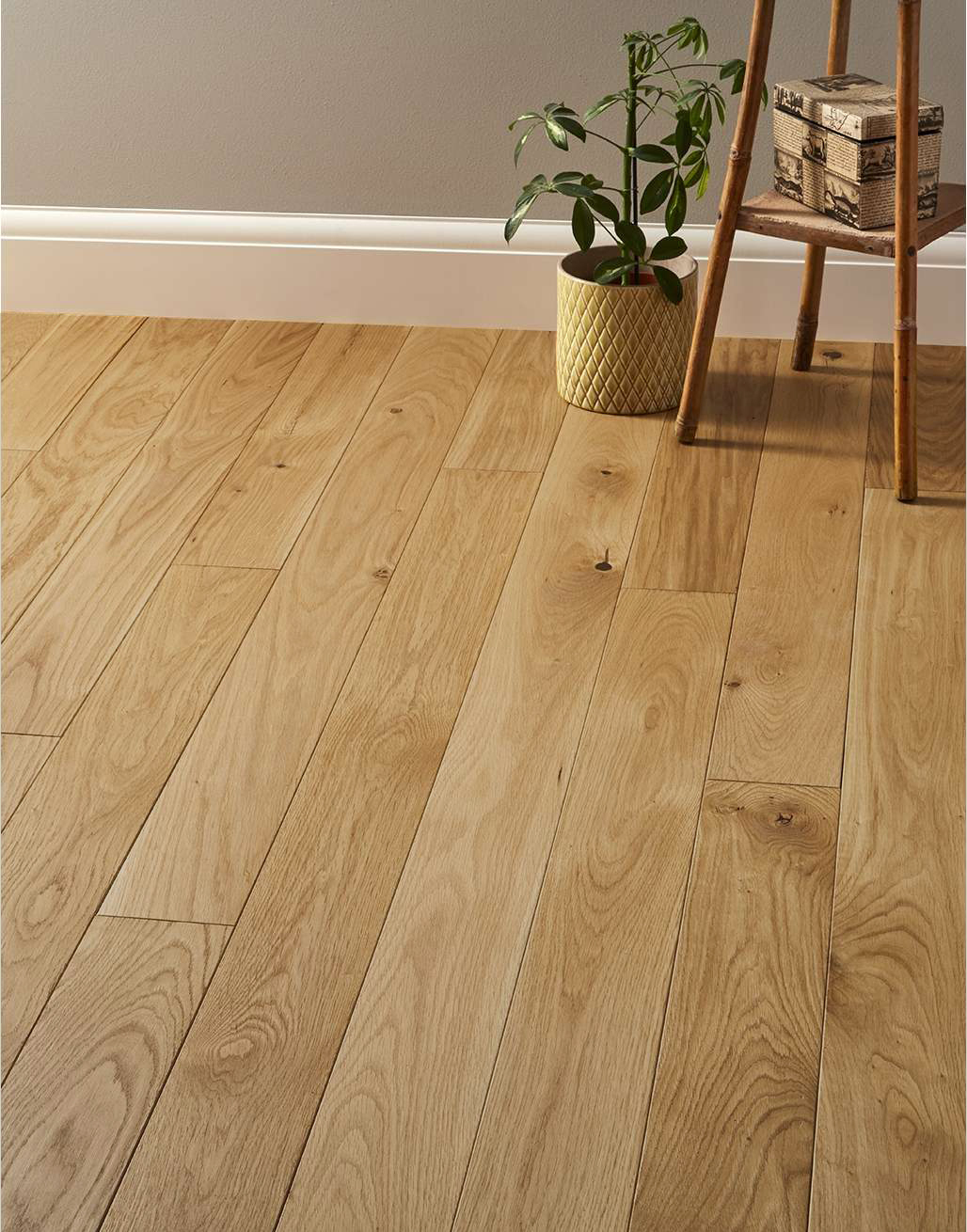
The color of white oak ranges from pale beige to light brown, often with subtle gray or golden undertones. Its grain patterns vary from straight to slightly wavy, creating visual interest without overwhelming a space. Unlike red oak, which has pinkish tones, white oak offers a more neutral palette that pairs well with various design styles, from farmhouse to modern minimalist.
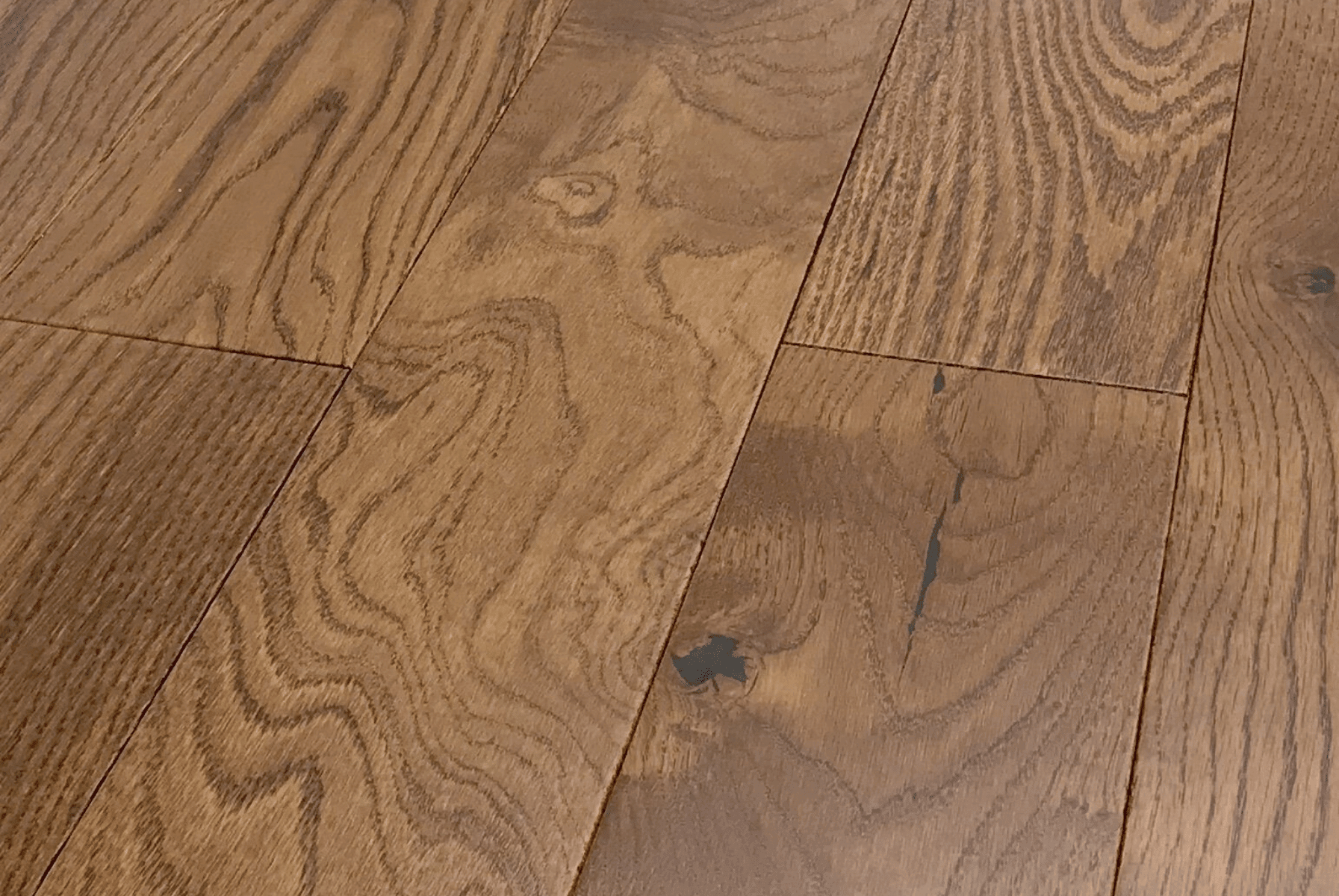
White oak’s ability to absorb stains evenly allows for greater customization. Whether you prefer a natural, light finish or a dark, espresso-toned look, white oak adapts beautifully. It also ages gracefully, developing a rich patina over time that enhances its character. This makes it a sustainable choice, as it can be sanded and refinished multiple times to restore its original beauty.
Benefits of Choosing White Oak Flooring
One of the greatest advantages of white oak flooring is its longevity. Unlike engineered wood or laminate, solid white oak can be sanded and refinished several times, extending its lifespan for decades. This makes it a cost-effective investment, as it doesn’t require frequent replacement. Properly maintained, white oak floors can last generations, adding value to any home.
White oak’s moisture resistance sets it apart from other hardwoods, making it suitable for areas prone to humidity, such as kitchens and bathrooms. Its cellular structure is naturally more water-resistant than red oak, reducing the risk of damage from spills or seasonal humidity changes. When sealed with a high-quality finish, white oak performs exceptionally well in diverse climates.
Another benefit is its versatility in design. White oak’s neutral tones and varied grain patterns make it easy to pair with different color schemes and furniture styles. Whether used in a rustic cabin or a sleek urban loft, it provides a timeless foundation that adapts to changing decor trends. Its light-reflective qualities also help brighten rooms, making spaces feel more open and airy.

Installation and Maintenance Tips
Proper installation is crucial for ensuring the longevity of white oak flooring. Solid wood planks require acclimation to the room’s humidity levels for at least 48 hours before installation to prevent expansion or contraction. Subfloors must be clean, dry, and level to avoid uneven wear or squeaking over time. Nail-down or glue-down methods are common for solid wood, while floating installations are better suited for engineered options.
Regular maintenance keeps white oak floors looking their best. Sweeping or vacuuming with a soft brush attachment removes dirt and debris that can scratch the surface. Damp mopping with a pH-neutral wood cleaner helps maintain the finish without damaging the wood. Avoid excessive water, as prolonged moisture exposure can still cause damage, even with white oak’s natural resistance.
Protective measures, such as felt pads under furniture legs and area rugs in high-traffic zones, minimize wear. Reapplying a protective finish every few years restores the floor’s luster and enhances its durability. Addressing scratches or dents early with touch-up kits or professional refinishing prevents further damage and preserves the floor’s beauty.
Comparing White Oak to Other Hardwood Options
White oak is often compared to red oak, another popular hardwood choice. While both are durable, white oak has a tighter grain and higher moisture resistance, making it better suited for humid environments. Red oak tends to have pinkish undertones, whereas white oak offers more neutral hues that blend seamlessly with various color palettes. Both are excellent choices, but white oak’s versatility gives it an edge in modern design.
Compared to walnut or cherry, white oak is harder and more resistant to dents, making it ideal for busy households. Walnut’s rich, dark tones provide a luxurious look but are softer and more prone to scratches. Cherry wood darkens over time due to sunlight exposure, while white oak maintains a more consistent appearance, offering long-term predictability in design.
Exotic hardwoods like Brazilian cherry or tigerwood offer unique aesthetics but often come at a higher cost and environmental impact. White oak, being domestically sourced in North America, is more sustainable and readily available. Its balance of beauty, durability, and affordability makes it a practical choice for many homeowners.

Design Ideas for White Oak Flooring
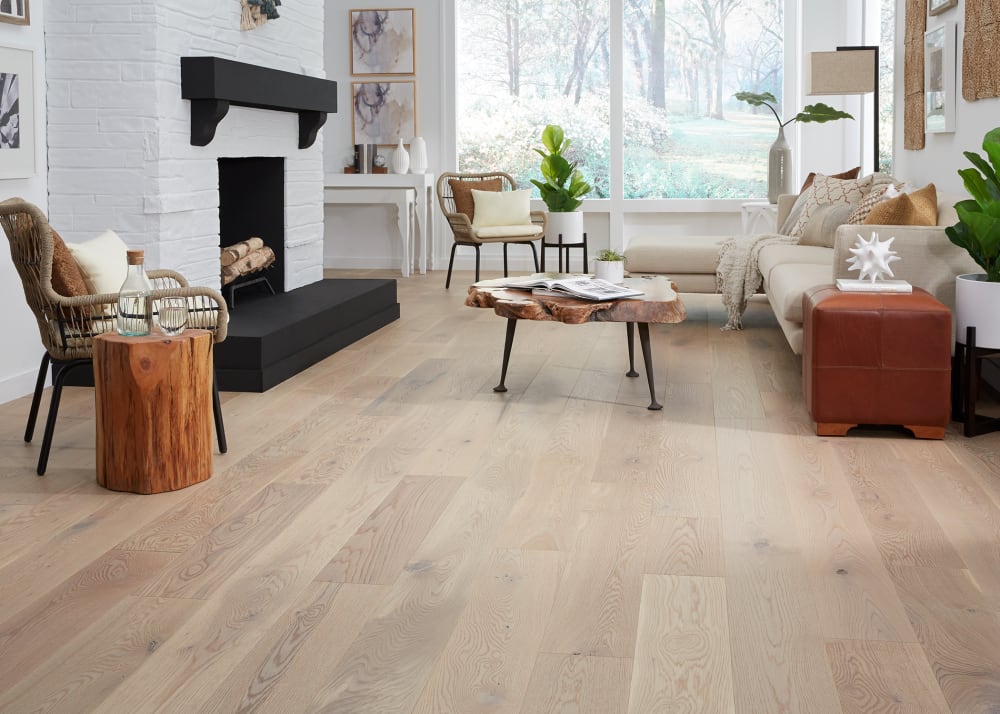
For a modern, Scandinavian-inspired look, pair light-finished white oak with white walls, minimalist furniture, and neutral textiles. The wood’s natural warmth contrasts beautifully with cool tones, creating a clean yet inviting space. Large-format planks with minimal seams enhance the sleek, contemporary aesthetic.
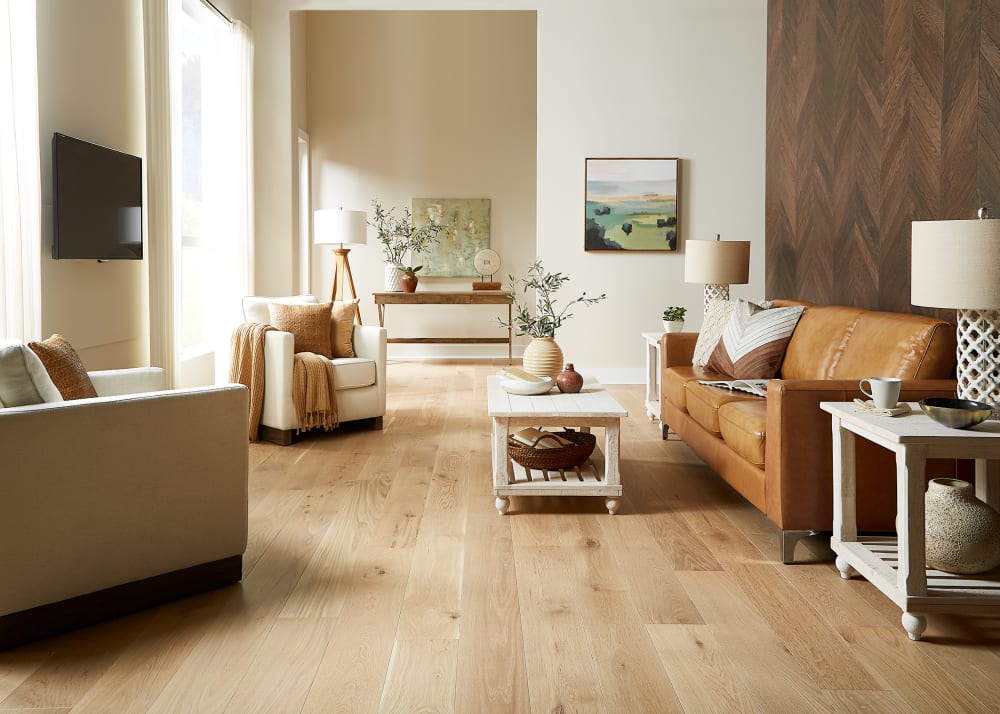
In traditional or farmhouse settings, white oak with a medium stain complements rustic wood beams, vintage decor, and cozy textiles. Herringbone or chevron patterns add architectural interest, while matte finishes emphasize the wood’s organic texture. Layering woven rugs and antique furnishings enhances the timeless charm.
For an industrial vibe, opt for wire-brushed or distressed white oak with a dark stain. Paired with exposed brick, metal accents, and leather furniture, this combination creates a bold, edgy look. The wood’s durability ensures it can withstand the wear and tear of high-traffic urban spaces.
Cost Considerations and Budgeting
White oak solid wood flooring is a mid-range to high-end investment, with prices varying based on grade, finish, and plank width. Standard-grade white oak is more affordable, while premium grades with fewer knots and uniform grain patterns command higher prices. Custom stains or finishes also add to the overall cost.
Installation expenses depend on the method and complexity of the project. Nail-down installations are common for solid wood but may require professional help, increasing labor costs. DIY-friendly options like pre-finished planks can reduce expenses, but proper tools and skills are necessary for a flawless result.
Despite the upfront cost, white oak’s durability and refinishing potential make it a cost-effective long-term investment. Unlike cheaper alternatives that need frequent replacement, white oak floors can last a lifetime with proper care, adding resale value to your home.
Is white oak flooring suitable for homes with pets?
Yes, white oak is an excellent choice for pet owners due to its hardness and scratch resistance. Its tight grain structure withstands claws better than softer woods like pine or walnut. Spills and accidents are less likely to cause permanent damage, especially if the floor is properly sealed. Regular trimming of pet nails and using rugs in high-traffic areas can further protect the surface.
Can white oak flooring be installed in bathrooms or kitchens?
While white oak is more moisture-resistant than other hardwoods, it still requires proper sealing to perform well in wet areas. Waterproof finishes and routine maintenance help prevent damage from spills or humidity. However, engineered white oak or tile may be more practical for bathrooms, where water exposure is frequent.

How often does white oak flooring need refinishing?
Solid white oak can be refinished every 7 to 10 years, depending on foot traffic and wear. Light scratches can often be buffed out, while deeper damage may require sanding and recoating. Proper maintenance, like using furniture pads and avoiding harsh cleaners, extends the time between refinishing.
Does white oak flooring fade in sunlight?
Like all hardwoods, white oak can experience slight color changes over time when exposed to direct sunlight. However, it tends to mellow into a warmer tone rather than fading dramatically. Using UV-protective window treatments or area rugs in sunlit areas helps minimize uneven aging.

What’s the difference between rift-sawn and plain-sawn white oak?
Rift-sawn white oak has a linear, uniform grain pattern, making it ideal for modern designs. Plain-sawn oak features more varied, cathedral-like grain patterns, offering a traditional look. Rift-sawn planks are typically more expensive due to the specialized cutting process.
Is white oak flooring eco-friendly?
White oak is a sustainable choice when sourced from responsibly managed forests. Look for FSC-certified products to ensure ethical harvesting. Its longevity and refinishing potential also reduce the need for replacement, making it an environmentally conscious option compared to synthetic flooring.

Gunstock / 5″ / White Oak / Solid Hardwood u2013 Easiklip Floors
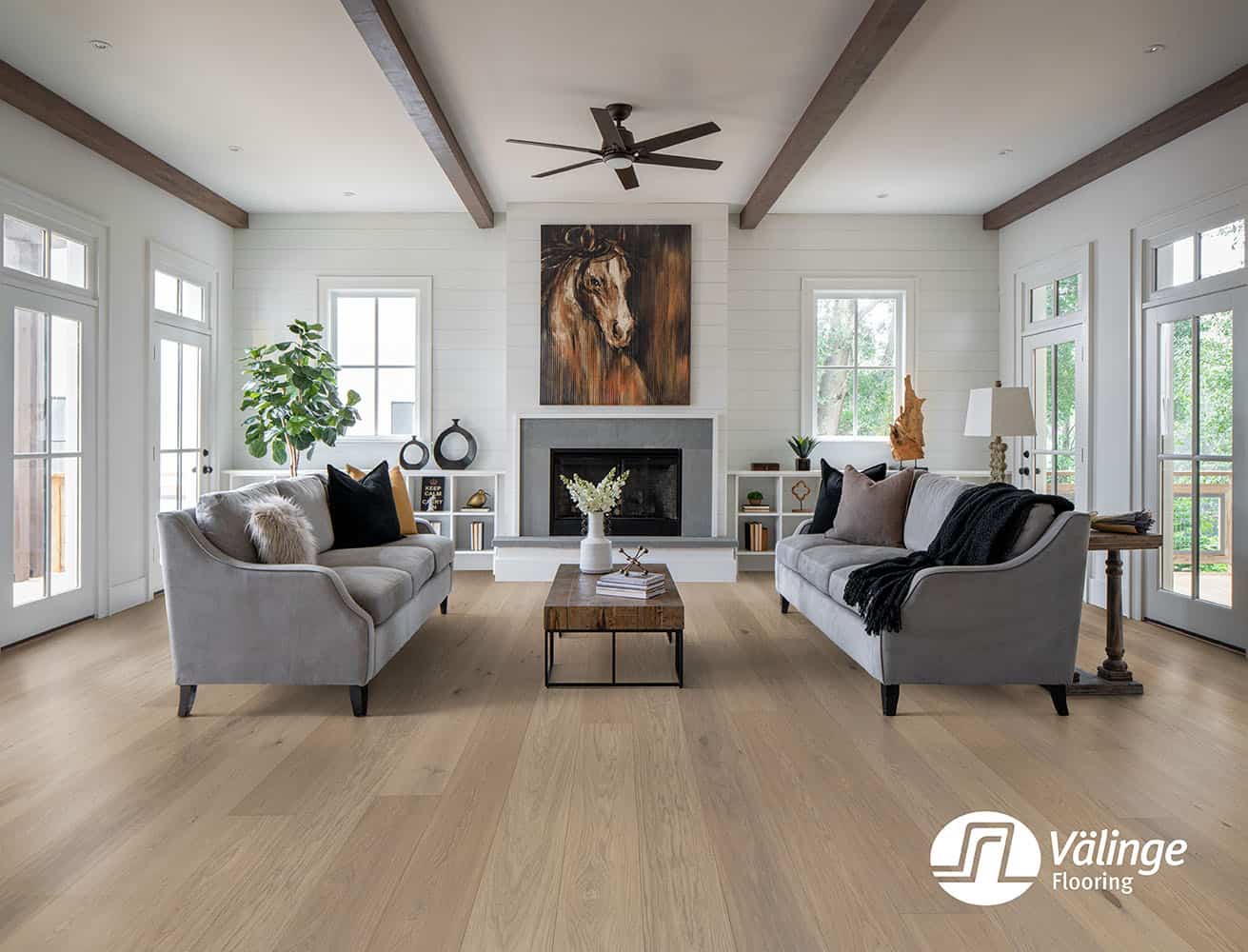
Valinge – Woodura Hardened Wood Flooring Misty White Oak
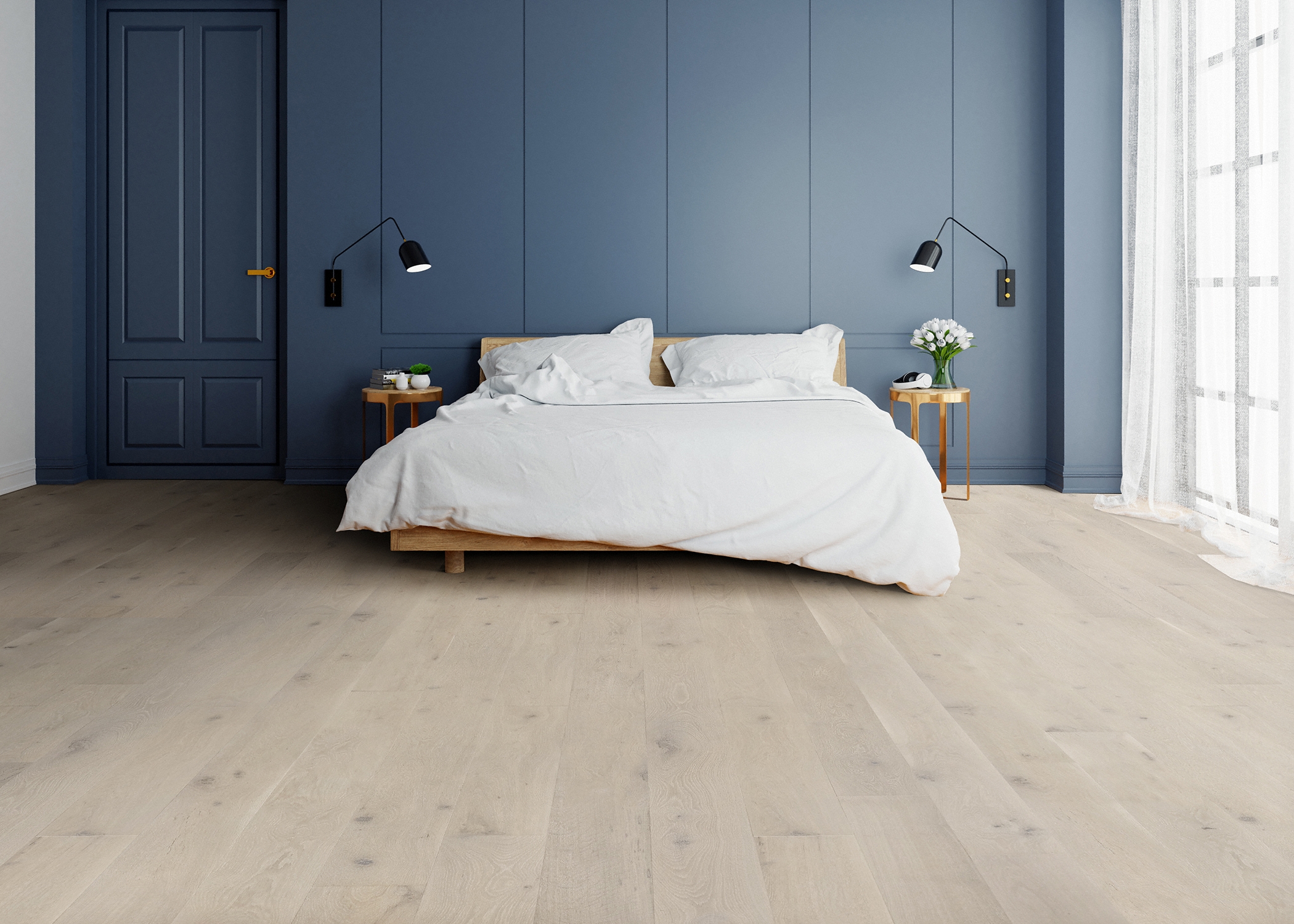
Bellawood Artisan 5/8 in. Barcelona White Oak Engineered Hardwood
Related Posts: