Artistic vinyl flooring has become a popular choice for homeowners and designers looking for a blend of style, affordability, and practicality. Unlike traditional flooring options, vinyl offers endless design possibilities, including realistic wood, stone, and abstract patterns, allowing for unique customization. Its durability, water resistance, and ease of maintenance make it ideal for high-traffic areas, kitchens, and bathrooms. Additionally, advancements in printing technology have made artistic vinyl flooring nearly indistinguishable from natural materials, providing an upscale look without the high cost. Whether you prefer a modern, rustic, or eclectic aesthetic, vinyl flooring can adapt to any design vision while offering long-lasting performance.
Design Versatility of Artistic Vinyl Flooring
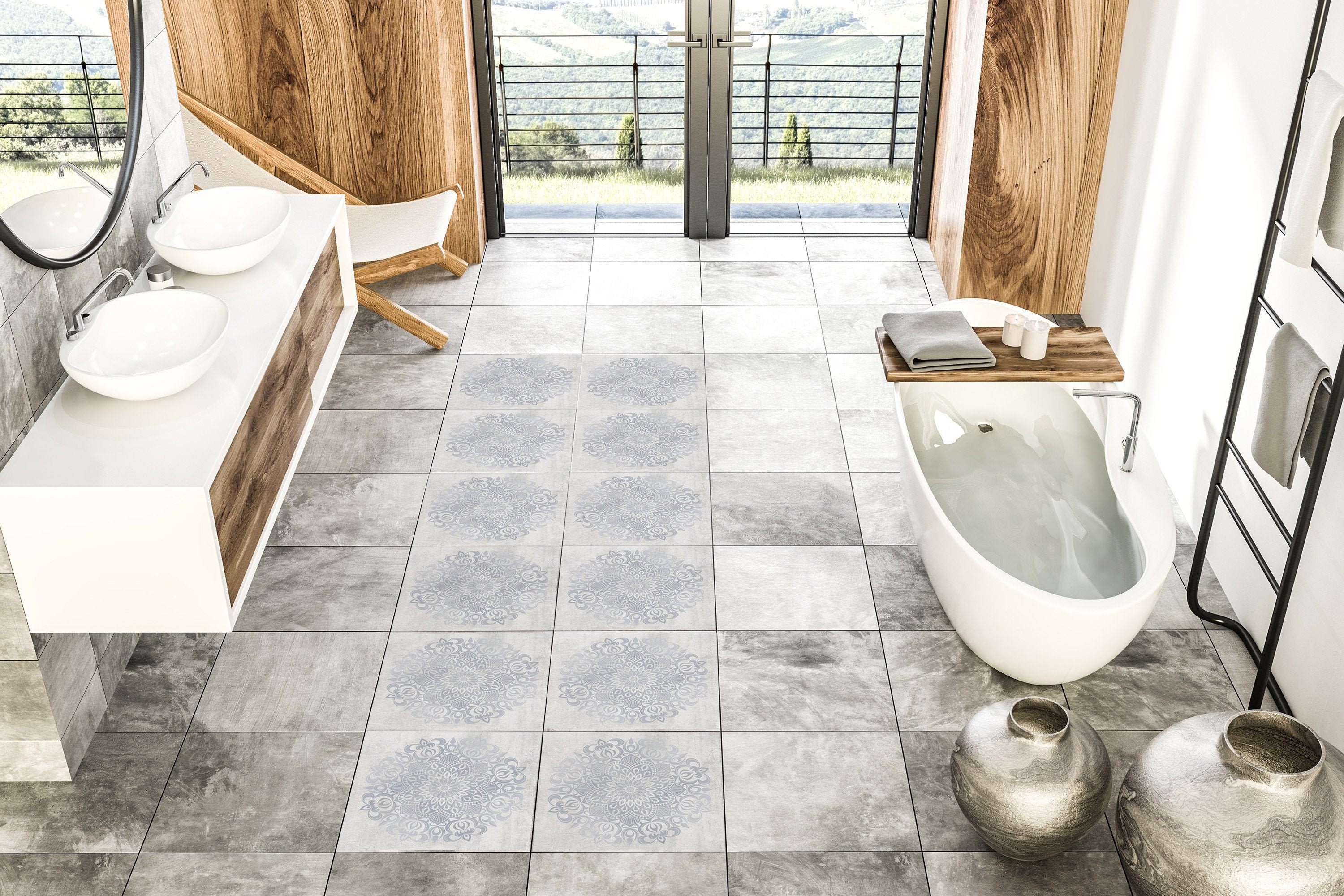
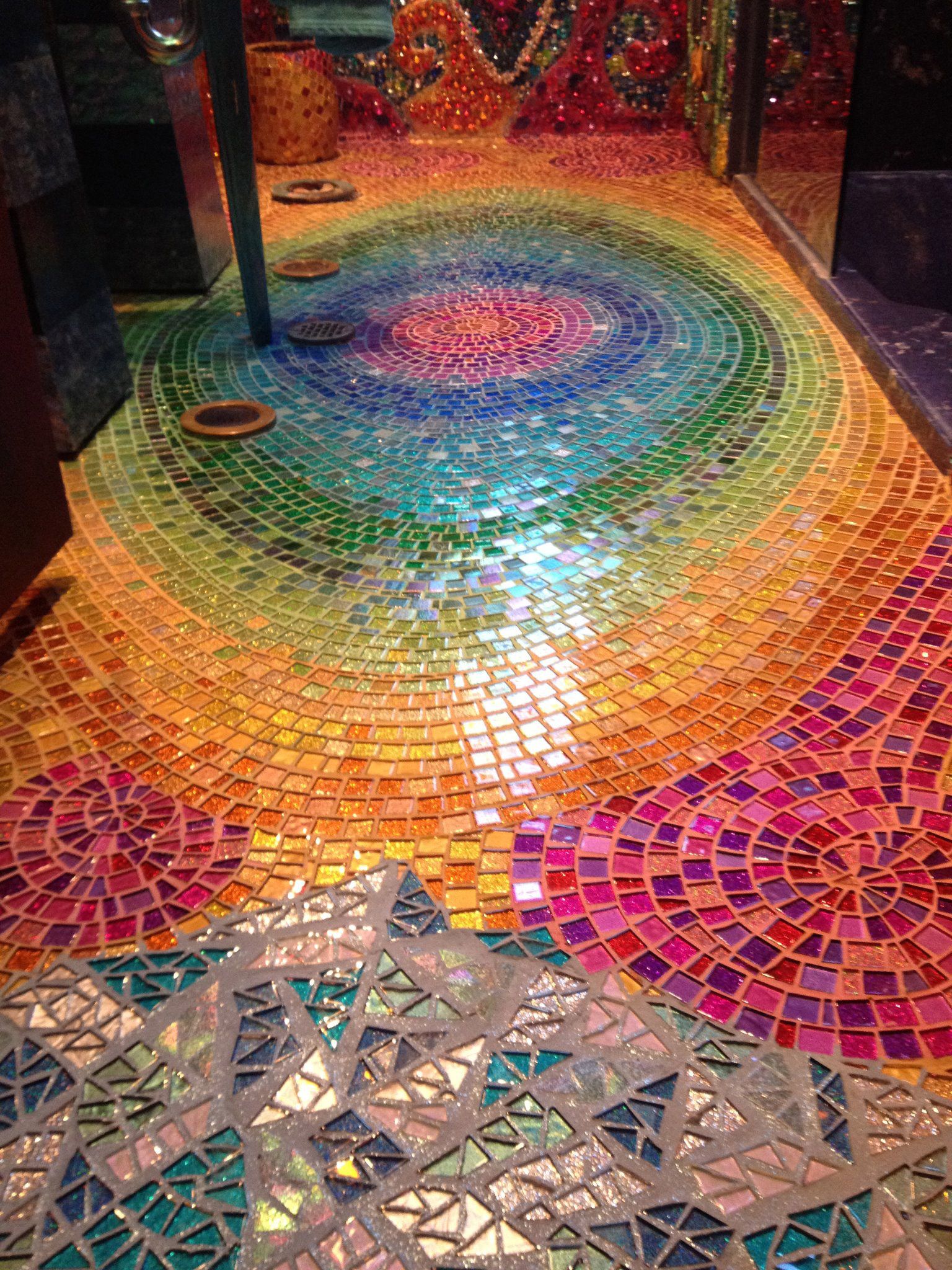
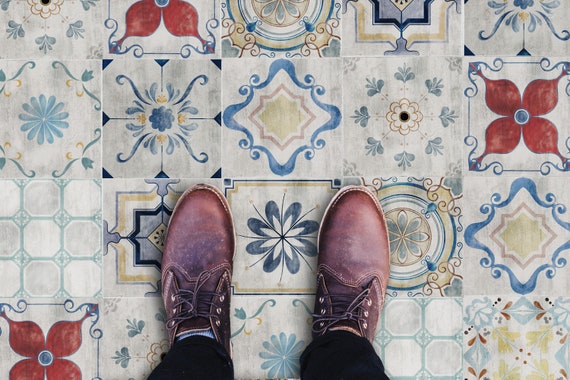
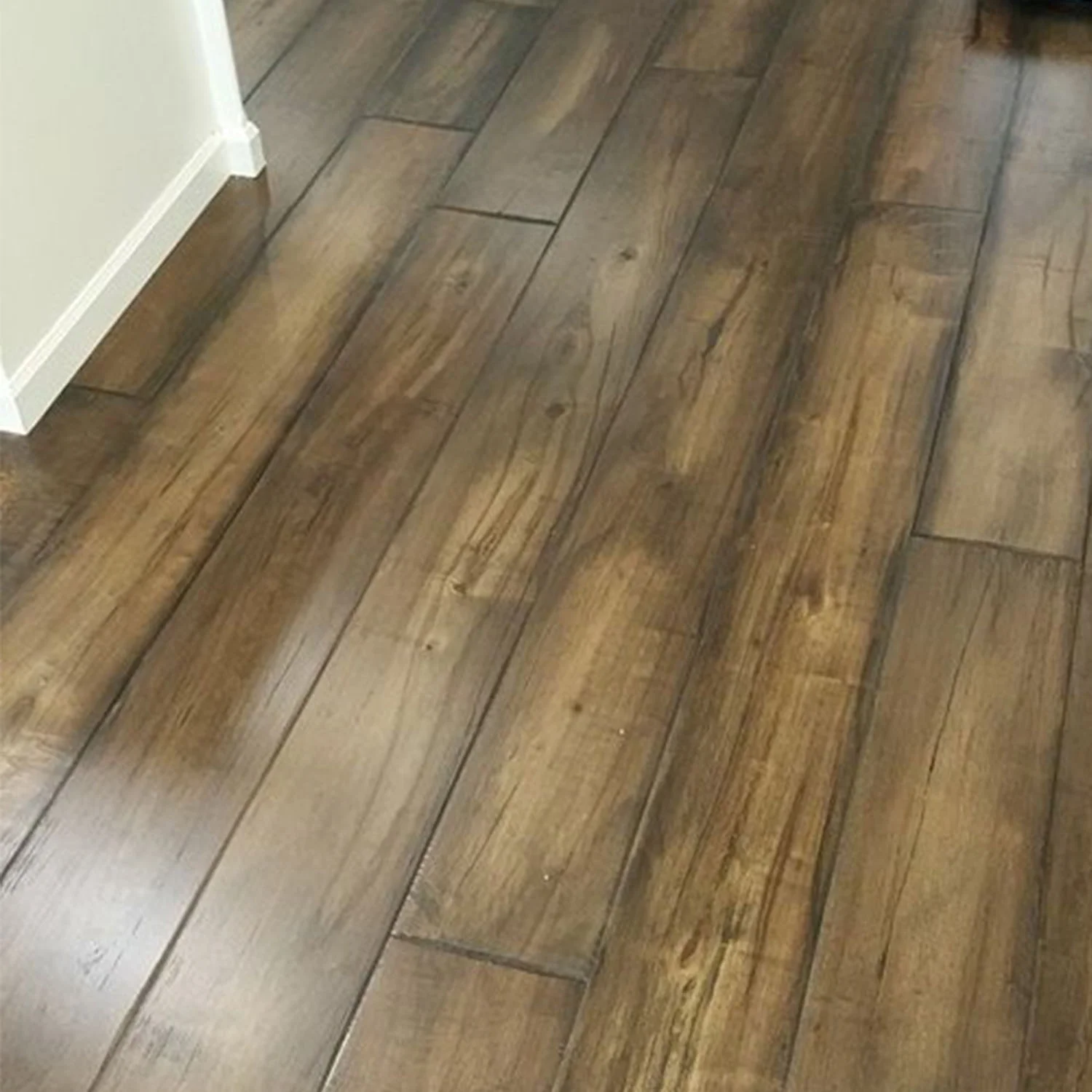
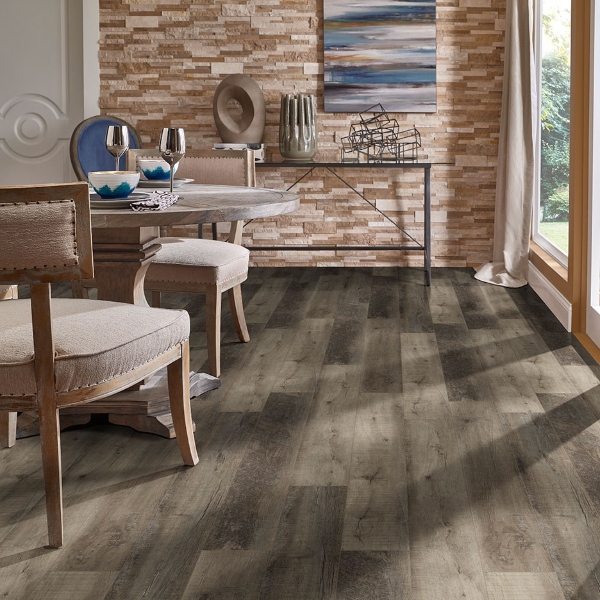
Artistic vinyl flooring comes in a vast range of designs, from classic hardwood and stone imitations to bold geometric and abstract patterns. This versatility allows homeowners to achieve high-end aesthetics at a fraction of the cost of natural materials. Whether replicating the warmth of oak planks or the elegance of marble, vinyl provides a convincing alternative that suits various interior styles.
Customization options extend beyond color and texture, with choices in plank sizes, tile shapes, and layout patterns. Herringbone, chevron, and mosaic designs can be easily achieved with vinyl, offering a high-end look without complex installation. Some vinyl flooring even includes embossed textures that mimic the feel of real wood or stone, enhancing the overall realism.
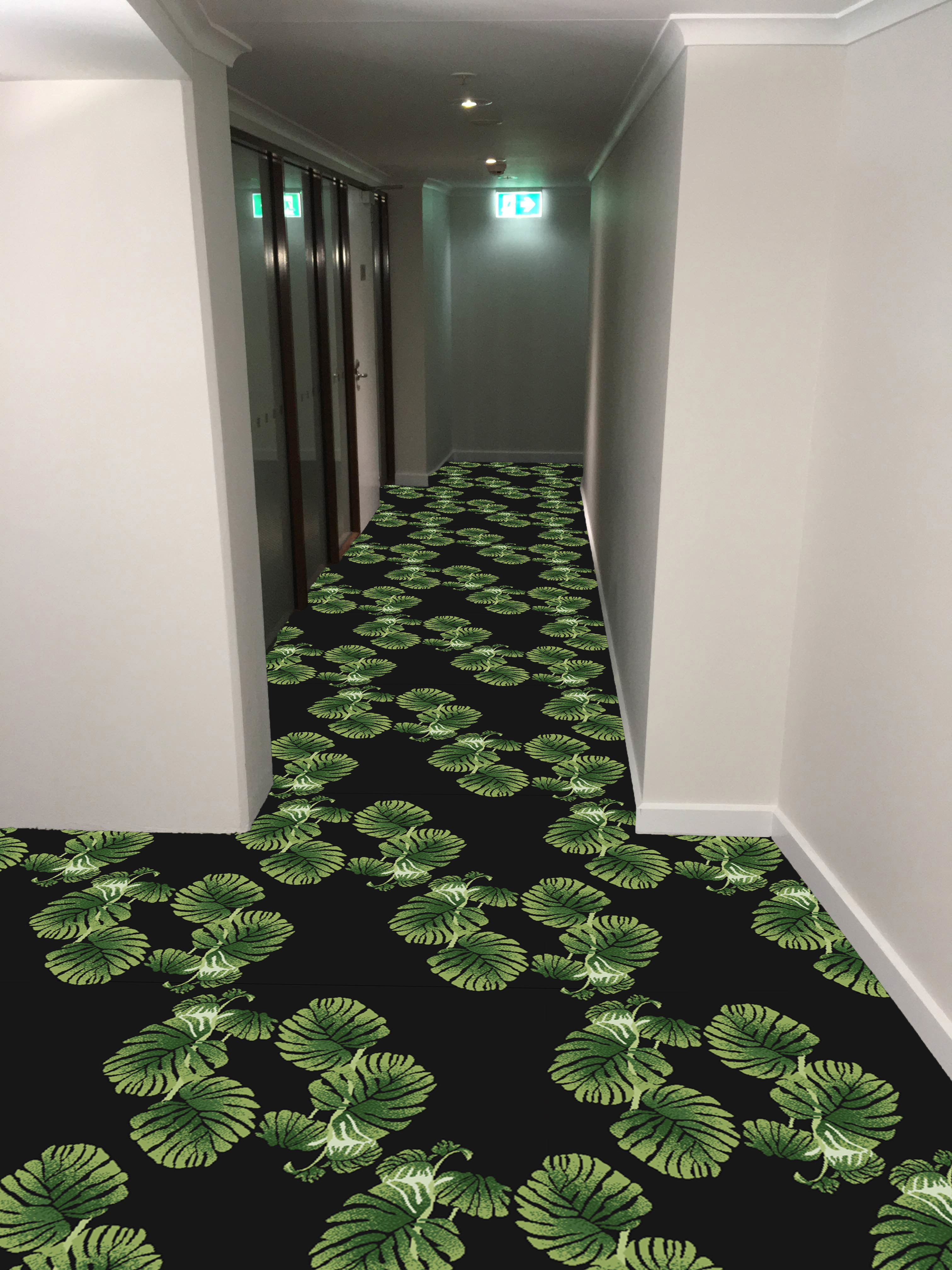
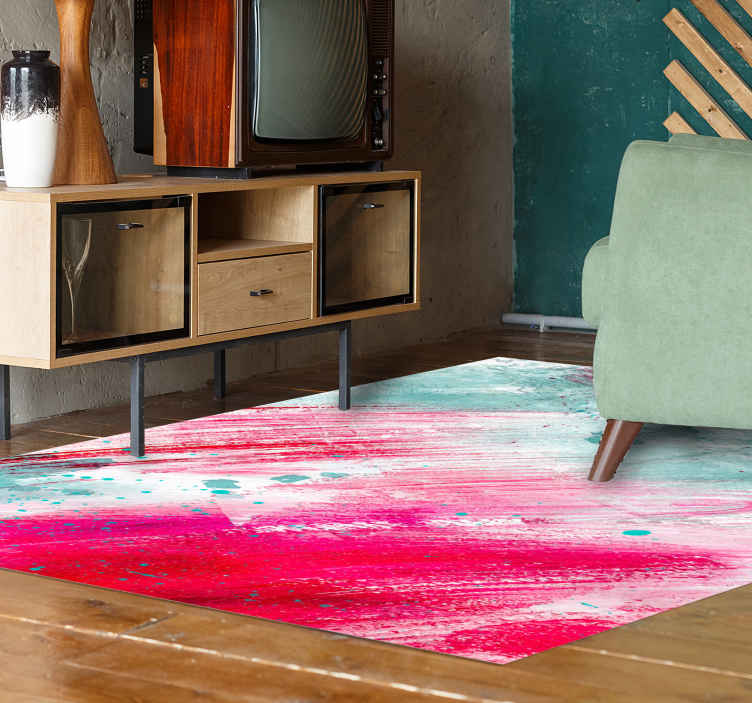
For those seeking a truly unique floor, custom-printed vinyl allows for personalized artwork, photographs, or intricate designs. This makes it an excellent choice for commercial spaces, creative studios, or homeowners who want a one-of-a-kind statement floor. The ability to mix and match patterns further expands creative possibilities, making vinyl a favorite among interior designers.
Durability and Practical Benefits
One of the strongest advantages of artistic vinyl flooring is its durability. Designed to withstand heavy foot traffic, scratches, and spills, it is an excellent choice for families with children and pets. Many vinyl floors come with protective wear layers that resist scuffs and stains, ensuring they remain attractive for years.
Water resistance is another key benefit, making vinyl ideal for moisture-prone areas like bathrooms, kitchens, and basements. Unlike hardwood or laminate, vinyl won’t warp or swell when exposed to water, providing long-term reliability. This feature also simplifies cleaning, as spills can be wiped away without causing damage.
Comfort underfoot is an often-overlooked advantage of vinyl flooring. Many varieties include cushioned layers that provide a softer surface than tile or hardwood, reducing fatigue when standing for long periods. Some vinyl products also offer sound-dampening properties, making them a great option for apartments or multi-level homes.
Installation and Maintenance Tips
Artistic vinyl flooring is available in multiple installation formats, including glue-down, click-lock, and peel-and-stick options. Click-lock vinyl planks are particularly popular for DIY projects, as they can be installed quickly without adhesives. Peel-and-stick tiles offer another easy solution for temporary or budget-friendly renovations.
Proper subfloor preparation is essential for a smooth and long-lasting installation. The surface should be clean, dry, and level to prevent uneven wear or bubbling. For glue-down vinyl, following manufacturer instructions ensures strong adhesion and prevents future lifting or curling along the edges.
Maintenance is straightforward, requiring only regular sweeping and occasional damp mopping. Avoid harsh chemicals or abrasive tools that could damage the protective wear layer. Placing felt pads under furniture legs and using doormats at entryways can further extend the floor’s lifespan by minimizing scratches and dirt accumulation.

Cost-Effectiveness and Budget Considerations
Artistic vinyl flooring is one of the most budget-friendly options, offering high-end aesthetics at a lower cost than hardwood, tile, or natural stone. Prices vary depending on quality, thickness, and design complexity, but even premium vinyl remains more affordable than many traditional materials.
Installation costs are also lower, especially for DIY-friendly options like click-lock or peel-and-stick vinyl. Professional installation may be necessary for glue-down or custom designs, but it is still generally less expensive than other flooring types. The reduced labor time further contributes to overall savings.
Long-term value is another advantage, as vinyl’s durability means fewer repairs or replacements over time. Unlike carpet, which may need frequent changing, or hardwood, which requires refinishing, vinyl maintains its appearance with minimal upkeep, making it a cost-effective investment.
Comparing Vinyl to Other Flooring Options
Compared to hardwood, artistic vinyl flooring offers superior water resistance and easier maintenance. While hardwood provides natural warmth, it is susceptible to scratches, moisture damage, and fading. Vinyl replicates the look of wood while being more practical for active households and humid environments.
Laminate flooring shares some similarities with vinyl but lacks the same level of water resistance. Laminate can swell when exposed to moisture, whereas vinyl remains unaffected. Additionally, vinyl’s softer surface makes it more comfortable underfoot compared to the rigid feel of laminate.
Tile flooring is durable and water-resistant but can be cold and hard underfoot. Vinyl provides a warmer, more comfortable surface while still offering similar design flexibility. Installation is also faster and less labor-intensive with vinyl, making it a more convenient choice for many homeowners.
Best Applications for Artistic Vinyl Flooring
Kitchens benefit greatly from vinyl flooring due to its water resistance and ease of cleaning. Spills and stains can be wiped away quickly, and the cushioned surface reduces fatigue during meal prep. The wide variety of designs allows for seamless integration with cabinetry and countertops.
Bathrooms are another ideal location, as vinyl’s waterproof nature prevents damage from humidity and splashes. Many vinyl options include slip-resistant textures, enhancing safety in wet areas. The ability to mimic stone or tile makes it a stylish yet practical choice for modern bathrooms.
Living rooms and bedrooms also suit vinyl flooring, especially for those who want the look of hardwood without the maintenance. The softness underfoot adds comfort, while sound-absorbing qualities reduce noise in busy households. Vinyl’s versatility ensures it complements any decor style, from minimalist to traditional.

Is artistic vinyl flooring suitable for homes with pets?
Yes, artistic vinyl flooring is an excellent choice for pet owners due to its scratch resistance and easy cleanup. The durable wear layer protects against claws and accidental spills, while waterproof properties prevent damage from pet accidents. Unlike carpet, vinyl doesn’t trap odors or hair, making it more hygienic.
Pets may find vinyl more comfortable than tile or hardwood, as some varieties have cushioned layers. Adding area rugs can provide extra traction for older pets while protecting high-traffic areas. Overall, vinyl’s durability and low maintenance make it a pet-friendly flooring solution.
Can vinyl flooring be installed over existing floors?
In many cases, vinyl flooring can be installed over existing surfaces like tile, hardwood, or laminate, provided the subfloor is smooth and stable. Uneven surfaces should be leveled first to prevent imperfections from showing through. A moisture barrier may be needed in basements or concrete subfloors.
Peel-and-stick or click-lock vinyl is particularly suitable for covering old floors without extensive prep work. However, heavily damaged or uneven flooring should be repaired or removed before installation. Consulting a professional ensures the best results for long-term performance.
How long does artistic vinyl flooring typically last?
High-quality vinyl flooring can last 10 to 20 years, depending on thickness, wear layer, and maintenance. Residential-grade vinyl may last closer to 10 years, while commercial-grade options with reinforced wear layers can exceed 15 years with proper care.
Regular cleaning and avoiding harsh chemicals help preserve the floor’s appearance. Placing protective pads under furniture and using rugs in high-traffic zones can further extend its lifespan. Unlike materials that require refinishing, vinyl maintains its look until replacement is needed.
Does vinyl flooring emit VOCs or harmful chemicals?
Modern vinyl flooring is much safer than older versions, with many products meeting low-VOC or phthalate-free standards. Look for certifications like FloorScore or GREENGUARD to ensure indoor air quality safety. Proper ventilation during and after installation helps dissipate any temporary odors.
Luxury vinyl tile (LVT) and rigid core vinyl often have stricter emissions regulations than cheaper alternatives. If concerned about off-gassing, choosing high-quality brands with eco-friendly certifications minimizes potential health risks. Most vinyl flooring today is designed with consumer safety in mind.

Can artistic vinyl flooring be repaired if damaged?
Minor scratches or scuffs can often be buffed out with a vinyl repair kit. For deeper damage, individual planks or tiles can usually be replaced without redoing the entire floor. This is easier with click-lock or loose-lay vinyl than with glue-down installations.
Keeping extra planks from the original installation ensures color matching for repairs. For large or complex damages, professional assistance may be needed. Overall, vinyl’s repairability adds to its long-term practicality compared to other flooring types.
Is vinyl flooring a good option for radiant heating systems?
Yes, many vinyl flooring products are compatible with radiant heating systems, providing efficient warmth without damage. However, it’s important to choose vinyl specifically rated for heated floors, as excessive heat can cause warping or adhesive failure in some types.
Follow manufacturer guidelines for maximum temperature settings to prevent issues. Luxury vinyl plank (LVP) and rigid core vinyl are often the best choices, as their stability handles temperature fluctuations well. Proper installation ensures even heat distribution and long-lasting performance.
Artistic Floors & Lights Flooring, Lighting, Cabinets
Straight Talk About Luxury Vinyl Tile: Is It Right for Your Home?
Related Posts: