When I decided to transform my unfinished basement into a family recreation room, selecting the right flooring became my biggest challenge due to moisture concerns and temperature fluctuations that basements naturally experience. After researching countless options and consulting with flooring professionals, I chose high-quality waterproof laminate that promised durability and comfort in challenging below-grade conditions. Two years later, my basement laminate floors have completely transformed the space into a warm, inviting area that my family uses daily, though the installation process taught me crucial lessons about moisture management and proper preparation techniques.
Moisture Management and Waterproof Laminate Selection
Selecting truly waterproof laminate became my top priority after learning how basement moisture issues can destroy traditional laminate flooring within months. I discovered that many products marketed as “water-resistant” aren’t suitable for basement installations where humidity and occasional moisture are constant concerns. After extensive research, I chose luxury vinyl plank laminate with a rigid core construction that completely resists water penetration, even with standing water exposure that can occur during heavy rains or plumbing issues.
The technology behind waterproof laminate impressed me as I learned about the engineering that makes below-grade installation possible. My chosen product features a stone-polymer composite core that won’t swell, warp, or delaminate when exposed to moisture, unlike traditional wood-based laminate cores. The integrated underlayment also includes moisture barriers that prevent ground moisture from affecting the flooring system, providing multiple layers of protection against the challenging basement environment.
Testing different waterproof laminate samples in my basement conditions helped me understand how various products perform in high-humidity environments. I left samples in my basement for two weeks during a particularly humid summer period, monitoring how they responded to temperature changes and moisture exposure. The rigid core product I ultimately selected showed no dimensional changes or surface effects, while cheaper alternatives showed slight warping and surface dulling that convinced me to invest in quality materials.
Subfloor Preparation and Vapor Barrier Installation
Preparing my concrete basement floor for laminate installation required addressing moisture issues and creating a suitable foundation that I initially underestimated. My contractor performed comprehensive moisture testing using calcium chloride tests that revealed higher-than-expected moisture emissions from the concrete slab. We had to apply a specialized concrete sealer and install a premium vapor barrier system before proceeding with the laminate installation, adding time and cost but ensuring long-term success.
The vapor barrier installation process taught me about the critical importance of proper moisture management in basement flooring projects. We used a heavy-duty plastic sheeting with sealed seams and adhesive strips that create a complete moisture barrier between the concrete and the flooring system. Every penetration for utility lines required careful sealing, and we extended the barrier slightly up the walls to prevent moisture wicking from the foundation walls into the flooring area.
Leveling the concrete surface proved more challenging than expected, as my basement floor had several low spots and slight irregularities that would telegraph through the thin laminate planks. My installer used self-leveling compound in problem areas and applied a smooth primer coat across the entire surface. This meticulous preparation work took two full days but was essential for achieving the professional appearance and performance I wanted from my finished basement floor.

Installation Techniques for Below-Grade Conditions
Installing laminate flooring in my basement required modified techniques to accommodate the unique challenges of below-grade environments, particularly regarding expansion gaps and transition planning. My installer emphasized the importance of larger expansion gaps around the perimeter to accommodate seasonal movement caused by temperature and humidity fluctuations that are more extreme in basements. We used 3/8-inch gaps instead of the standard 1/4-inch to ensure adequate room for expansion without buckling.
The floating floor installation method proved ideal for basement conditions, allowing the entire floor system to move as a unit without being anchored to the concrete substrate. This flexibility accommodates the natural settling and seasonal movement that basement floors experience without creating stress points that could cause damage. The click-lock connection system my laminate used created strong joints while maintaining the flexibility needed for basement installations.
Temperature control during installation became crucial for achieving proper fit and long-term performance. We heated the basement to normal living temperatures for 48 hours before installation and maintained consistent temperatures throughout the process. The laminate planks needed to acclimate to basement conditions, and working in consistent temperatures ensured proper expansion gaps and tight joints. This attention to environmental conditions during installation has resulted in a floor that has remained stable through two years of seasonal changes.

Insulation and Comfort Improvements
Adding insulation beneath my laminate flooring dramatically improved the comfort and usability of my finished basement space, though it required careful planning to avoid moisture problems. We installed a specialized foam subfloor system designed for basement use that provides thermal insulation while allowing moisture vapor to pass through safely. This system eliminated the cold floor problem that makes many basement spaces uncomfortable during cooler months.
The insulation choice process taught me about balancing thermal comfort with moisture management in basement environments. Traditional insulation materials can trap moisture and create mold problems in below-grade applications, so we selected closed-cell foam products specifically designed for basement use. The thermal barrier created by this system has made my basement floor comfortable for bare feet year-round and improved the overall energy efficiency of my home.
Radiant heating integration was something I considered but ultimately decided against due to complexity and cost concerns. Instead, the insulated subfloor system combined with area rugs in seating areas has provided adequate comfort for my family’s needs. The laminate flooring itself feels warmer underfoot than the original concrete, and the thermal barrier prevents the cold transfer that made the space unusable during the winter months before renovation.

Design Choices and Aesthetic Integration
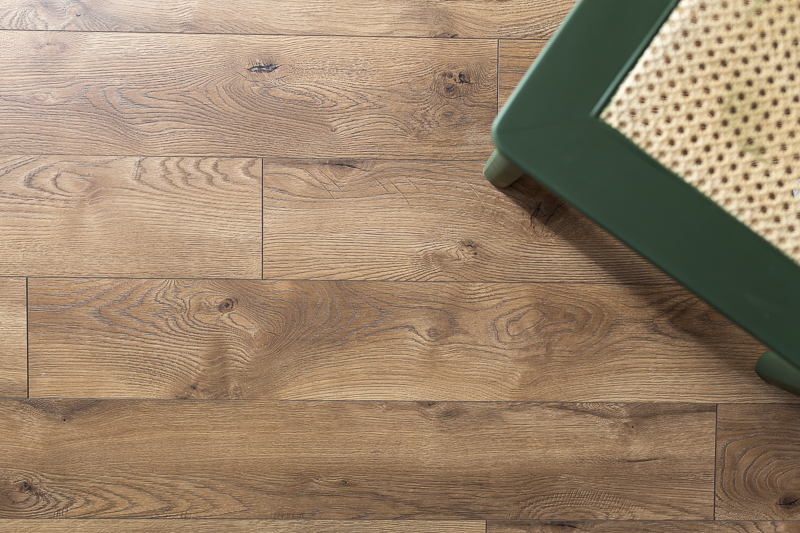
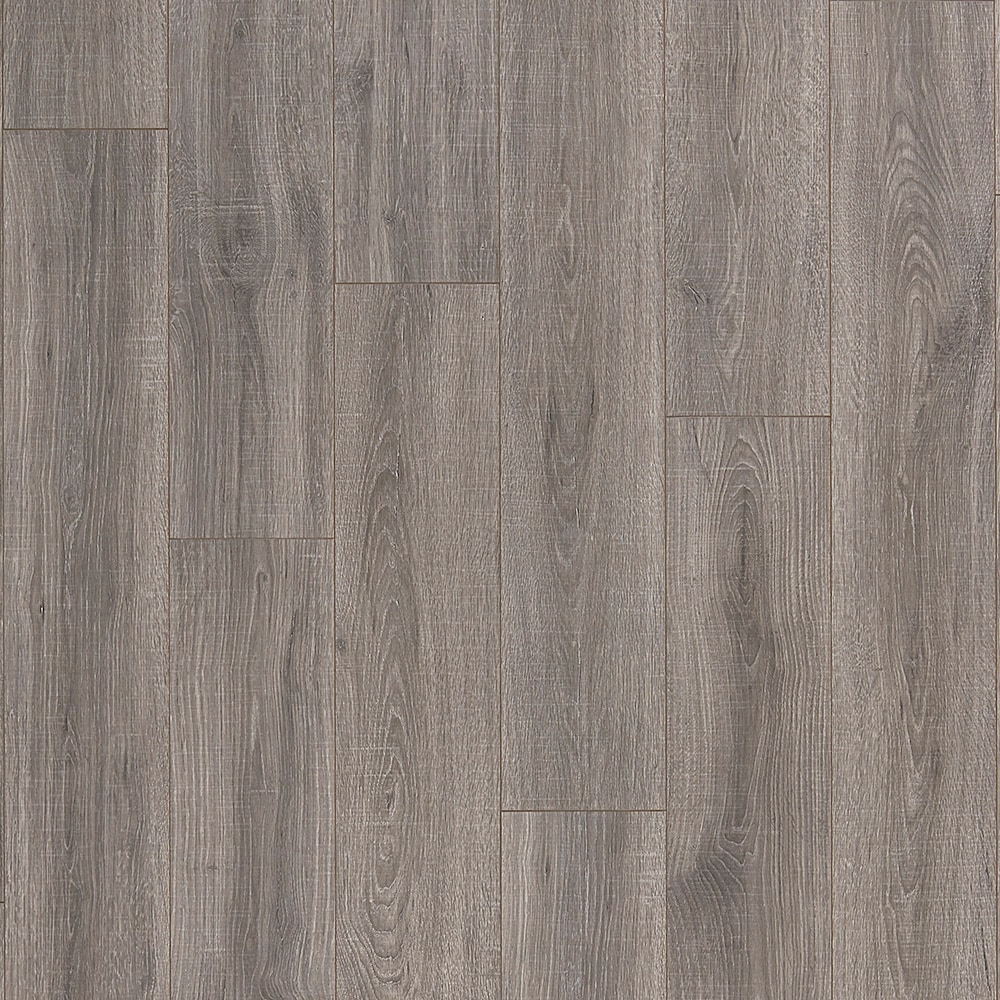
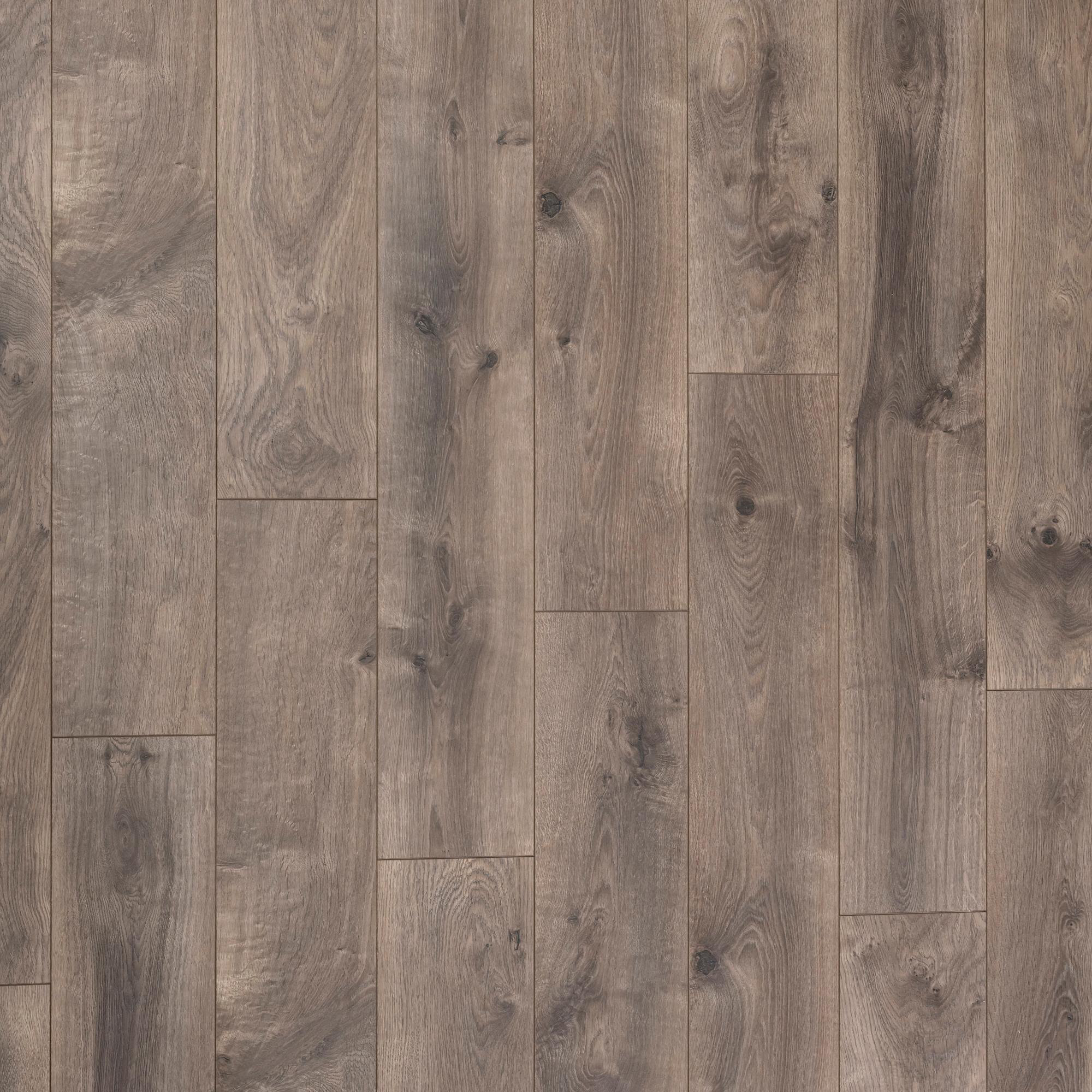
Selecting laminate designs that work well in basement environments required balancing style preferences with practical considerations about lighting and space perception. I chose lighter oak-look planks that help brighten the naturally darker basement space while creating visual continuity with the hardwood floors in my main living areas. The wood-grain texture adds warmth and authenticity that makes the basement feel like a natural extension of my home rather than a utilitarian space.
The plank width and length decisions significantly impacted the visual perception of my basement space, with wider planks creating a more spacious feel despite the lower ceiling height. I selected 7-inch wide planks in varied lengths that create an authentic hardwood appearance while minimizing the number of joints that could potentially allow moisture penetration. The longer planks also reduced installation time and created fewer potential failure points in the basement environment.
Color coordination with basement lighting became more important than I initially realized, as the limited natural light in below-grade spaces affects how flooring colors appear throughout the day. I tested several color samples under different lighting conditions, including the LED recessed lights I planned to install. The medium-toned oak I selected looks rich and warm under artificial lighting while remaining light enough to keep the space feeling open and inviting.
Long-Term Performance and Maintenance Insights
After two years of use, my basement laminate flooring has exceeded my performance expectations while requiring minimal maintenance beyond regular cleaning and monitoring. The waterproof construction has handled several minor flooding incidents from heavy rains without any damage or dimensional changes. I’ve been impressed by how well the floor has maintained its appearance despite the challenging basement environment and heavy use from my teenagers and their friends.
Seasonal performance has been remarkably stable, with no noticeable expansion, contraction, or gap issues despite significant temperature and humidity fluctuations in my basement throughout the year. The proper installation techniques and quality materials have proven their worth through multiple seasonal cycles. I monitor humidity levels with a digital gauge and run a dehumidifier when necessary, maintaining conditions that keep both the flooring and the overall basement environment healthy.
Maintenance routines have been surprisingly simple, requiring only regular sweeping and occasional damp mopping with laminate-specific cleaners. The waterproof surface resists staining from spilled drinks and snacks, and the textured surface hides minor scratches and wear patterns well. I’ve had no repairs or replacement needs, and the floor still looks nearly new despite daily use. This performance has convinced me that investing in quality waterproof laminate was the right choice for my basement renovation.

How does basement laminate flooring handle moisture and humidity compared to other options?
My waterproof laminate has handled basement moisture excellently over two years, including minor flooding incidents. The rigid core construction completely resists water penetration, while the vapor barrier system prevents ground moisture issues. I maintain humidity below 60% with a dehumidifier, and the floor shows no signs of moisture damage, warping, or mold issues that plagued previous flooring attempts.
Is laminate flooring comfortable enough for barefoot walking in cold basements?
The insulated subfloor system I installed makes a huge difference in comfort. While not as warm as carpet, the combination of thermal barrier and laminate feels much warmer than concrete. I use area rugs in seating zones for extra comfort. During winter, the floor stays comfortable for normal activities, though thick socks are nice for extended barefoot time.

What’s the realistic cost comparison between basement laminate and other flooring options?
My waterproof laminate project cost about $6-8 per square foot, including installation and moisture management. While more expensive than basic vinyl or carpet, it’s less than ceramic tile or engineered hardwood. The longevity and water resistance make it cost-effective long-term, especially considering the replacement costs of failed basement flooring from moisture damage.
How difficult is DIY installation of laminate flooring in basement conditions?
The moisture management and preparation work really require professional expertise for basement success. While the laminate installation itself is DIY-friendly, getting the vapor barriers, moisture testing, and subfloor prep right is crucial and challenging. I’m handy, but chose professional installation for the basement-specific requirements. The peace of mind was worth the extra cost.

Can basement laminate be removed and reinstalled if I need to access utilities or make changes?
The floating floor installation makes removal and reinstallation possible, though not simple. Individual planks can be replaced if damaged, and sections can be lifted for utility access. However, the process requires care to avoid damaging the click-lock joints. I keep extra planks for repairs and plan any major changes carefully to minimize floor disruption.
How does basement laminate perform with kids, pets, and heavy recreational use?
My basement gets heavy use from teenagers, pets, and family activities, and the laminate holds up remarkably well. The waterproof surface handles spilled drinks and snacks easily, while the textured surface hides minor scratches from furniture and pet claws. Gaming chairs and exercise equipment haven’t caused any damage. It’s proven to be an excellent choice for active family use.

How To Install Laminate Flooring Over Concrete
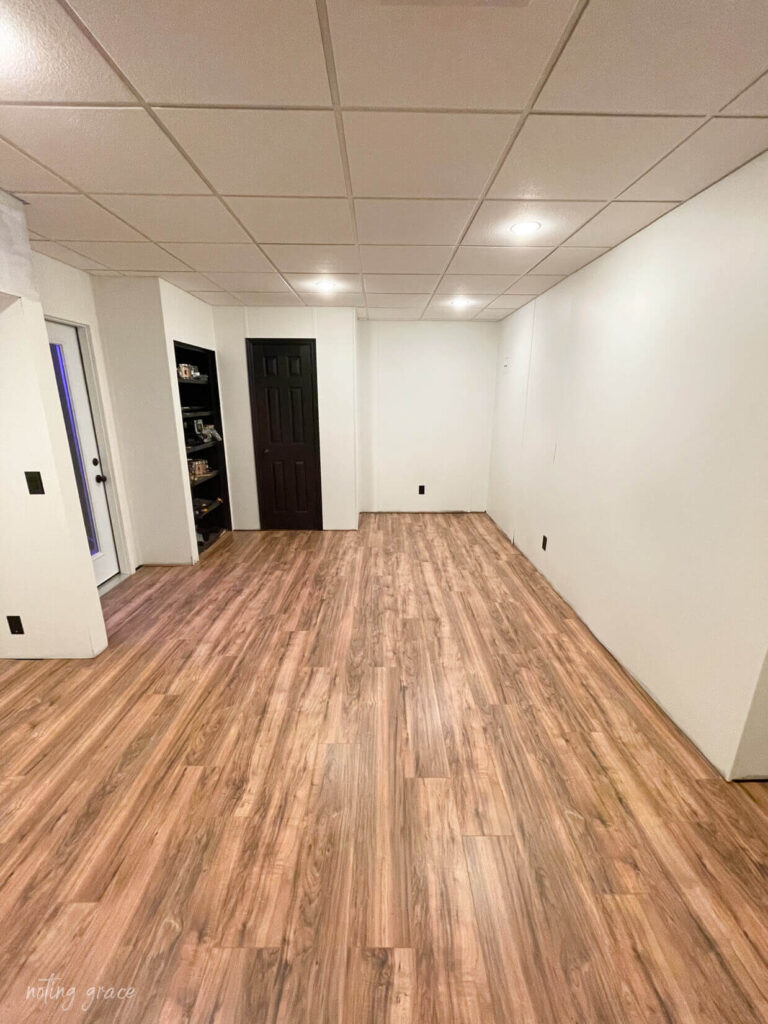
Why we installed Select Surfaces Laminate Floors in our Basement
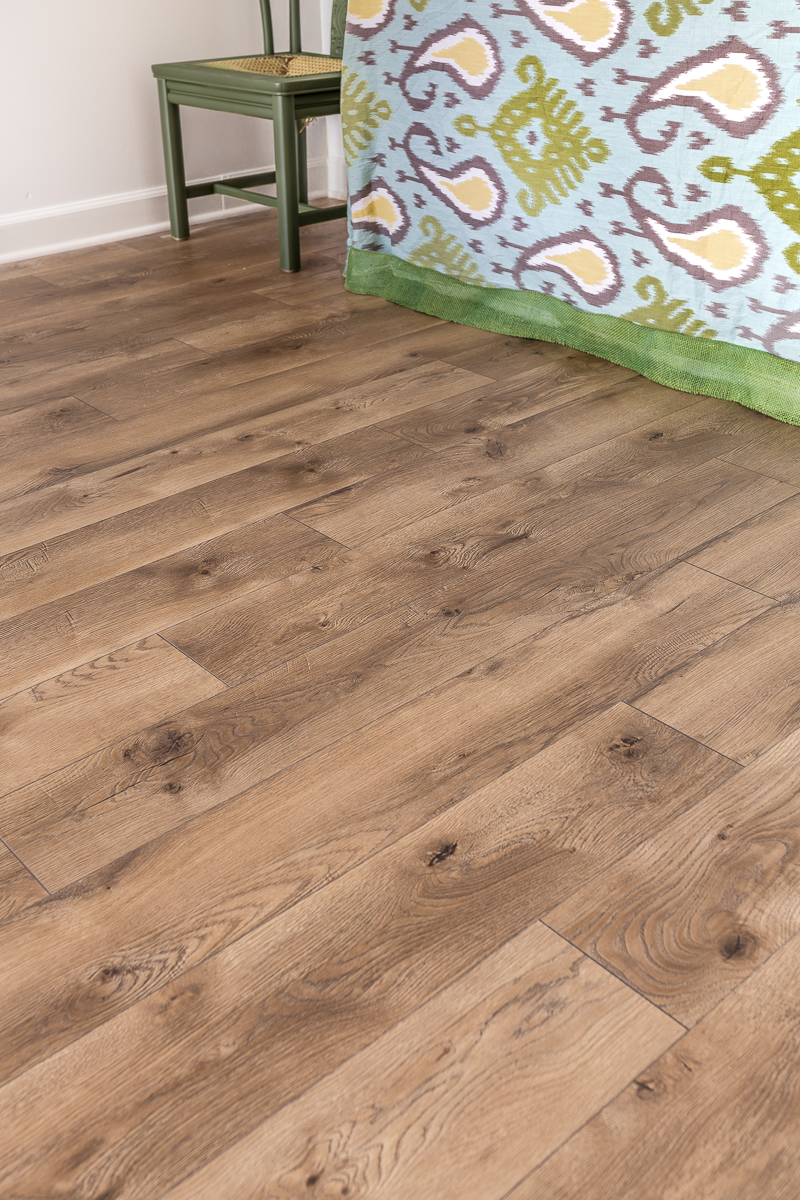
Why we installed Select Surfaces Laminate Floors in our Basement
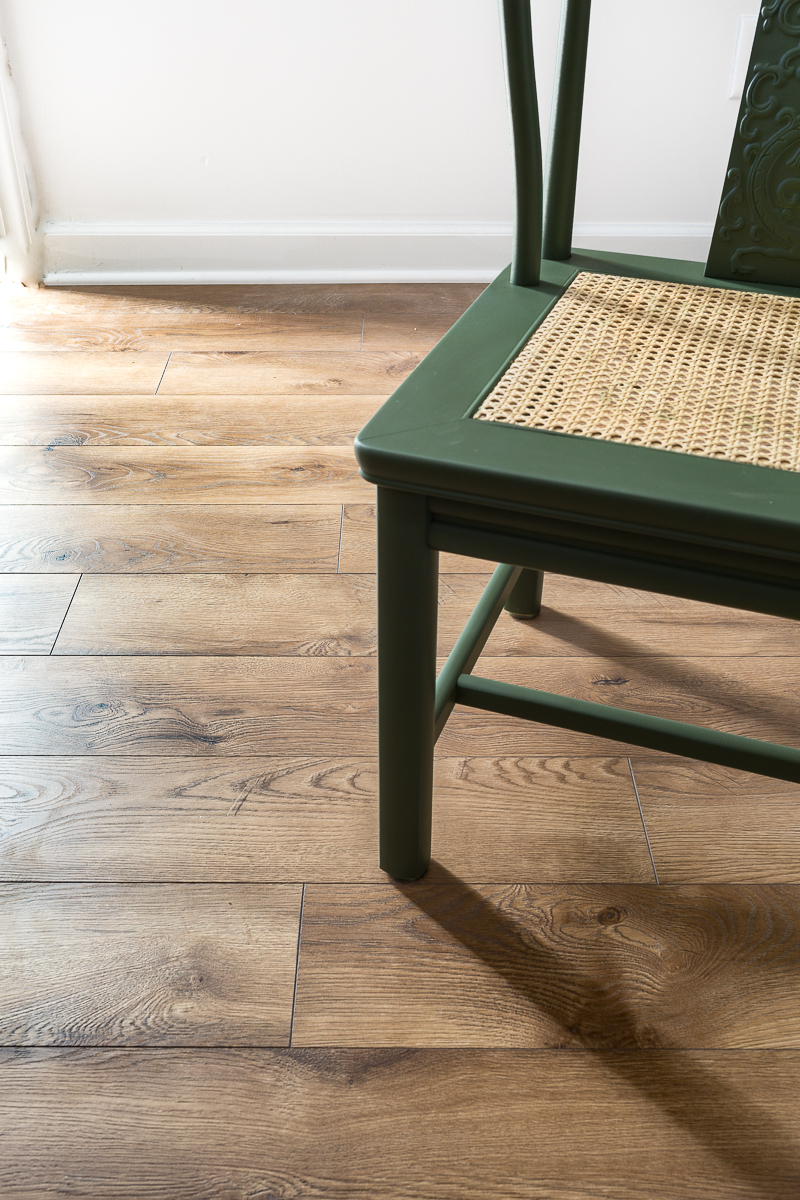
Pergo Portfolio + WetProtect Trenton Oak 10-mm Thick Waterproof
Wayfair Laminate Flooring
Laminate Flooring for Basements
Related Posts: