When I inherited my grandmother’s farmhouse five years ago, the original hardwood floors were beautiful but desperately needed updating for my busy family lifestyle. I wanted to honor the home’s country heritage while creating something durable enough for kids, pets, and muddy boots.
After months of research and soul-searching, I discovered that country-style tile floors could provide me with the rustic charm I craved, along with the practicality I needed. The transformation has been incredible, and I’ve learned a great deal about balancing authentic country aesthetics with modern living requirements. I’m excited to share my experiences with you.
Choosing the Perfect Country Tile Style for Authentic Character
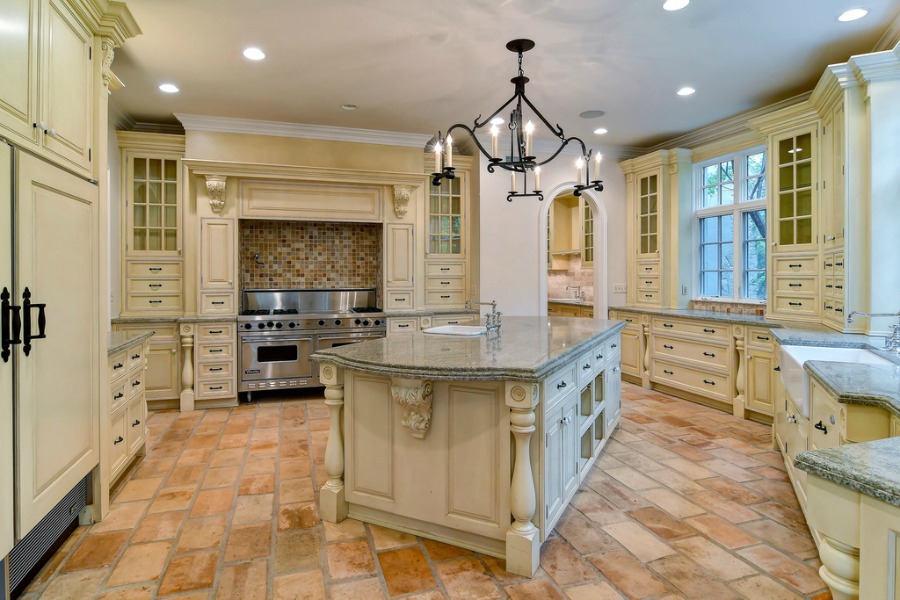
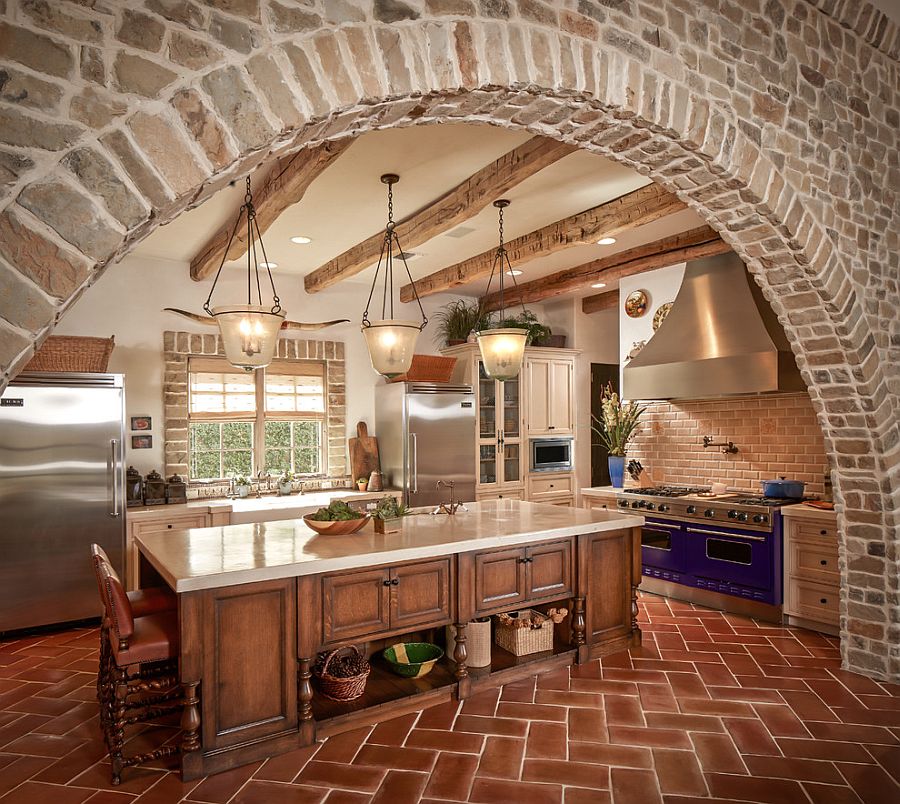
My search for the ideal country tile began with understanding the different styles that capture that rustic, lived-in feeling I wanted. I spent countless hours studying farmhouse kitchens and country homes, both historic and contemporary, to identify what made floors feel authentically country. Terracotta tiles immediately caught my attention with their warm, earthy tones and natural imperfections that seemed to tell stories of generations of family life.
During my selection process, I discovered that handmade or hand-finished tiles offered the irregular edges and subtle color variations that machine-made tiles simply couldn’t replicate. I visited several tile showrooms and was amazed by how different each handcrafted tile looked, even within the same batch.
This variation initially worried me, but my designer explained that these imperfections are exactly what create the authentic country character that mass-produced tiles lack.
I ultimately chose a collection of reclaimed-look ceramic tiles that mimicked aged terracotta but offered better durability and easier maintenance than authentic clay tiles.
The slightly uneven surfaces and weathered appearance perfectly captured the farmhouse aesthetic I wanted while providing modern performance benefits. Looking back, this compromise between authenticity and practicality proved to be one of my best renovation decisions.
Installation Techniques That Enhance the Country Aesthetic
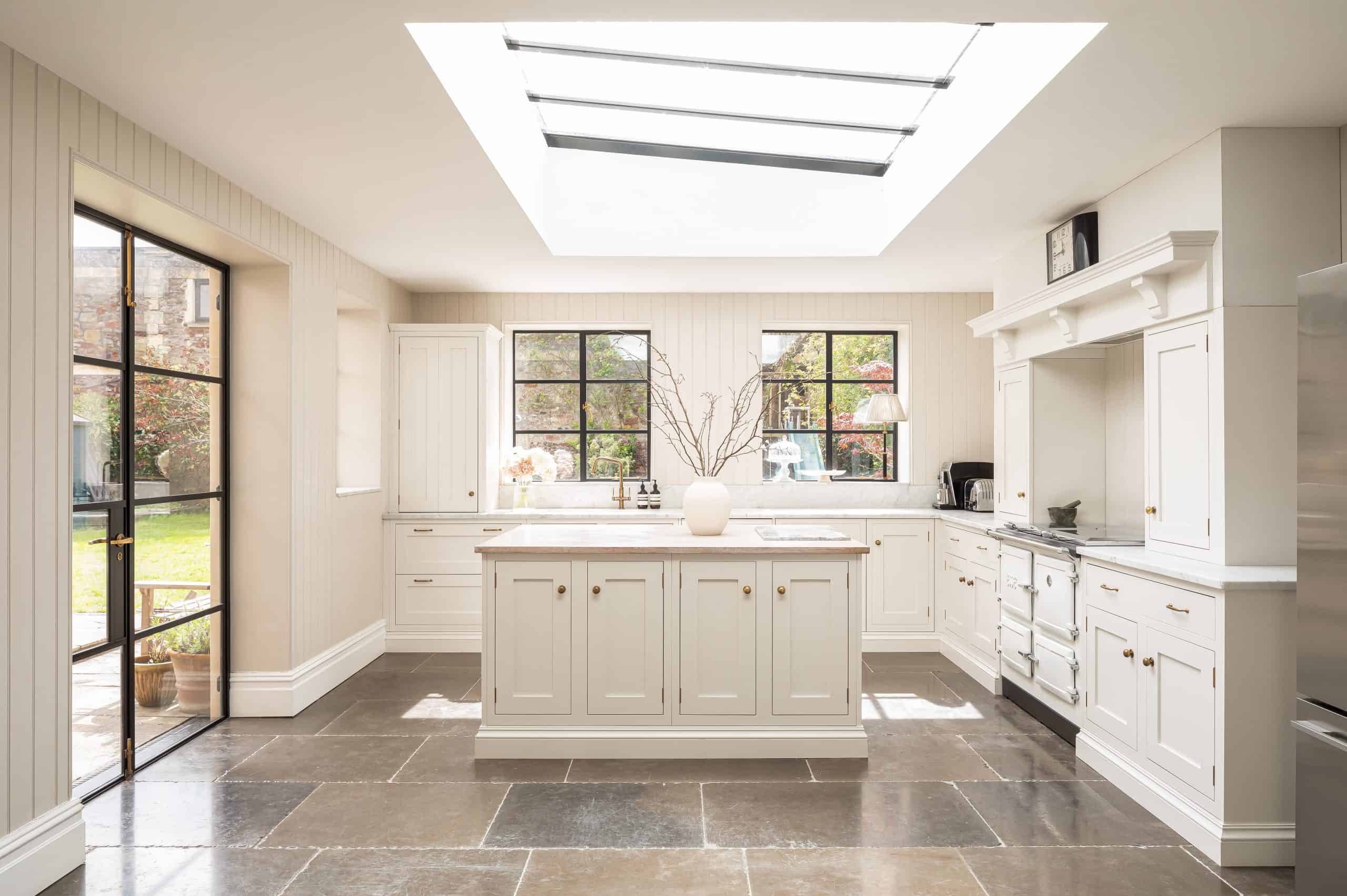
Installing country style tiles requires different techniques than standard ceramic installation to achieve that authentic, old-world appearance. My installer and I spent considerable time discussing grout width and color, settling on wider joints with a warm, cream-colored grout that mimicked the lime mortar used in historic country homes. This decision dramatically enhanced the rustic appearance and helped tie together the natural color variations in each tile.
The laying pattern became another crucial element in creating authentic country character. Instead of perfectly aligned rows, we used a slightly irregular pattern that suggested centuries of settling and repair. My installer called it “controlled randomness,” where we maintained structural integrity while introducing subtle variations that prevented the mechanical look of modern installations. This technique required more time and skill but created the aged, lived-in appearance I was seeking.
We also paid special attention to the transitions between rooms and around fixtures, using hand-cut pieces and custom trim that looked like they’d been crafted by country artisans decades ago. My installer used traditional tools for some of the cutting to create slightly rough edges that machine cutting couldn’t replicate. These details might seem minor, but they significantly contributed to the overall authenticity and charm of the finished floor.
Color Palettes That Capture Country Warmth
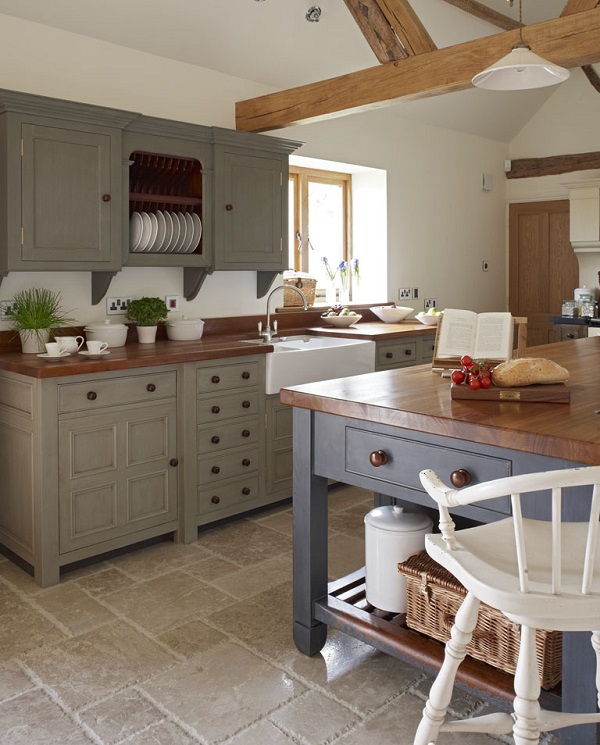
Selecting colors for my country tile floors involved much more than simply choosing pretty shades. I learned that authentic country palettes draw from natural materials and the patina that develops over time. Warm terracottas, sage greens, cream whites, and weathered blues became my foundation colors, each chosen for their ability to create that comfortable, welcoming atmosphere that defines country style living.
I spent weeks testing different color combinations in various lighting conditions throughout my home. Country style relies heavily on how colors interact with natural light, and I discovered that tiles that looked perfect in the showroom could appear completely different in my kitchen’s morning sun versus the softer afternoon light in my dining room. This testing phase proved invaluable for avoiding costly mistakes and ensuring color harmony throughout my open floor plan.
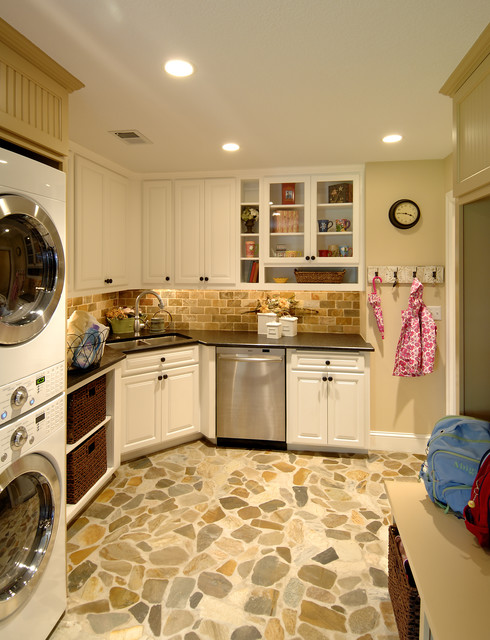
The aging process of country tiles became an important consideration in my color selection. I chose colors that would gracefully develop character over time rather than simply show wear. My sage green tiles in the mudroom have developed subtle variations from daily use that actually enhance their country charm. Understanding how different colors age helped me make choices that would improve rather than deteriorate with the natural wear patterns of family life.
Maintenance Strategies for Busy Country Lifestyles
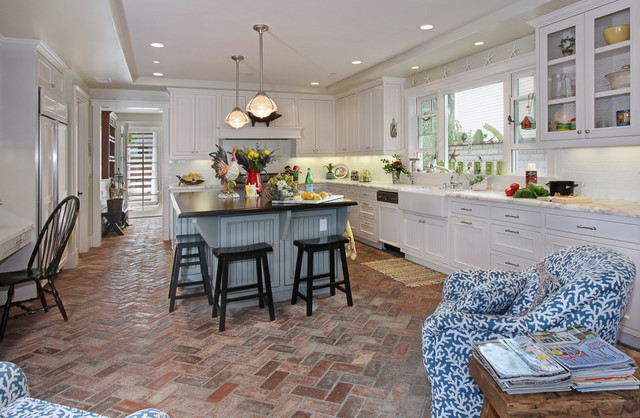
Living with country style tile floors has taught me that maintenance approaches need to respect both the aesthetic and the practical demands of rural or country-inspired living. Daily sweeping became essential, not just for cleanliness but to prevent the grit and debris common in country settings from scratching the tile surfaces. I invested in high-quality natural bristle brooms that effectively capture dirt without scratching the tiles’ textured surfaces.
Sealing requirements varied significantly among my different tile types, and I learned to treat each area according to its specific needs and usage patterns. My kitchen tiles required more frequent sealing due to cooking spills and moisture, while my living room tiles needed less intensive care. I developed a seasonal maintenance schedule that aligns with country living rhythms, doing deep cleaning and resealing during slower winter months when outdoor activities decrease.
Stain removal became an art form, especially with the lighter-colored tiles in my dining room. I discovered that many traditional country cleaning methods, like using white vinegar and baking soda, work wonderfully on my tiles while maintaining the authentic, chemical-free approach that fits my country lifestyle. These natural cleaning methods are not only effective but also safe for my children and pets, who spend considerable time playing on these floors.
Integrating Country Tiles with Rural Home Design Elements
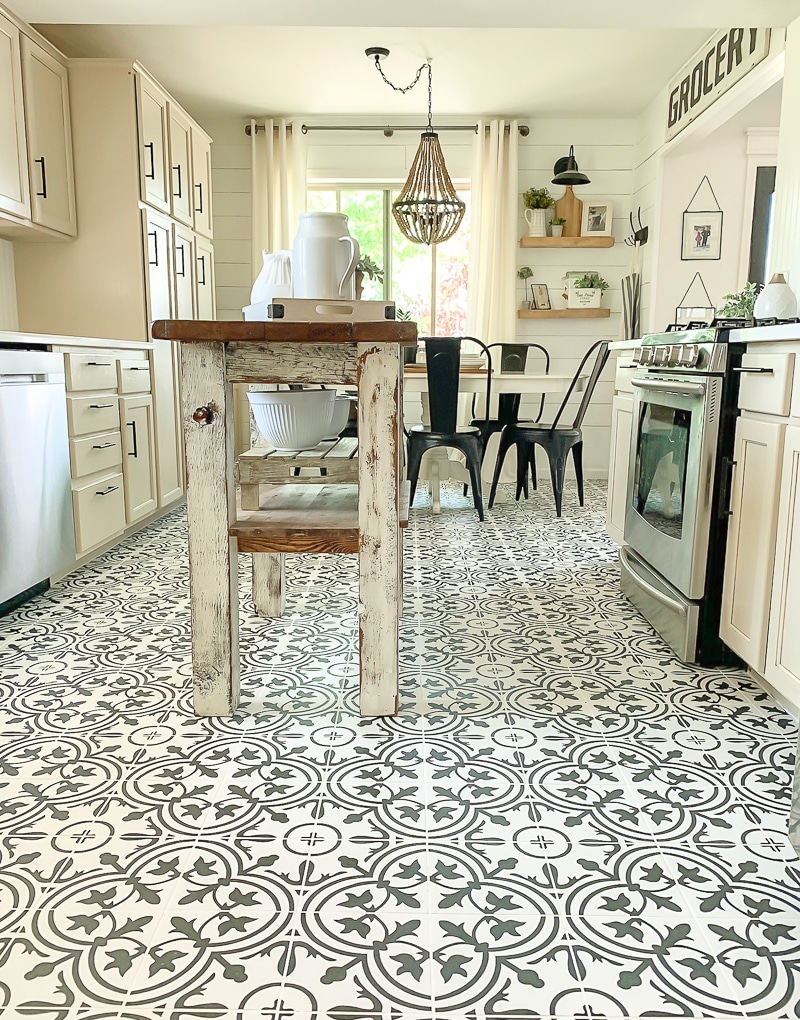
Creating a cohesive design flow with country style tiles required careful consideration of how they would interact with my home’s existing architectural elements and furnishings. I found that country tiles work best when they complement rather than compete with other rustic elements like exposed beams, farmhouse sinks, and vintage furniture. The key was creating layers of texture and color that felt naturally evolved rather than deliberately coordinated.
My approach to furniture placement changed significantly with the new tile floors. The hard surface required strategic use of area rugs to define spaces and add warmth, but I had to be careful not to hide too much of the beautiful tilework I’d invested in. I learned to use rugs as accent pieces that enhance rather than cover the country character of my floors, choosing natural fibers and traditional patterns that complement the tiles’ rustic appeal.
Lighting design became crucial for showcasing the tiles’ natural variations and textures throughout different times of day. I installed warm-toned LED fixtures that highlight the earthy colors and subtle surface textures without creating harsh shadows or glare. The interplay between natural daylight and carefully chosen artificial lighting creates an atmosphere that truly captures the cozy, welcoming feeling that defines country style living.
Budget Planning and Long-Term Value Considerations
The financial aspect of my country tile project required careful planning and realistic expectations about both initial costs and long-term value. Quality country-style tiles, especially handmade or artisanal varieties, commanded premium prices that initially shocked me. However, I learned to view this as an investment in both my home’s value and my family’s daily living experience, spreading the cost over the decades these floors should last.
Installation costs exceeded my initial estimates, primarily due to the specialized techniques required to achieve an authentic country appearance. The irregular patterns, custom cutting, and hand-finished details required more skilled labor time than standard tile installation. I found that choosing an installer experienced with country and farmhouse styles was worth the additional cost for the superior results and fewer complications during the project.
Long-term maintenance costs have proven more reasonable than I initially feared. While country tiles require different care than modern ceramic floors, the natural aging process actually improves their appearance over time. Minor chips and wear patterns add to the authentic character rather than detracting from it. This forgiving nature means I haven’t needed professional restoration services as frequently as I might with more pristine modern flooring options.
How do country style tiles hold up to heavy foot traffic and pets?
My experience with pets and kids has been overwhelmingly positive. The textured surfaces actually hide small scratches and paw prints better than smooth tiles, while the natural color variations camouflage everyday wear. I sealed high-traffic areas more frequently, but even with two large dogs and three children, my floors still look authentically weathered rather than damaged after several years of use.
Can country tiles work in modern homes without looking out of place?
Absolutely! I’ve seen country tiles work beautifully in contemporary settings when chosen thoughtfully. The key is selecting cleaner-lined country styles and pairing them with modern fixtures and furniture. Neutral country colors like cream, sage, or soft terracotta can bridge traditional and modern aesthetics. The natural textures add warmth that many modern homes lack while maintaining sophisticated appeal.

What’s the biggest maintenance challenge with country style floors?
The biggest challenge I’ve faced is learning to embrace the natural aging process rather than fighting it. Country tiles are meant to develop character over time, so perfectionist cleaning approaches can actually work against the aesthetic. I had to adjust my expectations and learn to see gentle wear patterns as features rather than flaws. Once I made this mental shift, maintenance became much more enjoyable.
How do you prevent country tiles from looking too rustic or unfinished?
Balance is crucial. I learned to pair rustic tile elements with more refined fixtures and furnishings to prevent an overly casual appearance. Quality grout work, professional installation, and thoughtful design integration make the difference between charming country character and sloppy execution. Strategic use of area rugs, proper lighting, and well-chosen accessories helps maintain sophistication while preserving authenticity.

Are country style tiles suitable for all rooms in the house?
I’ve used country tiles successfully throughout most of my home, but I learned to adapt styles to each room’s function. Bathrooms required more water-resistant varieties, while bedrooms called for warmer, softer-looking tiles. I avoided overly rustic styles in formal areas, opting for more refined country interpretations. The key is matching the tile’s character to each room’s intended use and atmosphere.
What should I look for when choosing an installer for country tiles?
Experience with irregular patterns and handmade tiles is essential. I interviewed several installers and chose one who had specific farmhouse and country home experience. They understood the importance of controlled imperfection and knew techniques for achieving authentic-looking results. Ask to see photos of previous country tile projects and request references from clients with similar aesthetic goals to ensure good results.
Best Country kitchen flooring ideas

Tile Kitchen Floors Tile Flooring for Kitchens
Related Posts: