When I remodeled my bathroom a few years ago, I knew I wanted the warmth of wood but couldn’t use real hardwood near water. That’s when I discovered how far vinyl flooring had come. Modern wood-look vinyl had me genuinely fooled at first glance, and once I started using it beyond the bathroom, it became my go-to flooring choice for almost every room. If you’re curious whether it can really pull off that wood aesthetic, let me walk you through everything I’ve learned firsthand.
How Realistic Does Wood-Look Vinyl Actually Appear?
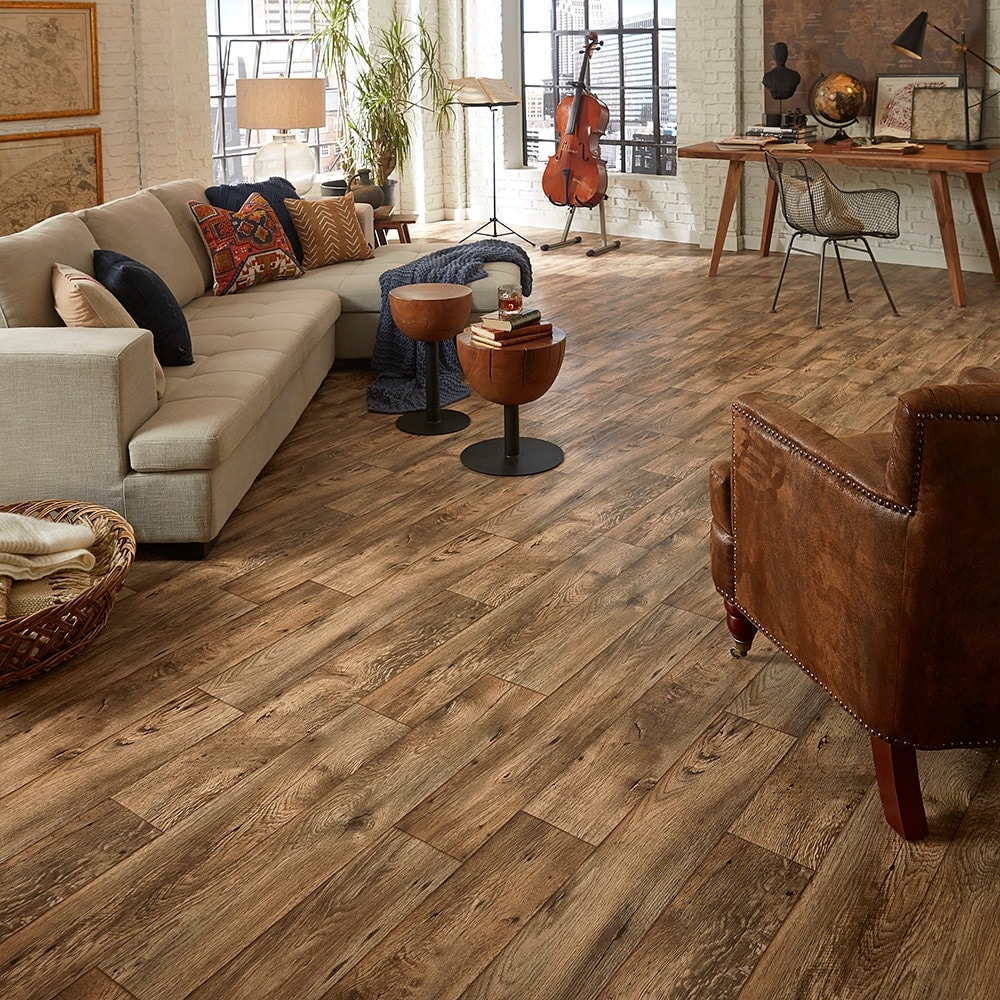
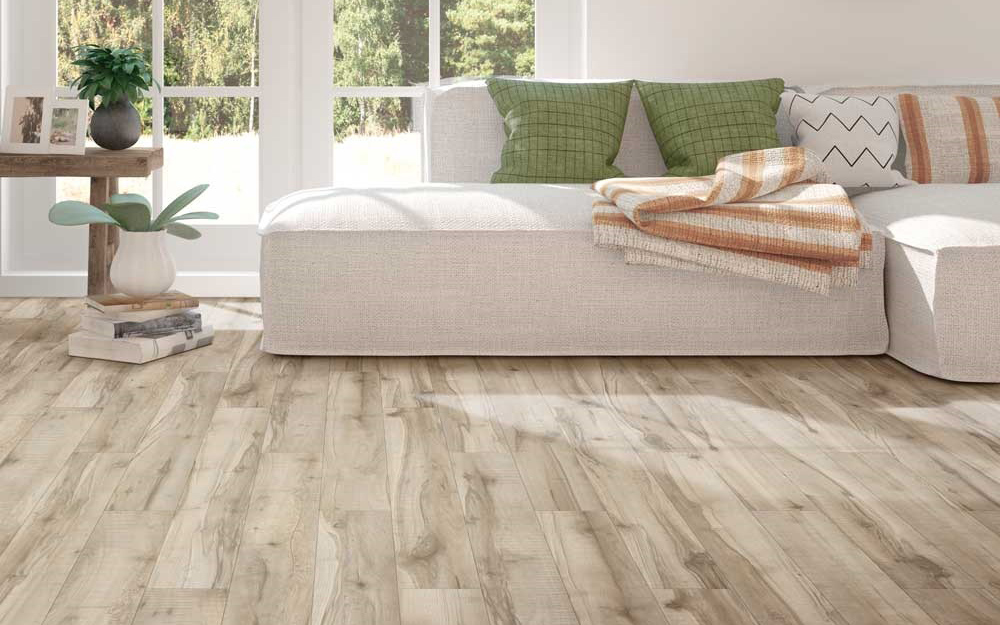
The first time I unboxed my luxury vinyl planks, I held one up next to a real oak board and was genuinely surprised. The embossed texture, the grain lines, the subtle color variation between planks, it all mimicked real wood in a way I didn’t expect from a synthetic product at that price point.
The realism comes down to the printing and embossing technology used. Higher-end vinyl uses high-definition photography of real wood to create the printed layer, then adds a textured wear layer on top that follows the grain. Running your hand across it feels remarkably close to touching actual wood.
That said, there are limits. If you get down on your hands and knees and look closely, you might notice plank patterns repeating, which real wood never does. For everyday living though, from standing height with furniture and rugs in place, most guests in my home have assumed my vinyl floors are real wood without me correcting them.
Luxury Vinyl Plank vs. Vinyl Sheet: Which Looks More Like Wood?
When I started researching, I didn’t realize how many vinyl flooring formats existed. Vinyl sheet comes in big rolls and can mimic wood, but I found the look less convincing overall. The seams and the way light reflects off larger sheet areas tend to give it away as synthetic more quickly.
Luxury vinyl plank, or LVP, is the format that truly mimics individual wood boards. Each plank is sized and shaped like a real wood plank, which immediately creates that authentic floor appearance. The variation between individual planks adds to the natural feel in a way sheet vinyl simply can’t replicate.
I used LVP throughout my main living areas and vinyl sheet in a small utility room where appearance mattered less. The difference in realism is striking when you compare them side by side. If the wood look is your goal, I’d always steer you toward LVP without hesitation, it’s worth every extra penny.
Waterproof Vinyl: The Real Reason I Use It Everywhere
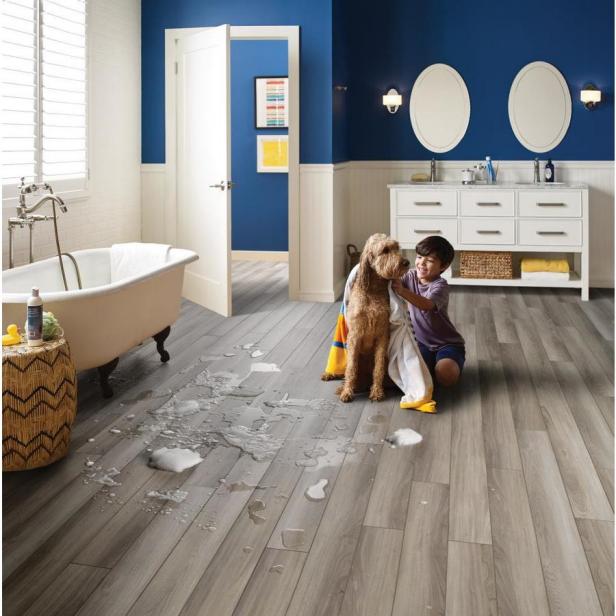
The feature that sold me completely was 100% waterproof construction. Real wood and even laminate can swell, warp, or stain when water gets underneath. With my vinyl planks, I’ve mopped up overflowed pet bowls, splashed bathwater, and even a burst pipe situation without any lasting damage.
I have it in my kitchen, bathrooms, laundry room, and basement, spaces where wood flooring would be a genuine risk. The peace of mind alone is worth the switch. I don’t flinch anymore when my kids run in from the pool or my dog tracks in muddy paw prints across the floor.
The waterproof core, usually either WPC (wood plastic composite) or SPC (stone plastic composite), is what makes this possible. SPC is denser and more rigid, which I prefer in high-traffic areas. WPC feels slightly softer underfoot and works beautifully in bedrooms or living rooms where comfort matters more than maximum durability.

DIY Installation Tips From Someone Who’s Done It Twice
I installed my first set of vinyl planks myself and it went surprisingly smoothly. The click-lock system most LVP uses snaps planks together without any glue or nails, making it genuinely beginner-friendly. My 300-square-foot living room took me a weekend with a few YouTube tutorials and borrowed tools.
The most important step I almost skipped was acclimation. Letting the planks sit in the room for 48 hours before installation allows them to adjust to the temperature and humidity. Skipping this can cause gaps or buckling later, especially in rooms with temperature swings like sunrooms or garages.
Cutting the planks around doorways and obstacles is where most beginners struggle. I use a utility knife and straightedge for straight cuts and a jigsaw for curves. The second time I installed, I rented a vinyl plank cutter from the hardware store, which made the whole process faster and cleaner. Don’t underestimate the prep work, a level subfloor makes everything easier.
Matching the Right Wood Look to Your Home’s Style
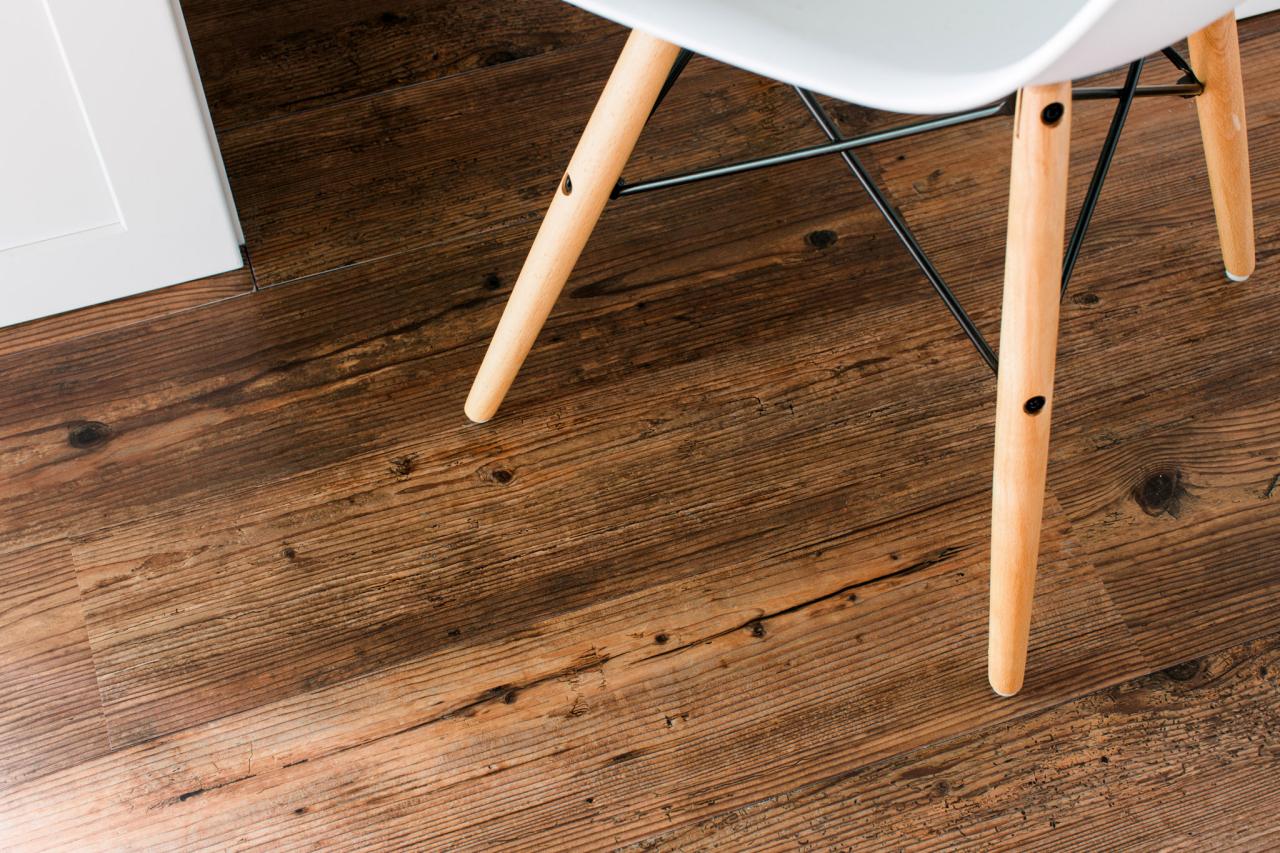
Choosing which wood look to go with was honestly harder than I expected. There are hundreds of options ranging from light Scandinavian oak tones to deep, moody walnut and everything in between. I spent more time on this decision than on almost any other part of the project.
I eventually went with a warm medium-toned plank with subtle gray undertones to complement my furniture and wall colors. I’d suggest pulling your paint swatches and fabric samples before ordering flooring. The way the floor color interacts with your existing decor makes a huge difference in the final result.
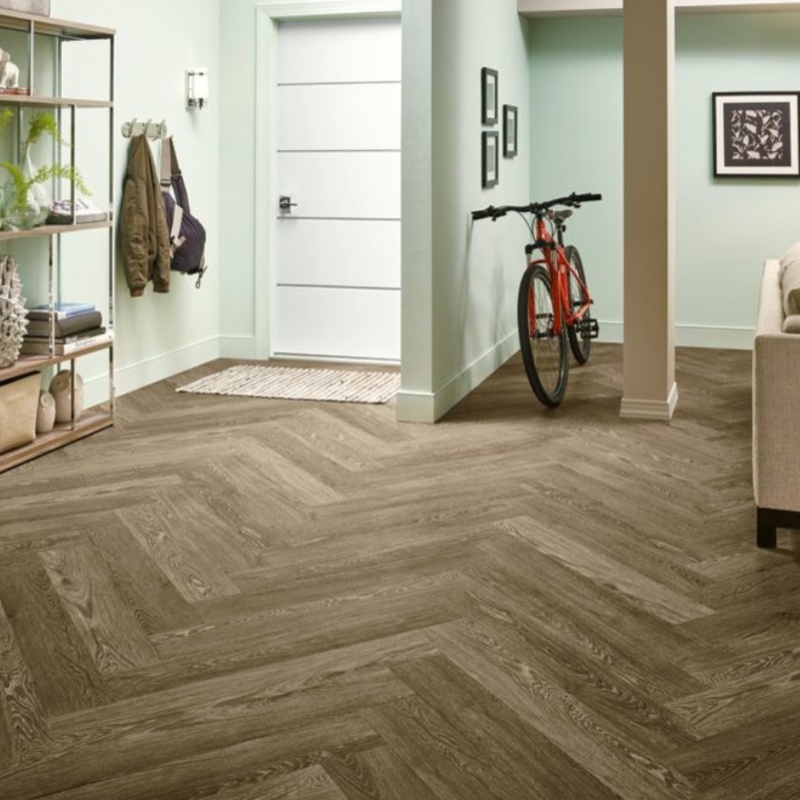
Width matters too. Wider planks, around 7 inches or more, tend to look more modern and luxurious, while narrower planks have a more traditional or rustic character. I mixed a wider plank in my main living area with a slightly narrower option in the hallway for visual variety, and it worked out beautifully with the layout of my home.
Cost, Longevity, and Whether It’s Worth It Long-Term
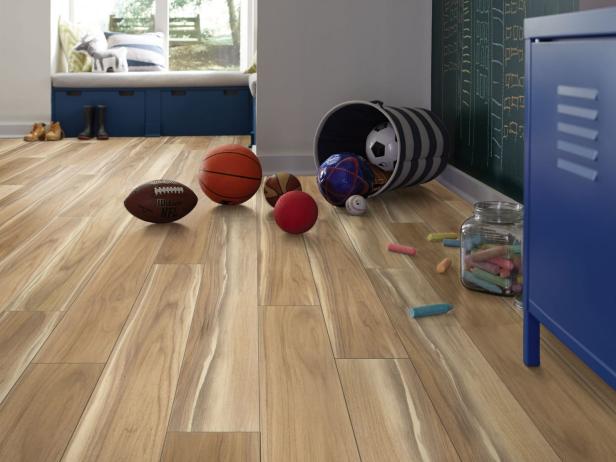
Good quality LVP runs anywhere from $2 to $7 per square foot, with installation adding another $1.50 to $3 if you hire a pro. Compared to real hardwood at $8 to $15 installed, the savings are significant. For my whole main floor, I saved several thousand dollars while achieving a look I love just as much.
Longevity is where some people get nervous about vinyl. Quality LVP carries wear layer ratings of 12 to 20 mils for residential use, and higher for commercial. My floors are four years in with heavy daily use and still look the way they did when I installed them. The wear layer is genuinely tough against scratches and scuffs.
The one honest limitation is that unlike real hardwood, vinyl cannot be refinished if it gets badly damaged. A deeply gouged plank needs to be replaced rather than sanded down. That’s why I always buy a few extra boxes from the same dye lot when installing, so I have perfectly matched planks on hand if I ever need to swap one out later.
Can vinyl flooring that looks like wood fool guests into thinking it’s real?
In my experience, yes, most of the time. From standing height with normal lighting, quality LVP is nearly indistinguishable from real wood. Guests in my home regularly compliment my “hardwood floors” without realizing they’re vinyl. The texture, color variation, and plank format all contribute to a very convincing appearance in everyday settings.
Is wood-look vinyl flooring good for bathrooms and kitchens?
It’s honestly one of the best choices for those spaces. I have it in both my bathrooms and kitchen, and it handles moisture, spills, and humidity without any warping or swelling. Just make sure you’re buying a truly waterproof product, not just water-resistant. The difference matters a lot in rooms that regularly deal with standing water or steam.
How long does wood-look vinyl flooring last?
With proper care, quality LVP can last 15 to 25 years. Mine is four years in and still looks new. The wear layer thickness is the key factor, look for at least 12 mil for residential use. Avoid dragging heavy furniture across it and use felt pads under legs. Regular dry mopping and occasional damp cleaning keeps the surface looking its best over time.
Is wood-look vinyl flooring safe for homes with kids and pets?
It’s one of the most family-friendly options I’ve found. It’s scratch-resistant, waterproof, and easy to clean up after accidents or spills. My kids and dog put it through serious daily abuse and it holds up well. I’d suggest SPC core for maximum durability in high-traffic family areas. It’s also softer underfoot than tile, which makes a real difference during long days on your feet.
Can I install wood-look vinyl flooring myself?
Yes, and it’s one of the more DIY-friendly flooring options available. The click-lock system doesn’t require glue or special tools beyond basic cutting equipment. I finished my living room in a weekend on my first attempt. The key is proper subfloor prep and allowing the planks to acclimate before installation. Take your time on the first few rows and the rest goes quickly and smoothly.
How does wood-look vinyl compare in cost to laminate or real hardwood?
Vinyl generally sits between laminate and hardwood in quality, but the pricing overlaps. Budget LVP starts around $2 per square foot while premium options hit $6 to $7. Laminate is similar in price but not waterproof. Real hardwood costs significantly more and requires more maintenance. For the combination of looks, durability, and moisture resistance, I think wood-look vinyl offers the best overall value for most homes.
Related Posts: