I’ll be honest, when someone first suggested rustic vinyl flooring for my living room renovation, I was skeptical. Vinyl had a reputation in my mind as the cheap, dated stuff from old kitchens and school hallways, nothing like the warm, characterful look I was going for.
But after seeing a few samples in person and doing some serious research, I realized that rustic vinyl flooring today is genuinely impressive, both in how it looks and how it performs. It gave me the weathered, reclaimed wood aesthetic I had been dreaming about at a fraction of the cost of real hardwood, and living with it has been even better than I hoped.
What Rustic Vinyl Flooring Actually Looks Like Today
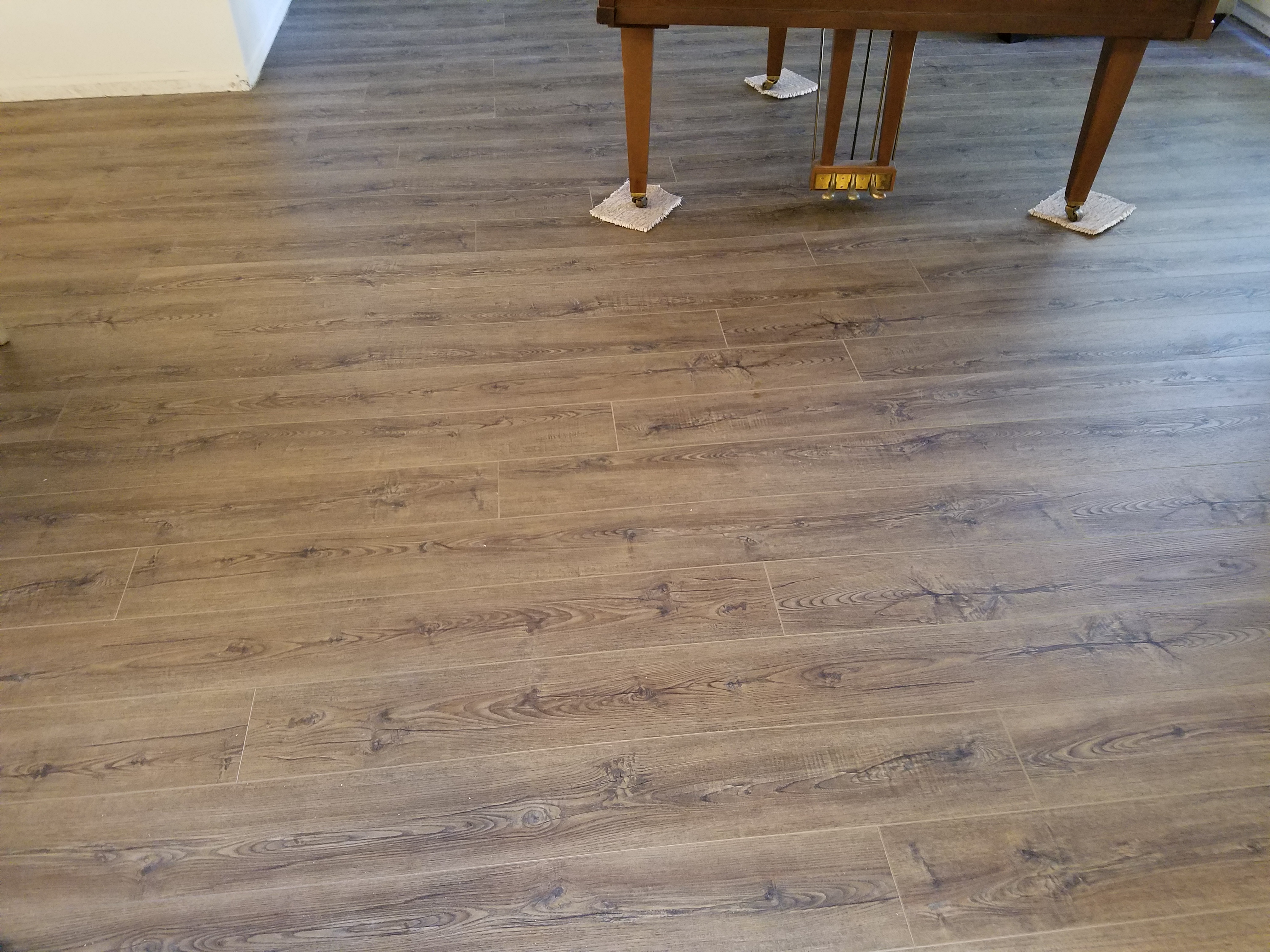
The rustic vinyl flooring available today looks nothing like what most people picture when they hear the word vinyl. Modern manufacturing techniques allow for incredibly detailed embossing and printing that replicates the look of aged, weathered, hand-scraped, or wire-brushed wood with a realism that regularly fools people who visit my home. I’ve had guests get on their hands and knees to confirm it isn’t real wood, which still makes me smile every time it happens.
The defining characteristic of rustic vinyl is its surface texture. Unlike smooth or lightly textured flooring, rustic options have deep, varied embossing that mimics the knots, grain lines, saw marks, and natural imperfections of reclaimed or barn-style wood. That texture catches light differently at different times of day, creating shadows and dimension that make the floor look genuinely organic rather than printed and flat.
Color variation is the other thing that makes rustic vinyl so convincing. Rather than repeating the same pattern uniformly across every plank, quality rustic vinyl products stagger colors and grain patterns across planks so that the floor reads as a whole rather than as a repeating tile. When I stand at one end of my living room and look down the length of the floor, it looks like a room full of individual aged planks, not a manufactured product at all.

The Practical Benefits That Sealed the Deal for Me
As beautiful as rustic vinyl looks, what really convinced me to commit to it was the list of practical benefits that come with the material. The number one thing I needed in my living room was something that could handle real life with two dogs, a high-traffic layout, and a tendency toward tracked-in mud and debris from the garden. Rustic vinyl checked every one of those boxes without hesitation.
Vinyl flooring is 100 percent waterproof, which is not something you can say about hardwood, laminate, or most other flooring options that try to replicate the look of wood. Spills, pet accidents, tracked-in water from wet shoes, none of it can penetrate the core of a quality vinyl plank. I’ve had full glasses of water tip over onto my floor and simply wiped them up with a towel, with no anxiety about damage or staining underneath.
The durability of the wear layer is something I researched carefully before buying. Rustic vinyl planks come with a clear wear layer on top that protects the printed design from scratches, scuffs, and daily abrasion, and the thickness of that layer determines how long the floor holds up under traffic. I chose a product with a 20-mil wear layer, which is on the thicker end for residential use, and after a year and a half of active household use it still looks exactly as it did on installation day.

Exploring the Different Styles Within Rustic Vinyl
One thing I didn’t expect was how many distinct looks fall under the rustic vinyl umbrella. Once I started visiting showrooms and ordering samples, I realized that rustic is actually a broad category with a lot of variation in tone, texture, and character. Finding the specific style that fits your home takes some time, but that time is absolutely worth spending before you commit to an order.
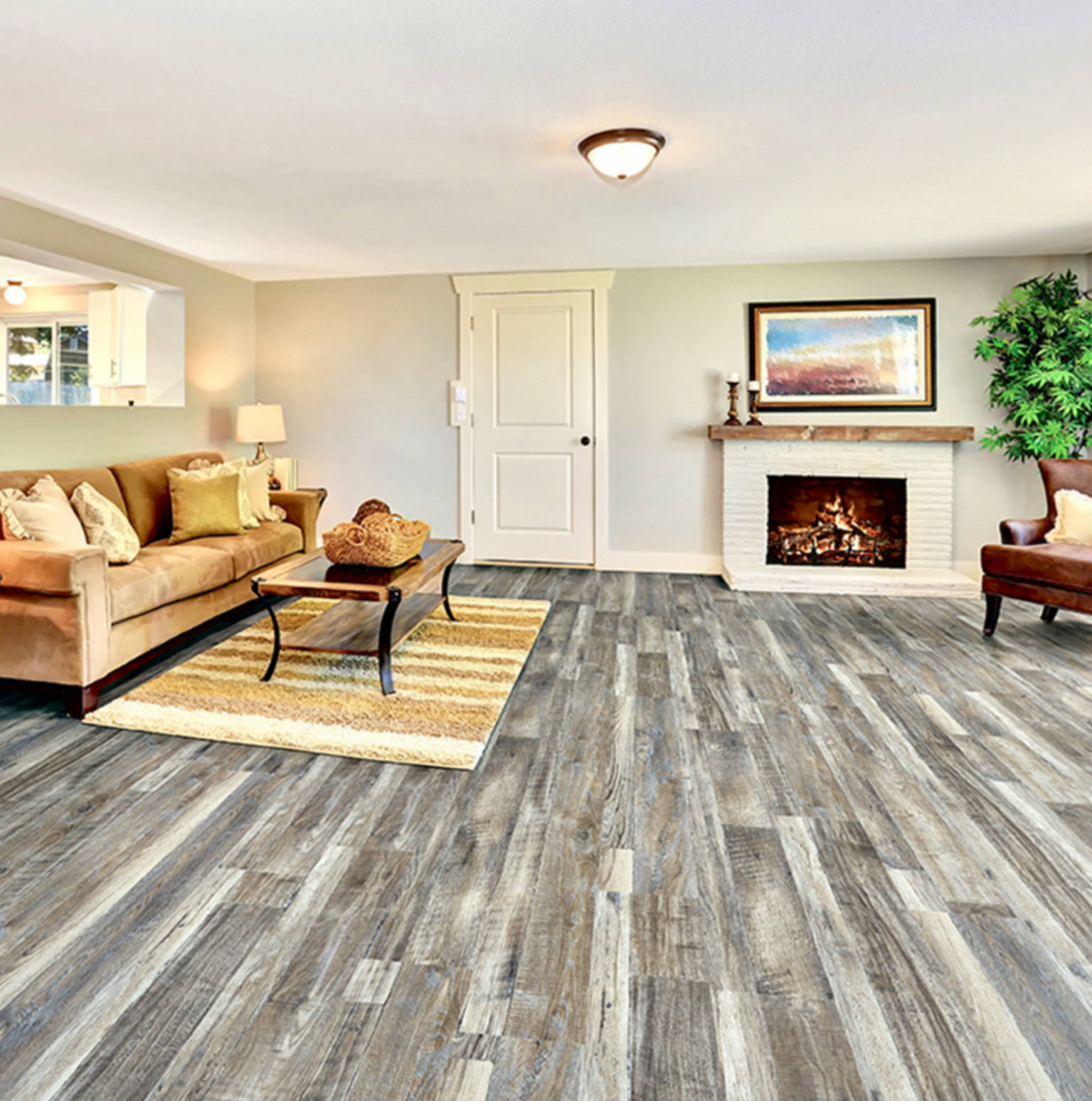
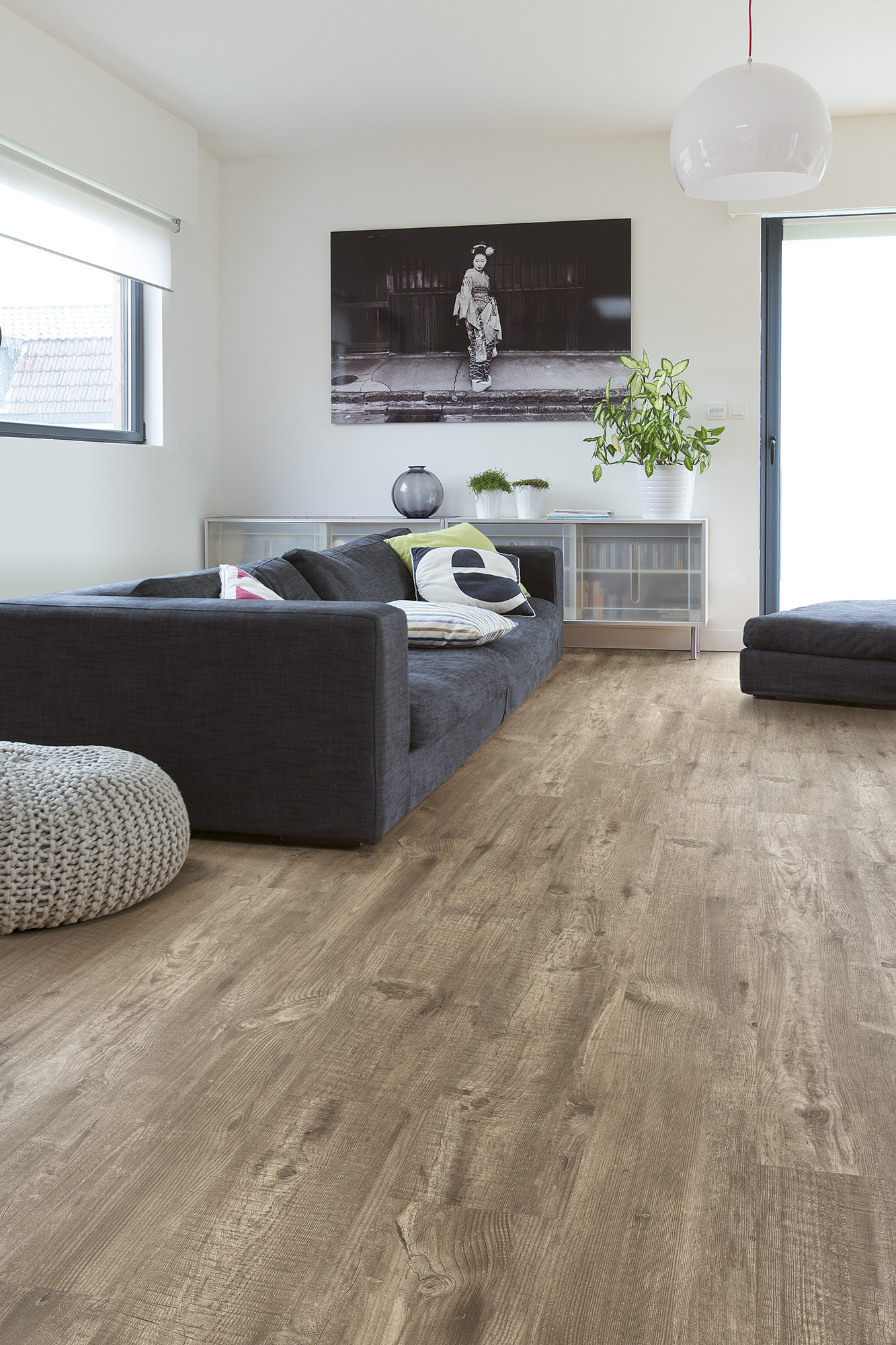
Reclaimed wood styles are probably the most popular in the rustic category. These designs mimic the look of old barn wood or salvaged timber, with heavy grain texture, knots, color variation from plank to plank, and often some surface distressing like small dents or saw marks built into the embossing. I went with this style myself, choosing a warm gray-brown tone that reads as authentically aged without being too dark for my light-filled living room.
Hand-scraped and wire-brushed styles are slightly more refined takes on the rustic look, pulling back a little on the distressing while keeping the depth of texture and grain variation that makes the category so appealing. These work particularly well in spaces that blend rustic and contemporary elements, giving you the character of an aged wood look without it feeling too rugged or cabin-like. There are also whitewashed and cerused styles that bring a coastal or Scandinavian rustic feeling, which is a very different vibe but just as convincing and beautiful in the right setting.
Installation: What I Did Myself and Where I Asked for Help
Rustic vinyl flooring is genuinely one of the more DIY-friendly flooring options available, and I installed a significant portion of my own floor with good results. The click-lock floating system that most luxury vinyl plank products use makes the process accessible to anyone with patience, a decent eye for measurement, and a willingness to watch a few tutorial videos before starting.
The tools I needed were minimal, which was a pleasant surprise. A tape measure, a straight edge, a utility knife for scoring and snapping planks, and a rubber mallet for tapping rows together was essentially all it took. The rustic texture of my chosen product was also forgiving of minor imperfections in my cuts because the distressed edges helped blend any slight irregularities rather than highlighting them the way a clean, smooth-edged plank would.
Where I did ask for help was around the doorways and transitions, specifically where my new floor met the existing tile in the adjacent hallway and the carpet in the bedroom. Getting those transitions to look clean and intentional rather than improvised is genuinely tricky without experience, and my installer handled those zones in about two hours while I finished laying the main field of the room. Splitting the work that way saved me money without sacrificing the quality of the finished result in the areas that mattered most visually.
How Rustic Vinyl Performs in High-Moisture Areas
One of the things that surprised me most in my research was learning that rustic vinyl is one of the best flooring options available for moisture-prone areas like bathrooms, laundry rooms, and basements. I had initially only been thinking about my living room, but after understanding how waterproof the material truly is, I ended up using the same product in my half bathroom and the laundry room adjacent to my kitchen.
The key distinction that makes vinyl genuinely waterproof, rather than just moisture-resistant, is that the core itself does not absorb water. Stone plastic composite, or SPC, cores are made from a blend of limestone and stabilizers that is completely impervious to moisture. Wood plastic composite, or WPC, cores include some wood fiber but are still far more waterproof than any wood-based flooring product. Both hold up in wet environments in a way that gives you real peace of mind.
In my bathroom, the rustic plank style created a look I absolutely love, warm and textured where I had expected to use cold tile. The key for bathroom installations is making sure the seams between planks are tight and that the perimeter is properly caulked where the floor meets the wall or tub surround, so water can’t work its way down through the edges. My installer emphasized this during the bathroom portion of the project, and with that detail handled correctly, the floor has performed flawlessly through eighteen months of daily shower steam and splashing.

Caring for Rustic Vinyl So It Stays Beautiful Long-Term
Maintaining rustic vinyl flooring is one of its most underrated qualities, and it’s something I genuinely appreciate more now than I did when I was just comparing it to other options on paper. The combination of the waterproof core and the durable wear layer means that cleaning is simple, fast, and requires no special products or complicated routines to keep the floor looking great.
My daily habit is a quick sweep or pass with a microfiber dust mop to pick up pet hair, debris, and fine grit before it has a chance to scratch the wear layer under foot traffic. Grit is the primary enemy of any flooring surface, including vinyl, and staying ahead of it with a simple daily sweep takes about two minutes and makes a noticeable difference in how the floor holds up over time and how consistently clean it looks.
For deeper cleaning, I use a damp mop with a diluted vinyl-safe floor cleaner about once a week or whenever the floor looks like it needs a refresh. The key things I avoid are steam mops, which can damage the adhesive in click-lock joints over time, and wax-based cleaners, which build up on the surface and leave a dull, filmy residue that dulls the finish rather than protecting it. Beyond those two things to avoid, rustic vinyl is about as low-maintenance as flooring gets, which for a busy household like mine is genuinely one of its best qualities.

Is rustic vinyl flooring truly waterproof, or just water-resistant?
Quality luxury vinyl plank flooring with an SPC or WPC core is genuinely 100 percent waterproof through the plank itself. Spills, pet accidents, and moisture won’t penetrate the core. The one caveat is that water can seep through the seams if it sits long enough, so wiping up standing water promptly and caulking perimeter edges in wet rooms is still important for long-term performance.
How long does rustic vinyl flooring last with regular household use?
With a good wear layer and normal maintenance, quality rustic vinyl can last 15 to 25 years or more. I chose a 20-mil wear layer for my living room, which is rated for heavy residential use, and it still looks perfect after nearly two years of active family and pet traffic. The thicker the wear layer, the longer the floor holds up before showing any real signs of wear in high-traffic zones.

Can rustic vinyl flooring handle pets and kids without showing damage?
It’s one of the best flooring options I’ve found for homes with pets and kids. The waterproof core handles accidents without permanent damage, and the wear layer resists scratches from pet nails better than hardwood or laminate. The rustic texture is also forgiving because small scuffs blend into the distressed surface pattern rather than standing out the way they would on a smooth, uniform floor.
Is rustic vinyl flooring affordable compared to real hardwood or laminate?
Rustic vinyl is significantly more affordable than real hardwood and generally comparable to or slightly more than laminate, depending on the product tier. When you factor in installation costs, which are lower for DIY-friendly click-lock vinyl, the total cost savings over hardwood can be substantial. For the look and performance you get, I found it to be one of the best value-for-money flooring decisions I’ve made in my home.
Can rustic vinyl be installed over existing flooring?
In many cases, yes. Floating vinyl planks can be installed over existing tile, vinyl, or even hardwood as long as the surface is flat, clean, and structurally sound. I installed mine directly over a leveled concrete subfloor, but I’ve spoken to people who laid it over existing tile without issues. The key is making sure there are no significant dips or humps that would cause planks to flex or become unstable underfoot over time.
Does rustic vinyl flooring fade or change color over time with sun exposure?
Good quality rustic vinyl has UV-resistant wear layers that resist fading reasonably well, but prolonged direct sunlight can cause some color shift in any flooring material over many years. I use light-filtering window treatments in my sunniest rooms as a precaution, which helps protect the floor and my furniture equally. Rotating area rugs occasionally also prevents uneven fading in rooms that get strong directional sun throughout the day.

Related Posts: