Two years ago, I made the unconventional decision to install ceramic tile floors in my master bedroom, despite friends and family questioning whether hard surfaces belonged in sleeping spaces. After living with this choice through different seasons and daily routines, I can confidently say that ceramic tile has transformed my bedroom into a cleaner, more sophisticated, and surprisingly comfortable sanctuary that I never want to leave.
Selecting the Right Ceramic Tile for Bedroom Comfort
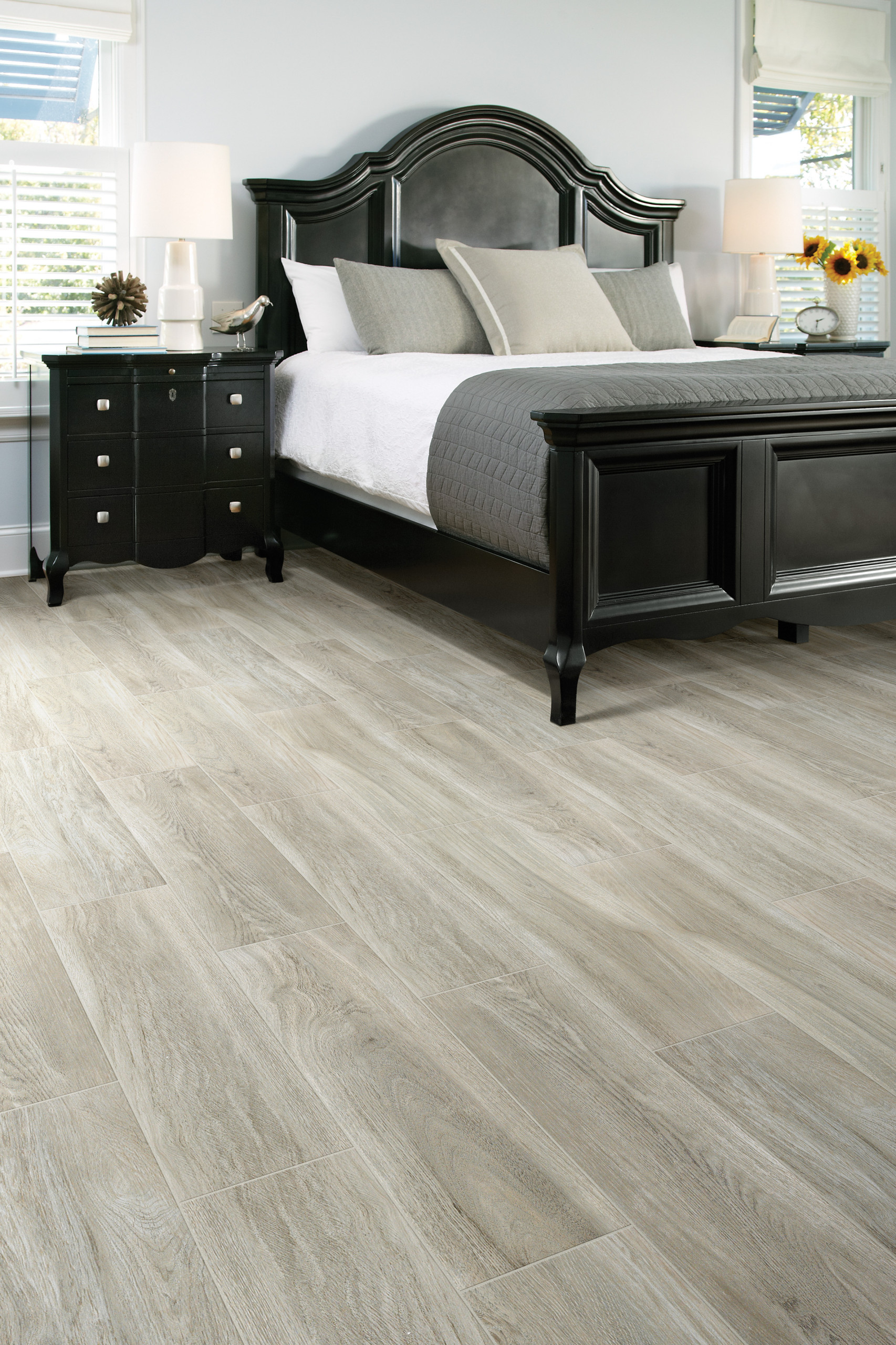
Choosing bedroom-appropriate ceramic tile required careful consideration of texture, size, and visual warmth to create a space that felt inviting rather than clinical. I selected large-format tiles in a warm cream color with a subtle wood-grain texture that mimics hardwood but offers superior durability and easier maintenance. The 12×24-inch planks create fewer grout lines, giving my bedroom a seamless, spacious appearance that smaller tiles couldn’t achieve.
The texture selection proved crucial for both safety and comfort in my bedroom environment, where I often walk barefoot, especially during nighttime trips to the bathroom. I avoided high-gloss finishes that could become slippery when wet and instead chose a matte finish with slight texture that provides grip without feeling rough underfoot. This decision has prevented any slipping incidents while maintaining the elegant appearance I desired.
Color temperature became a major factor in my tile selection process, as bedrooms require warmer, more relaxing tones than public spaces might demand. Cool grays and stark whites felt too sterile for my sanctuary, so I chose tiles with beige undertones that complement my existing bedroom furniture and create a cozy, welcoming atmosphere that promotes restful sleep and relaxation.
Managing Temperature and Comfort Challenges
Living with ceramic tile bedroom floors taught me that temperature management requires strategic planning and creative solutions to maintain year-round comfort. During my first winter, I discovered that ceramic tiles become uncomfortably cold, so I installed radiant floor heating beneath the tiles. This investment transformed my bedroom into a luxuriously warm space that feels amazing on bare feet during cold mornings and evenings.
Area rugs became essential comfort elements that I strategically placed beside my bed, in front of my dresser, and near seating areas. High-quality wool and cotton rugs provide warmth and softness while protecting my feet from direct contact with cold ceramic surfaces during temperature transitions. The rugs also add visual warmth and texture that balance the hard surface’s potentially stark appearance.
I learned that ceramic tiles’ thermal properties actually provide surprising benefits during summer months when the cool surface feels refreshing against warm feet. The tiles naturally regulate temperature by staying cooler than carpet or wood, creating a comfortable sleeping environment that reduces my reliance on air conditioning. This thermal stability helps maintain consistent bedroom temperatures throughout different seasons.

Hygiene and Health Benefits in Bedroom Spaces
The hygiene advantages of ceramic tile bedroom floors have exceeded my expectations, particularly for someone who suffers from seasonal allergies and dust sensitivities. Unlike carpet that traps dust mites, pet dander, and allergens, ceramic tiles provide a completely non-porous surface that can be thoroughly cleaned and sanitized. My allergy symptoms have significantly decreased since switching from carpeted bedroom floors to ceramic tiles.
Daily maintenance involves simple dust mopping and occasional damp mopping with mild cleaners, which takes less time than vacuuming carpets and provides superior cleanliness results. I no longer worry about hidden bacteria, spilled liquids creating permanent stains, or odors becoming embedded in flooring materials. The peace of mind that comes with knowing my bedroom floor is truly clean has improved my overall sleep quality.
Ceramic tiles eliminate concerns about harboring bacteria and microorganisms that can thrive in porous flooring materials like carpet or certain hardwoods. For family members with compromised immune systems or respiratory issues, ceramic bedroom floors provide a healthier environment that supports better rest and recovery. The ability to disinfect surfaces completely has become especially valuable during illness seasons.
Design Integration with Bedroom Aesthetics
Integrating ceramic tile floors with traditional bedroom design elements required creative approaches to maintain warmth and intimacy in my sleeping space. I chose tiles that complement my existing furniture finishes and wall colors, creating cohesive flow throughout the room. The key was selecting tiles that enhance rather than compete with my bed frame, nightstands, and dresser for visual attention and overall harmony.
Layering became essential for creating visual interest and breaking up the expanse of hard flooring surface throughout my bedroom space. I used multiple area rugs in different sizes and textures, along with strategically placed furniture pieces that create natural divisions and cozy zones. This approach prevents the ceramic flooring from overwhelming the room while maintaining its practical benefits and sophisticated appearance.
Lighting design plays a crucial role in how ceramic tile floors appear and feel within bedroom environments, affecting both mood and functionality. I installed dimmer switches and strategically placed table lamps to create warm, intimate lighting that reflects beautifully off the ceramic surface without creating harsh glare. The tiles’ reflective properties help distribute light more evenly throughout the bedroom space.

Installation Process and Professional Considerations
My ceramic tile bedroom installation required careful subfloor preparation and professional expertise to ensure long-lasting results and proper moisture barriers. The contractor removed old carpeting and padding, then installed a new plywood subfloor layer to create a perfectly level surface for tile installation. This preparation step proved crucial for preventing future cracking and ensuring the tiles lay flat and secure.
Choosing the right adhesive and grout materials specifically designed for residential bedroom environments became critical for both durability and indoor air quality concerns. I selected low-VOC products that wouldn’t emit harmful chemicals into my sleeping space, prioritizing health considerations alongside performance requirements. The investment in premium installation materials has paid off through superior longevity and maintained appearance.
Professional installation took three days for my 200-square-foot master bedroom, including subfloor preparation, tile laying, grouting, and final sealing processes. I scheduled the work during a period when I could sleep elsewhere, as the adhesives and sealers require proper curing time before the room becomes habitable. Planning this timing prevented rushed installation that could compromise the final results and quality.

Long-Term Durability and Maintenance Insights
After two years of daily use, my ceramic tile bedroom floors show minimal wear and maintain their original beauty with basic maintenance routines. Unlike carpet that shows traffic patterns and requires professional cleaning, or hardwood that can scratch and dent, ceramic tiles resist damage from dropped items, furniture movement, and normal bedroom activities. This durability makes them ideal for long-term bedroom use.
Grout maintenance requires more attention than the tiles themselves, but modern grout sealers have made this manageable with annual resealing and regular cleaning. I learned to address any grout discoloration immediately rather than allowing a buildup that becomes difficult to remove. Quality grout and proper sealing prevent moisture issues that could compromise the installation’s integrity over time.
The investment in ceramic tile bedroom flooring has proven worthwhile through reduced replacement costs, eliminated carpet cleaning expenses, and improved indoor air quality benefits. While the initial installation cost exceeded carpet or laminate alternatives, the longevity and minimal maintenance requirements make ceramic tiles economically advantageous over time. I expect these floors to last for decades with proper care and maintenance.

Are ceramic tile floors too cold and uncomfortable for bedrooms?
Ceramic tiles can feel cold initially, but radiant floor heating eliminates this issue completely and creates luxurious warmth underfoot. I installed electric radiant heating beneath my bedroom tiles, which provides consistent, comfortable temperatures year-round. Strategic area rug placement near beds and seating areas adds warmth and softness where needed. During summer months, the cool ceramic surface feels refreshing and helps maintain comfortable sleeping temperatures naturally.
How do ceramic tile bedroom floors affect noise levels?
Ceramic tiles create more sound than carpet but less than hardwood when walking, especially with proper underlayment installation. I used sound-dampening underlayment beneath my bedroom tiles, which significantly reduces footstep noise and impact sounds. Area rugs strategically placed in high-traffic areas further minimize noise while maintaining the tiles’ practical benefits. The sound level is comparable to hardwood floors and hasn’t disturbed sleep or daily activities.

What maintenance routine is required for ceramic tile bedroom floors?
Daily maintenance involves dust mopping to remove surface debris, while weekly damp mopping with pH-neutral cleaners keeps tiles looking pristine. I spend about five minutes daily on floor care, significantly less time than vacuuming carpets requires. Monthly grout cleaning and annual grout sealing maintain the installation’s appearance and integrity. The minimal maintenance requirements have freed up time for other activities while providing superior cleanliness compared to carpeted bedrooms.
Can ceramic tiles work with underfloor heating systems in bedrooms?
Ceramic tiles work excellently with radiant underfloor heating systems, providing efficient heat transfer and consistent warmth throughout bedroom spaces. I installed electric radiant heating beneath my ceramic bedroom tiles, which heats evenly and maintains comfortable temperatures. The tiles’ thermal properties help distribute heat efficiently, while the heating system eliminates cold surface concerns. This combination creates a luxuriously warm bedroom environment that’s especially enjoyable during cold seasons.
How do I choose the right ceramic tile color and pattern for bedrooms?
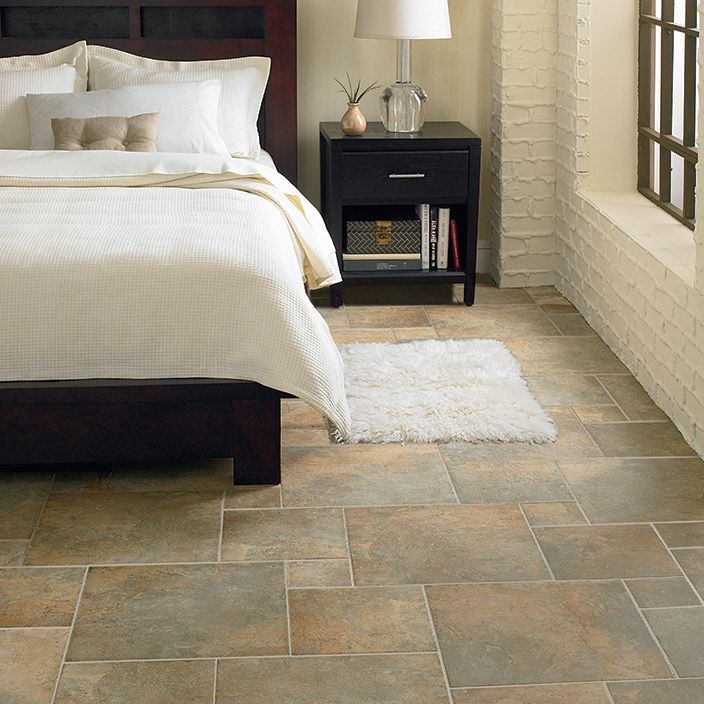
Choose warm, neutral colors with subtle textures that promote relaxation and complement existing bedroom furniture and decor elements. I selected cream-colored tiles with wood-grain texture that creates visual warmth while maintaining sophisticated elegance. Avoid high-contrast patterns or bold colors that might feel overwhelming in restful spaces. Large-format tiles reduce grout lines and create a more seamless, spacious appearance that works well in bedroom environments.
Are ceramic tile floors suitable for bedrooms with children or elderly family members?
Ceramic tiles can work for all ages with proper safety considerations and comfort additions like area rugs and radiant heating systems. I ensure adequate lighting to prevent nighttime falls and use textured tiles for better grip when wet. Area rugs provide soft landing surfaces and warmth for bare feet. The hygienic benefits and easy cleaning make ceramic tiles especially valuable for children’s bedrooms, where spills and accidents occur frequently, providing healthier environments.
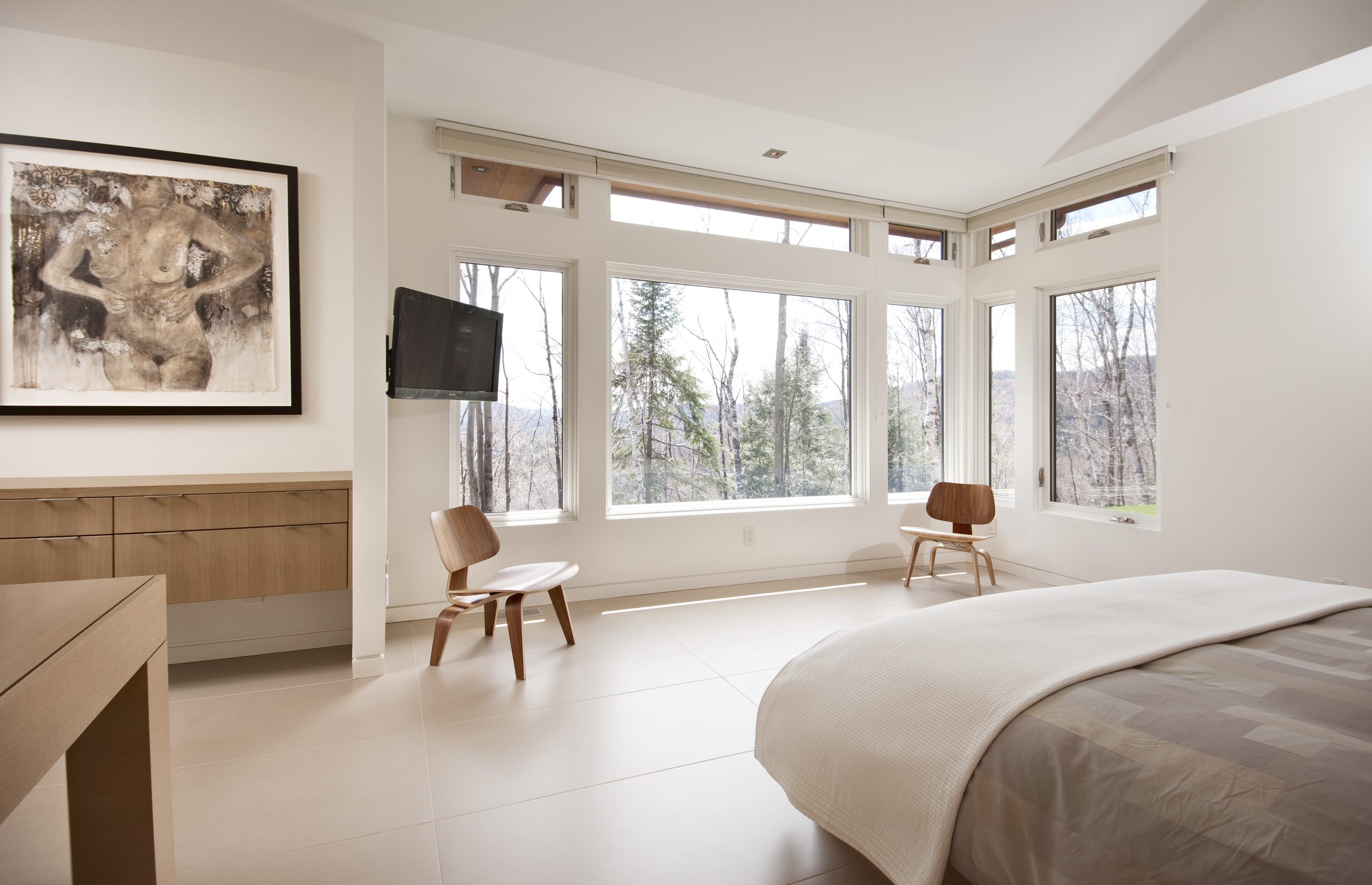
Bedroom Ceramic Tile Floors Design Photos and Ideas

Best Bedroom floor ideas bedroom floor ideas, bedroom flooring

60X60 Bedroom Floor Glazed Polished Acid Proof Ceramic Tile

Primary Bedrooms with Tile Flooring

Tile Floors for Bedrooms: Pictures, Options & Ideas
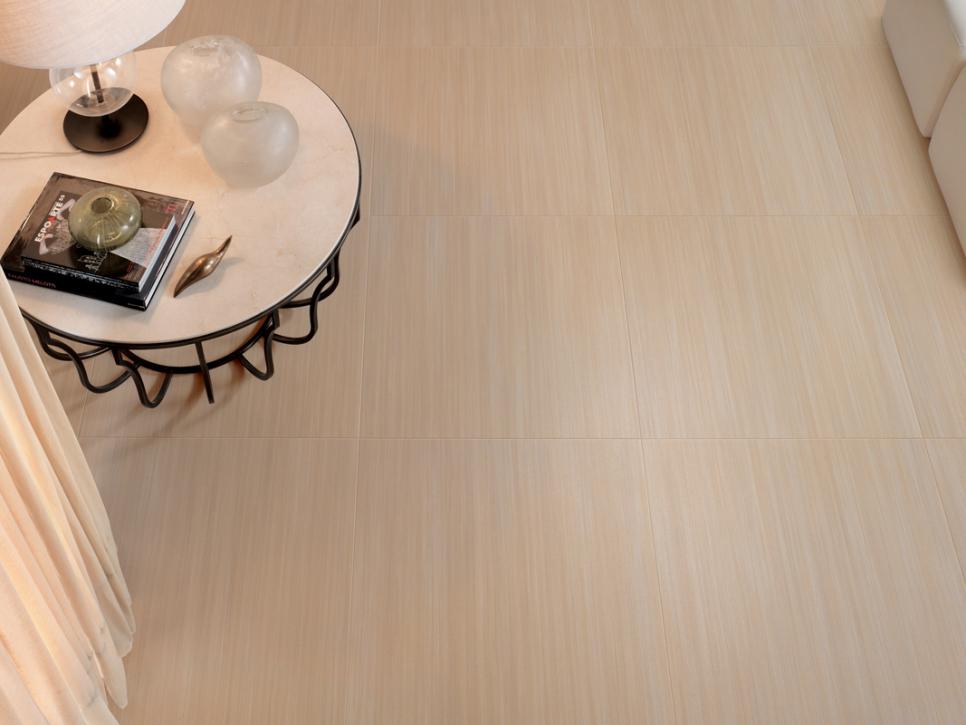
Are Ceramic Tile Floors Too Cold to Use in a Master Bedroom
Related Posts: