When I started renovating my home, I wanted the look of real stone and ceramic tile without the cold feel underfoot, the grout maintenance, or the budget-busting installation costs. That’s when I discovered laminate tile flooring, and it genuinely surprised me.
It has come a long way from what most people picture when they hear the word laminate. If you’re considering it for your own space, here’s everything I’ve picked up from researching, installing, and living with it across multiple rooms.
What Laminate Tile Flooring Actually Is and How It Works
Laminate tile flooring is essentially the same technology as laminate wood planks, but designed to mimic the look of ceramic, stone, or concrete tile instead of hardwood.
Each piece has a high-density fiberboard core topped with a photographic layer that reproduces realistic tile patterns, all protected by a clear wear layer that handles daily foot traffic.
What impressed me most when I started shopping was how convincing the visuals have become. Modern printing technology captures the variation, veining, and texture of natural stone with surprising accuracy.
Some products even have embossed surfaces that feel slightly textured underfoot, making them look even more like the real thing when the light hits them at an angle.
The big difference from actual tile is that laminate stays warmer underfoot and is installed as a floating floor, meaning it clicks together and sits on top of the subfloor rather than being glued or set in mortar.
That makes installation far more approachable for a DIYer, and it also means you can remove and replace it later without major demolition.
The Style Options Available in Laminate Tile
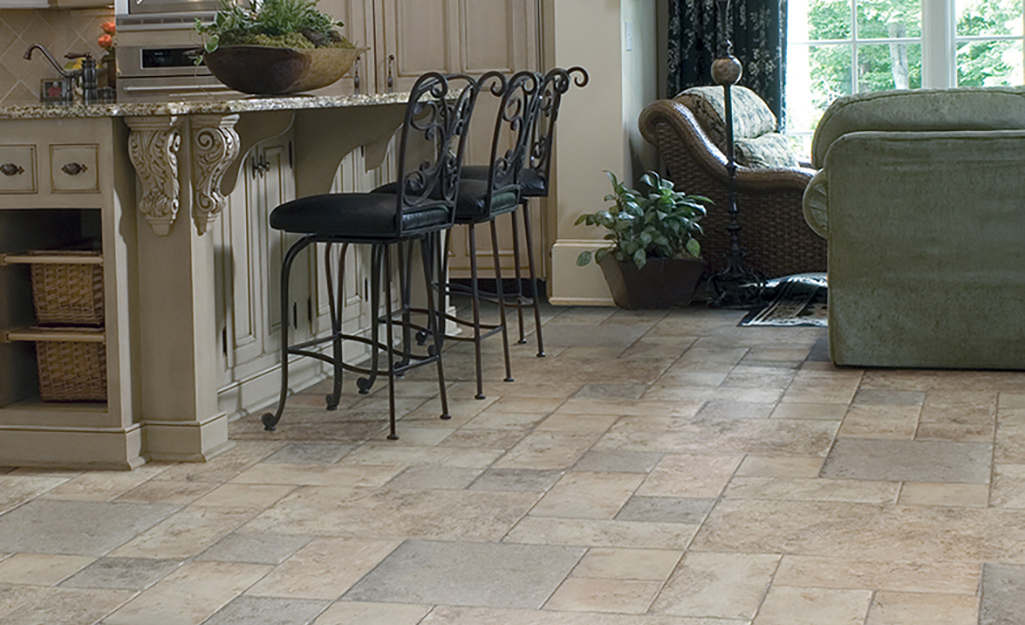
One of the first things that surprised me when I started browsing was the sheer variety of styles available. You can find laminate tile that mimics everything from classic white subway tile to large-format slate, travertine, marble, and even polished concrete. The range made it easy to find something that matched the aesthetic I was going for in each room.
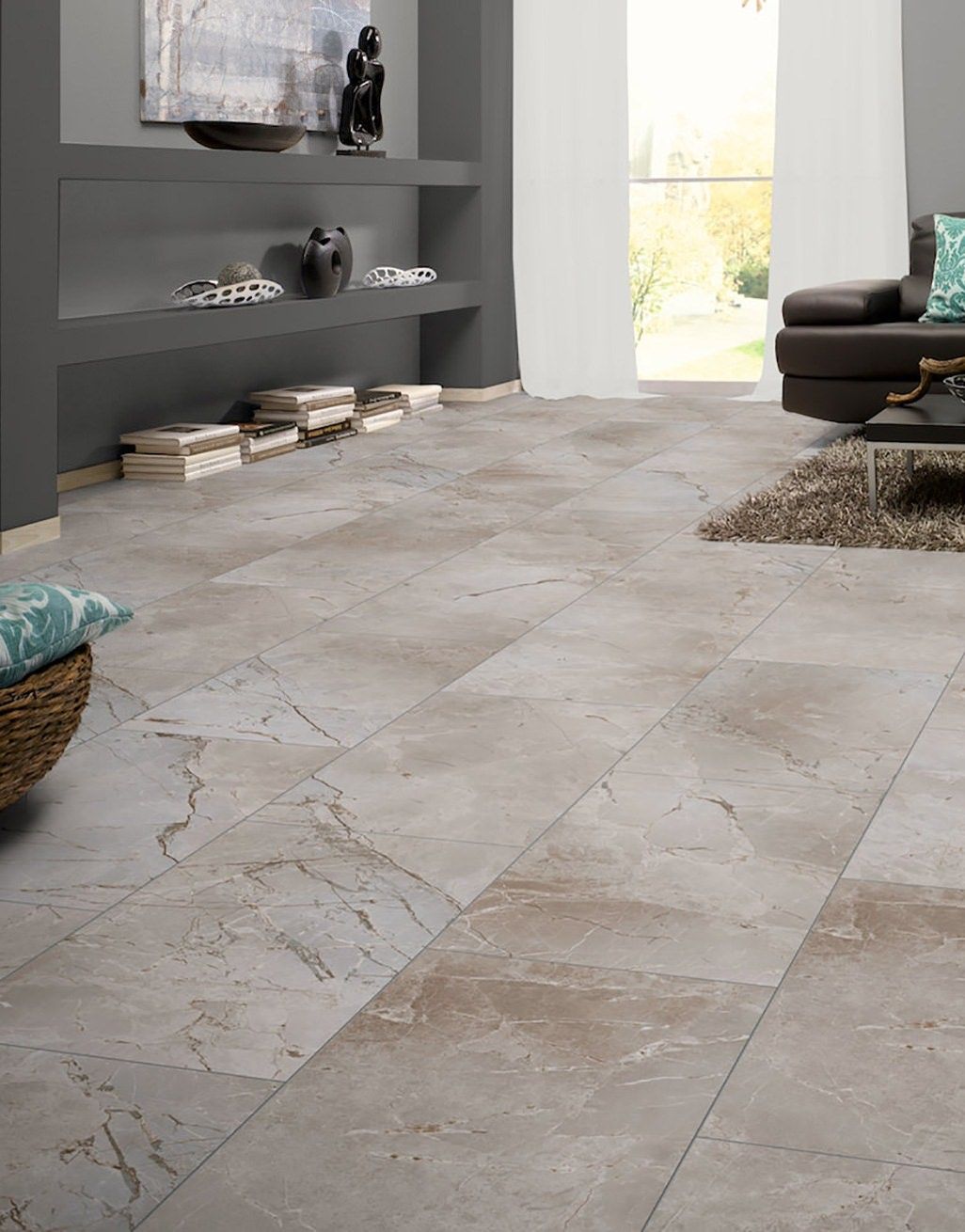
Large-format tile looks are particularly popular right now, and laminate has kept up with that trend. I found options that replicated 24×24 inch stone tiles beautifully, something that would cost a fortune in real stone. The proportions of a large-format tile can make a smaller room feel significantly more open and airy, and the laminate version delivers that effect at a much friendlier price.
Grout line appearance is another detail worth paying attention to. Many laminate tile products include a subtle printed grout line between tiles on the same plank or piece, which adds to the realism. Some higher-end options even have a slight beveled edge around each tile shape to create a more dimensional look. Those small details are what separate a convincing product from one that reads as fake.

How Laminate Tile Compares to Real Ceramic and Stone
Before I committed to laminate tile, I spent a lot of time comparing it directly to ceramic and natural stone. Real tile is undeniably beautiful and extremely durable, but it comes with trade-offs I wasn’t willing to accept. It’s cold underfoot, hard on your legs if you stand for long periods, and grout lines need regular sealing and cleaning to stay looking good.
Laminate tile is warmer underfoot, which was a big factor for me in my kitchen where I spend a lot of time standing. It also has a slight give that makes it more comfortable on joints over long periods. For anyone who has stood on a stone tile floor for hours cooking or doing dishes, that difference in comfort is very real and very welcome.
Where real tile clearly wins is moisture resistance and longevity. Ceramic and stone tile in a properly waterproofed installation will outlast laminate by decades. Laminate tile can handle surface moisture well, but water that gets into the seams causes swelling and damage. That’s why I use laminate tile in my kitchen and living areas but chose different materials for my bathrooms.
Installing Laminate Tile as a DIY Project
Installing laminate tile was one of the more satisfying DIY projects I’ve taken on, mostly because the click-lock system makes it genuinely manageable without special skills. I did my kitchen floor over a single weekend with a basic saw, a tapping block, and a pull bar. The whole process felt far less intimidating than setting real tile would have.
Planning your layout before you start makes a huge difference. I dry-laid my pieces across the room first to figure out where cuts would fall and ensure the tile pattern looked balanced. Starting with tiny slivers at one edge looks awkward, so I adjusted my starting point until the layout felt right. That 30-minute planning step saved me from having to redo the whole thing later.
Subfloor flatness is critical with laminate tile. Any high or low spots translate directly to instability in the finished floor, and you’ll feel it every time you step on those areas. I used a long level to find problem spots and filled low areas with floor leveling compound before starting. It added a few hours to my prep time but made the finished result feel solid and professional.

Durability and Real-World Performance
I was genuinely curious about how laminate tile would hold up in my kitchen, which is the busiest room in our house. After 18 months of cooking, kids dragging chairs, and a dog skidding across the floor, I can say it has performed better than I expected for an everyday living space.
The AC rating system that applies to wood laminate applies here too, and I made sure to choose an AC4-rated product for the kitchen. That rating handles heavy residential traffic well, and the surface still looks clean and scratch-free in most areas. High-traffic paths near the sink and stove show the most wear, but nothing that’s visible unless you’re looking for it.
The biggest vulnerability I’ve encountered is edge swelling near the dishwasher after a small leak. The surface of the planks held up fine, but where water seeped under the edge of a plank, it caused slight swelling. I’ve since added a better seal at the dishwasher base and have had no further issues, but it reinforced that careful moisture management matters with this material.
Caring for Laminate Tile Day to Day
Caring for laminate tile is one of its genuinely underrated strengths. Unlike real stone tile, there’s no grout to seal, scrub, or worry about discoloring over time. I used to spend a lot of time on my knees cleaning grout lines in my old house, and I don’t miss that at all. A quick sweep and occasional mop is all my laminate tile needs to look great.
I use a dry microfiber mop for daily maintenance, which picks up crumbs, pet hair, and dust without scratching the surface. For deeper cleaning, a lightly dampened mop with a laminate-safe cleaner works perfectly. I never let the mop be more than barely damp, and I always dry any standing water immediately to protect the seams.
One thing I’ve found helpful is placing absorbent mats near the sink and at the kitchen entry. Those spots collect the most water and tracked-in grit, and the mats act as a first line of defense. Grit is surprisingly damaging over time because it acts like sandpaper under foot traffic. Regular sweeping combined with entry mats has kept my laminate tile looking nearly new after a year and a half of daily use.

Is laminate tile flooring a good choice for households with kids and pets?
From my experience, yes. The textured surface hides light scuffs and everyday dirt better than smooth, glossy materials. An AC4-rated product handles the chaos of kids and pets well. My dog runs across mine daily and the surface holds up fine. Just keep nails trimmed, use felt pads under furniture, and clean up spills before they sit, and you’ll be happy with how it holds up.
Can laminate tile be used in bathrooms?
I wouldn’t use standard laminate tile in a full bathroom. Surface moisture is manageable, but bathrooms expose flooring to standing water, steam, and humidity in ways that will eventually damage laminate through the seams. If you love the look, some manufacturers offer waterproof core laminate tile designed for wet areas. That’s worth exploring, but standard products really aren’t suited for bathroom use.
How does laminate tile compare in cost to real ceramic tile?
Laminate tile is generally more affordable when you factor in both materials and installation. Real tile requires mortar, grout, sealer, and often professional installation to get right. Laminate tile clicks together as a DIY-friendly floating floor, which cuts labor costs significantly. I saved a meaningful amount doing my kitchen floor myself with laminate compared to quotes I received for ceramic tile installation.
How long does laminate tile flooring last?
With proper care, a quality laminate tile floor lasts 15 to 25 years in a residential setting. The wear layer and AC rating are the biggest predictors of longevity. Protecting the surface from grit and managing moisture carefully extends that lifespan considerably. Unlike real tile, laminate can’t be refinished, so preventing surface damage from the start matters more than it does with other flooring types.
Does laminate tile feel cold underfoot like real stone or ceramic?
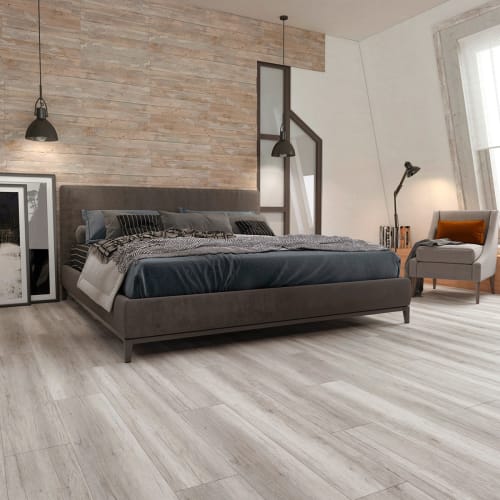
No, and this was one of my favorite discoveries. Laminate tile stays noticeably warmer underfoot than ceramic or stone because the fiberboard core doesn’t conduct cold the way stone does. Paired with a foam underlayment, it feels genuinely comfortable, even barefoot in winter. If cold floors are a reason you’ve avoided tile looks in the past, laminate tile is worth a serious second look.
Can I install laminate tile over existing flooring?
Often yes, depending on what’s underneath and how level it is. I installed mine directly over old vinyl sheet flooring after confirming it was flat and firmly bonded. The key is that the existing surface must be level, stable, and not too thick, since adding height affects transitions to other rooms and door clearances. Always check the manufacturer’s guidelines and test for flatness before you start laying anything down.

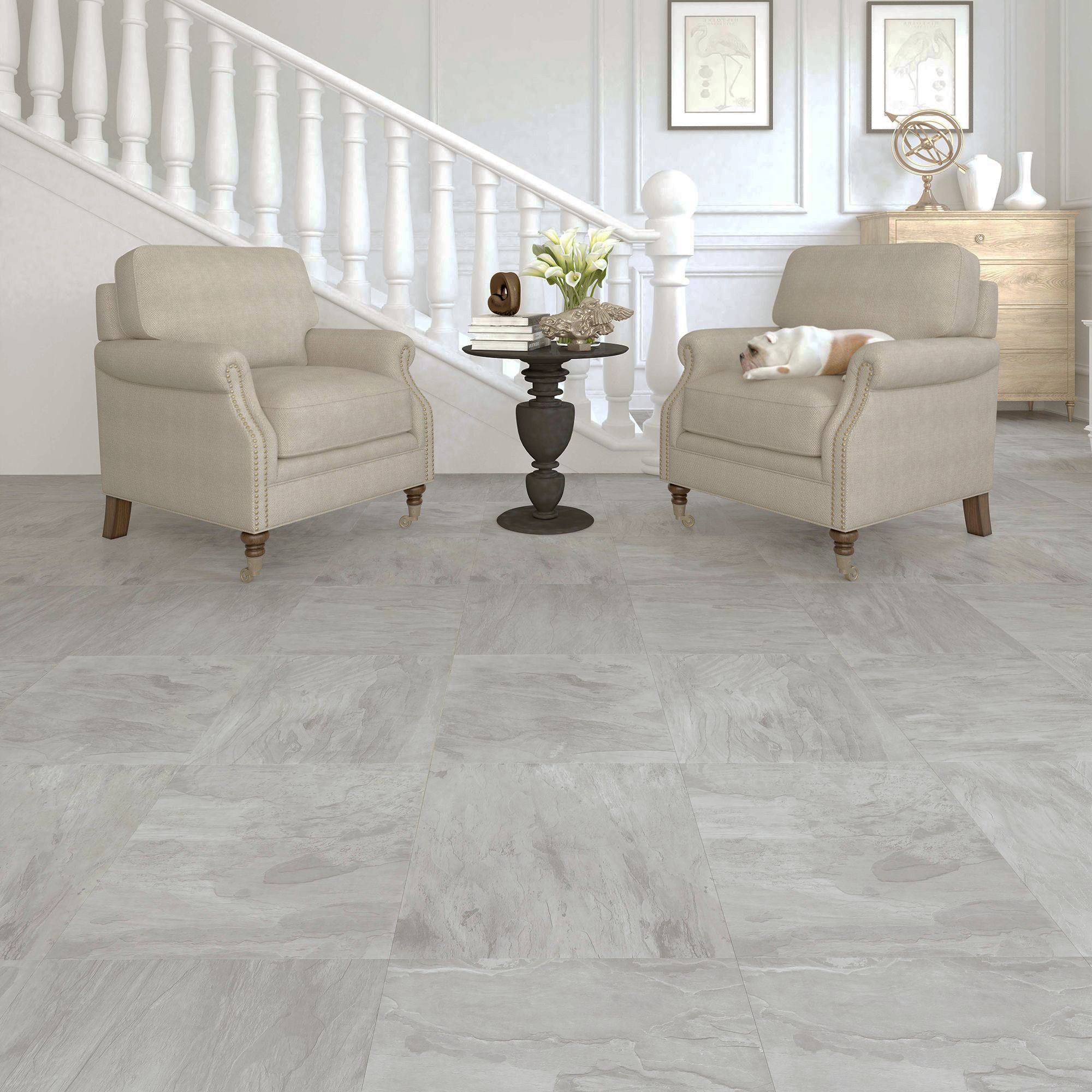
Pack Grey Slate Tile Flooring Peel and Stick

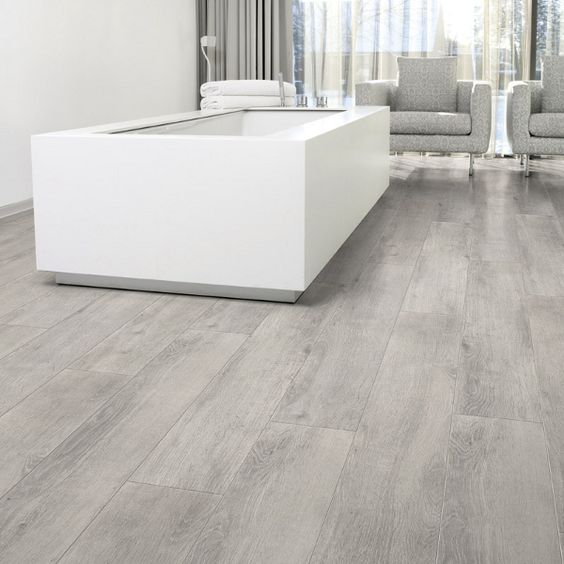
Light grey wood floors ideas light grey wood floors, grey wood

Related Posts: