When I decided to install marble tile floors in my master bathroom and entryway, people around me had very strong opinions. Some said it was a dream material that would make my home look incredible. Others warned me it was high-maintenance, cold, slippery, and a disaster waiting to happen. The truth, after living with marble floors for over four years now, sits somewhere in the middle. Marble is genuinely beautiful and absolutely worth it if you go in with realistic expectations and the right care routine. Here’s what I know now that I wish I had understood from the beginning.
Why Marble Tile Has Such Timeless Appeal
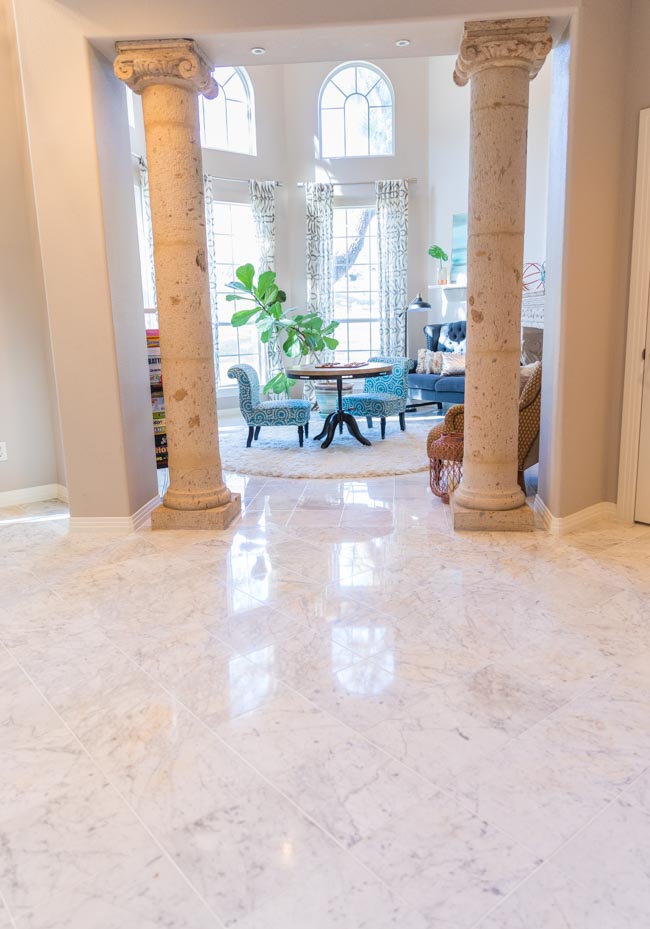
There is something about marble that no manufactured material has ever fully replicated. The natural veining, the depth of the surface, the way light moves across a polished slab, it has a visual richness that I noticed immediately when I walked into my bathroom for the first time after installation. It stopped me in my tracks in the best possible way. That reaction alone told me I had made the right call.
Every marble tile is genuinely unique because it comes from natural stone formed over millions of years. The veining patterns in my Carrara marble tiles are completely individual to each piece, and when the installer laid them out thoughtfully, the floor has this flowing, organic quality that no ceramic or porcelain tile could produce. It’s one of those materials that rewards the closer you look at it.
There’s also the history of it. Marble has been used in architecture and flooring for thousands of years, from ancient Roman bathhouses to Renaissance palaces. When I stand in my entryway, I’m walking on the same material that builders used in some of the most beautiful structures ever made. That connection to something enduring and historical adds a layer of meaning that I find genuinely satisfying, even if it sounds a little dramatic to say out loud.
Choosing the Right Type of Marble for Your Floor
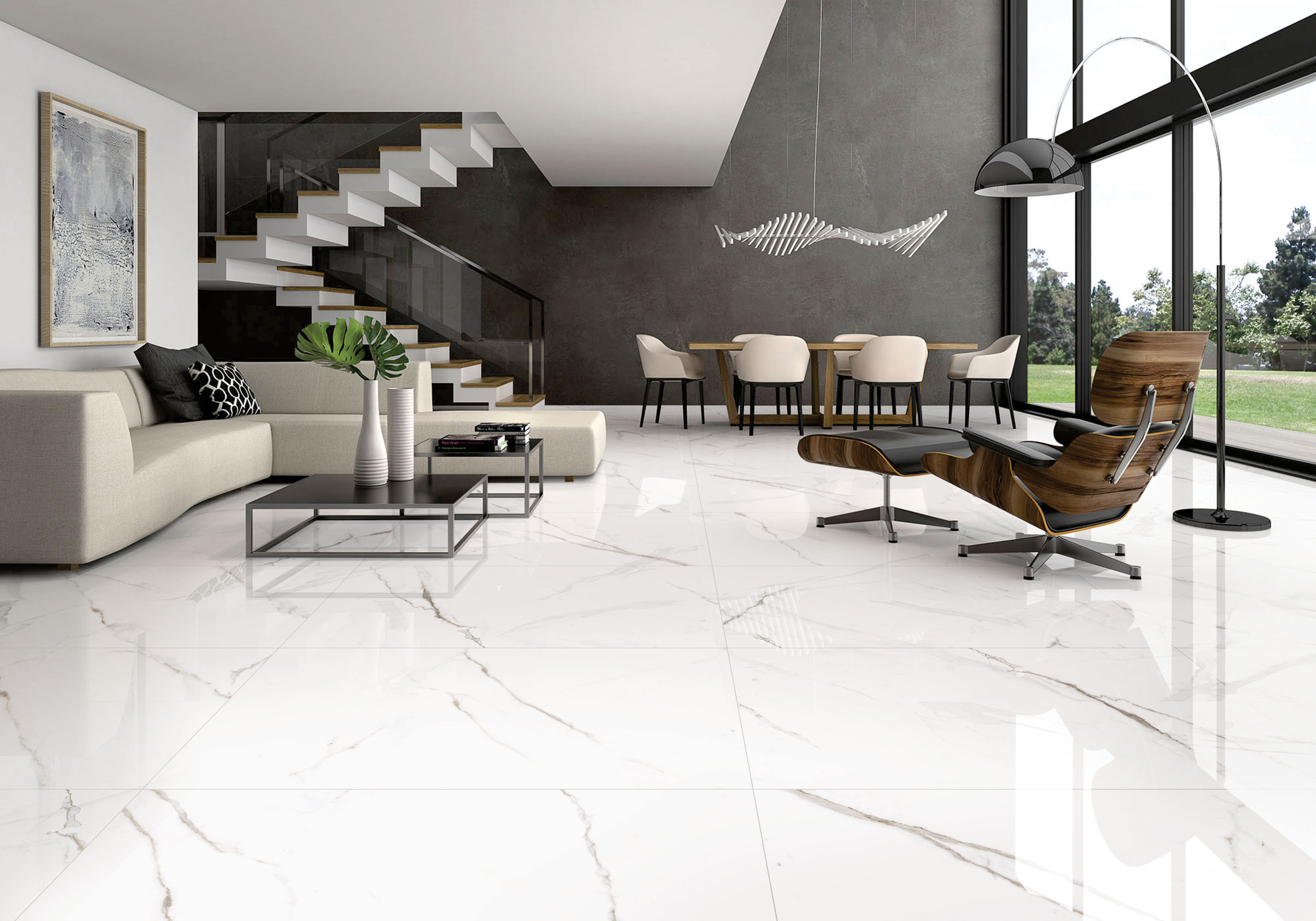
Not all marble is equal, and I learned quickly that the type you choose has a big impact on maintenance, durability, and appearance. Carrara marble is the most widely available and affordable option, with soft white or gray backgrounds and delicate gray veining. It’s what I used in my bathroom and it’s absolutely beautiful, though it does require consistent sealing because of its relatively open pore structure.
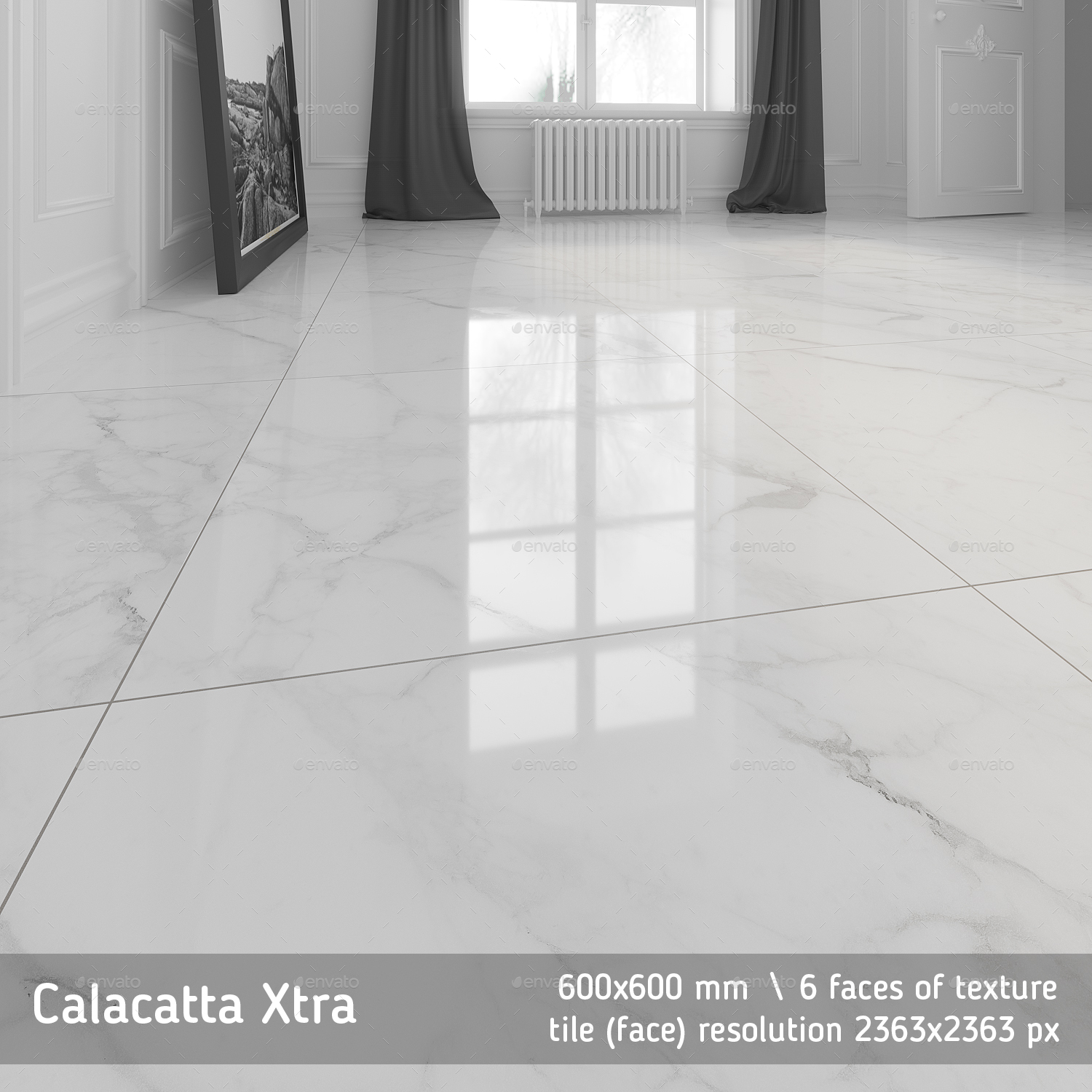
Calacatta marble is a step up in both price and drama. It has a brighter white background with bolder, more pronounced veining in gold or gray tones. I used a small amount of Calacatta in my entryway as an accent border and the visual impact is striking. If your budget allows, Calacatta makes a statement that’s hard to match. Just know that it commands premium pricing because of its rarity.
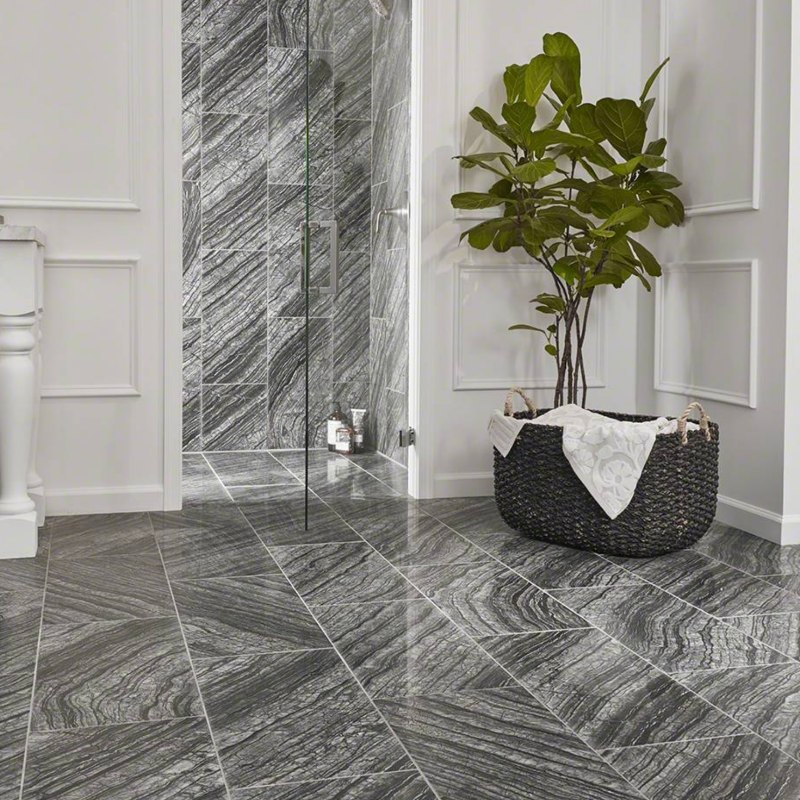
There are also options like Emperador, a rich chocolate-brown marble with lighter veining, and Nero Marquina, a deep black marble that looks incredibly sophisticated. I almost went with a dark marble for my bathroom floor before realizing lighter tones show less water spotting in wet spaces. For a bathroom especially, lighter marble tones like Carrara or Bianco are more forgiving in daily use than dark varieties.
The Real Deal on Marble Floor Maintenance
I won’t sugarcoat this part because it’s where most people get caught off guard. Marble is a porous, calcium-based stone that reacts to acids. That means orange juice, wine, coffee, vinegar-based cleaners, and even lemon-scented products can etch the surface, leaving dull marks that require professional honing to remove. In my bathroom I haven’t had etching issues because I’m careful, but in the kitchen it would stress me out.
Sealing is non-negotiable. I seal my marble floors every six to twelve months using a quality impregnating stone sealer. The process takes about two hours and involves cleaning the floor thoroughly, applying the sealer, letting it penetrate, and buffing off the excess. It’s not glamorous, but it creates an invisible barrier that buys you time to wipe up spills before they soak in.
For daily cleaning I use only pH-neutral stone cleaners. I had to replace most of my general-purpose cleaners when I got marble floors because so many of them are too acidic or too alkaline for natural stone. A dedicated stone floor cleaner diluted in warm water and applied with a soft mop is all you need for routine maintenance. Once I adjusted my cleaning routine it became second nature, and the floor has stayed looking beautiful because of it.

Understanding Marble’s Slip Resistance and Safety
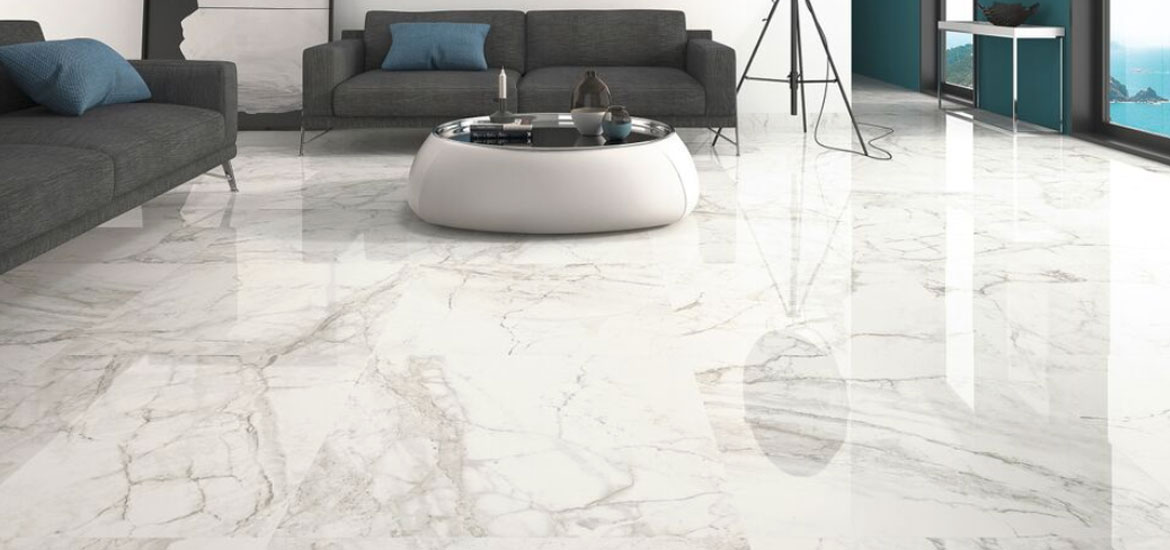
This was one of my biggest worries before installing marble, especially in a bathroom where wet floors are unavoidable. Polished marble is genuinely slippery when wet, and I want to be upfront about that because it’s a real consideration if you have young children or elderly family members in your home. There are ways to manage the risk, but you shouldn’t go in thinking it’s a non-issue.
The most practical solution I found was choosing a honed or brushed finish instead of a high-polish finish for wet areas. Honed marble has a matte, slightly textured surface that provides noticeably more grip underfoot than polished marble. I used honed Carrara in my shower floor and polished tiles in the main bathroom floor area where I use a bath mat. That combination gives me both safety and beauty without sacrificing either.
Anti-slip treatments are also available for polished marble if you already have it installed. These products create a micro-texture on the surface that improves grip without visibly altering the appearance. I’ve used one in the entry section of my bathroom near the shower and it works well. Good bath mats placed strategically at exit points from the shower also go a long way toward making a marble bathroom floor genuinely safe for everyday use.
Installing Marble Tile Floors the Right Way
Marble tile installation is not a project I would tackle as a first-time DIYer, and I say that as someone who is reasonably handy. The tiles are heavy, fragile at the edges, and unforgiving if the subfloor isn’t perfectly level and structurally sound. I hired an experienced tile setter who had worked specifically with natural stone, and that decision paid for itself in the quality of the finished result.
One thing my installer emphasized was the importance of a strong, stable subfloor. Marble does not flex. Any movement in the subfloor, even minor deflection, will eventually crack the tiles or pop the grout lines. My bathroom subfloor needed an extra layer of cement board before installation to bring it to the right rigidity. It added cost and time but was absolutely the right call for the long-term integrity of the floor.
Grout selection also matters more with marble than with ceramic tile. I used unsanded grout in a light gray tone that complemented the Carrara veining without competing with it. Dark grout on white marble can look striking but shows efflorescence and cleaning residue more than lighter shades. Whatever grout color you choose, seal it after installation and reseal it periodically. Grout in a marble floor is the weakest link in the system and deserves proper protection.

How Marble Tile Holds Up Over Time
Four years in, my marble floors still look genuinely beautiful, and I don’t say that with any qualifications. The sealing routine, careful cleaning, and bath mats have kept the surface free of etching and staining. What I have noticed is minor wear polishing in the highest traffic areas of my entryway, where the surface has developed a naturally worn patina that honestly adds to the character rather than detracting from it.
Marble actually improves aesthetically with age in a way that few other flooring materials do. Antique marble floors in old European homes are prized precisely because of the depth and warmth that decades of use have given them. Small scratches and the gentle dulling of the surface over time contribute to that lived-in, storied quality rather than making the floor look damaged. That long view helped me relax about minor imperfections along the way.
If significant etching or scratching does occur over time, professional marble restoration can bring a floor back to its original appearance. Honing removes surface damage and polishing restores the sheen. It’s not an inexpensive service, but for a floor that’s been in place for twenty or thirty years it represents excellent value. That restorability is one of the things that makes marble such a compelling long-term investment compared to materials you simply have to replace when they wear out.
Is marble tile flooring too high-maintenance for a busy family home?
It requires more attention than ceramic or vinyl, but it’s manageable with the right habits. I seal it twice a year, use pH-neutral cleaners only, and wipe spills immediately. Once those habits are in place it becomes routine. For very young children who spill frequently or high-chaos kitchens, I’d honestly recommend porcelain with a marble look instead. For adults and older kids, real marble is very livable with reasonable care.
How much does marble tile flooring cost to install?
Marble tile ranges from about five to thirty dollars per square foot for materials depending on the type and grade. Installation adds another ten to twenty dollars per square foot due to the skill required. Total installed costs for entry-level Carrara marble run fifteen to twenty-five dollars per square foot. Calacatta and rarer varieties cost considerably more. It’s a premium investment, but the longevity and timeless beauty make the cost per year over a lifetime very reasonable.
Does marble tile feel cold underfoot?
Yes, marble feels cool to the touch, especially in the morning or in winter months. In my bathroom I found this refreshing in summer but less pleasant in winter. The practical solution I love is pairing marble floors with radiant underfloor heating. Marble is an excellent conductor of heat, so it warms up beautifully and retains that warmth well. If radiant heat isn’t an option, good quality bath mats and area rugs manage the cold floor issue effectively.
Can marble tile be used in a kitchen?
It can, but I’d think carefully before committing. Kitchens expose floors to acidic spills from tomatoes, citrus, and vinegar, all of which can etch marble. You’d need to be very attentive about wiping spills immediately and sealing frequently. Many people do use marble in kitchens successfully with disciplined habits. Honed marble is more forgiving than polished in a kitchen because etching is less visible on a matte surface. For lower stress, consider it in a kitchen with light cooking use.
How long does marble tile flooring last?
Marble flooring, when properly maintained, lasts essentially indefinitely. Ancient marble floors are still in use thousands of years after installation. In a residential setting with regular sealing and careful cleaning, you can reasonably expect your marble floor to last the lifetime of your home and beyond. Even when surface wear occurs, professional restoration can renew it completely. It’s one of the few flooring materials I genuinely think of as a permanent installation rather than something to replace.
Is marble tile flooring a good investment for home resale value?
In my experience and from what real estate agents have told me, quality marble flooring is viewed very positively by buyers in the mid to upper price range of the market. It signals quality and permanence that buyers respond to. In entry-level homes it may be seen as difficult to maintain rather than a bonus. Know your market before investing. In my neighborhood, the marble floors were called out specifically as a highlight by the agent when I had my home appraised, which felt like validation of the decision.
Related Posts: