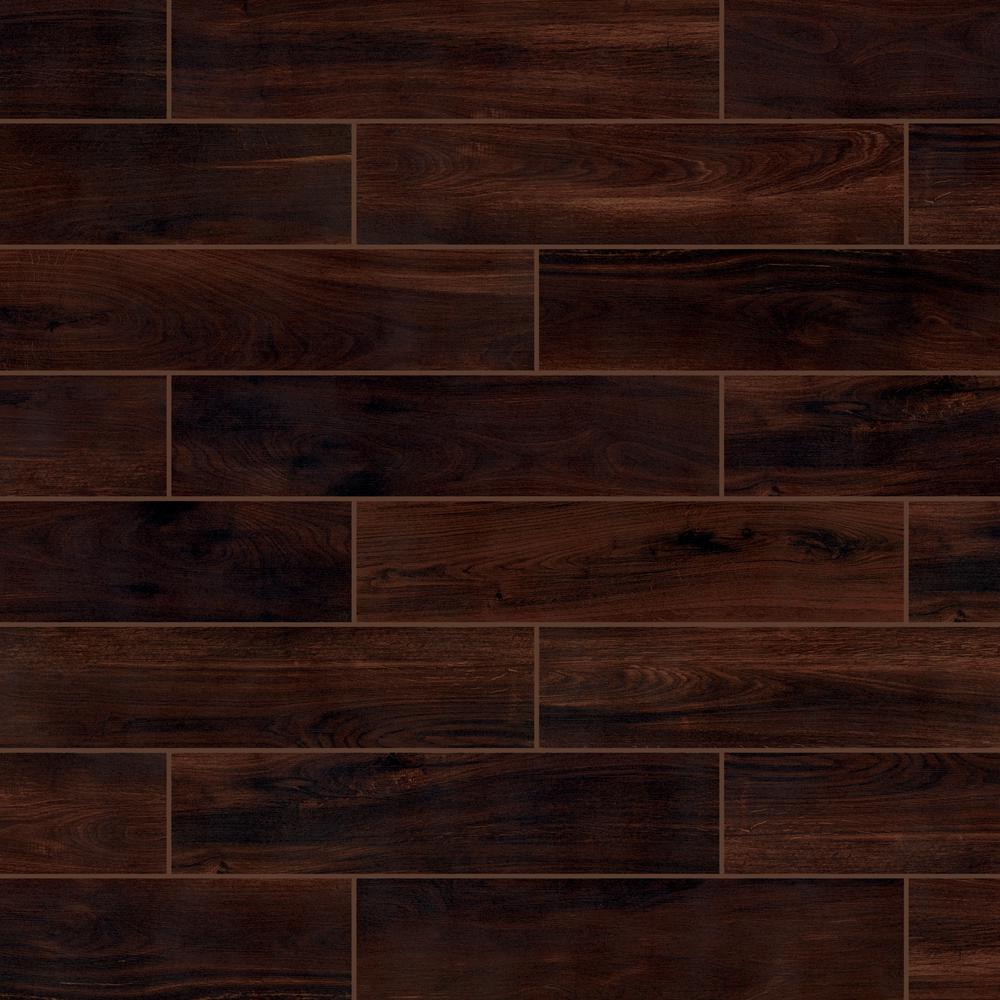
When I decided to renovate my living room two years ago, I was torn between traditional hardwood and the newer wood-look tile options. After seeing cherry wood tile flooring in a friend’s home, I was completely sold on the rich, warm appearance that captured all the beauty of natural cherry without the maintenance headaches. The deep reddish-brown tones and realistic grain patterns have transformed my space into something that feels both elegant and incredibly durable. Living with these floors has been such a positive experience that I’ve since extended them into my dining room and hallway.
Why I Chose Cherry Wood Tile Over Real Cherry Hardwood
I spent months researching real cherry hardwood before discovering wood-look tile alternatives, and the practical benefits ultimately won me over. Real cherry wood is gorgeous but notorious for its dramatic color changes over time, shifting from light pink to deep reddish-brown when exposed to sunlight. My living room gets intense afternoon sun, and I didn’t want to deal with uneven fading or the need to rearrange furniture periodically to ensure consistent coloring throughout the space.
The durability factor was equally compelling in my decision-making process. I have an active household with kids who love to roller skate indoors and a large dog who gets excited when visitors arrive. Real cherry wood would show every scratch, dent, and watermark, requiring constant vigilance and eventual refinishing. My cherry wood tile, however, handles all of this daily abuse without showing any signs of wear or damage after two full years of family life.
Cost considerations also played a significant role in my final decision. Quality cherry hardwood would have cost me nearly $15 per square foot installed, while my beautiful cherry wood tile came in at just $6 per square foot with professional installation. The long-term savings are even more impressive when I consider that hardwood requires periodic refinishing, special cleaning products, and careful maintenance, while my tile floors need only regular sweeping and occasional mopping with standard cleaners.
Installation Process: My Experience with Professional vs DIY
I initially planned to install the cherry wood tile myself to save money, but after researching the process thoroughly, I decided to hire professionals for this project. The realistic wood-grain texture and precise color matching required careful attention to pattern placement and grout line consistency. I watched my installers work and realized that achieving the seamless, natural wood appearance I wanted would have been nearly impossible without their experience and specialized tools.
The professional installation took just two days for my 400-square-foot living room, which included removing the old carpet and preparing the subfloor. My installers used a random pattern layout that mimicked real hardwood planks, ensuring no repetitive tile patterns that would give away the tile nature of the flooring. They also paid careful attention to grout color selection, choosing a shade that perfectly matched the darker tones in the cherry wood pattern.
What impressed me most was the precision required for cutting tiles around doorways, vents, and built-in furniture. My installers used wet saws and specialized cutting tools to create perfect fits that maintained the wood-plank illusion throughout the space. While I’m generally comfortable with DIY projects, I’m grateful I invested in professional installation because the finished result looks exactly like expensive hardwood flooring, and several guests have been surprised to learn it’s tile.

Design Flexibility: Creating the Perfect Cherry Wood Look
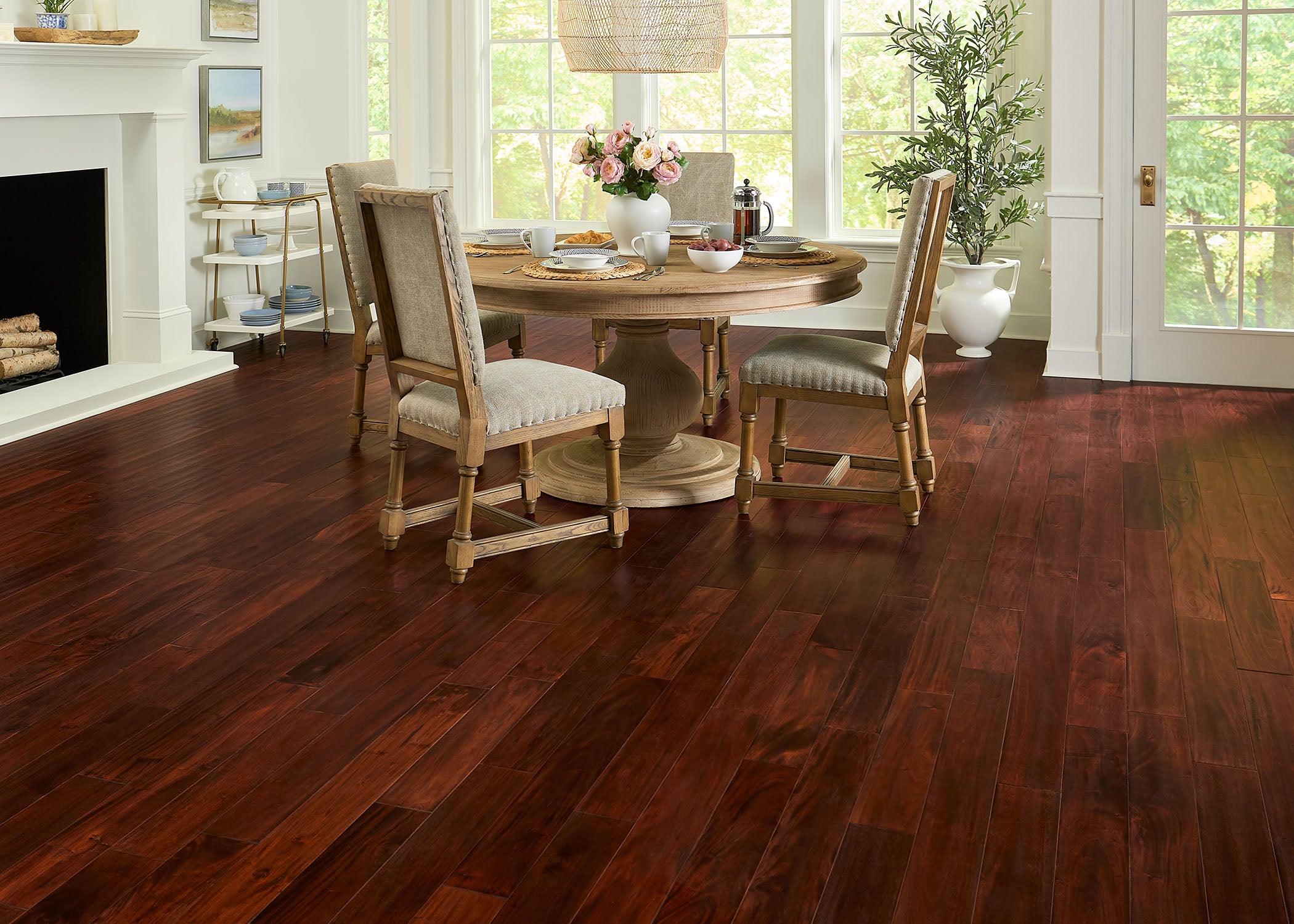
One of the biggest advantages I discovered with cherry wood tile is the incredible design flexibility it offers compared to traditional hardwood. I was able to choose from various plank sizes, from narrow 4-inch strips that create a classic traditional look to wider 8-inch planks that feel more contemporary and spacious. I ultimately chose 6-inch planks as the perfect middle ground that works beautifully with both my antique furniture and modern accessories.
The color consistency in cherry wood tile allowed me to create exactly the aesthetic I wanted without worrying about natural wood variations. While real cherry wood can have dramatic differences between individual boards, my tile manufacturer offered several coordinating patterns within the same color family. I was able to select tiles that provided subtle variation without any jarring color differences that might disrupt the visual flow of the space.
Pattern layout options gave me creative control that wouldn’t be possible with real hardwood. I used a running bond pattern in my main living area for a classic look, then switched to a herringbone pattern in the entryway for visual interest and to define the transition between spaces. The ability to mix patterns while maintaining consistent color and texture created a custom, high-end appearance that perfectly suits my home’s traditional architecture.
Maintenance Reality: Daily Care and Long-term Durability
Living with cherry wood tile for two years has taught me that maintenance is incredibly straightforward compared to real hardwood. My daily routine consists simply of sweeping or dry mopping to remove surface dirt and pet hair. Unlike hardwood that requires special wood cleaners and careful moisture control, I can use any standard floor cleaner or even just warm water with a small amount of dish soap for weekly deep cleaning.
The scratch resistance has exceeded all my expectations, especially considering my household’s activity level. My kids drag chairs across the floor, drop toys regularly, and my dog’s nails click across the surface daily without leaving any visible marks. I’ve accidentally dragged heavy furniture across the tiles during room rearrangements, and there’s no damage. This durability gives me peace of mind that real cherry hardwood could never provide.
Spill cleanup is wonderfully stress-free with cherry wood tile flooring. When my coffee mug broke last month, sending hot coffee and ceramic pieces across the floor, I simply swept up the debris and mopped the area with regular cleaner. No worrying about water damage, staining, or special treatment needed. The realistic texture doesn’t trap dirt or liquids like some textured tiles can, making cleanup as simple as it would be on smooth surfaces.
Color Evolution: How Cherry Wood Tile Ages Gracefully
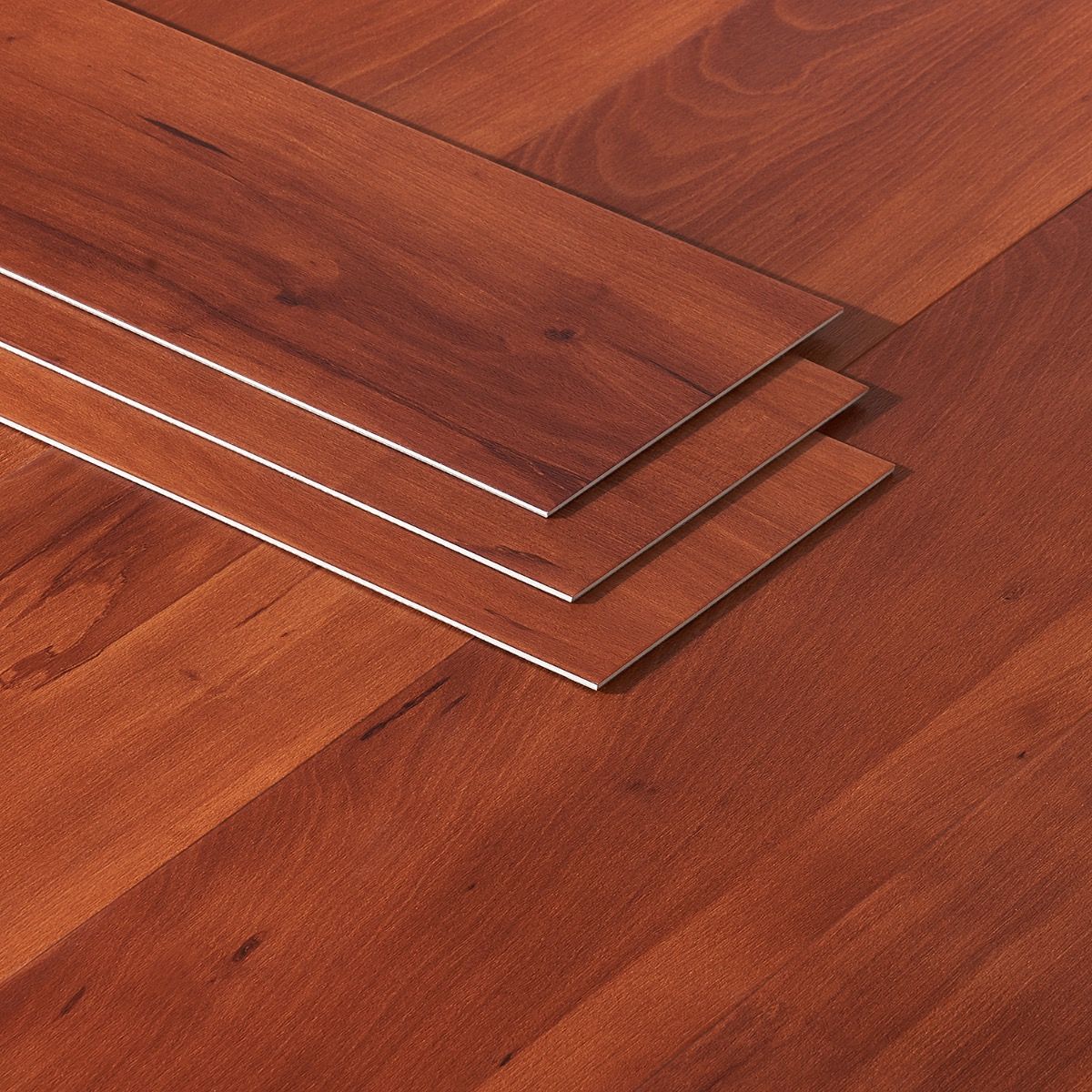
Unlike real cherry wood that undergoes dramatic color changes over time, my cherry wood tile maintains its beautiful, rich color consistently throughout my home. The initial deep reddish-brown tones with subtle grain variations look the same today as they did on installation day. This consistency means I never have to worry about furniture placement affecting color development or plan room layouts around potential fading patterns.
The UV stability of quality cherry wood tile has been particularly impressive in my sun-drenched living room. The large south-facing windows that made real cherry wood impractical have had zero effect on my tile flooring. The colors remain vibrant even in areas that receive direct sunlight for hours each day, while my neighbor’s actual cherry hardwood has developed noticeable fading and color variations.
This color stability has allowed me to decorate with confidence, knowing my flooring provides a consistent foundation for any design changes I might want to make in the future. I’ve rearranged furniture multiple times, changed wall colors, and updated accessories without any concerns about revealing lighter or darker spots on the floor. The timeless cherry wood appearance works beautifully with both warm and cool color palettes.

Cost Analysis: Investment Value and Long-term Savings
When I calculated the total cost of ownership over ten years, cherry wood tile proved to be significantly more economical than real cherry hardwood. My initial investment of $2,400 for materials and installation in 400 square feet compares to an estimated $6,000 for comparable cherry hardwood. But the real savings come from eliminated maintenance costs, no refinishing needs, and the durability that prevents replacement expenses.
Insurance considerations also factored into my cost analysis. My homeowner’s insurance agent explained that tile flooring often results in lower premiums due to its water resistance and fire safety compared to wood flooring. While the difference isn’t huge, it’s a nice bonus that adds to the long-term value proposition. Additionally, tile flooring doesn’t require special riders or coverage considerations that hardwood sometimes needs.
The resale value impact has been positive based on recent home appraisals in my neighborhood. Quality wood-look tile is increasingly appreciated by buyers who want the aesthetic appeal of hardwood without the maintenance requirements. My real estate agent friend confirms that well-installed wood-look tile is viewed favorably by most buyers, especially families with children or pets who prioritize durability alongside beauty.

Does cherry wood tile look like real hardwood?
A: I’m constantly amazed by how realistic my cherry wood tile looks. The grain patterns, color variations, and even the subtle texture feel authentic underfoot. Guests regularly ask about my “beautiful hardwood floors,” and many are surprised when I tell them it’s tile. The key is choosing high-quality tiles with realistic printing and proper installation with matching grout colors that maintain the wood illusion.
How does cherry wood tile perform in high-moisture areas?
Unlike real cherry wood, my tile handles moisture beautifully. I’ve had no issues with spills, humidity, or even small leaks. The waterproof nature means I don’t stress about plants, drinks, or wet shoes like I would with real hardwood. However, I still use bath mats and clean spills promptly, mainly out of habit rather than necessity. It’s perfect for kitchens and bathrooms where wood would be risky.

What’s the lifespan of cherry wood tile compared to real hardwood?
My installer estimated 20-30 years for quality cherry wood tile with normal residential use, compared to 10-15 years between refinishing for real hardwood. Since tile doesn’t need refinishing, the total lifespan could be much longer. After two years of heavy family use, mine still looks brand new. The durability and consistent appearance mean it should maintain its beauty far longer than traditional hardwood flooring.
Can I install cherry wood tile myself to save money?
While DIY installation is possible, I strongly recommend professional installation for the best results. The realistic wood appearance requires careful pattern planning, precise cuts, and perfect grout line consistency. My professionals created seamless transitions and perfect fits that would have been challenging for me to achieve. The labor cost was worth it for the flawless finished appearance that truly mimics expensive hardwood.
How do cleaning and maintenance compare to real cherry hardwood?
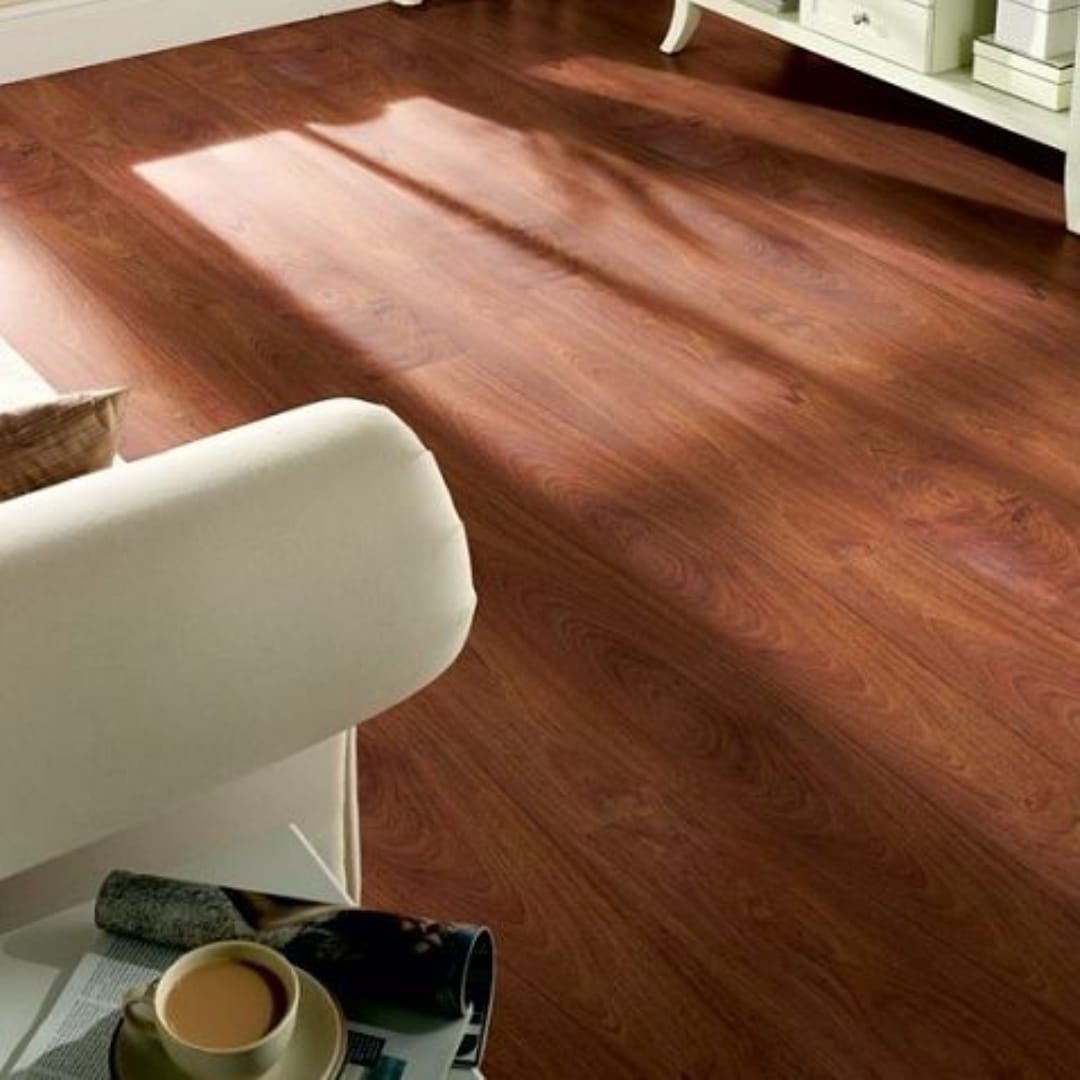
Maintenance is dramatically easier than real hardwood. I sweep daily and mop weekly with regular cleaners, no special products needed. No refinishing, no water damage worries, no scratch repairs. Real cherry would require wood-specific cleaners, immediate spill cleanup, periodic refinishing, and constant vigilance. My tile floors are practically maintenance-free while looking just as beautiful as expensive hardwood.
What should I consider when choosing cherry wood tile patterns and sizes?
Consider your room size and desired aesthetic. Larger planks feel more contemporary and spacious, while narrower planks create traditional charm. I chose 6-inch planks as a versatile middle ground. For color, remember that cherry wood tile won’t change like real cherry, so choose the exact tone you want long-term. Visit showrooms to see large displays, and request samples to view in your home’s lighting before deciding.
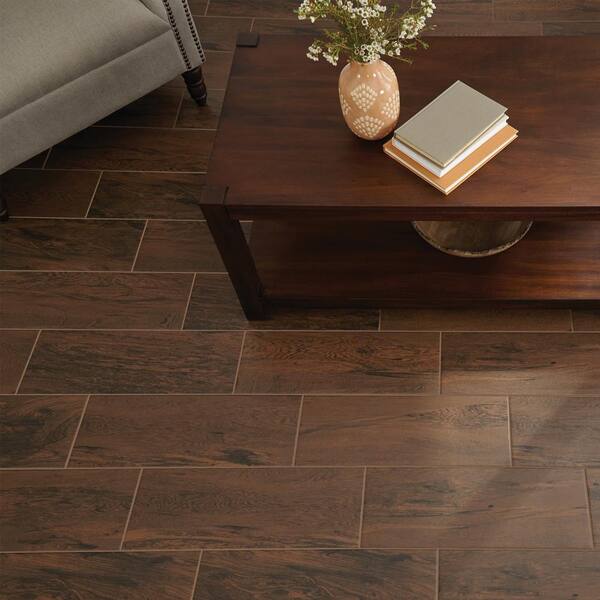
Florida Tile Home Collection Beautiful Wood Cherry 8 in. x 36 in
Cherry Wood floors and stone fireplace Hardwood floors, Cherry

Brazilian Cherry HD Porcelain – gorgeous, natural-looking and

Wholesale Price Kerala Glenwood Cherry Wood Grain Ceramic Floor

Related Posts: