There’s nothing more rewarding than restoring unclean tile flooring. Over the years, I’ve attacked a wide range of dirty flooring, including greasy kitchen tiles, muddy entryways, and even neglected bathroom floors with years of soap scum buildup. While deep cleaning tile might be stressful, taking the appropriate approach makes it manageable. Here’s what I’ve discovered about restoring unclean tile floors to their natural sheen.
Pre-cleaning Prep Work
Before scrubbing, I carefully remove any loose dirt and debris. Sweeping or vacuuming keeps grit from grinding into the tiles during washing. To remove imbedded debris from textured tiles or deep grout lines, I use a stiff-bristle brush. This procedure saves time while also preventing scratches from abrasive particles.
Next, I totally clear the space. Moving furniture and carpets provides complete access to the floor. If anything is too heavy to move, I slide a plastic sheet underneath to keep it safe from cleaning solutions. Taking these extra minutes saves me from becoming frustrated later while I’m washing difficult stains.
I also inspect the tile materials. Porcelain and porcelain may withstand stronger cleaners, while natural stone, such as marble or travertine, need pH-neutral solutions. Knowing the tile type allows me to select the appropriate items and avoid harm. A little research ahead of time helps to avoid costly blunders.
Selecting the Right Cleaning Solutions
For general filth, I combine warm water and a few drops of dish soap; it removes grease without using harsh chemicals. In kitchens with grease accumulation, I use white vinegar (unless on genuine stone) for extra degreasing strength. The acidity aids in the breakdown of sticky residues while preserving the integrity of most tiles.
When dealing with mold or mildew in the bathroom, I use a diluted bleach solution (1/2 cup bleach per gallon water). This destroys spores and illuminates the grout. For more difficult applications, oxygenated bleach powders perform well and are less harsh than chlorine bleach. I always test cleaners in an inconspicuous area first.
Commercial tile cleaners with enzymes can break down organic debris for particularly obstinate dirt. I avoid using ammonia-based treatments on tile since they can dull surfaces over time. No matter what cleaner I use, sufficient ventilation is essential, especially in tight spaces.
Best Scrubbing Techniques
Hand scrubbing provides the most control over extremely dirty areas. I use a grout brush for lines and a microfiber mop or soft scour pad for tile floors. Circular motions are great for lifting dirt without spreading it around. An oscillating scrub brush attachment mounted on a pole saves my back while cleaning huge areas.
When dealing with severe stains, I let the cleaning solution sit for 5-10 minutes before scrubbing. This dwell time enables cleaners to penetrate and loosen dirt. A toothbrush can help reach dirt-filled crevices on textured surfaces. Patience pays off; hurrying leads to missed opportunities.
Following scrubbing, I immediately rinse with clean water. Leaving cleaner residue generates stains and attracts additional dirt. In the restrooms, I use a squeegee to remove excess water and keep new soap scum from forming as the floor dries.
Grout Deep Cleaning Methods
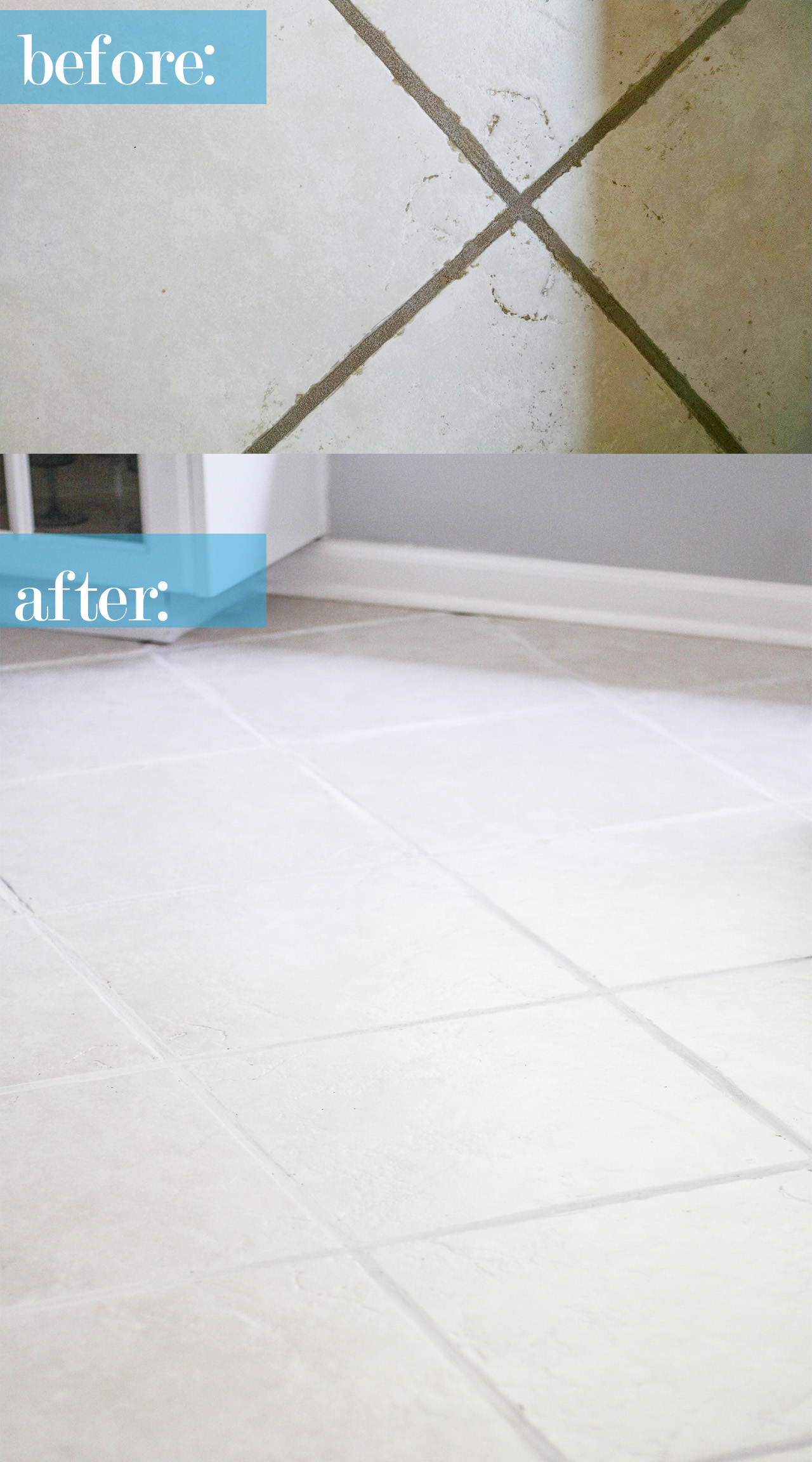
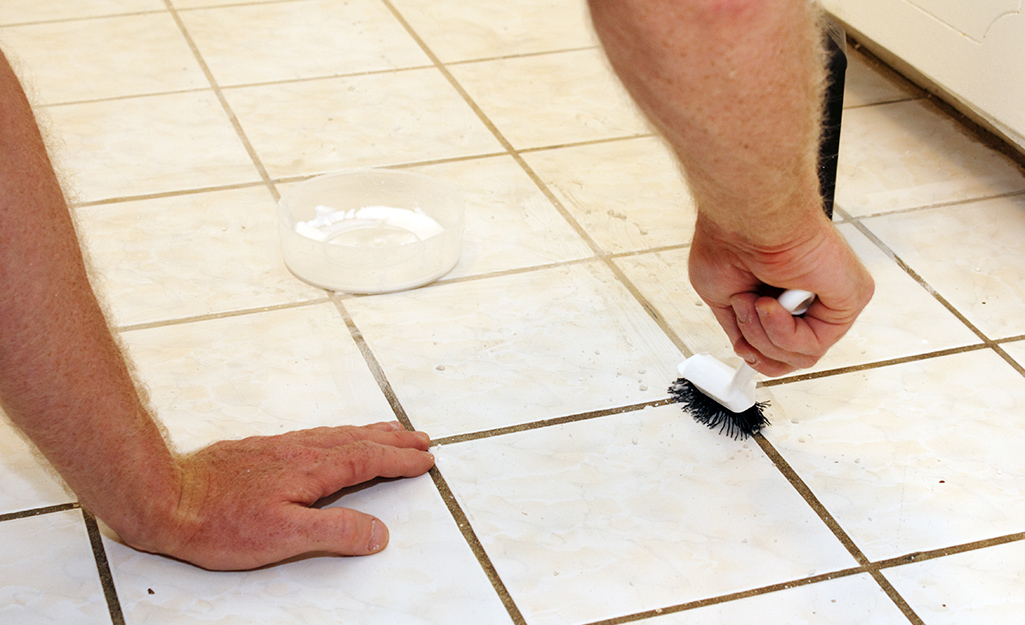
Dirty grout may make even clean tiles appear dreary. For routine cleaning, I mix a paste of baking soda and water and apply it to an old toothbrush. The gentle abrasiveness removes stains without damaging the grout. Hydrogen peroxide illuminates harder stains without being as abrasive as bleach.
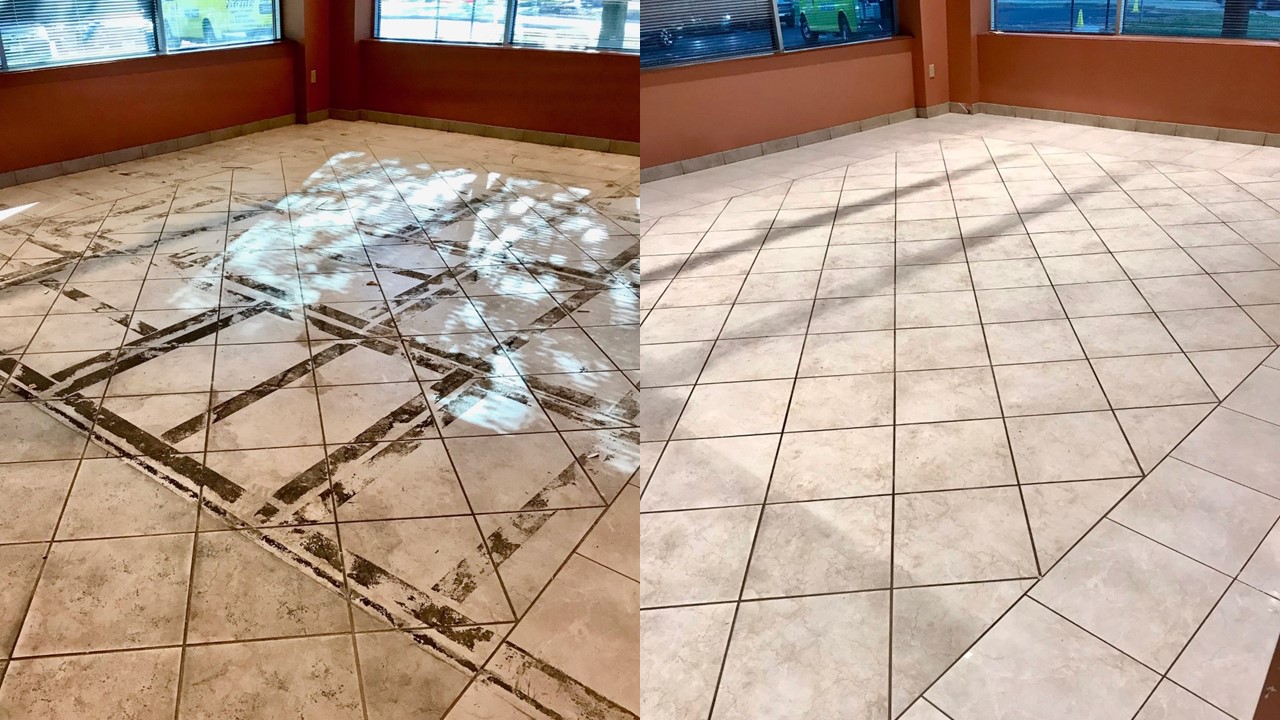
When the grout is extremely stained, I use a steam cleaner with a thin nozzle attachment. The high-temperature vapor dislodges years of accumulation. In severe cases, I carefully remove the top layer of stained grout using a grout saw or rotary tool with a soft brush attachment.
After a thorough cleaning, I always seal the grout. A good sealant protects against future stains and makes upkeep easy. I let the grout cure completely (typically 24-48 hours) before applying two thin coats of sealant with a small foam brush.

Drying and Final Touches
Proper drying eliminates water stains and fresh dirt collection. I open windows or utilize fans to accelerate evaporation. In humid climates, using a dehumidifier can help. Walking on wet tile creates footprints and can drive dirt into still-damp grout lines.
Once dry, I buff the tiles with a clean microfiber cloth to restore their luster. I skip this step with matte-finish tiles to avoid streaks. This is when I identify any missing spots and touch them up before calling the job done.
Finally, if the material is appropriate, I apply a tile-friendly polish or sealer. This protective coating makes future washing easier and keeps the revitalized appearance longer. I avoid wax-based products since they can accumulate and turn yellow over time.

Keeping Clean Tile Floors
Regular care keeps tiles looking good in between heavy cleanings. I sweep high-traffic areas every day and mop once a week with plain water or a light cleaner. Place mats at entryways to catch dirt before it hits the tile.
Immediate spill cleaning reduces stains, particularly on permeable tiles. I have a spray bottle of cleanser and a microfiber cloth nearby for quick spot cleaning. A monthly mild cleaning with a baking soda paste keeps the grout looking bright.
Every 3-6 months, I perform a prophylactic deep clean before dirt accumulates again. This preventive strategy results in less intensive scrubbing later. With proper maintenance, even white tile floors may look brand new for years.
What is the quickest technique to clean really dirty tile floors?
For speedy results, I fully vacuum before using a steam mop with the right attachments. The heat removes dirt while sanitizing. Concentrate on one little portion at a time, wiping it quickly with a microfiber pad. While not as thorough as hand scrubbing, this procedure can freshen floors in roughly half the time of typical cleaning.
Can vinegar be used to clean all tile floors?
Vinegar works well on ceramic and porcelain tiles, but it can etch natural stone, such as marble or travertine. For stone, I use pH-neutral cleaners designed for natural materials. Always check the manufacturer’s guidelines; some sealed tiles may be vinegar-sensitive.
How do I get rid of obstinate soap scum from bathroom tiles?
A mixture of baking soda and hydrogen peroxide works wonders. Apply it to the problematic regions, leave for 10 minutes, and then scrub with a firm brush. A toothbrush can reach crevices in textured tiles. Rinse thoroughly, and repeat as needed. Squeegeeing walls and floors after each shower helps to prevent subsequent buildup.
What’s the best technique to clean tile floors without streaks?
I avoid using soap-based cleansers as they leave residue. Instead, I use a vinegar-water solution (on appropriate tiles) or commercial streak-free cleaners. Microfiber mops leave less streaks than typical string mops. Always rinse with clean water and thoroughly dry with a soft towel.
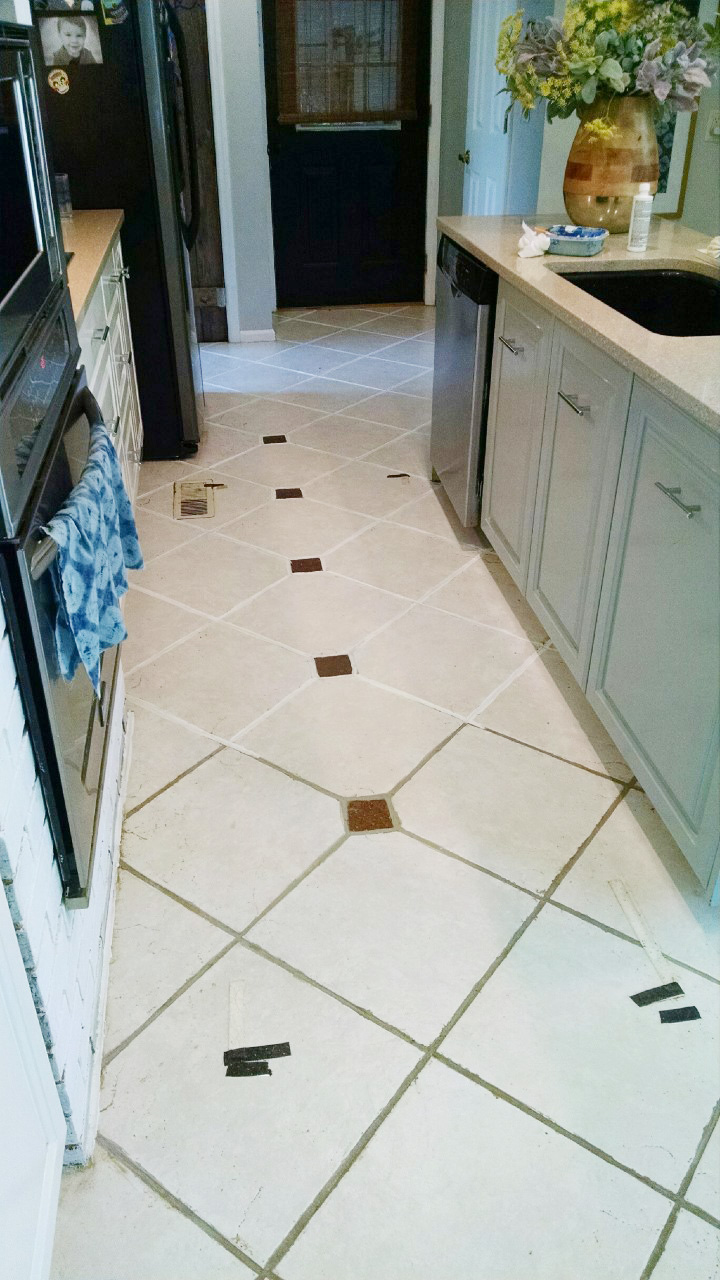
How frequently should tile floors be deep cleaned?
I recommend doing a complete deep cleaning every 3-6 months, depending on traffic. High-traffic areas, such as kitchens, may require it quarterly, although low-traffic rooms might go longer. As a tip, look for obvious filth buildup or dingy grout. Regular maintenance cleaning extends the period between deep cleans.
Can unclean grout be repaired without replacement?
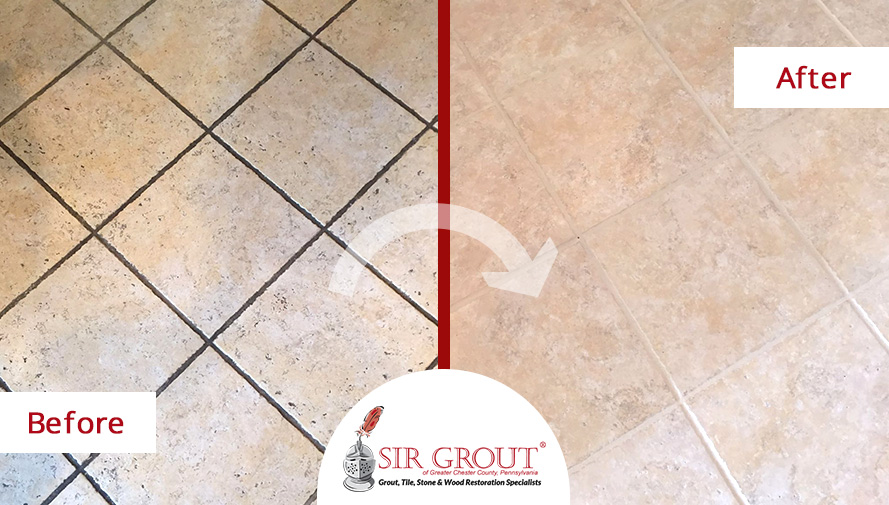
In most circumstances, the answer is yes. I’ve used oxygen bleach paste and commercial grout cleaners to restore severely discolored grout. Bleach destroys spores in moldy grout. If the stains linger after washing, grout paint or dye can be used to freshen the color. Only consider replacing the grout if it is cracking or missing.
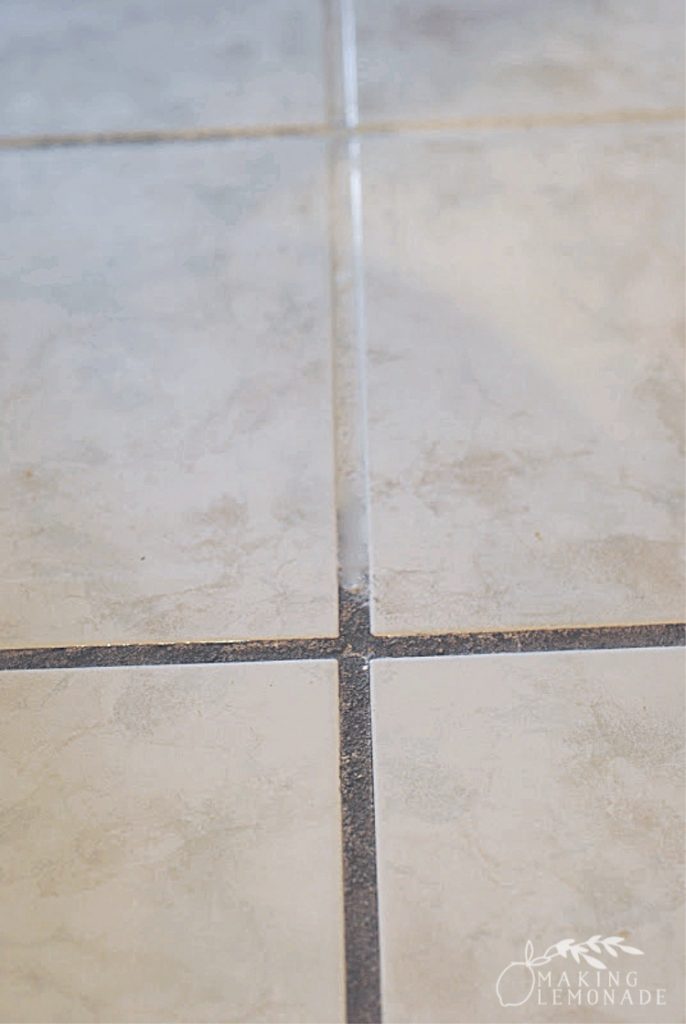
The Best Way to Clean Tile and Grout! – Tile Maintenance Tips Episode 1
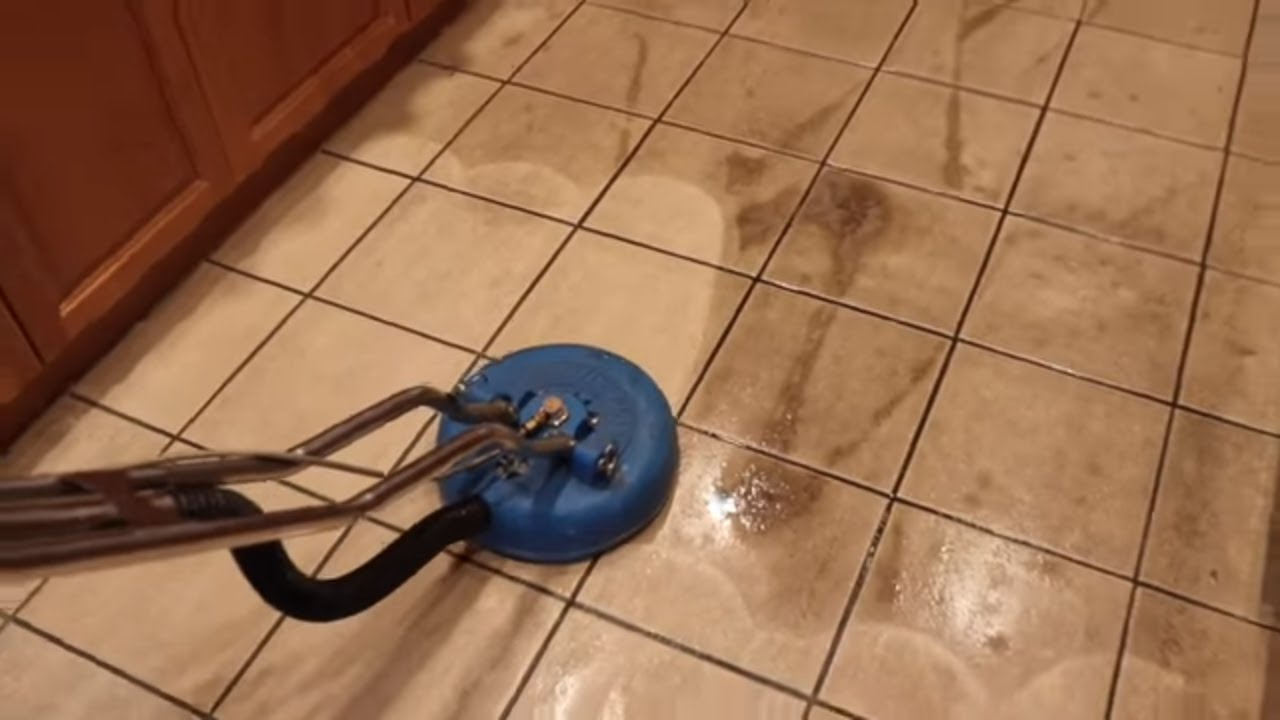
How to Clean Ceramic Tile Floors
The Easiest Way to Clean Filthy, Neglected Tile Flooring
Versatile Ways to Clean Tile Floors

Refreshing A Very Dirty Slate Tiled Floor – Stone Cleaning and

Tricks for Cleaning with Vinegar – Making Lemonade
Related Posts: