When I first installed bamboo flooring throughout my home five years ago, I thought cleaning would be straightforward, just like any other hardwood floor. Boy, was I wrong! After accidentally damaging sections with the wrong cleaning products and learning through trial and error, I’ve become something of a bamboo floor care expert. These beautiful, sustainable floors have unique characteristics that require specific maintenance approaches to keep them looking gorgeous. Through countless cleaning sessions, spills, and even a few disasters involving my kids and pets, I’ve discovered the secrets to maintaining bamboo floors that look as stunning as the day they were installed.
Understanding Bamboo Floor Characteristics
My first lesson came when I realized that bamboo isn’t actually wood; it’s a grass that’s processed and manufactured into flooring planks. This fundamental difference affects how the material responds to moisture, cleaning products, and daily wear. Bamboo fibers run vertically in the plant, creating a grain pattern that’s denser than most traditional hardwoods. I learned this the hard way when my usual hardwood cleaner left streaks and buildup that took weeks to remove properly.
The manufacturing process creates different types of bamboo flooring that require slightly different care approaches. My horizontal bamboo planks show the natural bamboo nodes and grain, while the vertical planks in my kitchen have a more uniform appearance. Strand-woven bamboo, which I installed in high-traffic areas, is incredibly dense and durable but responds differently to cleaning products than the other types. Understanding these differences helped me develop targeted cleaning strategies for each area.
Moisture sensitivity became apparent during my first year of ownership. Unlike some hardwoods that can tolerate moderate moisture, bamboo can warp, swell, or develop mold if exposed to excessive water. I discovered this when my dishwasher leaked overnight, causing several planks to cup and buckle. The experience taught me that prevention and immediate attention to spills are crucial for bamboo floor longevity. Regular humidity monitoring and quick cleanup became essential parts of my routine.
Daily Cleaning Routine and Best Practices
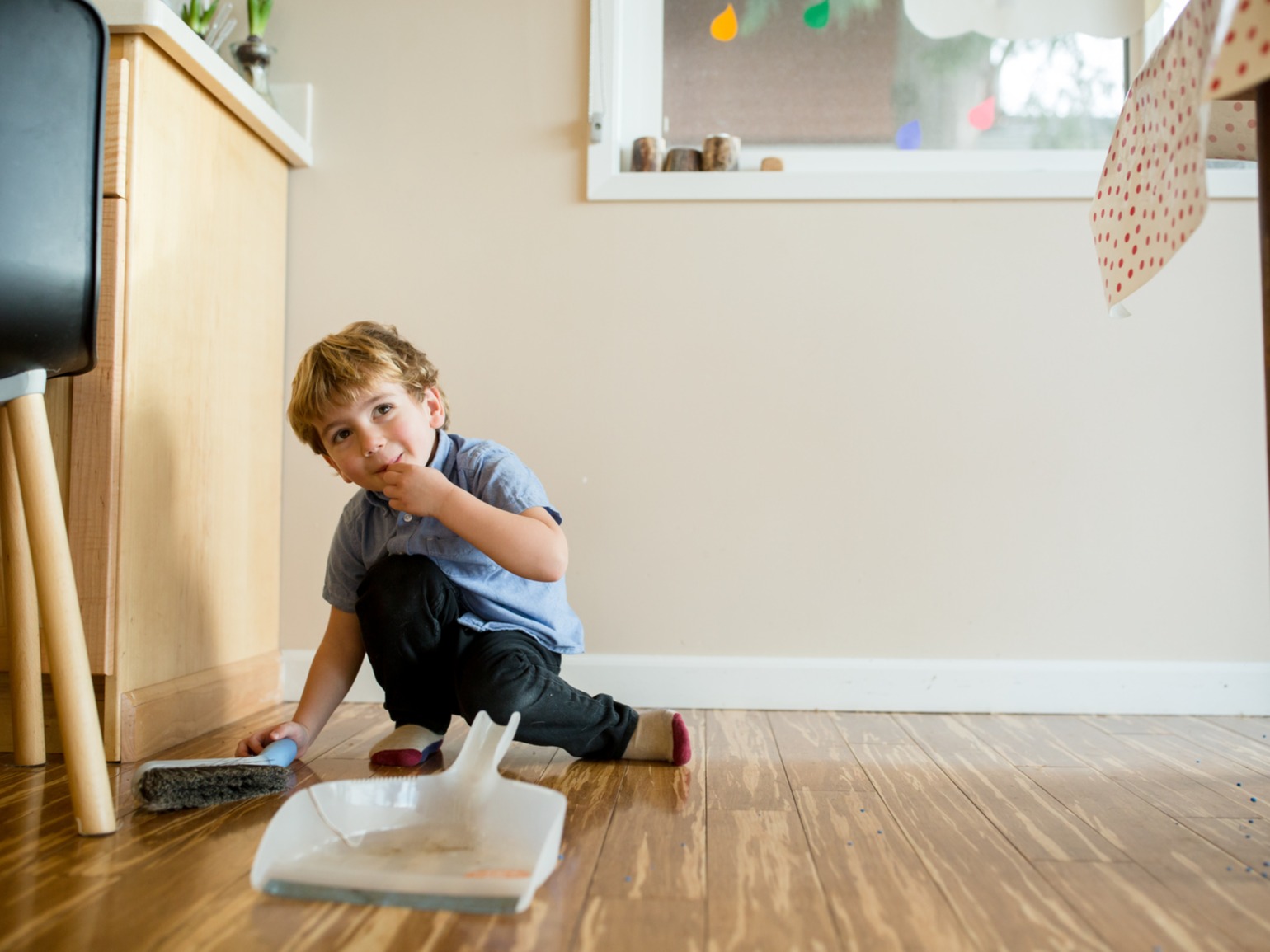
My daily bamboo floor routine starts with dry removal of surface dirt and debris. I use a microfiber dust mop every morning, which effectively captures pet hair, dust, and small particles without scratching the surface. Traditional brooms can actually damage bamboo floors by grinding particles into the finish, something I learned after noticing fine scratches in high-traffic areas. The microfiber mop glides smoothly and picks up everything without the risk of surface damage.
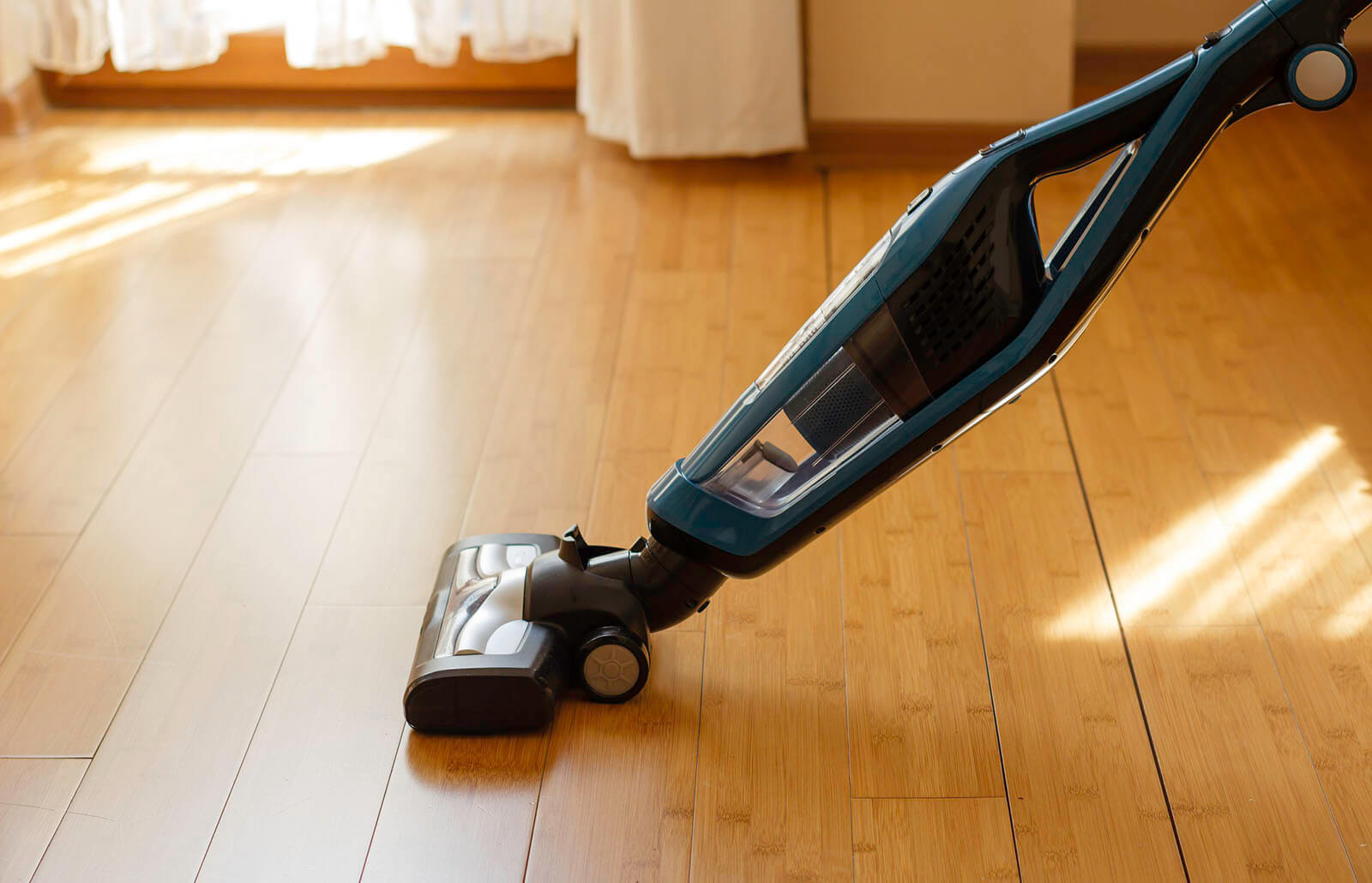
Vacuum cleaning became part of my weekly routine, but I had to modify my approach after accidentally scratching the floors with a beater bar attachment. I now use only the hard floor setting or a canister vacuum with a soft brush attachment. The suction effectively removes embedded dirt from the bamboo’s natural texture without aggressive agitation. I vacuum in the direction of the bamboo grain to avoid catching on any raised fibers or imperfections in the surface.
Spot cleaning spills immediately prevents stains and moisture damage that could require professional repair. I keep microfiber cloths strategically placed throughout the house for quick cleanup of spills, pet accidents, and tracked-in mud. The key is using minimal moisture and working quickly to prevent liquid from penetrating the protective finish. I learned that letting spills sit, even for a few minutes, can cause permanent discoloration or surface damage that’s expensive to repair.

Choosing Safe Cleaning Products
My biggest mistake during the first year was using ammonia-based cleaners that I’d used successfully on other floors. These harsh chemicals stripped the protective finish and left cloudy residue that required professional refinishing to correct. I learned that bamboo floors need pH-neutral cleaners specifically formulated for bamboo or compatible hardwood surfaces. Reading labels became crucial, as many “natural” cleaners contain acids or oils that can damage bamboo finishes.
Commercial bamboo floor cleaners became my go-to solution after testing numerous products. These specialized cleaners are formulated to clean effectively without leaving residue or damaging the protective coating. I dilute them according to the manufacturer’s instructions and use sparingly, typically one capful per gallon of water. The investment in proper cleaning products pays for itself by extending the floor’s lifespan and maintaining its appearance.
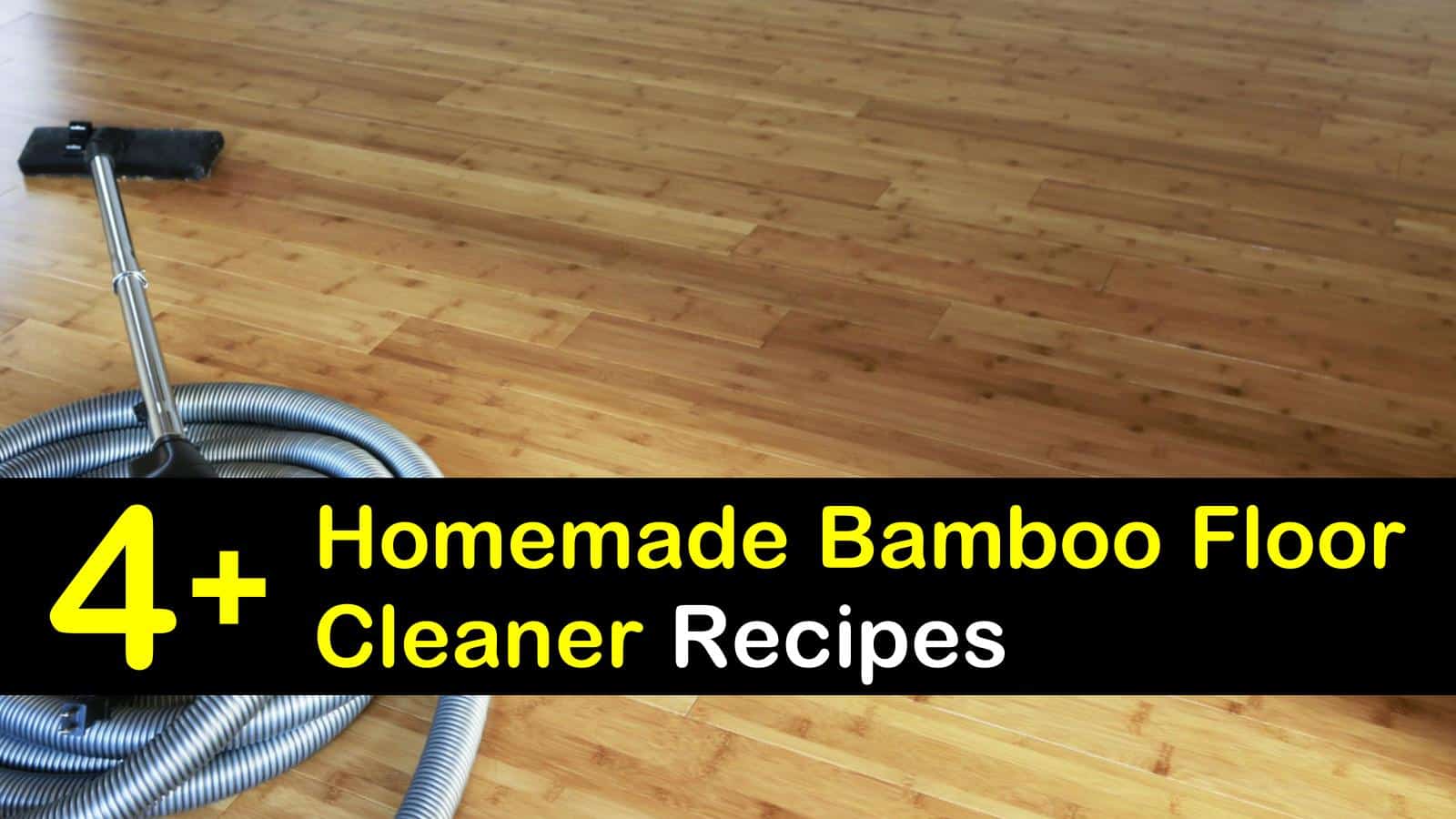
DIY cleaning solutions work well when made with appropriate ingredients. My favorite homemade cleaner combines one cup of white vinegar with one gallon of warm water, creating a gentle yet effective cleaning solution. I avoid soap-based cleaners that leave residue and oil-based products that can create slippery surfaces or attract dirt. Simple ingredients like vinegar and water provide safe, economical cleaning that doesn’t compromise the bamboo’s finish or appearance.
Dealing with Stains and Tough Spots
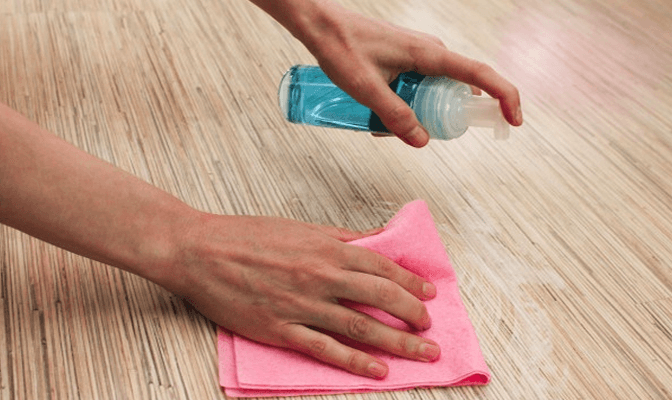
Water stains taught me the importance of immediate action when dealing with spills on bamboo floors. White marks from glasses and wet items can usually be removed with a mixture of baking soda and water applied gently with a soft cloth. I rub in the direction of the grain and use minimal pressure to avoid damaging the finish. For stubborn water marks, I sometimes use a hair dryer on low heat to help the moisture evaporate from the wood fibers.
Pet accidents required developing a specific protocol to prevent permanent staining and odors. I immediately blot up liquid, then clean with an enzyme-based pet cleaner designed for hardwood floors. These cleaners break down organic compounds that cause odors and stains without damaging bamboo. I’ve learned that traditional household cleaners often just mask odors rather than eliminating them, leading to recurring problems and potential subfloor damage.
Scuff marks from shoes and furniture respond well to targeted treatment with specialized products. I keep a bamboo floor touch-up pen for minor scratches and a paste made from baking soda and water for deeper scuffs. Rubbing with the grain using moderate pressure usually removes most marks without affecting the surrounding finish. For stubborn marks, I sometimes use a tennis ball or pencil eraser, which provides just enough abrasion to remove the mark without scratching the surface.
Preventive Measures and Protection Strategies
Entrance mats became my first line of defense against dirt, moisture, and debris that could damage bamboo floors. I installed high-quality mats both inside and outside each entrance, creating a system that captures most contaminants before they reach the flooring. These mats require regular cleaning and replacement, but they’ve dramatically reduced the amount of dirt tracked onto my bamboo floors. The investment in quality mats pays for itself through reduced cleaning time and floor preservation.
Furniture protection prevents scratches and dents that can permanently damage bamboo surfaces. I use felt pads under all furniture legs and replace them regularly as they compress and lose effectiveness. For heavy pieces like pianos and bookcases, I use furniture cups that distribute weight over larger areas. Moving furniture requires extra care. I always lift rather than drag items across the floor, and I use furniture sliders for heavier pieces.
Humidity control became essential after experiencing seasonal expansion and contraction issues. I maintain indoor humidity between 30-50% using humidifiers in winter and dehumidifiers during humid summer months. Extreme humidity changes can cause bamboo planks to gap, cup, or buckle, requiring expensive repairs. Monitoring humidity with a simple gauge helps me make adjustments before problems develop, protecting my flooring investment through seasonal changes.

Deep Cleaning and Maintenance Schedule
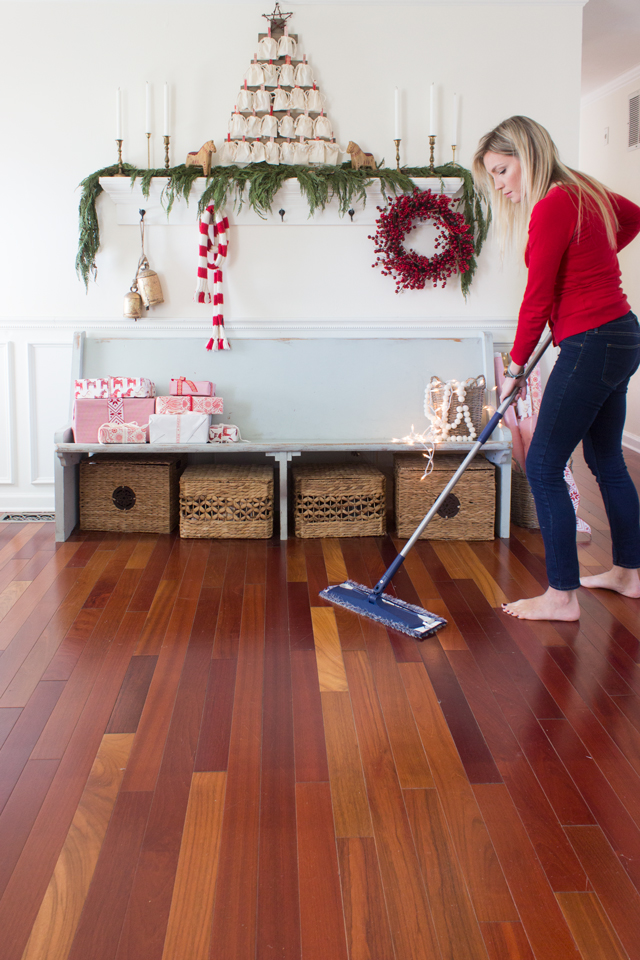
Monthly deep cleaning involves more thorough treatment than daily maintenance routines. I use a barely damp mop with bamboo floor cleaner, working in small sections and drying immediately with a clean, dry mop. The key is using minimal water; too much moisture can penetrate joints and cause swelling or warping. I work systematically through the house, ensuring each section is completely dry before moving to the next area.
Annual professional maintenance became part of my floor care routine after noticing wear patterns developing in high-traffic areas. Professional cleaning and recoating services refresh the protective finish and address minor damage before it becomes major problems. The cost is reasonable compared to refinishing or replacement, and the results restore the floor’s original luster and protection. I schedule this service during low-humidity seasons for optimal results.
Refinishing schedules depend on traffic levels and care quality, but I plan for professional refinishing every 5-7 years. High-traffic areas may need attention sooner, while bedrooms and low-use spaces can go longer between treatments. I document the floor’s condition with photos to track changes over time and help determine optimal refinishing timing. Proactive refinishing prevents damage that could require plank replacement, making it a cost-effective maintenance strategy.
Seasonal Care and Environmental Factors
Winter heating systems create dry conditions that can cause bamboo floors to shrink and develop gaps between planks. I run humidifiers throughout the heating season to maintain proper moisture levels and prevent excessive shrinkage. The investment in humidity control prevents costly repairs and maintains the floor’s appearance. I monitor humidity levels daily during the winter months and adjust humidifier settings as needed to maintain optimal conditions.
Summer humidity requires opposite measures to prevent swelling and buckling. Air conditioning helps control humidity, but I supplement with dehumidifiers in particularly humid areas like basements and bathrooms. Proper ventilation prevents moisture buildup that could damage bamboo floors. I’ve learned that consistent environmental conditions are more important than absolute humidity levels, sudden changes cause more problems than gradual seasonal variations.
Seasonal cleaning adjustments account for different challenges throughout the year. Spring cleaning focuses on removing winter salt and grime tracked in during harsh weather. Summer maintenance emphasizes quick spill cleanup due to increased foot traffic and open windows bringing in pollen and dust. Fall preparation includes deep cleaning before winter heating begins and checking humidity control systems. Adapting cleaning routines to seasonal challenges maintains floor quality year-round.
Can I use a steam mop on my bamboo floors?
I learned the hard way that steam mops are too harsh for bamboo floors. The excessive heat and moisture can damage the finish and cause warping. I stick to damp mopping with minimal water and bamboo-specific cleaners. The gentle approach takes a bit longer but preserves the floor’s integrity and appearance much better than steam cleaning methods.
How do I remove stubborn stains without damaging the bamboo finish?
For tough stains, I make a paste with baking soda and water, apply it gently with a soft cloth, and rub in the direction of the grain. For organic stains, enzyme cleaners work well. I avoid harsh chemicals and always test cleaning methods in inconspicuous areas first. Patience and gentle persistence work better than aggressive scrubbing on bamboo surfaces.
What’s the best way to handle pet accidents on bamboo floors?
I immediately blot up liquid, then clean with enzyme-based pet cleaners designed for hardwood floors. These break down odor-causing compounds without damaging bamboo. I never let pet accidents sit, as they can cause permanent staining and odors. Quick action and proper cleaning products have prevented any lasting damage from my pets’ occasional accidents.
How often should I deep clean my bamboo floors?
I deep clean monthly with appropriate bamboo floor cleaners, using minimal moisture and drying immediately. High-traffic areas might need attention more frequently, while bedrooms can go longer between deep cleanings. I also schedule annual professional cleaning to maintain the protective finish and address any developing issues before they become major problems.
Can I use vinegar to clean bamboo floors safely?
Yes, I use a diluted vinegar solution (1 cup per gallon of water) as an effective, economical cleaner. Vinegar is acidic enough to clean effectively but mild enough not to damage bamboo finishes when properly diluted. I avoid using it full-strength, which could be too harsh. This homemade solution works as well as commercial cleaners for regular maintenance.
What should I do if my bamboo floors start showing wear in high-traffic areas?
I address wear early with professional recoating services before the damage penetrates through the protective finish. This costs much less than refinishing and can extend the floor’s life significantly. I also use area rugs in high-traffic zones and ensure furniture has proper protective pads to prevent further wear and damage.
Easy-to-Make Bamboo Floor Cleaner Recipes
How to Clean Bamboo Floors
Related Posts: