I’ve been installing bathroom floors for over twelve years, and nothing creates drama quite like dark wood flooring in these intimate spaces. When clients first suggest this combination, I see the hesitation in their eyes, wondering if moisture and dark wood can coexist successfully. Through countless installations and follow-up visits, I’ve learned that dark wood bathroom floors can be stunning when done correctly. The key lies in understanding moisture management, selecting appropriate materials, and embracing the sophisticated atmosphere that only dark wood can provide.
Moisture Management and Protection Strategies
Proper moisture barriers form the foundation of any successful dark wood bathroom installation, and I’ve learned this lesson through both successes and failures over the years. I always install premium vapor barriers beneath the subfloor, followed by moisture-resistant underlayments that create multiple protection layers. These systems prevent moisture from reaching the wood while allowing any trapped humidity to escape safely.
Ventilation planning becomes critical when working with dark wood in bathrooms, as poor air circulation can lead to condensation and potential damage. I coordinate with HVAC professionals to ensure adequate exhaust fan capacity, typically recommending units that move at least 1 CFM per square foot of bathroom space. Proper ventilation removes humidity quickly, preventing the prolonged moisture exposure that can damage even well-protected wood floors.
Sealing strategies require extra attention with dark wood, as any moisture penetration becomes more visible against darker surfaces. I apply multiple coats of high-quality polyurethane finish, paying special attention to plank edges and joints where water might penetrate. Annual resealing in high-use bathrooms maintains this protection and keeps dark wood looking rich and lustrous for years.
Color Psychology and Bathroom Ambiance
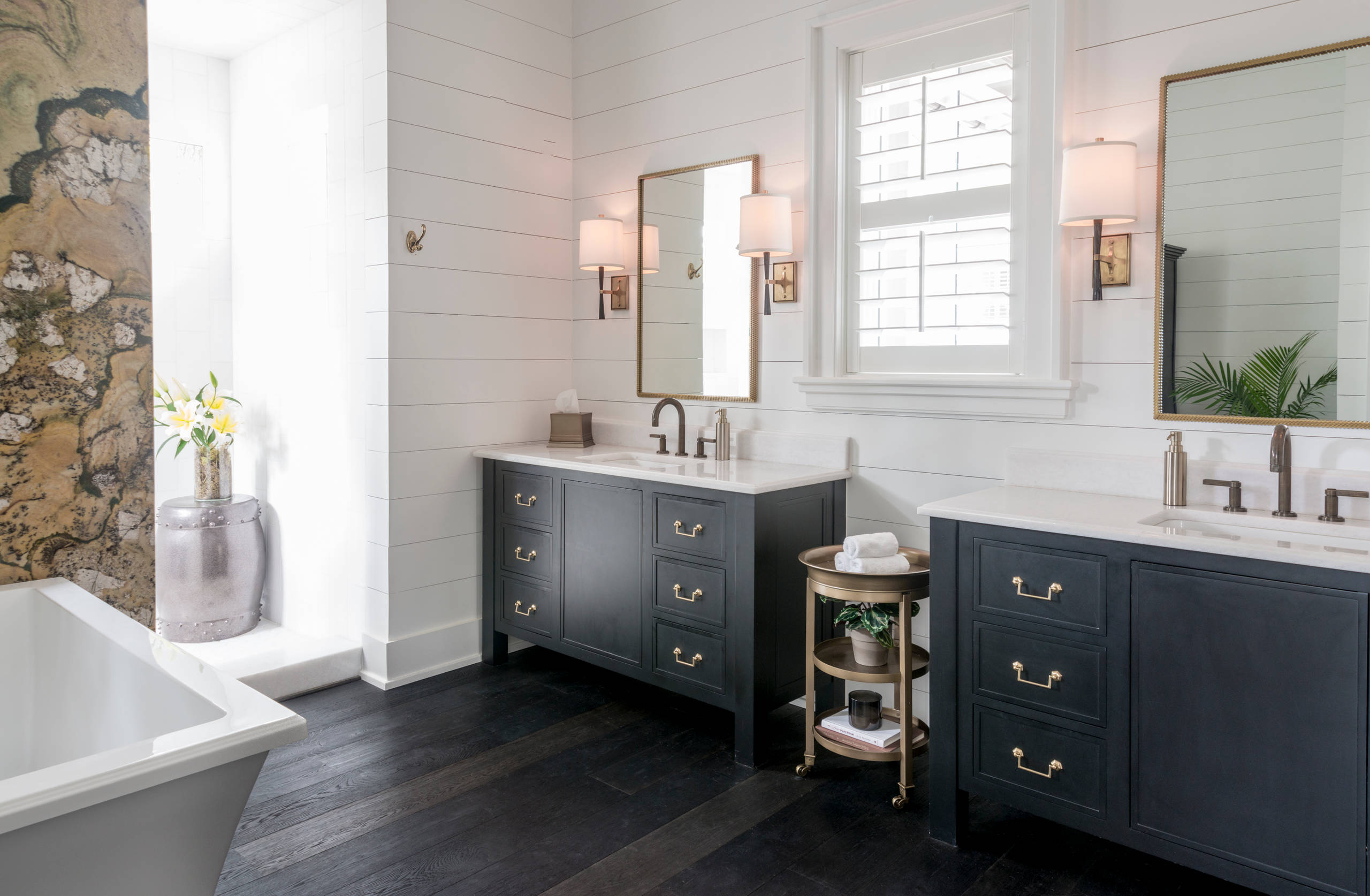
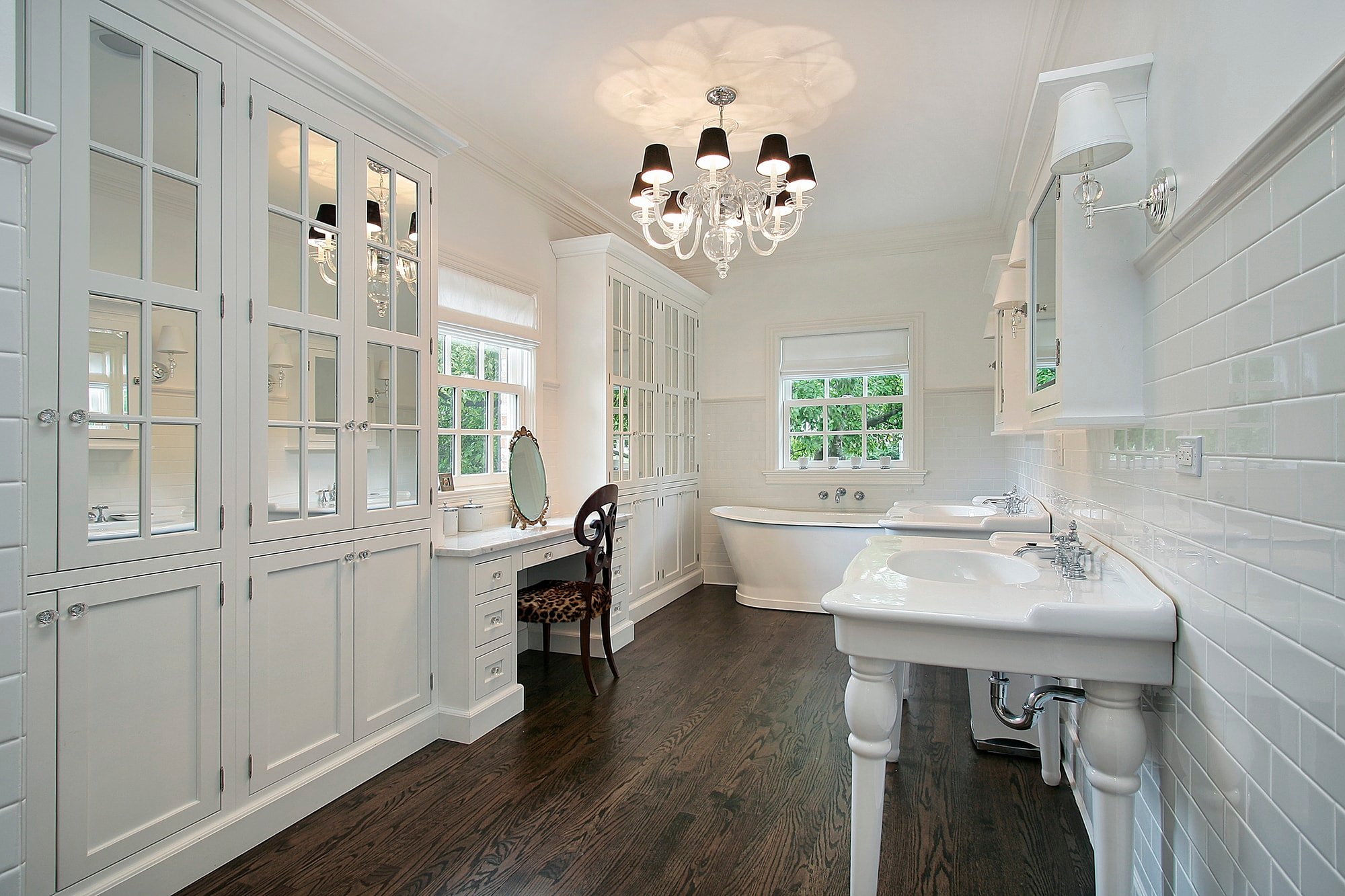
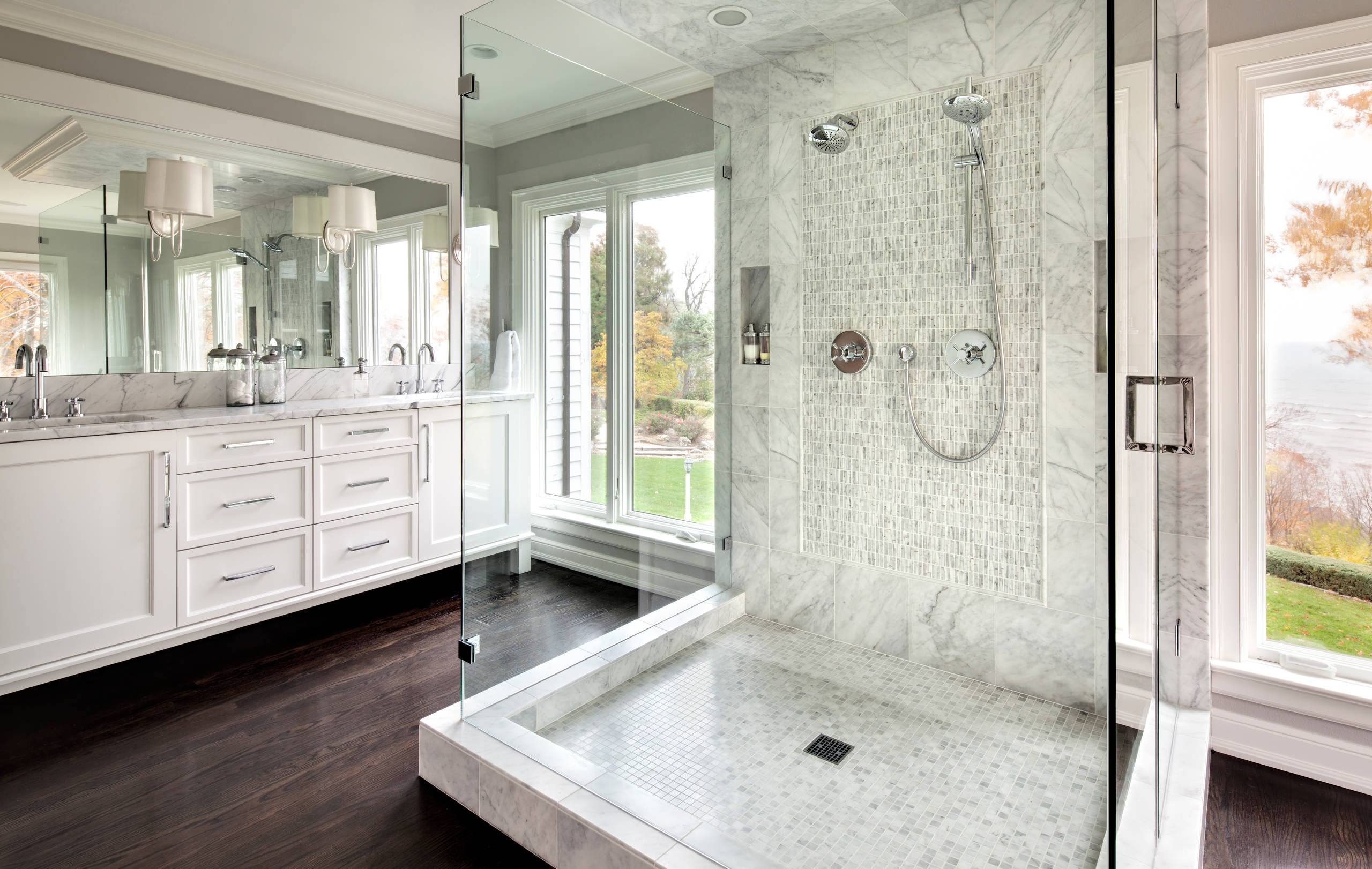
Dark wood flooring transforms bathroom atmospheres in ways that consistently surprise my clients once installation is complete. The rich, warm tones create an intimate, spa-like environment that feels luxurious and calming. I’ve found that dark floors make white fixtures pop dramatically, creating stunning visual contrast that photographs beautifully and feels sophisticated in person.
The perception of space changes significantly with dark flooring, and I always discuss this psychological impact with clients during planning. Dark floors can make small bathrooms feel cozy rather than cramped when paired with light walls and adequate lighting. However, in larger bathrooms, dark wood creates dramatic anchor points that ground the space and prevent it from feeling cold or sterile.
Lighting becomes crucial when working with dark wood bathroom floors, as inadequate illumination can make spaces feel cave-like. I recommend layered lighting approaches that include ambient ceiling fixtures, task lighting near mirrors, and accent lighting that highlights the wood’s natural grain patterns. Warm LED bulbs enhance the wood’s richness while providing the brightness needed for daily grooming tasks.
Wood Species Selection for Bathroom Environments
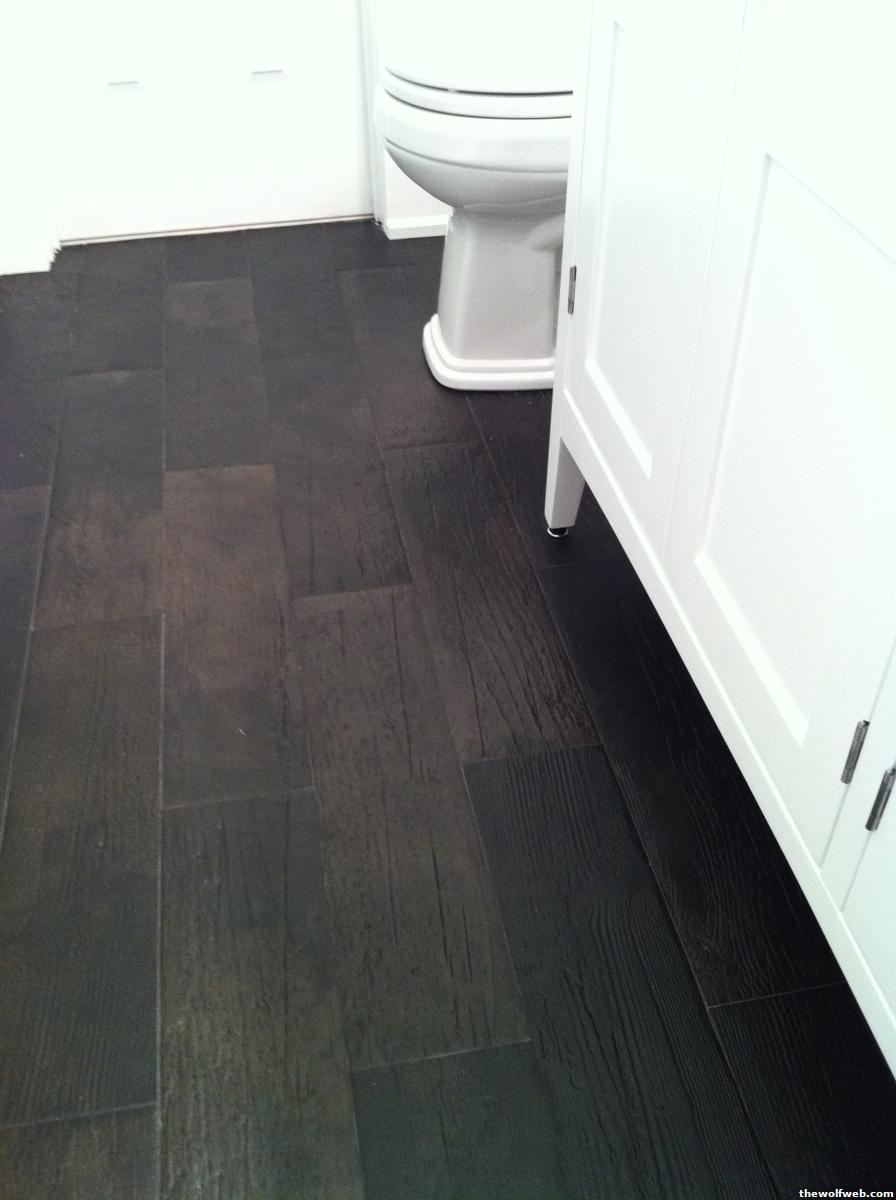
Choosing the right wood species makes the difference between floors that last decades and those that fail within years in bathroom environments. I typically recommend engineered hardwood over solid wood for bathrooms, as the multi-layer construction provides superior stability in fluctuating humidity conditions. Walnut, cherry, and mahogany engineered products offer stunning dark tones while maintaining structural integrity.
Exotic species like Brazilian cherry and tigerwood provide incredible natural darkness and density that resists moisture better than domestic alternatives. These hardwoods contain natural oils that help repel water, though proper finishing remains essential for long-term success. I’ve installed these species in master bathrooms with excellent results, though the premium pricing reflects their superior performance characteristics.
Reclaimed wood options create unique character that’s impossible to replicate with new materials, though selection requires careful inspection for structural integrity. I source reclaimed barn wood and industrial flooring that’s been properly dried and treated for modern installations. These materials often display rich patina and unique grain patterns that become focal points in contemporary bathroom designs.
Installation Techniques for Wet Environments
Acclimation procedures become even more critical when installing dark wood in bathrooms, where humidity levels fluctuate dramatically. I always store flooring materials in the bathroom environment for at least 72 hours before installation, allowing the wood to adjust to local moisture conditions. This step prevents post-installation movement that can create gaps or buckling issues.
Expansion gap planning requires extra consideration around bathroom fixtures and high-moisture areas like shower surrounds. I typically leave quarter-inch gaps around toilets, vanities, and tubs, then cover these spaces with matching trim or transition strips. Proper gap sizing accommodates seasonal movement while maintaining the seamless appearance that makes dark wood flooring so appealing.
Subfloor preparation standards must be higher for bathroom installations, as any imperfections become magnified in wet environments. I check for levelness within 3/16 inch over 10 feet and address any low spots or high points before proceeding. Moisture testing of concrete subfloors is mandatory, as trapped moisture can destroy even the best wood flooring installation.

Maintenance Routines for Longevity
Daily maintenance routines for dark wood bathroom floors focus on moisture removal and preventing water accumulation in joints and seams. I educate clients on using microfiber mats outside shower areas and wiping up water immediately after use. These simple habits prevent the prolonged moisture exposure that can damage wood finishes and create staining issues.
Weekly deep cleaning requires products specifically formulated for wood floors, avoiding harsh chemicals that can strip protective finishes. I recommend pH-neutral cleaners applied with well-wrung microfiber mops, followed by thorough drying to prevent water spots. Steam cleaning should be avoided entirely, as the moisture and heat can penetrate finish layers and damage the wood beneath.
Annual professional maintenance helps preserve the beauty and protection of dark wood bathroom floors throughout their lifespan. I schedule yearly inspections to assess finish condition and address any wear patterns before they become serious problems. Touch-up applications of polyurethane in high-wear areas maintain protection levels and keep floors looking freshly installed.
Design Integration with Bathroom Fixtures
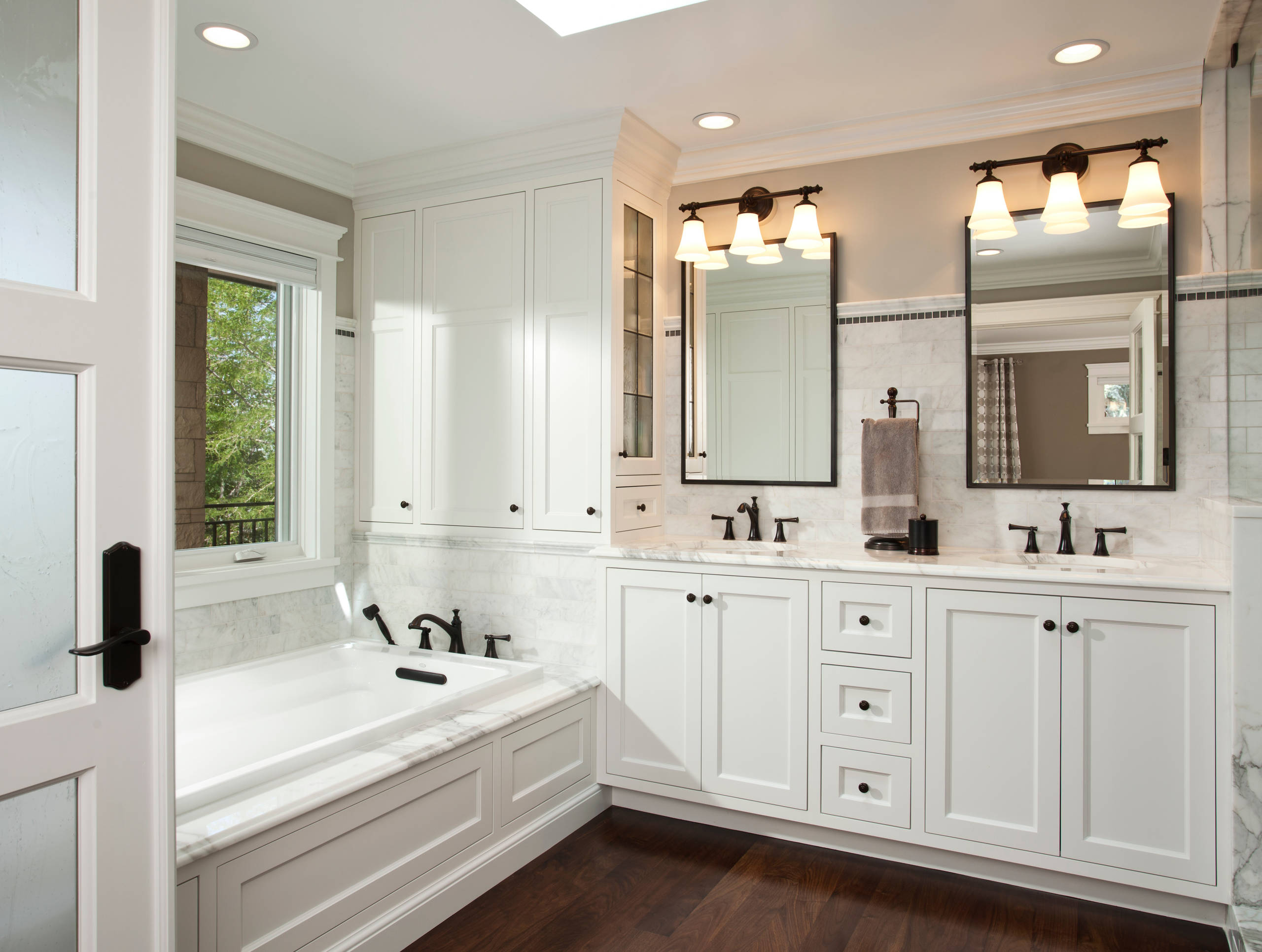
Coordinating dark wood floors with bathroom fixtures requires careful attention to color temperature and finish compatibility. I find that warm metallic finishes like brushed bronze and aged brass complement dark wood beautifully, while cool chrome and nickel can create jarring contrasts. The key is establishing a cohesive color palette that feels intentional rather than accidental.
Vanity selection becomes crucial when working with dark flooring, as the wrong choice can create visual competition rather than harmony. I typically recommend lighter colored vanities in cream, white, or natural wood tones that contrast pleasingly with dark floors. Floating vanities work particularly well, as they showcase more of the flooring and create an airier feeling in the space.
Tile integration around tubs and showers requires thoughtful planning to ensure smooth transitions between materials. I often use matching wood-look tile in wet areas, creating continuity while providing appropriate moisture protection. Natural stone tiles in complementary earth tones also work well, bridging the gap between organic wood and contemporary bathroom fixtures.
Is dark wood flooring practical in small bathrooms?
Dark wood can work beautifully in small bathrooms when properly planned and executed. The key is balancing the dark floor with light walls and adequate lighting to prevent the space from feeling cramped. I’ve installed dark wood in powder rooms as small as 20 square feet with stunning results. The dramatic contrast creates visual interest that makes small spaces feel more sophisticated rather than confined.
How do I prevent water damage to dark wood bathroom floors?
Prevention focuses on proper installation techniques and daily maintenance habits. I always install moisture barriers and high-quality finishes, then educate clients on immediate water cleanup and adequate ventilation. Using bath mats, wiping spills promptly, and running exhaust fans during and after showers prevents most water damage. Annual resealing maintains protection levels long-term.
What’s the best finish for dark wood bathroom floors?
Polyurethane finishes provide the best protection for bathroom environments, with multiple coats creating durable moisture barriers. I prefer satin finishes that hide minor scratches better than high-gloss options while still providing easy cleaning. Oil-based polyurethanes offer superior protection, though water-based versions work well too. The key is applying multiple thin coats rather than fewer thick applications.
Can I install dark wood flooring over radiant heating systems?
Engineered dark wood works well over radiant heating when properly installed and gradually acclimated to temperature changes. I always use floating installation methods that allow for thermal expansion and contraction. The heating system should be operational during acclimation and gradually increased to operating temperature. Solid wood is generally not recommended over radiant systems in bathrooms.

How do I clean dark wood bathroom floors without streaking?
Cleaning dark wood requires pH-neutral products and microfiber mops that don’t leave residue or streaks. I recommend cleaning with the grain direction and drying immediately after mopping. Avoid excessive water and harsh chemicals that can dull the finish. Weekly cleaning with specialized wood floor cleaners maintains appearance, while daily dust mopping prevents scratches from debris.
What’s the lifespan of dark wood flooring in bathrooms?
Properly installed and maintained dark wood bathroom floors can last 15-25 years or more, depending on usage and care levels. The key factors are quality installation, adequate moisture protection, and consistent maintenance routines. I’ve seen well-maintained dark wood floors in master bathrooms that still look beautiful after 20 years. Regular refinishing every 7-10 years extends lifespan significantly.
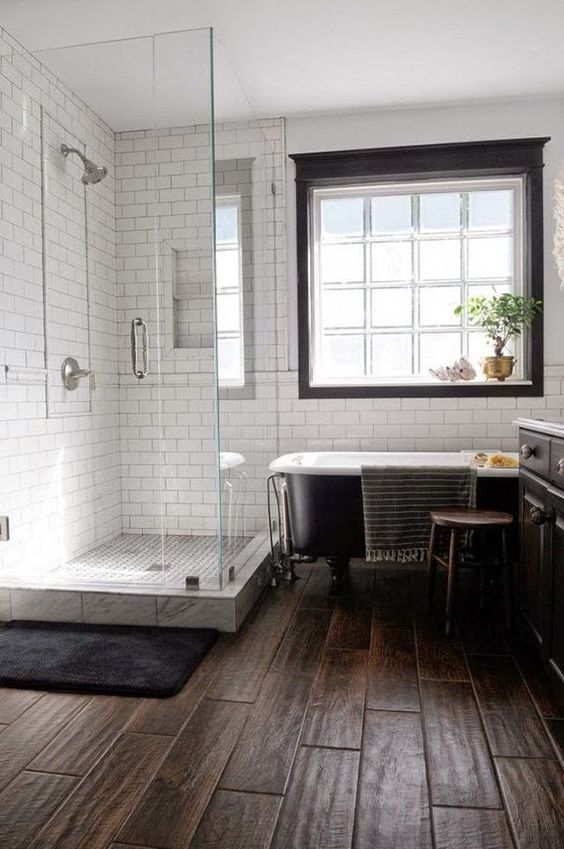
Bathrooms That Have Been Transformed With “Wood” Tile
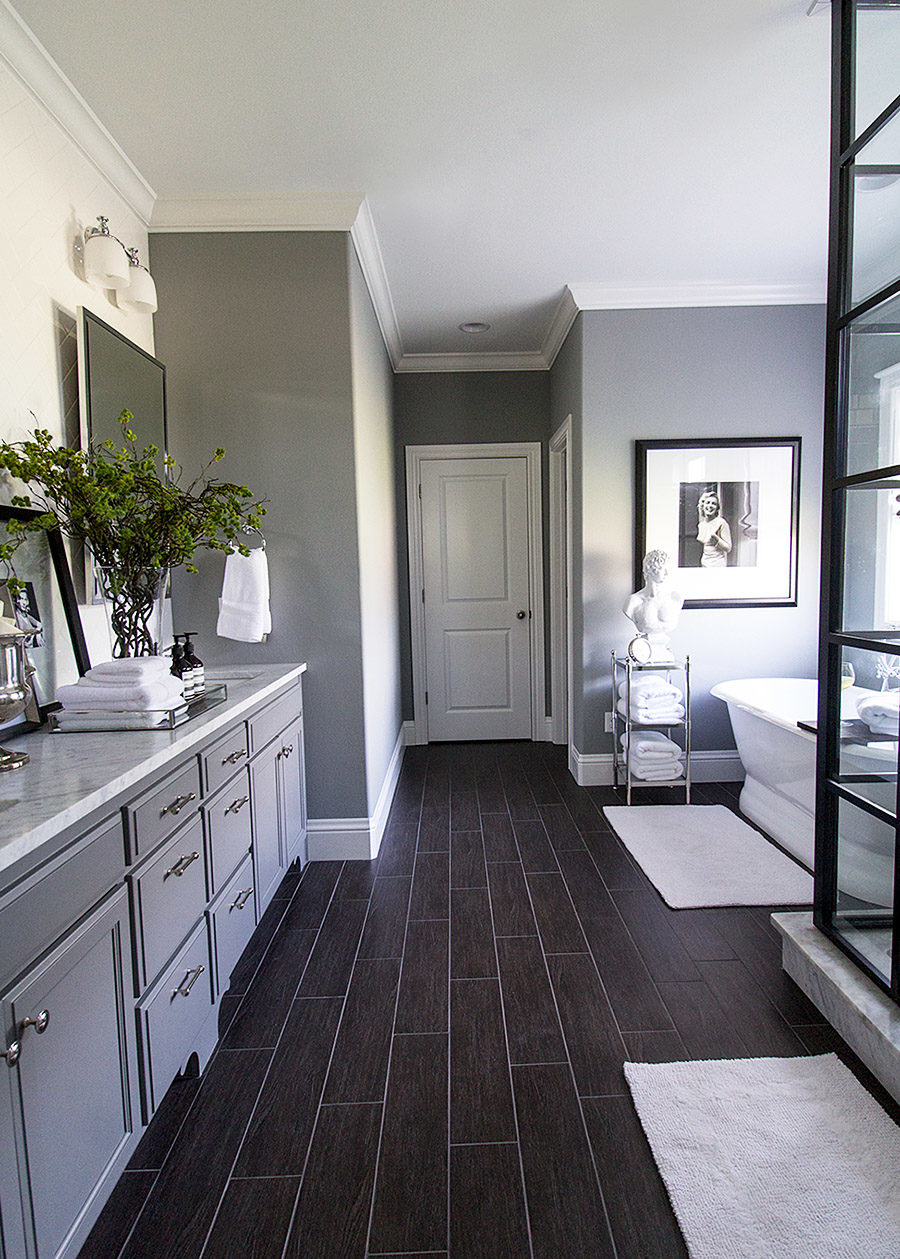
Dark Wood Floor Bathroom Ideas
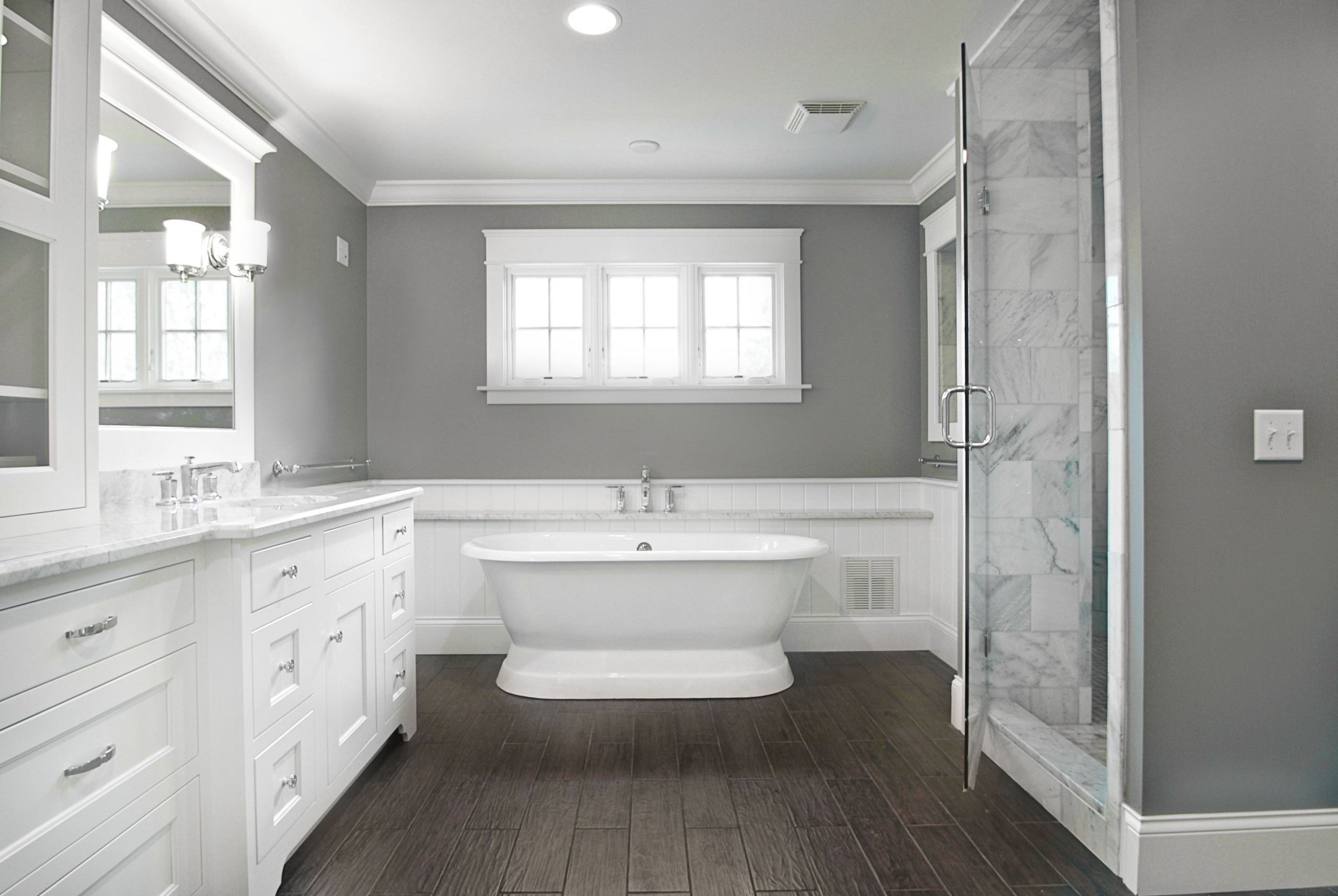
Stunning wooden floor bathroom ideas – Daily Dream Decor

Bathroom Laminate Flooring

Related Posts: