I never expected bamboo flooring to become one of my most requested installations, but here we are in 2025, and I’m installing more waterproof bamboo than traditional hardwood. After working with this material for the past eight years, I’ve witnessed its evolution from a niche eco-friendly option to a mainstream flooring solution that rivals premium hardwood in both appearance and performance. The development of truly waterproof bamboo products has opened up possibilities I never imagined, allowing me to install beautiful, sustainable floors in kitchens, bathrooms, and basements where moisture was once a dealbreaker.
Understanding Bamboo’s Natural Properties
Bamboo’s rapid growth cycle makes it incredibly sustainable compared to traditional hardwoods that take decades to mature. I’ve visited bamboo farms and seen how this grass species can be harvested every 3-5 years without killing the plant, as the root system remains intact and continues producing new shoots. This regenerative quality means bamboo flooring has a much smaller environmental footprint than oak or maple alternatives.
The natural density of bamboo varies significantly depending on the species and manufacturing process used to create flooring planks. Strand-woven bamboo, which I prefer for most installations, compresses bamboo fibers under extreme pressure to create incredibly dense and durable planks. This process results in a material that’s harder than many traditional hardwoods, making it suitable for high-traffic commercial and residential applications.
Moisture resistance in bamboo occurs naturally due to the plant’s cellular structure, though traditional bamboo flooring still requires careful moisture management. The silica content in bamboo fibers provides some inherent water resistance, but early bamboo products could still swell and warp when exposed to excessive moisture. Modern waterproofing treatments have solved these issues while preserving bamboo’s natural beauty and sustainability benefits.
Waterproofing Technology and Manufacturing
The breakthrough in waterproof bamboo flooring came through advanced polymer treatments that penetrate deep into the bamboo fibers during manufacturing. I’ve tested these products extensively in moisture-prone environments and found them to perform as well as luxury vinyl planks while maintaining the natural wood appearance that clients love. The waterproofing process doesn’t compromise bamboo’s structural integrity or natural grain patterns.
Multiple waterproofing methods exist in today’s market, with some manufacturers using vinyl backing systems while others rely on chemical treatments throughout the bamboo core. I prefer products that integrate waterproofing into the bamboo itself rather than relying solely on surface coatings, as this provides more comprehensive protection against moisture penetration from any direction.
Quality control in waterproof bamboo manufacturing requires rigorous testing protocols that I’ve seen firsthand at several facilities. Manufacturers subject planks to extended submersion tests, freeze-thaw cycles, and humidity chambers to verify waterproof claims. The best products maintain dimensional stability even after 24 hours of complete water immersion, making them suitable for any residential application.

Installation Methods and Best Practices
Click-lock installation systems have made waterproof bamboo flooring accessible to both professional installers and DIY enthusiasts looking for straightforward projects. I appreciate how these mechanical connections create strong joints without requiring adhesives that could compromise the waterproof integrity. The floating floor system also allows for thermal expansion and contraction in varying climate conditions.
Subfloor preparation remains crucial even with waterproof bamboo, though the requirements are less stringent than traditional hardwood installations. I still check for levelness and structural integrity, but minor moisture issues in concrete subfloors don’t require expensive remediation before installation. This flexibility reduces project costs and timelines while delivering professional results.
Transition planning between waterproof bamboo and other flooring materials requires careful attention to height differences and expansion gaps. I use matching trim pieces and transition strips that accommodate the floating floor system while maintaining clean sight lines throughout the home. Proper planning during the design phase prevents installation challenges and ensures seamless integration with existing floors.
Performance in High-Moisture Environments
My experience with waterproof bamboo in kitchens has been overwhelmingly positive, with zero moisture-related failures over hundreds of installations. Clients appreciate having beautiful wood-look flooring that can handle spills, appliance leaks, and daily cooking activities without constant worry about water damage. The easy maintenance requirements make these floors particularly attractive to busy families.
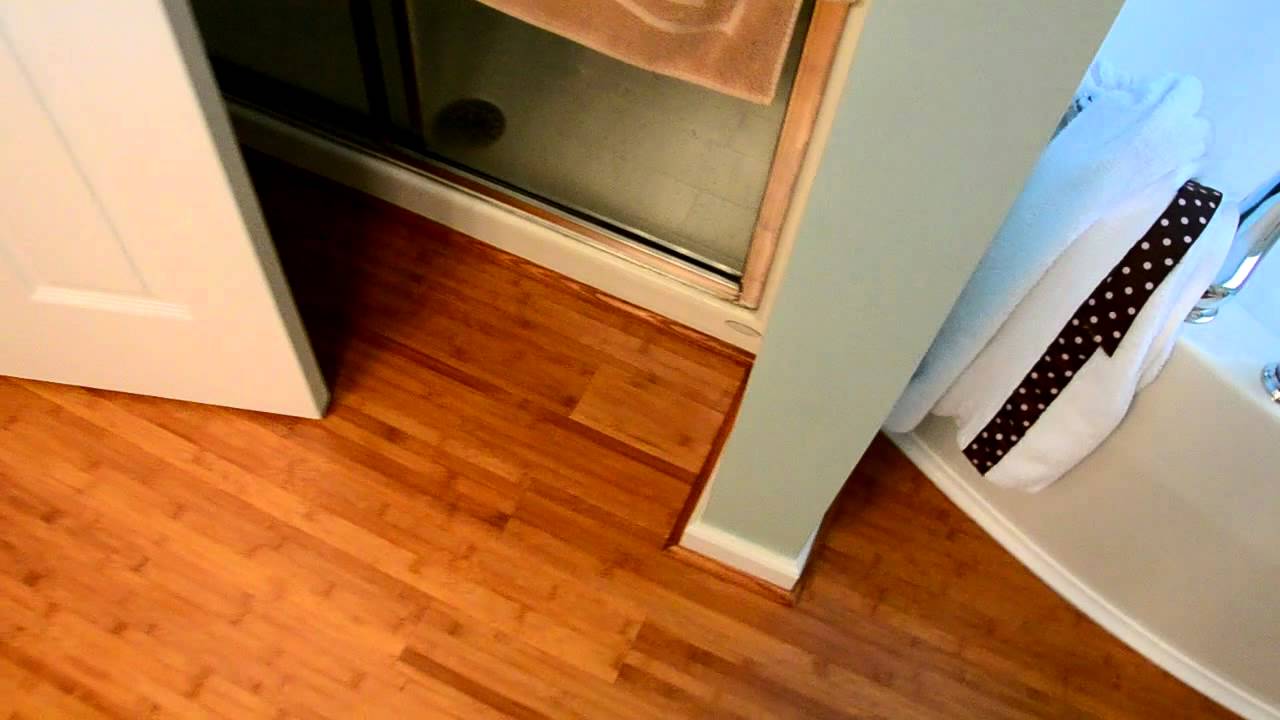
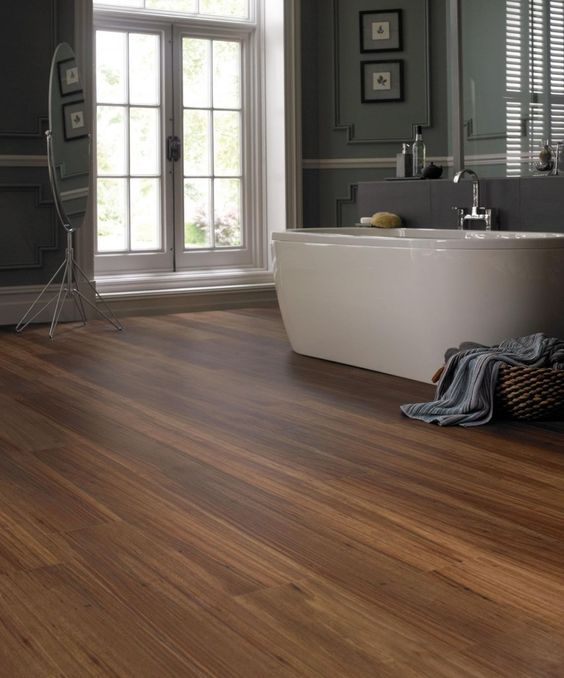
Bathroom installations represent the ultimate test for waterproof flooring claims, and bamboo has exceeded my expectations in these challenging environments. I’ve installed waterproof bamboo in full bathrooms, including around tubs and showers, with excellent long-term performance. The natural antimicrobial properties of bamboo provide additional benefits in these moisture-rich spaces.
Basement applications showcase waterproof bamboo’s versatility in below-grade environments where traditional hardwood would never survive. I’ve completed numerous basement renovations using waterproof bamboo over concrete slabs with minor moisture issues. The comfortable feel underfoot and natural appearance transform these spaces into livable areas that families want to use.

Aesthetic Options and Design Flexibility
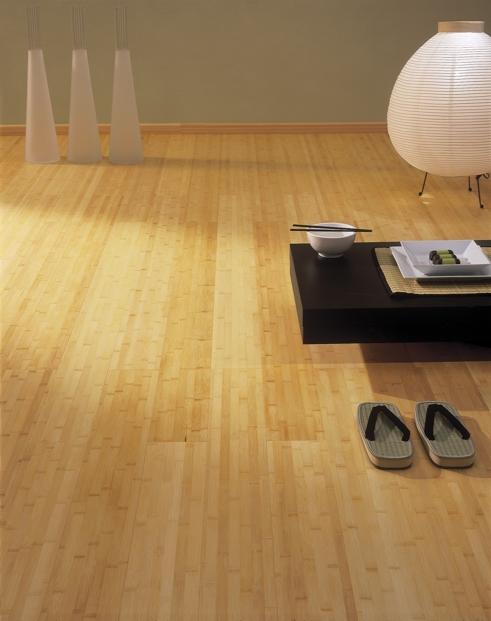
Color variations in waterproof bamboo have expanded dramatically, with manufacturers now offering everything from light natural tones to rich espresso finishes. I can match virtually any design aesthetic, from contemporary minimalist spaces to traditional farmhouse kitchens. The consistency of bamboo grain creates clean, uniform appearances that work particularly well in modern design schemes.
Plank sizing options rival traditional hardwood offerings, with wide planks becoming increasingly popular for their dramatic visual impact. I’ve installed 7-inch and 9-inch waterproof bamboo planks that create stunning focal points in open floor plans. The longer lengths available reduce the number of joints and create more continuous sight lines throughout large spaces.
Texture variations add depth and character to waterproof bamboo installations, with options ranging from smooth contemporary finishes to hand-scraped rustic appearances. I often recommend textured surfaces for families with pets or children, as they hide minor scratches and wear patterns better than smooth finishes. These textures also provide better slip resistance in areas prone to moisture.

Environmental Impact and Sustainability
Carbon footprint calculations favor bamboo over traditional hardwoods when considering the complete lifecycle from growing to installation. I’ve reviewed environmental impact studies showing that bamboo flooring produces significantly lower greenhouse gas emissions during production and transportation. The rapid growth cycle means bamboo actively sequesters carbon during its brief growing period.
Formaldehyde emissions in bamboo flooring have improved dramatically as manufacturers respond to health concerns and regulatory requirements. I now recommend products with CARB Phase 2 compliance or Greenguard certification for the safest indoor air quality. These certifications ensure that waterproof bamboo flooring contributes to healthy home environments rather than compromising them.
End-of-life considerations favor bamboo’s biodegradable nature compared to synthetic flooring alternatives, though waterproofing treatments may affect decomposition rates. I advise clients that bamboo flooring can potentially be recycled or repurposed when replacement becomes necessary. This sustainability advantage appeals to environmentally conscious homeowners planning long-term renovations.
How does waterproof bamboo flooring compare to luxury vinyl planks?
Waterproof bamboo offers natural wood beauty with environmental benefits that synthetic vinyl cannot match, though both provide excellent moisture resistance. I find bamboo feels warmer and more comfortable underfoot than vinyl planks. Bamboo also provides better long-term value due to its renewable nature and potential for refinishing. However, vinyl typically costs less initially and offers more design variety in stone and tile looks.
Can waterproof bamboo flooring be refinished like traditional hardwood?
Most waterproof bamboo products cannot be sanded and refinished due to the waterproofing treatments and construction methods used. However, the protective finishes are extremely durable and typically maintain their appearance for 15-20 years with proper care. When replacement becomes necessary, the environmental impact remains lower than hardwood due to bamboo’s rapid growth cycle and sustainable harvesting practices.
Is waterproof bamboo flooring suitable for radiant heating systems?
Engineered waterproof bamboo works well over radiant heating when properly acclimated and gradually brought to operating temperature. I always verify manufacturer approval for radiant applications and follow specific installation guidelines. The key is maintaining consistent temperatures and avoiding rapid temperature changes that could affect dimensional stability. Most quality waterproof bamboo products are rated for radiant heating compatibility.
How do I clean and maintain waterproof bamboo flooring?
Maintenance is remarkably simple with waterproof bamboo, requiring only regular sweeping and occasional damp mopping with pH-neutral cleaners. I recommend microfiber mops and avoiding excessive water, though brief puddles won’t cause damage like traditional bamboo. Weekly cleaning maintains appearance, while monthly deep cleaning with bamboo-specific products preserves the protective finish. Avoid steam mops and harsh chemicals.
What’s the expected lifespan of waterproof bamboo flooring?
Quality waterproof bamboo flooring typically lasts 20-25 years in residential applications with proper care and maintenance. The lifespan depends on traffic levels, maintenance consistency, and product quality. I’ve seen well-maintained installations that still look excellent after 15 years. The waterproof properties don’t degrade over time, so moisture resistance remains constant throughout the floor’s lifetime.
How does the cost of waterproof bamboo compare to traditional hardwood?
Waterproof bamboo typically costs 20-40% less than comparable hardwood flooring, with prices ranging from $3-8 per square foot for quality products. Installation costs are similar or slightly lower due to easier handling and click-lock systems. Long-term value is excellent considering the durability and low maintenance requirements. The initial savings combined with sustainability benefits make waterproof bamboo an attractive investment.
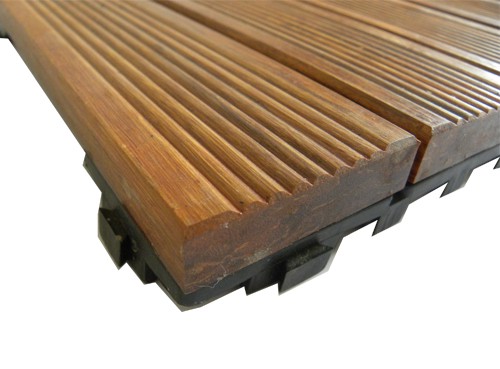
Pros and Cons of Bamboo Flooring
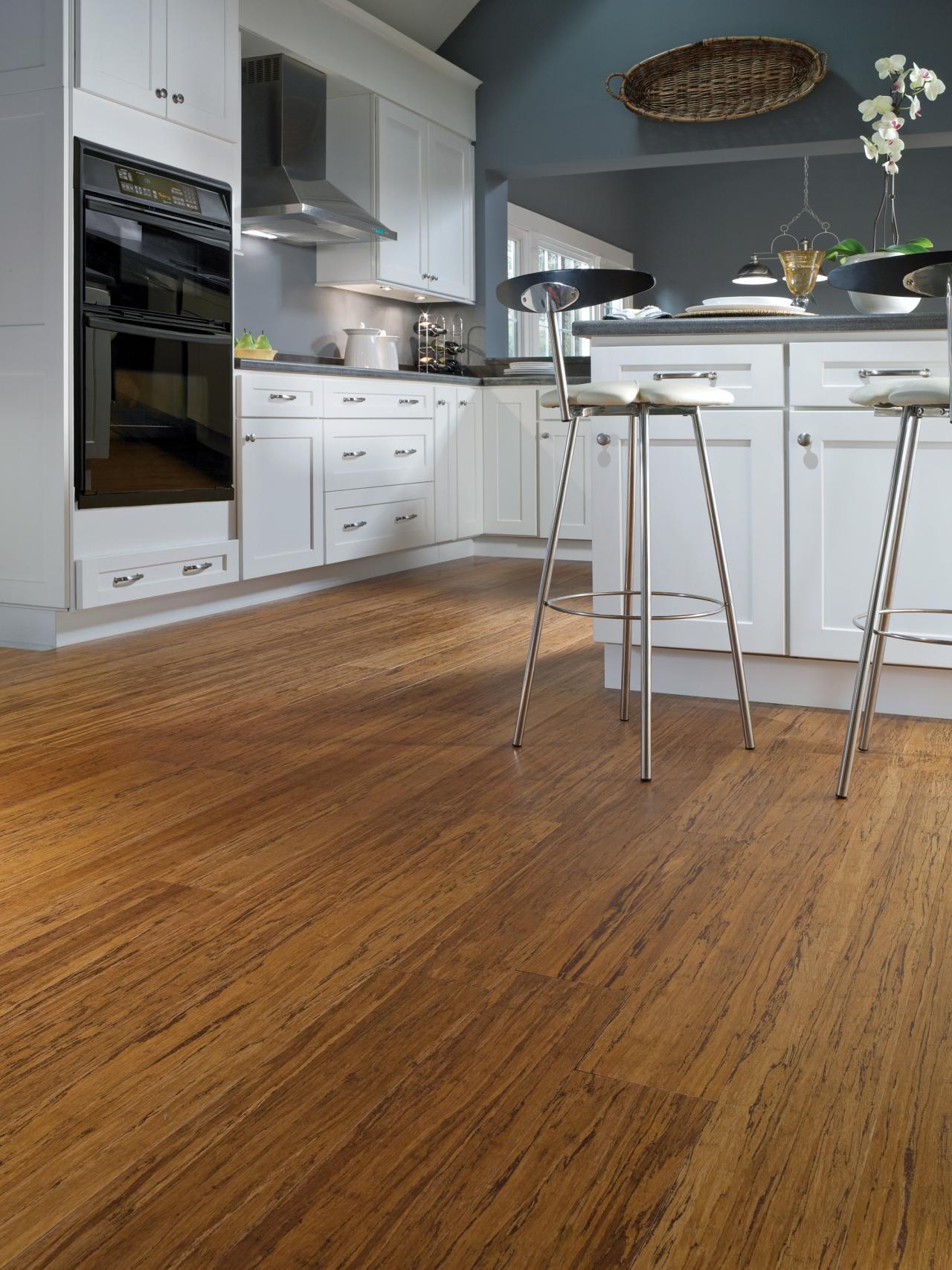
Bamboo Flooring Ideas With Pros And Cons
Related Posts: