I remember when vinyl flooring was something you’d hide from guests, but those days are long gone. After installing floors in hundreds of homes over the past decade, I’ve watched vinyl transform into one of the most exciting and versatile flooring options available today. Modern vinyl products offer stunning visuals, incredible durability, and ease of installation that even my most skeptical clients have come to love. From luxury vinyl planks that fool hardwood experts to innovative tile designs that rival natural stone, today’s vinyl flooring deserves serious consideration for any space.
Understanding Modern Vinyl Technology
The technological advances in vinyl manufacturing have significantly changed what is possible with this material. I’ve seen the evolution firsthand, from basic sheet vinyl to today’s luxury vinyl planks and tiles that feature multiple layers of protection and realistic textures. The wear layer technology now includes ceramic beads and aluminum oxide that can withstand commercial traffic levels while maintaining residential comfort.
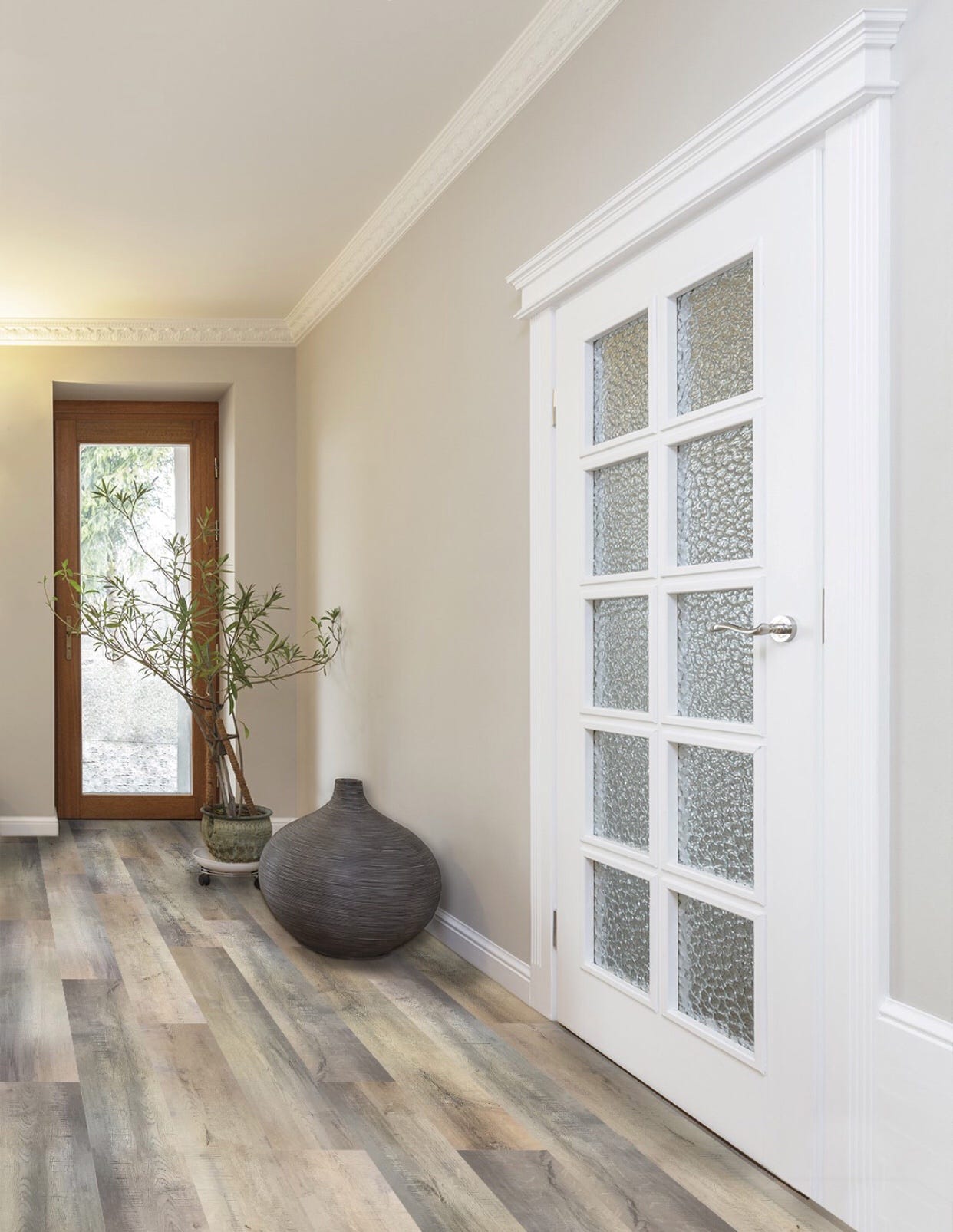
What impresses me most is how manufacturers have perfected the photographic layer that creates those stunning wood and stone visuals. I often bring samples to client meetings, and they’re genuinely shocked when I reveal it’s vinyl flooring. The high-definition printing process captures every grain pattern, knot, and color variation found in natural materials, making identification nearly impossible without close inspection.
The backing systems have improved dramatically, too, with many products now featuring attached underlayment and moisture barriers. This integration simplifies installation while providing superior sound dampening and comfort underfoot. I’ve installed vinyl in second-story bedrooms where noise transmission was a major concern, and the results have exceeded everyone’s expectations for both performance and acoustics.
Waterproof Benefits for Real-Life Situations
True waterproof performance sets modern vinyl apart from every other flooring category, and I’ve tested this claim extensively through real-world installations. Unlike engineered hardwood or laminate that can swell and buckle from moisture exposure, quality vinyl planks maintain their integrity even after significant water contact. I’ve seen clients deal with appliance leaks, pet accidents, and even minor flooding without any floor damage.
This waterproof advantage makes vinyl perfect for spaces that were previously off-limits to attractive flooring options. I’ve installed luxury vinyl in full bathrooms, laundry rooms, and mudrooms where traditional hardwood would never survive. The peace of mind this provides busy families with kids and pets cannot be overstated, especially in areas prone to spills and moisture.
The maintenance simplicity that comes with waterproof flooring has converted many of my hardwood-loving clients. Daily cleaning requires nothing more than sweeping and occasional damp mopping, with no special cleaners or refinishing schedules to worry about. I’ve had clients tell me that this low-maintenance aspect alone justified their vinyl flooring investment, saving them both time and money long-term.

Installation Flexibility and Speed
The click-lock installation system used in most luxury vinyl planks has revolutionized how quickly I can complete flooring projects. What used to take several days with traditional hardwood can now be accomplished in a single day for most residential spaces. The planks connect mechanically without glue or nails, creating a floating floor that can be installed over most existing surfaces.
I particularly appreciate how vinyl accommodates subfloor imperfections that would require extensive preparation with other materials. Minor dips, bumps, and irregularities that would telegraph through hardwood or tile become invisible beneath quality vinyl flooring. This flexibility significantly reduces project costs and timeline, making beautiful floors accessible to more homeowners within their budgets.
The ability to install vinyl over existing floors saves tremendous time and money on demolition and disposal costs. I’ve successfully installed luxury vinyl over old tile, linoleum, and even some hardwood floors, provided they’re structurally sound and properly prepared. This approach minimizes disruption to families while delivering stunning results that completely transform their living spaces.
Design Trends and Style Options
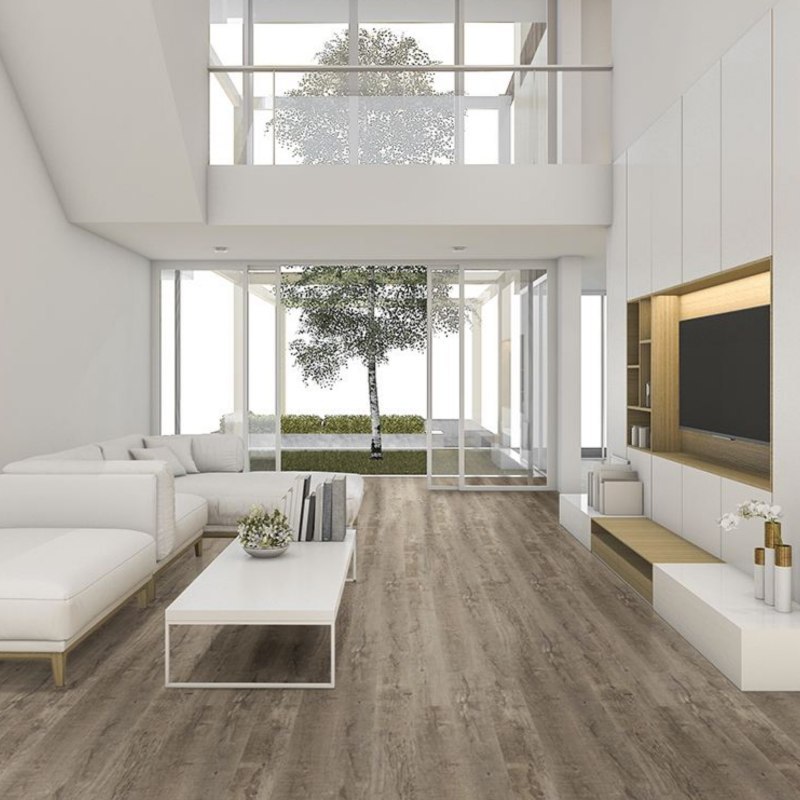
Wide plank formats have dominated my recent vinyl installations, with many clients requesting 7-inch and 9-inch planks that create dramatic visual impact. These generous proportions make rooms appear larger while reducing the number of seams, creating cleaner sight lines throughout the space. I’ve found that wider planks work particularly well in open floor plans where continuous flow between rooms is desired.
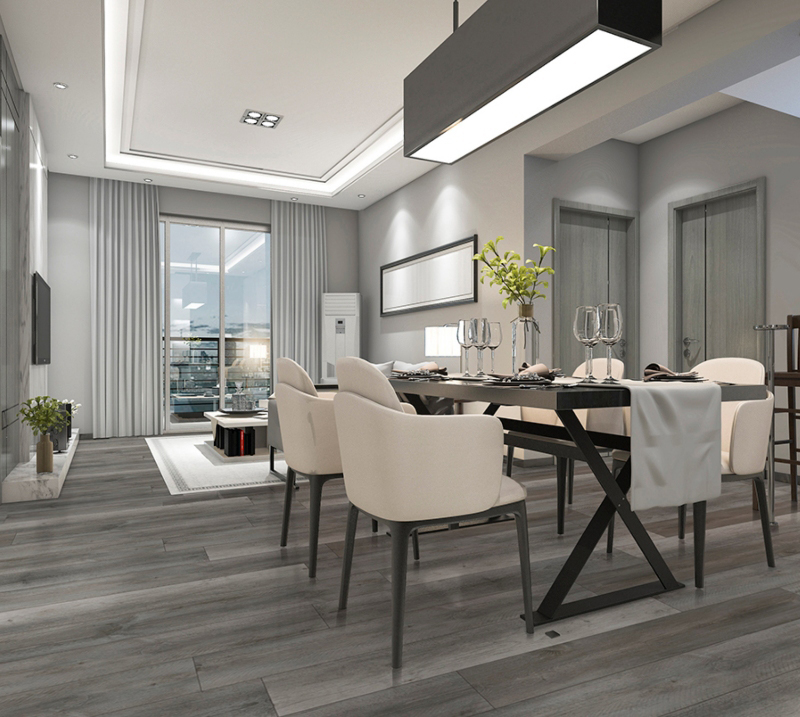
Gray-toned wood visuals continue trending strongly, though I’m seeing increased interest in warmer honey and caramel tones as clients seek more inviting atmospheres. The beauty of vinyl is having access to exotic wood species and unique grain patterns that would be prohibitively expensive in real hardwood. I can offer clients stunning chevron and herringbone patterns without the premium pricing.
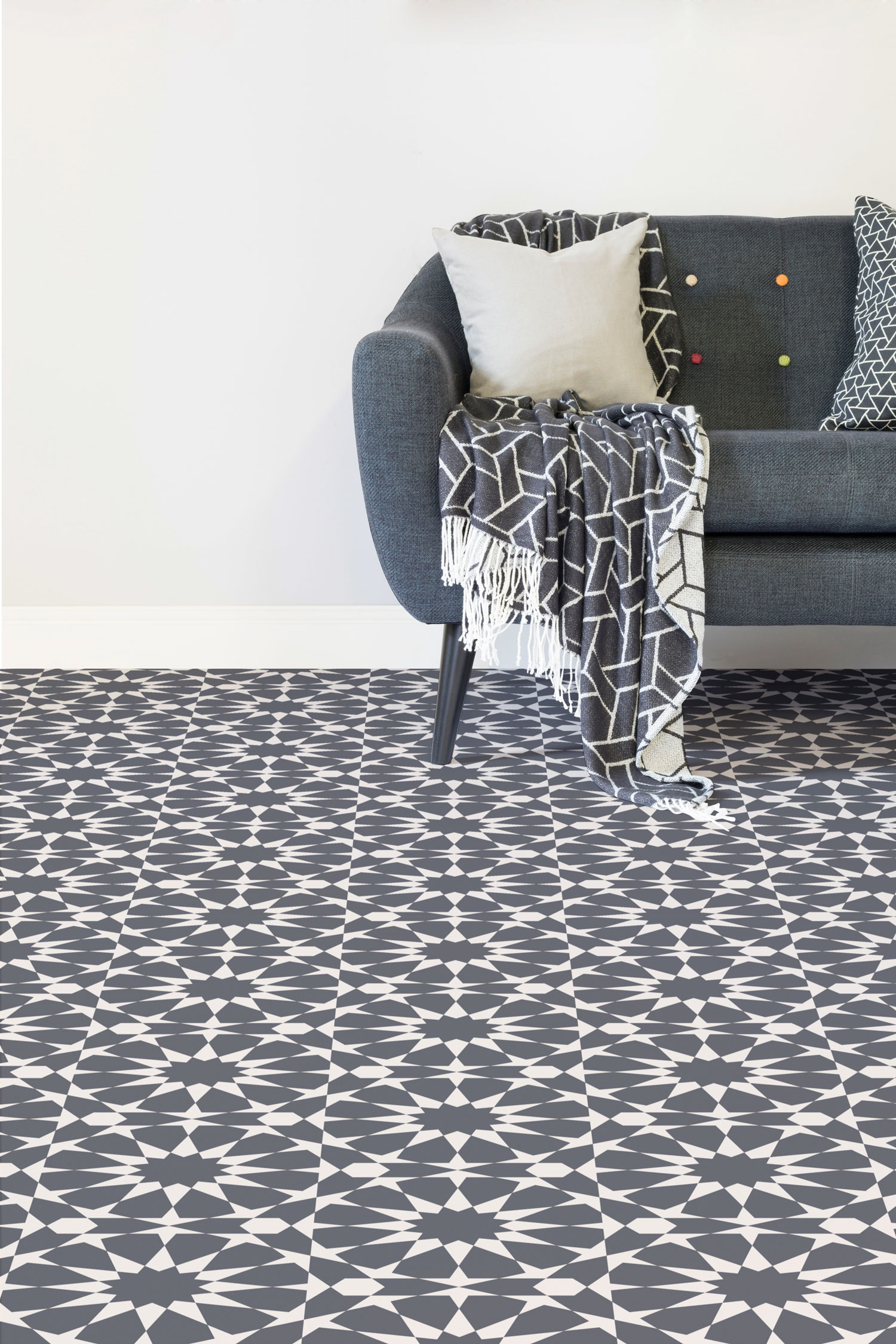
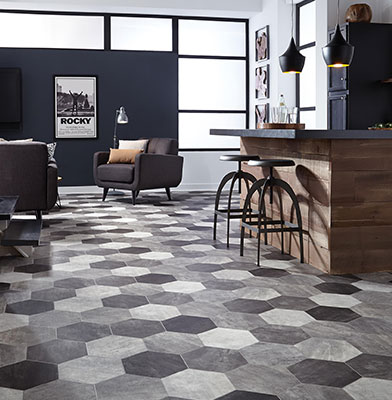
Stone and concrete looks have gained tremendous popularity for contemporary spaces, with manufacturers producing incredibly realistic marble, travertine, and industrial concrete visuals. These options allow homeowners to achieve high-end aesthetics without the maintenance concerns and cost barriers associated with natural stone. I’ve used these products to create stunning accent walls and feature areas that become focal points.
Durability Testing Through Real Experience
My stress-testing of vinyl products has convinced me of their exceptional durability in busy household environments. I’ve followed up with clients years after installation to assess real-world performance, and the results consistently exceed expectations. Families with large dogs, active children, and heavy furniture report minimal visible wear even in high-traffic areas like entryways and kitchen walkways.
The scratch resistance of quality vinyl flooring is impressive, though I always recommend using furniture pads and avoiding dragging heavy items across the surface. I’ve seen vinyl floors maintain their appearance through moves, renovations, and daily family chaos that would destroy other flooring materials. The protective wear layers truly deliver on their durability promises when you choose reputable manufacturers.
Heat resistance has proven adequate for normal household use, though I always caution clients about placing hot cookware directly on vinyl surfaces. I’ve tested various products with heating pads and found that quality vinyl handles temperature changes well without warping or discoloration. This stability makes it suitable for rooms with large windows and varying sun exposure throughout the day.

Cost Analysis and Long-Term Value
The upfront cost advantage of vinyl flooring compared to hardwood or tile makes beautiful floors accessible to more homeowners than ever before. I typically see material costs ranging from $2-8 per square foot for quality luxury vinyl, compared to $8-15 for comparable hardwood products. When you factor in easier installation and reduced labor costs, the savings become even more significant for budget-conscious families.
Long-term value calculations favor vinyl flooring when you consider maintenance requirements and replacement timelines. Unlike hardwood, which requires periodic refinishing, or natural stone that needs sealing, vinyl floors maintain their appearance with minimal intervention. I’ve calculated that homeowners save thousands of dollars over a decade by avoiding refinishing costs and specialized maintenance products.
The resale value impact of quality vinyl flooring has improved dramatically as buyer perceptions change and product quality increases. Real estate agents now recognize luxury vinyl as a selling point rather than a detraction, especially when highlighting low maintenance and durability benefits to potential buyers. I’ve seen well-chosen vinyl floors contribute positively to home values in today’s market.
How long does luxury vinyl flooring typically last?
Quality luxury vinyl flooring can last 15-25 years with proper care, based on my experience with various installations over the past decade. The lifespan depends heavily on the wear layer thickness and household traffic levels. Commercial-grade products with thicker wear layers perform better in busy family homes. I’ve seen 10-year-old installations that still look nearly new, while cheaper products show wear within five years.
Can vinyl flooring be installed in basements?
Vinyl flooring works excellently in basements due to its waterproof properties and ability to handle temperature fluctuations. I’ve installed luxury vinyl in hundreds of basement spaces without moisture-related problems. The key is ensuring proper subfloor preparation and using products specifically rated for below-grade installation. Vinyl’s comfort underfoot also makes basement living spaces more inviting.
Does vinyl flooring emit harmful chemicals or odors?
Modern luxury vinyl flooring meets strict indoor air quality standards and typically has minimal odor after installation. I always recommend choosing products with FloorScore or Greenguard certifications for the safest options. Initial manufacturing odors usually dissipate within days of installation. Quality manufacturers have eliminated most concerning chemicals from their formulations in response to health awareness.
How do I choose between vinyl planks and vinyl tiles?
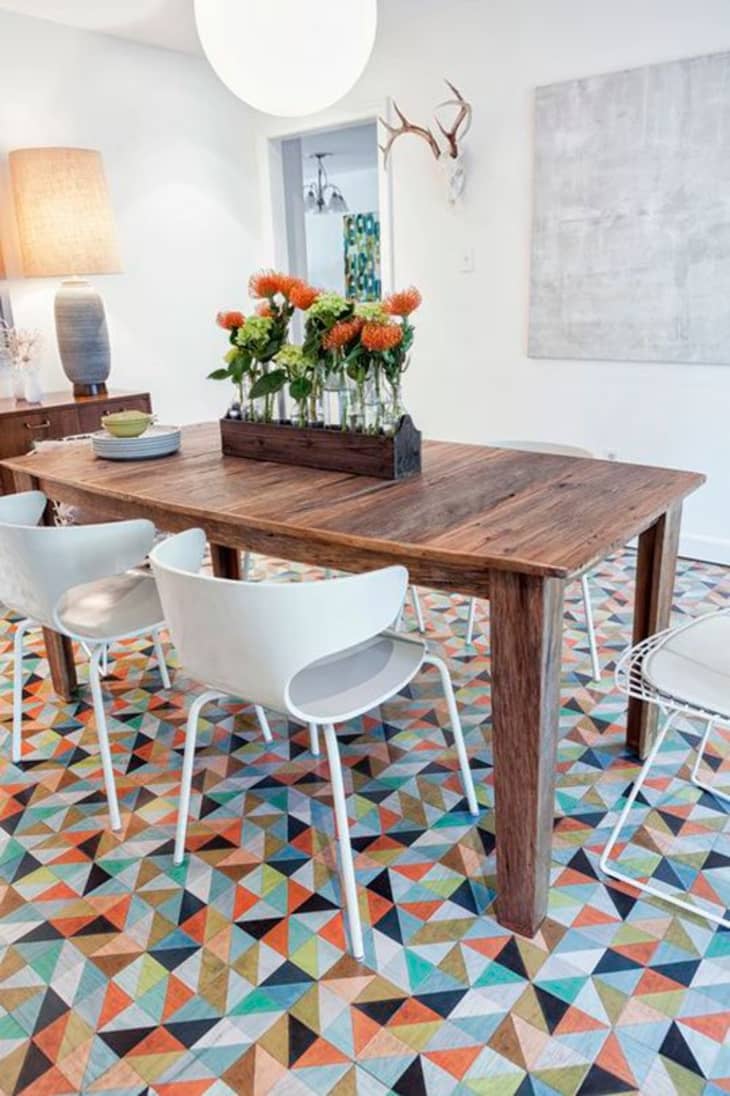
Plank formats work best for creating wood looks and making spaces appear larger, while tile formats excel for stone and ceramic appearances. I recommend planks for living areas, bedrooms, and spaces where you want a continuous flow. Tiles work well in bathrooms, kitchens, and areas where you want defined patterns or geometric designs. Consider your design goals when making this choice.
What’s the difference between LVT and LVP flooring?
LVT stands for Luxury Vinyl Tile while LVP means Luxury Vinyl Plank, referring to the shape and format rather than quality differences. Both use similar manufacturing processes and materials, with the main distinction being rectangular planks versus square tiles. Performance characteristics remain essentially identical between formats, so choose based on your preferred aesthetic rather than durability concerns.
Can pets damage vinyl flooring with their claws?
Pet claws rarely damage quality vinyl flooring, though I always recommend keeping nails trimmed for optimal floor protection. I’ve installed vinyl in homes with large dogs and multiple cats without significant scratching issues. The protective wear layers resist most pet-related damage better than hardwood or laminate options. However, accidents should be cleaned promptly to prevent any potential staining or odor issues.

High Quality Modern Style Click Lock Luxury Vinyl Flooring – China

Modern Vinyl Flooring – 9 Designs For The Most Stylish Of Homes

Vinyl Plank Flooring: Modern Luxury that Clicks by Construction
About Revive Vinyl sheet flooring, Vinyl flooring kitchen

Take Another Look: Vinyl u0026 Linoleum Tiles Can Actually Look Good
Related Posts: