When I started planning my covered patio renovation three years ago, I was determined to find a flooring solution that looked natural, felt sustainable, and could handle our unpredictable weather. Traditional deck boards felt too ordinary, and composite materials seemed expensive and artificial. That’s when I discovered outdoor bamboo flooring, and let me tell you, it’s been quite the journey. From initial installation challenges to seasonal surprises, I’ve learned that bamboo can be an incredible outdoor flooring choice if you know what you’re getting into.
Weather Resistance: My First Reality Check
I’ll be honest, I was initially naive about bamboo’s weather resistance. I assumed that because bamboo is naturally water-resistant, any bamboo product would handle outdoor conditions beautifully. My first lesson came during the research phase when I discovered that not all bamboo flooring is created equal for outdoor use. Standard interior bamboo planks will warp, split, and deteriorate quickly when exposed to rain, snow, and temperature fluctuations.
The key is finding bamboo specifically engineered for outdoor applications. I ended up choosing strand-woven bamboo decking, which compresses bamboo fibers under extreme pressure to create a density that’s actually harder than most traditional hardwoods. The manufacturing process involves treating the bamboo with protective oils and sealers that create a barrier against moisture penetration. Even so, I learned that regular maintenance is crucial for long-term performance.
After two full seasons on my covered patio, I can say the weather resistance has exceeded my expectations. We’ve had everything from torrential summer storms to freezing winter temperatures, and my bamboo flooring has held up remarkably well. However, I did notice some minor surface checking during the first winter, which my installer warned me about. A simple reapplication of protective sealer each spring has kept everything looking great and performing consistently.
Installation Process: What I Wish I’d Known
Installing outdoor bamboo flooring turned out to be more complex than I anticipated. Unlike indoor installations where you’re working over a clean, level subfloor, outdoor bamboo requires careful attention to drainage, ventilation, and thermal expansion. I initially planned to DIY the project, but quickly realized I needed professional help after struggling with the precise spacing requirements for thermal movement.
The foundation preparation was crucial and more involved than I expected. My installer insisted on a slight slope away from the house for proper drainage, even though we were working under a covered area. We also had to install a robust joist system with adequate spacing to prevent moisture buildup underneath the bamboo planks. The joists needed to be made from pressure-treated lumber, and we added ventilation gaps every few feet to ensure proper airflow.
The actual plank installation required special fasteners designed for outdoor bamboo applications. Regular deck screws would have caused splitting and wouldn’t have provided the holding power needed for the denser bamboo material. We also had to leave specific expansion gaps at all edges and between long runs of planking. These gaps looked too wide to me initially, but after experiencing my first summer expansion, I understood why they were necessary for preventing buckling and warping.
Cost Analysis: Breaking Down My Investment
The upfront cost of outdoor bamboo flooring definitely made me pause and reconsider my budget. Quality outdoor bamboo planks cost significantly more than standard pressure-treated lumber but less than premium hardwood decking options like teak or ipe. For my 200 square foot covered patio, I paid about $8 per square foot for the bamboo planks themselves, which was roughly 40% more than composite decking but 30% less than exotic hardwood alternatives.
Installation costs added another layer to consider. Because outdoor bamboo requires specialized knowledge and techniques, I couldn’t use just any deck contractor. I had to find someone experienced with bamboo installations, which limited my options and increased labor costs by about 20% compared to standard deck installation. However, the installer’s expertise proved invaluable in avoiding costly mistakes that could have led to premature failure.
When I calculated the long-term value, the investment started making more sense. Quality outdoor bamboo flooring can last 15-20 years with proper maintenance, compared to 5-10 years for pressure-treated lumber. The maintenance costs are also reasonable, requiring only annual cleaning and sealing every 2-3 years. Factor in bamboo’s rapid renewability and lower environmental impact, and the cost premium felt justified for my particular situation and values.

Maintenance Requirements: My Seasonal Routine
Maintaining outdoor bamboo flooring has become part of my seasonal home care routine, and it’s honestly not as demanding as I initially feared. The key is consistency rather than intensity. I spend about half a day twice a year on maintenance, which keeps everything looking great and prevents minor issues from becoming major problems. My spring routine focuses on deep cleaning and damage assessment, while fall maintenance prepares the flooring for winter weather.
Spring maintenance starts with a thorough cleaning using a specialized bamboo cleaner that removes winter grime without damaging the protective finish. I use a soft-bristled brush and work with the grain direction to avoid scratching. After cleaning, I inspect every plank for signs of wear, loose fasteners, or areas where the protective sealer might be wearing thin. Any problem spots get immediate attention before they can worsen through the active outdoor season.
My fall routine involves a complete resealing process every two to three years, depending on weather exposure and wear patterns. I use a high-quality outdoor bamboo sealer that penetrates deep into the wood fibers and provides UV protection. The application process takes most of a day, including drying time between coats, but it’s straightforward work that I’ve learned to do myself. Between major sealing years, I just do a thorough cleaning and apply a light maintenance coat where needed.

Design Integration: Creating My Outdoor Space
Integrating bamboo flooring into my outdoor design scheme required some thoughtful planning to avoid a disjointed look. Bamboo has a distinctive appearance that can either complement or clash with surrounding materials, depending on how you approach the overall design. I chose to embrace the natural, organic feel of bamboo and built my entire patio aesthetic around that foundation, using materials and colors that harmonized rather than competed.
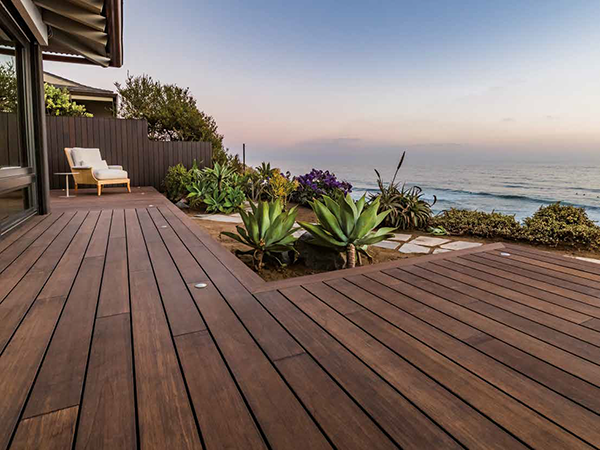
The natural golden color of my bamboo planks influenced every other design decision. I selected furniture with warm wood tones and cream-colored cushions that echoed the bamboo’s natural hues. For contrast, I added black metal accents in light fixtures and planters, which helped define the space without overwhelming the organic feel. The bamboo’s linear grain pattern also influenced my choice to use horizontal deck railings and rectangular planters to maintain visual consistency.
Lighting design became particularly important because bamboo flooring looks dramatically different under various lighting conditions. During bright daylight, the grain patterns and natural color variations are beautifully highlighted. Evening lighting needed careful planning to maintain that warmth without creating harsh shadows that might make the surface look uneven. I installed warm-toned LED strip lighting under the railing caps, which creates a lovely glow across the bamboo surface during evening entertaining.

Long-Term Performance: Three Years Later
After three full years of living with outdoor bamboo flooring, I can honestly assess its long-term performance and durability. The good news is that my initial investment has proven worthwhile, with the flooring showing minimal wear despite regular use and exposure to our variable climate. The bamboo has aged gracefully, developing a subtle patina that actually enhances its natural beauty rather than detracting from it.
The most significant change I’ve noticed is how the bamboo has weathered to a slightly deeper, richer tone than its original golden color. This natural aging process has been gradual and even across the entire surface, creating a more mature and sophisticated appearance. Some of the most trafficked areas show slight wear patterns, but nothing that affects the structural integrity or requires replacement. Regular maintenance has clearly paid off in preserving both appearance and performance.
I have experienced a few minor issues that required attention. A couple of planks developed small surface cracks during our second winter, which I attributed to unusually harsh freeze-thaw cycles. These were easily repaired with wood filler and touch-up sealer. One area near a planter showed some water staining where drainage wasn’t quite adequate, but repositioning the planter and improving drainage solved the problem. Overall, the bamboo has required less major maintenance than I expected and continues to provide the beautiful, sustainable outdoor surface I originally envisioned.

How does outdoor bamboo flooring handle rain and moisture compared to traditional deck materials?
In my experience, properly treated outdoor bamboo handles moisture better than I expected. Unlike pressure-treated lumber that can warp and rot over time, quality bamboo decking resists water penetration when maintained properly. I do need to reapply sealer every few years, but the bamboo itself hasn’t shown signs of decay or significant moisture damage after three years of exposure.
Is bamboo flooring slippery when wet, and how do you handle safety concerns?
Wet bamboo can be slippery, similar to any smooth outdoor surface. I address this by keeping the surface clean of debris and applying a sealer with anti-slip additives. I also strategically placed outdoor rugs in high-traffic areas during wet seasons. The textured surface of strand-woven bamboo provides better grip than smooth bamboo varieties.

What’s the biggest maintenance challenge you’ve encountered with outdoor bamboo flooring?
The biggest challenge has been keeping up with regular sealing schedules. Missing even one season can lead to accelerated wear in high-traffic areas. I learned to mark my calendar and treat it like changing HVAC filters, it’s non-negotiable. The actual work isn’t difficult, but consistency is crucial for long-term success.
How does the cost compare long-term when you factor in maintenance and replacement needs?
Initially more expensive than treated lumber, but the longevity makes it cost-effective. My bamboo should last 15-20 years with proper care, compared to 5-10 years for pressure-treated boards. Annual maintenance costs about $100 for my 200 sq ft space. When I calculate cost per year of use, bamboo wins over cheaper alternatives.
Can bamboo outdoor flooring handle heavy furniture and high foot traffic?
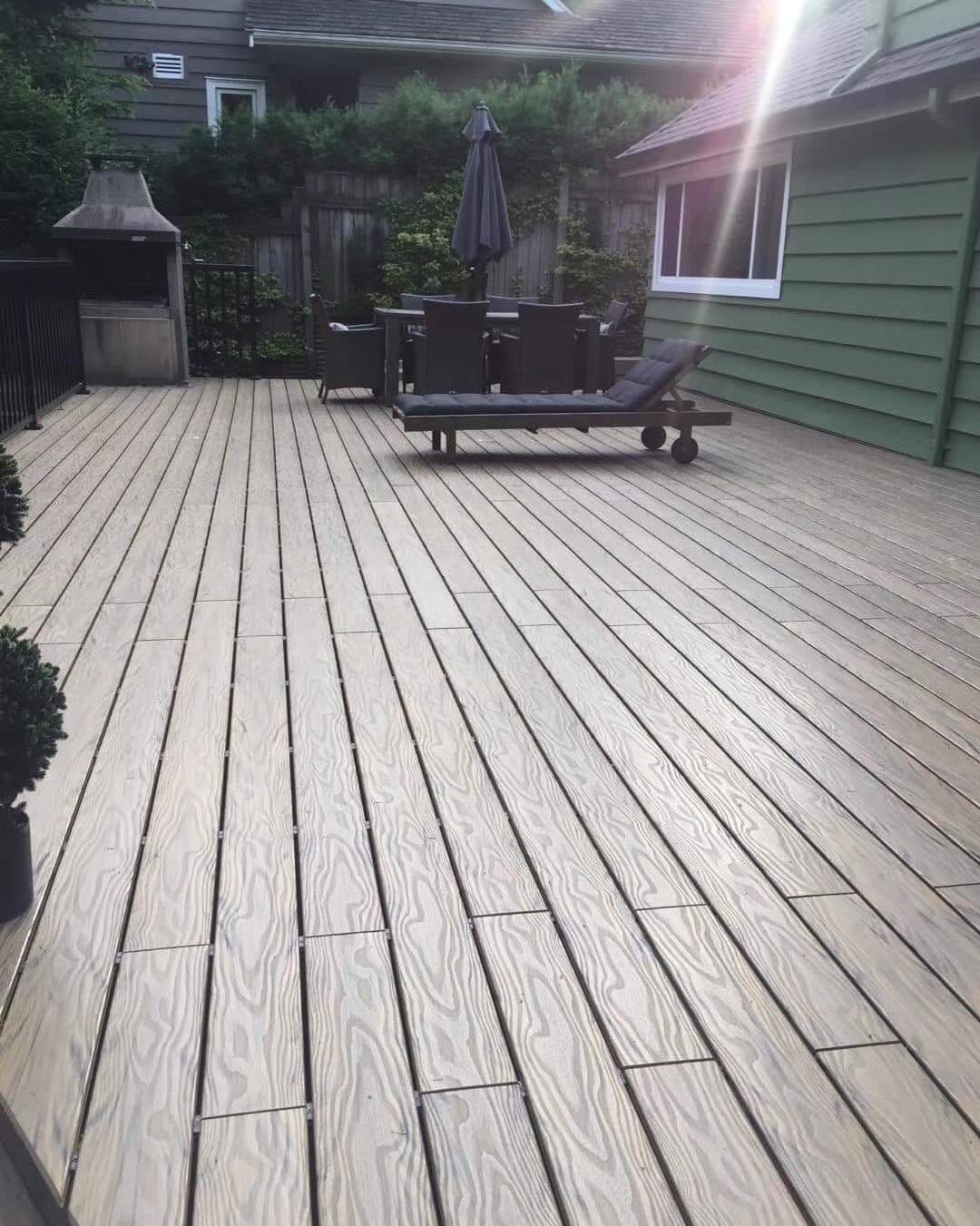
Absolutely. Strand-woven bamboo is incredibly dense and has handled everything I’ve thrown at it. Heavy outdoor furniture, grills, and regular entertaining haven’t caused any structural issues. I use furniture pads to prevent scratching, but the bamboo itself is tougher than most people realize. It’s actually harder than many traditional hardwoods.
Would you choose bamboo outdoor flooring again, knowing what you know now?
Definitely, but with better planning upfront. I’d invest more in proper drainage and ventilation during installation, and I’d budget for professional installation from the start. The environmental benefits, durability, and natural beauty have exceeded my expectations. It’s become one of my favorite home improvement decisions despite the learning curve.

Related Posts: