Over the last decade, I’ve put wood flooring in four different homes, each bringing its own set of obstacles and opportunities to experiment with different styles, materials, and installation methods. From my first apartment’s laminate experiment to my present home’s gorgeous wide-plank hardwood masterpiece, each renovation taught me important lessons about longevity, beauty, and practicality. My experiences have shown me that selecting the proper wood floor can radically affect the character and value of a space.
Classic Hardwood Species That Withstand Time
My love affair with oak flooring began in my second home, where I installed traditional red oak planks that instantly warmed up the entire living area. The natural grain patterns and honey-colored tones provided a timeless basis that looked great with both antique furniture and modern accessories. Oak’s durability was remarkable, with minimal deterioration even in high-traffic areas after five years of family use.
Maple flooring in my kitchen was the ideal combination of firmness and subtle grain that didn’t clash with cabinet or countertop designs. The soft, creamy tones reflected natural light brilliantly, making the area appear larger and more open. I liked how maple’s tight grain pattern concealed minor scratches and daily wear, keeping it looking new with little effort.
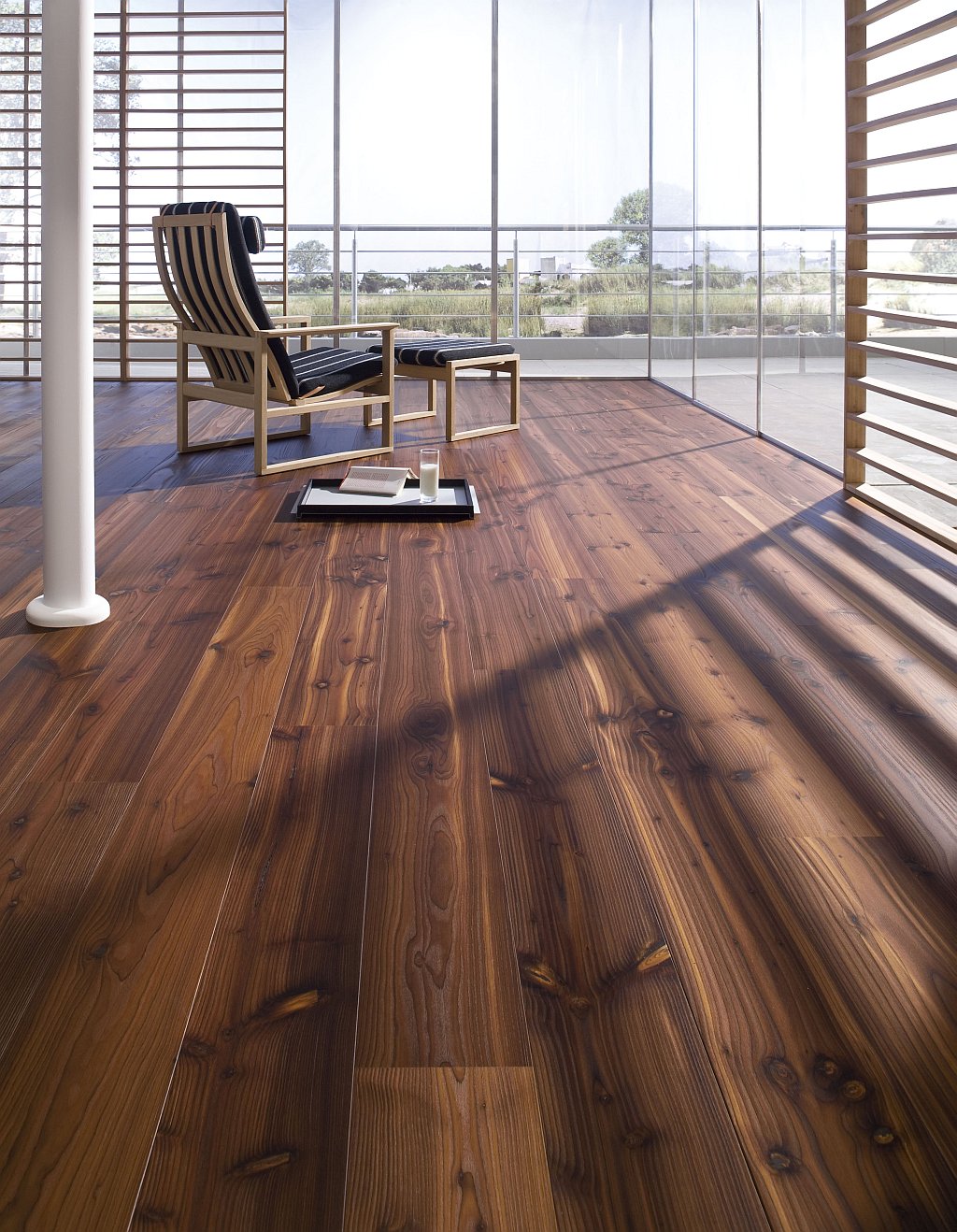
My present dining room has rich walnut planks, which provide refined elegance to formal event rooms. The deep chocolate colors and dramatic grain differences add visual intrigue and act as discussion starters at dinner parties. While walnut requires more care than lighter woods, its striking beauty and sumptuous feel make the extra effort and cost worthwhile.
Wide Plank Installations with Modern Appeal
Installing seven-inch wide planks in my living room generated a dramatic contemporary effect that makes the space feel more spacious and less cluttered than standard narrow boards. The broader size better accentuates the wood’s natural character and grain patterns, resulting in fewer seam lines that sometimes make rooms appear jagged. This modern technique is especially effective in open floor designs where visual continuity is vital.
The installation of wide planks requires more precision and planning than ordinary boards, but the results are worth the extra time and cost. I discovered that appropriate moisture control is even more important with broader boards to avoid cupping or gapping difficulties. Professional installation proved necessary to provide the seamless effect that makes broad plank flooring so appealing.
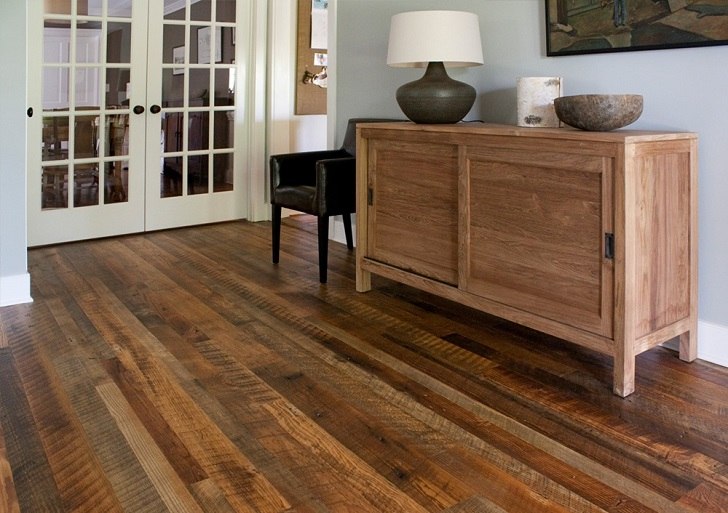
Wide planks go especially well with rustic or salvaged wood types that have natural defects and character marks. When shown on larger platforms, these distinguishing characteristics become focal points rather than defects. My bedroom’s salvaged barn wood wide planks convey stories through nail holes, saw marks, and weathering in ways that tight boards cannot.

Engineered solutions for Challenging Environments
My basement remodeling alerted me to the practical advantages of engineered hardwood in moisture-prone regions where solid wood would be difficult. The multi-layer structure ensures solidity while preserving the true wood look I want throughout the house. The installation over concrete subfloors was uncomplicated, resulting in a pleasant, finished room ideal for family activities.
Engineered planks in my bathroom necessitated a careful selection of components specifically built for high humidity settings. To prevent water damage, I picked broader planks with strengthened moisture barriers and sealed edges. The results exceeded expectations, bringing wood’s warmth and elegance to an area that had previously only had tile or vinyl flooring options.
I was amazed by the diversity of engineered solutions available today, which ranged from ultra-thin premium versions to thick boards that looked like genuine hardwood. I’ve seen that quality varies greatly between manufacturers, making study and professional suggestions critical for effective installs. The best-engineered items provide decades of service with proper care and maintenance.

Stain Colors and Finishes that Change Character
My first staining endeavor taught me how color can radically alter the personality of wood and the atmosphere of a room. I used a dark stain to turn builder-grade red wood from orange-toned conventional to deep espresso contemporary, which went well with modern furniture and decor. The transition costs a fraction of the replacement while producing radically different visual results.
Gray stain coatings in my guest bedroom resulted in stylish aged looks that suit farmhouse and coastal design trends beautifully. The approach necessitates precise technique to obtain even coverage and avoid blotchy results, as I discovered through trial and error on test boards. Professional application offers uniform results that retain value and visual appeal in the long run.
Matte surfaces have been my preferred choice over shiny finishes that reveal every footprint and scrape. The low-sheen finish feels more natural and refined while offering good protection against daily wear. I’ve discovered that matte surfaces compliment both traditional and contemporary design schemes without reflecting light in ways that appear unnatural or exaggerated.

Creative Pattern Layouts Beyond Traditional Straight Planks
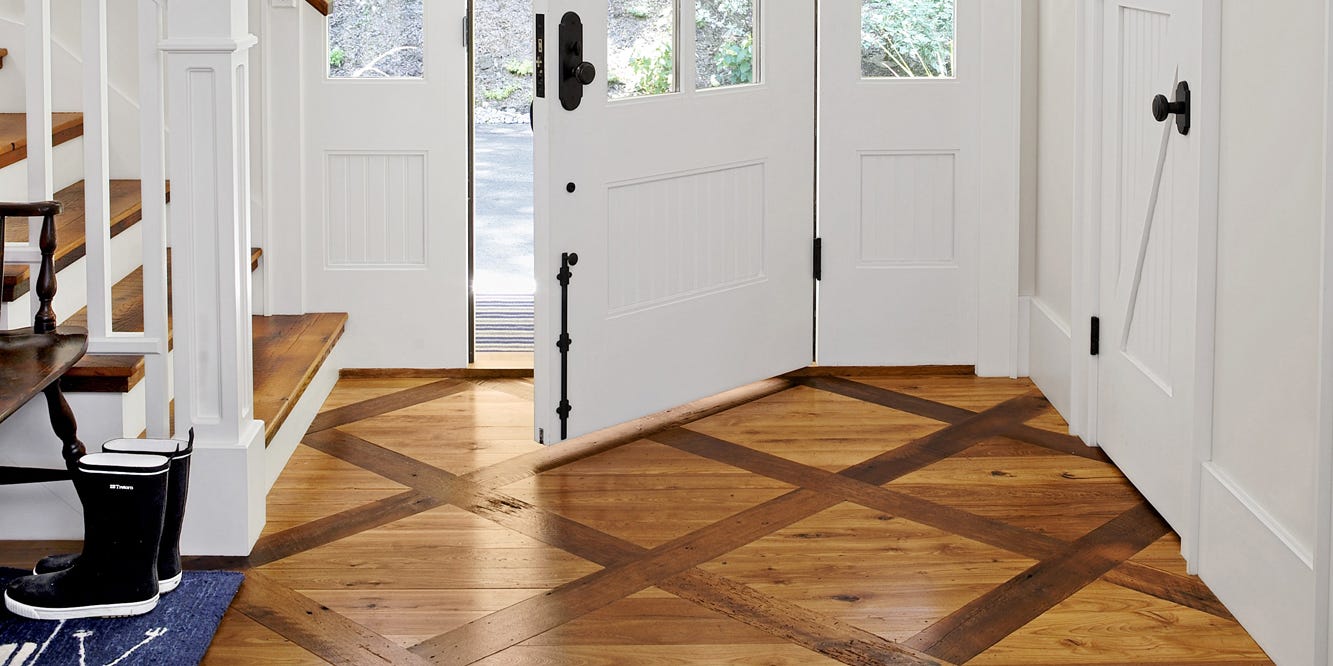
The herringbone installation in my entrance had a wonderful visual effect that immediately impressed guests and set a sophisticated tone for the entire home. The classic design necessitates accurate cutting and installation, but it transforms plain hardwood into creative flooring that acts as a focus point. I used contrasting border treatments to define the pattern area and provide smooth transitions between rooms.
Chevron patterns in my home office add dynamic visual appeal while keeping a professional appearance. The constant zigzag lines lead the eye across the room, making the small area seem larger and more lively. This pattern works especially well with lighter wood tones that don’t overpower small spaces.
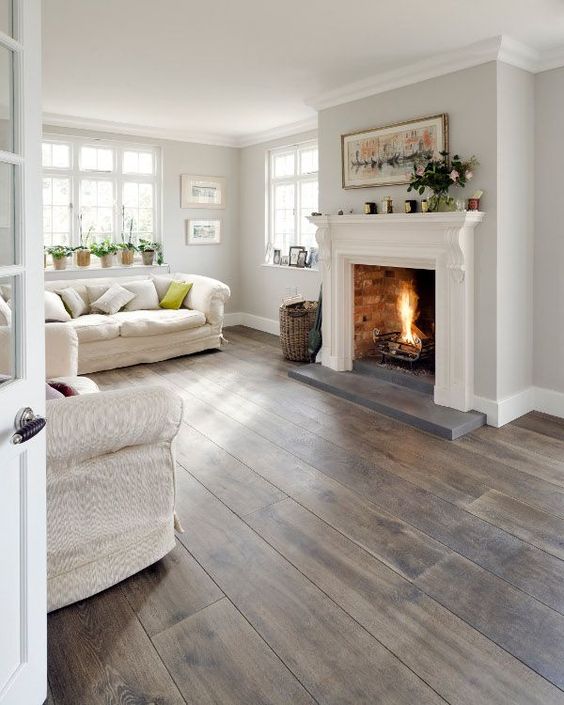
Mixed-width board installations offer unique appearances that are both authentic and historically inspired. I randomly blended three different plank widths across my living rooms to replicate old floors where uniform sizing was not available. This strategy gives character and visual texture to new installations, making them feel established and organically grown over time.
Budget-Friendly Alternatives with Style
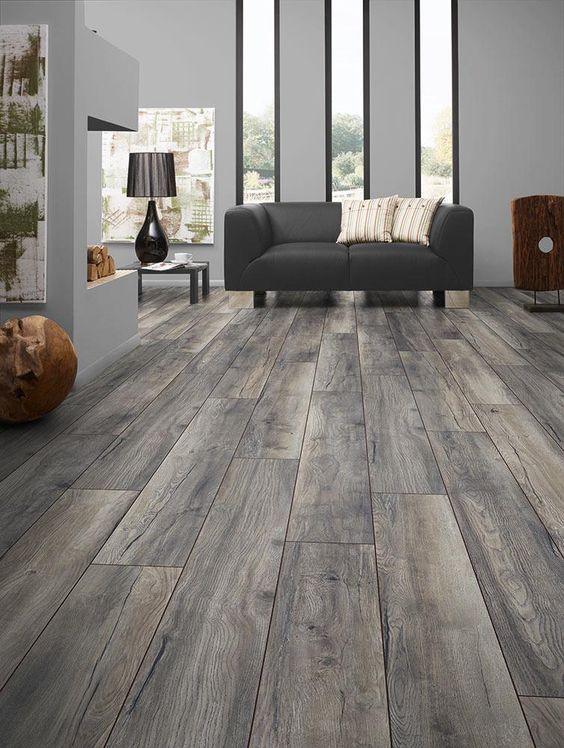
Luxury vinyl plank flooring in my rental property provides wood looks for a fraction of the expense of hardwood, while also providing improved longevity for renter situations. Modern LVP choices have realistic textures and grain patterns that closely resemble pricey hardwood species. The waterproof construction can withstand spills and dampness without damage, making maintenance a breeze.
Laminate installations taught me that quality varied significantly across pricing points and manufacturers. I opted for higher-quality choices with realistic texturing and superior locking systems to ensure years of dependable performance. The idea is to select things that appear authentic rather than plainly artificial, preserving house value and aesthetic appeal.
Refinishing existing hardwood floors is often less expensive than replacement while producing spectacular results. My 1960s home’s original oak floors appeared weary and antiquated until expert sanding and restoration revealed stunning wood beneath layers of old finish. This strategy conserved the charm and quality of existing floors while modernizing their appearance for modern living.

How do I select the appropriate wood species for high-traffic areas?
I choose tougher species like oak, maple, or hickory for high-traffic areas since they are more resistant to denting and wear than softer woods like pine or cherry. These long-lasting choices keep their beauty and require less frequent maintenance. Consider engineered hardwood in high-traffic areas because the numerous layers give additional resilience and the surface can be refinished without the need for complete replacement.
What is the distinction between site-finished and pre-finished hardwood floors?
Site-finished floors are sanded and finished after installation, resulting in seamless surfaces with bespoke stain colors, but need additional time and dust management. Pre-finished floors are ready for installation with factory-applied coatings that provide greater durability and instant use. I prefer pre-finished for most projects since it is more convenient and uniform in quality, but site-finished allows for greater customisation.
What width should hardwood planks be for various room sizes?
Narrow planks (2-3 inches) suit smaller rooms and classic designs, whilst wide planks (5+ inches) make spaces feel larger and more contemporary. I use 3-4 inch boards as a versatile middle ground that works in most circumstances. Consider your home’s architectural style and room proportions; excessively wide planks can overwhelm small spaces, whilst narrow boards can appear cluttered in vast areas.
Is it worthwhile to invest in solid hardwood versus engineered alternatives?
Solid hardwood has endless refinishing potential and a potentially longer lifespan, making it worthwhile for permanent houses and places with average moisture levels. Engineered hardwood is more stable in tough conditions and costs less initially, but refinishing alternatives are restricted. Solid hardwood is my preference for main living areas, whereas engineered hardwood is best for basements, bathrooms, and homes with moisture issues.
How do I maintain wood flooring to extend their life?
Regular sweeping and moist mopping with wood-specific cleansers avoid dirt collection and scratches. To prevent damage, I use area rugs in high-traffic areas as well as chair pads. Maintain humidity levels between 30 and 50% to avoid seasonal expansion and contraction. Professional refinishing every 7-10 years keeps floors looking good and preserves the wood beneath from permanent damage.
Can I install wood flooring myself, or should I call a professional?
With the right tools and patience, experienced homeowners may complete simple plank installations over prepared subfloors themselves. However, I advocate hiring professionals for difficult patterns, site finishing, subfloor preparation, or pricey materials where mistakes might be costly. Professional installation includes guarantees and ensures proper technique, which enhances floor performance and lifetime, frequently justifying the higher cost.
Hardwood Floor Ideas flooring, hardwood floors

Hardwood Floor Designs – Hardwood Floor Ideas – Hardwood Floor Trends
Design ideas for wood flooring

Laminate Wood Flooring Ideas
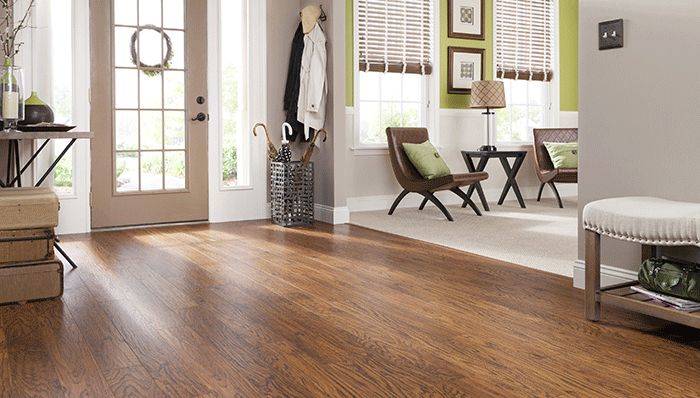
Choosing the Best Wood Flooring for Your Home
Related Posts: