Vinyl tile flooring has become a popular choice for homeowners and designers due to its durability, affordability, and versatility. Unlike traditional flooring options, high-quality vinyl tiles offer a realistic appearance that mimics natural materials like wood, stone, or ceramic while providing superior resistance to moisture, scratches, and daily wear. With advancements in manufacturing, modern vinyl tiles come in a wide range of colors, patterns, and textures, making them suitable for any room in the house. Whether you’re renovating a kitchen, bathroom, or living space, vinyl tile flooring provides a practical and stylish solution that combines aesthetics with long-lasting performance.
Benefits of High-Quality Vinyl Tile Flooring
One of the biggest advantages of high-quality vinyl tile flooring is its durability. Unlike laminate or hardwood, vinyl tiles are resistant to water, making them ideal for kitchens, bathrooms, and basements. They can withstand spills, humidity, and even occasional flooding without warping or damage. Additionally, vinyl tiles are designed to resist scratches and dents, making them perfect for homes with pets or high foot traffic.
Another key benefit is the ease of maintenance. Vinyl tiles require minimal upkeep—regular sweeping and occasional mopping with a mild cleaner are enough to keep them looking new. Unlike natural stone or hardwood, they don’t need polishing, waxing, or sealing. This low-maintenance feature makes vinyl tiles a practical choice for busy households or commercial spaces where cleanliness and appearance are important.
Cost-effectiveness is another major advantage. High-quality vinyl tiles offer the look of premium materials like hardwood or marble at a fraction of the cost. Installation is also more affordable compared to traditional flooring options, as vinyl tiles can often be installed as a floating floor or with simple adhesive methods. With a long lifespan and minimal repair needs, vinyl tile flooring provides excellent value for money over time.
Design and Aesthetic Options
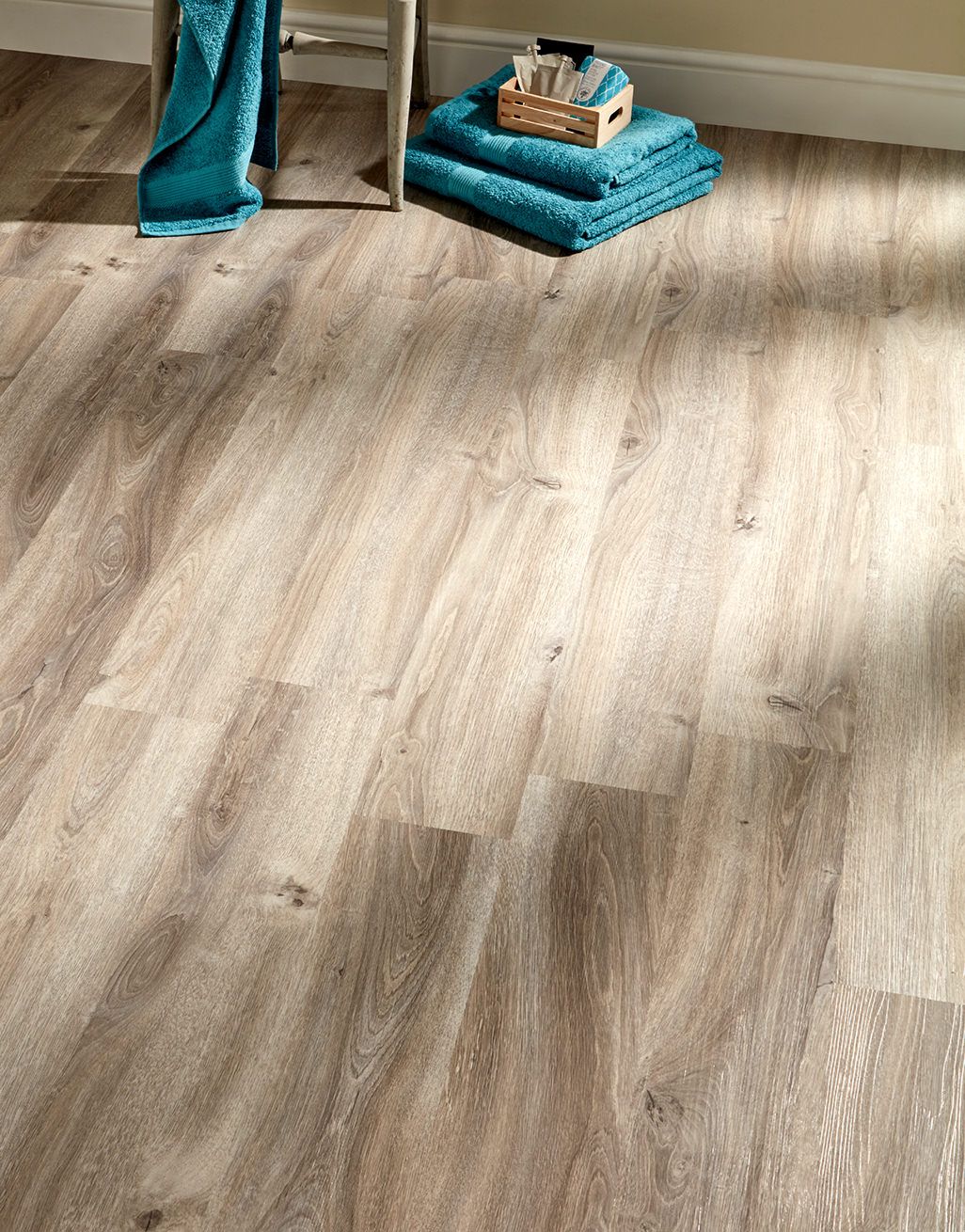
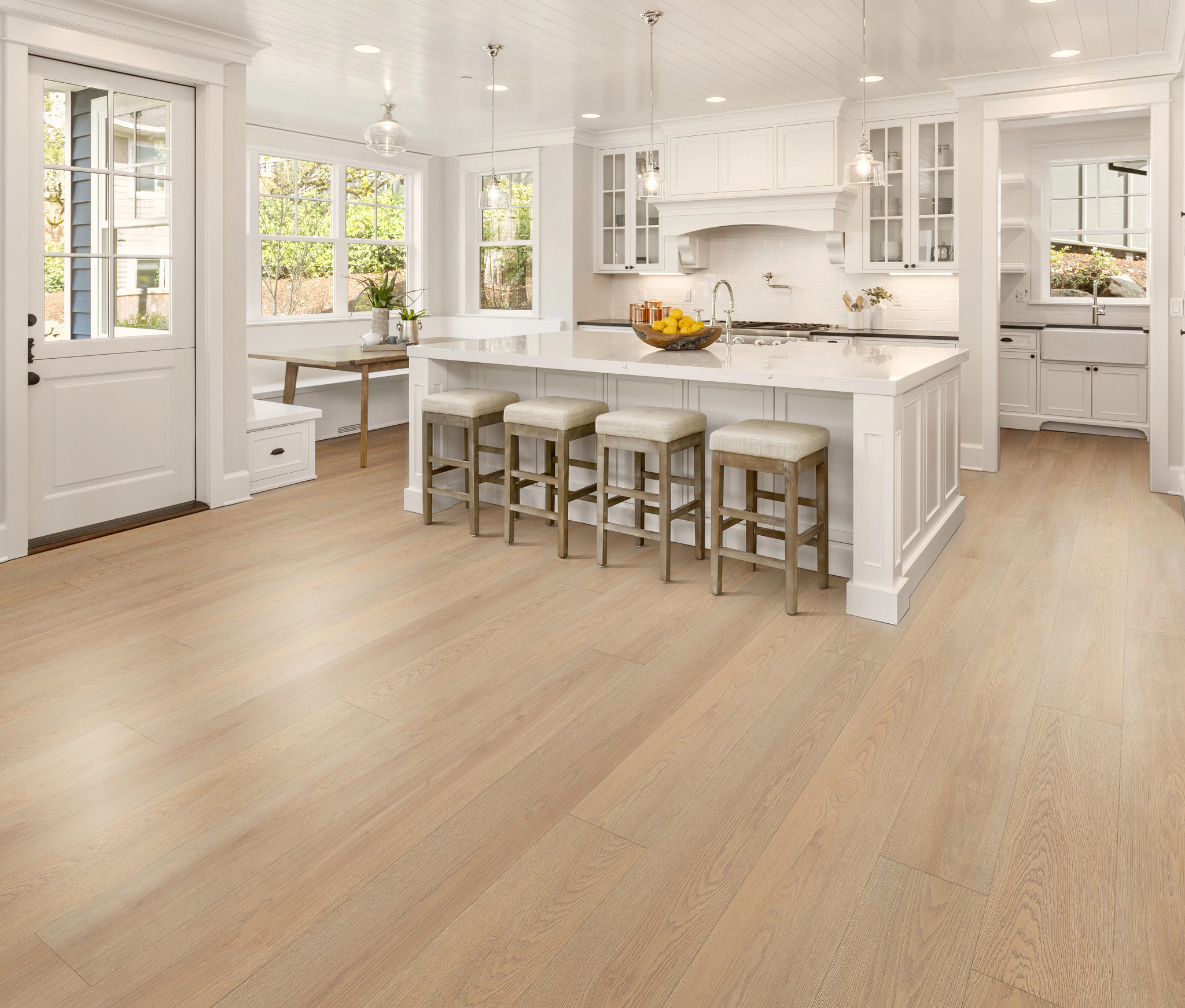
Modern vinyl tile flooring comes in an impressive variety of designs, allowing homeowners to achieve virtually any aesthetic. Whether you prefer the warm look of oak, the sleek appearance of slate, or the timeless elegance of marble, there’s a vinyl tile to match your style. Advanced printing technology ensures that these tiles closely resemble natural materials, with realistic textures and grain patterns.
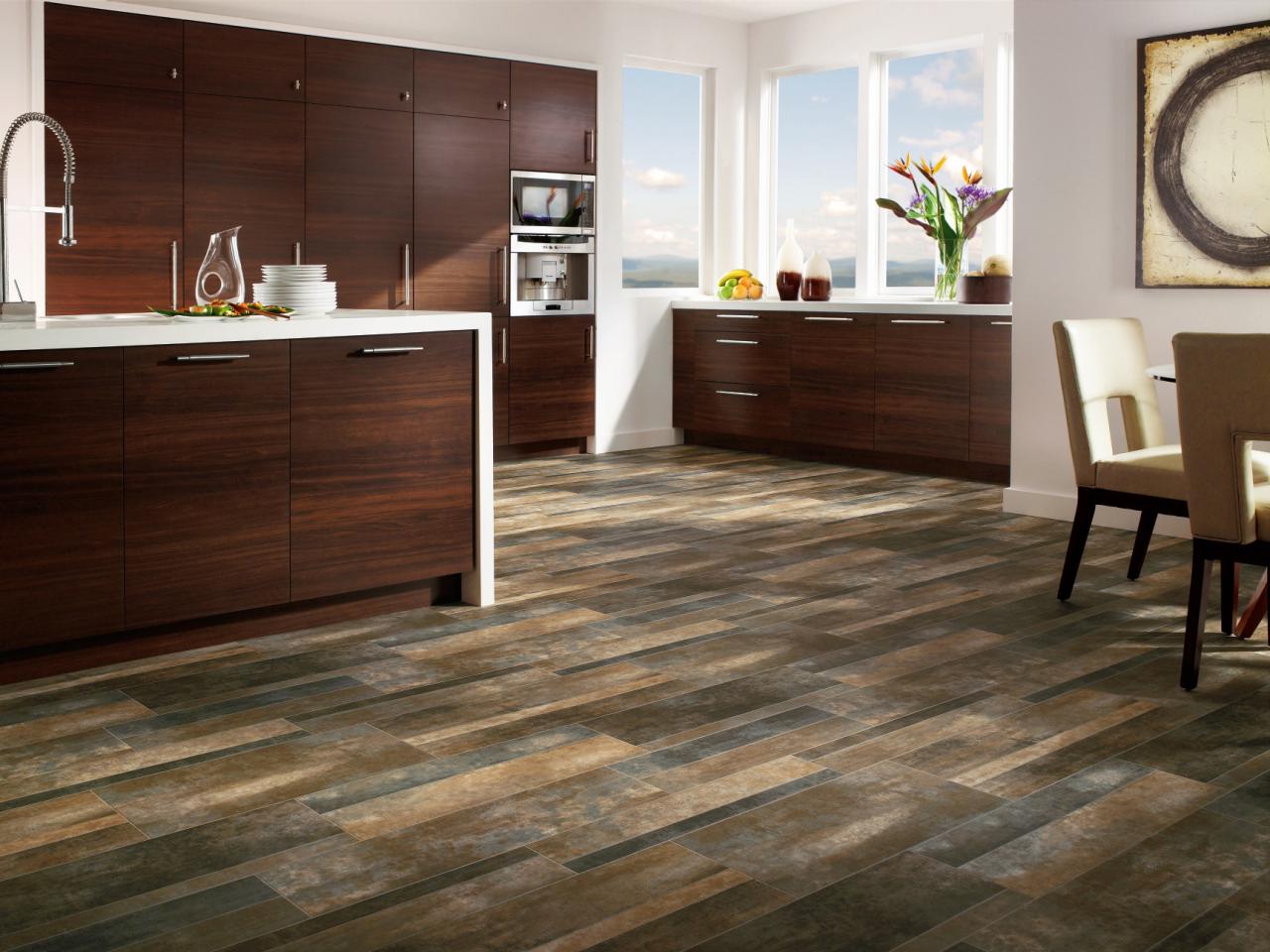
Beyond traditional looks, vinyl tiles also offer creative possibilities like geometric patterns, metallic finishes, and custom designs. This versatility makes them suitable for both classic and contemporary interiors. Some manufacturers even offer customizable options, allowing you to create unique layouts or mix-and-match styles for a personalized touch.
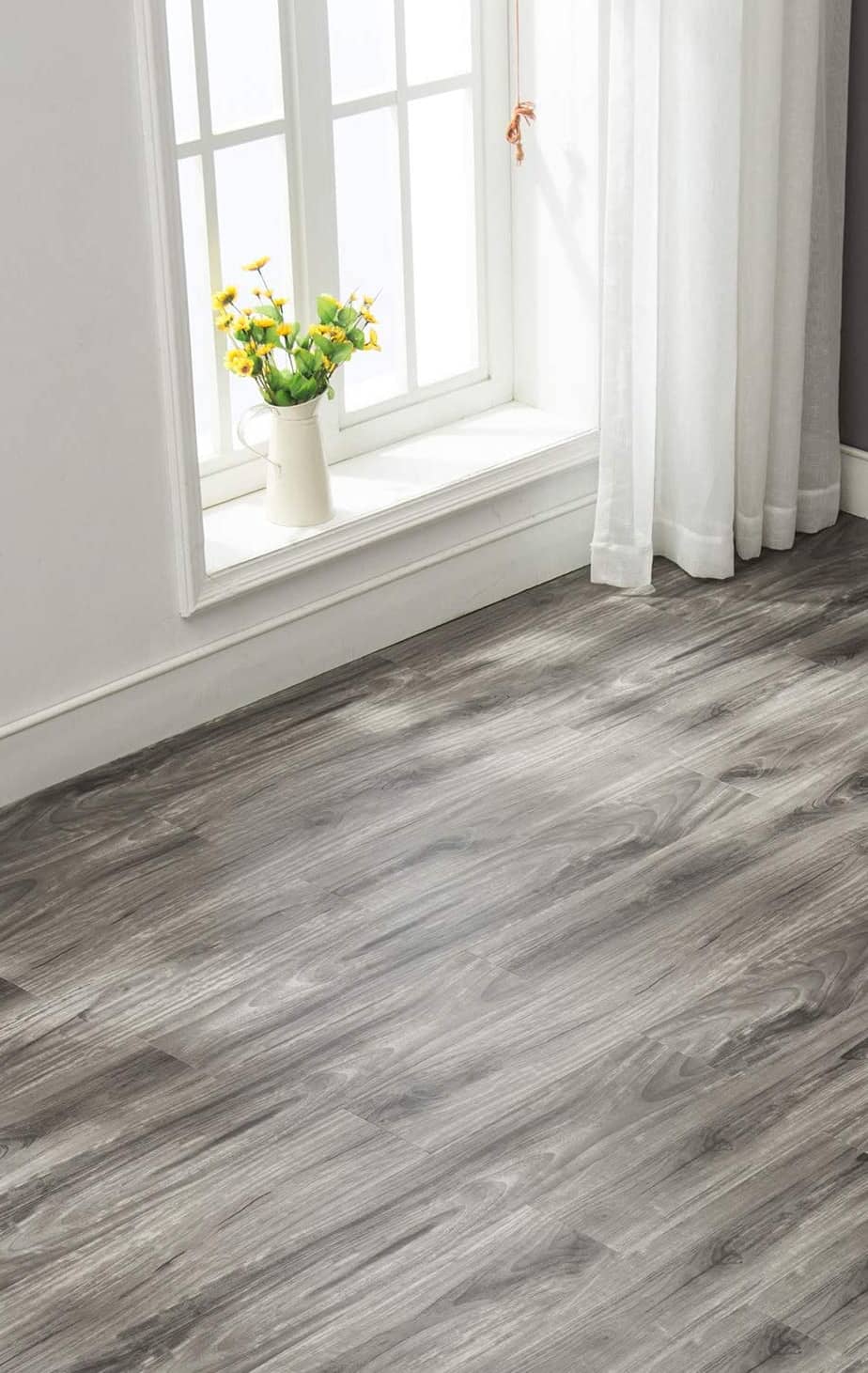
Color choices are equally diverse, ranging from neutral tones to bold, statement-making hues. Lighter shades can make small rooms appear larger, while darker tones add depth and sophistication. With such a wide selection, vinyl tile flooring can complement any décor theme, from rustic farmhouse to modern minimalist.
Installation Methods and Considerations
Vinyl tile flooring can be installed using several methods, depending on the product type and subfloor conditions. Peel-and-stick tiles are the easiest to install, as they come with a pre-applied adhesive backing. This makes them a great DIY option for homeowners looking for a quick and hassle-free upgrade. However, proper surface preparation is crucial to ensure a smooth and long-lasting result.
Luxury vinyl tiles (LVT) often use a click-lock or glue-down installation system. Click-lock tiles are designed to interlock, creating a floating floor that doesn’t require adhesive. This method is ideal for those who want a stable yet removable floor. Glue-down vinyl tiles, on the other hand, provide a more permanent solution with enhanced stability, making them suitable for high-traffic areas.
Before installation, it’s important to assess the subfloor for any imperfections, moisture levels, and flatness. Uneven surfaces can affect the final result, so proper leveling may be necessary. Additionally, allowing the tiles to acclimate to room temperature for at least 48 hours before installation helps prevent expansion or contraction issues later.
Durability and Longevity
High-quality vinyl tile flooring is built to last, with many products offering warranties of 15 years or more. The wear layer—a protective top coating—determines the tile’s resistance to scratches, stains, and fading. Thicker wear layers provide better durability, making them suitable for commercial spaces or busy households. Unlike hardwood or laminate, vinyl won’t chip or crack under pressure.
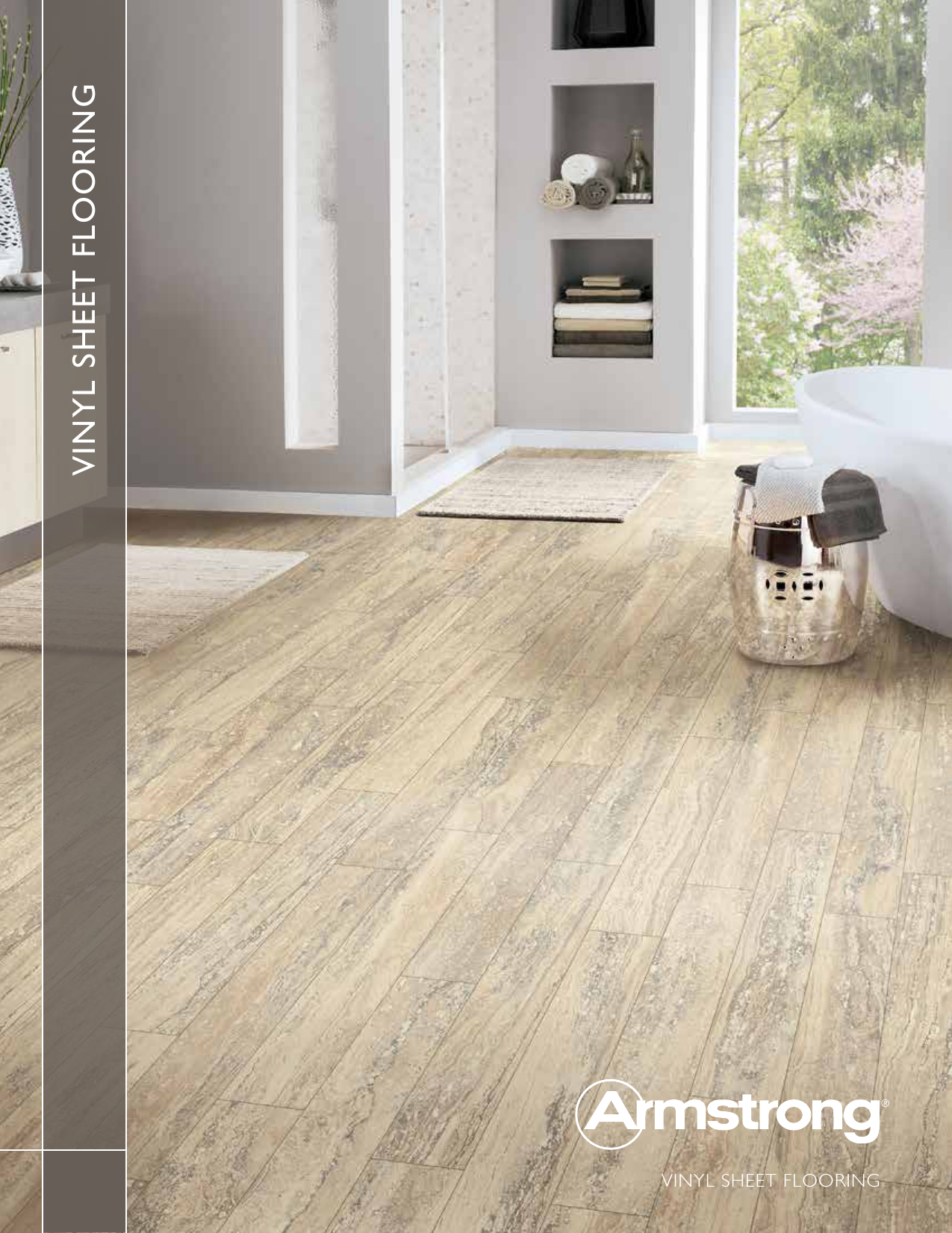
Another factor contributing to longevity is the material’s resistance to moisture. Unlike wood, which can swell or warp when exposed to water, vinyl remains stable, making it ideal for humid environments. Some vinyl tiles are even 100% waterproof, ensuring they perform well in laundry rooms, basements, and bathrooms where moisture is a constant concern.
With proper care, vinyl tile flooring can maintain its appearance for decades. Avoiding harsh chemicals, using furniture pads, and promptly cleaning spills can help preserve its finish. Unlike other flooring types that may require refinishing or replacement over time, vinyl tiles often look as good as new with minimal effort.
Environmental and Health Considerations
Many manufacturers now produce eco-friendly vinyl tiles made from recycled materials or sustainable manufacturing processes. These options reduce environmental impact while maintaining the same durability and aesthetic appeal. Additionally, some vinyl flooring products are phthalate-free and low in volatile organic compounds (VOCs), contributing to better indoor air quality.
Health-conscious homeowners will appreciate that high-quality vinyl tiles are resistant to mold and mildew, which can be a concern in damp areas. The non-porous surface prevents bacteria buildup, making it a hygienic choice for families with allergies or respiratory sensitivities. Proper ventilation during installation further ensures a safe and odor-free environment.
When selecting vinyl flooring, look for certifications like FloorScore or GREENGUARD, which indicate compliance with strict indoor air quality standards. These labels help consumers choose products that are both safe for their homes and environmentally responsible.

Comparing Vinyl Tile to Other Flooring Types
When compared to hardwood, vinyl tile flooring offers similar visual appeal at a lower cost and with greater moisture resistance. Hardwood requires regular maintenance and can be damaged by water, whereas vinyl provides a worry-free alternative. However, hardwood does have a longer lifespan in some cases and can be refinished multiple times.
Laminate flooring is another popular alternative, but it lacks the waterproof qualities of vinyl. While laminate may mimic wood effectively, it can swell or warp when exposed to moisture. Vinyl tiles, especially luxury vinyl planks (LVP), offer better performance in wet areas while maintaining a comparable price point.
Ceramic and porcelain tiles are durable and waterproof but can be cold underfoot and hard on joints. Vinyl tiles provide a softer, warmer surface that’s more comfortable for standing long periods. Additionally, vinyl is quieter underfoot and less prone to cracking from impact, making it a more practical choice for many homes.

High-quality vinyl tile flooring is a smart investment for homeowners seeking a balance of style, durability, and affordability. With a vast range of designs, easy maintenance, and resistance to moisture and wear, it’s an excellent choice for any room in the house. Whether you prioritize aesthetics, practicality, or environmental impact, vinyl tiles offer a versatile solution that meets modern living demands. By understanding the different types, installation methods, and long-term benefits, you can make an informed decision that enhances your home for years to come.
Not Your Fathers Vinyl Floor
Vinyl Shaw Floors
The Best Vinyl Plank Flooring for Your Home
Related Posts: