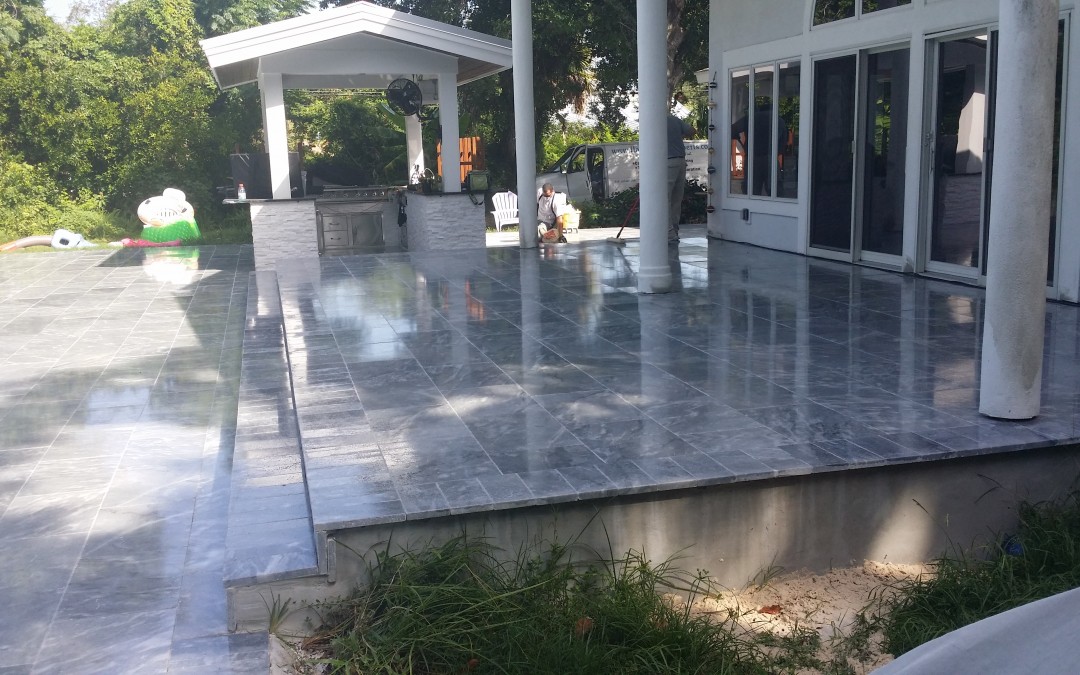
Last spring, I decided to transform my bland concrete patio into something extraordinary. After months of research and countless design inspirations, I settled on outdoor marble floor tiles. The decision wasn’t easy, given the mixed opinions about marble’s durability in exterior applications. However, the stunning visual appeal and timeless elegance convinced me to take the plunge. This journey taught me invaluable lessons about material selection, installation challenges, and long-term maintenance requirements for outdoor marble installations.
Choosing the Right Marble for Outdoor Use
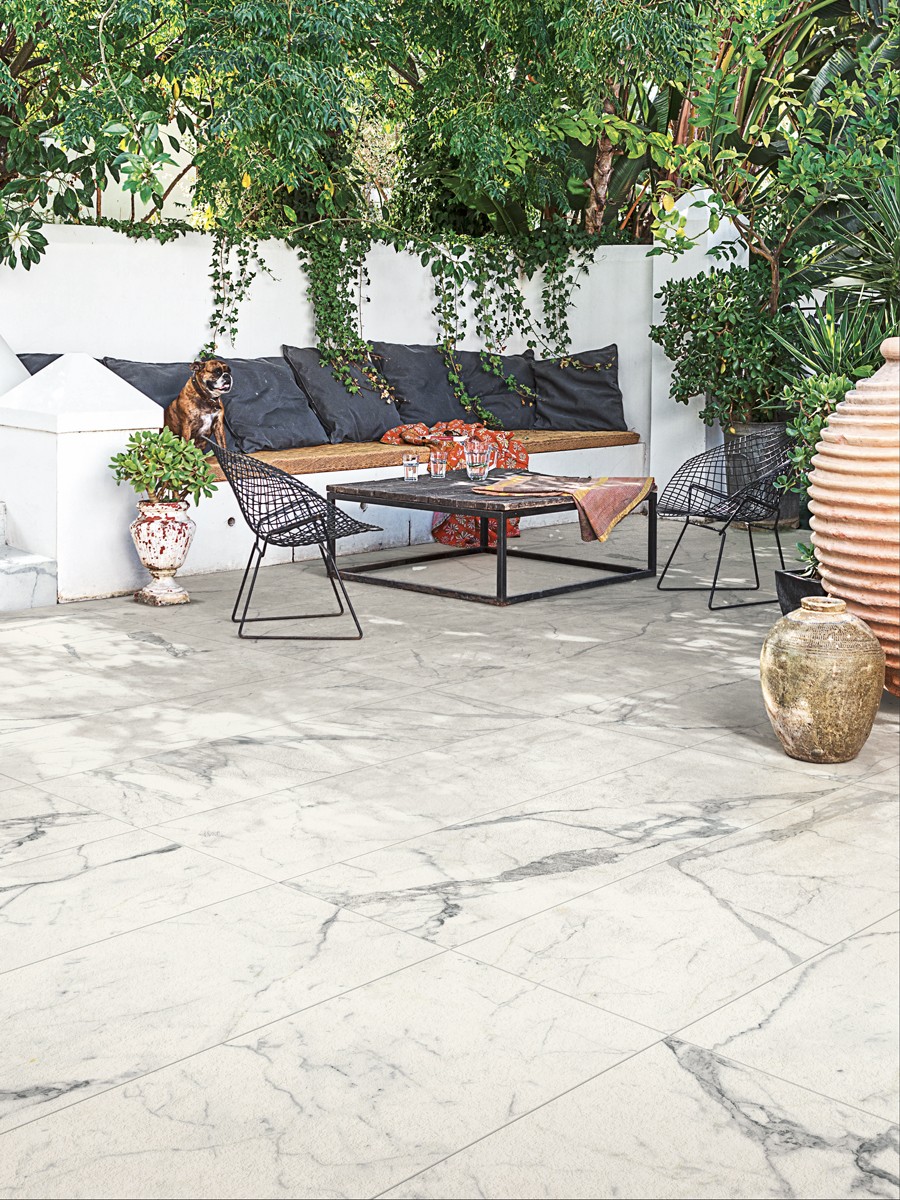
My first challenge was selecting marble that could withstand outdoor conditions while maintaining its beauty. I spent weeks researching different marble types, learning that porosity and mineral composition significantly affect outdoor performance. Travertine and limestone proved too porous for my climate, while denser marbles, such as Carrara and Calacatta, offered better weather resistance. I ultimately chose a honed finish over a polished one, as it provides better slip resistance when wet.
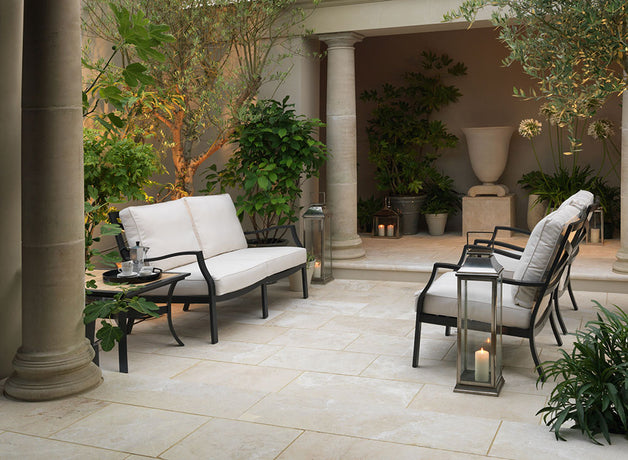
The color selection process required careful consideration of my home’s exterior palette and surrounding landscape. Lighter marbles reflect heat better, making them more comfortable underfoot during summer months. However, they also show dirt and stains more readily than darker varieties. I opted for a warm beige marble with subtle veining that complemented my home’s architecture while being forgiving of everyday wear and outdoor elements.
Working with a natural stone supplier proved invaluable in making my final decision. They provided samples that I could test in my actual outdoor conditions, observing how different marbles reacted to moisture, temperature fluctuations, and direct sunlight. This hands-on approach helped me understand the unique characteristics of each option and make an informed choice that balanced aesthetics with practical performance requirements.
Installation Challenges and Weather Considerations
The installation process presented unique challenges that indoor marble projects simply don’t face. Weather timing became crucial, as I needed several consecutive dry days for proper adhesive curing. My contractor emphasized the importance of proper drainage and substrate preparation to prevent water damage and frost heaving. We installed a sophisticated drainage system beneath the marble to channel water away from the foundation.
Temperature fluctuations during installation required special attention to expansion joints and adhesive selection. Standard indoor adhesives wouldn’t suffice for outdoor applications, so we used flexible, weather-resistant products designed specifically for exterior stone installations. The contractor also implemented a grid pattern of expansion joints to accommodate thermal movement without cracking the marble tiles.
Sealing the marble became a critical step that required perfect weather conditions. We applied multiple coats of penetrating sealer during a dry period with moderate temperatures. The sealing process took three days to complete properly, including cure time between coats. I learned that rushing this step could compromise the entire installation’s longevity and performance in harsh weather conditions.
Seasonal Performance and Maintenance Reality
Living with outdoor marble tiles for eighteen months has taught me the importance of seasonal maintenance routines. Winter presents the biggest challenges, with freeze-thaw cycles potentially damaging improperly sealed surfaces. I’ve developed a strict fall preparation routine that includes deep cleaning, resealing, and applying protective treatments before the first frost arrives in my region.
Summer heat creates different maintenance needs, as the marble can become uncomfortably hot for bare feet during peak sun hours. I’ve strategically placed outdoor rugs and furniture to create shaded walking paths. The lighter color I chose helps reflect heat, but surface temperatures still reach uncomfortable levels during afternoon hours in direct sunlight.
Spring cleaning requires intensive effort to remove winter salt residue and organic stains from fallen leaves. I’ve invested in specialized marble cleaners and learned to address stains immediately rather than letting them set. The natural porosity of marble means that even sealed surfaces require prompt attention to spills and organic matter that could cause permanent discoloration.

Cost Analysis and Long-term Value
My outdoor marble installation cost significantly more than alternative materials like concrete pavers or porcelain tiles. The initial investment included high-quality marble, specialized adhesives, professional installation, and comprehensive sealing treatments. However, I considered this a long-term investment in my home’s value and my enjoyment of the outdoor space.
Ongoing maintenance costs must be factored into the total investment. Annual resealing, specialized cleaning products, and periodic professional restoration services add up over time. I budget approximately $500 annually for maintenance supplies and professional services to keep the marble in optimal condition. This ongoing expense is worth it for the beauty and elegance the marble brings to my outdoor living space.
The resale value impact has been substantial, with real estate professionals confirming that the marble patio significantly enhances my home’s market appeal. The timeless elegance and luxury appearance of natural stone create an impression that synthetic materials simply cannot match. I’m confident that this investment will pay dividends if I ever decide to sell my home in the future.

Durability Lessons and Unexpected Discoveries
The durability of outdoor marble has surprised me in both positive and negative ways. Some areas have developed subtle wear patterns that actually enhance the stone’s character, creating a natural patina that looks authentically aged. However, high-traffic areas near the grill and seating areas show more pronounced wear than I anticipated, requiring strategic furniture placement and protective measures.
Weather resistance has been better than critics suggested, but not without careful maintenance. Proper sealing and regular cleaning have prevented major damage, though I’ve noticed minor etching from acidic substances like citrus juice and wine. I’ve learned to keep cleaning supplies readily available and address spills immediately to prevent permanent staining or etching.
The biggest surprise has been how the marble’s appearance changes throughout the day and seasons. Morning dew creates a magical, almost ethereal appearance, while evening shadows emphasize the natural veining patterns. These subtle variations in appearance have made me appreciate the dynamic nature of natural stone and understand why it has been prized for centuries in architectural applications.

Making the Right Decision for Your Space
Choosing outdoor marble tiles requires an honest assessment of your climate, lifestyle, and maintenance commitment. I recommend starting with a small test area to understand how the marble performs in your specific conditions before committing to a large installation. Consider your local weather patterns, especially freeze-thaw cycles, intense heat, and precipitation levels that could affect long-term performance.
Your lifestyle and entertainment habits should influence material selection and layout design. If you frequently host outdoor gatherings, choose marble with good slip resistance and plan for high-traffic wear patterns. Consider the proximity to cooking areas, pools, and landscaping that might introduce stains or require frequent cleaning to maintain the marble’s pristine appearance.
Professional consultation proved invaluable in my decision-making process. Experienced installers can assess your specific site conditions and recommend appropriate marble types, installation methods, and maintenance strategies. Don’t hesitate to invest in expert advice upfront, as it can save significant time, money, and frustration throughout the life of your outdoor marble installation.

How often do outdoor marble tiles need to be resealed?
I reseal my outdoor marble tiles annually, typically in late spring after thorough cleaning and before summer heat sets in. The frequency depends on your climate, traffic levels, and marble type. Harsh winters or intense sun exposure may require more frequent sealing. I test water absorption by dropping small amounts on the surface; if it soaks in quickly rather than beading up, it’s time to reseal. Quality sealers typically last 12-18 months with proper application and moderate use.
Can marble tiles crack from freezing temperatures?
Properly installed and sealed marble tiles can withstand freezing temperatures without cracking. The key is ensuring adequate drainage beneath the tiles and using flexible installation materials that accommodate thermal expansion. I’ve experienced several harsh winters without cracking issues. However, standing water that freezes can cause problems, so proper slope and drainage are essential. Any existing cracks or chips should be repaired before winter to prevent freeze-thaw damage from spreading.

What’s the best way to clean outdoor marble tiles without damaging them?
I use pH-neutral cleaners specifically designed for natural stone, never acidic products like vinegar or citrus-based cleaners that can etch marble. For regular cleaning, I sweep debris and mop with warm water and stone cleaner. Stubborn stains require poultices made from baking soda and water, left overnight, then gently scrubbed. I avoid pressure washers on high settings and never use abrasive scrubbers. Monthly deep cleaning with specialized marble cleaners keeps the surface pristine.
How do marble tiles perform in areas with heavy rainfall?
Marble tiles handle heavy rainfall well when properly installed with adequate drainage systems. I live in a region with significant precipitation, and my tiles have performed excellently. The key is ensuring water doesn’t pool on the surface or beneath the tiles. Proper slope installation and sealed joints prevent water infiltration. However, constant moisture can affect sealers more quickly, so I inspect and reseal more frequently during particularly wet seasons to maintain optimal protection.
Are there specific marble types that work better for outdoor applications?
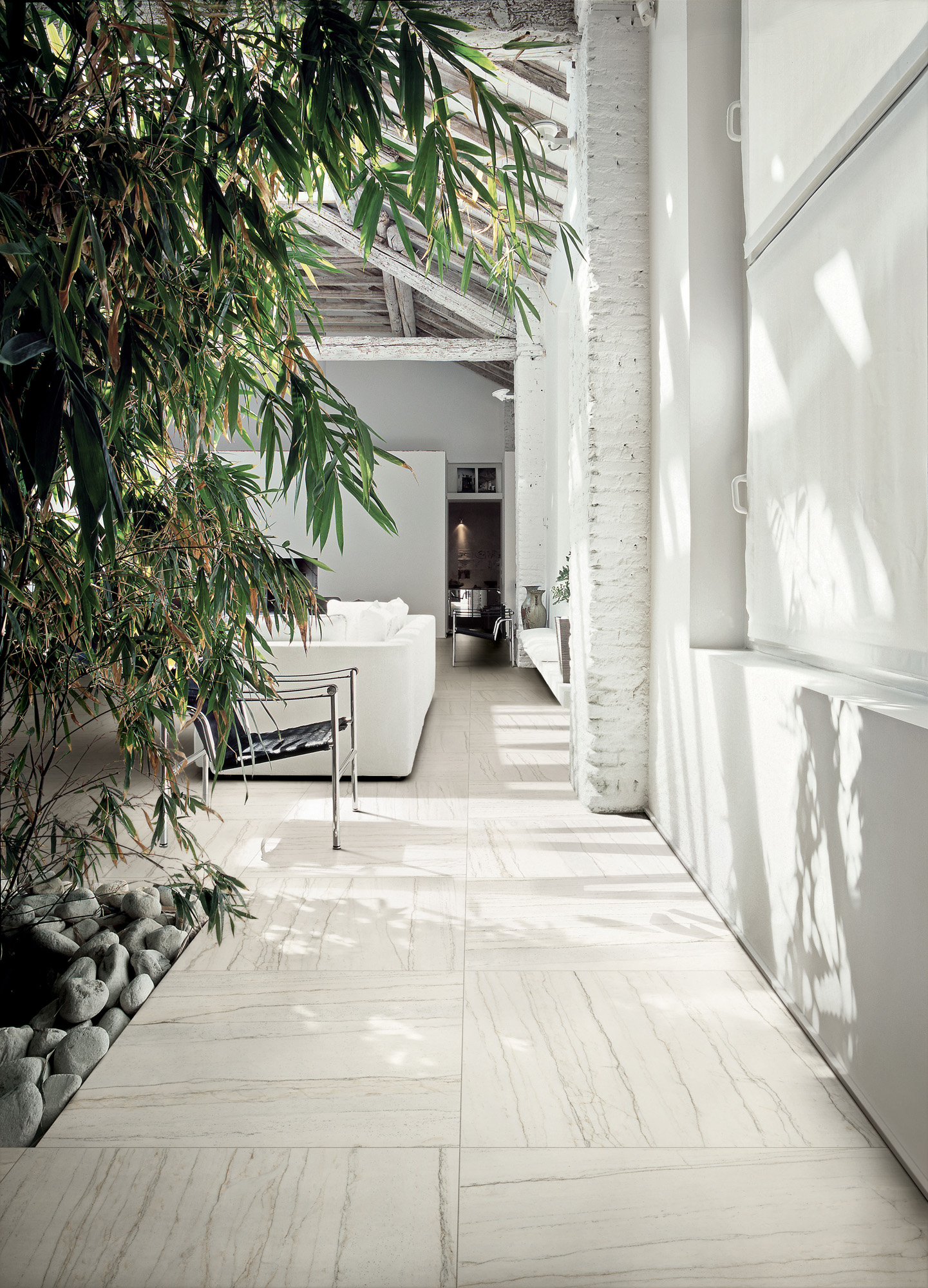
Dense, low-porosity marbles perform best outdoors. I chose Carrara marble for its durability, but Calacatta and certain Greek marbles also work well. Avoid highly porous varieties like some travertines or soft limestones that absorb water readily. Honed finishes provide better slip resistance than polished surfaces. Lighter colors reflect heat better but show stains more easily. Your local climate should influence the choice, with harder marbles preferred in freeze-thaw regions and heat-resistant varieties for hot climates.
What’s the expected lifespan of outdoor marble tiles with proper maintenance?
With proper installation and maintenance, outdoor marble tiles can last 25-50 years or more. I’ve seen century-old marble installations that still look beautiful with appropriate care. The key factors are quality installation, regular sealing, prompt stain treatment, and climate-appropriate maintenance routines. While the initial investment is substantial, the longevity makes it cost-effective over time. Some wear and patina development enhances the natural beauty, creating character that synthetic materials cannot replicate.

Outdoor White Grey Vein Marble Tiles Non-Slip Natural Stone Floor

Marble Tiles for Outdoor and How to Choose One
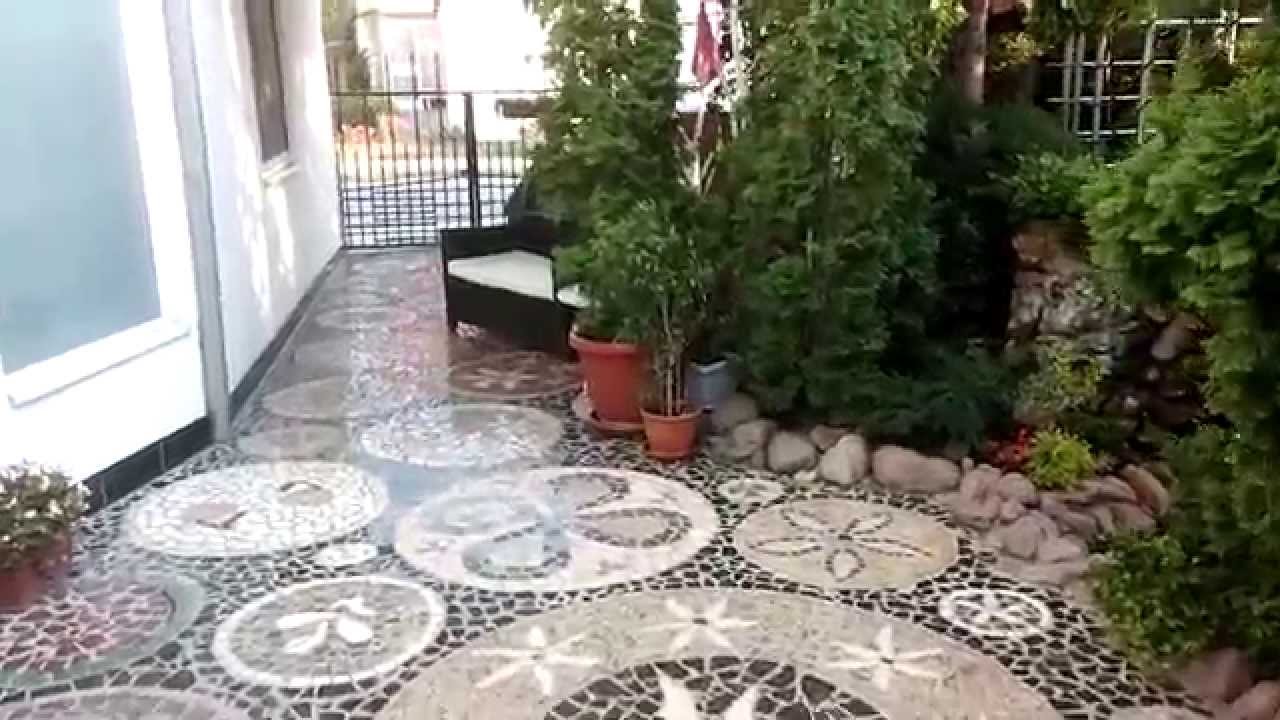
Outdoor Marble Floor Mosaic
Exterior Marble Cleaning and Sealing with Drytreat StainProof
Related Posts: