When I first stepped into my friend’s cabin last summer, I was struck by the gorgeous wood floors beneath my feet. The rich textures, weathered appearance, and natural charm created an atmosphere I desperately wanted in my own home. Little did I know that what captivated me wasn’t real hardwood at all, but rustic laminate flooring. This discovery changed everything about how I viewed affordable home renovation options.
Discovering the Beauty of Rustic Laminate
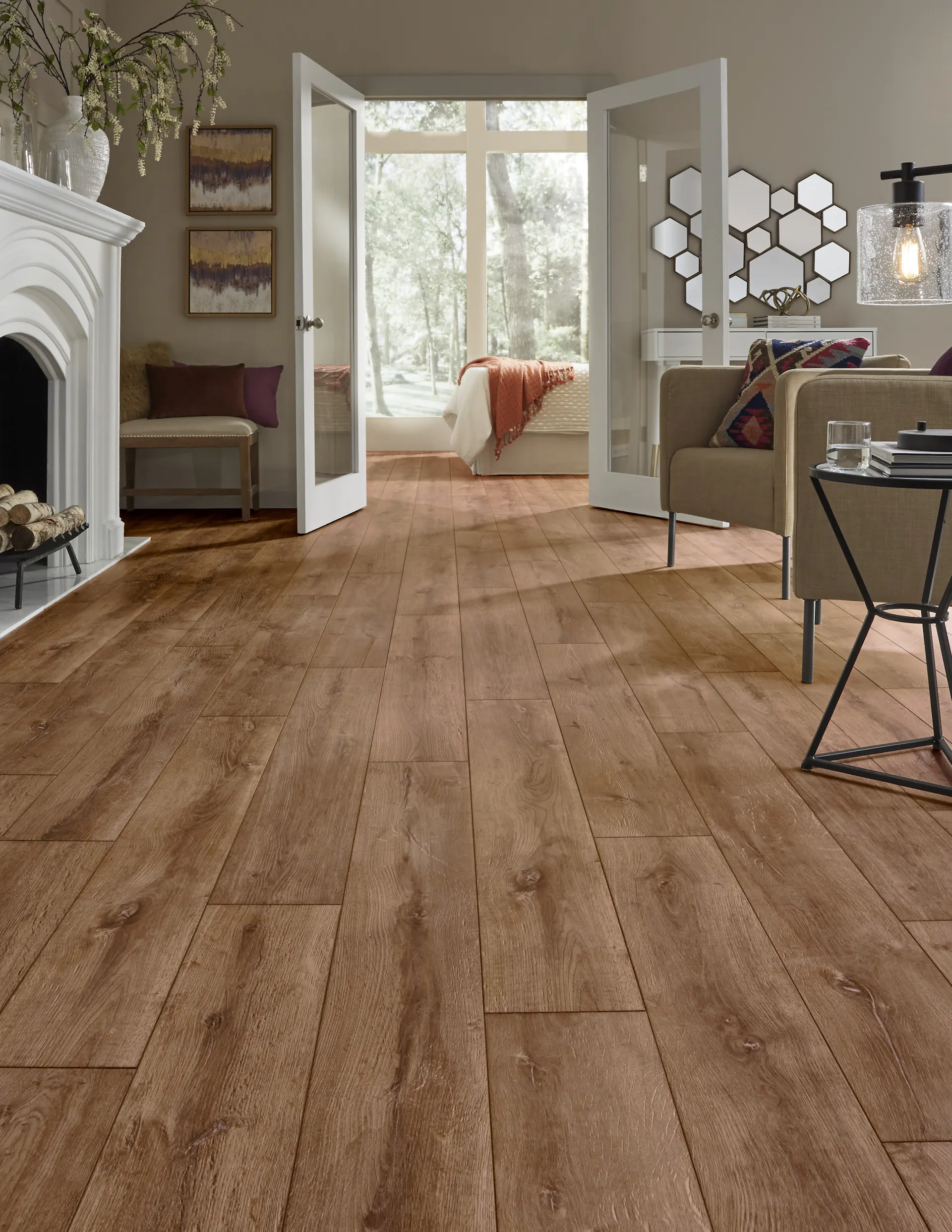
Walking through countless flooring showrooms opened my eyes to the incredible variety available in rustic laminate designs. The manufacturers have mastered creating surfaces that mimic reclaimed barn wood, distressed oak, and weathered pine with remarkable accuracy. I found myself running my hands over samples, amazed at how the embossed textures felt authentically rough and aged beneath my fingertips.
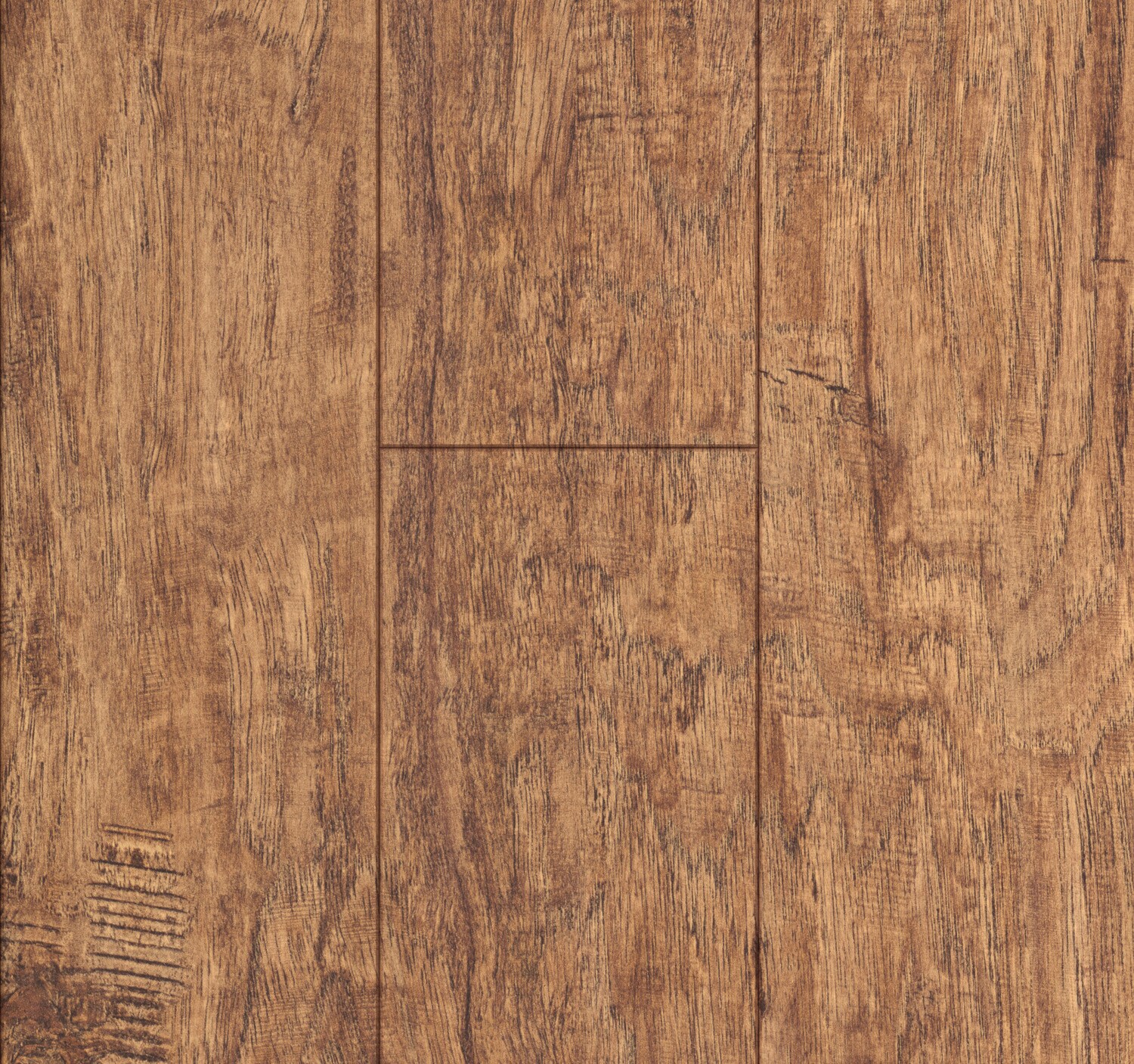
The visual depth impressed me most. Each plank showcased unique grain patterns, knots, and color variations that made them appear genuinely harvested from century-old structures. Some featured hand-scraped effects, while others displayed the worn patina of wood exposed to decades of natural elements. I realized this technology had evolved far beyond my expectations.
My excitement grew as I compared prices. Premium hardwood would have cost me three times more than these laminate alternatives. The rustic styles offered the same visual impact without the hefty price tag. I could finally achieve the farmhouse aesthetic I craved while staying within my modest renovation budget.
Installation Adventures and Learning Curves
I decided to tackle the installation myself, confident in my DIY abilities. The click-lock system seemed straightforward enough in the instructional videos I watched. However, I quickly learned that rustic laminate requires extra attention to detail during installation. The textured surfaces made it crucial to ensure perfectly level subfloors to prevent future squeaking or movement.
My first mistake came when I rushed the acclimation process. I was eager to start and didn’t let the planks adjust to my home’s temperature and humidity for the recommended 48 hours. This oversight caused slight expansion gaps that required me to restart portions of the project. Patience became my most valuable tool during this renovation.
The learning curve taught me valuable lessons about preparation. I invested in proper underlayment, which significantly improved the feel underfoot and reduced noise transmission to the room below. By the third room, my installation speed had doubled, and the finished results looked professionally done. The sense of accomplishment was incredible.
Maintenance Realities I Wish I’d Known
Living with rustic laminate for two years now has taught me important maintenance truths. The textured surfaces that create such beautiful visual appeal also tend to collect dust and debris more readily than smooth flooring options. I’ve adapted my cleaning routine to include more frequent vacuuming and occasional deeper cleaning with specialized laminate cleaners.
Spills require immediate attention, despite the water-resistant claims. I learned this lesson the hard way when a plant overflowed and sat unnoticed for several hours. While the surface remained intact, moisture had seeped into the joints, causing slight swelling. Now I’m vigilant about wiping up any liquid immediately and using mats in high-risk areas.
The good news is that daily maintenance is quite manageable. A quick sweep or vacuum keeps the floors looking fresh, and monthly damp mopping with appropriate cleaners maintains their luster. The rustic finish helps hide minor scratches and wear patterns much better than glossy alternatives would.

Cost Analysis and Budget Considerations
My total investment in rustic laminate flooring came to roughly $4 per square foot, including materials and tools. This represented significant savings compared to genuine reclaimed wood, which would have cost $12-15 per square foot in my area. The budget-friendly nature allowed me to upgrade multiple rooms simultaneously rather than tackling them over several years.
Beyond the initial purchase price, I factored in long-term value considerations. Quality laminate typically lasts 15-20 years with proper care, making the cost per year quite reasonable. The improved home aesthetics and potential resale value add to the overall financial benefits. I felt confident this investment would pay dividends beyond just personal enjoyment.
Hidden costs did emerge during my project. Quality underlayment, transition strips, and specialized cleaning products added approximately 20% to my initial budget estimates. However, even with these additional expenses, the total remained far below hardwood alternatives. I recommend budgeting conservatively to avoid surprises during your installation project.

Performance in Real-Life Conditions
My active household includes two dogs, three kids, and frequent entertaining. The rustic laminate has proven remarkably durable under this constant activity. The textured surface naturally camouflages pet hair, muddy footprints, and the inevitable crumbs from family meals. This forgiving nature has been a tremendous benefit for my busy lifestyle.
Temperature changes throughout the seasons haven’t caused any noticeable expansion or contraction issues. The floors maintain their appearance and structural integrity whether we’re running the heat in winter or air conditioning during hot summers. This stability gives me confidence in the product’s long-term performance characteristics.
High-traffic areas like the kitchen entrance and hallways show minimal wear after two years of heavy use. The protective coating has held up well against chair legs, dropped objects, and daily foot traffic. I’m genuinely impressed by how well these floors have maintained their original appearance despite my family’s active lifestyle.

Making the Right Choice for Your Space
Choosing rustic laminate requires an honest assessment of your specific needs and expectations. I recommend visiting showrooms to feel samples in person, as online photos can’t capture the true texture and depth of these products. Consider your existing décor, lighting conditions, and planned furniture when selecting colors and grain patterns.
Budget considerations should extend beyond just material costs. Factor in installation complexity, required tools, and potential professional help if you’re not comfortable with DIY projects. I found that investing in quality products upfront saved money compared to cheaper options that might require earlier replacement or additional maintenance.
My experience has been overwhelmingly positive, but I acknowledge that rustic laminate isn’t perfect for every situation. High-moisture areas like bathrooms require careful consideration, and homes with radiant heating systems need compatible products. Research thoroughly and consult with flooring professionals to ensure you’re making the best choice for your specific circumstances.
How long does rustic laminate flooring typically last in a busy household?
Based on my experience and research, quality rustic laminate flooring should last 15-20 years in active family homes with proper maintenance. The key factors affecting longevity include installation quality, daily care routines, and the specific product grade you choose. Higher-end laminates with thicker wear layers and better locking systems tend to maintain their appearance longer. My floors still look excellent after two years of heavy use by my family of five plus pets.
Can I install rustic laminate flooring over existing hardwood or tile?
Yes, you can typically install laminate over existing floors if they’re level, clean, and structurally sound. I installed mine over old vinyl in some rooms and concrete in others. The key is ensuring the subfloor doesn’t have any squeaks, loose boards, or significant height variations. You’ll need appropriate underlayment for each surface type. However, installing over carpet requires removal, and very uneven surfaces may need professional leveling before installation begins.

What’s the best way to clean and maintain the textured surface of rustic laminate?
I’ve found that regular vacuuming works better than sweeping for the textured surfaces, as it pulls debris from the grooves more effectively. For weekly cleaning, I use a slightly damp mop with laminate-specific cleaner, never soaking the surface. The texture helps hide minor scratches and daily wear. Avoid wax-based products or steam cleaners, which can damage the protective coating. Immediate cleanup of spills prevents moisture from penetrating joints and causing swelling issues.
How does rustic laminate compare to luxury vinyl plank in terms of appearance and performance?
Having researched both extensively, I chose laminate because it felt more authentic underfoot and had better scratch resistance for my active household. Luxury vinyl offers superior water resistance but often lacks the realistic texture depth that drew me to rustic styling. Laminate generally provides a more solid feeling when walking, while vinyl can feel slightly softer. Both offer excellent visual replication of real wood, but I preferred the harder surface and authentic texture of quality laminate products.
What should I expect regarding sound transmission and acoustics with rustic laminate?
Laminate flooring is naturally louder than carpet but significantly quieter than hardwood when properly installed with quality underlayment. I invested in premium acoustic underlayment, which dramatically reduced sound transmission to rooms below. The textured surface helps muffle footstep noise compared to smooth laminates. However, you’ll still hear more impact noise than with soft flooring options. Consider your living situation and whether downstairs neighbors might be affected by increased noise levels.
Are there specific humidity or temperature requirements I need to maintain for rustic laminate?
Maintaining consistent indoor humidity between 30-50% helps prevent expansion and contraction issues with laminate flooring. I learned this during my first winter when dry air caused slight gaps between planks. Using a humidifier resolved the problem quickly. Extreme temperature fluctuations should be avoided, but normal HVAC systems maintain adequate conditions. The floors handle seasonal changes well, but sudden dramatic shifts in moisture or temperature can cause temporary movement. Proper acclimation before installation prevents most climate-related problems.
Rustic Hickory Dominion Quick Step Laminate Flooring Los
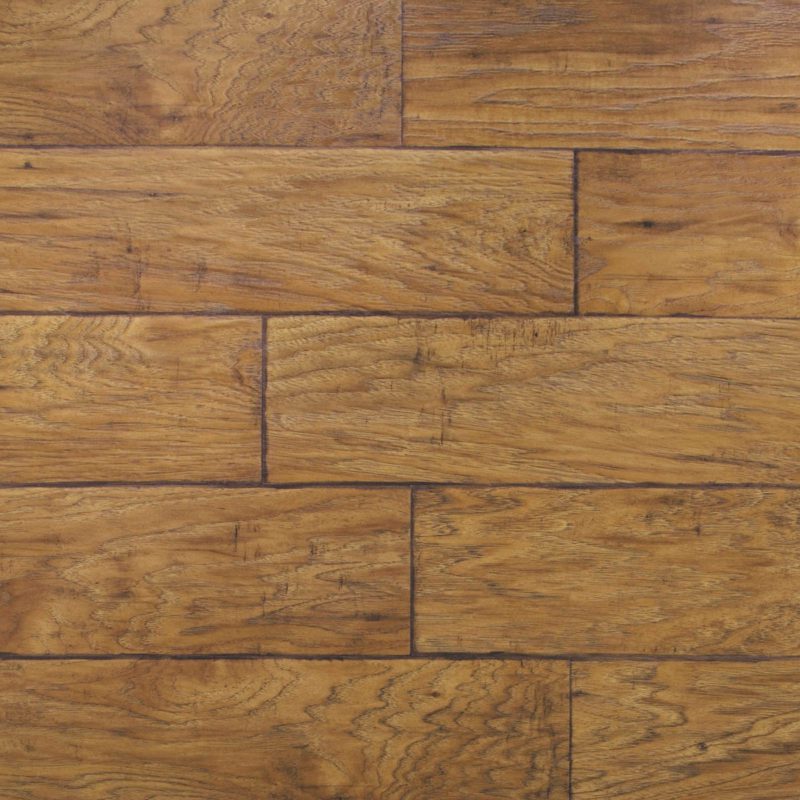
Honey Rustic Hickory – Laminate

Related Posts: