Three years ago, I faced a complete bathroom renovation after discovering water damage beneath my old vinyl flooring. While researching replacement options, I became captivated by the natural beauty and durability of slate tiles. The idea of bringing earth’s raw elegance into my daily routine felt both luxurious and grounding. Despite warnings about maintenance challenges and installation complexity, I decided to pursue this natural stone option. This transformation taught me invaluable lessons about working with natural materials in wet environments.
Selecting the Perfect Slate for My Bathroom
My slate selection journey began at local stone yards, where I spent countless hours examining different varieties and finishes. I quickly learned that not all slate performs equally in bathroom environments. Some varieties proved too porous for high-moisture areas, while others lacked the slip resistance necessary for safe shower floors. I ultimately chose Welsh slate with a natural cleft finish, which provided excellent traction while maintaining the authentic texture I craved for my space.
Color selection presented unexpected challenges as I discovered how dramatically slate appears under different lighting conditions. The charcoal gray tiles I initially loved looked almost black under my bathroom’s existing fixtures, completely changing the room’s atmosphere. I ended up installing new LED lighting specifically chosen to complement the slate’s natural color variations. This taught me the importance of viewing materials under actual installation lighting before making final decisions.
Working with my tile supplier helped me understand grading differences that significantly impact both appearance and performance. Premium grade slate costs more but offers consistent thickness and fewer imperfections, making installation easier and results more professional. I chose a mid-grade option that balanced cost with quality, accepting minor thickness variations that actually enhanced the natural, handcrafted appearance I wanted to achieve in my bathroom renovation.
Installation Challenges in a Wet Environment
Installing slate tiles in my bathroom required specialized techniques I hadn’t encountered with ceramic installations. The natural stone’s irregular thickness demanded careful substrate preparation and flexible adhesive systems. My contractor spent extra time leveling the subfloor and applying appropriate waterproofing membranes. We discovered that standard bathroom adhesives weren’t suitable for slate’s weight and expansion characteristics, requiring premium products designed for natural stone applications.
Cutting slate proved more challenging than anticipated, producing significant dust and requiring diamond blades for clean edges. We set up containment systems to protect other areas of my home from the fine stone dust. The irregular edges and natural texture made achieving tight grout lines difficult, but this imperfection actually contributed to the authentic, rustic appearance I sought. Each tile required individual attention during installation, making the process slower but more precise.
Waterproofing became critical around the shower area, where slate’s natural porosity could allow moisture penetration behind tiles. We installed comprehensive membrane systems and used specialized sealers before grouting. The shower floor required careful sloping to ensure proper drainage, as slate’s texture can hold water if not properly graded. This attention to detail during installation proved essential for preventing future moisture problems and maintaining the slate’s integrity.
Daily Living with Slate Bathroom Floors
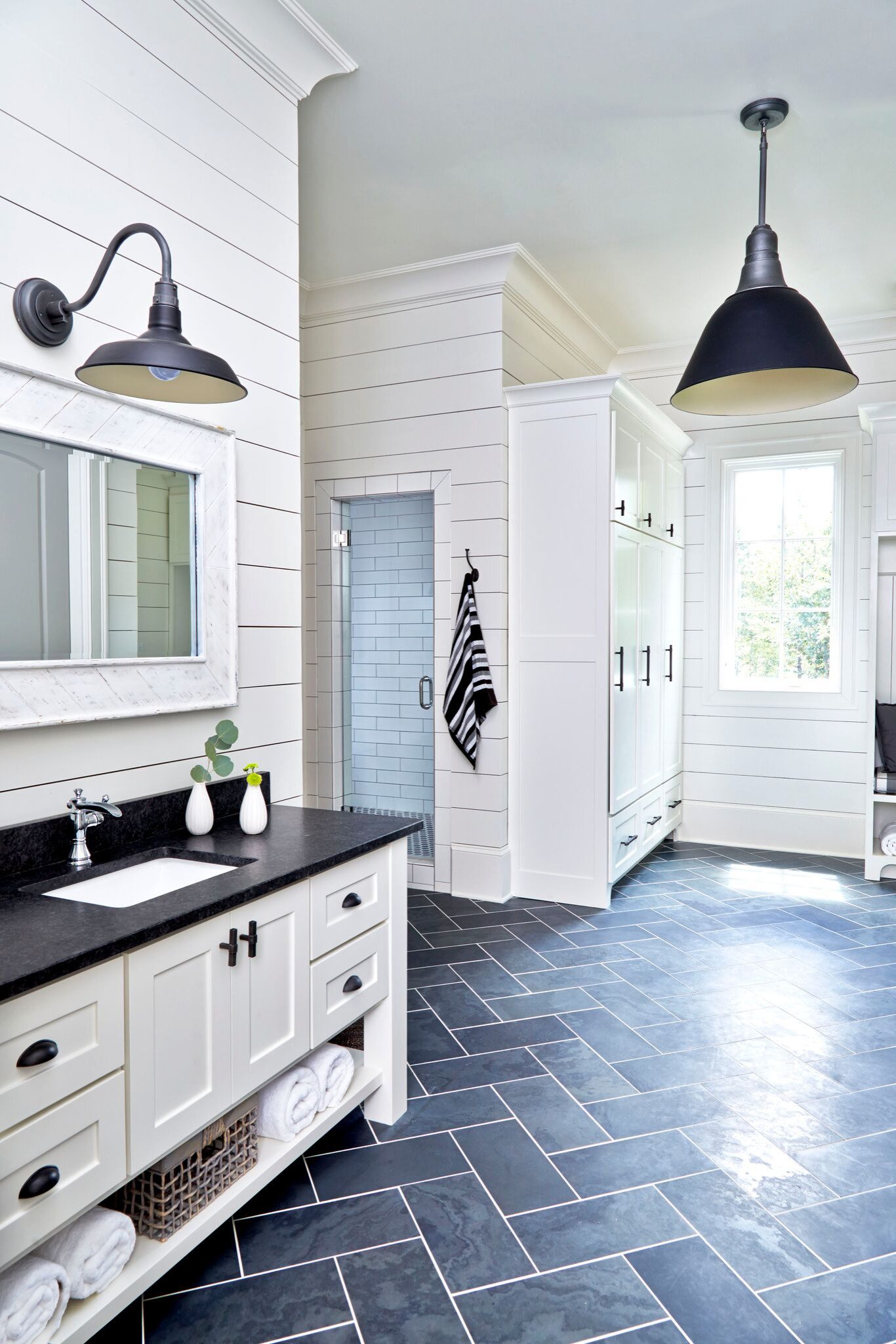
Living with slate floors for three years has taught me to appreciate both their beauty and quirks. The natural texture provides excellent slip resistance, even when wet, giving me confidence during morning showers. However, the stone’s porous nature means it requires different cleaning approaches than ceramic tiles. I’ve developed routines using pH-neutral cleaners that preserve the slate’s natural appearance while preventing etching from acidic bathroom products that could damage the surface.
Temperature regulation surprised me positively, as slate remains comfortably cool during summer months and doesn’t become uncomfortably cold in winter like ceramic tiles. The thermal mass helps moderate bathroom temperature fluctuations throughout the day. However, I added radiant heating beneath the slate in high-traffic areas, which provides luxurious warmth underfoot during cold mornings while complementing the stone’s natural thermal properties perfectly.
Maintenance requirements proved more manageable than expected once I established proper routines. Weekly cleaning with appropriate stone cleaners keeps the slate looking fresh, while monthly deep cleaning addresses any soap residue or mineral deposits. I reseal the grout lines annually and apply penetrating sealers to the slate every two years. This regular maintenance preserves the stone’s natural beauty and protects against staining from typical bathroom products and everyday use.

Dealing with Stains and Water Marks
My first major staining incident taught me valuable lessons about slate’s vulnerability to certain substances. Hair dye accidentally spilled on the floor created a persistent stain that required professional poultice treatment to remove completely. I learned to address spills immediately and keep appropriate cleaning supplies readily available. Metallic containers left rust rings that were difficult to eliminate, teaching me to use protective mats under metal items like shaving cream cans.
Water marks from hard water became an ongoing challenge in my bathroom renovation. Mineral deposits from shower spray and faucet splashing create white residue on the dark slate surface. I installed a water softening system and began wiping down surfaces after each use to prevent buildup. Regular application of stone sealers helps resist water marking, but vigilant maintenance remains necessary to keep the slate looking pristine and natural.
Organic stains from soap scum and body oils proved easier to manage than expected with proper cleaning techniques. I use enzyme-based cleaners monthly to break down organic residues that regular cleaning might miss. The slate’s natural texture actually helps hide minor staining better than smooth ceramic surfaces. Learning to embrace slight patina development has made me appreciate the stone’s evolving character over time, understanding that some weathering enhances rather than detracts from natural beauty.

Cost Considerations and Value Assessment
My slate bathroom floor installation cost significantly more than ceramic alternatives, including premium materials, specialized installation labor, and comprehensive waterproofing systems. The natural stone required professional installation due to weight considerations and technical requirements I couldn’t handle myself. However, I viewed this as a long-term investment in both functionality and aesthetic appeal that would enhance my home’s value while providing daily enjoyment for years to come.
Ongoing maintenance costs include specialized cleaners, periodic sealing treatments, and occasional professional restoration services. I budget approximately $200 annually for maintenance supplies and professional services to keep the slate in optimal condition. This expense feels justified considering the durability and timeless appeal of natural stone compared to synthetic alternatives that might require replacement within a decade of installation and regular use.
The resale value impact has exceeded my expectations, with potential buyers consistently commenting on the bathroom’s natural elegance and sophisticated appearance. Real estate professionals confirm that natural stone installations significantly enhance property values and market appeal. The slate floor has become a focal point that distinguishes my home from others in the neighborhood, creating lasting value that extends far beyond the initial investment required for materials and installation.

Long-Term Performance and Satisfaction
After three years of daily use, my slate bathroom floor continues to perform excellently with minimal wear visible in high-traffic areas. The natural stone’s durability has surpassed my expectations, showing no signs of cracking or significant deterioration despite constant exposure to moisture and temperature fluctuations. Some areas have developed subtle patina that actually enhances the stone’s character, creating depth and visual interest that synthetic materials cannot replicate over time.
Slip resistance remains excellent even after years of use and regular cleaning. The natural cleft surface provides consistent traction that hasn’t diminished with wear. I feel confident using the shower without additional safety measures, though I maintain non-slip mats for guests who might be unfamiliar with the stone’s characteristics. This safety aspect has proven more important than I initially considered when choosing bathroom flooring materials for long-term use.
My satisfaction with the slate installation continues to grow as I appreciate the natural beauty that changes subtly with lighting throughout the day. Morning sunlight reveals different color variations than evening artificial light, creating an ever-changing backdrop for daily routines. The investment in natural stone has provided both practical benefits and aesthetic pleasure that make my bathroom renovation one of the most successful home improvement projects I’ve undertaken in recent years.
How slippery are slate tiles when wet in a bathroom setting?
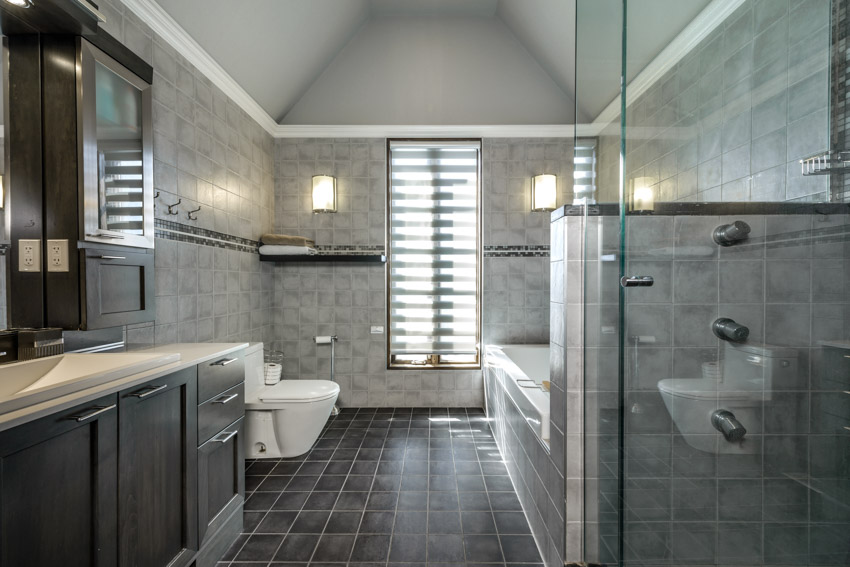
Slate tiles with natural cleft finishes provide excellent slip resistance when wet, much better than polished ceramic or porcelain tiles. I’ve never experienced slipping issues in my bathroom, even with soapy water on the surface. The key is choosing slate with textured rather than smooth finishes. Honed or polished slate becomes much more slippery when wet and isn’t recommended for bathroom floors. Natural cleft slate maintains traction even in shower areas, though I still recommend bath mats for extra safety around tubs and high-splash zones.
What’s the best way to seal slate bathroom floors?
I seal my slate bathroom floors with penetrating sealers every two years, applying them during dry weather when humidity is low. The process involves thorough cleaning, allowing complete drying, then applying sealer with a foam brush in thin, even coats. I use impregnating sealers that penetrate the stone rather than surface sealers that can wear off quickly. Two coats provide optimal protection, with 24-hour drying time between applications. Proper ventilation during sealing is essential for safety and proper curing.

Can slate tiles crack or chip easily in bathroom environments?
Quality slate tiles are quite durable and resistant to cracking when properly installed over adequate subflooring. I haven’t experienced any cracks or chips in three years of daily use. However, dropping heavy objects can chip edges, and thermal shock from extreme temperature changes might cause cracking. Proper installation with flexible adhesives and expansion joints prevents most structural issues. Lower-quality slate with existing stress fractures may develop problems over time, which is why purchasing from reputable suppliers and choosing appropriate grades is crucial.
How do you clean slate bathroom floors without damaging them?
I clean my slate floors weekly using pH-neutral stone cleaners mixed with warm water, never acidic products like vinegar that can etch natural stone. For daily cleaning, I sweep or vacuum loose debris, then mop with appropriate stone cleaners. Stubborn stains require poultices made from baking soda paste left overnight. I avoid abrasive scrubbers that could scratch the surface and never use bleach or ammonia-based cleaners. Monthly deep cleaning with enzyme cleaners removes soap residue and organic buildup that regular cleaning might miss.

What thickness of slate tile works best for bathroom floors?
I installed 12mm thick slate tiles, which provide excellent durability while remaining manageable for installation. Thicker tiles offer better durability and thermal mass but require more substrate preparation and stronger adhesives. Thinner tiles under 8mm may crack under point loads or with substrate movement. Standard 10-12mm thickness works well for most bathroom applications, providing good performance without excessive weight. The substrate must be perfectly level and well-supported regardless of tile thickness to prevent cracking from structural movement or settling.
How long do slate bathroom floors typically last with proper maintenance?
With proper installation and maintenance, slate bathroom floors can last 50+ years or even centuries, as evidenced by historic buildings with original slate still in excellent condition. My tiles show minimal wear after three years of daily use. The key factors are quality installation, appropriate sealing, and regular maintenance with proper cleaning products. Natural stone actually improves with age, developing character and patina that enhance rather than detract from appearance. Unlike synthetic materials that deteriorate and require replacement, quality slate represents a lifetime investment in both function and beauty.
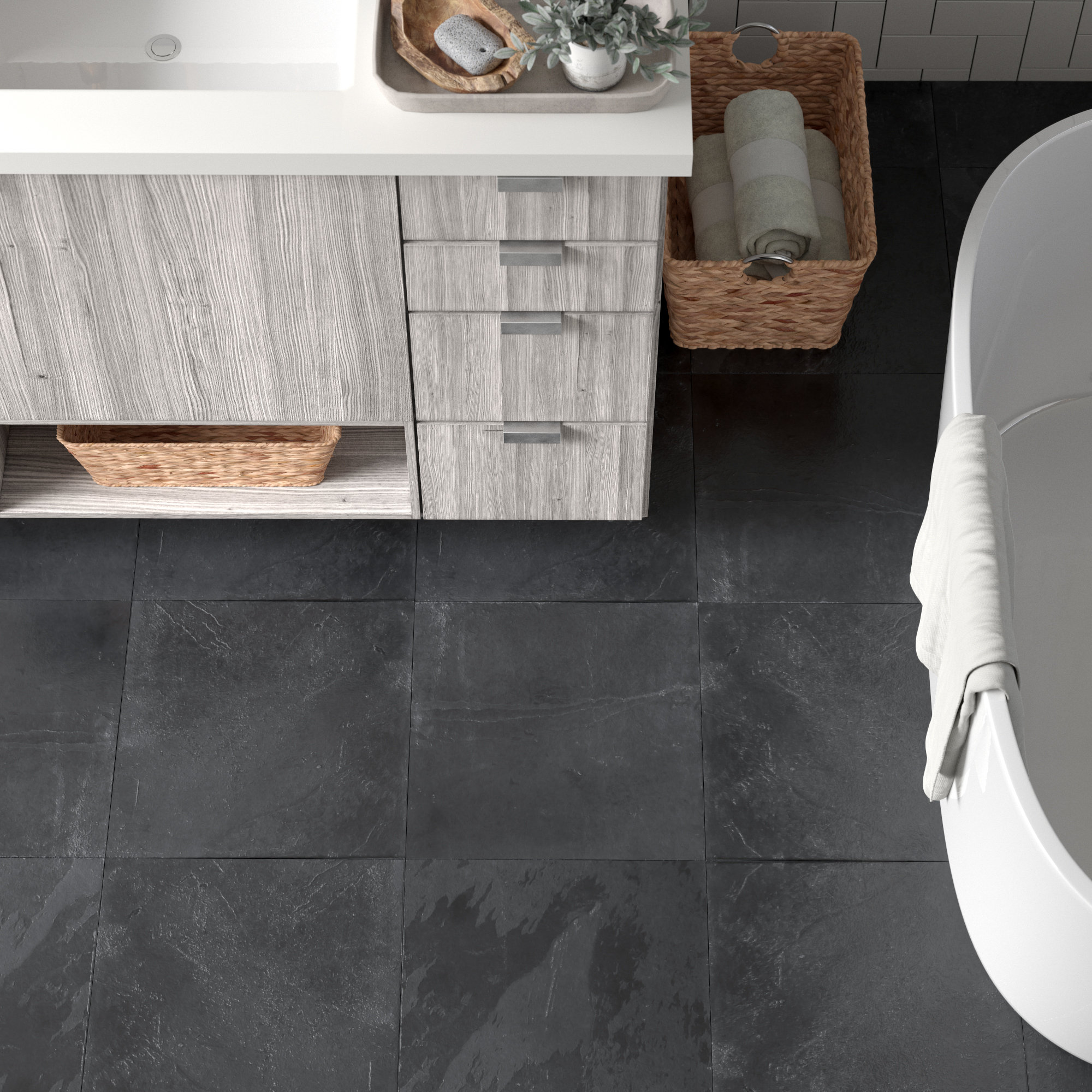
Black Slate Wall and Floor Tile – 12 x 12 in – The Tile Shop
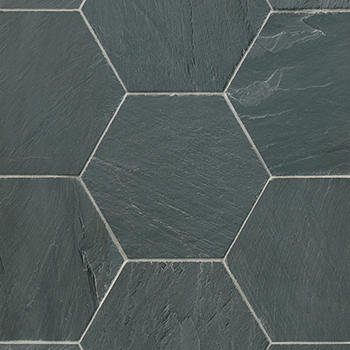
Great Reasons to Install a Slate Tile Floor in your Home
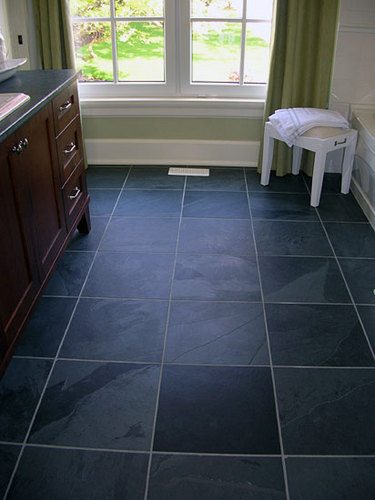
Grey slate bathroom floor tiles ideas

Slate Bathroom Floor THE CAVENDER DIARY

Related Posts: