I fell in love with modern light wood flooring during my first Scandinavian-inspired renovation project eight years ago, and it completely transformed my understanding of how flooring can shape interior spaces. The clean lines, natural warmth, and versatile beauty of light woods, such as white oak, ash, and maple, have become my signature elements in contemporary design projects. Through numerous installations and client consultations, I’ve discovered that light wood floors create the perfect foundation for modern living, offering a timeless appeal that adapts beautifully to changing design trends and personal styles.
Selecting the Perfect Light Wood Species
I always begin my wood selection process by examining grain patterns and natural characteristics that define each species. White oak remains my top recommendation because its subtle grain creates sophisticated backgrounds without overwhelming other design elements. The consistent coloring and excellent durability make it ideal for busy households seeking both beauty and practicality in their flooring choices.
Ash offers another exceptional option that I frequently specify for clients wanting more pronounced grain patterns. The light coloring with subtle gray undertones complements modern color palettes perfectly while providing the visual interest that makes spaces feel dynamic and alive. This species accepts stains beautifully, allowing customization while maintaining its inherent contemporary appeal.
Maple provides the lightest natural option in my experience, creating bright, airy atmospheres that maximize natural light throughout spaces. The fine, uniform grain pattern works exceptionally well in minimalist designs where simplicity and cleanliness take priority. However, maple’s hardness requires careful installation techniques to prevent splitting and ensure long-term performance.
Installation Methods That Maximize Modern Appeal
I prefer engineered wood products for most modern installations because they offer superior stability and installation flexibility. The layered construction prevents the seasonal movement that can create gaps in solid wood floors, maintaining the clean, consistent appearance that contemporary design demands. Multiple installation methods accommodate various subfloor conditions and architectural requirements.
Floating installations have become my go-to method for most projects because they’re faster, cleaner, and accommodate radiant heating systems beautifully. The click-lock systems in premium engineered products create secure connections without adhesives or nails, allowing floors to move naturally while maintaining tight seams. This method also permits easier replacement of damaged boards later.
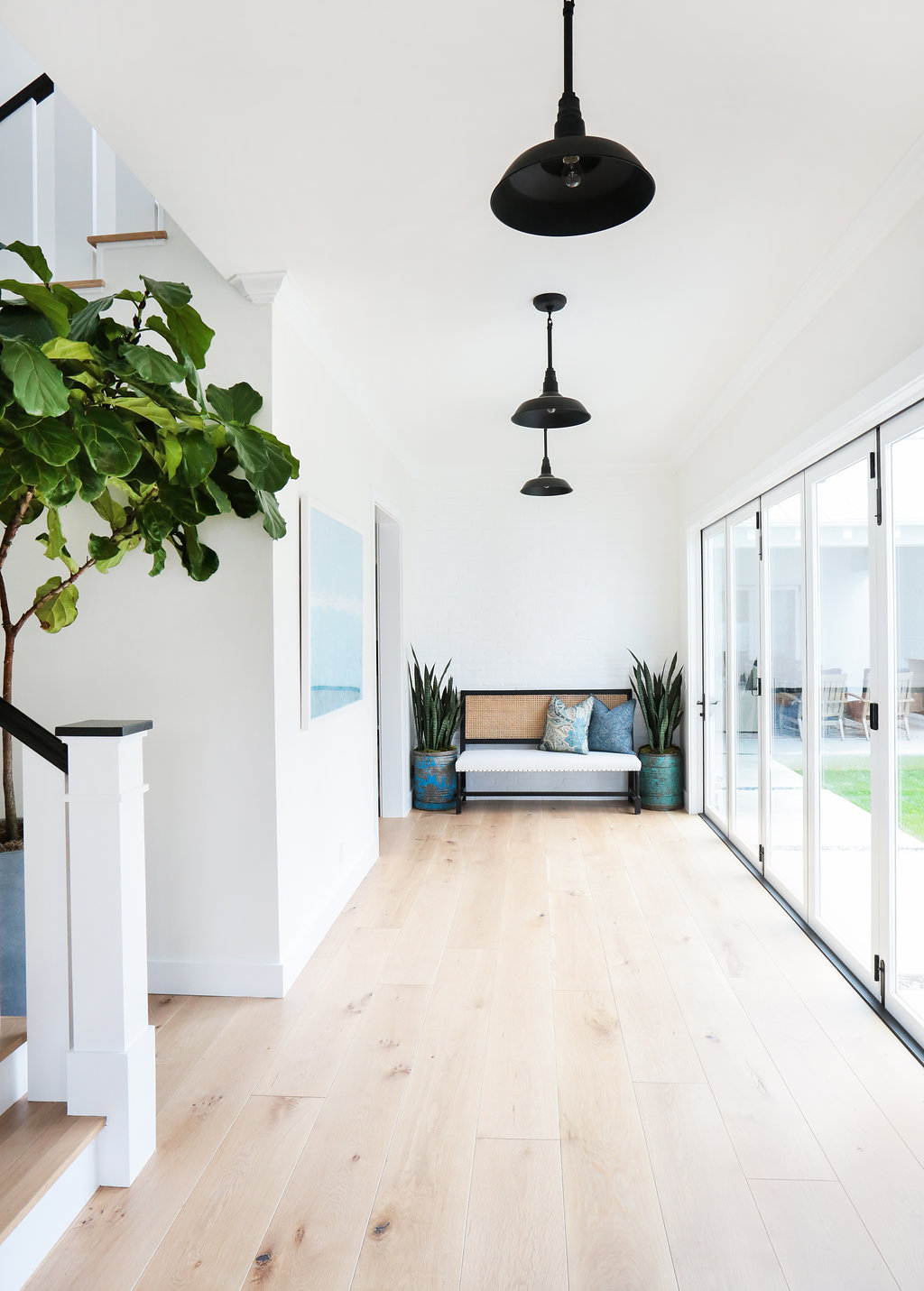
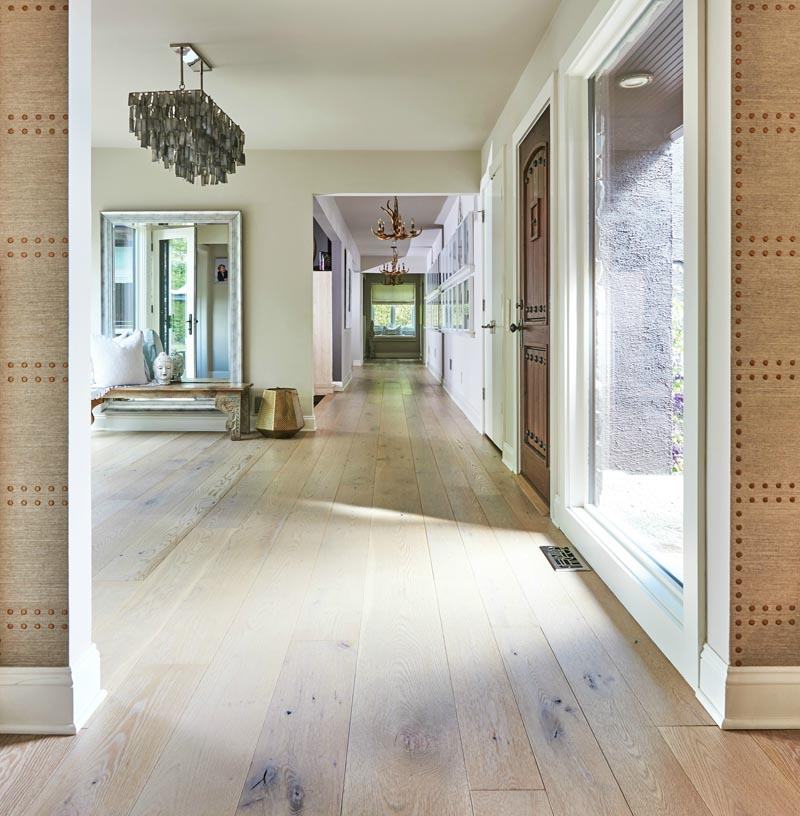
Wide plank formats enhance the modern aesthetic I strive to achieve in contemporary spaces. I typically specify planks between 5-9 inches wide because they create fewer seam lines and showcase wood’s natural beauty more effectively. The larger scale feels more luxurious while reducing visual complexity that can make spaces feel cluttered or busy.
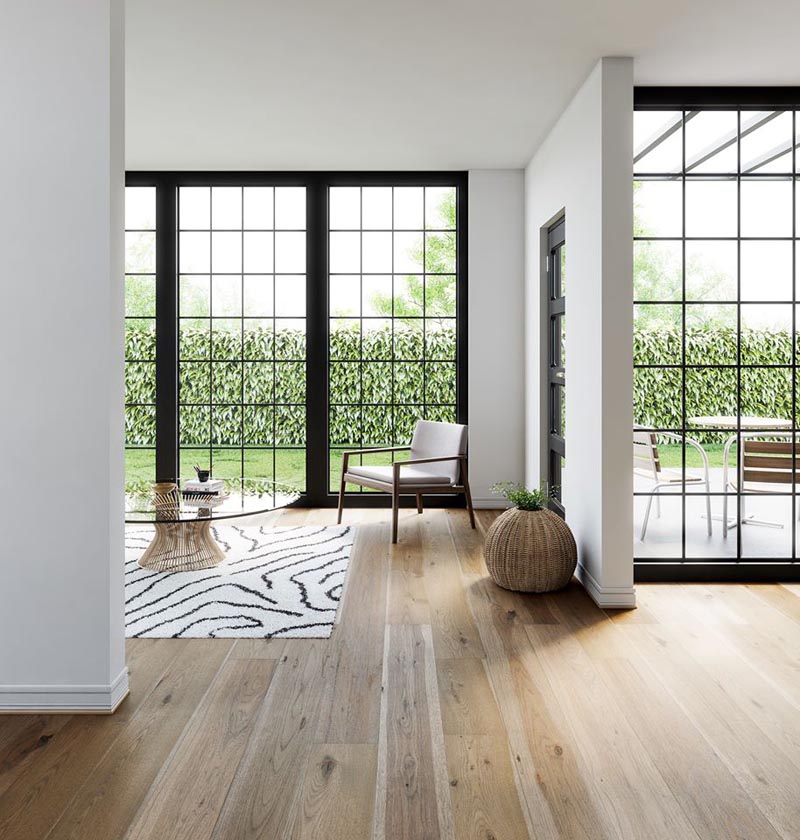
Finishing Options for Contemporary Aesthetics
Matte and satin finishes dominate my modern installations because they provide natural appearances without excessive shine that can feel dated or overly formal. These finishes hide scratches and wear better than glossy alternatives while maintaining the authentic wood character that makes natural materials so appealing in contemporary design schemes.
Wire-brushed textures add subtle dimension and tactile interest that I incorporate frequently in modern projects. The mechanical brushing process highlights natural grain patterns while creating slight texture variations that catch light beautifully throughout the day. This finishing technique bridges the gap between rustic and contemporary aesthetics perfectly.
Natural oil finishes have gained popularity in my recent projects because they penetrate wood fibers rather than creating surface films. These finishes enhance wood’s natural beauty while providing protection that can be easily maintained and refreshed over time. The authentic appearance aligns perfectly with modern design’s emphasis on natural materials and honest construction.
Color Trends and Staining Techniques
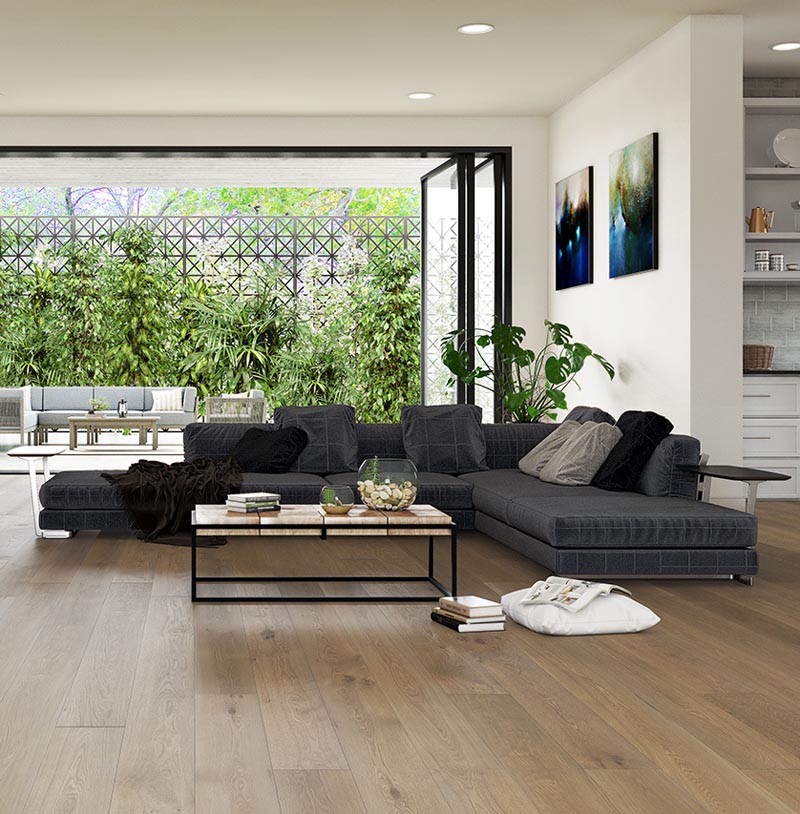
I’ve noticed a significant shift toward cooler undertones in recent years, with gray-washed and whitewashed finishes becoming increasingly popular among my clients. These treatments maintain wood’s natural grain while creating the light, airy feel that modern design celebrates. The neutral base works beautifully with both warm and cool color palettes.
Bleaching techniques create the lightest possible wood colors that I use when clients want maximum brightness and minimalist appeal. This process removes natural tannins and color variations, resulting in uniformly light surfaces that feel almost ethereal. However, bleached woods require careful maintenance to prevent yellowing and maintain their pristine appearance over time.
Custom staining allows me to achieve specific color goals while working with each wood species’ unique characteristics. I often create subtle color gradations or enhance natural variations to add visual interest without compromising the clean aesthetic that modern design requires. Testing is crucial because different woods accept stains differently.

Maintenance Strategies for Lasting Beauty
My daily maintenance routine emphasizes prevention over correction, protecting the pristine appearance that makes modern light wood floors so appealing. I recommend microfiber dust mops for daily cleaning because they capture fine particles without scratching delicate finishes. This simple habit prevents abrasive buildup that can dull surfaces and compromise the floor’s contemporary appearance.
Spill management requires immediate attention to prevent staining and water damage that can ruin light wood’s beautiful appearance. I keep microfiber cloths readily available and blot spills immediately rather than wiping, which can spread liquids into the wood grain. Quick response prevents most damage while maintaining the immaculate look that modern design demands.
Periodic deep cleaning involves damp mopping with pH-neutral cleaners specifically formulated for wood floors. I avoid excessive moisture and harsh chemicals that can damage finishes or cause wood discoloration. Professional refinishing every 7-10 years maintains optimal appearance while addressing wear patterns that develop in high-traffic areas over time.

Integration with Modern Interior Design
I use light wood floors as neutral foundations that allow furniture and accessories to become focal points in contemporary spaces. The subtle coloring and clean lines complement modern furnishings without competing for attention, creating harmonious environments where every element works together cohesively. This approach maximizes design flexibility while maintaining sophisticated aesthetics.
Open floor plans benefit tremendously from continuous light wood flooring that I extend throughout connected spaces. This technique creates visual flow and makes areas feel larger while maintaining design consistency that modern living demands. The uniform flooring eliminates transitions that can interrupt sight lines and create visual complexity.
Natural light interaction with light wood creates the bright, welcoming atmospheres that define successful modern interiors in my experience. The reflective qualities of light woods help distribute daylight throughout spaces, reducing reliance on artificial lighting while creating the connection to nature that contemporary design celebrates through material choices and color palettes.
What’s the best light wood species for high-traffic areas?
I recommend white oak for high-traffic spaces because it combines light coloring with exceptional durability and scratch resistance. The tight grain structure and natural hardness withstand heavy use while maintaining its beautiful appearance over time. Proper finishing with quality polyurethane provides additional protection against wear, stains, and moisture damage that can occur in busy household areas.
Can light wood floors work with dark furniture and bold colors?
Light wood floors create perfect neutral backdrops for dark furniture and vibrant colors in my design projects. The contrast adds visual drama while the light flooring prevents spaces from feeling heavy or overwhelming. This combination allows bold design elements to stand out while maintaining balance and sophistication throughout contemporary interiors.
How do I prevent light wood floors from showing dirt and scratches?
Regular maintenance prevents the most visible dirt and scratch accumulation on light wood floors. I recommend daily dust mopping, immediate spill cleanup, and furniture pads to minimize surface damage. Strategic area rug placement in high-traffic zones protects floors while adding design interest. Matte finishes hide minor imperfections better than glossy alternatives.
Is radiant heating compatible with modern light wood flooring?
Engineered light wood flooring works excellently with radiant heating systems that I install regularly in contemporary homes. The layered construction provides stability while allowing efficient heat transfer. Floating installation methods accommodate thermal expansion and contraction naturally. Proper acclimation and gradual temperature changes prevent damage while maintaining comfortable, energy-efficient heating throughout the winter months.

What’s the cost difference between solid and engineered light wood?
Engineered light wood typically costs 20-30% less than solid hardwood in my experience, though premium engineered products can approach solid wood prices. Installation costs are often lower due to easier handling and faster installation methods. Long-term value depends on quality, with good engineered floors lasting decades while providing similar beauty and performance to solid alternatives.
How do I achieve the Scandinavian look with light wood floors?
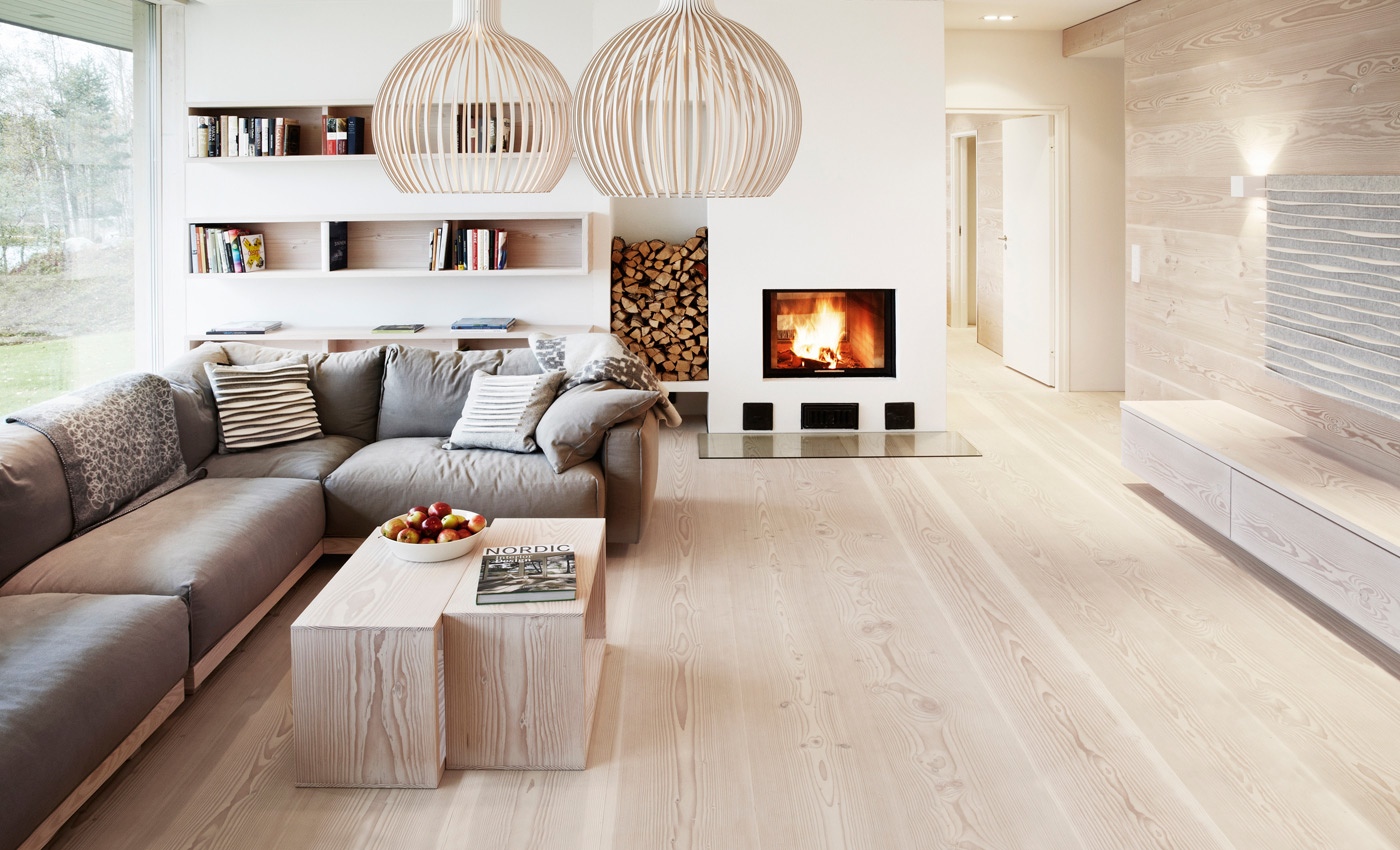
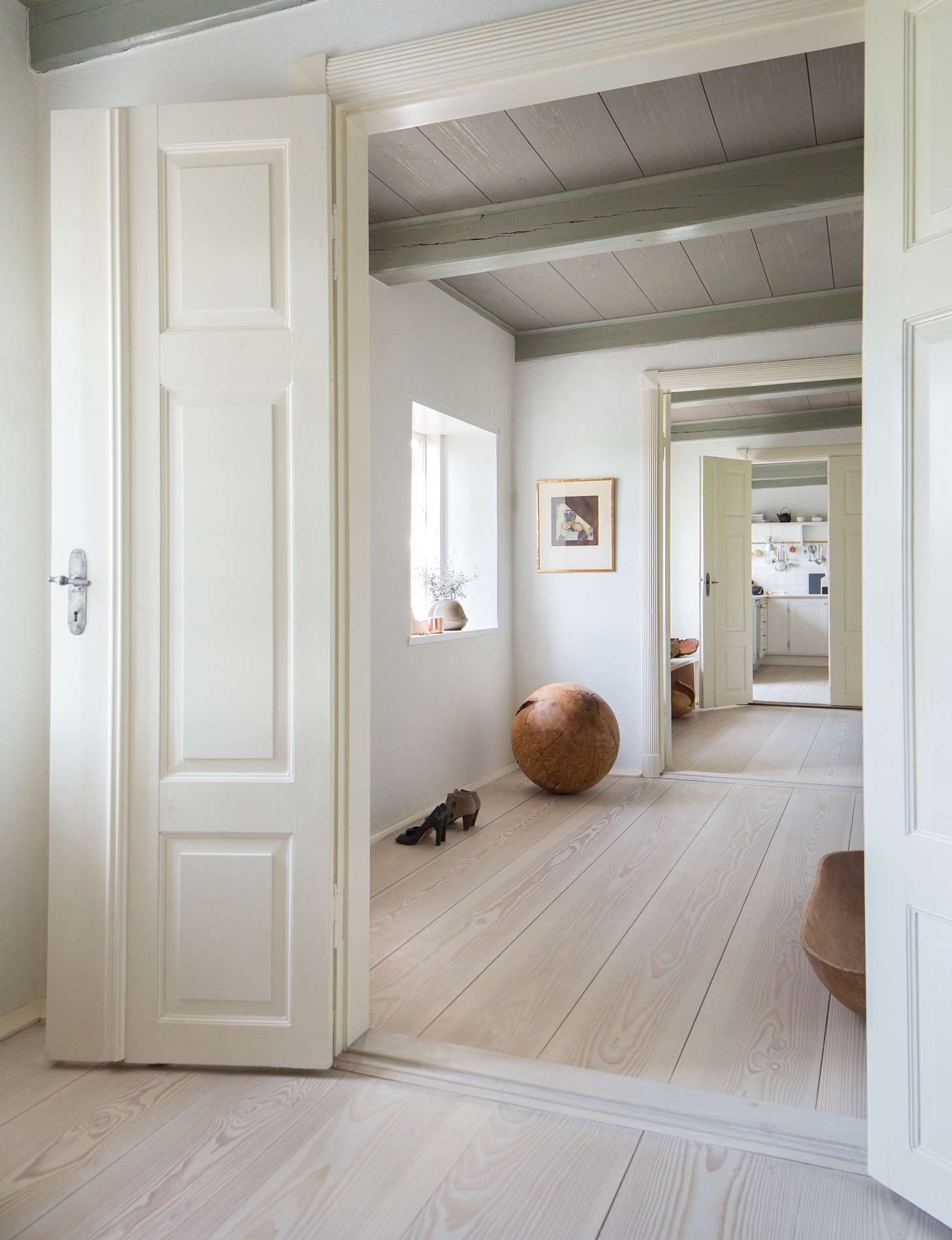
I create authentic Scandinavian aesthetics using wide-plank white oak or ash with natural oil finishes and minimal color treatment. The key involves embracing wood’s natural character while maintaining clean, simple lines. Pair with white walls, natural textiles, and minimal furniture for an authentic Nordic style that celebrates natural materials and functional beauty throughout the space.
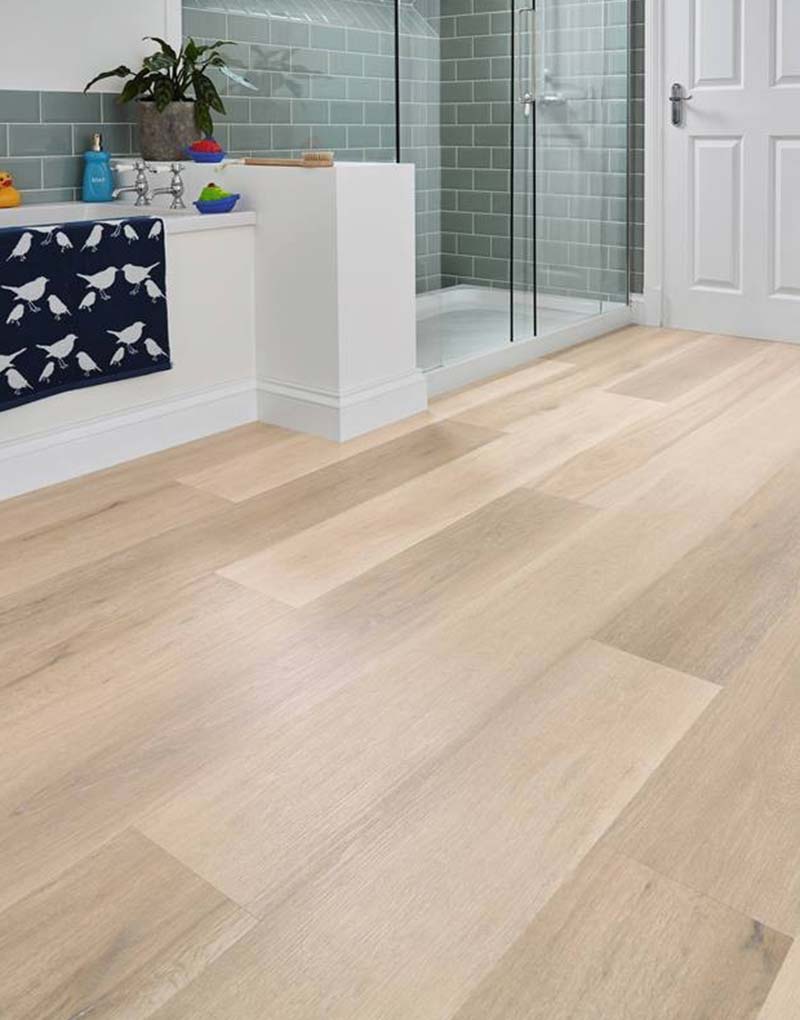
Light wood floors, light colored engineered wood flooring
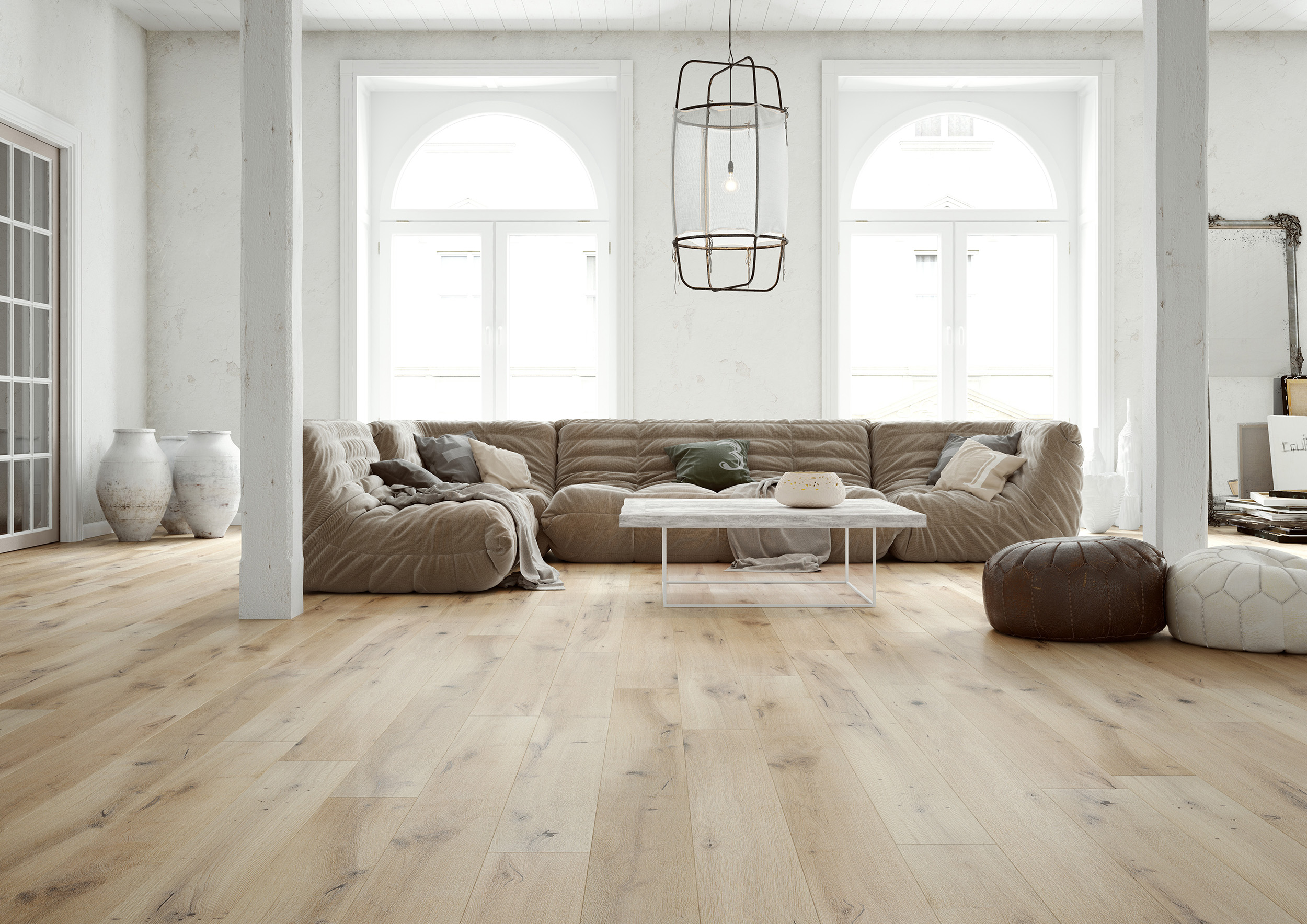
Light hardwood floors in interior design
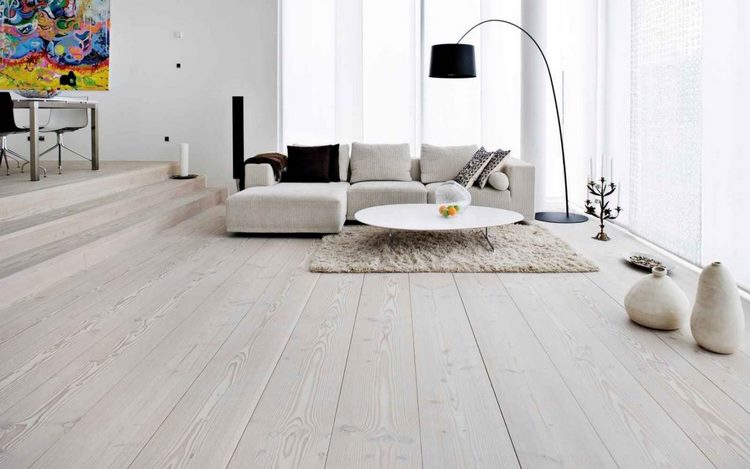
Hottest Trending Kitchen Floor
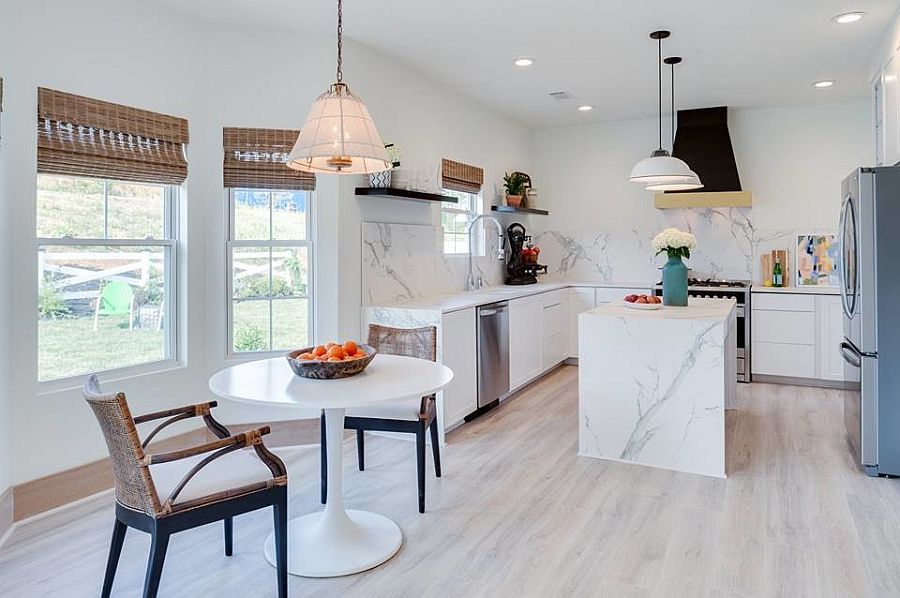
Light wood floors, light colored engineered wood flooring – Barlinek
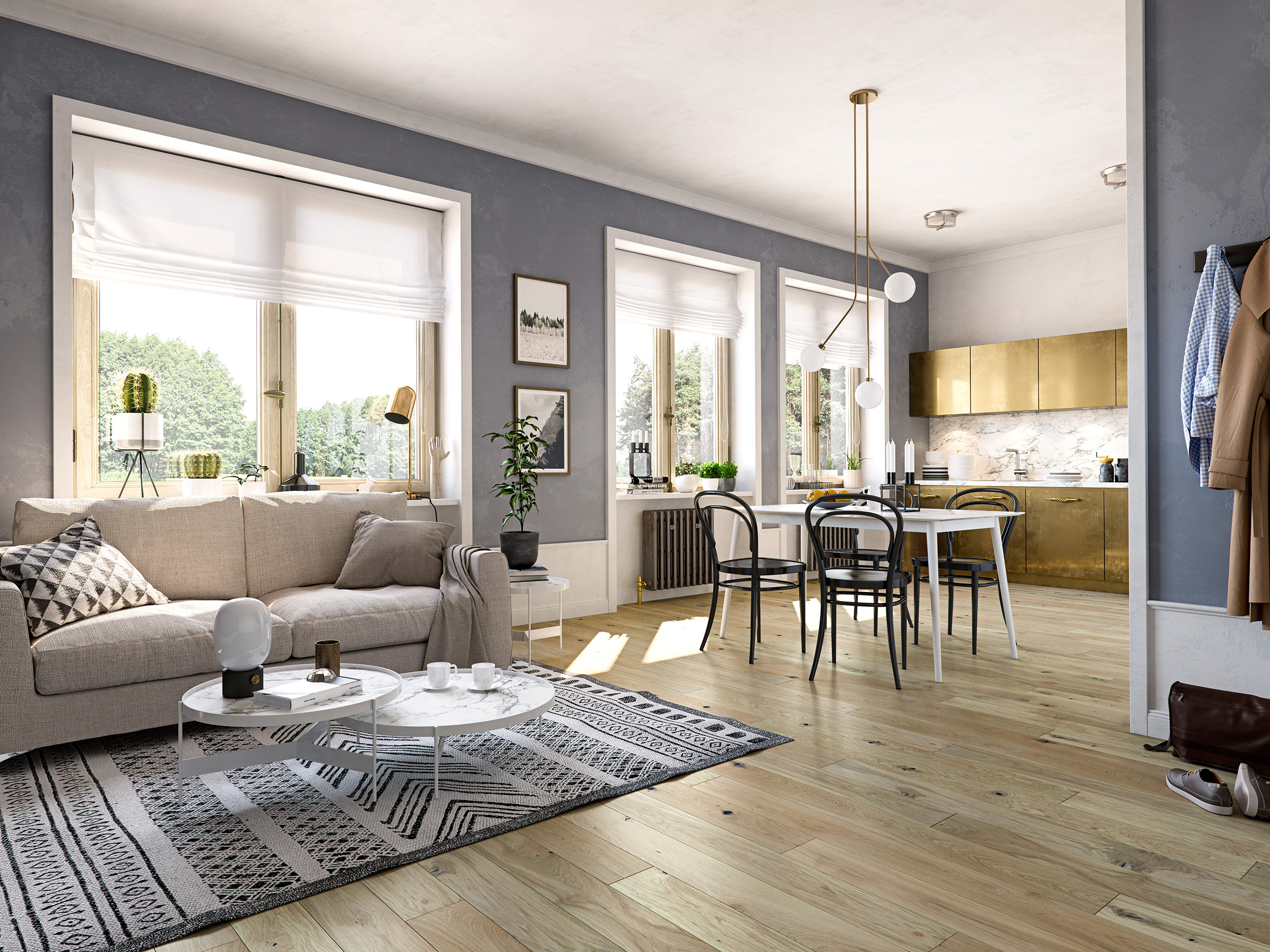
Modern Contemporary Dining Rooms with Light Wood Flooring

Designing With Lighter-Toned Wide Plank Wood Flooring
A Guide to the Only 6 Wood Flooring Styles You
Related Posts: