I first encountered commercial grade bamboo flooring fifteen years ago when a client requested an eco-friendly solution for their busy restaurant, and it completely changed my perspective on sustainable commercial flooring options. What started as skepticism about bamboo’s durability in high-traffic environments has evolved into genuine enthusiasm for this remarkable material. Through numerous commercial installations in offices, retail spaces, restaurants, and healthcare facilities, I’ve witnessed bamboo’s exceptional performance while learning the critical factors that separate successful projects from disappointing failures.
Understanding Commercial Grade Bamboo Construction
I always begin by explaining the fundamental differences between residential and commercial grade bamboo products to my clients. Commercial grade bamboo features denser construction, thicker wear layers, and superior adhesive systems that withstand the punishment of heavy foot traffic, rolling carts, and frequent cleaning. The manufacturing process involves higher pressure and temperature treatments that create incredibly durable surfaces.
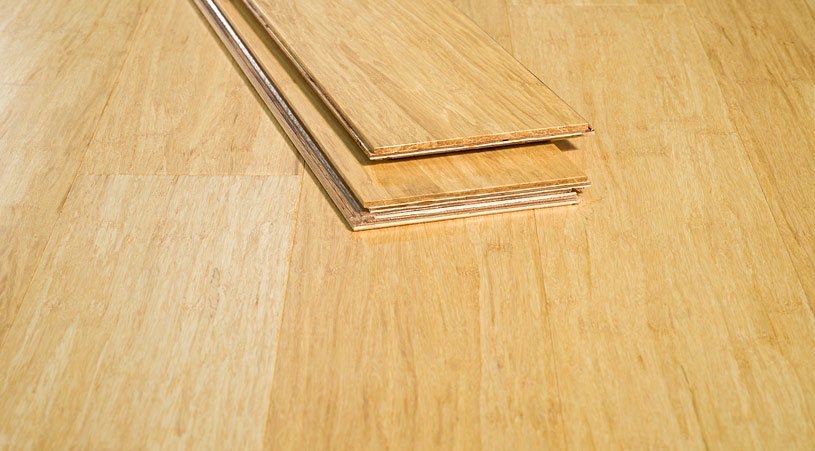
Strand woven bamboo represents the premium option that I specify for the most demanding commercial applications. This construction method shreds bamboo fibers and recompresses them with resins under extreme pressure, creating products that rival traditional hardwoods in durability while maintaining bamboo’s environmental benefits. The resulting material tests harder than many oak species on standard hardness scales.
Layer composition varies significantly between manufacturers, and I’ve learned to scrutinize these details. Quality commercial products feature aluminum oxide wear layers, moisture-resistant cores, and dimensional stability systems that prevent the warping and gapping that plague inferior products. The investment in premium construction pays dividends through extended service life and maintained appearance.
Installation Considerations for Commercial Environments
Subfloor preparation takes on critical importance in commercial installations where I cannot afford callbacks or performance failures. I insist on moisture testing, levelness verification, and structural adequacy assessments before proceeding with any bamboo installation. Commercial environments often present challenging conditions that require specialized preparation techniques and materials.
Adhesive selection becomes crucial for long-term success in demanding commercial applications that I encounter regularly. I use only commercial-grade urethane adhesives that provide superior bond strength and flexibility while resisting moisture and temperature fluctuations. The extra cost pales compared to the expense of premature failure and business disruption from inadequate installations.
Expansion joints and transition details require careful planning in large commercial spaces where bamboo must accommodate significant thermal movement. I calculate expansion requirements based on space dimensions and environmental conditions, incorporating appropriate expansion zones that maintain structural integrity while preserving aesthetic continuity throughout the installation.
Durability Testing and Performance Standards
I rely heavily on standardized testing data when selecting bamboo products for commercial applications where performance cannot be compromised. Janka hardness ratings, abrasion resistance scores, and dimensional stability measurements provide objective comparisons between products and manufacturers. These specifications help predict real-world performance in specific commercial environments.
Traffic classification systems guide my product selection process for different commercial applications. Light commercial products work well in offices and retail spaces, while heavy commercial grades handle restaurants, healthcare facilities, and industrial environments. Matching product capabilities to actual usage patterns prevents premature wear and ensures client satisfaction.
Impact resistance testing reveals bamboo’s exceptional ability to withstand dropped objects and concentrated loads that occur regularly in commercial settings. I’ve observed bamboo floors in busy kitchens and warehouses that continue performing beautifully after years of abuse that would destroy many traditional flooring materials. This resilience makes bamboo an excellent long-term investment.

Maintenance Requirements for Commercial Success
My commercial maintenance programs emphasize prevention and systematic care that preserves bamboo’s appearance while maximizing service life. Daily dust mopping removes abrasive particles that can scratch surfaces, while weekly damp mopping with appropriate cleaners maintains hygienic conditions without damaging protective finishes. Consistent maintenance prevents the most common problems entirely.
Spill response protocols become essential in commercial environments where liquids and contaminants pose constant threats to flooring integrity. I train facility staff on immediate cleanup procedures and provide appropriate cleaning supplies that won’t damage bamboo surfaces. Quick response prevents staining and moisture penetration that can cause permanent damage.
Periodic refinishing extends bamboo floor life significantly in high-traffic commercial applications, where I’ve observed excellent results. The thick wear layers in commercial-grade products allow multiple refinishing cycles, making bamboo a cost-effective long-term flooring solution. Professional refinishing every 5-7 years maintains optimal appearance and performance.
Environmental Benefits and Sustainability Factors
I emphasize bamboo’s rapid regeneration properties when discussing sustainability with environmentally conscious clients. Bamboo reaches harvestable maturity in 3-5 years compared to decades for traditional hardwoods, making it one of the most renewable flooring materials available. This quick growth cycle allows continuous harvesting without environmental depletion.
Carbon sequestration capabilities make bamboo an excellent choice for organizations pursuing carbon neutrality goals that many of my commercial clients embrace. Bamboo absorbs more carbon dioxide during growth than most tree species while producing 35% more oxygen. These environmental benefits align perfectly with corporate sustainability initiatives and green building certifications.
Manufacturing processes for quality bamboo flooring minimize waste and chemical usage through efficient production methods that I’ve observed during factory visits. Many manufacturers use formaldehyde-free adhesives and low-VOC finishes that contribute to healthier indoor air quality. These considerations become increasingly important in commercial environments where occupant health is paramount.
Cost Analysis and Return on Investment
Initial material costs for commercial grade bamboo typically fall between premium vinyl and mid-range hardwood in my pricing experience. While not the cheapest option available, bamboo’s durability and longevity often provide superior value over the flooring’s service life. The environmental benefits and unique appearance justify premium pricing for many commercial clients.
Installation costs remain competitive with other commercial flooring options because bamboo uses standard hardwood installation techniques and tools. My crews can install bamboo efficiently without specialized training or equipment, keeping labor costs reasonable. The familiar installation process reduces risk and ensures predictable project timelines.
Long-term maintenance costs favor bamboo significantly due to its exceptional durability and refinishing capabilities. I’ve tracked maintenance expenses for various commercial clients and consistently find that bamboo requires less frequent replacement and major repairs compared to alternative materials. This translates to substantial savings over 15-20 year periods.
How does commercial grade bamboo compare to traditional hardwood in durability?
Quality commercial grade strand woven bamboo exceeds many hardwood species in durability testing, including oak and maple. I’ve installed bamboo in extremely demanding environments like restaurant kitchens and hospital corridors where it outperforms traditional woods. The dense construction and advanced manufacturing create surfaces that resist denting, scratching, and moisture damage better than most alternatives.
Can bamboo flooring handle heavy equipment and rolling loads?
Commercial grade bamboo handles heavy equipment and rolling loads exceptionally well in my experience. I’ve installed it in warehouses, medical facilities, and commercial kitchens where carts, equipment, and machinery operate daily. The key involves proper installation with adequate subfloor support and choosing appropriate product grades designed for these demanding applications.
What’s the typical lifespan of bamboo flooring in commercial settings?
Well-installed commercial grade bamboo lasts 15-25 years in typical commercial environments with proper maintenance. I’ve seen installations from a decade ago that still look excellent with regular care and occasional refinishing. Heavy traffic areas may require refinishing every 5-7 years, but the thick wear layers accommodate multiple refinishing cycles throughout the floor’s service life.
Is bamboo flooring suitable for areas with high moisture exposure?
Quality engineered bamboo performs well in moderate moisture environments like restaurants and healthcare facilities where I install it regularly. However, I don’t recommend bamboo for areas with standing water or extreme humidity. Proper sealing, immediate spill cleanup, and adequate ventilation prevent most moisture-related problems in commercial applications.

How does bamboo flooring contribute to LEED certification points?
Bamboo flooring contributes to LEED certification through renewable materials credits, low-emitting materials points, and regional materials credits when sourced appropriately. I work with LEED consultants to document bamboo’s environmental benefits including rapid renewability, carbon sequestration, and low-VOC manufacturing processes that support green building certification goals.
What maintenance equipment and products work best with bamboo floors?
I recommend microfiber dust mops for daily cleaning and pH-neutral cleaners specifically formulated for bamboo floors. Avoid steam cleaners, harsh chemicals, and excessive moisture that can damage surfaces. Auto-scrubbers work well in large commercial spaces when used with appropriate cleaning solutions and proper moisture control to maintain bamboo’s appearance and integrity.
Lifeproof Waverly 7 mm T x 5 in W x 38.58 in L Waterproof
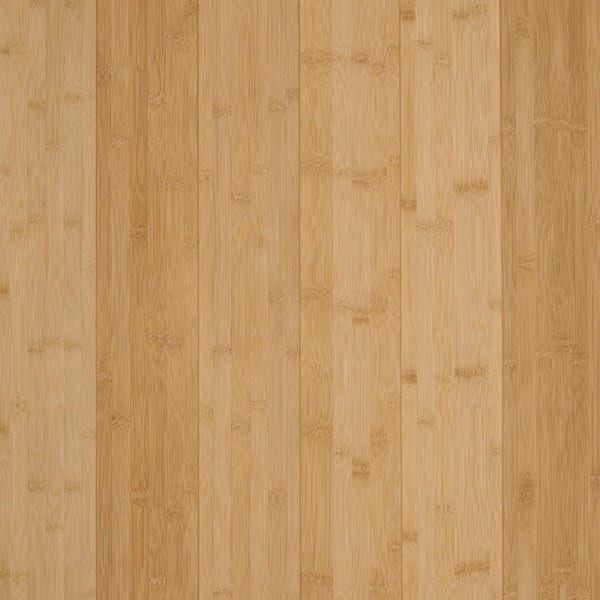
Natural Engineered Bamboo flooring Bamboo
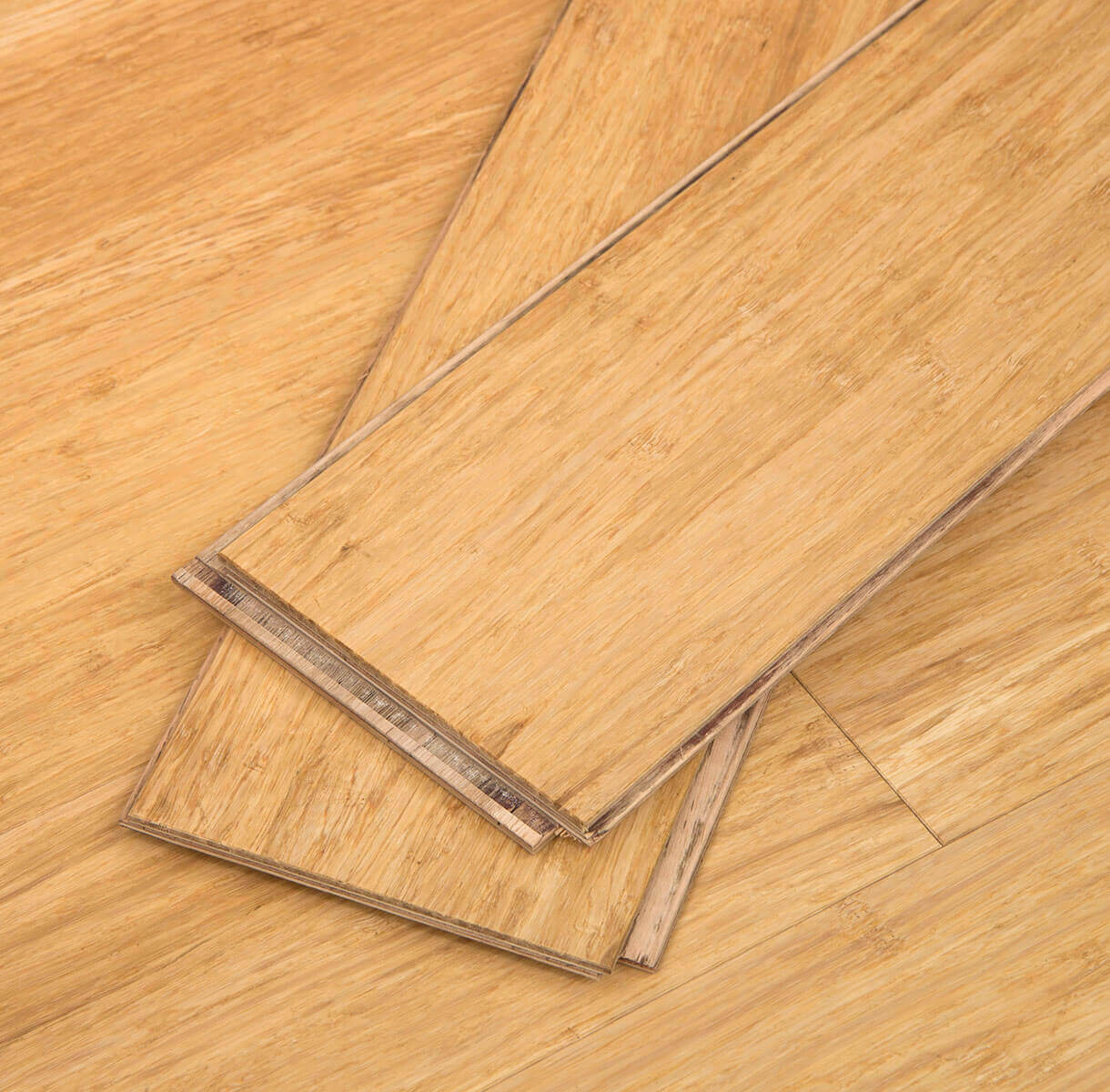
Commercial bamboo flooring – MOSO® Bamboo specialist
How Much Does It Cost To Install Bamboo Flooring
Commercial bamboo flooring – MOSO® Bamboo specialist
Bamboo Flooring: Still Green, for a Price BuildingGreen
Related Posts: