My love affair with porch wood flooring began during a weekend visit to my grandmother’s century-old farmhouse. Her wraparound porch, weathered by decades of storms yet still structurally sound, sparked my curiosity about wood’s resilience in outdoor environments. Over the past twelve years, I’ve installed, restored, and maintained countless porch floors, learning that the right wood species and proper installation techniques can create stunning outdoor spaces that last for generations. Each project has taught me valuable lessons about balancing beauty with durability.
Selecting the Right Wood Species for Outdoor Exposure
Choosing appropriate wood species for porch flooring requires understanding each material’s natural resistance to moisture, insects, and temperature fluctuations. I’ve found that pressure-treated pine offers excellent value for budget-conscious projects while providing decent durability when properly maintained. Cedar and redwood naturally resist decay and insects, making them premium choices for homeowners seeking longevity without chemical treatments. These species develop beautiful patinas over time.
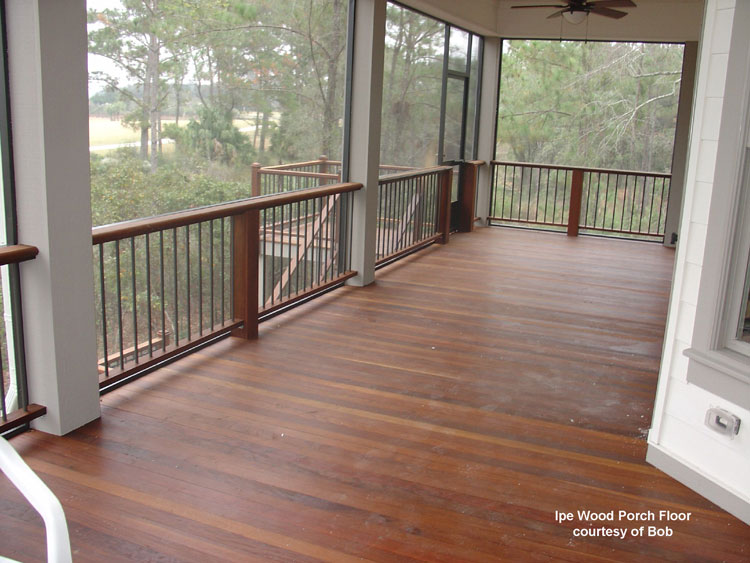
Hardwood options like mahogany, teak, and ipe provide superior durability but require significant investment and specialized installation techniques. I’ve worked with Brazilian hardwoods that remain virtually unchanged after decades of exposure to harsh weather conditions. However, their density makes them challenging to work with and requires carbide-tipped tools for cutting and drilling. The extra effort pays dividends in longevity and stunning appearance.
Composite materials have gained popularity as wood alternatives, but I still prefer genuine wood for its authentic beauty and repairability. Real wood can be sanded, stained, and refinished multiple times throughout its lifespan, while composite materials typically require complete replacement when damaged. The natural variation in wood grain creates character that synthetic materials cannot replicate, making each porch floor unique and personally meaningful.
Proper Installation Techniques for Longevity
Foundation preparation determines the long-term success of any porch flooring project more than any other factor. I always ensure proper drainage by creating adequate slope away from the house and installing appropriate flashing details. Moisture trapped beneath porch floors causes rapid decay and structural failure, so I pay particular attention to ventilation and water management during installation. Proper joist spacing and adequate support prevent sagging and premature wear.
Fastener selection and placement significantly impact the floor’s appearance and durability over time. I use stainless steel or galvanized screws rather than nails for superior holding power and corrosion resistance. Pre-drilling prevents splitting in hardwoods while ensuring clean, professional-looking installations. Hidden fastener systems provide seamless appearances but require precise installation techniques and compatible decking materials for optimal results.
Expansion gaps between boards accommodate natural wood movement caused by seasonal moisture changes. I maintain consistent spacing using specialized tools and spacers, ensuring gaps are neither too tight nor excessively wide. Proper gapping prevents buckling during humid conditions while maintaining attractive sight lines. End-sealing cut boards with quality sealers prevents moisture penetration that could cause premature decay and structural problems.

Finishing Options and Weather Protection
Penetrating oil finishes have become my preferred choice for most porch flooring projects due to their natural appearance and easy maintenance. These finishes soak into the wood fibers, protecting from within while allowing the wood to breathe naturally. I’ve found that oil-based finishes enhance the wood’s natural beauty while offering excellent water repellency and UV protection. They require reapplication every 1-2 years but are easy to maintain.
Film-forming finishes like polyurethane and acrylic provide superior surface protection but can peel and require complete removal before refinishing. I reserve these finishes for covered porches where UV exposure is minimal and foot traffic is moderate. The glossy appearance may not suit every aesthetic preference, but film finishes excel at protecting against water damage and wear. Proper surface preparation is crucial for adhesion and longevity.
Staining allows homeowners to customize their porch floor’s appearance while providing additional protection against weathering and UV damage. I recommend semi-transparent stains that highlight the wood’s natural grain patterns while offering good protection. Solid stains provide maximum coverage and protection but obscure the wood’s natural beauty. Combining stains with compatible topcoats creates layered protection systems that maximize both appearance and durability.
Maintenance Schedules and Seasonal Care
Regular cleaning forms the foundation of proper porch floor maintenance and significantly extends the wood’s lifespan. I recommend weekly sweeping to remove debris that can trap moisture and cause staining. Monthly washing with mild soap and water removes accumulated dirt and pollutants that can degrade finishes over time. Power washing can be effective, but requires careful technique to avoid damaging the wood surface or forcing water into joints.
Annual inspections allow early detection of problems before they become costly repairs. I check for loose boards, protruding fasteners, and signs of decay or insect damage during spring preparations. Addressing minor issues promptly prevents them from developing into major structural problems. I also inspect and maintain drainage systems, ensuring water flows away from the structure effectively throughout the year.
Seasonal refinishing maintains the floor’s appearance and protective qualities in challenging outdoor environments. I typically recommend refinishing every 1-3 years depending on exposure conditions and finish type. Fall preparation involves thorough cleaning and applying fresh protective coatings before winter weather arrives. Spring maintenance includes damage assessment and repairs from winter weather, ensuring the floor is ready for heavy summer use.

Dealing with Common Problems and Repairs
Cupping and warping represent the most common issues I encounter with porch wood flooring, usually caused by moisture imbalance or inadequate ventilation. Surface moisture from rain or cleaning can cause boards to cup upward, while moisture from below creates downward cupping. I address these issues by improving ventilation, adjusting drainage, and sometimes sanding high spots once the wood stabilizes. Prevention through proper installation is always preferable to correction.
Splitting and checking occur naturally as wood responds to temperature and humidity changes, but excessive splitting indicates installation or species selection problems. I repair minor splits with wood filler and refinish the area to match the surrounding boards. Severe splitting requires board replacement, which I approach carefully to maintain the floor’s overall appearance. Proper moisture management and appropriate species selection prevent most splitting problems.
Insect damage, particularly from termites and carpenter ants, requires immediate attention to prevent structural compromise. I inspect regularly for signs of infestation, including small holes, sawdust, and hollow-sounding boards. Treatment options range from localized applications to complete board replacement depending on damage severity. Working with qualified pest control professionals ensures effective treatment while protecting the remaining structure from further damage.
Design Ideas and Aesthetic Considerations
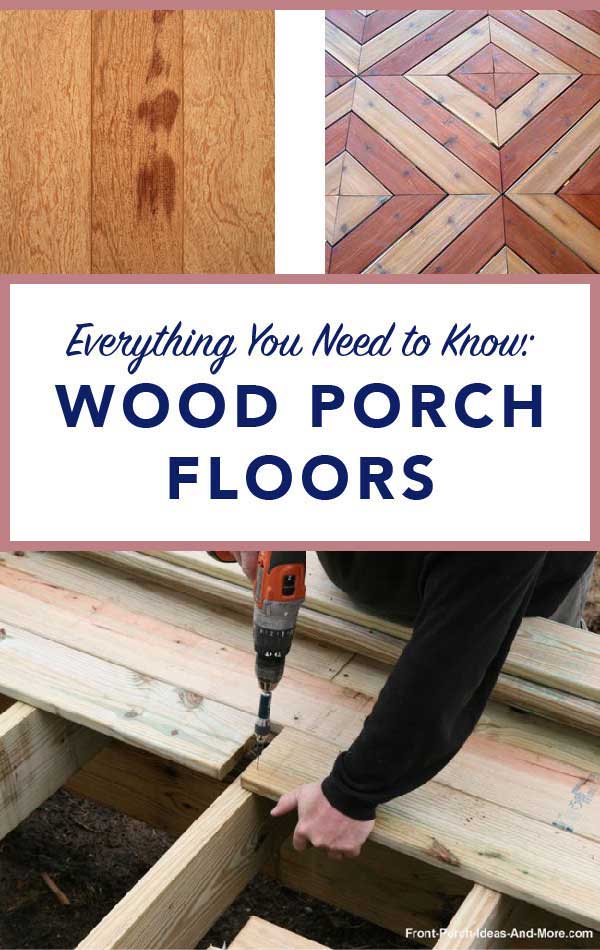
Board orientation significantly impacts the porch’s visual appeal and perceived size, and I’ve experimented with various patterns to achieve different effects. Running boards perpendicular to the house create a welcoming appearance that draws visitors toward the entrance. Diagonal installation adds visual interest and can make narrow porches appear wider. Herringbone and other complex patterns require skilled installation but create stunning focal points.
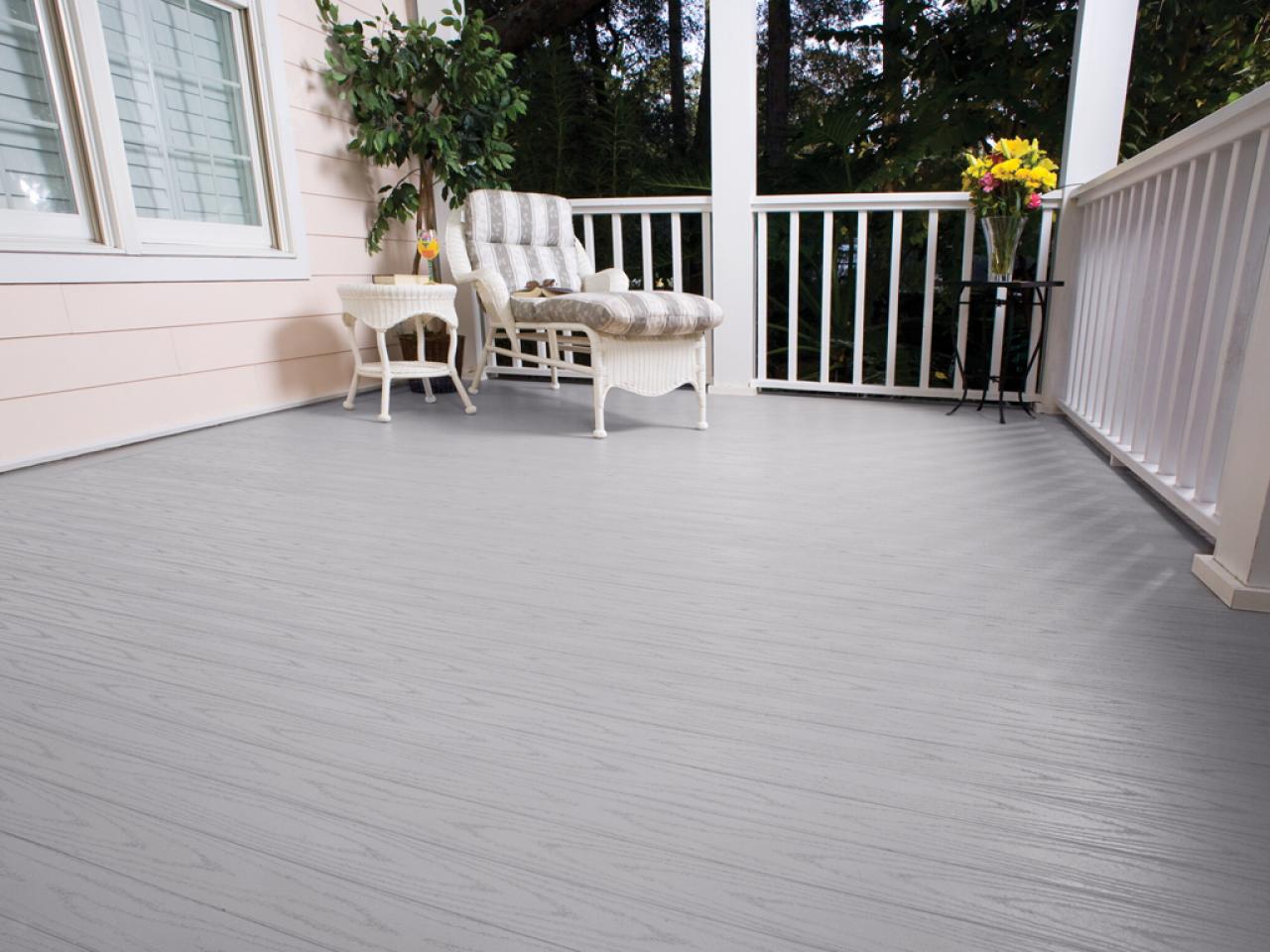
Color selection through staining or natural wood choice influences the entire home’s exterior appearance and should complement existing architectural elements. I prefer colors that harmonize with the house’s siding and trim while considering the surrounding landscape. Darker stains hide dirt and wear better but may show water spots and scratches more readily. Lighter colors create bright, airy feelings but require more frequent cleaning and maintenance.
Mixing materials creates visual interest while addressing practical concerns like drainage and traffic patterns. I’ve successfully combined wood decking with stone or tile accents at entries and high-traffic areas. These combinations provide durability where needed while maintaining the warmth and beauty of wood in primary areas. Careful planning ensures transitions between materials are both functional and aesthetically pleasing.
What’s the best wood species for a porch floor that will last decades without constant maintenance?
For maximum longevity with minimal maintenance, I recommend naturally rot-resistant species like cedar, redwood, or tropical hardwoods such as ipe and mahogany. These woods contain natural oils and compounds that resist decay and insects without chemical treatments. Ipe offers exceptional durability, lasting 25-40 years with minimal care, while cedar provides good performance at a moderate cost. Proper installation and basic maintenance are still essential regardless of species selection.
How do I know when my porch floor needs refinishing versus complete replacement?
Refinishing is appropriate when the wood structure remains sound but surfaces show weathering, fading, or minor wear. I test by probing with a screwdriver, solid wood indicates refinishing potential, while soft, spongy areas suggest replacement. Surface checking and minor cupping often improve with refinishing, but severe warping, extensive splitting, or structural damage requires replacement. Professional assessment helps determine the most cost-effective approach for your specific situation.

Can I install porch wood flooring over existing concrete, and what special considerations are needed?
Yes, wood can be installed over concrete using sleeper systems or specialized fastening methods. I create airspace between concrete and wood using treated lumber sleepers or plastic pedestals to prevent moisture problems. Proper vapor barriers and drainage are essential to prevent rot and warping. The concrete must be level, clean, and properly sloped for drainage. This installation method works well but requires careful attention to moisture management details.
What’s the difference between pressure-treated and naturally rot-resistant wood for porch applications?
Pressure-treated lumber uses chemical preservatives to resist decay and insects, making affordable species like pine suitable for outdoor use. Natural rot-resistant woods like cedar and redwood rely on inherent properties for protection. Pressure-treated wood offers better value initially but may require more frequent refinishing. Natural species cost more upfront, but often look better over time and don’t require chemical treatments. Both can provide excellent performance when properly installed and maintained.

How much should I budget for a typical porch wood flooring project including materials and installation?
Porch flooring costs vary significantly based on wood species, porch size, and installation complexity. Basic pressure-treated pine runs $3-6 per square foot installed, while premium hardwoods like ipe cost $8-15 per square foot. A typical 200-square-foot porch ranges from $1,200-4,000, including materials and professional installation. Additional costs include railings, steps, and finish materials. Complex designs, structural repairs, or premium species increase costs substantially.
What maintenance schedule should I follow to keep my porch wood floor looking its best?
I recommend weekly sweeping, monthly washing, and annual deep cleaning with appropriate wood cleaners. Inspect quarterly for loose boards, protruding fasteners, and signs of damage. Refinish every 1-3 years depending on exposure and finish type, with oil finishes requiring more frequent attention than film finishes. Address problems immediately to prevent expensive repairs. Seasonal preparation including cleaning gutters and checking drainage helps prevent moisture damage year-round.
What Is The Best Flooring For A Porch? – Home Decor Bliss
Related Posts: