When I first installed bamboo flooring in my home eight years ago, I naively assumed it would clean like traditional hardwood. That assumption led to several costly mistakes that taught me bamboo requires unique care approaches. Through managing dozens of bamboo floor installations and troubleshooting countless cleaning disasters, I’ve developed foolproof methods that preserve bamboo’s natural beauty while extending its lifespan. My journey from novice to expert has been filled with trial, error, and ultimately, successful techniques that I now share with every client.
Understanding Bamboo’s Unique Properties and Vulnerabilities
Bamboo’s cellular structure differs significantly from traditional hardwood, making it more susceptible to moisture damage and requiring specialized cleaning approaches. I’ve learned that bamboo contains natural sugars and starches that attract dirt and can feed mold growth if not properly maintained. The grass-based material expands and contracts more dramatically than hardwood when exposed to humidity changes. Understanding these characteristics has been crucial for developing effective cleaning strategies that work with bamboo’s nature rather than against it.
The manufacturing process creates additional vulnerabilities that influence cleaning methods and product selection. Strand-woven bamboo, while denser than traditional planks, can still be damaged by excessive moisture or harsh chemicals. I’ve seen beautiful bamboo floors ruined by well-intentioned homeowners using inappropriate cleaning products designed for other flooring types. The adhesives used in bamboo construction can break down when exposed to certain solvents or excessive water, leading to delamination and costly repairs.
Surface treatments and finishes on bamboo floors vary significantly between manufacturers and affect cleaning requirements dramatically. Some bamboo floors feature polyurethane coatings that require specific maintenance protocols, while others use natural oil finishes that need different care approaches. I always identify the specific finish type before recommending cleaning products or methods. This attention to detail prevents damage and ensures optimal cleaning results that maintain the floor’s warranty coverage.
Daily Maintenance Routines for Optimal Results
My daily bamboo floor maintenance routine begins with gentle sweeping using a soft-bristled broom or microfiber dust mop. I’ve found that regular removal of abrasive particles prevents scratches that can accumulate over time and dull the floor’s appearance. The key is consistency; daily attention prevents dirt buildup that requires aggressive cleaning methods. I recommend establishing this routine immediately after installation to develop good habits that protect the investment long-term.
Spot cleaning spills immediately prevents staining and moisture penetration that can cause permanent damage to bamboo flooring. I keep pH-neutral cleaning solution and microfiber cloths readily available for quick response to accidents. The faster you address spills, the less likely they are to cause lasting problems. I’ve saved countless floors by teaching homeowners this simple but crucial practice that takes seconds but prevents hours of restoration work.
High-traffic areas require additional attention beyond basic daily maintenance to prevent premature wear patterns. I focus extra cleaning effort on entryways, hallways, and areas around furniture where dirt accumulates most readily. Using washable rugs and mats in these zones reduces the cleaning burden while protecting the bamboo underneath. Strategic placement of protective barriers makes daily maintenance more efficient while extending the floor’s lifespan significantly.

Choosing the Right Cleaning Products and Tools
pH-neutral cleaners specifically formulated for bamboo floors provide the safest and most effective cleaning results in my experience. I avoid products containing ammonia, vinegar, or harsh detergents that can damage bamboo’s surface or underlying structure. Commercial bamboo floor cleaners offer convenience and reliable results, though I’ve also had success with diluted mild dish soap solutions. The key is testing any product in an inconspicuous area first to ensure compatibility.
Microfiber mops and cloths have become indispensable tools in my bamboo floor cleaning arsenal due to their superior dirt-trapping capabilities and gentle action. These materials clean effectively without scratching while requiring less moisture than traditional string mops. I use different microfiber products for different cleaning tasks, maintaining separate tools for daily dusting and deeper cleaning. The investment in quality microfiber tools pays dividends in cleaning efficiency and floor protection.
Steam cleaning equipment can be beneficial for bamboo floors when used correctly, but I approach this method with caution due to moisture concerns. I only use steam cleaners on sealed bamboo surfaces and ensure quick drying to prevent moisture penetration. The high temperature effectively sanitizes while the minimal moisture evaporates quickly when properly applied. However, I never recommend steam cleaning for unsealed or damaged bamboo floors where moisture could cause swelling or warping.

Weekly Deep Cleaning Techniques
My weekly deep cleaning routine begins with thorough vacuuming using a hard floor attachment to remove embedded dirt that daily sweeping might miss. I pay special attention to crevices between planks where debris accumulates over time. The vacuum’s suction power removes particles that could scratch the surface during mopping. I always ensure the vacuum wheels and attachments are clean to prevent scratching the bamboo surface during cleaning.
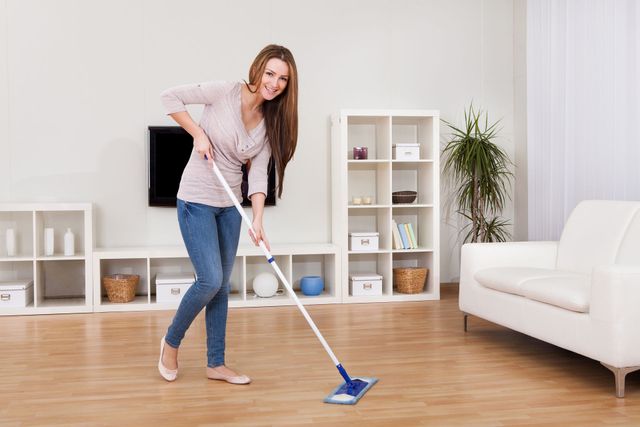
Damp mopping with appropriate cleaning solutions removes accumulated grime while maintaining the bamboo’s natural luster. I use minimal moisture, wringing the mop thoroughly to achieve barely damp conditions that clean effectively without oversaturating the floor. Working in small sections allows me to control moisture levels precisely while ensuring thorough cleaning coverage. The goal is cleaning without leaving standing water that could penetrate joints or cause swelling.
Drying techniques significantly impact cleaning results and floor health, so I’ve developed specific methods for optimal outcomes. I use clean, dry microfiber cloths to remove excess moisture immediately after mopping, preventing water spots and ensuring rapid drying. Proper ventilation accelerates drying while preventing humidity buildup that could affect the bamboo. I sometimes use fans to improve air circulation in areas with poor natural ventilation.
Handling Stubborn Stains and Problem Areas
Grease stains on bamboo floors require immediate attention and specific treatment methods to prevent permanent damage. I create a paste using baking soda and water, applying it to the stain and allowing it to sit for 15 minutes before gently scrubbing with a soft brush. The alkaline properties help break down grease while the mild abrasive action lifts the stain without damaging the surface. Multiple treatments may be necessary for older or set-in stains.
Water stains and white marks often indicate that moisture has penetrated the finish, requiring different treatment approaches than surface stains. I’ve had success using mayonnaise or petroleum jelly applied to the stain and left overnight before buffing away with a clean cloth. The oils help restore the finish while displacing trapped moisture. For severe water damage, professional refinishing may be necessary to restore the floor’s appearance.
Scuff marks from shoes or furniture respond well to targeted cleaning with appropriate products and techniques. I use pencil erasers for light scuffs or tennis balls for more stubborn marks, applying gentle pressure while working in circular motions. Commercial scuff removers designed for bamboo floors provide effective results for persistent marks. The key is addressing scuffs quickly before they become embedded in the surface finish.

Seasonal Maintenance and Long-Term Care
Seasonal humidity changes significantly impact bamboo floors, requiring adjusted maintenance approaches throughout the year. During humid summer months, I increase ventilation and may use dehumidifiers to prevent excessive expansion that could cause cupping or gaps. Winter heating can cause excessive dryness, so I monitor humidity levels and use humidifiers when necessary. Maintaining 30-50% relative humidity optimizes bamboo floor performance and appearance year-round.
Annual professional cleaning and inspection help identify potential problems before they become costly repairs. I schedule these services during moderate weather conditions when humidity levels are stable. Professional cleaners have access to specialized equipment and products that provide deeper cleaning than typical home methods. The annual inspection allows early detection of wear patterns, loose planks, or finish deterioration that might require attention.
Refinishing schedules depend on traffic levels and maintenance quality, but I generally recommend evaluation every 3-5 years for most residential applications. High-traffic areas may need attention sooner, while formal rooms might extend longer between refinishing cycles. The ability to sand and refinish bamboo floors multiple times makes them an excellent long-term investment when properly maintained. Planning refinishing projects during favorable weather conditions ensures optimal results and faster curing times.
What cleaning products should I avoid when cleaning bamboo flooring?
Avoid ammonia-based cleaners, vinegar solutions, wax-based products, and oil soaps that can damage bamboo floors permanently. Steam cleaners with excessive moisture, abrasive cleaners, and products containing citrus oils can also cause problems. I’ve seen floors damaged by well-meaning homeowners using these inappropriate products. Stick to pH-neutral cleaners specifically designed for bamboo or very diluted mild dish soap solutions. Always test new products in inconspicuous areas first.
How often should I deep clean my bamboo floors versus daily maintenance?
Daily maintenance involves sweeping or dust mopping to remove surface dirt and debris. I recommend thorough damp mopping weekly for most households, though high-traffic homes may need twice-weekly cleaning. Deep cleaning with specialized products should occur monthly or as needed for stubborn stains. The key is consistent daily care that prevents dirt buildup, requiring aggressive cleaning methods. Adjust frequency based on household activity, pets, and traffic patterns.
Can I use a steam mop on my bamboo floors, and what precautions should I take?
Steam mops can be used on sealed bamboo floors with proper precautions, but I approach this method carefully due to moisture concerns. Use only on manufacturer-approved surfaces and ensure quick drying to prevent moisture penetration. Never use steam cleaning on unsealed, damaged, or waxed bamboo floors where moisture could cause swelling or warping. Test in an inconspicuous area first and maintain good ventilation during and after cleaning.
What’s the best way to remove water stains and white marks from bamboo flooring?
Water stains often indicate moisture penetration requiring specific treatment methods. I apply mayonnaise or petroleum jelly to the stain, let it sit overnight, then buff away with a clean cloth. For surface marks, try gently rubbing with a cloth dampened with mineral spirits. Iron method works for some stains, place a dry cloth over the mark and iron on low heat briefly. Severe damage may require professional refinishing for proper restoration.

How do I prevent my bamboo floors from showing scratches and maintaining their shine?
Prevent scratches by using door mats, furniture pads, and area rugs in high-traffic zones. Regular sweeping removes abrasive particles that cause micro-scratches over time. Maintain shine through proper cleaning with pH-neutral products and avoiding harsh chemicals that dull the finish. I recommend professional refinishing every 3-5 years to restore luster and protect against wear. Consistent maintenance prevents damage that requires expensive repairs or early replacement.
Is it normal for bamboo floors to show water spots after cleaning, and how can I prevent them?
Water spots typically result from hard water minerals or excessive moisture during cleaning. Prevent spots by using distilled water for cleaning solutions and ensuring thorough drying after mopping. I immediately dry floors with clean microfiber cloths after mopping to prevent mineral deposits. If spots occur, clean with a mixture of equal parts white vinegar and water, then rinse and dry thoroughly. Proper technique prevents most water spotting issues during regular maintenance.

Cali Bamboo Flooring Review 3 Years Later
Cali Bamboo Longboard Vinyl Flooring – The Green Design Center

CALI BAMBOO Natural 9/16 in. T x 5.39 in. W x 72 in. L Solid Wide

Related Posts: