My fascination with luxury vinyl flooring began five years ago when I renovated my first investment property. Initially skeptical about vinyl’s reputation, I was amazed by the technological advances that transformed this humble material into a premium flooring option. Through installing dozens of luxury vinyl floors in various settings, I’ve discovered that understanding the different types is crucial for making the right choice. Each variety offers unique benefits that can perfectly match specific needs, budgets, and aesthetic preferences.
Luxury Vinyl Plank (LVP) Fundamentals
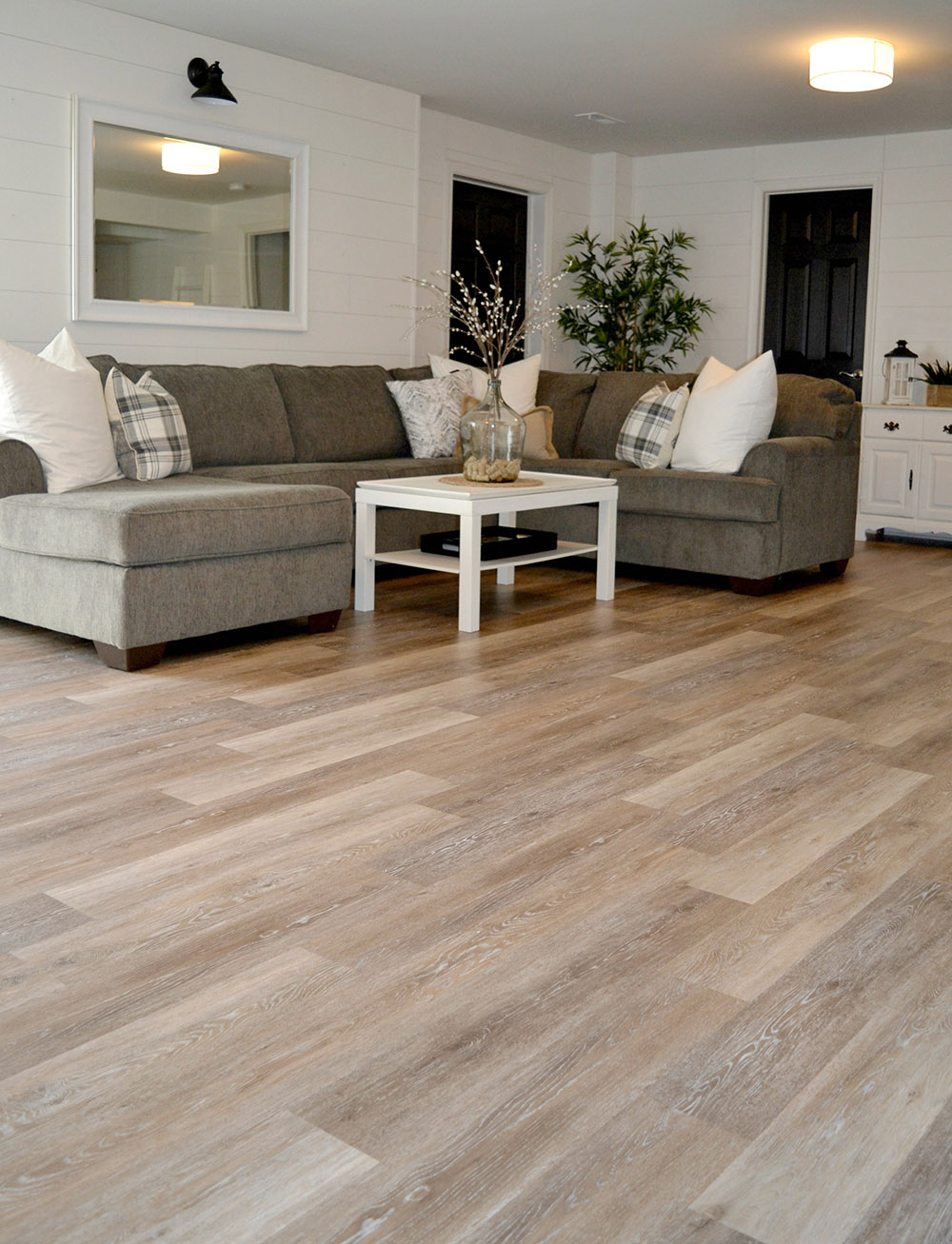
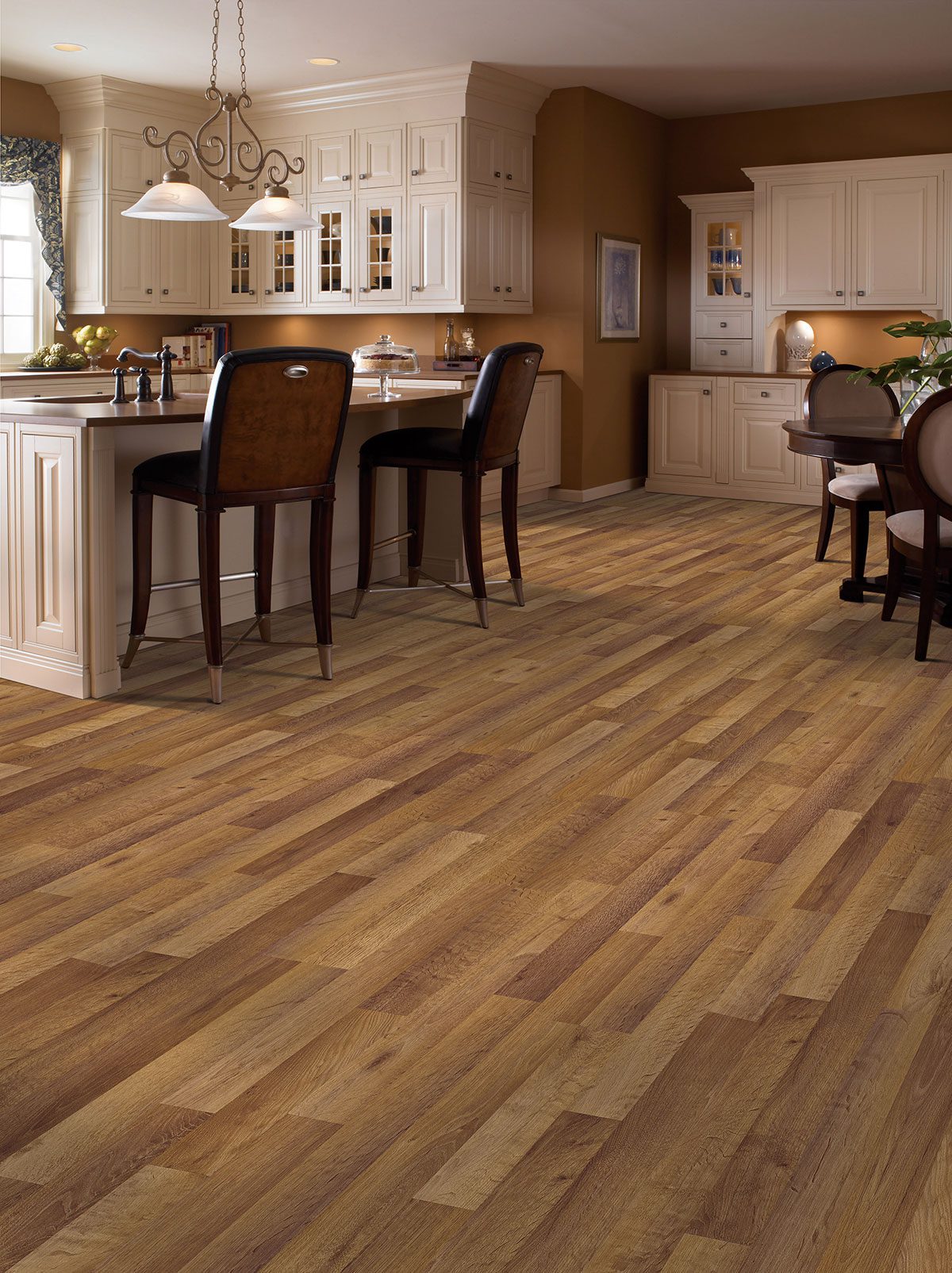
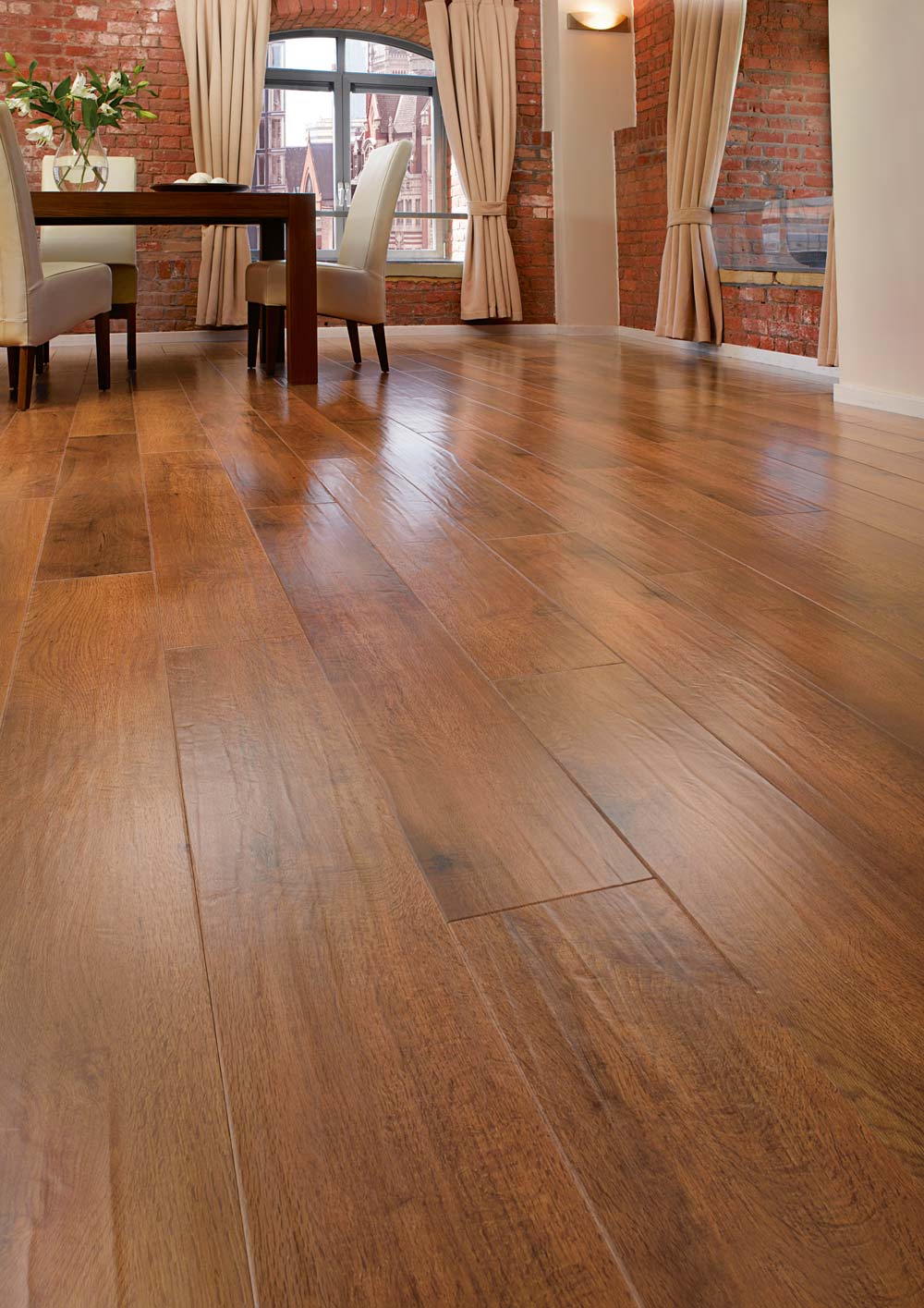
Luxury vinyl plank flooring has become my go-to recommendation for clients seeking an authentic hardwood appearance without the maintenance concerns. The planks typically measure 4-9 inches wide and 36-48 inches long, mimicking traditional hardwood dimensions perfectly. I’ve installed LVP in countless homes and consistently receive positive feedback about its realistic wood grain patterns and textures. The manufacturing process creates incredibly convincing replicas of popular wood species.
Installation flexibility makes LVP particularly appealing for both professionals and DIY enthusiasts. Most products feature click-lock systems that float over existing subfloors without adhesives or nails. I’ve completed entire rooms in a single day using these systems, significantly reducing labor costs and installation time. The ease of installation also means fewer opportunities for mistakes, resulting in professional-looking floors regardless of skill level.
Durability testing has convinced me that quality LVP can withstand heavy residential and light commercial traffic. The wear layer protects against scratches, dents, and stains that would damage traditional hardwood. I’ve seen LVP floors maintain their appearance for years in high-traffic areas like kitchens and entryways. This performance, combined with realistic aesthetics, makes LVP an excellent long-term flooring investment for most applications.
Luxury Vinyl Tile (LVT) Characteristics
Luxury vinyl tile offers incredible versatility in design options that I find particularly exciting for creative projects. Square tiles typically range from 12×12 inches to 24×24 inches, while rectangular formats provide additional layout possibilities. I’ve used LVT to create stunning checkerboard patterns, diagonal layouts, and custom borders that would be expensive with natural materials. The design flexibility allows for unique expressions of personal style.
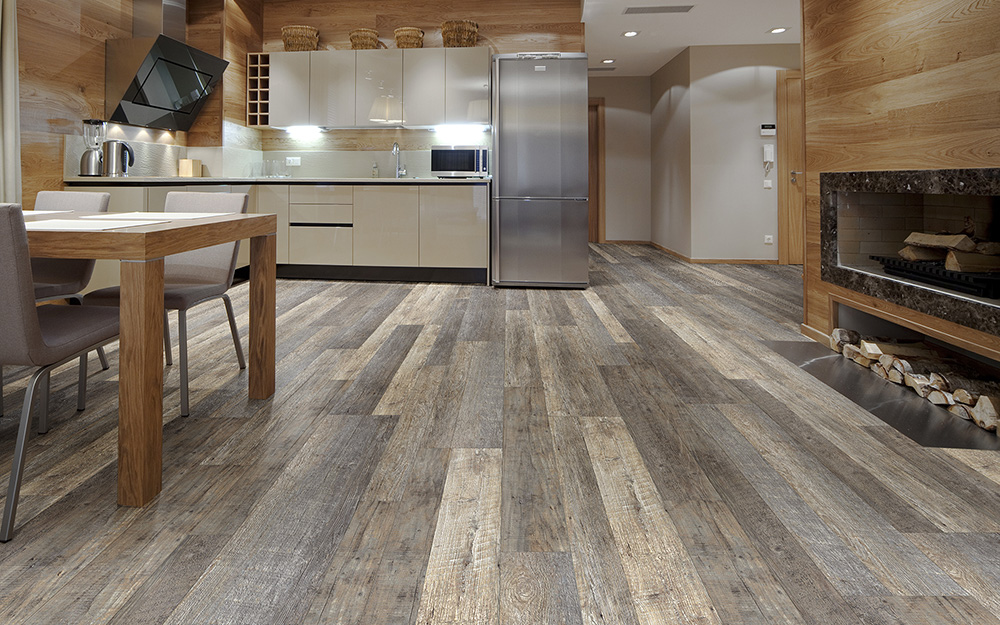
Stone and ceramic replication in LVT has reached remarkable levels of authenticity that often fool even experienced contractors. I’ve installed LVT that perfectly mimics marble, slate, travertine, and ceramic tiles at a fraction of the cost. The textures, colors, and patterns capture the essence of natural materials while providing superior comfort underfoot. This realism makes LVT suitable for formal spaces where appearance matters most.
Maintenance requirements for LVT remain minimal compared to natural stone or ceramic alternatives. I appreciate that LVT doesn’t require sealing, special cleaners, or professional maintenance like natural stone. Regular sweeping and occasional damp mopping keep LVT looking pristine for years. This low-maintenance characteristic appeals to busy homeowners who want beautiful floors without ongoing care commitments that natural materials demand.

Rigid Core vs. Flexible Core Construction
Rigid core luxury vinyl has revolutionized the industry by providing superior stability and performance characteristics. The core typically contains stone plastic composite (SPC) or wood plastic composite (WPC) that resists expansion and contraction. I’ve installed rigid core products over slightly uneven subfloors with excellent results, as the rigid construction bridges minor imperfections. This stability prevents the telegraphing of subfloor irregularities that can occur with flexible products.
Flexible core products offer different advantages that make them suitable for specific applications and preferences. These products feel softer underfoot and provide better sound absorption than rigid alternatives. I recommend flexible core vinyl for bedrooms and living areas where comfort is prioritized over maximum durability. The reduced noise transmission makes a flexible core ideal for upper floors in multi-story homes.
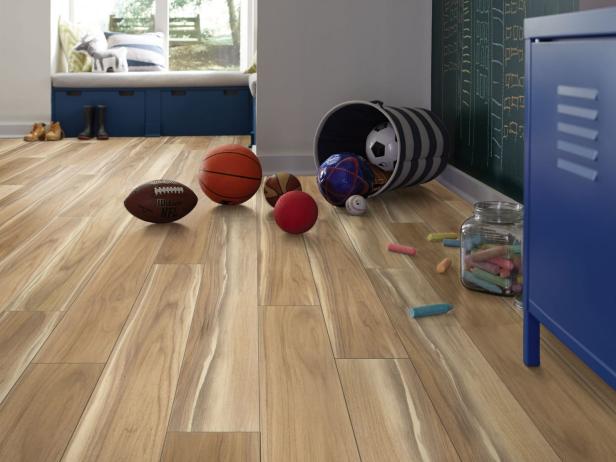
Performance differences between rigid and flexible cores become apparent in challenging environments like basements and areas with temperature fluctuations. Rigid core products handle moisture and temperature changes better, making them my preferred choice for below-grade installations. However, flexible core products excel in areas where impact resistance and comfort are more important than dimensional stability, such as playrooms and home gyms.
Waterproof and Water-Resistant Options
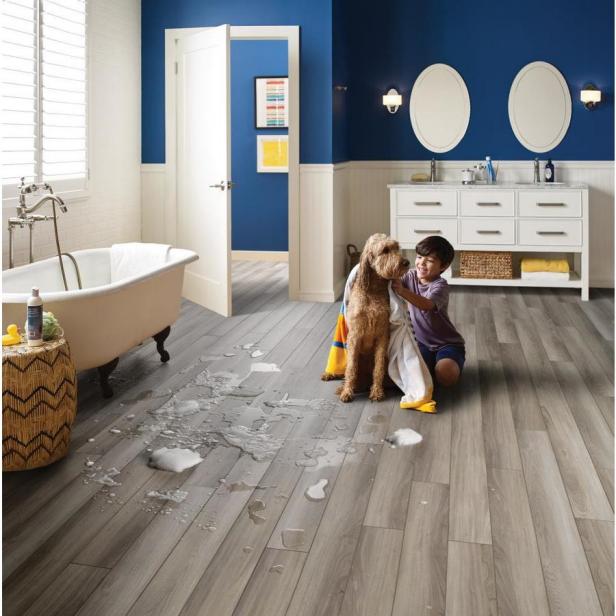
True waterproof luxury vinyl flooring has transformed my approach to moisture-prone areas like bathrooms and laundry rooms. These products feature completely sealed construction that prevents water penetration through the flooring material itself. I’ve installed waterproof LVP in full bathrooms, including around tubs and showers, with complete confidence in long-term performance. The peace of mind provided by genuine waterproof protection is invaluable in these critical areas.
Water-resistant luxury vinyl offers adequate protection for most residential applications while typically costing less than waterproof alternatives. These products handle spills and occasional moisture exposure well but may not withstand prolonged submersion or flooding. I recommend water-resistant options for kitchens, dining rooms, and other areas where spills occur but standing water is unlikely. Understanding this distinction helps clients make appropriate choices.
Installation considerations differ significantly between waterproof and water-resistant products, particularly regarding subfloor preparation and transition details. Waterproof floors require careful attention to seams and edges to maintain water protection integrity. I use specialized installation techniques and materials to ensure complete moisture protection. Proper installation is crucial for realizing the full benefits of waterproof luxury vinyl flooring systems.

Thickness Variations and Performance Impact
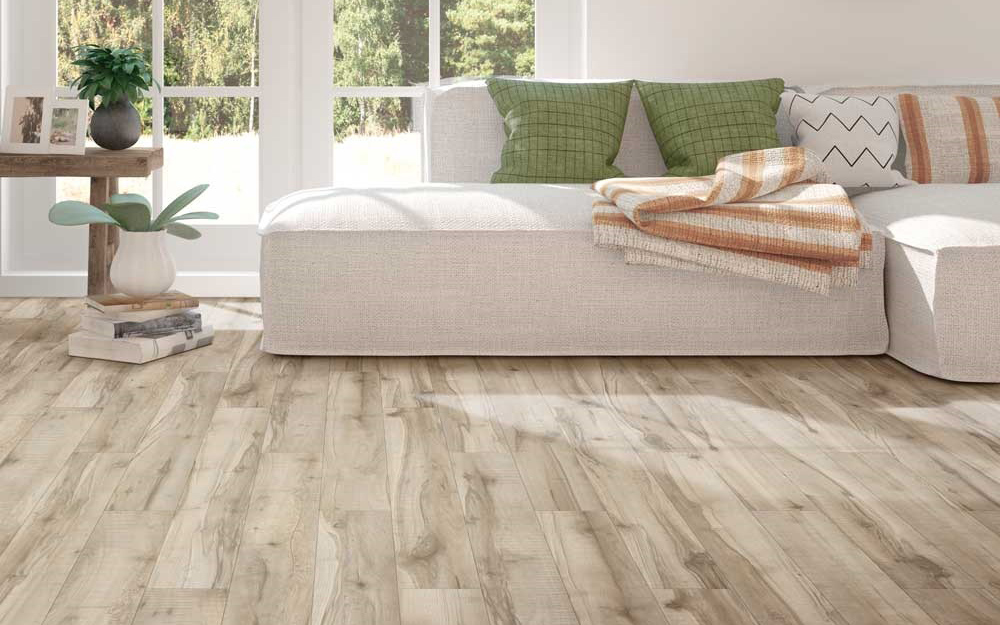
Luxury vinyl thickness directly impacts performance characteristics, comfort, and installation requirements in ways that surprise many homeowners. Thicker products, typically 5-8mm, provide better sound absorption and feel more solid underfoot. I’ve noticed that clients consistently prefer the feel of thicker luxury vinyl, describing it as more premium and substantial. The added thickness also provides better resistance to denting from furniture and heavy objects.
Thinner luxury vinyl, usually 2-4mm, offers advantages in specific situations despite reduced comfort and sound performance. These products work well in areas with height restrictions, such as transitions to existing floors or under low cabinets. I’ve used thin luxury vinyl successfully in commercial applications where cost is more important than premium feel. The reduced material thickness also makes these products more affordable for budget-conscious projects.
Wear layer thickness varies independently of overall product thickness and significantly affects longevity and performance. I prioritize wear layer thickness over total thickness for high-traffic areas, as this protective layer determines scratch and stain resistance. Commercial-grade products often feature 20-40 mil wear layers, while residential options range from 6-20 mils. Understanding these specifications helps match products to intended use patterns.
Installation Methods and Compatibility
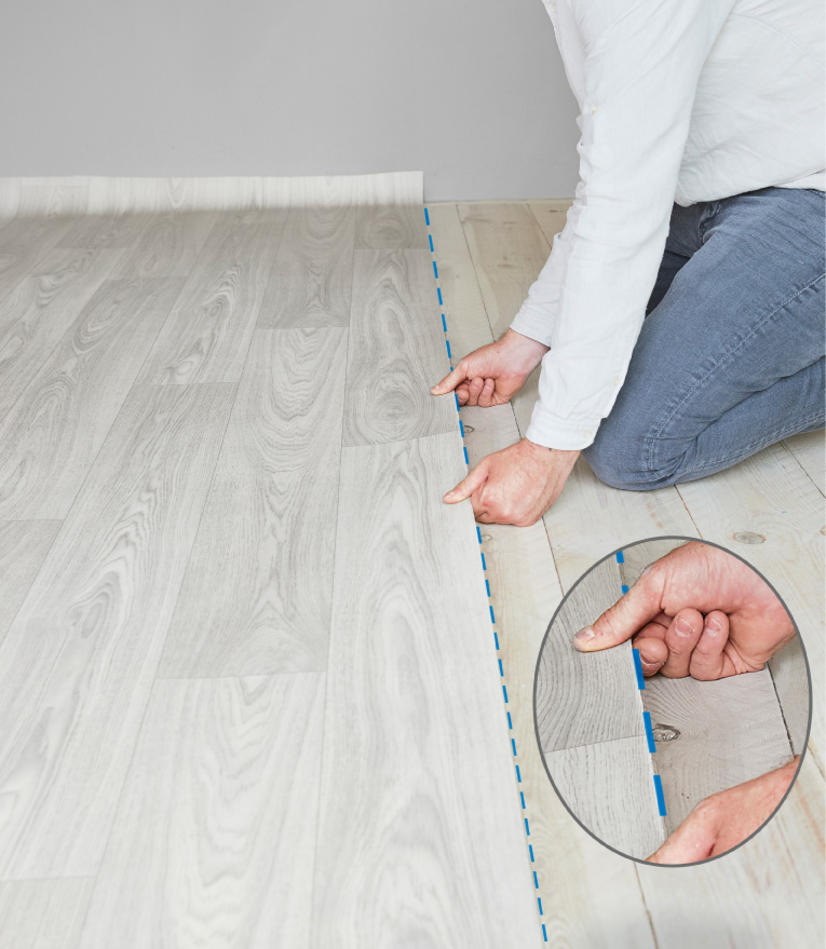
Click-lock floating installation has become my preferred method for most luxury vinyl projects due to its speed and reversibility. These systems connect planks or tiles without adhesives, allowing the floor to float over the subfloor. I can install entire rooms without permanent attachment to the subfloor, making this method ideal for rental properties or temporary installations. The click-lock mechanism provides secure connections that resist separation during normal use.
Glue-down installation offers superior stability and is required for some commercial applications and areas with heavy rolling loads. I use this method when maximum stability is needed or when the product manufacturer specifically requires adhesive installation. The permanent attachment prevents movement and provides the most solid feel underfoot. However, glue-down installation requires more time and makes future removal more difficult.
Loose-lay installation represents the simplest method but has limited applications due to stability concerns. These products rely on friction and weight to stay in place without mechanical connections or adhesives. I recommend loose-lay only for small areas or temporary installations where other methods aren’t practical. The ease of installation and removal makes loose-lay suitable for short-term applications or areas requiring frequent floor access.
What’s the difference between luxury vinyl plank and luxury vinyl tile in terms of performance and durability?
Performance differences between LVP and LVT primarily relate to installation and visual aesthetics rather than durability. Both products use identical wear layers and core materials, providing similar scratch, stain, and water resistance. LVP’s plank format offers fewer seams per square foot, potentially reducing moisture penetration points. LVT’s tile format allows for more complex patterns but creates more seams. Both perform equally well in residential applications when properly installed.
How do I choose between rigid core and flexible core luxury vinyl for my specific needs?
Choose rigid core for areas requiring maximum stability, such as basements, concrete slabs, or over radiant heating systems. Rigid core handles temperature fluctuations and moisture better while providing superior dimensional stability. Select a flexible core for areas prioritizing comfort and sound absorption, like bedrooms and living spaces. Flexible core feels softer underfoot and reduces noise transmission. Consider your specific priorities: stability versus comfort.
Is waterproof luxury vinyl worth the extra cost compared to water-resistant options?
Waterproof luxury vinyl justifies higher costs in bathrooms, laundry rooms, and areas with potential flooding risks. The complete moisture protection prevents subfloor damage and mold growth that could cost thousands to remediate. Water-resistant options suffice for kitchens and dining areas where spills are quickly cleaned. Evaluate your specific moisture exposure risks and budget constraints. The peace of mind from true waterproof protection often outweighs the additional cost.
What thickness of luxury vinyl should I choose for high-traffic areas versus bedrooms?
High-traffic areas benefit from 5-8mm thickness with 12-20 mil wear layers for maximum durability and comfort. The thicker construction provides better impact resistance and sound absorption in busy spaces. Bedrooms can use 4-6mm thickness with 6-12 mil wear layers since traffic is lighter. Prioritize wear layer thickness over total thickness for durability. Consider both foot traffic levels and furniture weight when selecting appropriate thickness specifications.
Can I install luxury vinyl flooring over existing tile or hardwood floors?
Yes, luxury vinyl can be installed over existing floors if they’re level, clean, and structurally sound. Tile floors need gap filling and surface preparation to create smooth installation surfaces. Hardwood floors may require additional underlayment depending on plank width and condition. Check manufacturer specifications for specific substrate requirements. Professional evaluation ensures proper preparation and prevents installation problems. Some warranty coverage may depend on following the manufacturer’s guidelines.
How long does quality luxury vinyl flooring typically last in residential applications?
Quality luxury vinyl flooring lasts 15-25 years in residential applications with proper care and maintenance. High-traffic areas may show wear patterns sooner, while bedrooms and formal spaces can exceed 25 years. Product quality, installation method, and maintenance practices significantly impact lifespan. Commercial-grade products with thicker wear layers last longer than basic residential options. Regular cleaning and protection from furniture scratches maximize longevity and maintain appearance throughout the floor’s service life.
The Best Vinyl Plank Flooring for Your Home
The Best Vinyl Plank Flooring for Your Home
Related Posts: