My love affair with solid wood flooring began fifteen years ago when I purchased my first fixer-upper home with original 1940s oak floors hidden beneath layers of carpet and linoleum. What started as a weekend project to restore those neglected planks evolved into a passion that eventually became my full-time profession. Through countless installations, refinishing projects, and repair jobs, I’ve learned that solid wood flooring offers unmatched beauty and longevity, but success requires understanding wood behavior, proper installation techniques, and ongoing maintenance commitment.
Choosing the Right Wood Species
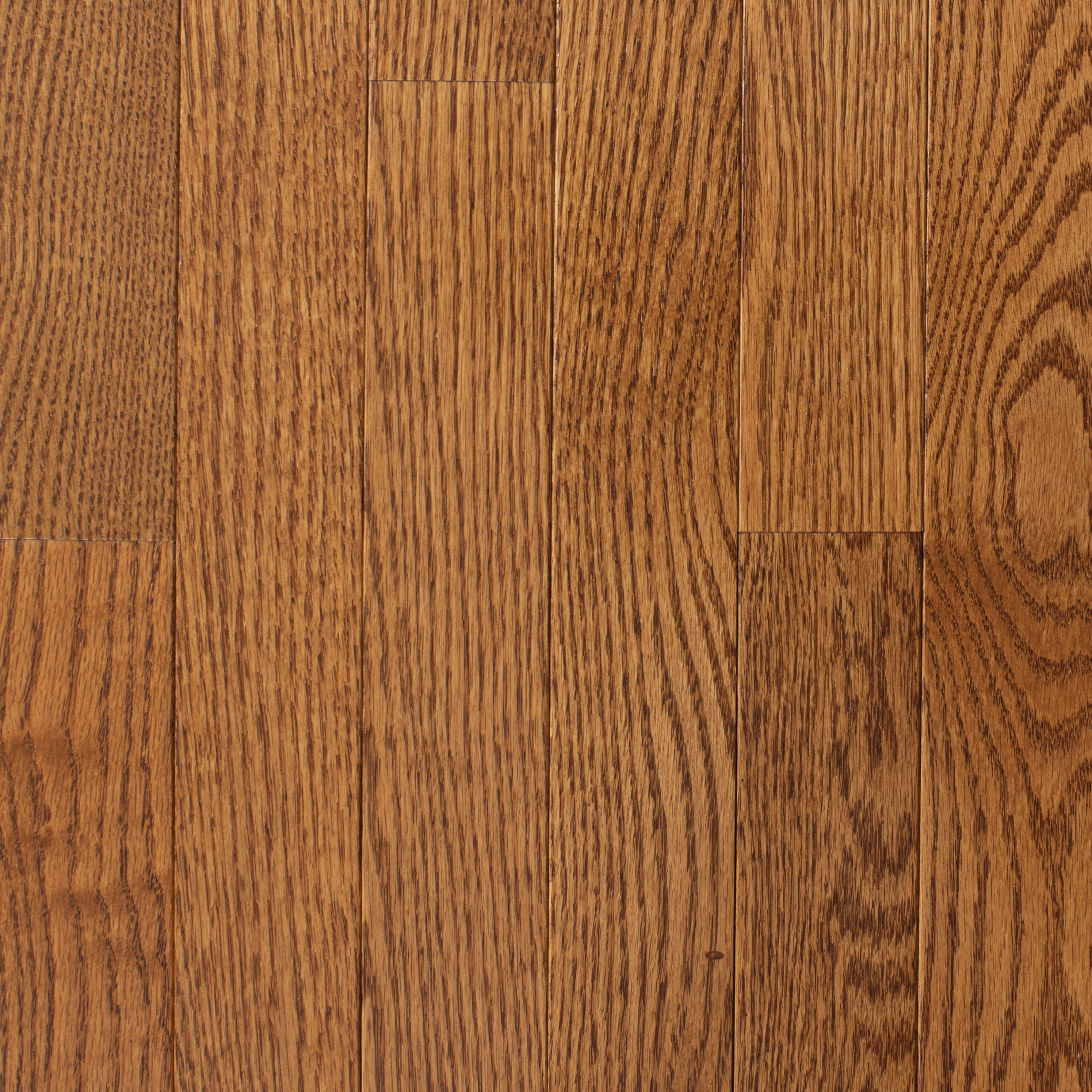
Oak remains my most recommended choice for homeowners seeking durability and timeless appeal that never goes out of style. Its tight grain structure resists denting better than softer woods, while the neutral color complements virtually any decor style. I’ve installed thousands of square feet of red and white oak, and both species continue looking beautiful decades after installation with proper care and maintenance.
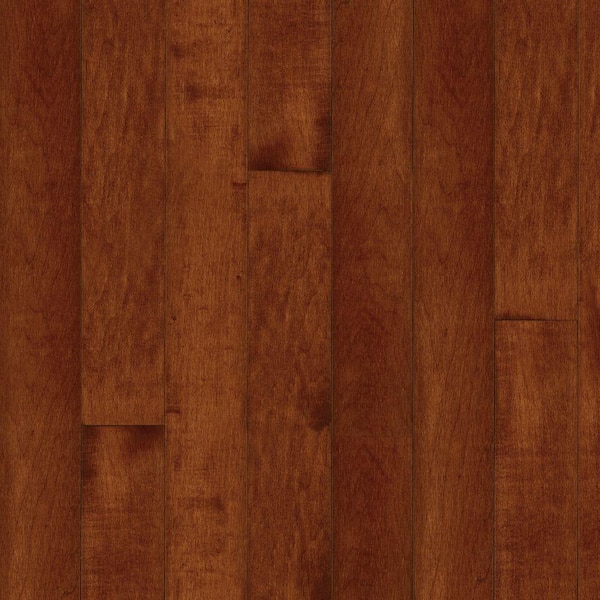
Exotic hardwoods like Brazilian cherry and teak offer a stunning appearance but require careful consideration of their unique characteristics, I’ve learned through experience. These species often have higher expansion rates and specific installation requirements that increase project complexity significantly. While gorgeous when properly installed, they demand experienced contractors and higher budgets for successful long-term performance.
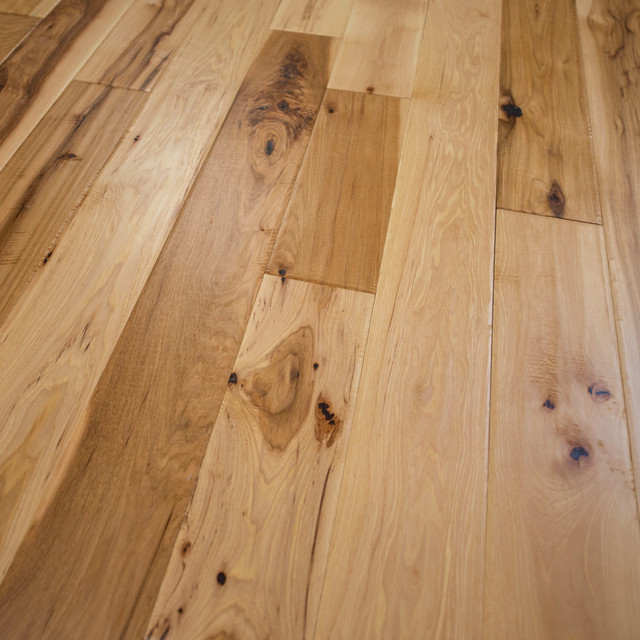
Domestic alternatives like maple, hickory, and ash provide excellent performance at more reasonable costs than imported species typically command. I particularly appreciate hickory’s extreme hardness for high-traffic areas and maple’s consistent grain for contemporary designs. These species are sourced locally, reducing environmental impact while supporting domestic forestry operations that practice sustainable harvesting methods.
Installation Methods and Techniques
Nail-down installation over plywood subfloors provides the most stable and long-lasting results in my professional experience with various methods. I use pneumatic nailers with specific nail schedules based on plank width and species characteristics. Proper nailing patterns prevent squeaking and movement while allowing natural wood expansion and contraction throughout seasonal changes.
Glue-down installation works well for thinner planks and concrete subfloors where nailing isn’t possible or practical for the situation. I’ve perfected techniques using moisture-cured urethanes that create permanent bonds while accommodating slight wood movement. However, future removal becomes extremely difficult, making this method best for permanent installations rather than temporary solutions.
Floating installations using engineered fastening systems have improved dramatically since I started working with early versions years ago. Modern systems provide excellent stability while allowing complete floor movement as a single unit. This method works particularly well over radiant heating systems and in basements where moisture concerns make traditional installation challenging.

Moisture Control and Acclimation
Proper acclimation prevents most installation problems I encounter when called to fix other contractors’ mistakes regularly. Wood must adjust to the installation environment’s temperature and humidity levels before installation begins. I require at least one week of acclimation in the actual room, with material spread out to allow air circulation around all surfaces.
Moisture meter readings guide my installation decisions and help prevent future problems that could arise from improper preparation. I test both subfloor and wood moisture content, ensuring differences stay within acceptable ranges specified by manufacturers. Ignoring these readings leads to cupping, crowning, and gapping issues that expensive repairs cannot always fix successfully.
Vapor barriers and moisture mitigation systems protect wood flooring from subfloor moisture that could cause long-term damage over time. I install appropriate barriers based on concrete moisture tests and crawl space conditions. These preventive measures cost little initially but prevent thousands of dollars in future flooring replacement and structural repairs.

Finishing Options and Durability
Site-finished floors allow custom stain colors and sheen levels that factory-finished products cannot match for unique design requirements. I apply multiple coats of polyurethane with light sanding between coats for optimal adhesion and durability. The process takes longer than prefinished installation but creates seamless surfaces with superior moisture protection at seams.
Prefinished flooring offers convenience and immediate occupancy after installation completion without waiting for finish curing time. Factory-applied finishes often provide superior durability through UV-cured coatings and aluminum oxide additives. However, beveled edges create dirt-catching grooves that require more maintenance attention than site-finished floors with seamless surfaces.
Oil-based finishes penetrate deeper into wood fibers, providing excellent protection while maintaining natural wood appearance and feel. I prefer these finishes for their repairability and ability to be refreshed without complete refinishing. Water-based alternatives dry faster and have lower odor but don’t penetrate as deeply, requiring more frequent maintenance schedules.

Common Problems and Solutions
Seasonal gapping occurs naturally as wood contracts during low humidity periods, particularly noticeable during winter heating seasons. I educate clients about this normal behavior while recommending humidity control systems to minimize excessive movement. Proper installation with appropriate spacing prevents boards from buckling when they expand during humid summer months.
Cupping and crowning indicate moisture problems that require immediate attention to prevent permanent damage to the flooring system. I investigate sources like plumbing leaks, inadequate vapor barriers, or excessive humidity levels before attempting repairs. Sometimes the flooring recovers naturally once moisture issues are resolved, but severe cases require board replacement or refinishing.
Surface scratches and dents are inevitable with solid wood flooring but can often be repaired without full refinishing projects. I keep wood filler and touch-up stains for minor repairs that restore appearance quickly and affordably. Deep gouges may require individual board replacement, which is possible with solid wood unlike engineered alternatives.

Long-Term Care and Maintenance
Regular cleaning with appropriate products maintains wood flooring beauty while preventing damage from accumulated dirt and grit particles. I recommend weekly vacuuming and monthly damp mopping with cleaners specifically formulated for wood floors. Avoid excessive water and harsh chemicals that can damage finishes and penetrate into wood fibers causing permanent staining.
Refinishing schedules depend on traffic levels and finish type but typically occur every 7-10 years for residential applications in my experience. High-traffic areas may need attention sooner, while bedrooms can go longer between refinishing cycles. I assess finish condition annually and recommend refinishing when wear patterns become noticeable before wood damage occurs.
Preventive measures like area rugs, furniture pads, and humidity control extend flooring life significantly while reducing maintenance requirements over time. I always discuss these strategies with clients during installation to help them protect their investment. Simple precautions prevent most damage and keep floors looking beautiful for decades with minimal intervention required.

How thick should solid wood flooring be for best performance?
I typically recommend 3/4-inch thickness for optimal durability and refinishing potential throughout the floor’s lifetime. This thickness allows multiple refinishing cycles while providing excellent stability and nail-holding power for secure installation. Thinner options like 1/2-inch work adequately but limit refinishing opportunities. Thicker planks cost more but offer superior performance in high-traffic commercial applications requiring maximum durability.
Can solid wood flooring be installed over radiant heating systems?
Yes, but installation requires careful species selection and specialized techniques I’ve developed through experience with radiant systems. Quarter-sawn lumber provides better stability than plain-sawn cuts under temperature variations. Moisture content must be lower than standard installations, and gradual temperature changes prevent damage. Not all wood species work well with radiant heat, so proper selection is crucial for success.
What’s the difference between solid and engineered wood flooring?
Solid wood consists entirely of one wood species, allowing multiple refinishing cycles and extremely long lifespan with proper care. Engineered flooring uses thin wood veneer over plywood or composite cores, limiting refinishing options but providing better stability over concrete and radiant systems. Solid wood costs more initially but offers superior long-term value through refinishing capability and authentic wood character throughout.
How do I know when solid wood flooring needs refinishing?
Surface scratches that don’t disappear with cleaning indicate finish wear requiring attention before wood damage occurs. I look for areas where the wood grain shows through worn finish or where water no longer beads on the surface. Traffic patterns become visible as finish wears unevenly. Addressing refinishing needs promptly prevents deep wood damage requiring expensive repairs or replacement.

What factors affect solid wood flooring cost most significantly?
Wood species selection impacts cost dramatically, with exotic imports costing several times more than domestic options like oak or maple. Installation complexity including subfloor preparation, room layout, and access difficulties affect labor costs substantially. Finishing choices between site-applied and prefinished products influence both material and labor expenses. Geographic location and contractor availability also impact overall project pricing significantly.
Is solid wood flooring suitable for all areas of the home?
Solid wood works excellently in most living areas but isn’t recommended for full bathrooms, laundry rooms, or basements where moisture exposure is excessive. Kitchens require careful consideration of sink and dishwasher locations with appropriate water damage prevention measures. I evaluate each space individually considering moisture levels, traffic patterns, and client lifestyle factors. Proper species selection and installation techniques expand suitable application areas considerably.
Oak Saddle 3″ Great Lakes Flooring Quality. Service. Innovation.
Related Posts: