During my twenty-year career as a commercial flooring contractor, I’ve installed thousands of square feet of industrial-grade vinyl in factories, hospitals, schools, and warehouses. What started as a simple flooring option has evolved into a sophisticated system capable of withstanding extreme conditions that would destroy conventional flooring materials. My experience has taught me that choosing the right industrial vinyl requires understanding specific performance requirements, installation challenges, and long-term maintenance considerations that most people never consider.
Understanding Performance Specifications
Wear layer thickness determines how long industrial vinyl will maintain its appearance under the heavy traffic conditions I encounter daily. Standard residential vinyl uses 6-12 mil wear layers, while industrial applications require 20-40 mil thickness for adequate durability. I’ve seen thin wear layers completely worn through in high-traffic areas within months of installation, creating expensive replacement scenarios.
Chemical resistance became crucial when I started working in manufacturing facilities where spills occur regularly throughout operations. Different vinyl formulations resist specific chemicals better than others, so I always request detailed chemical resistance charts from manufacturers. Acidic cleaners, oils, and solvents can cause permanent damage if the flooring isn’t properly specified for the environment.
Static dissipative properties matter in electronics manufacturing and healthcare settings, where I’ve completed numerous installations recently. Conductive vinyl flooring prevents static buildup that could damage sensitive equipment or create safety hazards. These specialized products cost more initially but prevent expensive equipment damage and maintain critical safety standards.
Installation Challenges in Industrial Settings
Substrate preparation in industrial facilities requires different approaches than residential installations I typically handle on weekends. Concrete floors often have oil stains, uneven surfaces, and moisture issues that must be addressed before vinyl installation. I use industrial grinders and specialized primers to create proper bonding surfaces that will support heavy equipment loads.
Working around operational equipment presents unique scheduling and safety challenges that residential contractors rarely encounter in their projects. I coordinate with plant managers to minimize production disruption while maintaining worker safety protocols. Night and weekend installations often become necessary to avoid interfering with critical manufacturing processes and deadlines.
Seaming techniques for large installations require precision and specialized tools that I’ve mastered through years of practice. Industrial spaces often exceed roll widths, requiring heat welding or chemical welding for waterproof seams. Improper seaming creates weak points where moisture and chemicals can penetrate, leading to premature failure and costly repairs.
Chemical and Environmental Resistance
Temperature extremes test vinyl flooring beyond normal residential conditions I’m accustomed to handling in typical projects. Industrial environments may experience freezing temperatures in cold storage areas or elevated temperatures near ovens and machinery. I select vinyl products rated for specific temperature ranges to prevent cracking, shrinking, or softening under extreme conditions.
Moisture exposure in food processing and healthcare facilities requires impermeable flooring systems that I’ve become expert at installing. Standard vinyl may allow moisture penetration at seams, leading to bacterial growth and structural damage underneath. I use welded seam construction and moisture barriers to create completely waterproof installations.
Impact resistance becomes important in warehouses where heavy objects drop regularly during normal operations I observe daily. Standard vinyl dents and tears under severe impact, while industrial grades incorporate reinforcement layers that distribute impact forces. I’ve witnessed forklifts dropping pallets without damaging properly specified industrial vinyl flooring systems.
Maintenance Requirements and Procedures
Daily cleaning protocols for industrial vinyl differ significantly from residential maintenance routines I recommend to homeowners regularly. Heavy-duty scrubbers and specialized cleaners remove industrial soils that would stain or damage conventional flooring materials permanently. I train facility maintenance staff on proper cleaning techniques to maximize flooring lifespan and performance.
Periodic deep cleaning using floor machines maintains appearance and prevents soil buildup that can become abrasive over time. I recommend quarterly machine scrubbing with appropriate pad grades to remove embedded dirt without damaging the wear layer. Proper maintenance scheduling extends flooring life significantly and reduces replacement costs.
Damage repair techniques for industrial vinyl require professional skills and specialized materials that most maintenance staff lack initially. Heat welding repair patches, replacing damaged sections, and refinishing worn areas need experienced contractors to execute properly. I maintain service relationships with clients to handle repairs before minor issues become major replacements.
Cost Analysis and Value Considerations
Initial installation costs for industrial vinyl appear high compared to residential products, but lifecycle value justifies the investment through durability. I calculate total ownership costs including installation, maintenance, and replacement frequency when advising clients on flooring selections. Cheap flooring often costs more long-term through frequent replacement and higher maintenance requirements.
Labor costs represent significant portions of industrial flooring projects due to specialized installation requirements I encounter regularly. Site preparation, moisture mitigation, and precision installation require skilled craftspeople who command higher wages than basic installers. However, proper installation prevents callbacks and warranty issues that cost more than doing it right initially.
Downtime costs during installation can exceed material costs in manufacturing facilities where production stoppage is expensive for operations. I work with clients to minimize business disruption through phased installations and expedited scheduling. Quick-cure adhesives and rapid installation techniques reduce facility downtime while maintaining quality standards.
Long-Term Performance Insights
Durability testing in real-world conditions provides better performance data than laboratory testing alone can provide for decision-making. I’ve tracked installations over decades to understand how different products perform under actual use conditions. This experience helps me specify appropriate products for new installations and set realistic client expectations.
Warranty performance varies significantly between manufacturers, and I’ve learned which companies stand behind their products when problems arise. Some manufacturers provide excellent technical support and honor warranty claims promptly, while others create obstacles and delays. These relationships influence my product recommendations for new projects significantly.
Replacement timing depends on functional performance rather than appearance alone in most industrial applications I manage over time. Floors may look worn but continue providing necessary chemical resistance and safety properties for years beyond cosmetic replacement timing. I help clients balance appearance concerns with functional requirements to optimize replacement timing and budgets.

How does industrial vinyl differ from residential vinyl flooring?
Industrial vinyl features thicker wear layers, enhanced chemical resistance, and reinforced backing systems that residential products lack entirely. Wear layers range from 20-40 mils versus 6-12 mils for residential use. Construction includes additional reinforcement layers and specialized adhesives for extreme conditions. Cost differences reflect these enhanced performance characteristics and specialized manufacturing processes.
What maintenance is required for industrial grade vinyl flooring?
Daily sweeping and mopping with appropriate cleaners maintains appearance and prevents soil buildup that becomes abrasive over time. Quarterly machine scrubbing removes embedded dirt without damaging the wear layer surface. Annual professional deep cleaning and inspection identifies potential issues before they become expensive problems. Proper maintenance extends flooring life significantly.
Can industrial vinyl be installed over existing flooring?
Existing flooring can sometimes serve as substrate if properly prepared and compatible with new installation requirements. I evaluate subfloor condition, height restrictions, and adhesive compatibility before recommending overlay installations. Removal is often preferred for optimal performance and warranty compliance. Each situation requires individual assessment for best results.
How long does industrial vinyl flooring typically last?
Properly specified and installed industrial vinyl lasts 15-25 years in typical commercial applications with proper maintenance schedules. High-traffic areas may need replacement sooner, while low-traffic spaces can exceed these timeframes significantly. Actual lifespan depends on traffic levels, maintenance quality, and environmental conditions. Quality installation and appropriate product selection maximize longevity.
What factors affect industrial vinyl flooring cost?
Material thickness, chemical resistance requirements, and specialized features like static dissipation increase product costs substantially over basic options. Installation complexity, site preparation needs, and project timing affect labor costs significantly. Geographic location and contractor availability influence pricing. Total project cost includes materials, labor, and potential downtime during installation.
Is industrial vinyl suitable for food service applications?
Industrial vinyl works excellently in food service when properly specified for grease resistance and sanitary requirements consistently. Seamless installations prevent bacterial growth in cracks and crevices that compromise food safety standards. Chemical resistance handles cleaning agents and food acids without degradation over time. Many products meet health department requirements for commercial kitchens.
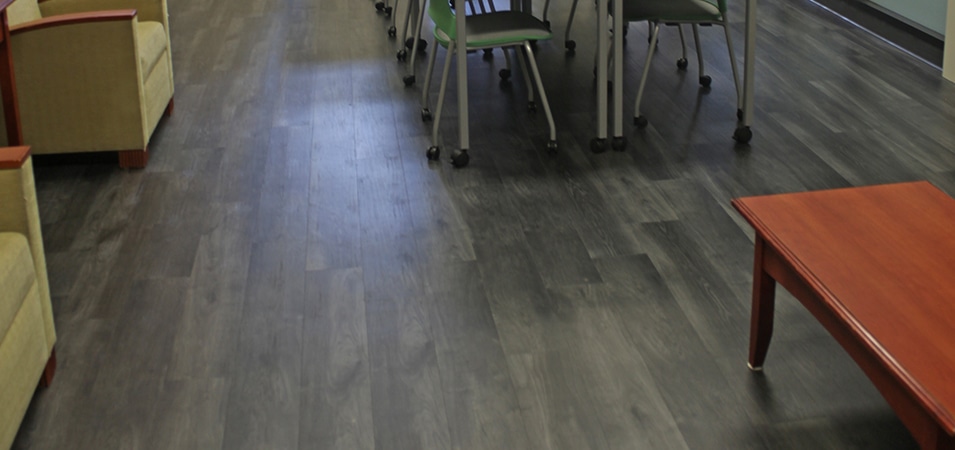
Commercial vinyl flooring: LVT vs. VCT vs. sheet flooring
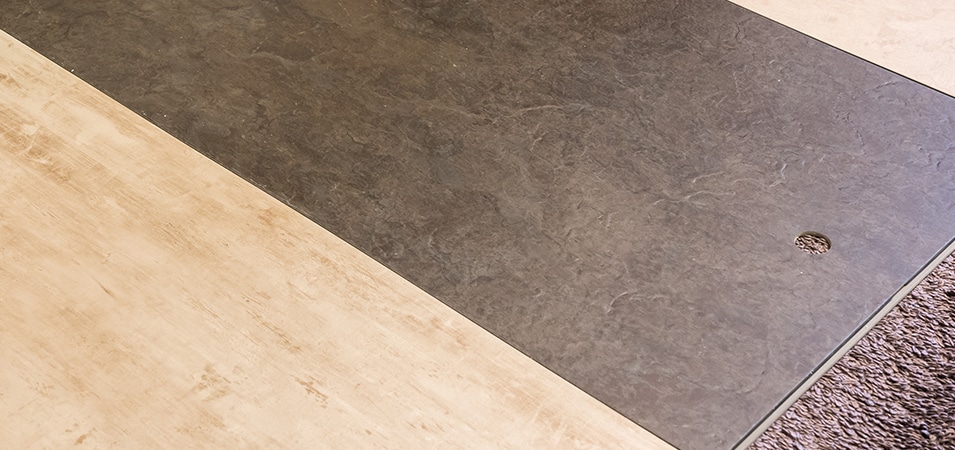
Commercial Vinyl Flooring Vinyl flooring, Flooring, Vinyl sheet

China Commercial Grade Hospital PVC Vinyl Flooring That Looks Like

Related Posts: