Installing bamboo flooring in my home five years ago was one of my best renovation decisions, but I quickly learned that proper cleaning techniques are essential for maintaining its beauty and longevity. Through trial and error, spills, pet accidents, and seasonal changes, I’ve developed a comprehensive cleaning routine that keeps my floors looking stunning while protecting my investment. Many homeowners make costly mistakes by treating bamboo like traditional hardwood, not realizing this engineered material requires specific care approaches. My experience has taught me that consistent, gentle maintenance far outweighs occasional deep cleaning efforts.
Understanding Your Bamboo Floor’s Unique Cleaning Needs
My bamboo floors surprised me with their sensitivity to moisture compared to the oak hardwood in my previous home. I learned this lesson the hard way during my first deep cleaning attempt when I used too much water and noticed some planks beginning to warp slightly. Bamboo’s cellular structure absorbs moisture more readily than traditional hardwood, making it crucial to use minimal water during any cleaning process. This discovery changed my entire approach to floor maintenance and prevented costly damage that could have required professional restoration.
The protective finish on bamboo floors responds differently to various cleaning products than I initially expected. I discovered that many commercial floor cleaners designed for hardwood left streaky residue on my bamboo surfaces. After consulting with the manufacturer, I learned that pH-neutral cleaners work best for maintaining the factory finish without causing cloudiness or buildup. This knowledge saved me from using harsh chemicals that could have permanently damaged the protective coating and voided my warranty coverage.
Temperature fluctuations in my home taught me about bamboo’s expansion and contraction characteristics during different seasons. I noticed small gaps appearing between planks during the winter months when indoor humidity dropped significantly. This natural movement affects cleaning routines because debris can accumulate in these seasonal gaps, requiring more frequent attention to prevent permanent staining. Understanding these characteristics helped me adjust my cleaning schedule and techniques throughout the year for optimal results.
Daily Cleaning Routines That Protect Your Investment
My morning routine includes sweeping high-traffic areas with a microfiber dust mop that captures fine particles without scratching the surface. I learned that regular dust bunnies and pet hair can scratch bamboo’s finish over time if left to accumulate. The key is using tools with soft bristles or microfiber materials that lift debris rather than pushing it around. This simple five-minute daily habit prevents the majority of surface damage that occurs from abrasive particles being ground into the floor by foot traffic.
Spot cleaning spills immediately became second nature after a red wine incident during my first dinner party nearly stained a plank permanently. I keep microfiber cloths stationed in each room with bamboo flooring for quick cleanup of liquid spills before they can penetrate the surface. The technique involves blotting rather than wiping to prevent spreading the liquid over a larger area. This immediate response has saved my floors from numerous potential disasters, including coffee spills, pet accidents, and cooking mishaps.
High-traffic entryways require special attention in my daily routine because they accumulate the most dirt and moisture from outdoor shoes. I placed absorbent mats both inside and outside exterior doors to capture debris before it reaches the bamboo surfaces. These mats get washed weekly to maintain their effectiveness, and I vacuum underneath them regularly to prevent trapped particles from scratching the floor when people step on the mats. This preventive approach significantly reduces the overall cleaning workload for the entire floor area.

Weekly Deep Cleaning Methods I’ve Perfected
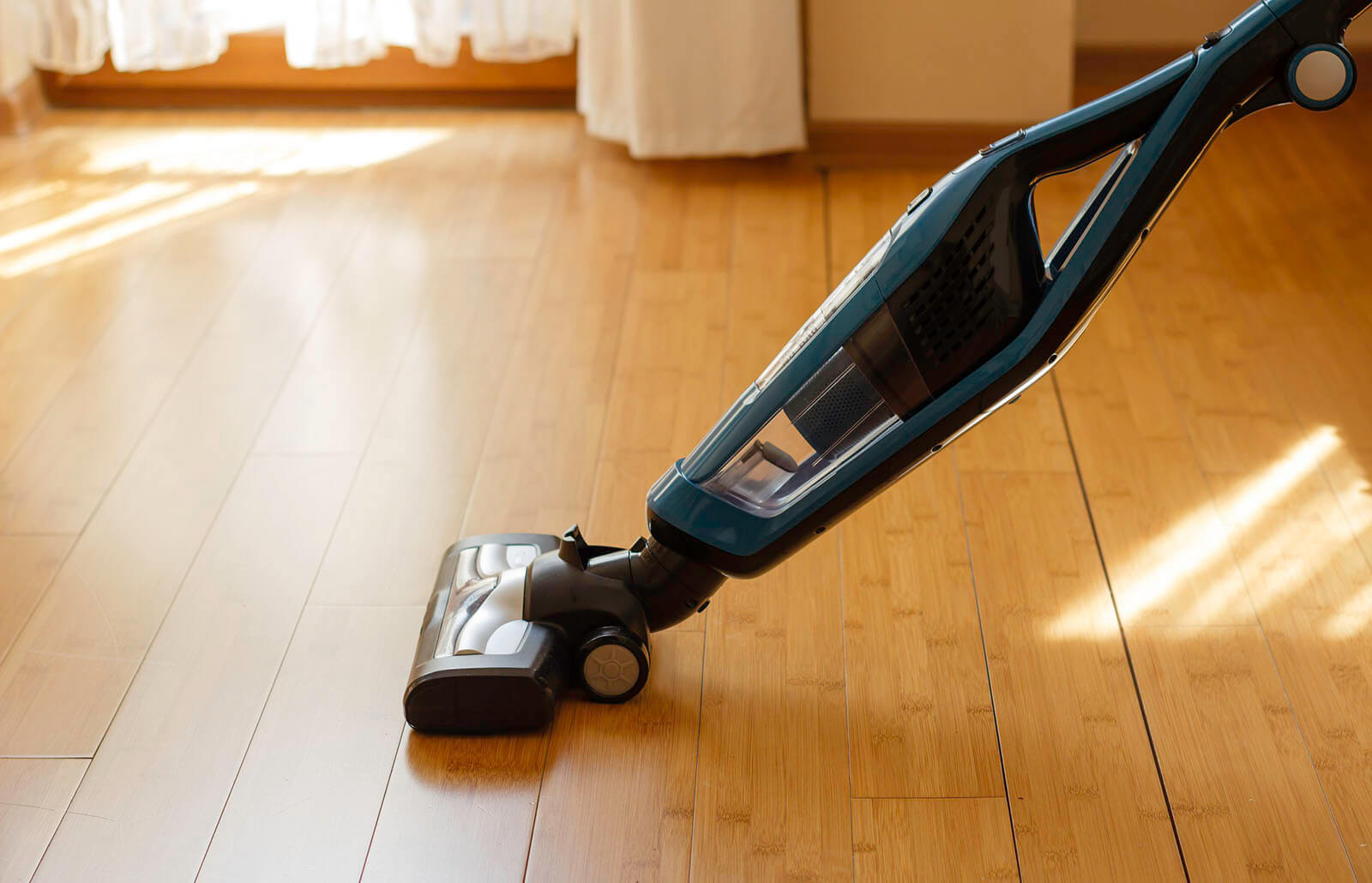
My weekly cleaning routine begins with thorough vacuuming using a hardwood floor attachment that prevents scratches while removing debris from surface textures and plank edges. I learned to avoid beater bar attachments that can damage bamboo’s finish through repeated impact. The suction-only approach effectively removes pet hair, dust, and small particles that daily sweeping might miss. I pay special attention to corners and baseboards where debris tends to accumulate and become more difficult to remove if left for extended periods.
Damp mopping requires careful technique and the right tools to avoid water damage while achieving thorough cleaning. I use a well-wrung microfiber mop with bamboo-specific cleaner diluted according to manufacturer instructions. The key is working in small sections and ensuring no standing water remains on the surface after cleaning. I follow up immediately with a dry microfiber cloth to remove any remaining moisture and prevent water spots or streaking that can dull the floor’s natural luster over time.
My weekly routine includes inspecting the entire floor area for signs of wear, damage, or areas that need special attention. I look for scratches, dents, or finish wear that might require touch-up treatments before they become major problems. This proactive approach allows me to address small issues quickly rather than waiting for expensive repairs. I also rotate area rugs and furniture periodically to ensure even wear patterns and prevent permanent indentations from heavy pieces that remain in one position too long.
Dealing With Stubborn Stains and Problem Areas
Pet accidents taught me valuable lessons about enzyme cleaners and their effectiveness on bamboo surfaces compared to traditional cleaning products. I discovered that biological stains require specialized treatment to eliminate odors and prevent permanent discoloration. The key is acting quickly and using products specifically designed for pet messes rather than general household cleaners. I keep enzyme cleaner readily available and follow up with thorough rinsing and drying to prevent any residue buildup that could attract future soiling.
Scuff marks from furniture and shoes initially frustrated me until I learned proper removal techniques using tennis balls and baking soda paste. Light scuffs often disappear with gentle rubbing using a clean tennis ball, while more stubborn marks respond to a paste made from baking soda and water. The important factor is using minimal pressure and testing any treatment method in an inconspicuous area first. These gentle approaches remove most surface marks without damaging the protective finish or requiring professional restoration services.
Grease stains from cooking mishaps require immediate attention and specific cleaning approaches to prevent permanent damage to bamboo’s porous surface. I learned that warm water and mild dish soap work better than commercial degreasers that can be too harsh for the floor’s finish. The technique involves blotting excess grease immediately, then cleaning with soapy water and thoroughly rinsing. Stubborn grease responds to white vinegar solutions, but I always test these acidic treatments in hidden areas first to ensure they won’t damage the finish.

Seasonal Maintenance and Humidity Control
Winter months require extra attention to humidity levels in my home because bamboo responds dramatically to moisture changes in the environment. I use humidifiers to maintain 30-50% relative humidity, preventing excessive shrinkage that can create permanent gaps between planks. Too much humidity causes swelling and potential buckling, while too little creates splitting and separation. Monitoring these levels with a digital hygrometer helps me maintain optimal conditions year-round for both floor performance and my family’s comfort.
My seasonal deep cleaning routine includes professional-grade treatments that restore luster and provide additional protection against daily wear. I apply bamboo floor polish twice yearly using products specifically formulated for engineered bamboo rather than generic hardwood treatments. This process involves thorough cleaning first, then applying thin coats of polish with microfiber applicators, working with the grain pattern. The results dramatically improve appearance and provide extra protection against scratches and moisture penetration.
Furniture protection becomes more critical during seasonal humidity changes when bamboo movement is most pronounced. I check and adjust furniture pads regularly to ensure they’re providing adequate protection without restricting natural expansion and contraction. Heavy furniture pieces get special attention with felt pads that distribute weight evenly and prevent concentrated pressure points. I also rotate furniture arrangements seasonally to prevent permanent indentations and ensure even wear patterns across the entire floor surface.
Common Mistakes to Avoid and Professional Tips
Steam cleaning represents the biggest mistake I see other bamboo floor owners make, assuming that heat and moisture will provide superior cleaning results. I learned from manufacturer warnings that steam can penetrate bamboo’s cellular structure and cause irreversible swelling, warping, or delamination of engineered layers. Traditional steam mops generate too much heat and moisture for safe bamboo floor cleaning. This knowledge prevented me from making a costly error that would have required complete floor replacement in affected areas.
Over-wetting during cleaning causes more bamboo floor damage than any other maintenance mistake I’ve observed in friends’ homes. Many people assume that wet mopping techniques suitable for tile or vinyl work equally well on bamboo surfaces. The reality is that bamboo requires minimal moisture application followed by immediate drying to prevent water infiltration. I always emphasize the importance of wringing mops thoroughly and working in small sections to maintain control over moisture levels throughout the cleaning process.
Product selection mistakes cost me money early in my bamboo floor ownership when I used inappropriate cleaners that left residue buildup or caused finish damage. I learned to read labels carefully and choose only products specifically formulated for bamboo or engineered wood surfaces. Generic floor cleaners, especially those containing ammonia, bleach, or oil-based ingredients, can cause permanent damage that voids warranty coverage. Investing in proper cleaning products costs more initially but prevents expensive repairs and maintains the floor’s appearance and value long-term.

How often should I clean my bamboo floors to maintain their appearance and longevity?
Daily sweeping or dust mopping removes abrasive particles that cause finish wear, while weekly damp mopping addresses deeper soil buildup. I perform thorough deep cleaning monthly, including moving furniture to clean underneath and treating any problem areas. Seasonal maintenance twice yearly involves professional-grade treatments and humidity adjustments. This schedule maintains optimal appearance while preventing damage from neglect or over-cleaning that can harm the protective finish.
What cleaning products are safe to use on bamboo floors without causing damage?
I exclusively use pH-neutral cleaners specifically formulated for bamboo or engineered hardwood floors. Bona and Minwax make excellent bamboo-safe products that clean effectively without leaving residue. Avoid ammonia, bleach, oil soaps, wax-based products, and generic floor cleaners that can damage the finish. White vinegar works for tough stains but requires immediate neutralization and thorough rinsing. Always test new products in inconspicuous areas first to ensure compatibility.

Can I use a steam mop on bamboo floors for deep cleaning purposes?
Never use steam mops on bamboo floors, as the heat and moisture can cause irreversible warping, swelling, and delamination of engineered layers. Steam penetrates bamboo’s cellular structure more easily than traditional hardwood, leading to permanent damage that requires professional repair or replacement. Stick to damp mopping with minimal water and appropriate cleaners. I learned this lesson from manufacturer warnings and have seen expensive damage in homes where steam cleaning was attempted.
How do I remove scratches and scuff marks from my bamboo floors safely?
Light scuffs often disappear with gentle rubbing using a clean tennis ball or pencil eraser. Deeper scratches may require baking soda paste applied gently with soft cloth, then thoroughly cleaned and dried. For significant damage, use touch-up markers or wood filler specifically designed for bamboo floors. Always test repair methods in hidden areas first. Severe scratches require professional refinishing to restore appearance and maintain warranty coverage.
What’s the best way to control humidity levels to prevent bamboo floor damage?
Maintain 30-50% relative humidity year-round using humidifiers in winter and dehumidifiers in summer as needed. I monitor levels with digital hygrometers placed throughout my home. Sudden humidity changes cause the most damage, so gradual adjustments work better than dramatic corrections. Proper HVAC maintenance and good ventilation help maintain stable conditions. Seasonal gaps between planks are normal, but excessive movement indicates humidity problems requiring immediate attention.
Should I use area rugs and furniture pads to protect my bamboo floors?
Absolutely! I place high-quality rugs in entryways and high-traffic areas to prevent soil accumulation and wear patterns. All furniture gets felt pads that distribute weight evenly and prevent scratches during movement. I replace pads annually because worn protectors can cause more damage than no protection. Avoid rubber-backed rugs that can trap moisture and cause discoloration. Quality protection products cost far less than floor repairs and maintain their appearance long-term.

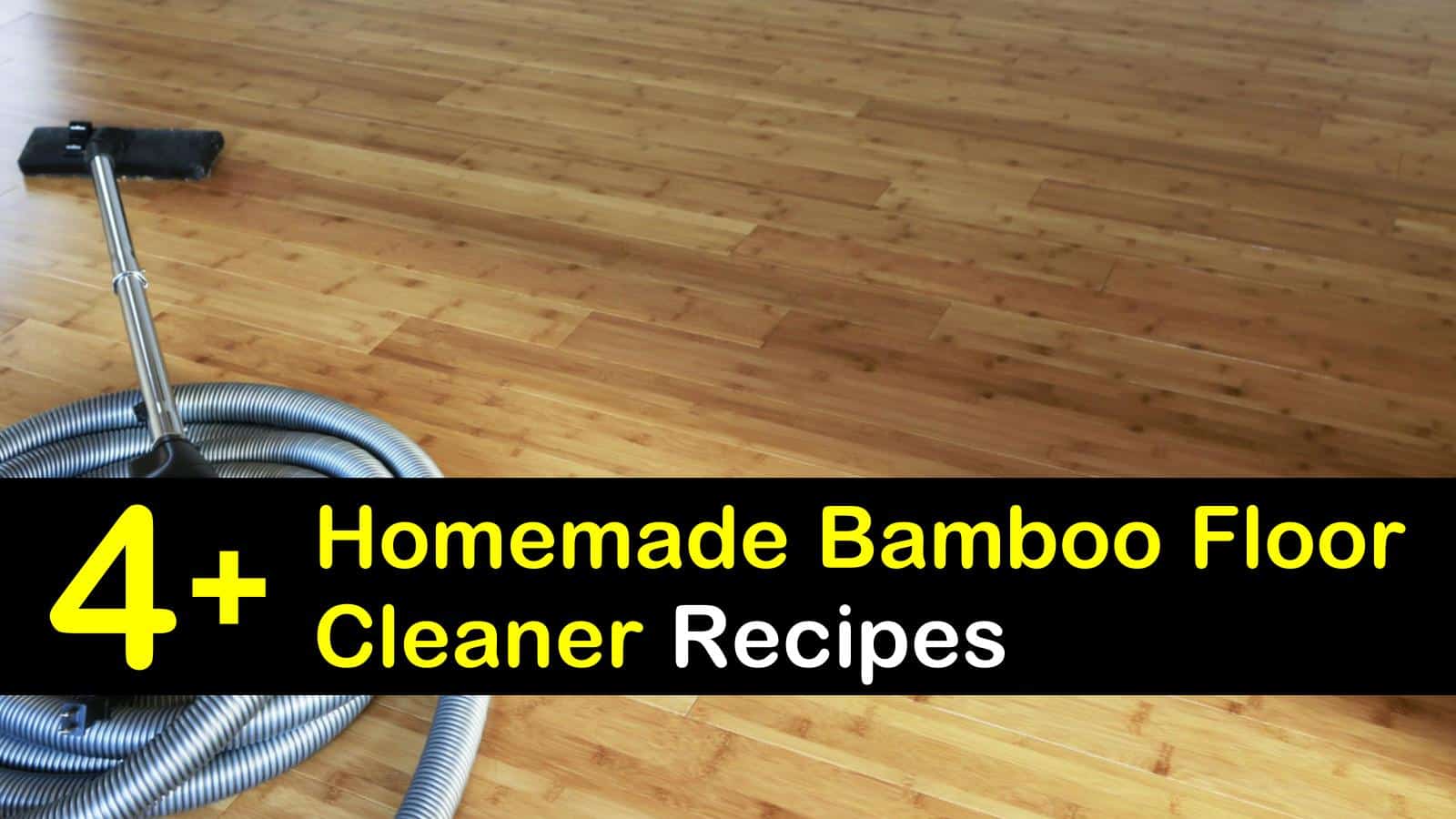
Easy-to-Make Bamboo Floor Cleaner Recipes
How to Clean Bamboo Floors Gently, but Effectively LoveToKnow
Related Posts: