Vinyl flooring has recently gained my attention as an excellent option for households. It’s come a long way from linoleum in the past, and the sheer range of styles available now is remarkable. I’ve been looking into different varieties for a possible home makeover, and I’m pleased to share what I’ve discovered about how attractive and functional this flooring option can be. From wood-look planks to elaborate tile designs, there appears to be a vinyl alternative to fit nearly every taste and home design.
Exploring the Variety of Vinyl Styles
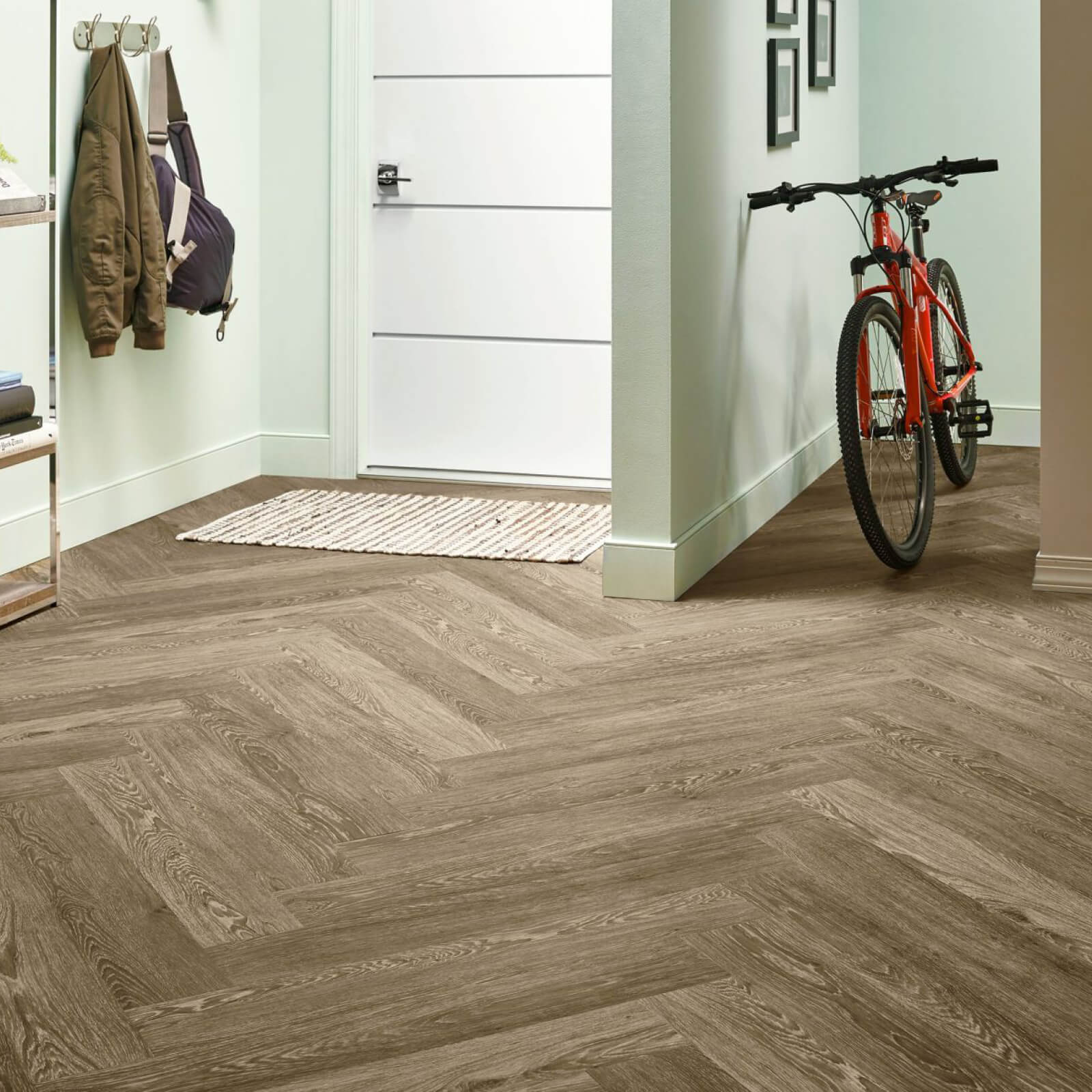
What immediately interested me to vinyl was the enormous variety of looks it can provide. Planks that successfully resemble the feel and grain of real hardwood are available, generally at a lower cost and with fewer maintenance requirements. I’ve seen some that are so lifelike, it’s difficult to tell the difference just by looking. This opens up a plethora of options for achieving the classic wood floor feel in spaces where actual wood may not be the ideal option, such as kitchens or bathrooms where moisture is an issue.
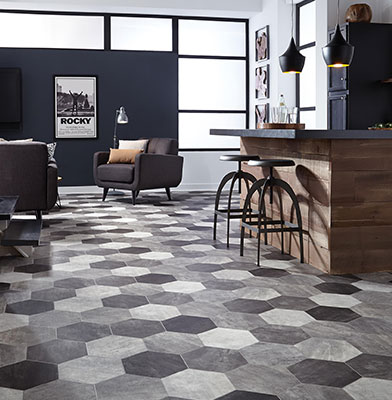
Beyond wood imitations, tile and stone-look vinyl are as intriguing. I’ve discovered stunning designs that resemble everything from polished marble to rustic slate. Some of these have an impressive amount of detail, with color and texture changes that provide depth and character to a room. This gives you the classy beauty of natural stone or ceramic without the coldness or the risk of breaking, which is a huge advantage for comfort and durability in my eyes.
And it does not end there! I’ve also seen some truly unusual and modern vinyl designs with vivid patterns and colors. These can be an excellent way to add flair to an area and create a true focus point. Whether you choose a subtle, modest elegance or something more adventurous and expressive, I am confident that there is a vinyl style out there that will perfectly suit your particular taste and the overall design of your home.
The Practical Benefits of Vinyl
Aside from its elegant design, the functionality of vinyl flooring appeals to me much. I’ve discovered that it is really sturdy and can withstand the daily wear and strain of a busy household. Spills, scratches, and dents are less of an issue than with other flooring materials. This durability makes it an excellent choice for high-traffic areas and households with children or pets, providing both peace of mind and long-lasting beauty.
Another important advantage I’ve discovered is the ease with which vinyl flooring can be cleaned and maintained. A quick sweep or mop is generally enough to keep it looking great. This low-maintenance element appeals to me because it means less time spent doing chores and more time enjoying my living space. Its water-resistant properties make it an excellent choice for kitchens and bathrooms, where spills are more prone to occur.
Finally, I discovered that vinyl flooring may be surprisingly comfy underfoot. Many types include a cushioned layer that gives some give, making them more comfortable to walk on than hard surfaces such as tile or stone. This extra comfort can make a significant impact in areas where you spend a lot of time standing, such as the kitchen. Furthermore, it is warmer than tile, which might be beneficial, especially during the colder months.
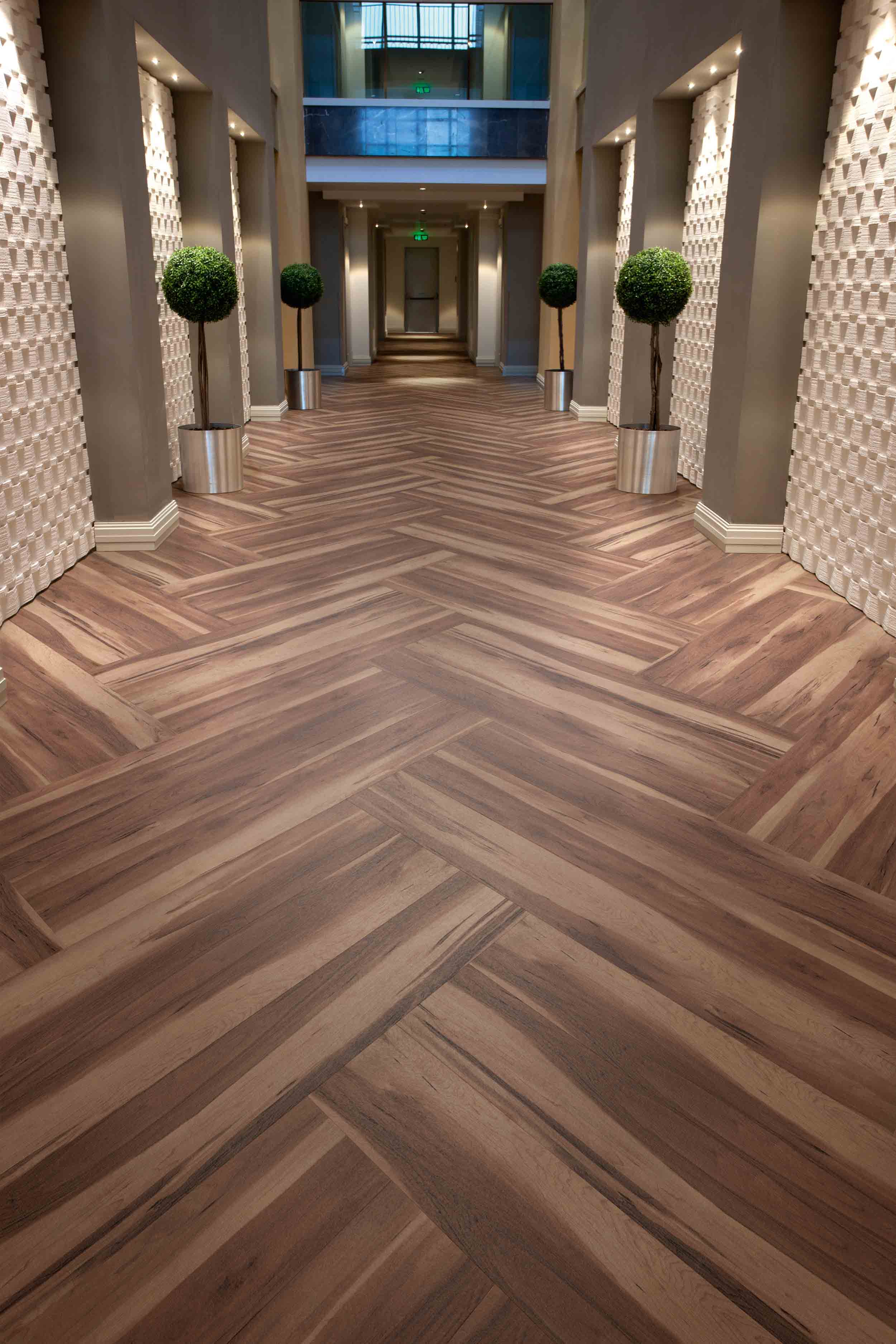
Installation made easier
From what I’ve seen, installing vinyl flooring might be a more simpler process than other options. Many varieties, particularly the click-lock planks, are intended for easy DIY installation. This can result in significant savings on professional fitting charges. I’ve watched numerous instructions, and it appears that with enough time and the correct tools, many homeowners can complete the process themselves.
Sheet vinyl choices have also improved in terms of usability. While bigger rooms may still require expert installation, smaller sections can typically be handled by a skilled DIYer. The key appears to be appropriate preparation of the subfloor to create a smooth and level surface. This prevents any defects from appearing through the vinyl, resulting in a long-lasting, professional-looking finish.
I’ve also noted that the tools needed for vinyl installation are generally simple and widely available. A utility knife, a measuring tape, and possibly a tapping block are frequently all that is required for plank or tile installations. This accessibility makes it even more tempting to those of us who enjoy working on home renovation tasks ourselves. In my opinion, vinyl is a really appealing flooring option due to its relative ease of installation and elegant results.

Budget-Friendly Flooring Solutions
One of the first things I noticed about vinyl flooring was its low cost. When compared to materials such as hardwood or genuine stone, vinyl is typically a less expensive option that does not sacrifice style or durability. This makes it a fantastic choice for homeowners wishing to renovate on a limited budget while still achieving a beautiful and long-lasting floor. I’m quite satisfied with the value it delivers.
I also discovered that the cost-effectiveness goes beyond the initial purchase price. Vinyl’s durability means it is less likely to require replacement or repairs as frequently as other flooring materials, potentially saving money in the long run. This long-term value is something I usually think about while making home improvement decisions.
Furthermore, the ability for DIY installation might result in significant cost savings. You can save money on labor by doing the installation yourself instead of hiring professional fitters. Given the attractive appearance and practical features of vinyl flooring, its price makes it an excellent choice for many homeowners, including myself.

Comfortable and Quiet Underfoot
One thing I particularly like about vinyl flooring is how comfortable it is to walk on. Many types include a built-in cushioned layer, making them softer and more forgiving underfoot than hard surfaces such as tile or concrete. I can think that this would be very useful in locations where you spend a lot of time standing, such as the kitchen. It just feels like a more comfortable surface to deal with on a daily basis.
Beyond physical comfort, I’ve noticed that vinyl flooring is quieter than other options. It can assist absorb sound, lowering noise from footsteps and other movements. This can lead to a more quiet and comfortable living environment, which is something I highly value in a home. According to what I’ve read, some models even include additional soundproofing layers for increased noise reduction.
Vinyl’s mix of underfoot comfort and noise reduction makes it an excellent choice for a variety of spaces in the home. Whether it’s a noisy family room where you want to reduce noise or a bedroom where you want a softer sensation under your feet, vinyl appears to strike a good mix between functionality and comfort. This is absolutely something I’ll keep in mind as I examine my flooring alternatives.
Simple Maintenance for Busy Lives
For someone with a hectic lifestyle, like myself, vinyl flooring’s simple upkeep is a significant bonus. I’ve discovered that regular sweeping and mopping are all that’s required to maintain it clean. Unlike other flooring materials, it does not require any specific polishes or treatments. This simplicity appeals to me because it frees up time for other activities rather than cleaning.
Vinyl’s water resistance makes it easier to maintain. Spills can typically be cleaned up quickly without the risk of the liquid permeating into the material and creating harm. This is a huge advantage, especially in areas like kitchens and toilets where spills are more often. I value the peace of mind that comes from knowing that the flooring can withstand common incidents.
Overall, the low maintenance of vinyl flooring fits nicely with my vision for a home that is both elegant and functional. Its stunning appearance and low maintenance requirements make it a very appealing alternative. I can see why so many people are selecting vinyl for their houses; it provides an excellent balance of looks and ease.
Is vinyl flooring strong enough for high-traffic areas?
Yes! According to my understanding, vinyl flooring is supposed to be extremely durable and can survive the wear and tear of high-traffic areas in the home. Many versions include a protective wear layer that prevents scratches, stains, and dents, making them ideal for hallways, living rooms, and even kitchens. I’ve read that the thickness of this wear layer is an important predictor of durability, so it’s something I’ll absolutely consider when making my ultimate decision.
Can vinyl flooring be placed in bathrooms and kitchens?
Yes, it can! One of the most significant advantages of vinyl flooring, in my opinion, is its water resistance. This makes it an excellent choice for rooms prone to dampness, such as bathrooms and kitchens. Unlike hardwood, vinyl will not warp or be harmed by spills, and it is simple to clean any splashes or messes. Knowing that vinyl can withstand humidity and probable water exposure gives me a lot more confidence in using it in these situations.

How does the price of vinyl flooring compare to other options?
According to my study, vinyl flooring is typically less expensive than hardwood, tile, or genuine stone. The initial purchase price per square foot is typically lower, and the option for DIY installation can save on labor costs. I enjoy that I can obtain a trendy look without breaking the wallet, and the durability of vinyl appears to be a wise long-term investment.
Is vinyl flooring comfortable to walk on?
Many vinyl flooring options provide comfortable underfoot conditions. Some include a built-in foam or cushioned backing, which provides a gentler sensation than hard surfaces like tile or concrete. This additional padding can make a significant difference, particularly in regions where you spend a lot of time standing. I’m definitely thinking about this comfort factor for spaces like my kitchen.

How easy is it to maintain vinyl flooring?
One of the most appealing aspects of vinyl flooring is its ease of upkeep. It’s really simple to maintain clean with only frequent sweeping or vacuuming and the odd mopping with a gentle cleanser. I like that it doesn’t require any special polishes or treatments, which saves time and effort. The water resistance also makes spills easy to clean up without causing damage, making it an excellent solution for busy households.
Can vinyl flooring accurately replicate the appearance of wood or tile?
Yes! I’m incredibly pleased with how far technology has progressed in producing realistic-looking vinyl. There are planks and tiles available that accurately duplicate the textures, grains, and colors of natural wood, stone, and ceramic. Some even have embossed surfaces, which add to the realistic effect. I believe it is an excellent method to get a high-end appearance without incurring the cost or care of actual materials.
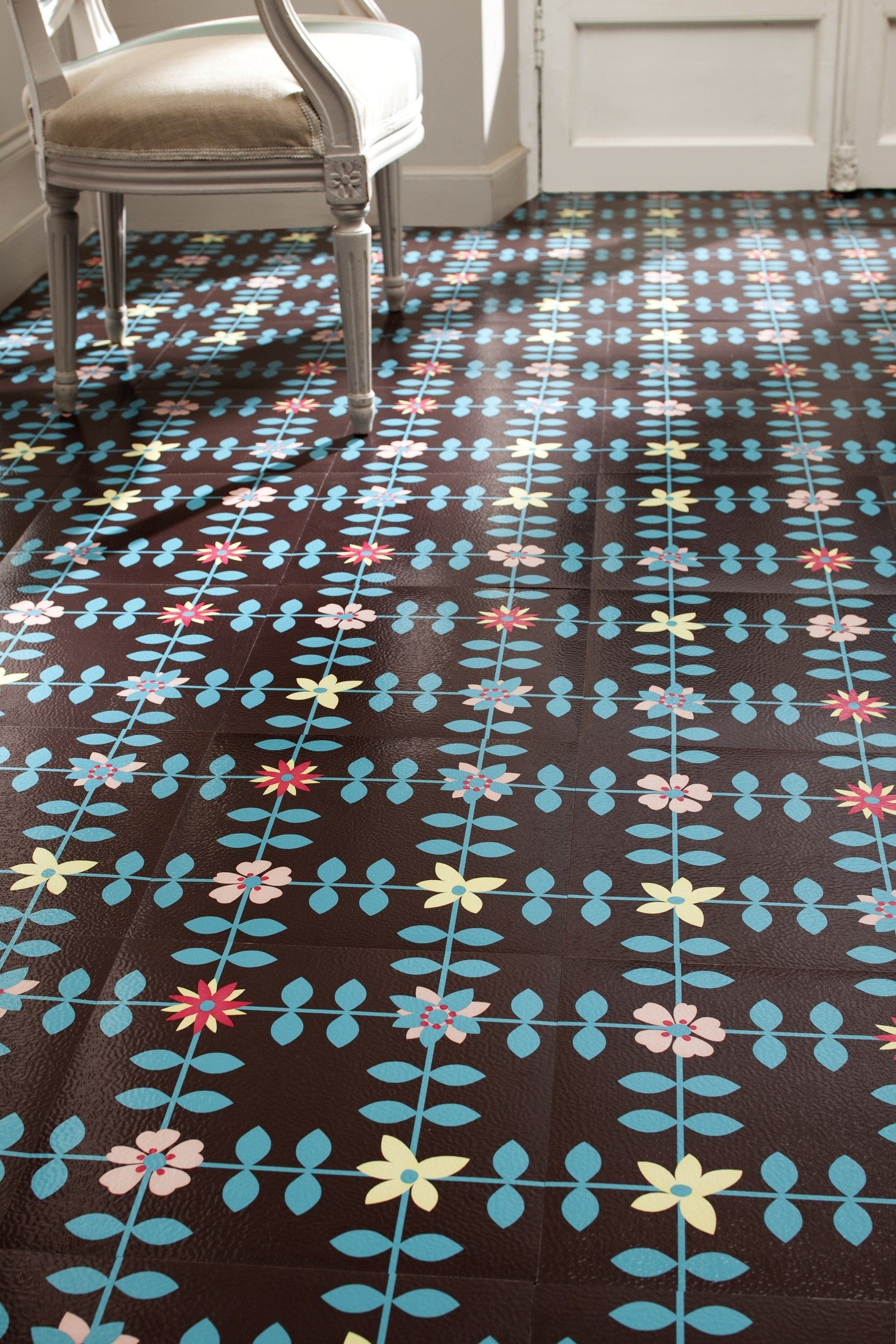
Vinyl Flooring: New Digitally Printed Patterns We Love Apartment
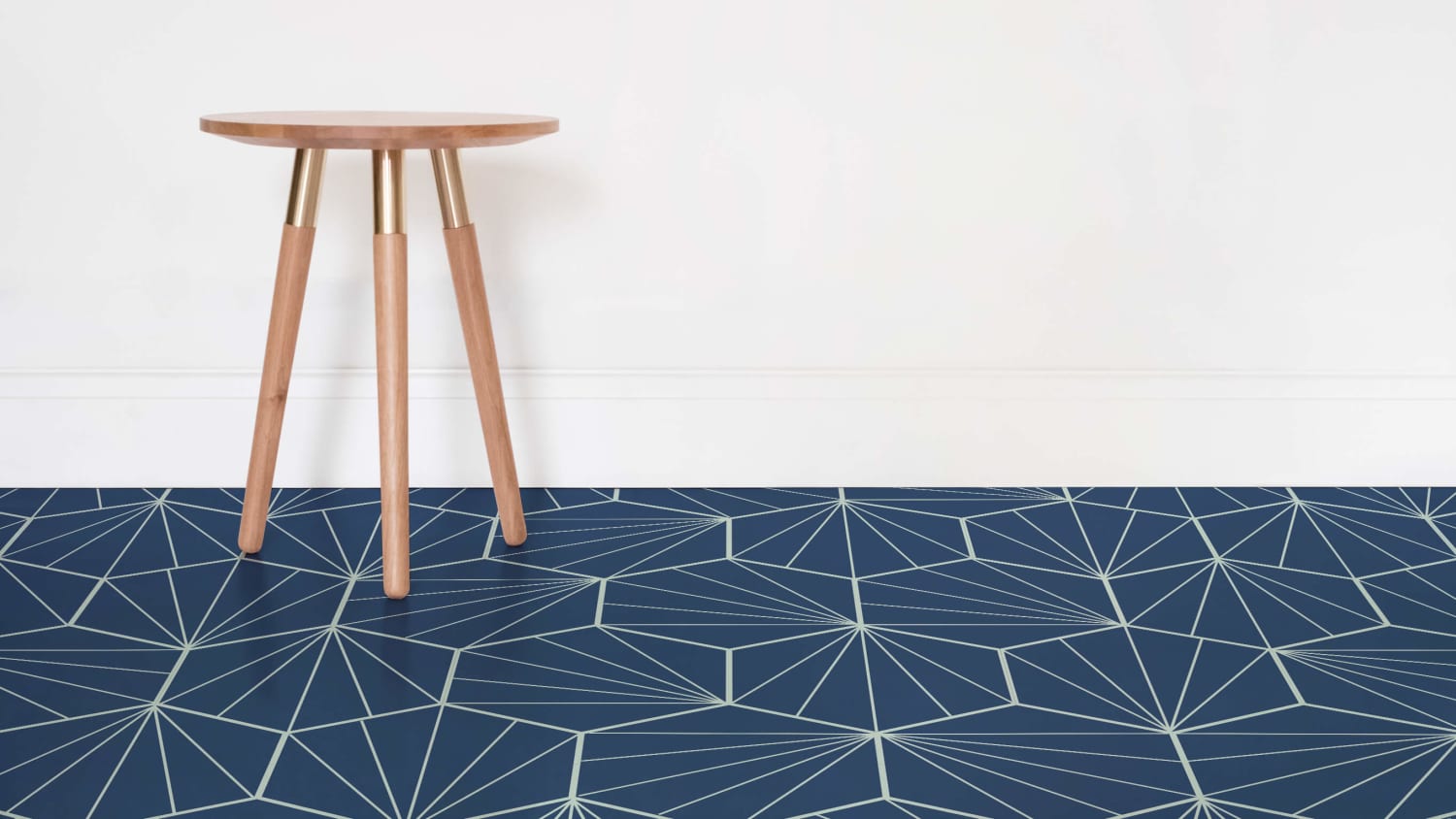
Stylish Vinyl Flooring Looks for Any Room in Your Home in Suwanee
Related Posts: