When I started researching eco-friendly flooring options three years ago, dark bamboo immediately caught my attention. I’d always associated bamboo with light, natural colors, so discovering rich chocolate and espresso-toned bamboo options was a pleasant surprise. After installing 1,200 square feet of carbonized dark bamboo throughout my main living areas, I can honestly say it’s been one of my best home improvement decisions. The dramatic color adds sophistication to every room while giving me peace of mind about choosing a sustainable material. The durability and unique character of this flooring continue to impress me daily.
Understanding Dark Bamboo Processing: How Nature Becomes Sophisticated
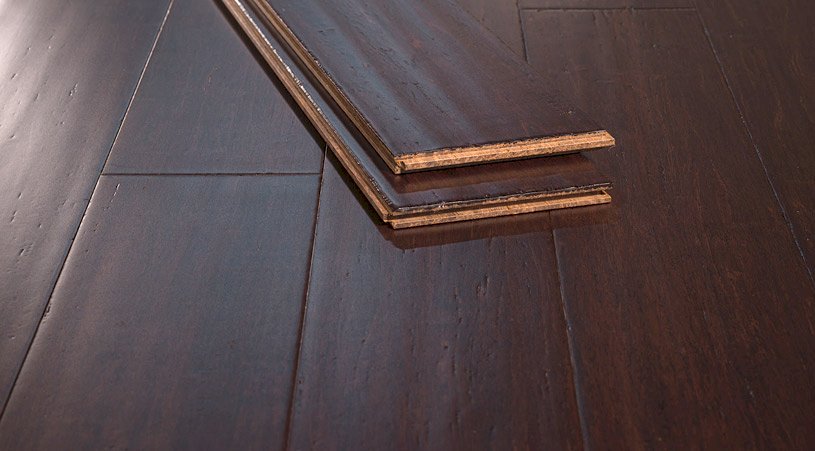
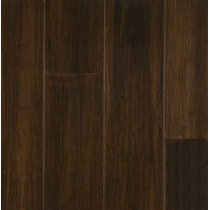
I was fascinated to learn how bamboo transforms from its naturally light color to those rich, dark tones I fell in love with. The process is called carbonization, where the bamboo is essentially caramelized under heat and pressure. This creates those beautiful chocolate and coffee hues that range from medium brown to almost black. When I visited the showroom, I could see samples showing the full spectrum of colors achievable through different carbonization levels.
What surprised me most was discovering that darker bamboo actually becomes softer during the carbonization process. The heat treatment that creates those gorgeous dark colors also breaks down some of the bamboo’s natural density. My flooring installer explained this meant I needed to be more careful about dent resistance compared to natural bamboo. However, the trade-off was worth it for the stunning appearance and the fact that it’s still harder than most traditional hardwoods.
The bamboo I chose came from mature plants that were harvested after five years of growth, then processed using steam and pressure rather than harsh chemicals. I appreciated that the manufacturer provided documentation of their sustainable harvesting practices. Each plank displays a unique grain pattern and subtle color variations that make my floors resemble expensive, exotic hardwood. The carbonization process also stabilizes the bamboo, making it less susceptible to moisture changes than I expected.
Installation Experience: Smoother Than I Anticipated
I decided to hire professionals for the installation after reading about bamboo’s specific requirements, and I’m glad I made that choice. My contractor had experience with bamboo and knew to acclimate the planks in my home for 72 hours before installation. During this waiting period, I could see the wood adjusting to my home’s humidity levels. The planks arrived perfectly straight, but some showed slight movement during acclimation.
The actual installation took just two days for my 1,200 square feet, much faster than I expected. The bamboo planks were tongue-and-groove engineered boards that clicked together beautifully. My installer used a pneumatic nailer and explained that bamboo requires slightly different techniques than traditional hardwood. The density meant predrill holes were necessary in some areas to prevent splitting, especially near walls and transitions.
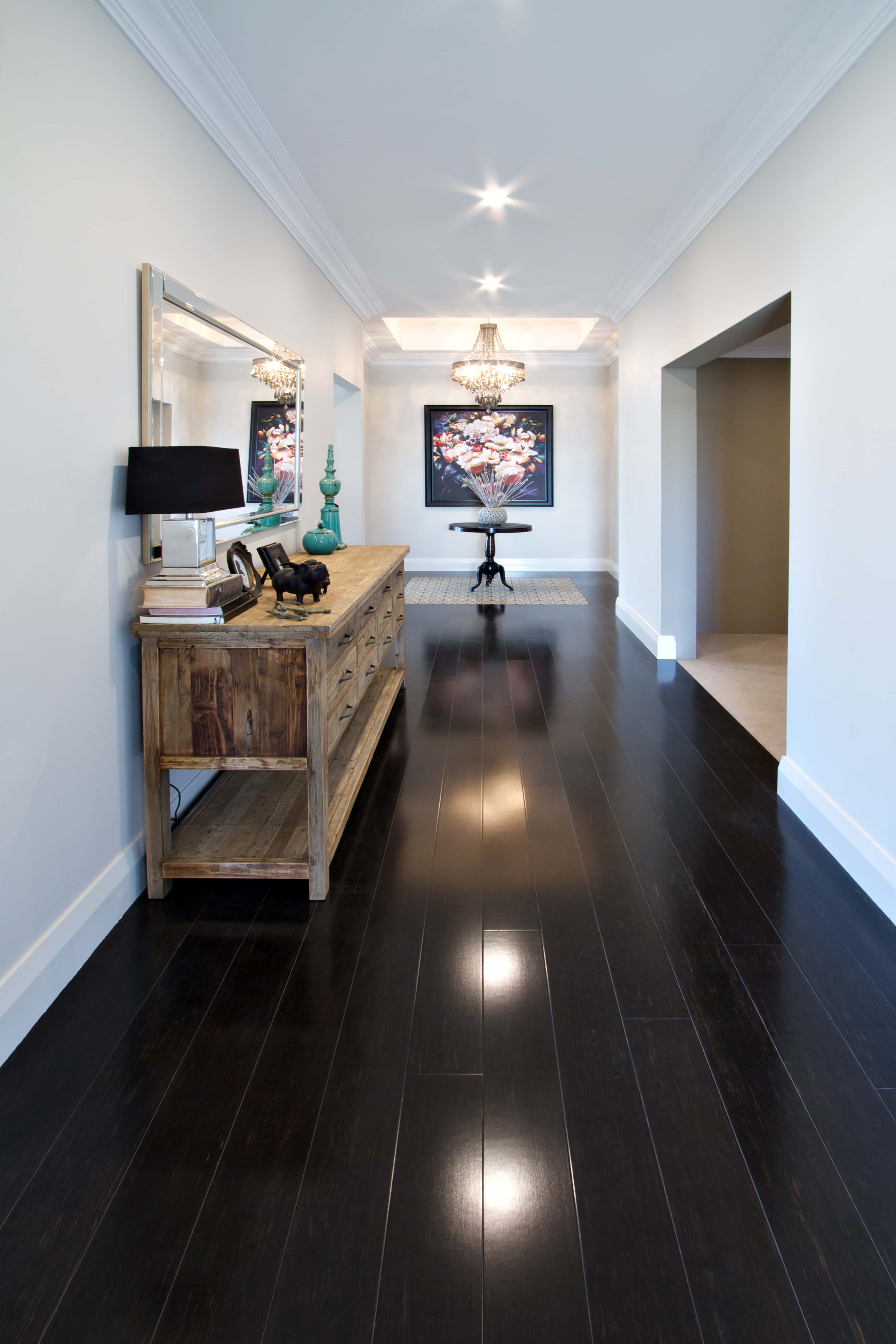
Watching the installation process was mesmerizing. Each plank had subtle variations in color and grain that created natural randomness when laid together. The installer was careful to mix planks from different boxes to ensure even color distribution throughout each room. We used a slightly darker wood filler in the nail holes, which virtually disappeared once the floor was finished. The final step was a light sanding and two coats of polyurethane that brought out the rich chocolate tones beautifully.
Daily Performance: Living with Dark Bamboo Reality
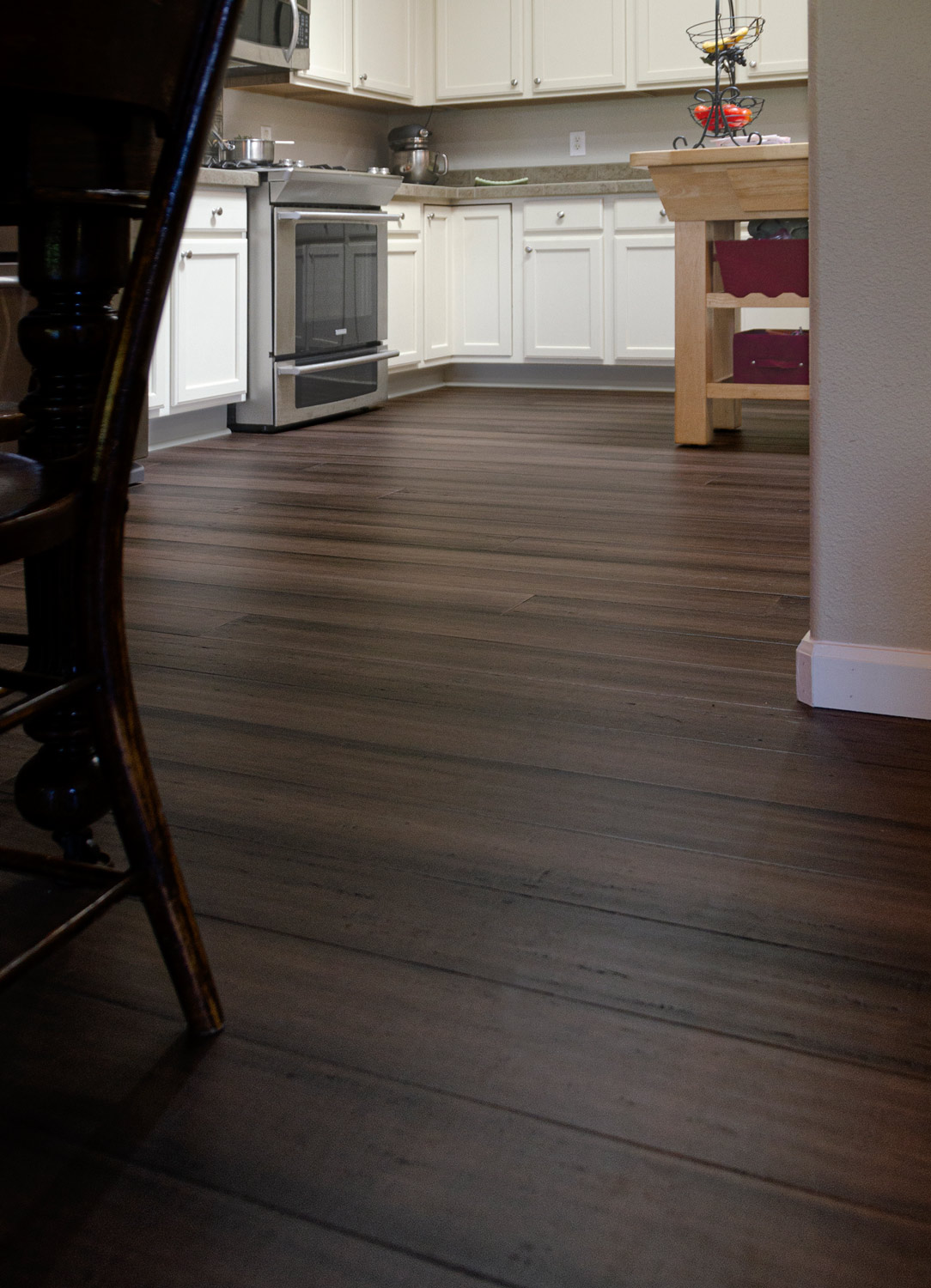
After two years of daily life on these floors, I can share the real experience. The dark color is fantastic for hiding dust, pet hair, and minor scuffs that would be obvious on lighter flooring. My golden retriever sheds constantly, and I love that I can go several days between sweeping without the floors looking messy. Water spills wipe up easily as long as I get to them reasonably quickly, though I’m more cautious than I was with my old laminate floors.
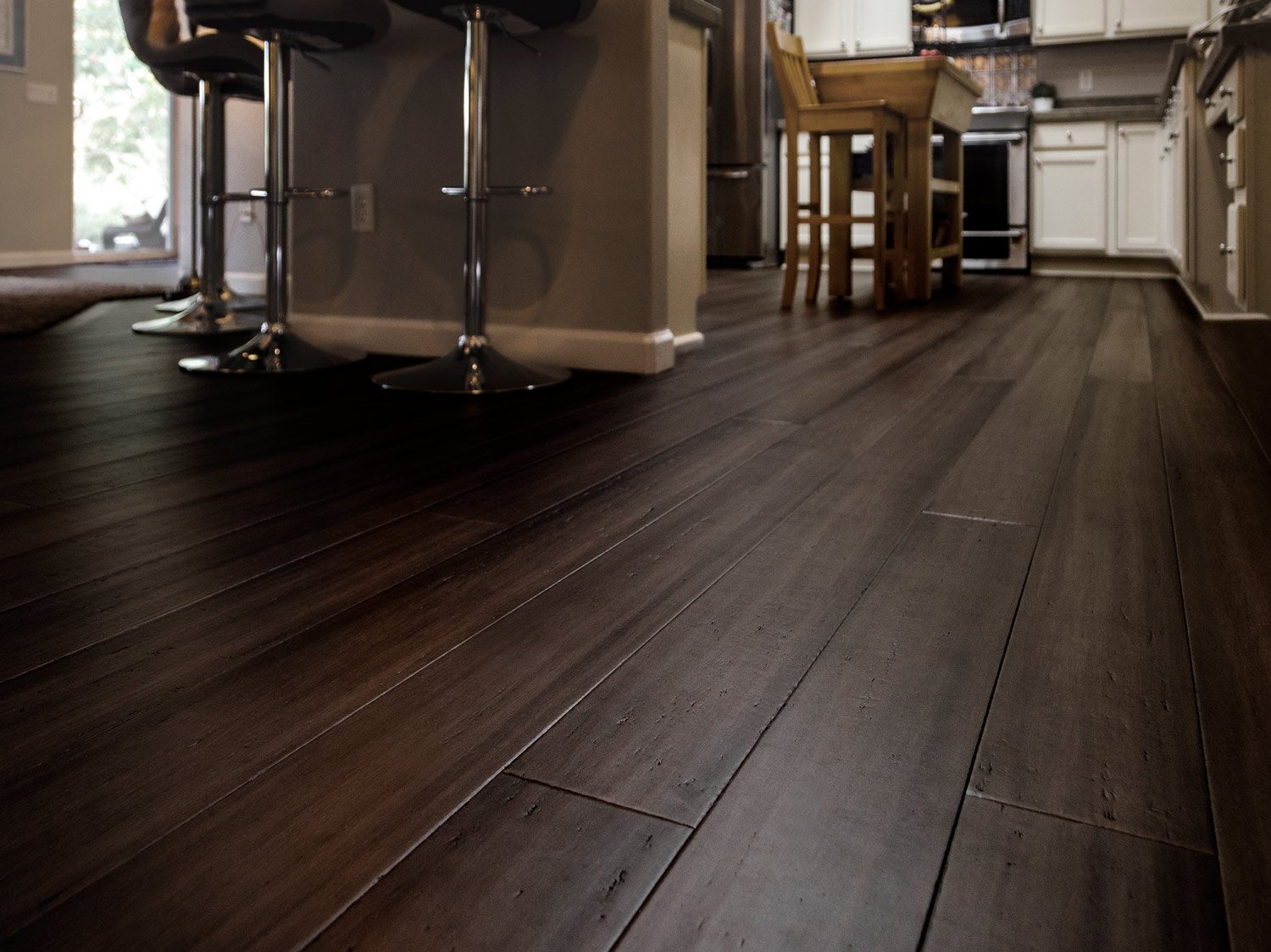
The comfort underfoot has been wonderful. Bamboo has a slight give that feels warmer and softer than hardwood, making it pleasant to walk on barefoot. I’ve noticed this especially in my kitchen, where I spend a lot of time standing while cooking. My back and legs feel less fatigued after long cooking sessions compared to the ceramic tile I had before. The surface temperature stays moderate year-round, not ice-cold in winter like stone floors.
Maintenance has been straightforward but requires some attention to detail. I sweep or vacuum regularly and mop monthly with a barely damp mop using bamboo-specific cleaner. The dark color shows water spots if I use too much cleaning solution, so I’ve learned to use very little moisture. Furniture pads are essential. I learned this the hard way when my dining room chair left small dents. Overall, the floors have held up well to normal family life with two kids and a large dog.

Durability and Longevity: What Two Years Has Taught Me
The durability has been impressive in most areas, though I’ve learned where dark bamboo’s limitations lie. High-traffic zones like my entryway and kitchen show minimal wear, maintaining their rich color and smooth surface. However, I did get a few small dents from dropped kitchen utensils and my daughter’s tap dancing phase. These are barely noticeable unless you’re looking for them, and they add character rather than detracting from the floor’s appearance.
One surprise was how well the floors handle seasonal humidity changes. I was worried about gaps opening up during winter heating season, but the engineered construction and quality installation kept everything stable. I do run a humidifier during the driest months to keep humidity around 40%, which my installer recommended. This small effort has kept the floors looking perfect with no shrinkage or expansion issues.
The polyurethane finish has held up better than expected. After two years, most areas still look freshly finished. Only the area right in front of my kitchen sink shows any wear in the protective coating, and even there, it’s minimal. I’m planning to have the floors professionally recoated in another few years as preventive maintenance. My installer said I could expect 15-20 years before needing major refinishing, which seems realistic based on the current condition.

Environmental Impact: Why I Sleep Better at Night
Choosing bamboo flooring aligned with my environmental values in ways that still make me feel good about the decision. Bamboo regenerates from its root system after harvesting, unlike trees that take decades to mature. The specific bamboo used for my floors grows to full height in just five years, making it one of the most renewable flooring materials available. This rapid growth also means it absorbs more carbon dioxide during its lifetime than slower-growing trees.
The manufacturing process for my floors used minimal chemicals and relied on heat and pressure rather than formaldehyde-based adhesives. I was able to verify that the bamboo came from responsibly managed forests in Asia, not from areas where habitat destruction was occurring. The shipping impact was something I considered, but the manufacturer used efficient packing and the longevity of the product offsets the transportation carbon footprint.
Living with bamboo floors has made me more conscious of other sustainable choices in my home. The floors look beautiful with reclaimed furniture and natural fiber rugs, creating a cohesive eco-friendly aesthetic. I love telling visitors about the sustainable benefits when they compliment the floors. It’s satisfying to know that my beautiful floors support responsible forestry practices and will last for decades with proper care. The dark color hides wear well, extending the lifespan even further.
Cost Analysis: Investment That Made Sense Long-Term
The upfront cost of dark bamboo fell right in the middle of my flooring budget at about $6 per square foot installed. This was more expensive than laminate but significantly less than exotic hardwoods that would achieve a similar look. When I compared the cost to dark walnut or Brazilian cherry hardwood, I saved nearly 40% while getting a comparable appearance and better environmental credentials.
Installation costs were reasonable because bamboo installs similarly to engineered hardwood. My contractor didn’t charge a premium for working with bamboo, unlike some specialty flooring materials. The project took the same amount of time as traditional hardwood would have, keeping labor costs predictable. I did invest in higher-quality underlayment, which added about $200 to the total cost but has contributed to the floors’ comfort and sound absorption.
The long-term value has been excellent. My home’s appraisal increased by more than the cost of the flooring project, and I know the floors will continue adding value for many years. Maintenance costs are minimal, just occasional professional cleaning and eventual refinishing. I estimate the total cost of ownership over 20 years will be lower than carpet replacement cycles or luxury vinyl that might need updating. The timeless appeal of the dark bamboo means I won’t feel pressured to replace it for style reasons.

How does dark bamboo hold up to kids and pets in daily use?
Very well overall. My golden retriever and two active kids haven’t caused any major damage in two years. The dark color hides pet hair and minor scratches beautifully. I do use furniture pads religiously and keep dog nails trimmed. Small dents from dropped toys are barely visible. Much more durable than I expected for family life.
What’s the real maintenance routine for dark bamboo floors?
Daily sweeping or vacuuming, monthly mopping with bamboo-specific cleaner using minimal water. The dark color shows water spots if you use too much cleaning solution. I reapply furniture pads quarterly and maintain 40% humidity with a humidifier during winter. Professional cleaning annually keeps them looking perfect.
How does the cost compare to other flooring options long-term?
Mid-range upfront at $6/sq ft installed, but excellent value over time. Less than exotic hardwood with a similar appearance, more than laminate, but much more durable. My home appraisal increased more than the project cost. Minimal maintenance costs and a 20-year lifespan make it economical compared to carpet replacement cycles.
Is dark bamboo actually as eco-friendly as claimed?
In my research, yes. Bamboo regenerates in 5 years versus decades for trees, absorbs more CO2 during growth, and my floors used minimal chemicals in processing. I verified sustainable harvesting practices with the manufacturer. The shipping impact is offset by the longevity and renewable nature of the material.

What should I know about humidity and seasonal changes?
Much more stable than I expected. I maintain 40% humidity year-round with a humidifier during heating season. No gaps or expansion issues in two years. The engineered construction handles seasonal changes well. My installer said this stability is better than solid hardwood in my climate.
How realistic is the dark color for hiding everyday wear and dirt?
Excellent for hiding dust, pet hair, and minor scuffs. Much more forgiving than light floors. Water spots show if you over-wet during cleaning, but normal dirt and debris virtually disappear. The rich chocolate color has remained consistent with no fading in high-sunlight areas after two years of exposure.

New Engineered Strand Bamboo Flooring
Bamboo Dark Hardwood Flooring
Related Posts: