Three years ago, I set out on a journey to locate eco-friendly flooring that didn’t sacrifice durability or beauty for my house makeover. After conducting considerable study and visiting numerous showrooms, I discovered compressed bamboo flooring, which questioned everything I thought I understood about sustainable building materials. My experience with this new flooring solution has been revolutionary, educating me about environmental responsibility, outstanding performance, and unexpected design adaptability that surpasses classic hardwood options.
Environmental Benefits That Support My Values
My idea to use compressed bamboo flooring arose from learning about bamboo’s remarkable growth rate when compared to typical hardwood trees. While oak trees take decades to grow, bamboo regenerates from its root system in three to five years, making it one of the most sustainable building materials available. This quick regeneration ensures that harvesting does not harm the plant, allowing for ongoing output without causing environmental damage.
During my investigation, I was particularly impressed with bamboo production’s carbon footprint. Bamboo plants absorb more carbon dioxide and create more oxygen than identical tree stands, resulting in a carbon-negative growth cycle. The manufacturing procedure for compressed bamboo flooring uses less energy than standard hardwood processing, thus lowering my flooring’s environmental effect.
Choosing bamboo also meant promoting sustainable forestry practices that do not contribute to the deforestation issues that plague traditional lumber companies. I felt comfortable knowing that my flooring choice promoted appropriate land use and helped protect natural forests for future generations. The environmental benefits alone justified my investment in this innovative, sustainable flooring solution that outperforms typical solutions.
Durability Exceeded My Expectations
The compression technique converts bamboo fibers into a flooring material that is substantially harder than many typical hardwood species, as I learned after three years of daily use. My compressed bamboo floors show almost no wear in high-traffic places where previous oak flooring had visible scratches and dents. The material’s density provides outstanding resistance to impact damage and surface abrasion.
Moisture resistance outperformed solid hardwood flooring I’d previously had, making compressed bamboo perfect for kitchens and bathrooms where humidity variations pose a difficulty for traditional materials. I’ve had minor spills and humidity variations without the cupping or gapping problems that plagued my previous wood installations. This stability greatly decreases maintenance worries and long-term replacement expenses.
The factory-applied finish systems on quality compressed bamboo products offer excellent resistance to daily wear and UV fading. Despite the fact that prior flooring materials were degraded over time by southern exposure windows, my floors have maintained their original beauty. The combination of material hardness and exceptional finishing results in flooring that looks great years after installation with no care required.
The Installation Process Simplified My Project
My compressed bamboo flooring installation was very simple compared to past hardwood ventures. The designed architecture and high production tolerances resulted in constant proportions, eliminating many fitting issues typical to natural wood materials. The tongue-and-groove system fit together effortlessly, with no gaps or alignment concerns that beset amateur installs.
Due to the material’s durability, there were fewer concerns regarding acclimation time and moisture control during installation than with solid hardwood. I only stored the flooring in my garage for 48 hours before installing it, when past hardwood jobs took weeks of careful climate control. This eased logistics and significantly cut my project timetable without sacrificing end deliverables.
Most compressed bamboo products are installed as floating floors over various subfloor materials, avoiding the need for nailing or gluing, which complicates traditional installation. I accomplished my 800-square-foot installation over the weekend with simple tools and techniques, saving thousands of dollars in professional installation fees. The material’s forgiving nature made it ideal for a confident DIY homeowner who wanted professional-looking results.
Aesthetic Versatility for Any Design Style
Initially, I was startled by the number of colors and textures available in compressed bamboo flooring, as I expected fewer possibilities than standard hardwood selections. Modern production techniques provide everything from light natural tones to deep dark browns that exactly replicate pricey exotic timbers. The constancy of color and grain patterns allows for design versatility that natural materials may lack.
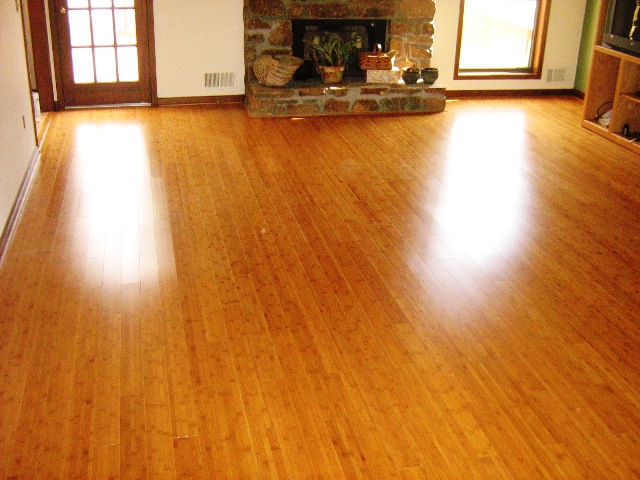
Strand-woven compressed bamboo provides distinctive visual textures that provide contemporary appeal while retaining warmth and natural charm. The crushed fibers provide linear patterns that match modern minimalist design schemes admirably. I chose a medium-toned strand-woven alternative that wonderfully complements classic and contemporary aspects in my transitional house design.
Compressed bamboo has a constant appearance, eliminating the color and texture variances that often complicate design selections with natural hardwoods. This consistency enabled me to safely combine with existing furnishings and décor pieces, without fear of natural fluctuations interfering with my design goal. The homogeneity results in a clean, polished appearance that complements rather than complicates interior design plans.

Cost Effectiveness Within My Budget
Compressed bamboo flooring is much less expensive than equivalent hardwood species while offering higher performance features, making it an outstanding value proposition for cost-conscious households. My material expenditures were almost 40% lower than comparable-quality oak flooring, allowing me to improve other areas of my refurbishment project. When the reduced installation difficulty and time requirements were taken into account, the savings increased significantly.
The lifespan and durability of compressed bamboo flooring generate long-term value, justifying the original investment when compared to less expensive alternatives such as laminate or vinyl goods. My floors show no indications of deterioration after three years of normal family use, indicating decades of dependable service. This resilience results in cheaper long-term replacement costs and a higher return on investment.
Maintenance costs are low as compared to typical hardwood floors, which require periodic refinishing and more frequent deep cleaning. I simply sweep routinely and occasionally damp mop with conventional floor cleaners, requiring significantly less time and money to maintain than previous flooring materials. The low care requirements translate into continued savings, increasing the total cost-effectiveness of compressed bamboo flooring.
Performance under Real-World Living Conditions
My compressed bamboo floors have withstood everything my active family has thrown at them, from pet accidents to lost kitchen utensils and children’s artwork. The surface is more stain resistant than genuine hardwood, making it easier to wipe up spills that might have permanently marred earlier flooring choices. Daily actions that once caused worry on sensitive hardwood floors can now be carried out without fear of damage.
Temperature swings caused by seasonal changes have not had the same influence on my compressed bamboo floors as previous hardwood installations. I no longer hear the cracking and moving sounds associated with humidity fluctuations in traditional materials. This constancy improves living conditions and eliminates concerns about seasonal maintenance and changes.
The acoustic qualities of compressed bamboo flooring are better than I expected for a hard surface material. Footsteps and furniture movement transfer less noise to lower floors than standard hardwood installations. This improved acoustic performance improves overall house comfort, which is especially essential in multi-story living situations where noise control is critical.
How does compressed bamboo flooring compare to traditional hardwood in terms of hardness?
Compressed bamboo flooring often ratings 3000 or more on the Janka hardness scale, making it substantially harder than most traditional hardwoods such as oak (1290) and maple (1450). The compression procedure produces density that outperforms several exotic hardwood species while being suitable for normal installation techniques. This remarkable hardness translates to improved resistance to dents, scratches, and everyday wear, which would destroy softer traditional materials.
Can compressed bamboo flooring be restored like regular hardwood?
Most compressed bamboo flooring cannot be refinished because of the thin wear layer over the compressed core material, as opposed to solid hardwood, which may be sanded several times. However, the flooring’s excellent longevity and factory finish quality mean that refinishing is rarely required over its estimated 20-30 year lifespan. Most homeowners find this limitation acceptable because it trades off refinishing capabilities for improved performance and lower costs.
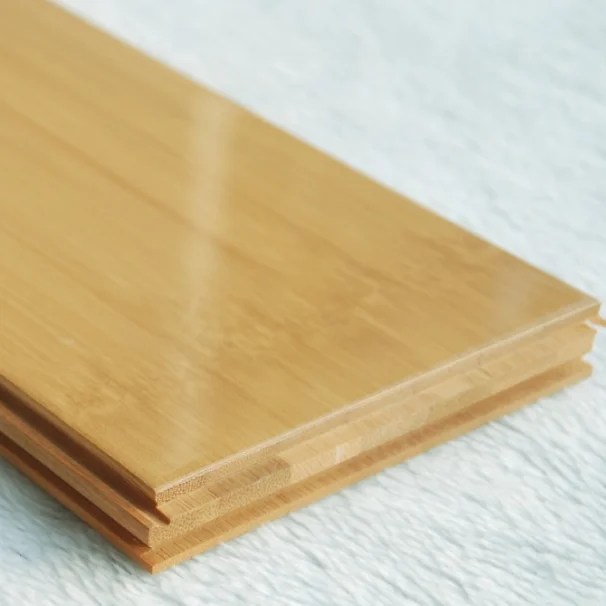
Is compressed bamboo flooring OK for bathrooms and kitchens?
High-quality compressed bamboo flooring excels in moisture-prone locations such as kitchens and bathrooms, where standard hardwood would fail. The compression method and adequate sealing provide exceptional moisture resistance, preventing the warping and cupping characteristic to natural wood composites. However, appropriate installation with moisture barriers and timely spill cleanup are still required for good long-term performance.
How eco-friendly is compressed bamboo flooring production?
Compressed bamboo flooring manufacture has a substantially lower environmental impact than conventional hardwood harvesting and processing. Bamboo regenerates quickly without replanting, absorbs more CO2 than trees, and requires less energy for processing. However, shipping from Asian producing regions, as well as adhesive compounds used in compression, should be considered when comparing the overall environmental impact to local hardwood options.
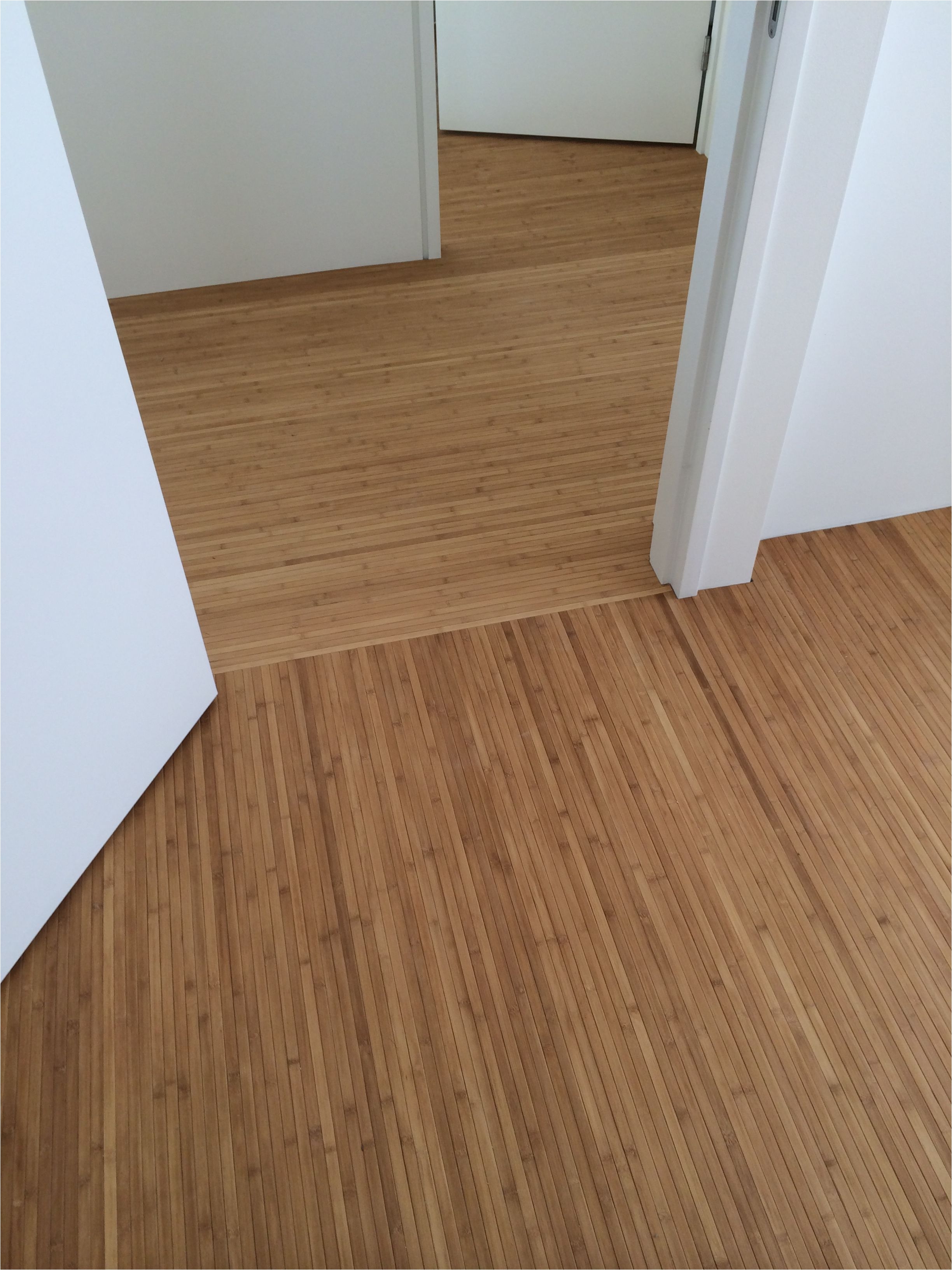
What upkeep is required for compressed bamboo flooring?
Compressed bamboo flooring requires little maintenance other than frequent sweeping and occasional damp mopping with pH-neutral detergents. Avoid using too much water, harsh chemicals, or abrasive cleaning instruments, since these can all damage the protective coating. The solid surface is more resistant to scratching and staining than standard hardwood floors, reducing the frequency of deep cleaning and eliminating the need for periodic refinishing.
How long does compressed bamboo flooring usually last?
Quality compressed bamboo flooring can last 20-30 years with good installation and maintenance, which is comparable to the longevity of regular hardwood floors. Superior hardness and moisture resistance frequently result in greater long-term attractiveness retention than softer hardwood species. While refinishing is not possible, the flooring’s remarkable durability and factory finish quality ensure that it retains an appealing appearance throughout its projected service life without requiring large maintenance interventions.
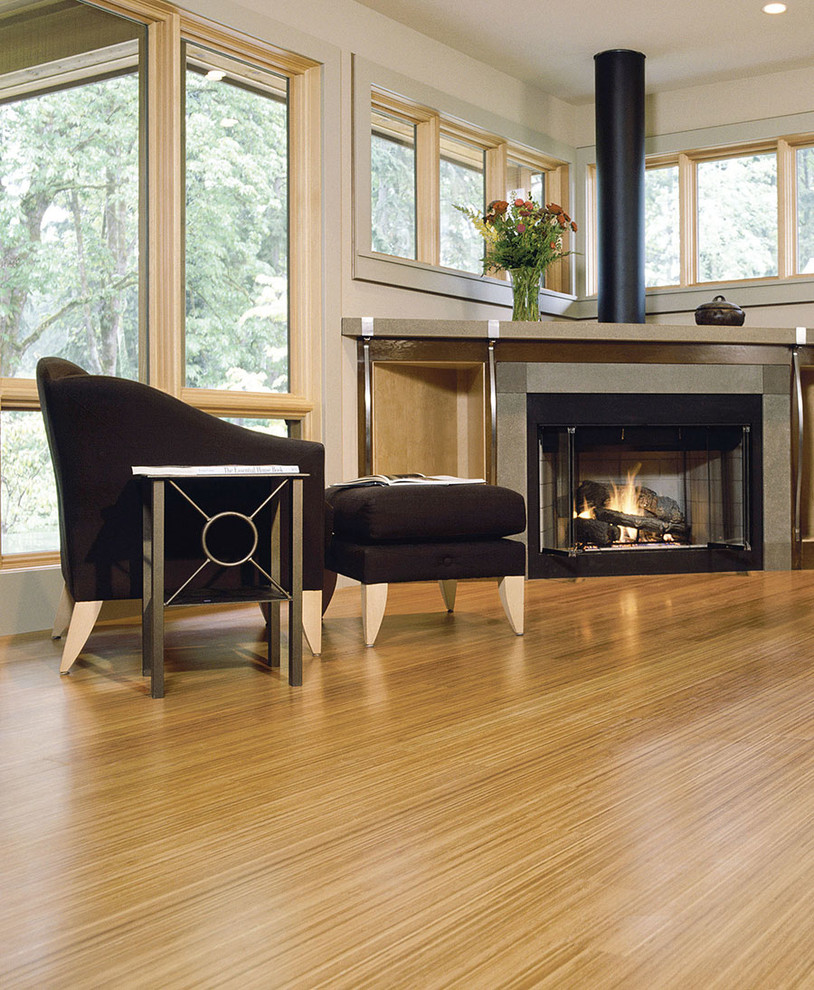
Natural Engineered Bamboo flooring
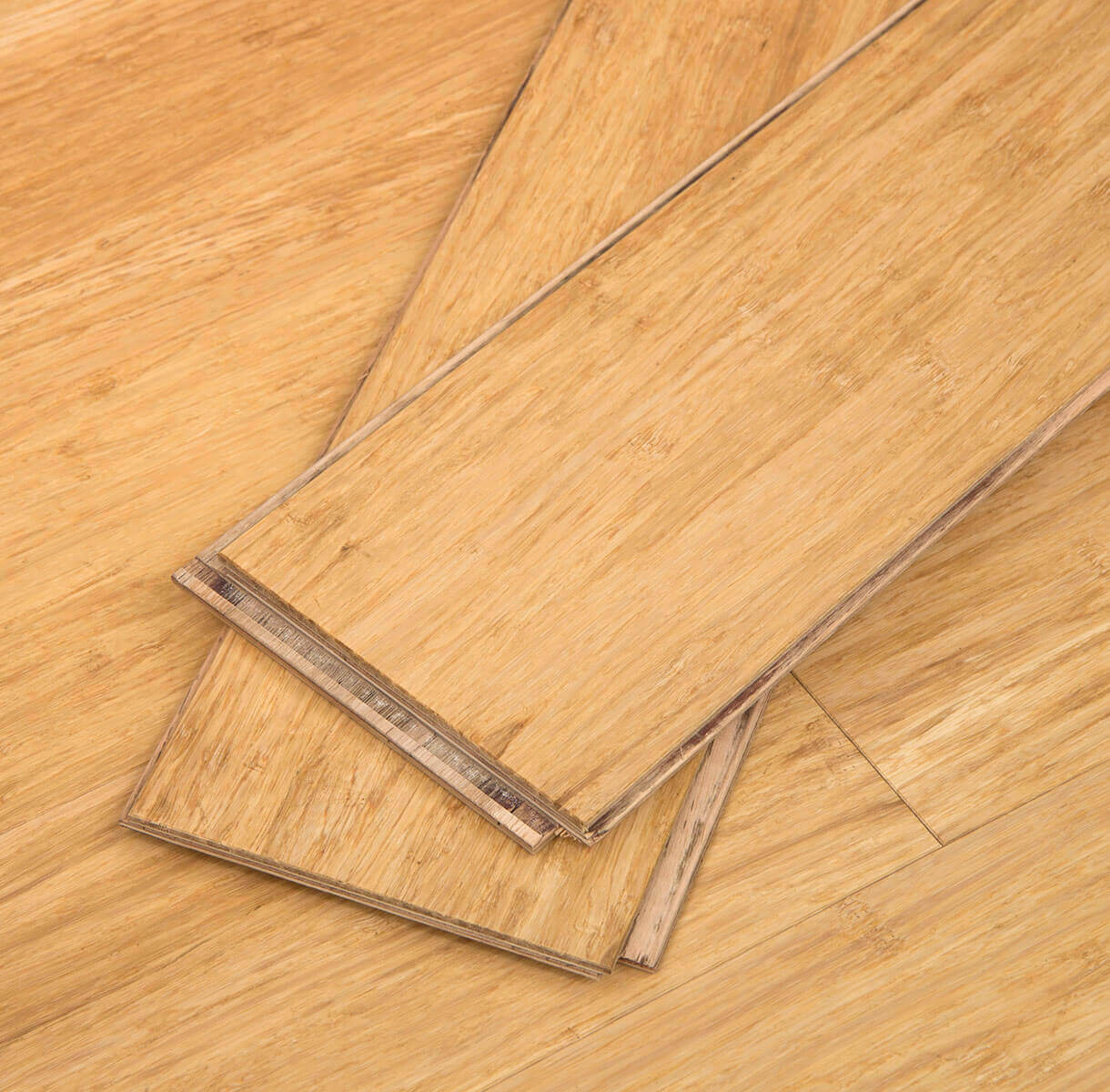
Bamboo Flooring: Pros and Cons
Reasons why choosing bamboo flooring

Bamboo Flooring Moisture Questions & Answers
Related Posts: