Standing in my empty living room three years ago, staring at worn carpet that had seen better days, I never imagined how choosing wood flooring would become such a fascinating exploration of design possibilities. What started as a simple home improvement project evolved into an education about craftsmanship, history, and personal expression through the use of pattern and texture. From herringbone to chevron, wide planks to parquet, each design option told a different story and promised to transform not just my floors, but my entire living experience. This journey taught me that flooring isn’t just functional, it’s the foundation of every room’s personality.
The Classic Appeal That Drew Me to Herringbone Patterns
My first encounter with herringbone flooring happened during a house tour in an upscale neighborhood, where the zigzag pattern immediately caught my attention. The way light danced across the alternating grain directions created depth and movement, making the entire room feel alive. I spent twenty minutes examining how each plank interlocked with its neighbor, forming perfect V-shapes that seemed to flow like water across the surface.
Research revealed that herringbone patterns date back to ancient Roman roads, where stones were laid in this configuration for maximum stability and durability. This historical connection appealed to my appreciation for time-tested design solutions. The pattern’s ability to make narrow rooms appear wider and add visual interest to large spaces made it incredibly versatile for my open-concept home layout.
Installing herringbone requires precise measurements and expert craftsmanship, which initially intimidated me as a DIY enthusiast. However, watching professionals create this intricate pattern taught me to appreciate the skill involved in achieving perfectly aligned angles. The labor-intensive installation process now reminds me daily that some things are worth doing right, regardless of the time and effort required.
Discovering Wide Plank Flooring’s Bold Statement Potential
Walking through a restored farmhouse, I experienced wide plank flooring for the first time and felt immediately drawn to its bold, confident presence. Planks measuring eight to twelve inches wide showcased the natural beauty of each board’s grain pattern in ways that narrow strips simply couldn’t match. The fewer seam lines created a cleaner, more cohesive appearance that made rooms feel larger and more sophisticated.
Wide planks highlight the natural character of wood species like never before, displaying knots, mineral streaks, and color variations that tell each tree’s unique story. I found myself studying individual boards like works of art, appreciating how sawyers had positioned cuts to maximize visual impact. This organic beauty brought warmth and authenticity to spaces that might otherwise feel cold or institutional.
The installation process proved surprisingly straightforward compared to intricate patterns, though the larger boards required careful handling to prevent damage. I learned that wide planks are less forgiving of subfloor imperfections, demanding meticulous preparation for optimal results. Despite the extra prep work, the dramatic transformation justified every hour spent ensuring perfect levelness and stability beneath these impressive boards.
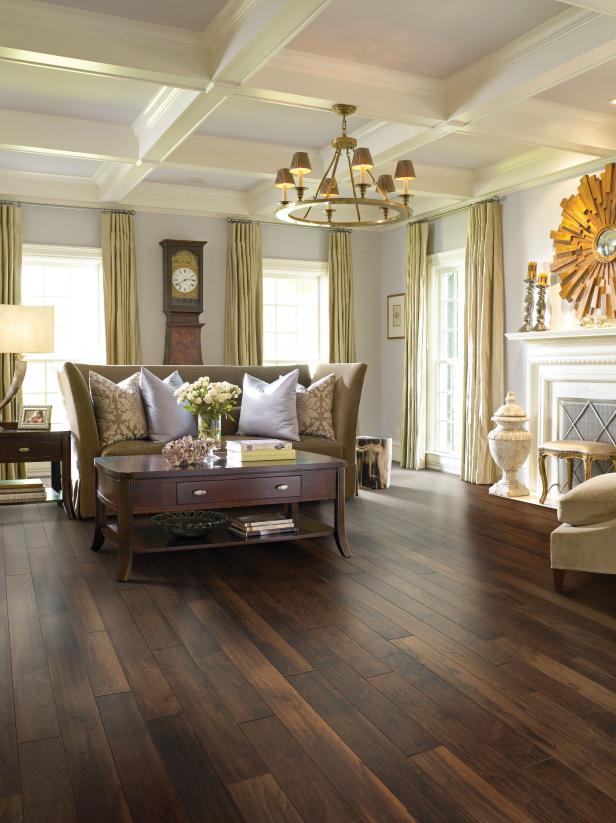
Parquet Patterns That Challenged My Design Assumptions
Parquet flooring initially seemed too formal for my casual lifestyle, conjuring images of European palaces and stuffy ballrooms. However, visiting a contemporary loft with geometric parquet patterns completely changed my perspective on this traditional flooring style. The intricate squares and diamonds created a visual rhythm that felt both sophisticated and surprisingly approachable in modern settings.
Basket weave, Versailles, and bordeaux patterns each offered distinct personalities that could complement different architectural styles and personal tastes. I spent hours studying how light interacted with alternating grain directions, creating subtle shadows and highlights that added dimension to flat surfaces. The mathematical precision required for proper installation appealed to my appreciation for craftsmanship and attention to detail.
Working with parquet taught me patience and precision in ways other flooring projects hadn’t demanded. Each small piece needed perfect alignment with its neighbors to maintain pattern integrity across entire rooms. The meditative process of fitting intricate pieces together reminded me why handcrafted details matter in our increasingly automated society, creating floors that are truly works of functional art.
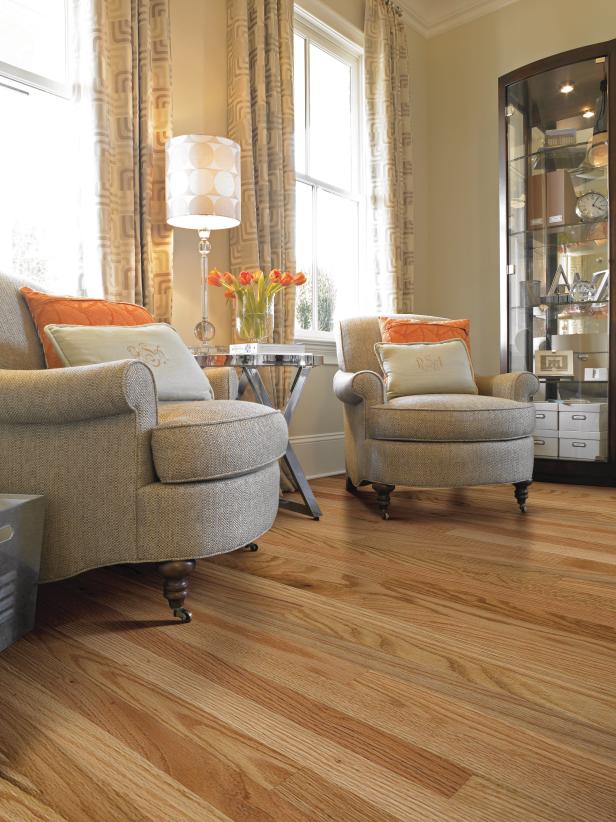
Chevron’s Dynamic Energy in My Living Spaces
Chevron patterns caught my attention through social media posts showcasing dramatic residential installations that seemed to pulse with energy and movement. Unlike herringbone’s interlocking design, chevron planks meet at perfect points, creating continuous zigzag lines that draw the eye across entire rooms. This subtle difference produces remarkably different visual effects that can dramatically alter spatial perception.
The continuous lines of chevron patterns create optical illusions that make narrow hallways appear wider and low ceilings seem higher. I experimented with different angles, discovering that steeper chevrons feel more dramatic while gentler angles provide subtle sophistication. The pattern’s ability to guide foot traffic and create focal points made it perfect for my entryway and dining room applications.
Achieving perfect chevron installation requires angled cuts on every single plank, making it one of the most challenging patterns to execute properly. I hired specialists for this project after attempting sample sections myself and realizing the precision required exceeded my skill level. The investment in professional installation paid dividends in the flawless execution that showcases this pattern’s true potential.
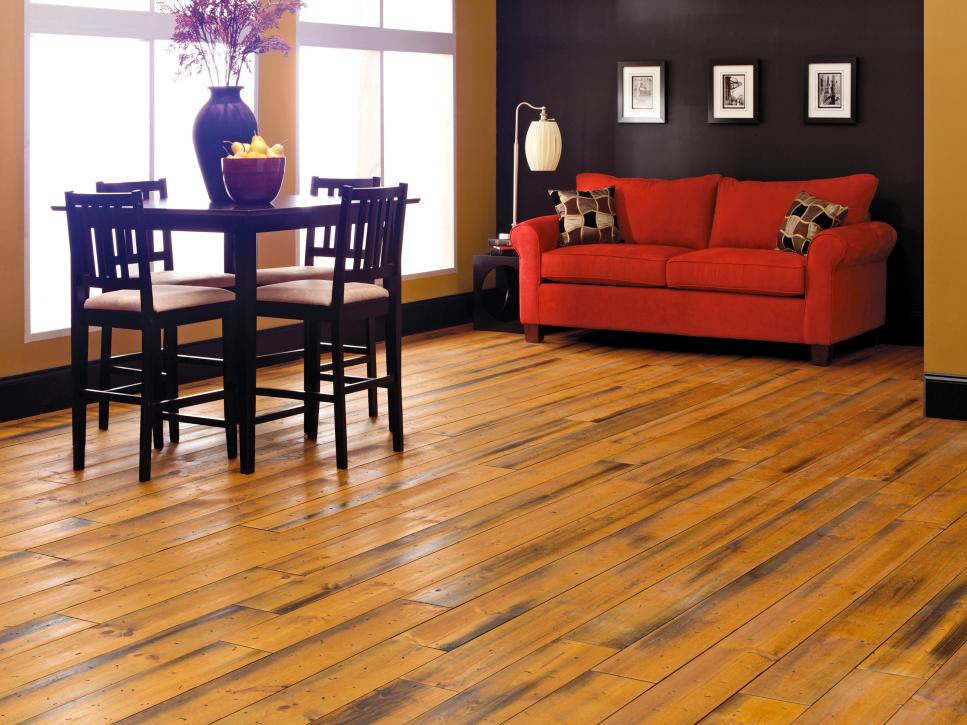
Mixed Width Planks Creating Natural Randomness
Combining different plank widths in single installations initially seemed chaotic, but seeing examples in person revealed how this approach mimics the natural randomness found in reclaimed barn floors. The varied widths create an organic rhythm that feels more authentic than uniform patterns, bringing warmth and character to contemporary spaces. This design choice reflects how trees grow naturally in different sizes and ages.
Planning mixed width installations requires careful consideration of proportions to avoid awkward transitions or jarring size differences. I learned to group similar widths while maintaining overall balance across room expanses. The key lies in creating intentional randomness that appears natural rather than haphazard, requiring more thoughtful layout planning than uniform installations.
The installation process for mixed width planks allows more flexibility in material usage, reducing waste from odd-sized pieces that might otherwise be discarded. This efficiency appealed to my environmental consciousness while creating floors with unique character that mass-produced options cannot replicate. Each room became a custom composition rather than a repetitive pattern.
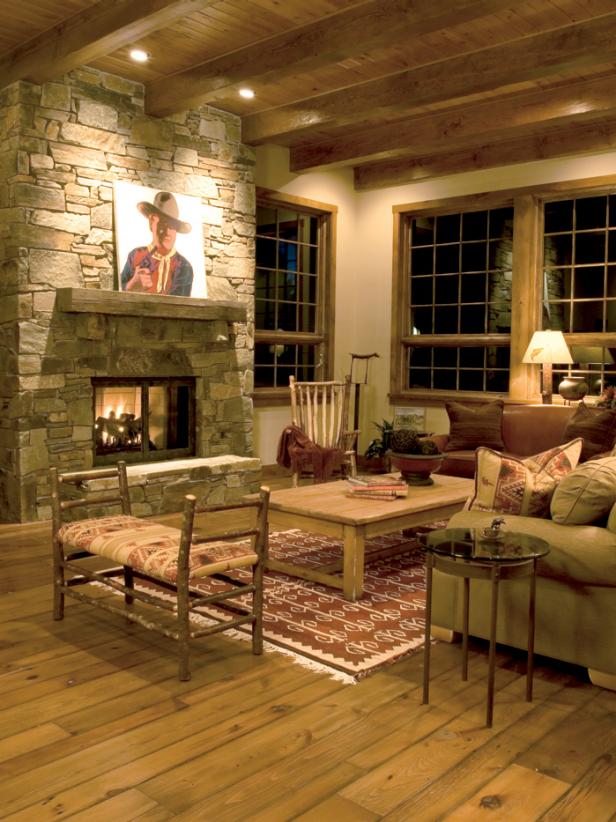
Staining and Finishing Techniques That Transform Everything
My relationship with wood flooring deepened when I discovered how staining could completely transform the same species into entirely different design statements. Experimenting with various stain colors on sample boards revealed how oak could appear rustic with gray tones or elegant with rich espresso finishes. The wood’s natural grain patterns interacted uniquely with different stain formulations, creating endless customization possibilities.
Custom staining allowed me to match flooring with existing furniture and architectural details in ways that off-the-shelf options couldn’t achieve. I learned to blend multiple stain colors to create unique hues that perfectly complemented my interior design vision. This process taught me that flooring should integrate seamlessly with overall room aesthetics rather than compete for attention.
The finishing process proved equally important in determining final appearance and durability characteristics. Matte finishes maintained natural wood textures while satin sheens provided subtle elegance and easier maintenance. I chose different finish levels for various rooms based on traffic patterns and desired ambiance, learning that these decisions significantly impact both aesthetics and long-term performance expectations.
Which wood flooring design works best for small rooms and tight spaces?
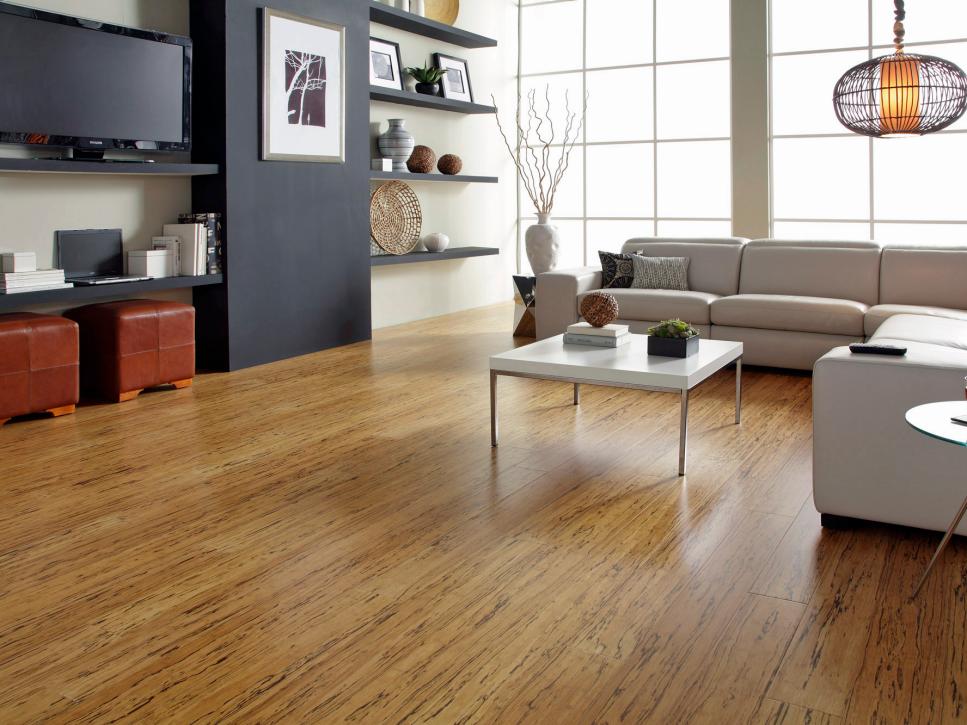
Diagonal installations and light-colored wide planks create the most dramatic space-expanding effects in compact rooms. I’ve found that running planks toward the longest wall makes narrow spaces feel wider, while chevron patterns can add height to low-ceiling areas. Avoid busy patterns like intricate parquet in small spaces as they can feel overwhelming. Light stains reflect more light and create airiness, while consistent plank widths maintain visual flow without breaking up limited square footage unnecessarily.
How do I choose between engineered and solid wood for pattern installations?
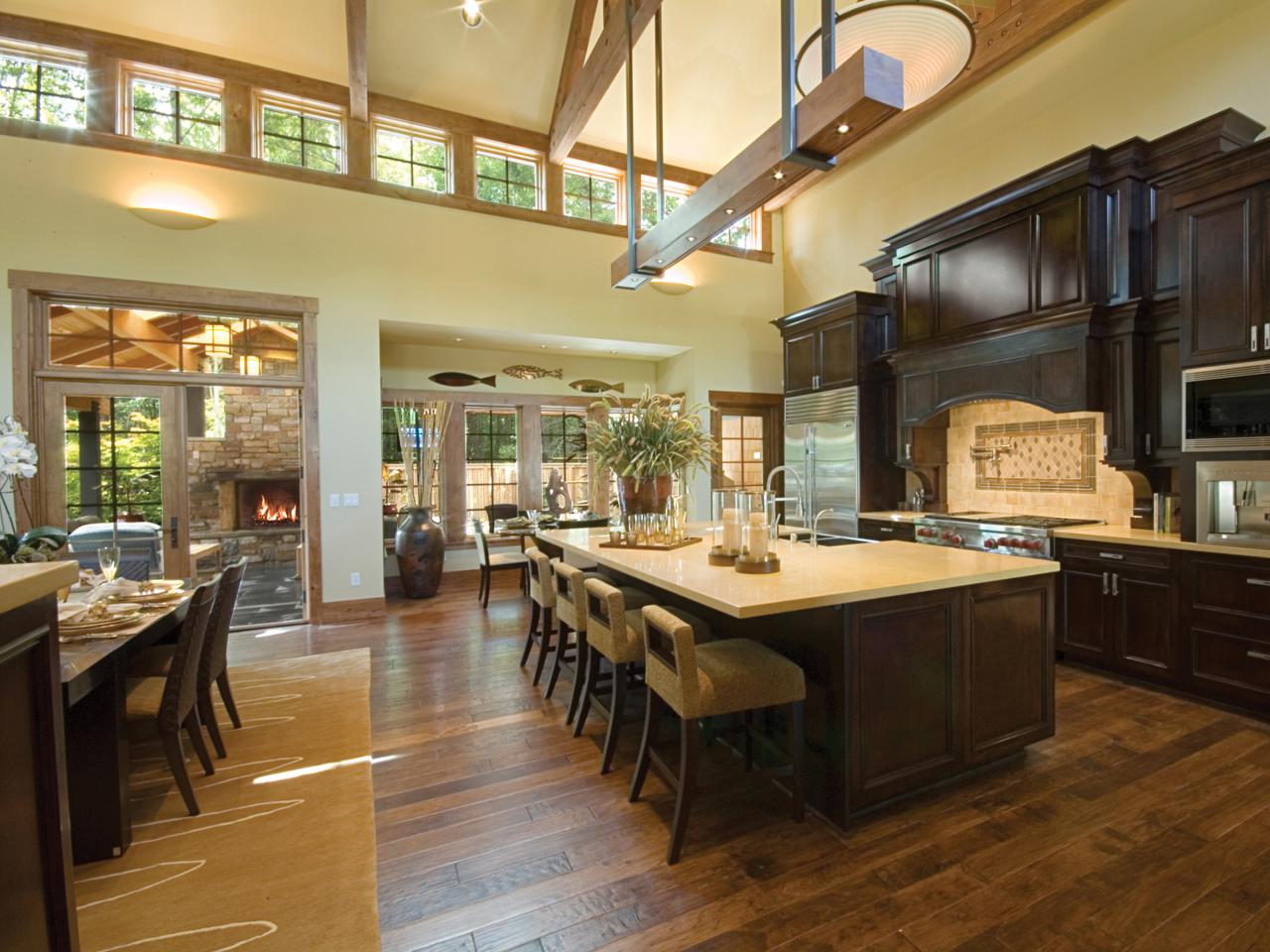
Engineered flooring offers superior stability for complex patterns like herringbone and chevron, reducing expansion and contraction issues that can disrupt intricate layouts. I chose engineered planks for my kitchen herringbone because of moisture concerns and radiant heating compatibility. Solid wood works beautifully for simple patterns and provides unlimited refinishing potential. Consider your subfloor conditions, climate, and long-term plans when making this decision, as both options can create stunning results with proper installation.
What’s the maintenance difference between various wood flooring patterns?
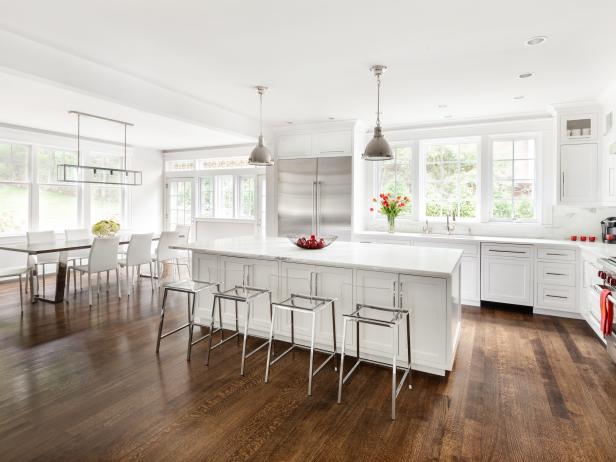
Complex patterns like parquet require more careful cleaning attention because dirt and debris can accumulate in multiple seam lines and corners. I vacuum weekly and use microfiber mops for damp cleaning to avoid moisture buildup in joints. Wide plank floors are easiest to maintain with fewer seams collecting debris. All patterns benefit from immediate spill cleanup and periodic professional refinishing. The key is establishing consistent cleaning routines that address each pattern’s specific vulnerabilities while preserving the wood’s natural beauty.
Can I install different wood flooring patterns in adjoining rooms?
Mixing patterns between rooms creates visual interest when done thoughtfully with consistent wood species and stain colors. I used wide planks in bedrooms and herringbone in the dining room, connected by matching transition strips. Maintain similar plank thicknesses for smooth transitions and consider sight lines between spaces. Avoid too many pattern changes in open floor plans as this can feel chaotic. The key is creating intentional design flow that enhances rather than disrupts your home’s overall aesthetic continuity.
How much extra should I budget for complex flooring patterns versus basic installations?
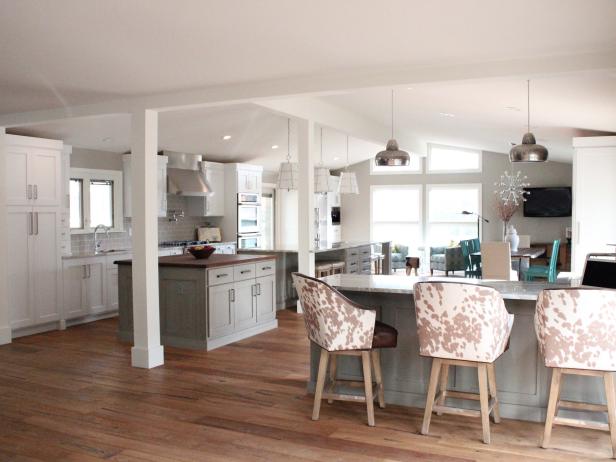
Complex patterns typically cost 25-50% more than straight plank installations due to increased labor time and material waste. My herringbone project required 15% extra material for cuts and adjustments, plus higher installation fees for skilled craftsmen. Chevron patterns demand the most precise cutting and generate the most waste. Budget additional funds for professional installation as DIY attempts often result in costly mistakes. The investment pays off through enhanced home value and daily enjoyment of truly custom flooring.
What tools and skills do I need for DIY pattern flooring installation?
Basic straight plank installation requires miter saws, spacers, and pneumatic nailers, while complex patterns demand compound miter saws for precise angle cuts. I learned that herringbone and chevron patterns require advanced measuring skills and patience for layout planning. Essential tools include chalk lines, speed squares, and quality underlayment. Consider hiring professionals for intricate patterns as mistakes become exponentially more expensive and time-consuming to correct than with simple installations, especially given the precision required for pattern continuity.
Kitchen Flooring Options and Design Ideas
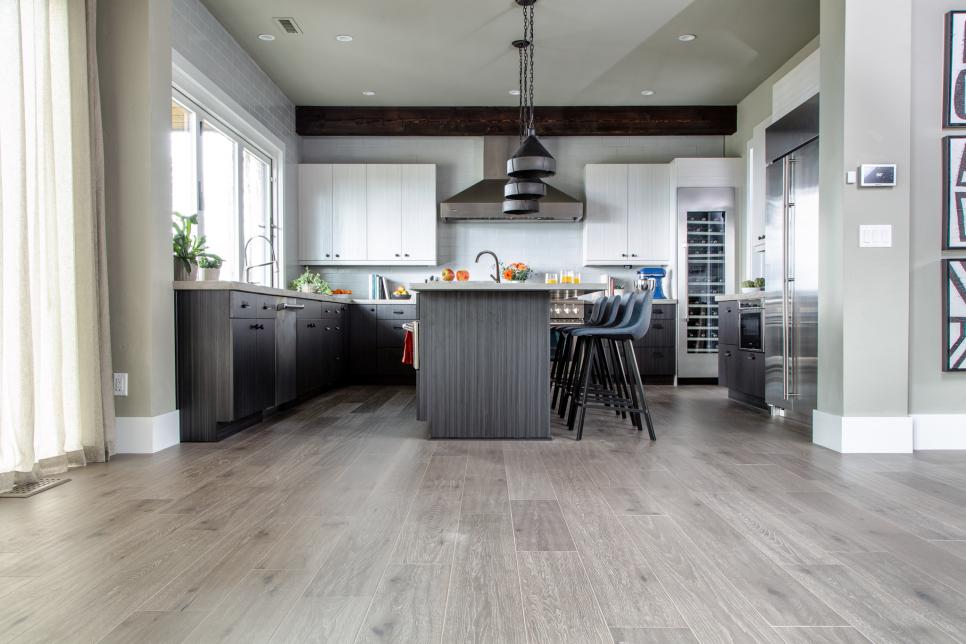
Laminate Flooring Ideas & Designs
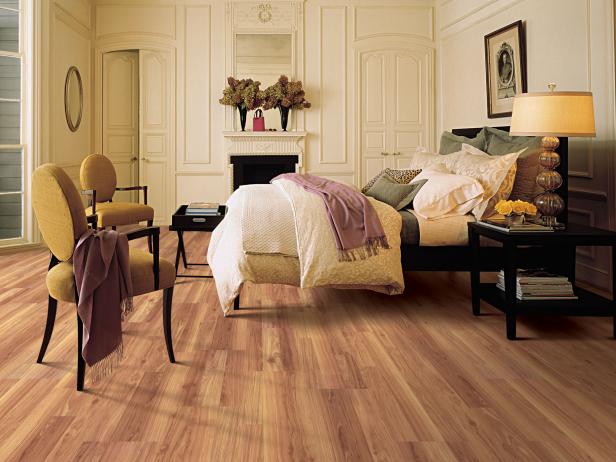
Laminate Flooring Options
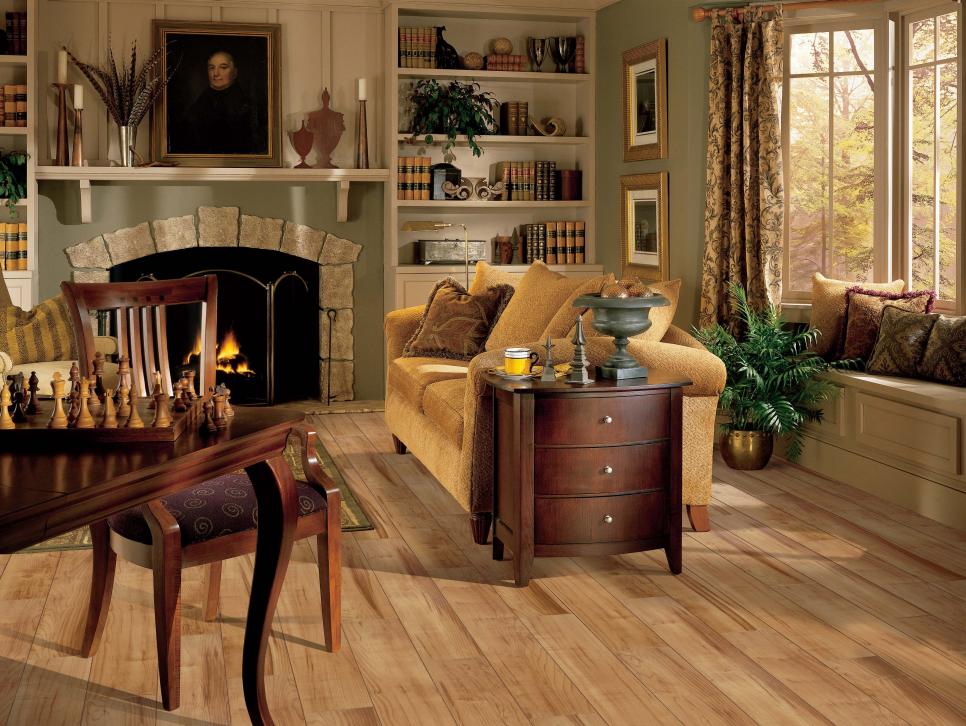
Best Tile and Hardwood Flooring
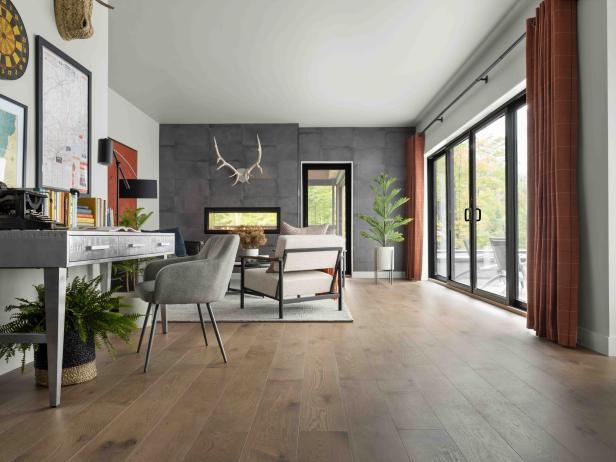
Hardwood Flooring in the Kitchen
Flooring Ideas
Related Posts: