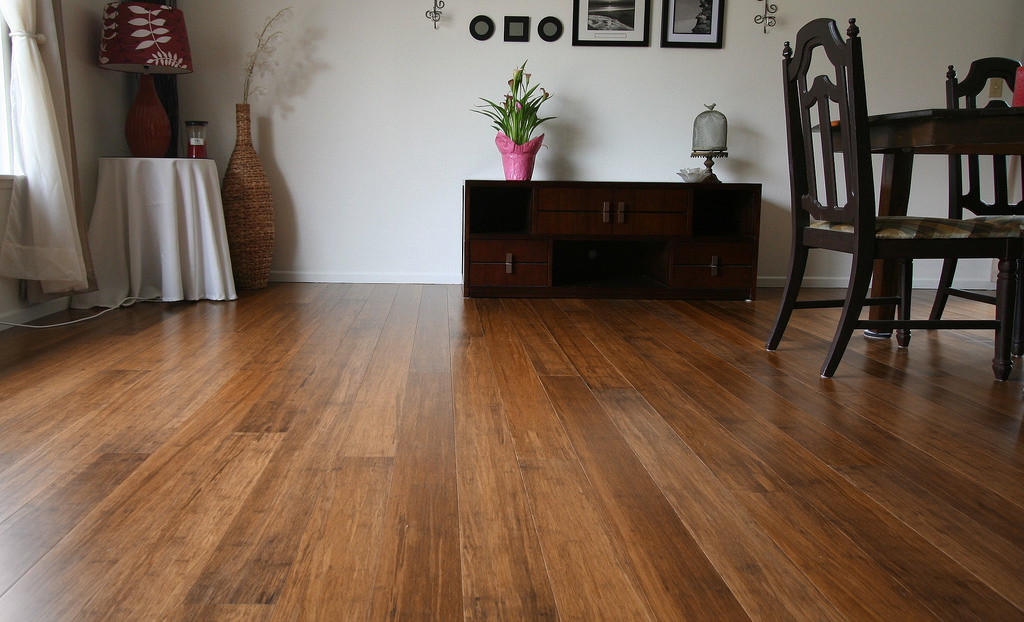
Two years ago, I stood in my contractor’s showroom feeling overwhelmed by traditional hardwood options that seemed both expensive and environmentally questionable. Then I spotted wide bamboo planks in the corner, their rich honey tones and impressive width immediately catching my attention. What started as curiosity about this alternative material became a deep appreciation for bamboo’s unique properties and sustainable benefits. The journey from skeptical homeowner to bamboo flooring advocate taught me that innovation often comes disguised as unexpected solutions. My experience with wide bamboo flooring has exceeded every expectation I had about durability, beauty, and environmental responsibility.
Discovering Bamboo’s Surprising Strength and Durability
My first concern about bamboo flooring centered on durability, having heard mixed reviews about early bamboo products from the 1990s. However, modern strand-woven bamboo construction creates incredibly dense planks that surpass many traditional hardwoods in strength testing. I learned that bamboo fibers are compressed under extreme pressure with adhesives, resulting in flooring that rates higher on the Janka hardness scale than oak or maple.
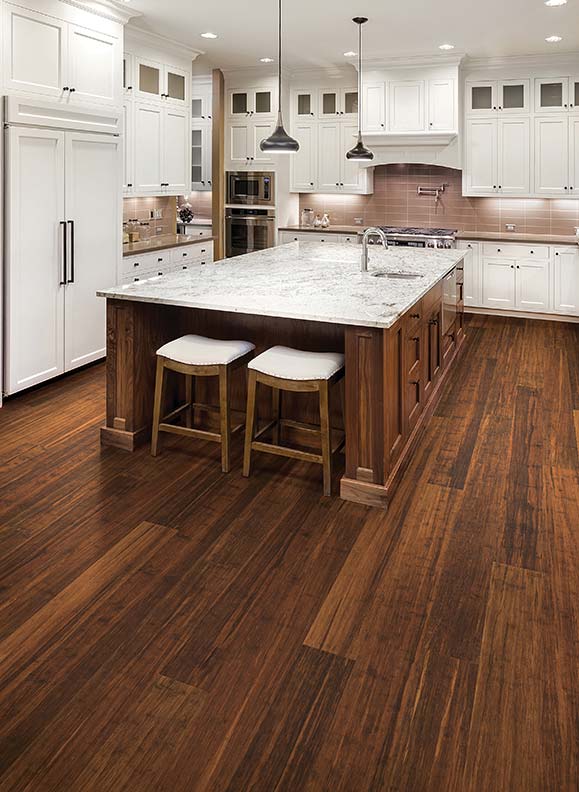
After eighteen months of daily use in my high-traffic kitchen and living areas, the wide bamboo planks show minimal wear despite constant foot traffic from my family of four. The 5.5-inch width distributes weight more evenly than narrow strips, reducing individual plank stress and preventing premature wear patterns. My teenagers’ friends regularly comment on how solid the floors feel underfoot, dispelling any myths about bamboo being flimsy or temporary.
The dimensional stability of quality bamboo flooring surprised me most during seasonal humidity changes that previously caused my oak floors to gap and buckle. Wide bamboo planks maintain consistent gaps and remain flat throughout temperature fluctuations, thanks to bamboo’s natural cellular structure that handles moisture differently than traditional wood. This stability has eliminated the seasonal floor maintenance headaches I experienced with previous flooring materials.
The Environmental Benefits That Changed My Perspective
Choosing bamboo flooring aligned with my growing environmental consciousness in ways traditional hardwood simply couldn’t match. Bamboo reaches maturity in just three to five years compared to hardwood trees that require decades of growth before harvesting. This rapid regeneration means bamboo can be harvested sustainably without depleting natural forests or disrupting established ecosystems that support wildlife populations.
The carbon footprint comparison between bamboo and hardwood flooring opened my eyes to how material choices impact climate change. Bamboo produces 35% more oxygen than an equivalent tree stand while absorbing similar amounts of carbon dioxide during its accelerated growth cycle. Manufacturing processes for bamboo flooring also require less energy than traditional hardwood milling, further reducing environmental impact throughout the production chain.
Learning about bamboo’s root system convinced me of its superior environmental credentials compared to tree harvesting practices. Bamboo roots remain intact after cutting, preventing soil erosion while continuing to sequester carbon and support local ecosystems. This regenerative harvesting contrasts sharply with clear-cutting practices that can devastate forest habitats and require decades for ecosystem recovery and reestablishment.
Installation Process and Professional Considerations
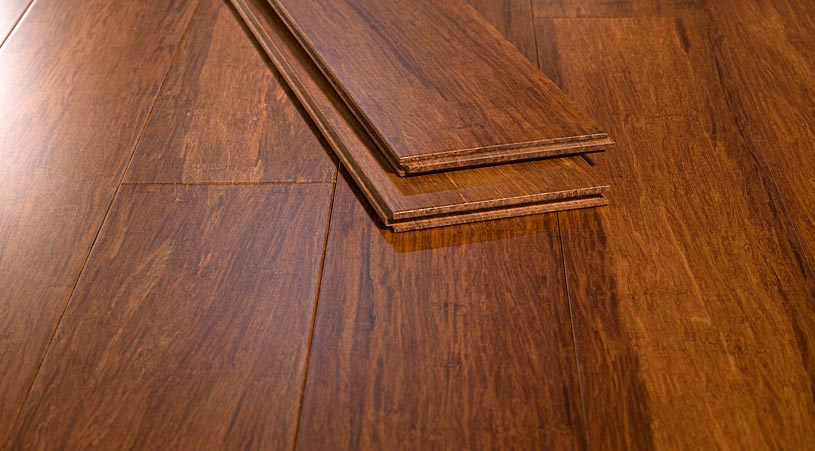
Installing wide bamboo flooring requires specific techniques that differ from traditional hardwood installation methods. I hired certified installers familiar with bamboo’s unique expansion characteristics and proper acclimatization requirements. The planks needed 72 hours of on-site conditioning before installation, allowing them to adjust to my home’s specific humidity and temperature conditions for optimal performance.
The installation crew used specialized fasteners designed for bamboo’s density, as standard hardwood nails can split the compressed fibers if driven incorrectly. Wide planks demanded extra attention to subfloor preparation, requiring perfectly level surfaces to prevent flexing that could compromise the bamboo’s structural integrity. I invested in professional subfloor leveling that added cost but ensured long-term performance and warranty compliance.
Floating installation proved ideal for my concrete subfloor, allowing the wide bamboo planks to expand and contract naturally without buckling or gapping issues. The click-lock system created seamless joints that remain tight after two years of seasonal changes. Professional installation took three days for 1,200 square feet, including removal of old flooring and subfloor preparation, which felt reasonable given the complexity involved.

Daily Living Experience and Practical Performance
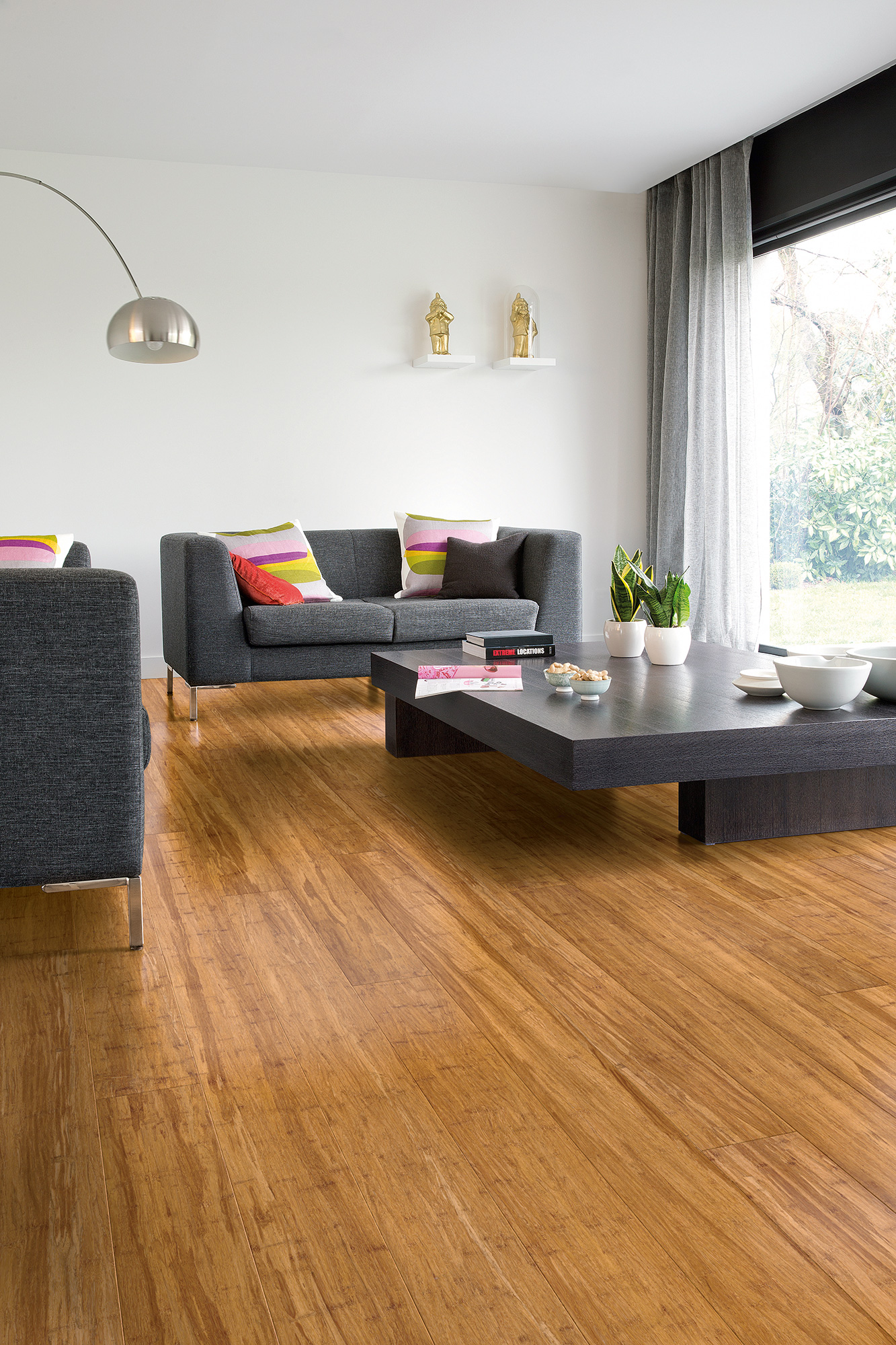
Living with wide bamboo flooring has transformed my daily cleaning routines in surprisingly positive ways. The smooth surface resists pet hair and dust accumulation better than textured hardwoods, making vacuuming and sweeping more efficient. Spills wipe up easily without penetrating the surface, which is crucial in my kitchen, where cooking accidents happen regularly despite my best intentions.
The acoustic properties of bamboo flooring create a warmer sound environment than I expected from such a hard surface. Footsteps produce less hollow echoing compared to my previous oak floors, creating a more comfortable living atmosphere. The wide planks contribute to this improved acoustics by providing more surface area contact with the subfloor, reducing vibration and sound transmission between levels.
Temperature regulation through bamboo flooring provides comfort benefits I hadn’t anticipated when making my selection. The material remains pleasant underfoot year-round, never feeling excessively cold in winter or uncomfortably warm during summer months. This thermal stability enhances my family’s comfort while potentially reducing heating and cooling costs through improved floor insulation properties and consistent indoor temperatures.
Maintenance Routines That Keep Bamboo Beautiful
Maintaining wide bamboo flooring requires different approaches than traditional hardwood care, though the daily routine remains surprisingly simple. I use pH-neutral cleaners specifically formulated for bamboo surfaces, avoiding harsh chemicals that can damage the protective finish or discolor the natural fibers. Weekly damp mopping with microfiber cloths removes dust and grime without oversaturating the surface or causing moisture damage.
The protective finish on quality bamboo flooring resists scratches and scuffs better than I expected, though I still use furniture pads and area rugs in high-traffic zones. Minor scratches can be addressed with touch-up kits provided by the manufacturer, though I’ve needed minimal repairs after two years of family use. The wide plank format means fewer seam lines collecting dirt and debris compared to narrow strip installations.
Seasonal maintenance involves monitoring indoor humidity levels to prevent excessive expansion or contraction that could affect floor performance. I maintain 30-50% relative humidity using a whole-house humidifier during winter months and dehumidifiers during humid summers. This attention to environmental conditions protects my investment while ensuring optimal appearance and performance throughout changing seasons and weather patterns.
Cost Analysis and Long-Term Value Considerations
Wide bamboo flooring initially costs 15% less than comparable hardwood options, though premium grades approach hardwood pricing for similar quality levels. My total project investment of $8,500 for materials and professional installation compared favorably to estimates exceeding $12,000 for equivalent oak flooring. The cost savings allowed budget allocation toward higher-grade bamboo with superior warranties and performance characteristics.
Long-term value considerations favor bamboo flooring through reduced maintenance costs and extended lifespan expectations with proper care. The 25-year manufacturer warranty provides confidence in my investment, while refinishing potential extends useful life beyond the warranty period. Real estate professionals confirm that quality bamboo flooring adds comparable value to traditional hardwood in current market conditions and buyer preferences.
The total cost of ownership calculation includes energy efficiency benefits from bamboo’s insulation properties and reduced HVAC costs over time. Insurance companies increasingly recognize bamboo flooring as a premium material, maintaining homeowner policy coverage without additional premiums. These financial advantages, combined with environmental benefits, justify the initial investment through measurable long-term savings and enhanced property value.
How does wide bamboo flooring compare to traditional hardwood in terms of appearance and style options?
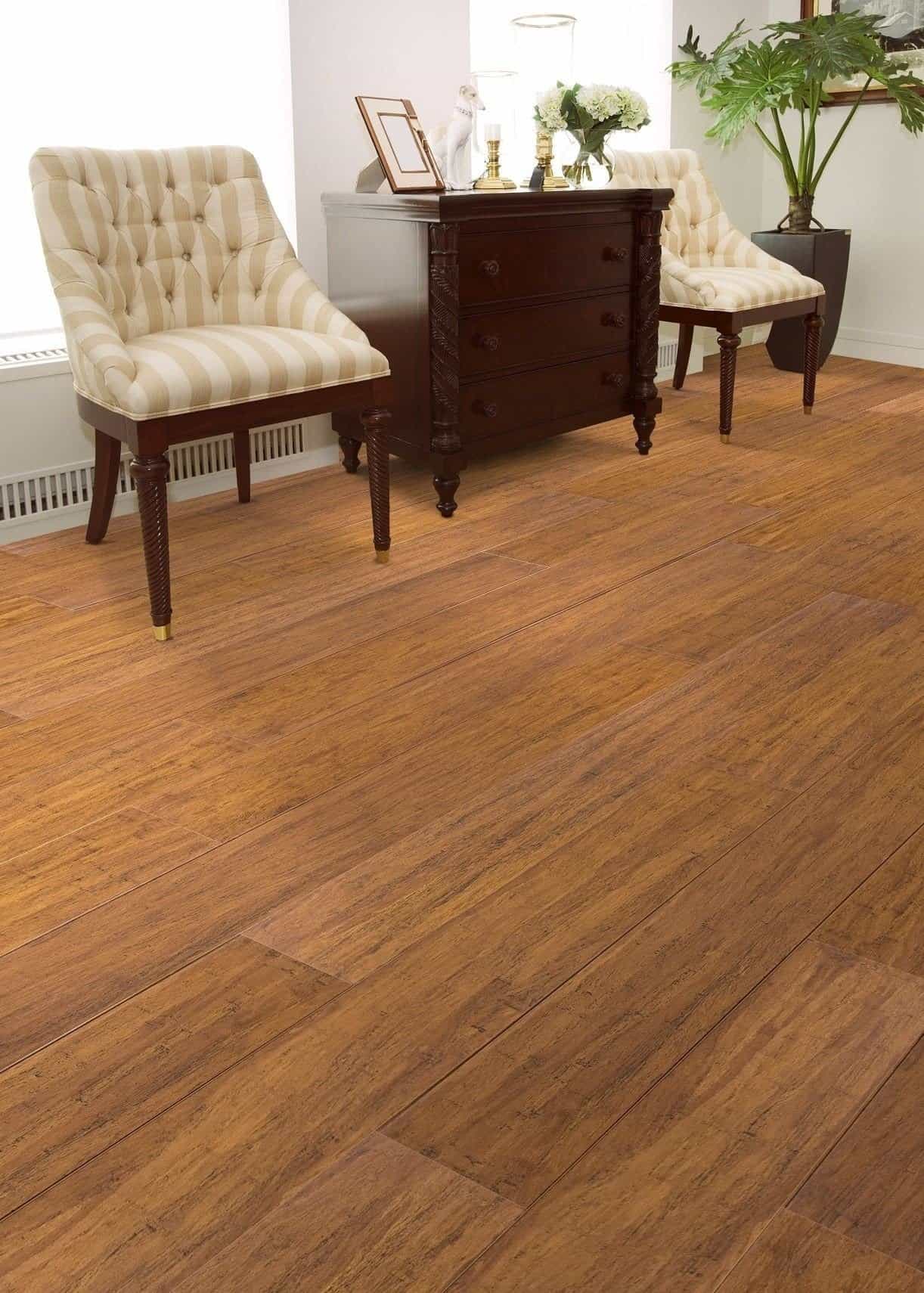
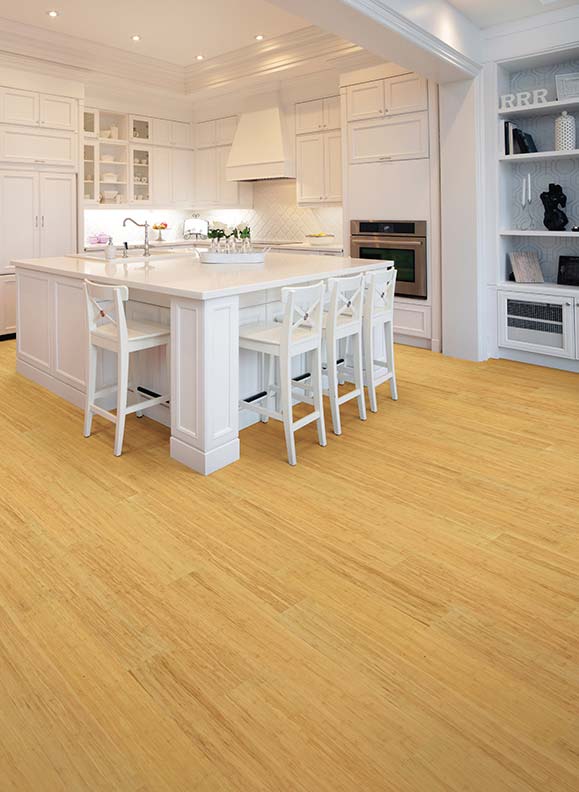
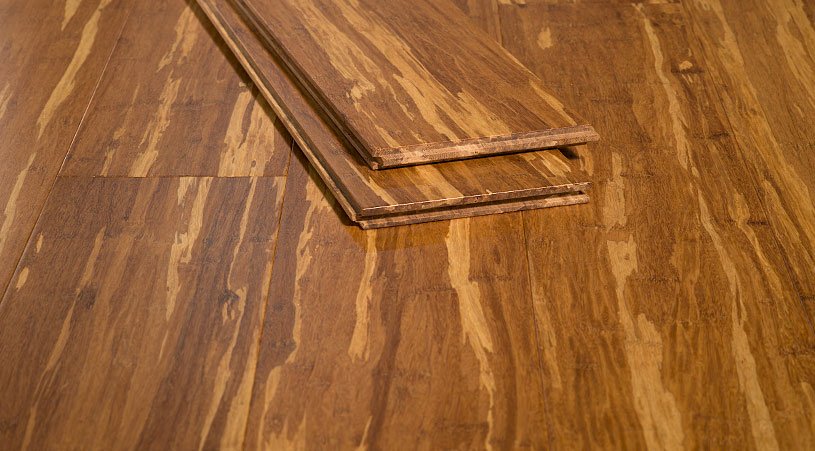
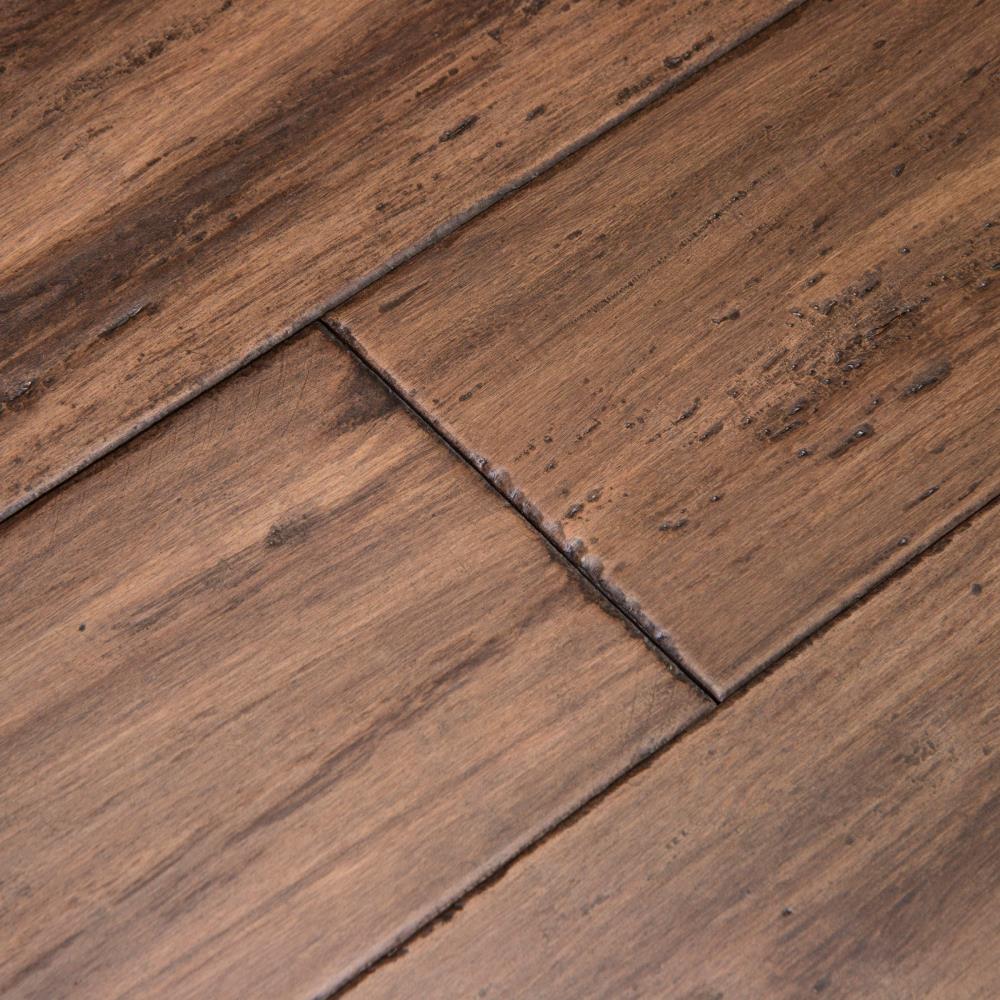
Modern wide bamboo flooring offers an impressive variety in colors, grains, and finishes that rival traditional hardwood aesthetics. I chose carbonized bamboo with rich chocolate tones that guests consistently mistake for exotic hardwood. Available options include natural blonde, amber, coffee, and gray-washed finishes. Strand-woven construction creates unique grain patterns different from wood but equally attractive. The 5-7 inch widths provide contemporary appeal while textured surfaces add visual interest and authenticity to any design scheme.
Can wide bamboo flooring be installed over radiant heating systems safely?
Quality bamboo flooring performs excellently over radiant heating when properly installed with compatible underlayment systems. I researched extensively before installing over my concrete radiant floors and chose engineered bamboo specifically rated for heated subfloors. Temperature limitations of 85°F surface temperature must be observed to prevent damage. Professional installation ensures proper moisture barriers and expansion gaps. The thermal conductivity of bamboo transfers radiant heat more efficiently than traditional hardwood, creating comfortable and energy-efficient heating performance.

What are the main differences between solid and engineered wide bamboo flooring?
Solid bamboo offers unlimited refinishing potential and maximum thickness, while engineered versions provide superior dimensional stability and installation versatility. I chose engineered bamboo for my concrete subfloor application where solid planks weren’t suitable. Engineered options feature bamboo wear layers over plywood cores, allowing installation over various subfloor types. Solid bamboo costs less initially but requires compatible subfloors. Both options offer similar appearance and performance, so subfloor conditions and installation requirements determine the best choice for specific applications.
How do I handle scratches, dents, and other damage to wide bamboo flooring?
Minor scratches respond well to manufacturer-supplied touch-up markers and repair kits that blend seamlessly with bamboo’s natural coloring. I keep these supplies on hand for immediate attention to small damages before they become permanent stains. Deeper scratches may require professional refinishing, though bamboo’s density resists most household damage. Dents from heavy furniture can often be steamed out using damp cloths and an iron. Prevention through furniture pads, area rugs, and proper humidity control remains the best strategy for maintaining a pristine appearance.
Is wide bamboo flooring suitable for bathrooms and other high-moisture areas?
Quality strand-woven bamboo handles moisture better than traditional hardwood, but still requires careful consideration in wet areas. I avoided bathroom installation due to warranty restrictions and potential humidity concerns. Properly sealed bamboo can work in powder rooms with adequate ventilation, but full bathrooms with showers pose risks. Kitchen installations perform well with immediate spill cleanup and proper ventilation. Consider luxury vinyl or tile alternatives for high-moisture applications while using bamboo in adjacent living areas for design continuity.
What should I know about bamboo flooring warranties and manufacturer support?
Reputable bamboo flooring manufacturers offer 15-25 year residential warranties covering structural integrity, finish durability, and manufacturing defects. I chose a brand with comprehensive warranty coverage and responsive customer service based on online reviews and contractor recommendations. Warranty terms typically require professional installation and approved maintenance products. Keep installation receipts, maintenance records, and humidity monitoring logs for warranty claims. Some manufacturers offer lifetime structural warranties on premium products, providing long-term confidence in flooring investment and performance expectations.
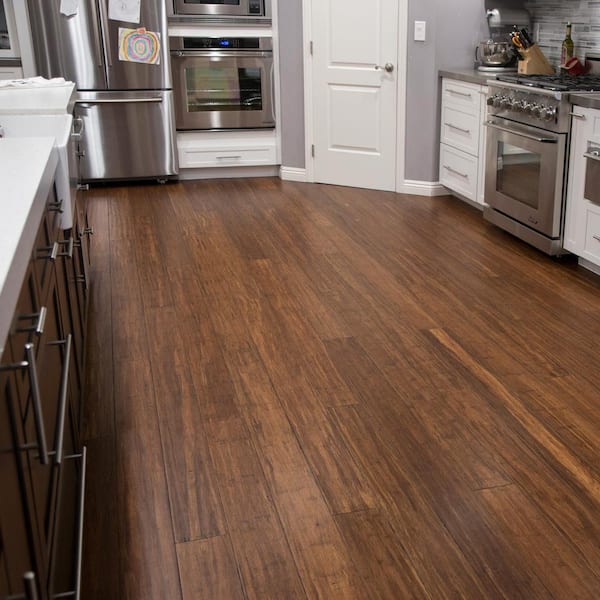
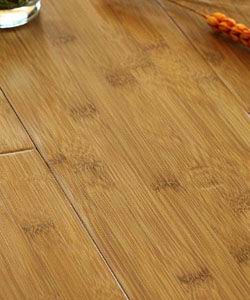
Wide Plank Bamboo Hardwood Flooring – Caramel Horizontal
Tiger Bamboo
Bamboo Flooring Tips & Info ideas bamboo flooring

Java Fossilized Bamboo Flooring Wide Tu0026G Bamboo Flooring, Cork
Cali Bamboo Fossilized Treehouse Bamboo 5-1/2-in Wide x 1/2-in
Related Posts: