When I started planning my home renovation last year, flooring costs quickly became my biggest concern. Traditional hardwood seemed financially out of reach, with quotes ranging from $8 to $15 per square foot installed. Ceramic tile felt cold and impractical for my family’s lifestyle, while carpet simply wouldn’t work with my two dogs and their muddy paws. That’s when a contractor friend introduced me to luxury vinyl flooring, promising the look of hardwood at a fraction of the cost. I was skeptical at first, having memories of cheap vinyl from decades past, but my research revealed how dramatically this flooring category had evolved in recent years.
Initial Research: Understanding the True Costs
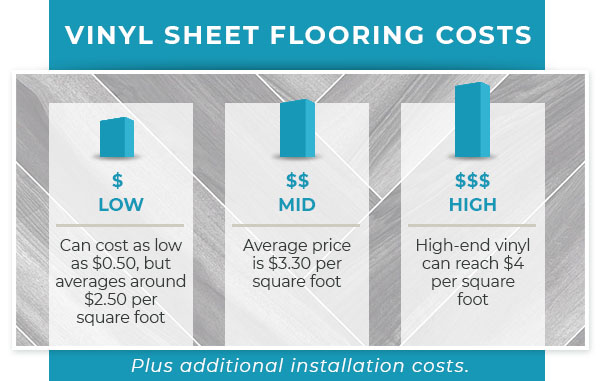
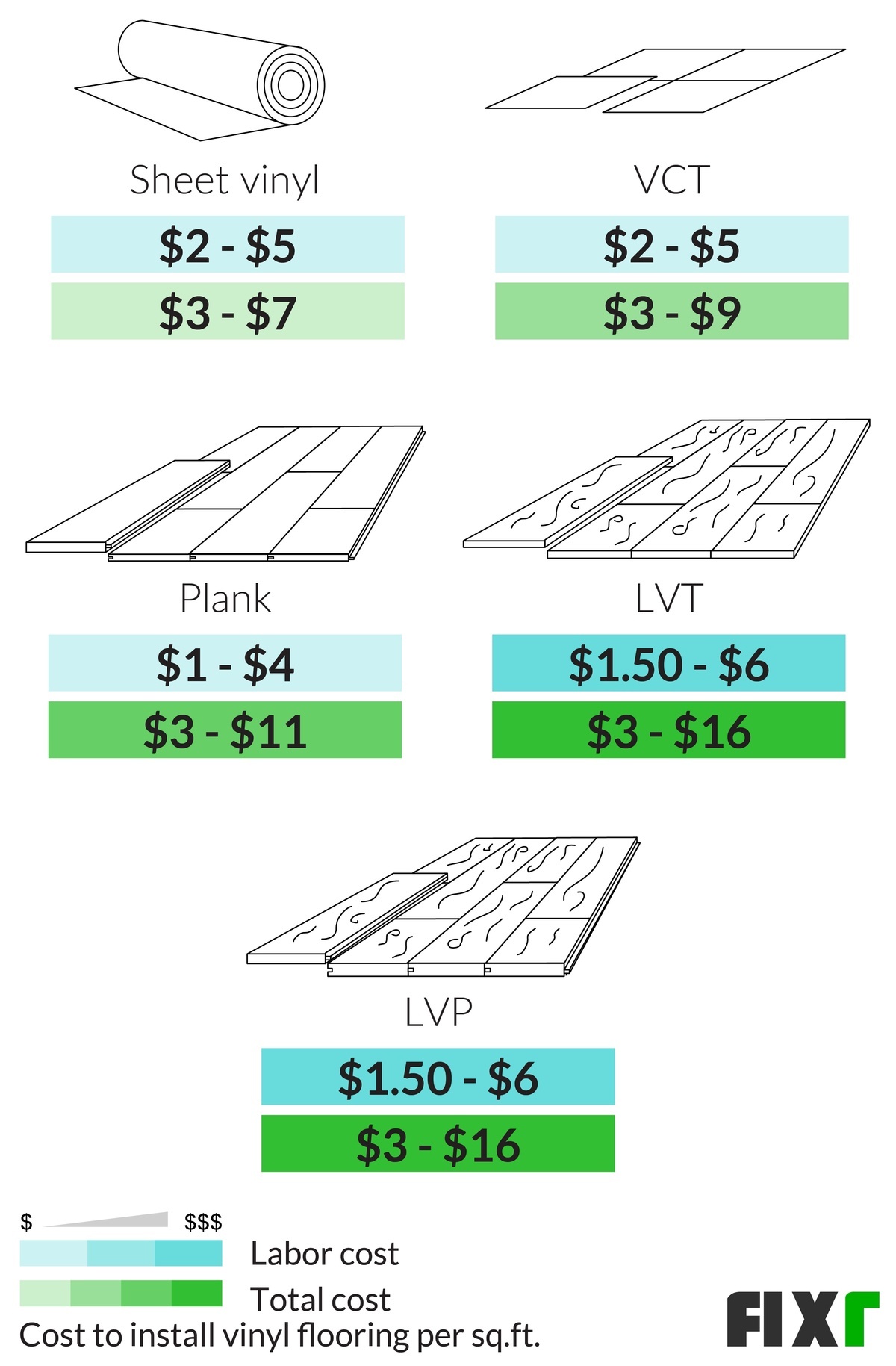
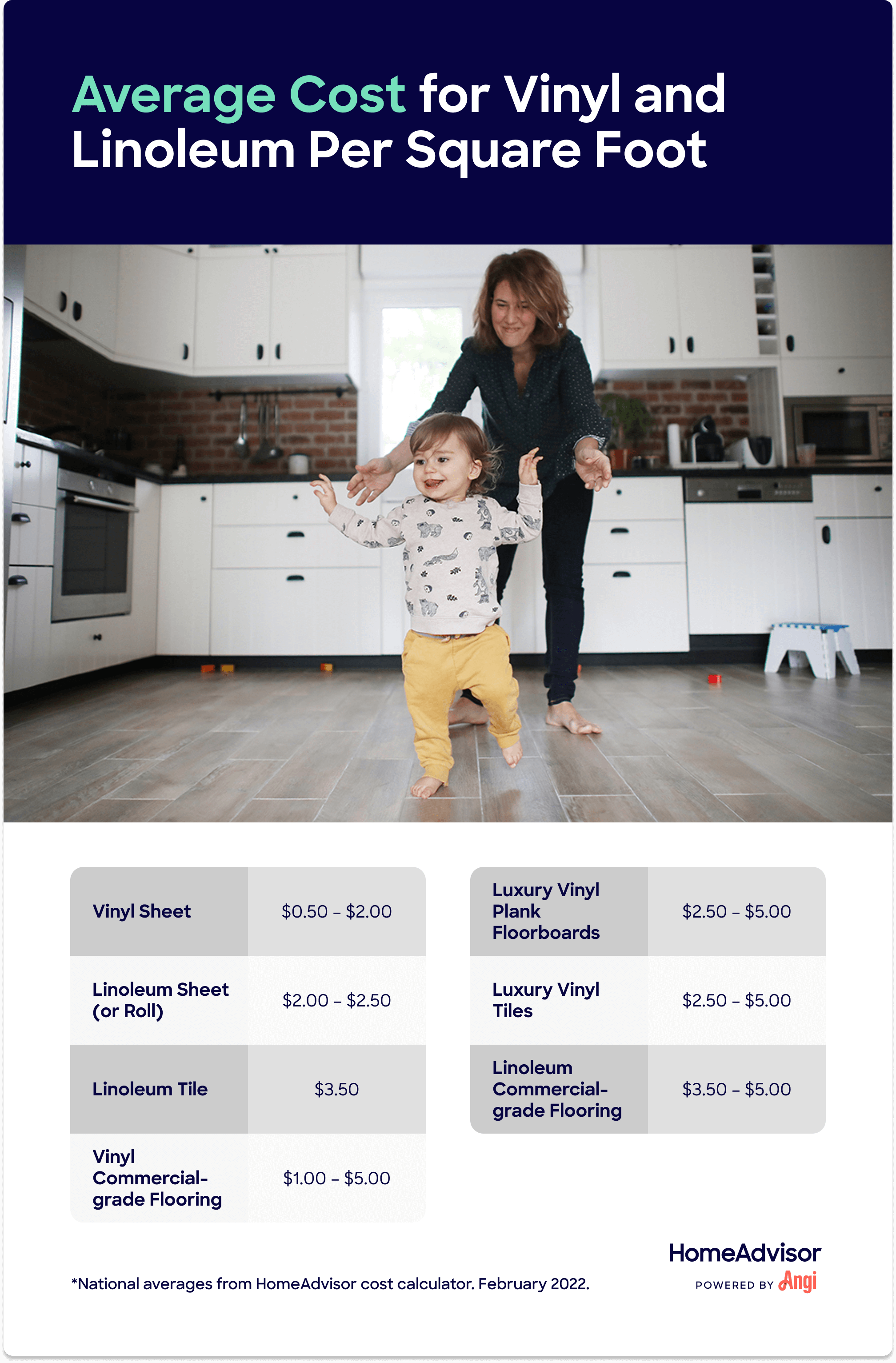
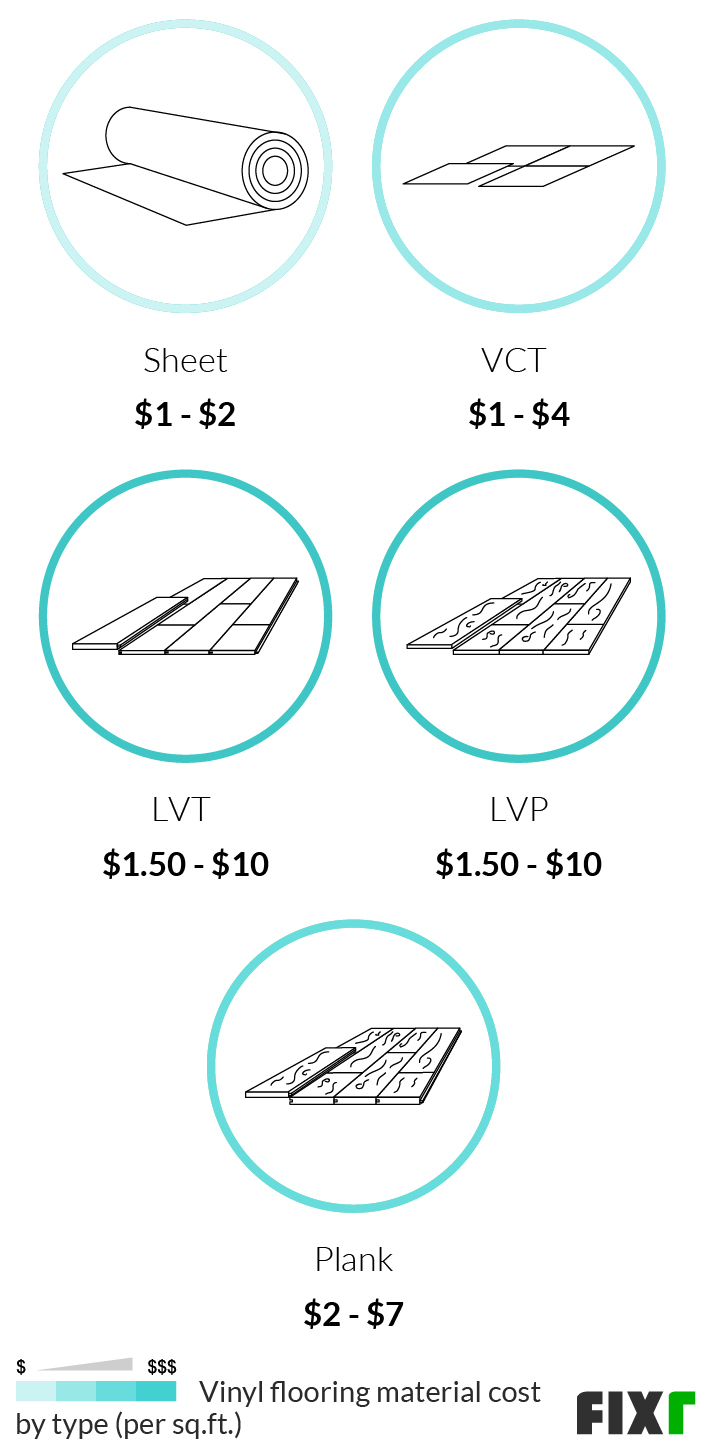
My first shock came when I discovered the wide price range within luxury vinyl flooring itself. Basic options started around $2 per square foot, while premium products reached $7 per square foot before installation. The price differences reflected variations in thickness, wear layer durability, design quality, and manufacturing methods. I quickly learned that not all luxury vinyl is created equal, and cheaper options often sacrifice longevity for initial savings.
Installation costs added another $2 to $4 per square foot, depending on the complexity of the job and local labor rates. Some luxury vinyl products could be installed as floating floors over existing surfaces, while others required full adhesive installation with subfloor preparation. The installation method significantly impacted both cost and timeline, making it crucial to understand these differences before making material selections.
I spent weeks collecting quotes from different suppliers and contractors, discovering that material costs varied significantly between big box stores, specialty flooring retailers, and online suppliers. The same product could differ by 30% or more depending on where I purchased it. This research phase was time-consuming but essential for making informed decisions that would fit my budget while meeting my quality expectations.
Budget Planning: Making the Numbers Work
Setting a realistic budget required balancing my desired aesthetic with practical financial constraints. My 1,200 square foot main floor needed new flooring, and I had allocated $6,000 for the entire project. This meant I needed to find options that totaled $5 per square foot or less, including materials, installation, and any necessary subfloor preparation work.
I created a detailed spreadsheet comparing different luxury vinyl options, factoring in not just the initial cost but also expected lifespan and warranty coverage. A $3 per square foot product with a 10-year warranty might actually cost more long-term than a $5 per square foot option with 25-year protection. This analysis helped me understand the true value proposition of different price points.
The budget planning process also revealed hidden costs I hadn’t initially considered. Transition strips, quarter-round molding, underlayment, and subfloor repairs could add $500 to $1,000 to the total project cost. I learned to ask contractors for comprehensive quotes that included all materials and labor, preventing unpleasant surprises during the installation process.
Shopping Experience: Finding the Best Value
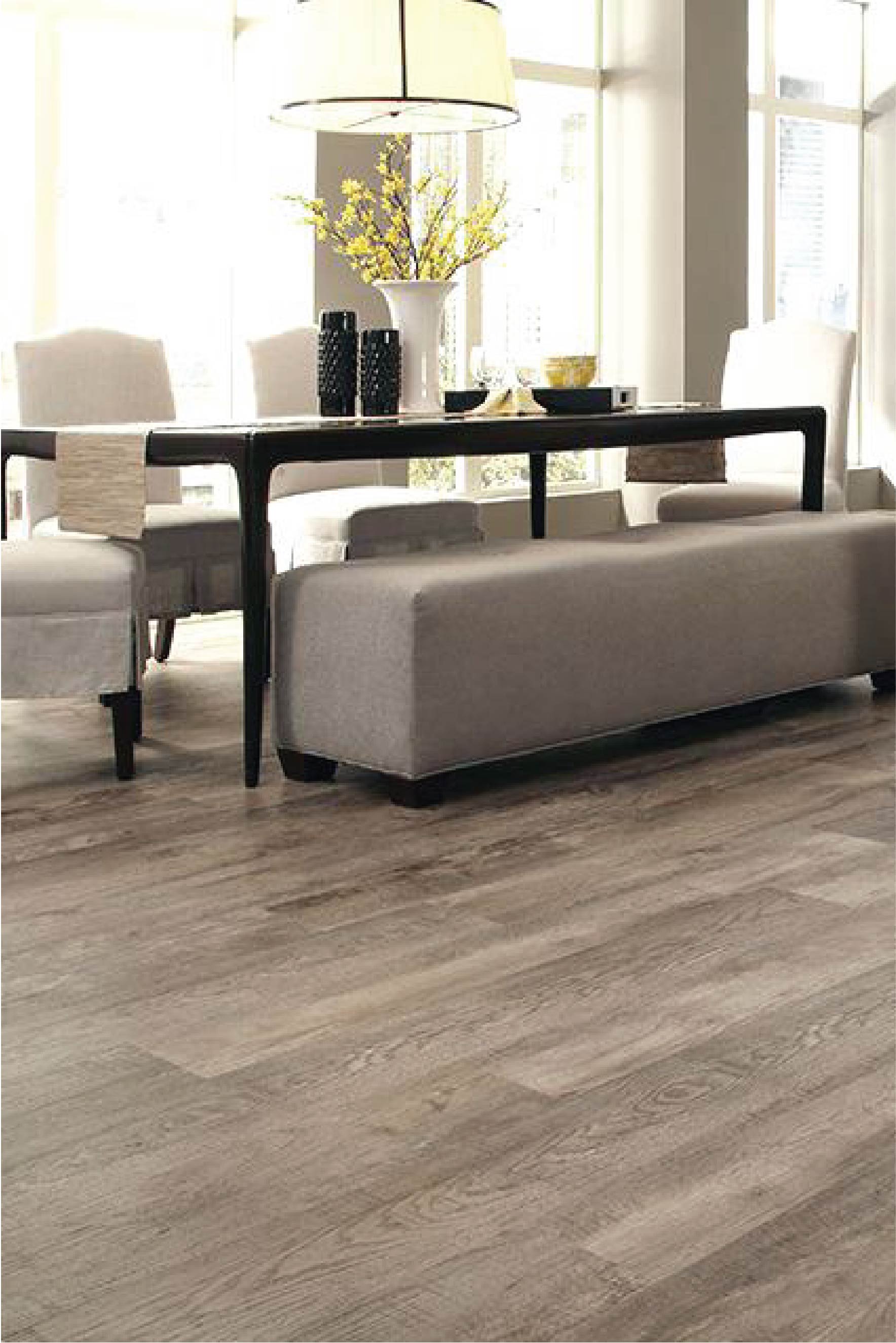
Visiting showrooms and big box stores revealed the dramatic improvements in luxury vinyl appearance and quality over the past decade. High-end options were virtually indistinguishable from real hardwood, with authentic textures, grain patterns, and color variations. The visual quality justified the higher price points, especially when compared to traditional vinyl flooring from years past.
I was surprised by the knowledge level differences between various retailers. Specialty flooring stores provided detailed technical information about wear layers, installation methods, and performance characteristics. Big box store employees often lacked this expertise, but their prices were typically 15-20% lower. Online retailers offered the best prices but required more research to ensure product quality and compatibility.
Sample ordering became crucial for making final decisions. Colors and textures appeared different under my home’s lighting compared to showroom conditions. I ordered samples from five different manufacturers, testing them in various rooms throughout my house. This small investment in samples prevented costly mistakes and gave me confidence in my final selection.
Installation Process: Managing Costs and Quality
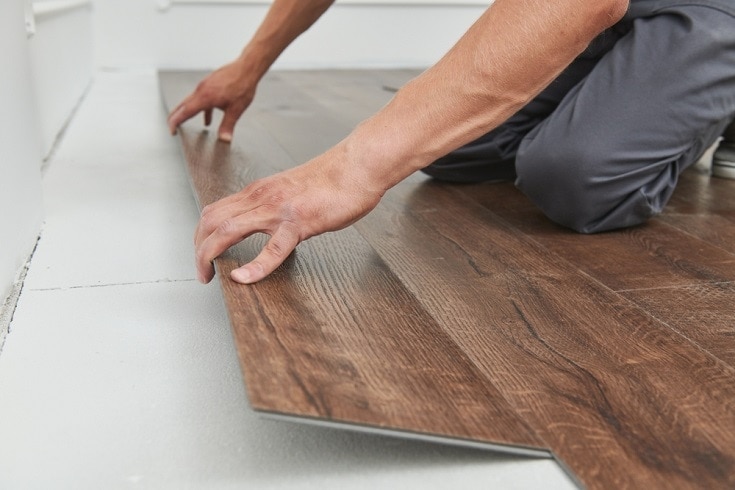
I chose to hire professional installers rather than attempt DIY installation, prioritizing quality results over potential labor savings. The installation crew’s experience showed immediately in their efficient preparation work and precise cutting around obstacles. Professional installation also came with warranties that protected my investment, something DIY work couldn’t provide.
The installation timeline was shorter than expected, taking just three days for my entire main floor. This efficiency minimized disruption to my family’s routine and reduced the overall labor costs. The crew worked systematically, completing one room at a time and allowing us to maintain some normal living patterns during the process.
Watching the installation taught me about factors that affect costs and quality. Subfloor preparation was more extensive than anticipated, requiring additional materials and labor time. However, this foundation work was essential for preventing future problems like squeaking, gaps, or premature wear. The extra expense was justified by the long-term performance benefits.
Unexpected Expenses: Learning from Experience
Several surprise costs emerged during my flooring project that I hadn’t budgeted for initially. Furniture moving services added $300 to my total, but proved worthwhile given the heavy pieces involved. Temporary storage for displaced items during installation required rental fees that I hadn’t considered during the initial planning stages.
Subfloor repairs revealed hidden issues that increased project costs by $800. Water damage near the kitchen sink required replacement of subflooring materials before luxury vinyl installation could proceed. While frustrating, addressing these underlying problems prevented future flooring failures and protected my investment in the new materials.
The most significant unexpected expense was upgrading my selection mid-project. After seeing the basic option installed in my first room, I decided to upgrade to a thicker, more realistic product for the remaining areas. This change added $1,200 to my total cost but dramatically improved the final result’s appearance and feel underfoot.
Final Assessment: Was It Worth the Investment?
Looking back six months after installation, I’m completely satisfied with my luxury vinyl flooring investment. The total project cost of $7,200 exceeded my original budget, but delivered results that rival much more expensive hardwood installations. Daily living with the flooring has confirmed its durability and easy maintenance, justifying the higher price point I ultimately chose.
The cost savings compared to hardwood flooring allowed me to upgrade other aspects of my home renovation. I was able to purchase higher-quality paint, lighting fixtures, and window treatments with the money saved on flooring. This budget flexibility enhanced my overall satisfaction with the renovation project and improved my home’s value more comprehensively.
Most importantly, the flooring performs beautifully in my real-life conditions. Pet accidents clean up easily, water spills don’t cause damage, and the surface remains comfortable for extended standing while cooking. The practical benefits have proven as valuable as the aesthetic improvements, making the investment worthwhile from both financial and lifestyle perspectives.
What’s the typical price range for luxury vinyl flooring materials?
Luxury vinyl flooring materials range from $2 to $8 per square foot, depending on quality, thickness, and design complexity. Basic options around $2-3 per square foot offer decent durability but limited design choices. Mid-range products at $4-5 per square foot provide better wear layers and more realistic appearances. Premium options at $6-8 per square foot feature superior construction, longer warranties, and indistinguishable hardwood aesthetics that justify higher costs.
How much should I budget for professional installation?
Professional installation typically costs $2-4 per square foot, depending on your location, job complexity, and installer experience. Simple floating installations on prepared subfloors cost less, while full adhesive installations with extensive preparation work cost more. My project averaged $3 per square foot for installation, including subfloor preparation and transition strips. Always get comprehensive quotes that include all labor, materials, and potential additional costs.
Are there significant cost differences between different luxury vinyl types?
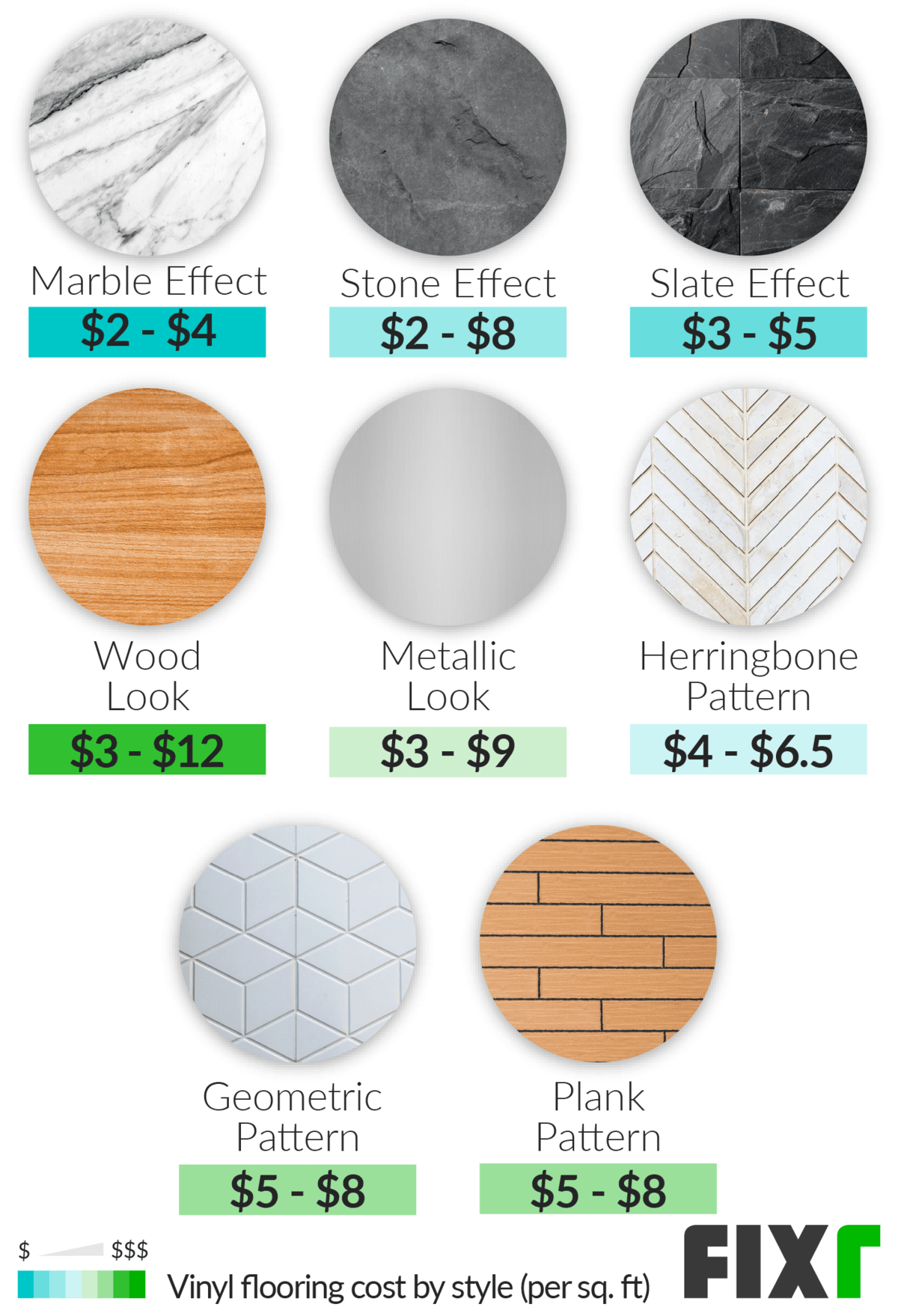
Yes, luxury vinyl planks (LVP) typically cost more than luxury vinyl tiles (LVT) due to manufacturing complexity and realistic wood grain textures. Rigid core products cost 20-30% more than flexible options but offer superior stability and durability. Click-lock floating systems generally cost more than glue-down installations initially, but can reduce labor costs. Waterproof options command premium prices but provide essential protection in moisture-prone areas.
What hidden costs should I expect during installation?
Common hidden costs include subfloor repairs, furniture moving, underlayment upgrades, and additional trim materials. My project included $800 in subfloor repairs and $300 for furniture moving services. Transition strips between rooms and quarter-round molding can add $200-500, depending on your home’s layout. Always budget an extra 15-20% beyond quoted prices for unexpected issues that arise during installation.

How does luxury vinyl flooring cost compare to other options long-term?
Luxury vinyl offers excellent long-term value when considering maintenance, durability, and replacement frequency. While initial costs exceed laminate or basic vinyl, luxury vinyl’s 15-25 year lifespan and minimal maintenance requirements provide superior value. Compared to hardwood’s refinishing costs every 7-10 years, luxury vinyl’s set-and-forget nature saves thousands in maintenance expenses. Factor in these lifecycle costs when making flooring decisions.
Can I save money by installing luxury vinyl flooring myself?
DIY installation can save $2-4 per square foot in labor costs, but requires significant time, tools, and skill to achieve professional results. Click-lock floating systems are most DIY-friendly, while adhesive installations demand professional expertise. Consider your skill level, available time, and tool requirements before choosing DIY. Poor installation can void warranties and create expensive problems that exceed potential savings from self-installation.
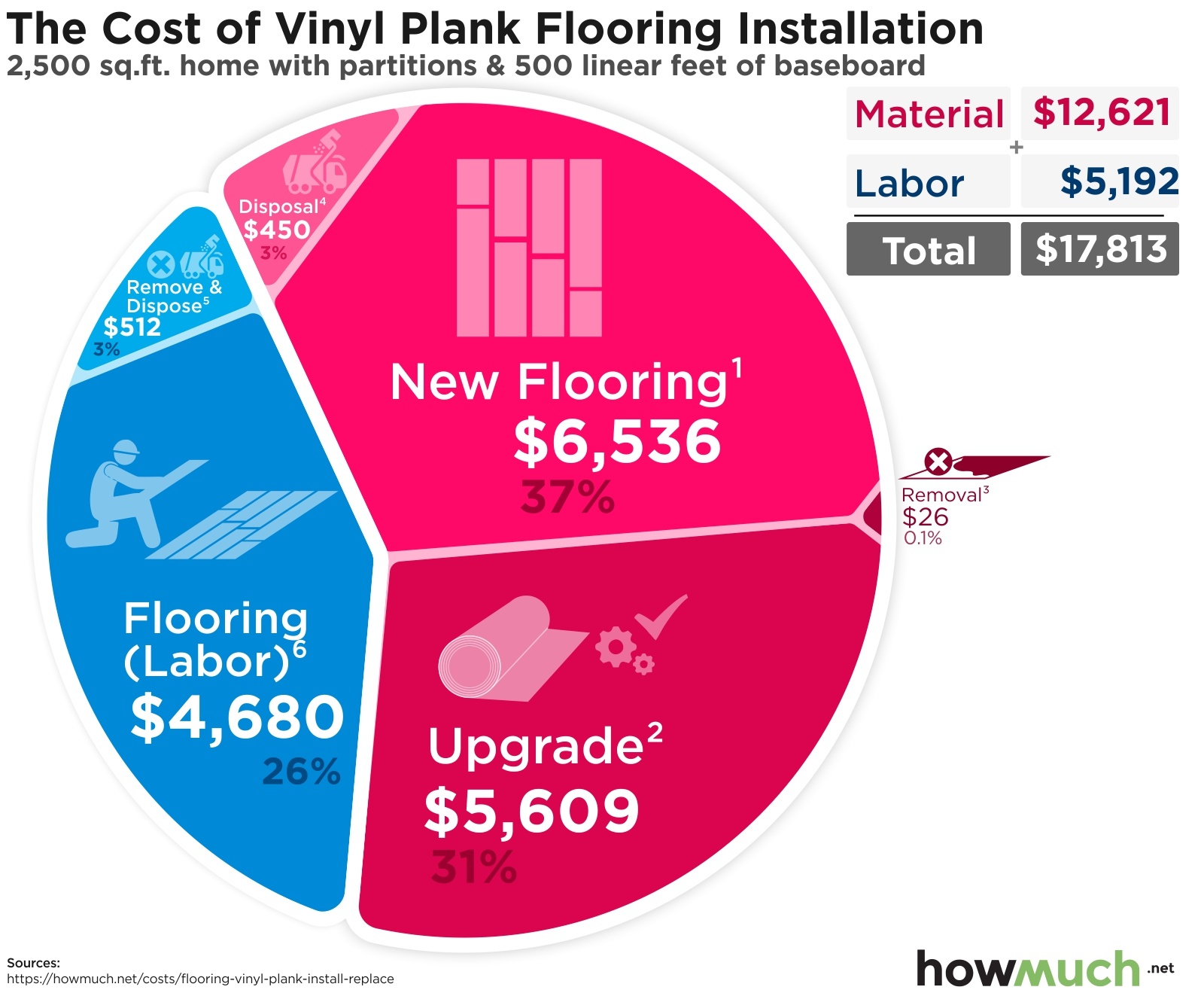
Cost to Install Vinyl Flooring Vinyl Flooring Cost
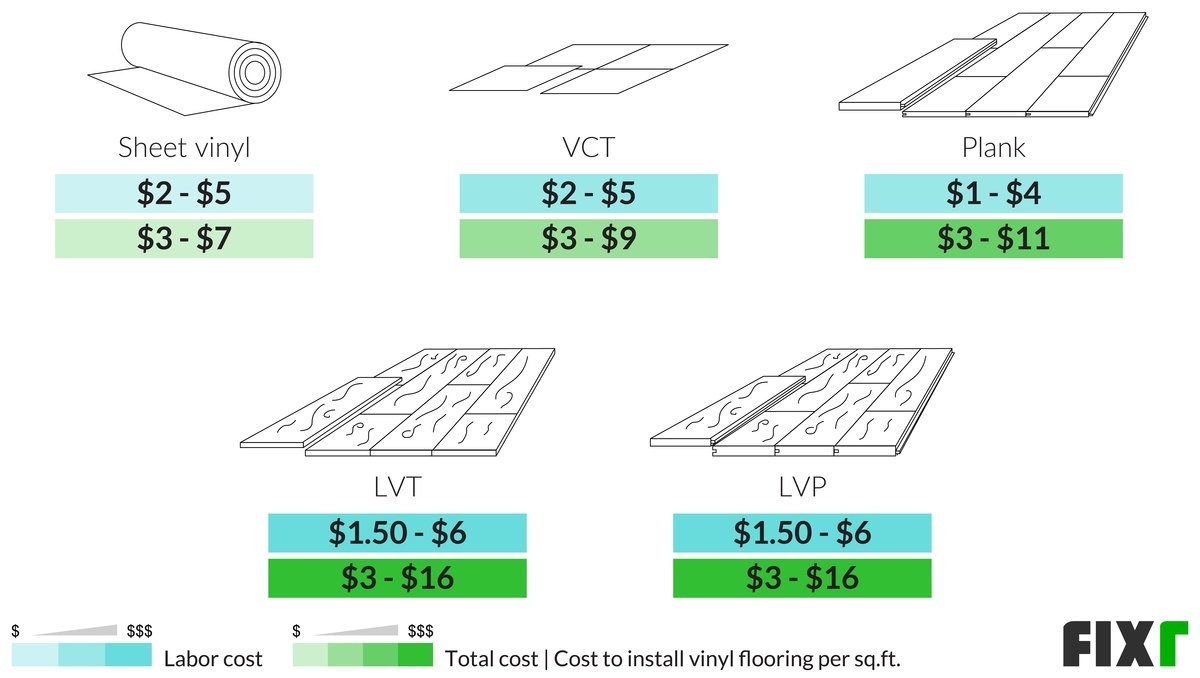
Cost to Install Vinyl Flooring
Luxury Vinyl Tile and Plank Flooring Installation Costs
Related Posts: