During my fifteen years as a fitness facility manager and gym owner, I’ve installed, maintained, and replaced wood flooring in six different athletic facilities. My journey began with a small community center basketball court and evolved through high-end commercial gyms, CrossFit boxes, and a professional training facility. Each installation taught me crucial lessons about selecting wood species, subfloor systems, maintenance requirements, and performance expectations that determine success or failure in demanding athletic environments. From maple hardwood courts that host college tournaments to engineered systems that withstand heavy weightlifting, I’ve learned that proper wood flooring can enhance athletic performance. At the same time, poor choices create safety hazards and costly repairs.
Selecting Appropriate Wood Species
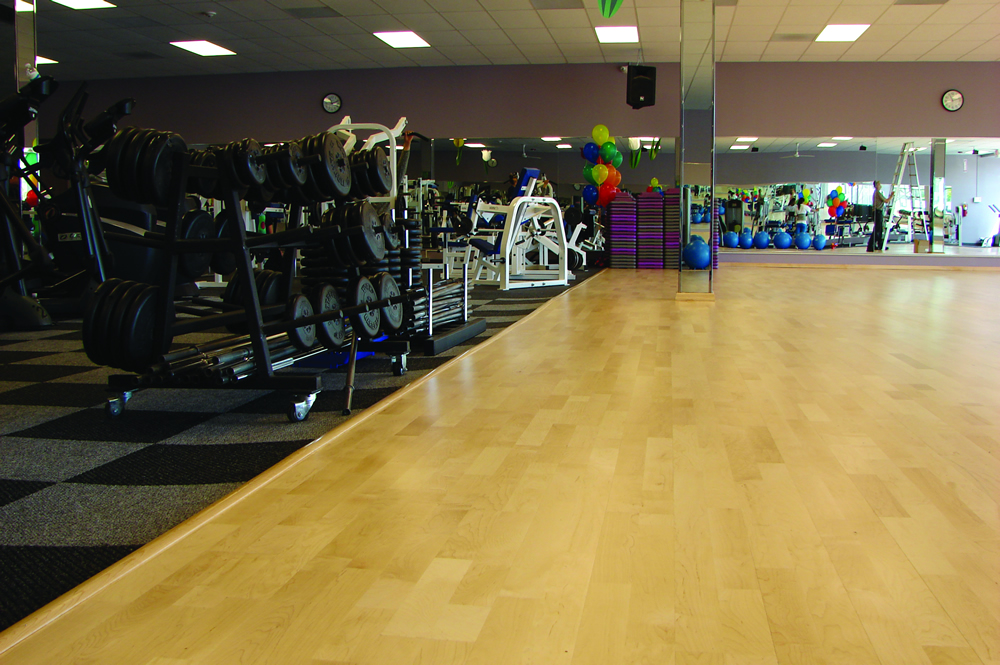
Northern hard maple became my preferred choice for basketball courts and multi-purpose athletic areas due to its exceptional durability and consistent grain structure. The tight grain resists moisture penetration and provides uniform bounce characteristics essential for sports performance. I’ve installed thousands of square feet of maple in facilities ranging from elementary schools to semi-professional arenas, and the performance has been consistently excellent. The light color reflects gymnasium lighting effectively while hiding minor scuffs and scratches that accumulate from athletic activities and equipment movement.
Red oak flooring proved suitable for lighter-use facilities like yoga studios and fitness classrooms, where impact resistance wasn’t as critical as cost considerations. The beautiful grain patterns and warm coloring create welcoming environments that encourage member participation and retention. However, I learned that oak’s softer density makes it vulnerable to denting from dropped weights or heavy equipment movement. My experience suggests reserving oak for low-impact activities while avoiding it in areas with significant equipment traffic or high-intensity training programs.
Engineered hardwood systems offer advantages in challenging environments where moisture control is difficult or subfloor conditions are less than ideal. I’ve successfully used engineered maple in basement facilities and converted warehouses where solid wood would have failed due to humidity fluctuations. The dimensionally stable construction prevents warping and cupping that can create safety hazards on athletic surfaces. While slightly more expensive initially, engineered systems often prove more economical long-term in problematic installation conditions that plague traditional solid wood flooring.
Subfloor Systems and Performance Requirements
Sleeper system installation provides the shock absorption and ball bounce characteristics essential for basketball courts and similar athletic applications. I’ve installed both fixed and floating sleeper systems, finding that proper spacing and ventilation prevent moisture problems while providing consistent performance across the entire court surface. The air gap beneath the flooring creates the spring and resilience that athletes expect while reducing injury potential from hard impacts. Professional installation is essential, as improper sleeper spacing creates dead spots and inconsistent playing surfaces.
Concrete slab installations require careful moisture management and appropriate underlayment systems to prevent wood floor failure in gym environments. I learned early that vapor barriers and proper ventilation are non-negotiable when installing over concrete, especially in facilities with swimming pools or high humidity. Subfloor moisture testing became standard practice after experiencing catastrophic floor failure in a facility where concrete moisture wasn’t properly addressed. The investment in proper moisture mitigation prevents costly replacements and facility downtime that affects member satisfaction and revenue.
Floating floor systems work well for fitness facilities where traditional installation isn’t feasible due to existing conditions or budget constraints. I’ve used floating systems in temporary facilities and converted spaces where permanent installation wasn’t justified. These systems provide adequate performance for general fitness activities while maintaining the authentic wood appearance that many clients prefer over synthetic alternatives. However, they lack the long-term durability and performance characteristics of properly installed gymnasium floors, making them suitable for transitional or budget-conscious applications only.
Maintenance Protocols and Cleaning Schedules
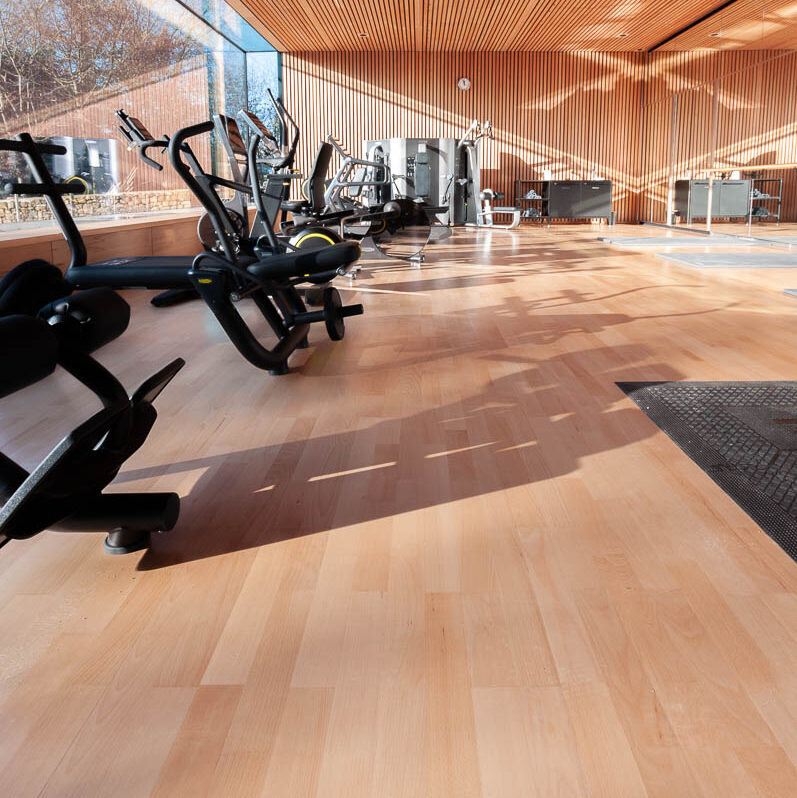
Daily cleaning routines focus on removing moisture and debris that can damage wood floors and create safety hazards for athletes. I developed protocols requiring immediate cleanup of any water or sports drinks, along with dust mopping between activities to maintain proper traction. Gym staff use microfiber mops and pH-neutral cleaners specifically formulated for wood athletic floors. The consistent daily maintenance prevents the buildup of soil and moisture that would otherwise require aggressive restoration techniques, damaging to the wood finish and playing surface.
Weekly deep cleaning includes damp mopping with appropriate wood floor cleaners and thorough inspection for developing problems like loose boards or finish wear. I schedule this maintenance during low-traffic periods to allow proper drying time before activities resume. Special attention goes to high-traffic areas like free-throw lanes and equipment zones where wear accelerates. Early problem identification prevents minor issues from becoming major repairs that could sideline facilities during peak usage periods.
Seasonal maintenance involves professional screening and recoating to maintain protective finishes and optimal playing characteristics. I budget for annual or bi-annual refinishing depending on facility usage levels and activities. The polyurethane finishes used on athletic floors require periodic renewal to maintain slip resistance and moisture protection. Professional refinishing costs significantly less than floor replacement while extending service life dramatically, making it essential for long-term facility operations and budget management.
Performance Impact on Athletic Activities
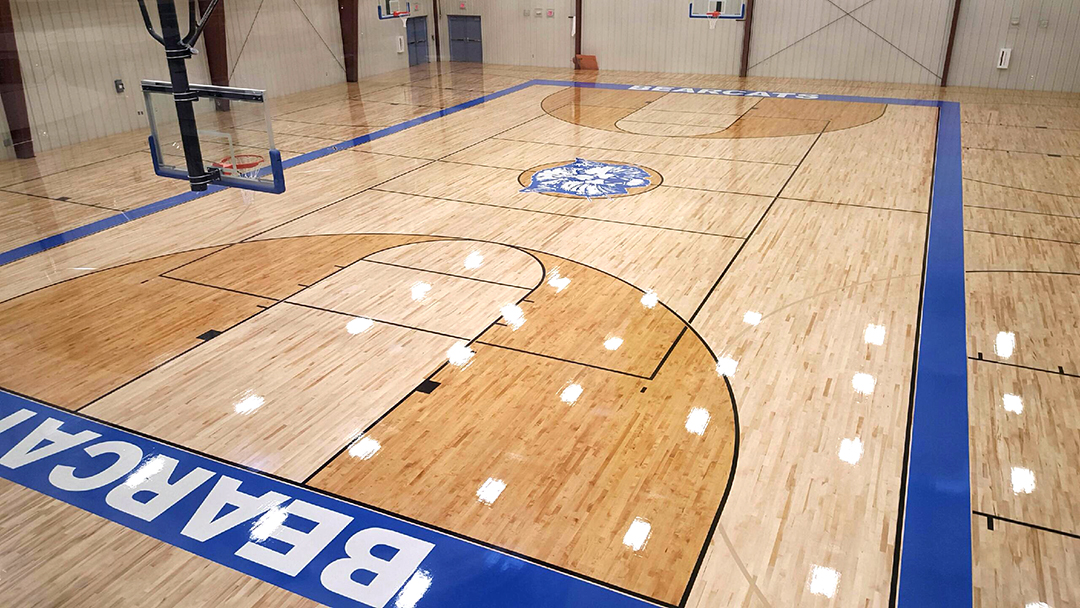
Basketball performance depends heavily on consistent ball bounce and player traction, which quality wood flooring provides better than synthetic alternatives. I’ve measured bounce characteristics on various floors and found that properly installed maple consistently delivers the 90-95% bounce coefficient required for competitive play. The natural grip and release characteristics of wood allow quick direction changes without excessive stick or slip that could cause injuries. Players consistently report better confidence and performance on quality wood courts compared to synthetic surfaces in my facilities.
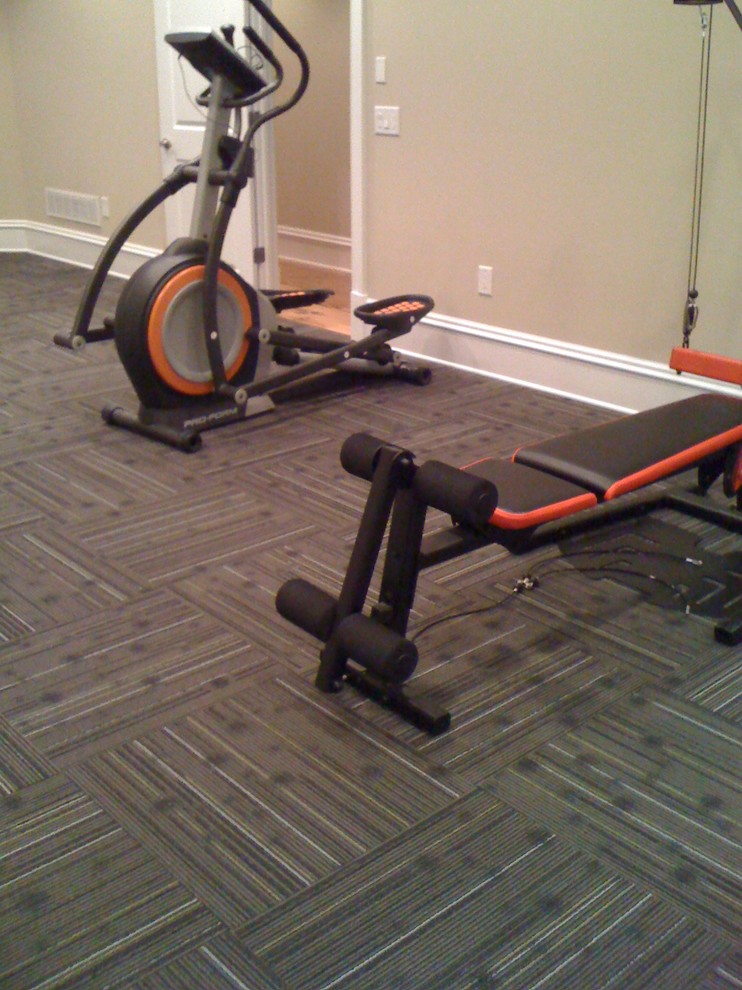
Weight training areas require different wood flooring considerations focused on impact resistance and equipment protection rather than ball bounce characteristics. I use thicker finish systems and sometimes install protective mats in heavy lifting zones to prevent equipment damage to the underlying wood. The key is balancing protection with the aesthetic and performance benefits that wood provides over rubber or synthetic flooring alternatives. Strategic design allows wood flooring to benefit while protecting the investment from abuse by heavy equipment and dropped weights.
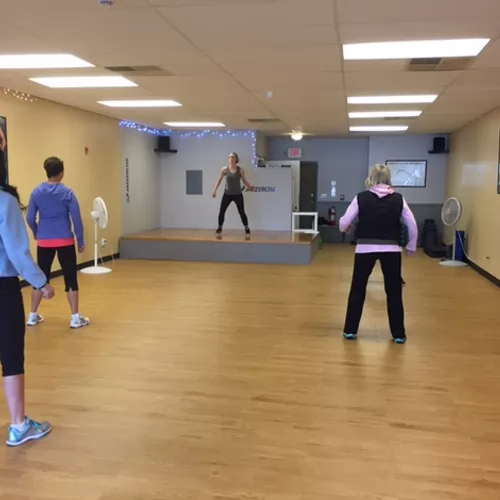
Group fitness classes benefit from wood flooring’s shock absorption and joint-friendly characteristics that reduce fatigue and injury potential during high-impact activities. I’ve noticed improved member participation and satisfaction in wood-floored studios compared to concrete or synthetic surfaces. The natural temperature regulation of wood creates more comfortable environments for barefoot activities like yoga and dance. However, the maintenance requirements increase with activities involving water bottles and towel usage that must be carefully managed to protect the wood surface from moisture damage.
Cost Analysis and Budget Planning
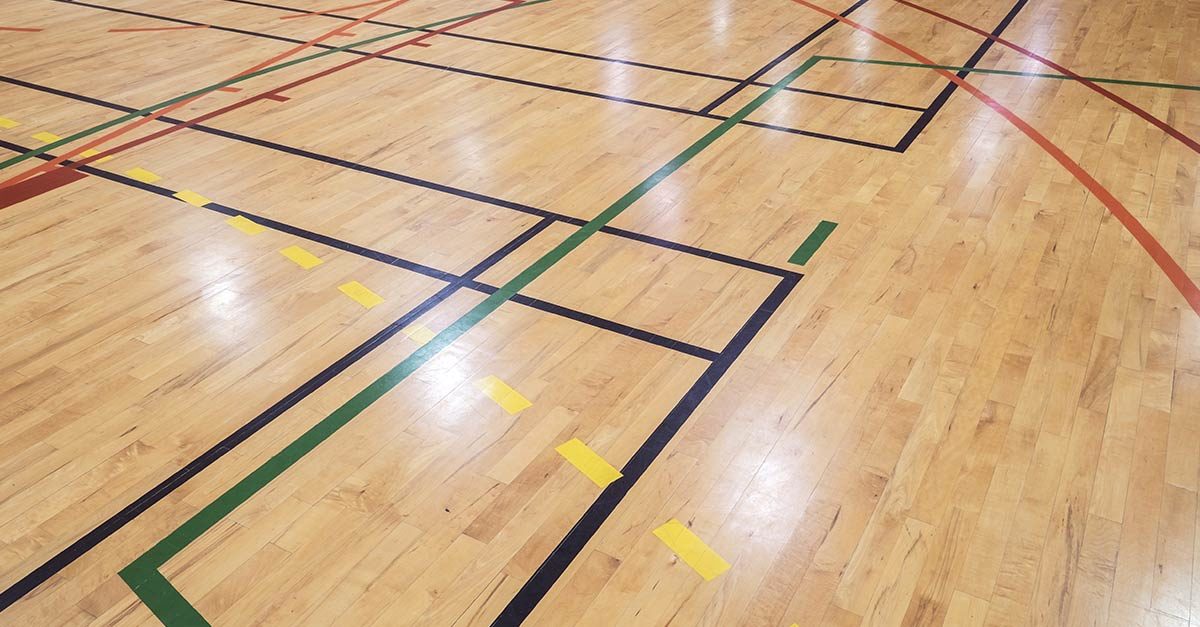
Initial installation costs for gym wood flooring range from $8-15 per square foot, including professional installation, depending on wood species, subfloor system complexity, and finish requirements. I typically budget toward the higher end for facilities expecting heavy use or hosting competitive events. The investment in quality installation pays dividends through extended service life and reduced maintenance costs over time. Cheap installations invariably fail prematurely, creating expensive emergency replacements and facility downtime that affects member retention and revenue generation.
Annual maintenance budgets should include $0.50-1.50 per square foot for routine cleaning supplies, periodic deep cleaning, and scheduled refinishing to maintain optimal performance and appearance. I’ve found that consistent maintenance budgeting prevents expensive emergency repairs and extends floor life significantly beyond manufacturer warranties. Facilities that defer maintenance face accelerated deterioration and much higher long-term costs. The predictable maintenance schedule allows better budget planning and prevents surprise expenses that can strain facility operations.
Long-term replacement planning typically involves 15-25 year service life for quality gym wood flooring with proper maintenance and reasonable use patterns. I factor replacement costs into long-term facility planning and depreciation schedules. Quality wood floors often exceed expected service life when properly maintained, while poor installations may require replacement within 5-10 years. The total cost of ownership, including installation, maintenance, and replacement, generally favors wood over synthetic alternatives in facilities prioritizing performance and member experience over initial cost savings.
Safety Considerations and Risk Management
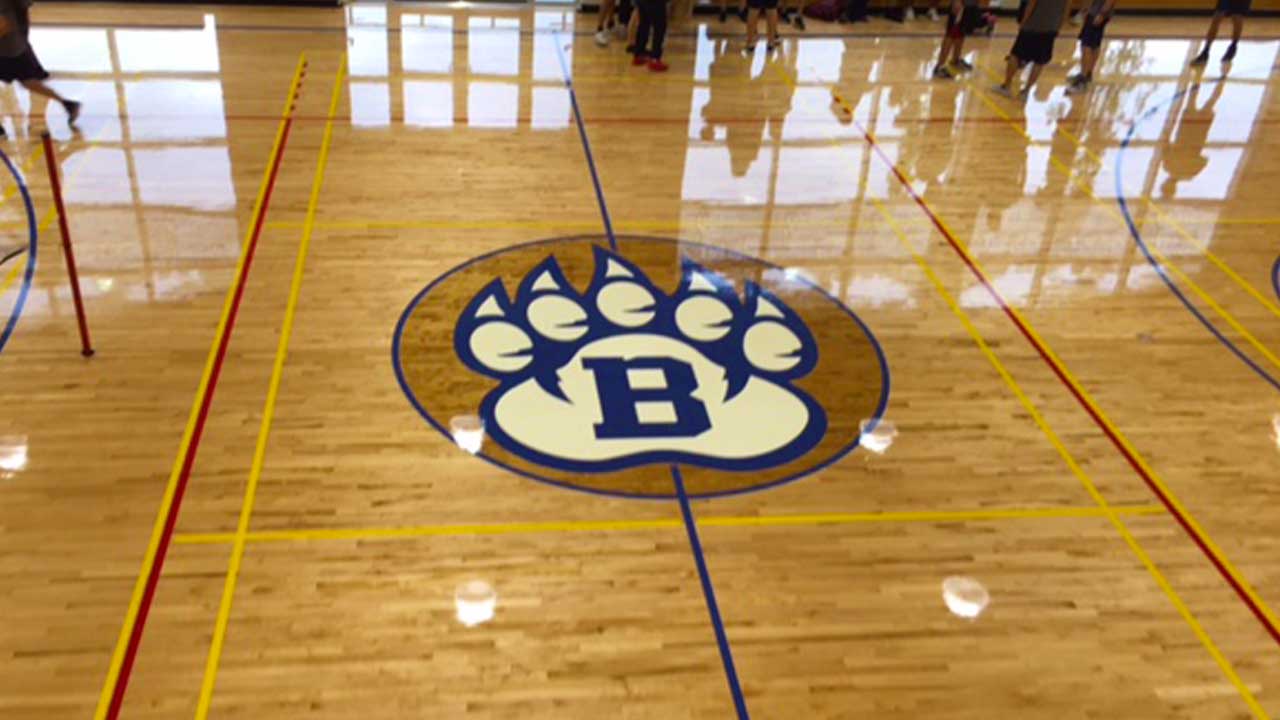
Slip resistance maintenance requires constant attention to finish condition and contamination removal to prevent athlete injuries and facility liability. I implement strict protocols for spill cleanup and regular testing of surface friction characteristics using industry-standard methods. The polyurethane finishes used on gym floors can become dangerously slippery when contaminated with dust, moisture, or cleaning residues. Regular maintenance and appropriate cleaning products maintain the optimal balance between grip and release needed for safe athletic performance across various sports and activities.
Moisture management prevents wood floor deterioration that creates safety hazards like loose boards, splinters, or uneven surfaces that could cause injuries. I monitor facility humidity levels and implement dehumidification when necessary to maintain wood floors within acceptable moisture content ranges. Roof leaks, plumbing failures, or excessive humidity can quickly damage wood floors and create immediate safety concerns requiring facility closure. Preventive measures and quick response protocols protect both the flooring investment and facility users from moisture-related hazards.
Regular inspection protocols identify developing problems before they create safety risks or require expensive emergency repairs. I conduct monthly detailed inspections documenting finish condition, board movement, and any developing issues requiring attention. Early intervention prevents minor problems from becoming major safety hazards that could result in injuries, liability claims, or extended facility closures. Professional inspections supplement daily staff observations and provide expert assessment of conditions requiring specialized repair or refinishing services to maintain safe operating conditions.

What’s the best wood species for high-traffic gymnasium flooring?
Northern hard maple consistently provides the best performance for high-traffic gym applications through superior durability, consistent grain structure, and excellent shock absorption characteristics. I’ve installed Maple in facilities ranging from elementary schools to professional training centers with consistently excellent results. The tight grain resists moisture penetration while providing uniform bounce essential for sports performance. Light coloring reflects lighting effectively and hides minor wear better than darker species. While more expensive initially, maple’s longevity and performance justify the investment in demanding athletic environments requiring consistent, safe playing surfaces.
How much does professional gym wood flooring installation typically cost?
Professional gym wood flooring installation ranges from $8-15 per square foot, including materials, subfloor systems, and finishing, depending on facility size, wood species, and performance requirements. Basketball courts with sleeper systems cost toward the higher end, while fitness studios require less complex installation. I budget additional costs for moisture mitigation, ventilation systems, and specialized finishes required for athletic applications. Quality installation prevents premature failure and safety issues that create much higher long-term costs. Professional installation warranties protect significant investments in facilities where flooring failure affects operations and revenue.

What maintenance schedule should I expect for gym wood flooring?
Daily maintenance includes immediate spill cleanup, dust mopping between activities, and inspection for developing problems requiring attention. Weekly deep cleaning involves damp mopping with wood-specific cleaners during low-traffic periods, allowing proper drying time. Monthly detailed inspections document the finish condition and identify issues requiring professional attention. Annual or bi-annual screening and recoating maintain protective finishes and optimal playing characteristics based on usage levels. I’ve found that consistent maintenance extends floor life dramatically while deferred maintenance leads to expensive emergency repairs and potential safety hazards requiring facility closure.
Can wood flooring work in weight training areas with heavy equipment?
Wood flooring can work in weight training areas with proper planning, protective measures, and realistic expectations about maintenance requirements. I use thicker finish systems and install protective mats in heavy lifting zones to prevent equipment damage. Strategic design allows wood benefits while protecting the investment from dropped weights and equipment abuse. The key is balancing protection with aesthetic and performance advantages wood provides over synthetic alternatives. Regular inspection and prompt repair of any damage prevent minor issues from becoming major problems requiring extensive floor replacement.
How do I control moisture in gym wood flooring installations?
Moisture control requires a comprehensive approach, including vapor barriers over concrete, proper ventilation systems, humidity monitoring, and immediate spill cleanup protocols. I implement dehumidification systems when necessary to maintain optimal moisture content in wood floors. Subfloor moisture testing before installation prevents catastrophic failures I’ve witnessed in facilities where concrete moisture wasn’t properly addressed. Staff training on spill cleanup and moisture sources like swimming pools or shower areas protects flooring investments. Professional moisture assessment and mitigation systems prevent expensive floor replacement and facility downtime, affecting operations.
What safety features should I consider for gym wood flooring?
Safety features include proper slip resistance through appropriate finishes, consistent surface conditions without dead spots or loose boards, and immediate hazard identification and correction protocols. I maintain optimal friction characteristics through regular cleaning and finish maintenance, preventing dangerous slip conditions. Proper installation prevents uneven surfaces, board movement, or splinters that create injury risks. Emergency response procedures address spills, damage, or developing hazards immediately to prevent accidents and liability issues. Professional inspection supplements daily staff monitoring ensuring conditions remain safe for athletic activities and member use throughout the facility.
Fitness Facilities and Exercise Flooring Surface America
Related Posts: