Four years ago, I decided to replace all the flooring in my 2,200 square foot home with realistic vinyl planks, and it has been one of the best home improvement investments I’ve ever made. Initially skeptical about vinyl’s reputation as a budget option, I was amazed by how far the technology had advanced since my childhood memories of obviously fake patterns and thin materials. My journey through selecting, installing, and living with high-quality vinyl flooring has completely changed my perspective on this versatile material. From waterproof luxury planks that survive pet accidents to textured surfaces that fool hardwood experts, realistic vinyl has proven itself as a practical and beautiful solution for modern homes.
Understanding Different Types and Quality Levels
Luxury vinyl plank (LVP) flooring became my top choice after comparing dozens of samples and discovering the incredible realism achieved through advanced printing and texturing techniques. The high-definition photography captures authentic wood grain patterns with multiple color variations per plank, eliminating the obvious repetition that plagued older vinyl products. I selected 7-inch wide planks in a weathered oak pattern that includes knots, mineral streaks, and grain variations so realistic that visitors consistently mistake it for genuine hardwood. The 6mm thickness provides a substantial feel underfoot while maintaining flexibility for easy installation.
Luxury vinyl tile (LVT) options impressed me with their ability to replicate natural stone and ceramic patterns with remarkable accuracy. I installed slate-look LVT in my entryway and laundry room, choosing a product that includes realistic texture variations and natural color shifts between tiles. The embossed surface perfectly matches the printed pattern, creating tactile authenticity that enhances the visual deception. These tiles perform exceptionally well in high-moisture areas where natural materials would require extensive maintenance or risk damage from water exposure.
Sheet vinyl has evolved dramatically from the thin, obviously artificial products I remembered from decades past. Modern sheet vinyl incorporates multiple layers, including wear layers, printed designs, and cushioned backing that provide durability and comfort. I considered sheet vinyl for my basement renovation because it offers seamless installation without grout lines that could trap moisture. However, I ultimately chose planks for their superior visual appeal and easier replacement if individual sections become damaged over time.
Installation Process and DIY Experience
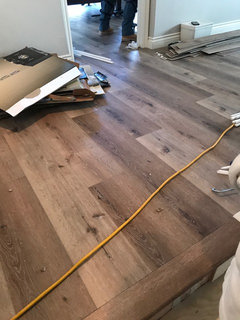
Click-lock installation systems made my entire flooring project manageable as a weekend DIY endeavor, saving thousands in professional installation costs. The engineered tongue-and-groove connections create secure joints without glue or nails, allowing the floor to float over the existing subfloor. I completed my living room, kitchen, and hallway in two days using only basic tools, including a circular saw, tapping block, and pull bar. The installation process was surprisingly satisfying, with each plank clicking into place with an audible confirmation of proper connection.
Subfloor preparation required more attention than I initially anticipated, but proper preparation prevented future problems and ensured optimal performance. I spent considerable time checking for squeaks, protruding nails, and uneven areas that could telegraph through the vinyl surface. Small gaps and minor imperfections were acceptable, but anything larger than 1/8 inch required leveling compound. The investment in quality underlayment provided additional moisture protection and sound dampening that significantly improved the final result and walking comfort.
Cutting techniques around obstacles and doorways required practice and patience to achieve professional-looking results. I learned to measure twice and cut once, especially for complex angles around heating vents and door casings. A fine-tooth blade in my circular saw prevented chipping, while a utility knife worked well for scoring and snapping straight cuts. The most challenging aspect was maintaining consistent expansion gaps around the perimeter while ensuring proper alignment with walls that weren’t perfectly straight.
Maintenance and Durability Assessment
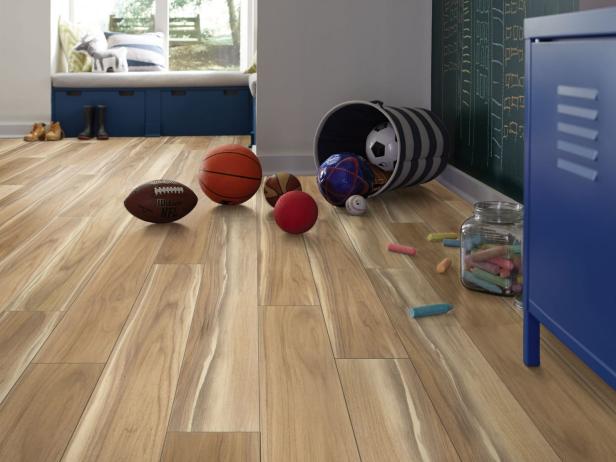
Daily cleaning of realistic vinyl flooring requires minimal effort compared to natural materials, making it ideal for busy households with children and pets. I simply sweep or vacuum to remove debris, then damp mop with standard floor cleaners without worry about pH levels or special products. Spills clean up immediately without staining or damage, including red wine, coffee, and muddy paw prints that would have ruined my previous hardwood floors. The wear layer resists scratches from furniture movement and pet nails remarkably well after four years of family living.
Deep cleaning involves occasional scrubbing with non-abrasive cleaners to remove built-up soil and restore the original luster to high-traffic areas. Unlike hardwood or tile, vinyl requires no special treatments, waxing, or sealing to maintain its appearance and protection. I use a steam mop monthly for sanitization without concerns about moisture damage that would plague natural wood flooring. The consistent appearance throughout the wear layer means minor scratches don’t expose different colored substrates like they would with laminate flooring.
Long-term durability has exceeded my expectations, with minimal visible wear after four years of heavy family use, including two large dogs and active teenagers. High-traffic areas like the kitchen island and main hallway show slight dulling but no actual damage to the printed pattern or wear layer. I’ve had to replace only two planks due to a furniture moving accident, and the click-lock system made replacement simple without affecting surrounding planks. The manufacturer’s 20-year warranty provides confidence in continued performance for many more years.

Cost Comparison and Value Analysis
Material costs for high-quality, realistic vinyl planks averaged $4-6 per square foot for the premium products I selected, significantly less than comparable hardwood or tile options. I invested in top-tier brands with thicker wear layers and advanced printing technology, finding the price difference between budget and premium vinyl minimal compared to the quality improvement. The waterproof core construction and enhanced durability justify the higher cost through extended lifespan and reduced maintenance expenses over time. Shopping sales and buying full pallets reduced my per-square-foot cost considerably.
Installation savings through a DIY approach $8,000 compared to professional hardwood installation quotes for my entire home. The click-lock system and forgiving installation process made professional help unnecessary, unlike hardwood or tile, which require specialized tools and experience. I rented a few basic tools and purchased quality underlayment, bringing total installation costs under $50,0, including supplies. Even adding professional installation wouldn’t have approached the total cost of premium hardwood flooring with similar appearance and coverage.
Long-term value considerations include maintenance costs, durability, and aesthetic longevity compared to natural materials requiring periodic refinishing or replacement. My vinyl floors have required zero maintenance expenses beyond regular cleaning supplies, while my neighbors’ hardwood floors needed $3,000 refinishing after five years. The fade-resistant properties and wear layer protection ensure continued attractiveness for decades. Realistic patterns won’t look dated like trendy designs, and the neutral colors work with changing decor preferences throughout the years.
Visual Appeal and Aesthetic Success
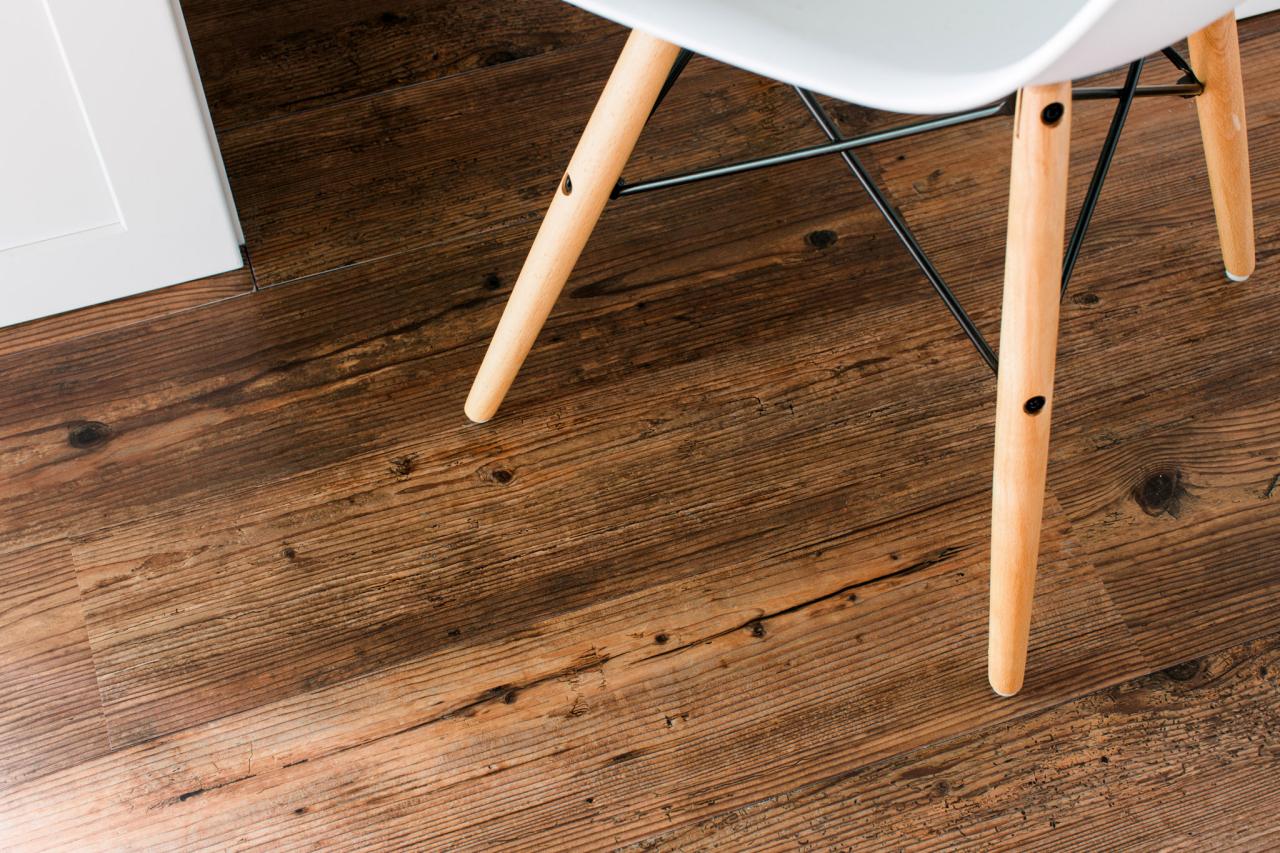
Pattern realism in modern vinyl flooring amazed me when comparing samples to actual hardwood planks, with printing technology capturing minute details like grain texture, mineral streaks, and natural color variations. The multi-directional wood grain patterns include authentic imperfections that add character without repetitive artificial appearance. I selected a mixed-width installation using 5-inch and 7-inch planks in the same pattern to further enhance authenticity and break up any remaining pattern repetition. Visitors consistently comment on the beautiful “hardwood” floors without realizing they’re looking at vinyl.
Color consistency between planks varies appropriately to mimic natural wood characteristics while maintaining overall harmony throughout large spaces. Each plank features unique coloring within the selected range, preventing the uniform appearance that immediately identifies artificial materials. The subtle color shifts between adjacent planks create a natural flow while darker and lighter pieces are distributed randomly throughout the installation. This variation requires careful planning during installation to avoid clustering similar tones in obvious patterns.
Texture integration perfectly aligns embossed surface patterns with printed grain designs, creating tactile authenticity that enhances visual deception. Running my hand across the surface reveals realistic wood grain texture, nail holes, and even subtle plank edge beveling that mimics solid hardwood construction. The texture depth isn’t excessive, maintaining easy cleaning while providing convincing tactile feedback. Barefoot walking feels surprisingly similar to real hardwood, lacking the hollow sound and artificial feel of cheaper vinyl products or laminate alternatives.

Performance in Different Room Applications
Kitchen installation tested vinyl’s advertised water resistance through daily cooking splashes, appliance leaks, and regular mopping without any signs of damage or swelling. The 100% waterproof core construction handles standing water from dishwasher overflows and sink splashes that would ruin hardwood or laminate flooring immediately. I appreciate the seamless appearance flowing from the kitchen to the adjacent rooms without transition strips that collect dirt and create cleaning challenges. The slip-resistant surface provides safety when floors become wet from cooking activities or cleaning routines.
Bathroom applications in my powder room and hall bath have performed flawlessly despite high humidity and occasional water exposure from shower overflow and sink splashes. Unlike laminate or hardwood, vinyl shows no signs of edge swelling or surface damage from moisture exposure. The antimicrobial surface treatments resist mold and mildew growth in humid conditions that challenge other flooring materials. Installation around toilets and vanities was straightforward with precise cutting tools, creating professional-looking results without special skills or expensive equipment.
Basement installation over a concrete subfloor required moisture barrier considerations, but vinyl’s impermeability eliminated concerns about humidity transmission that would affect hardwood or laminate. The cushioned construction provides comfort and warmth over cold concrete while the realistic appearance transforms the basement into an attractive living space. Temperature fluctuations and seasonal humidity changes haven’t affected the vinyl’s stability or appearance throughout two years of basement use. The easy maintenance proves invaluable in areas prone to dust and occasional moisture from HVAC systems.

How realistic does modern vinyl flooring look compared to real hardwood?
Modern luxury vinyl planks achieve remarkable realism through high-definition photography and synchronized embossing that perfectly aligns surface texture with printed grain patterns. I regularly have guests ask about my beautiful hardwood floors, not realizing they’re examining vinyl. The key is selecting premium products with multiple color variations per plank and avoiding obvious pattern repetition. Advanced printing captures authentic details like knots, mineral streaks, and natural aging that cheap vinyl cannot replicate. Quality matters significantly; budget vinyl still looks artificial while premium products fool hardwood experts consistently.
What’s the expected lifespan of high-quality, realistic vinyl flooring?
Quality vinyl flooring with thick wear layers typically lasts 15-25 years in residential applications with proper maintenance and reasonable care. My four-year experience shows minimal wear in high-traffic areas, suggesting excellent long-term durability potential. The wear layer thickness directly impacts lifespan, with commercial-grade products offering superior longevity. Unlike hardwood that requires periodic refinishing, vinyl maintains a consistent appearance throughout its service life. Manufacturers typically provide 15-20 year warranties reflecting confidence in durability. Individual planks can be replaced if damaged, extending overall floor life indefinitely with proper installation techniques.

Can I install vinyl flooring over existing flooring, or do I need removal?
Vinyl flooring can be installed over most existing hard surfaces, including tile, hardwood, and previous vinyl, with proper preparation and height considerations. I installed over my existing hardwood to save removal costs and time, ensuring the surface was clean, level, and secure. Height transitions at doorways may require adjustment, and appliances might need modification for the additional thickness. Carpet and cushioned vinyl require removal for proper installation. Subfloor condition matters more than surface material; proper preparation ensures optimal performance regardless of the existing flooring type underneath the new vinyl installation.
How does vinyl flooring perform with pets and heavy furniture?
Vinyl flooring excels with pets through waterproof construction that handles accidents without damage and scratch-resistant wear layers that withstand normal pet activity. My large dogs haven’t caused visible damage after four years of daily use. Heavy furniture requires protective pads to prevent indentation in softer vinyl products, but quality planks resist permanent marking from normal furniture loads. The click-lock installation allows easy replacement of individual damaged planks if accidents occur. Pet hair and dander cleaned easily from smooth vinyl surfaces compared to textured hardwood or carpet that traps allergens and odors.

What should I look for when selecting realistic vinyl flooring products?
Prioritize thick wear layers (12-mil minimum), realistic printing with multiple variations per plank, and synchronized embossing that matches printed patterns perfectly. Examine samples closely for obvious pattern repetition and artificial coloring that identifies cheap products immediately. Check manufacturer warranties and read reviews focusing on long-term performance rather than initial appearance. Considering installation system quality, rigid core construction provides better stability than flexible products. Visit showrooms to examine full displays rather than small samples; a realistic assessment requires seeing larger installations that demonstrate pattern flow and overall appearance successfully.
How do maintenance requirements compare between vinyl and natural flooring materials?
Vinyl flooring requires minimal maintenance compared to hardwood refinishing, tile grout cleaning, or natural stone sealing schedules that demand time and expense. Daily sweeping and occasional damp mopping with standard cleaners maintains the vinyl appearance without special products or techniques. No waxing, sealing, or professional treatments are necessary throughout the floor’s entire lifespan. Water damage isn’t a concern like with hardwood, and stain resistance eliminates most permanent damage risks. I spend significantly less time and money maintaining vinyl compared to previous hardwood floors that required annual deep cleaning and periodic refinishing investments.

Rustic Wood Looks in Luxury Vinyl Tile Plank Flooring
Types of Vinyl Flooring
Most realistic wood look vinyl plank??
Related Posts: