Three years ago, I discovered vintage Java bamboo flooring during my search for an eco-friendly alternative to traditional hardwood, and it completely transformed both my living space and my perspective on sustainable materials. After researching countless flooring options and visiting numerous showrooms, I was captivated by the rich, coffee-colored tones and distinctive grain patterns that make vintage Java bamboo so unique. My experience installing and living with this remarkable flooring has taught me about its durability, maintenance requirements, and environmental benefits that extend far beyond typical bamboo products. From the initial installation challenges to daily living with pets and children, vintage Java bamboo has proven itself as both beautiful and practical for modern family life.
Understanding the Unique Characteristics
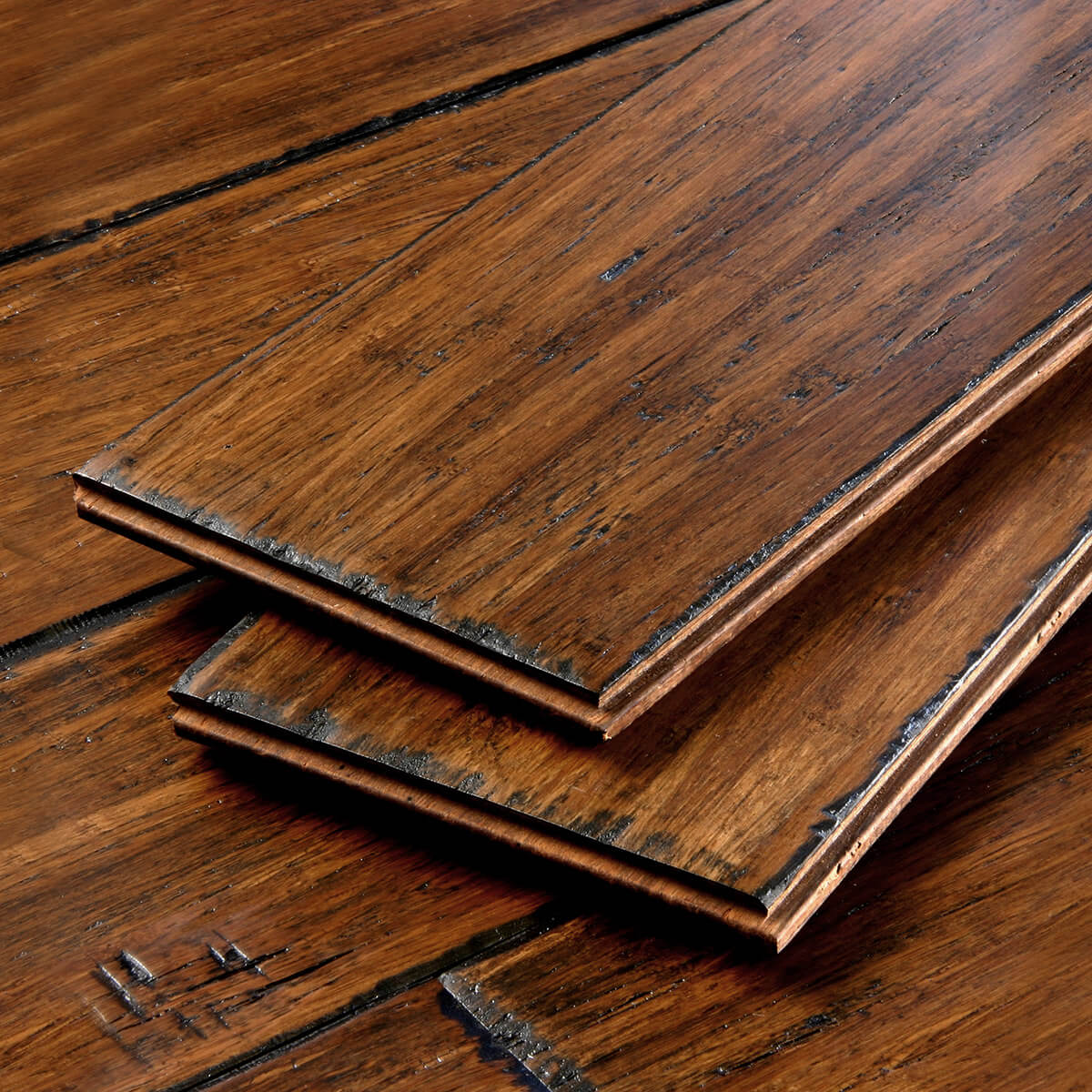
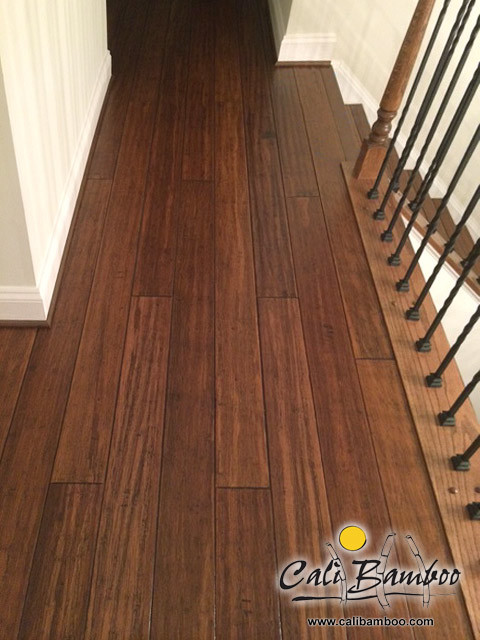
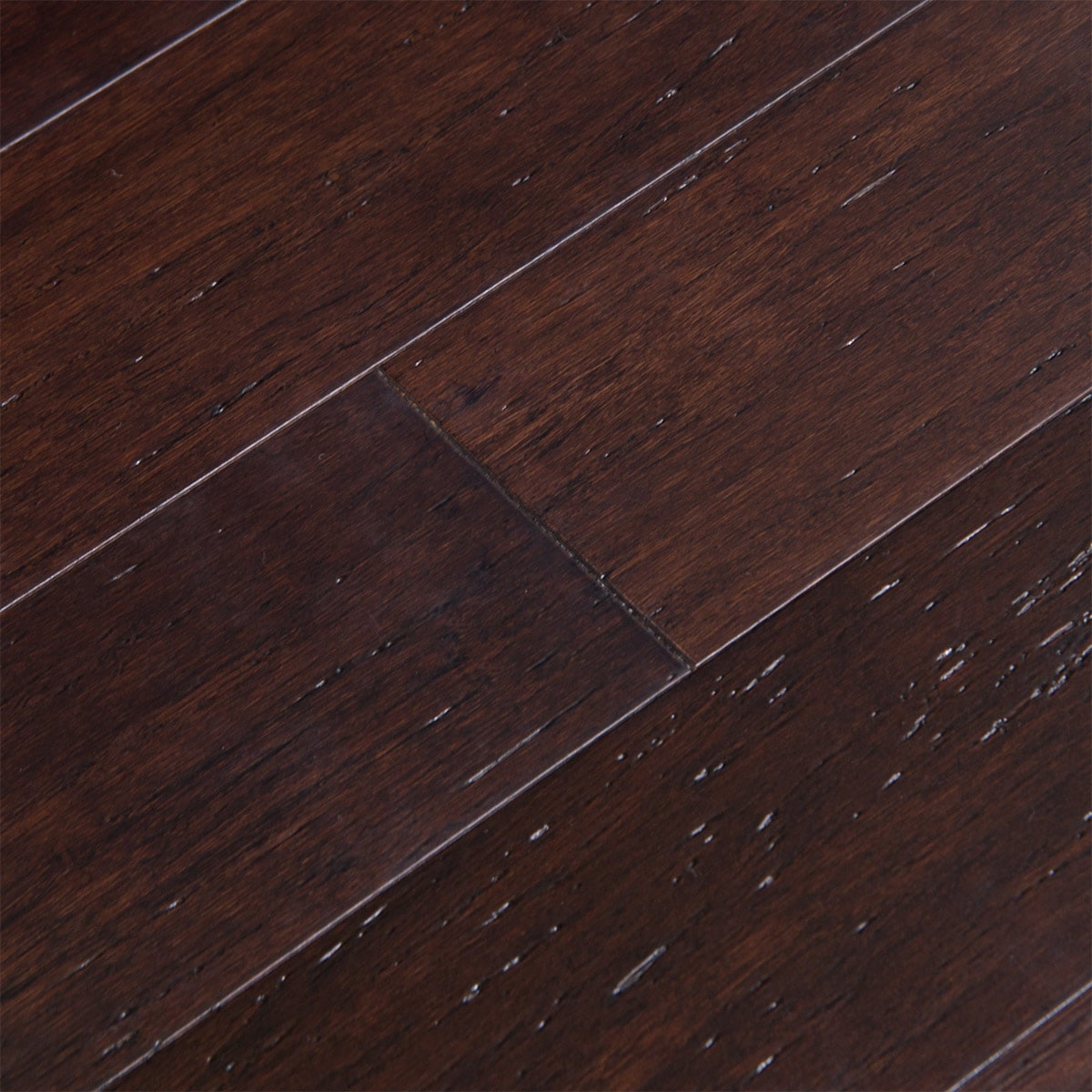
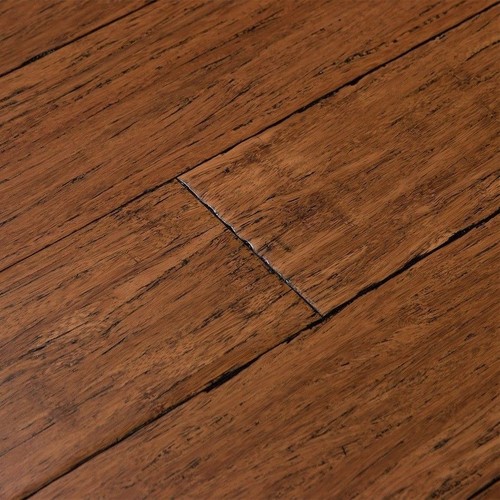
Vintage Java bamboo flooring gets its distinctive appearance through a specialized carbonization process that creates deep, rich brown tones reminiscent of aged coffee or dark chocolate. The heat treatment caramelizes the natural sugars in the bamboo, producing color variations that range from medium amber to deep espresso throughout each plank. I was immediately drawn to how these natural color variations create visual depth and character that synthetic stains cannot replicate. The process also creates unique grain patterns where the bamboo nodes become more pronounced, adding authentic texture and visual interest.
The carbonization process does affect the material’s hardness compared to natural bamboo, making it slightly softer but still remarkably durable for residential applications. I learned that vintage Java bamboo rates around 1,100 on the Janka hardness scale, comparable to cherry or walnut hardwood. During my three years of use, I’ve found it handles normal household traffic exceptionally well while showing character marks that add to its vintage appeal. The slight softness makes it more comfortable underfoot than harder materials, especially appreciated during long cooking sessions.
Grain structure in vintage Java bamboo creates distinctive linear patterns interrupted by natural bamboo nodes that appear as darker horizontal lines across each plank. These nodes aren’t defects but natural characteristics that add authentic bamboo character to the flooring. I chose wider planks to showcase these features, and the result creates a sophisticated pattern that guests consistently admire. The vertical grain construction provides dimensional stability while maintaining the organic appearance that makes bamboo flooring so visually appealing in contemporary interiors.
Installation Process and Technical Considerations
Professional installation became essential after I examined the tongue-and-groove system and realized the precision required for optimal results with bamboo flooring materials. The bamboo planks required careful acclimation in my home for 72 hours before installation to adjust to local humidity levels. My installer used pneumatic nailers specifically designed for bamboo to prevent splitting or damage during fastening. The installation process took two days for my 1,200 square foot main floor, including careful cutting around obstacles and doorways.
Subfloor preparation required extra attention to moisture control since bamboo can be more sensitive to humidity changes than traditional hardwood flooring. We installed a quality moisture barrier and ensured the concrete subfloor was completely dry before proceeding. Expansion gaps around the perimeter were slightly larger than typical hardwood installations to accommodate bamboo’s natural movement characteristics. The floating installation method over the moisture barrier provides excellent performance while allowing seasonal expansion and contraction without buckling or gaps.
Environmental conditions during installation need careful monitoring to ensure optimal results and prevent future problems with the bamboo flooring. My installer maintained a temperature between 65-75°F and humidity levels around 45-55% during the process. We used dehumidifiers to control moisture after a rainy week threatened to delay the project. Proper environmental control during installation has prevented the seasonal movement issues that can plague bamboo floors installed under poor conditions, ensuring consistent gaps and smooth surfaces year-round.
Color Variations and Design Integration
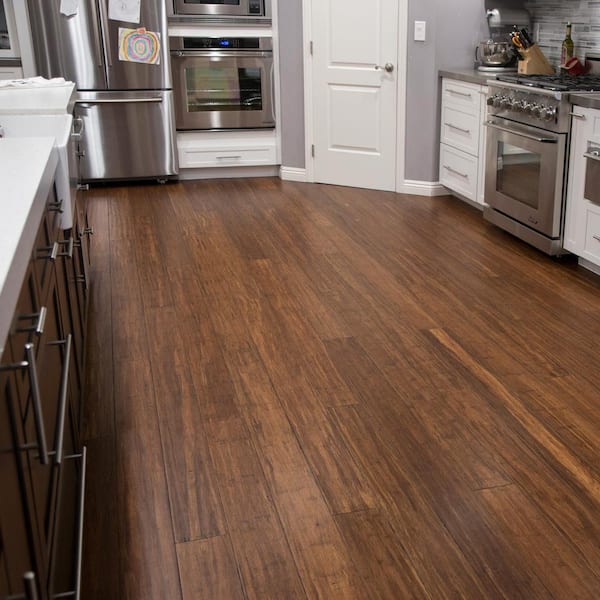
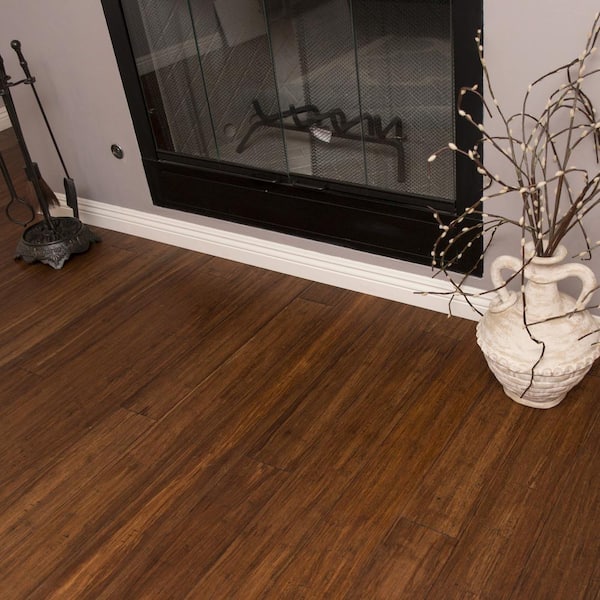
Rich brown tones in vintage Java bamboo create warm, inviting atmospheres that complement both traditional and contemporary design aesthetics beautifully. The deep coffee coloring provides excellent contrast against white or cream walls while harmonizing beautifully with earth-tone palettes I use throughout my home. I found the color works particularly well with stainless steel appliances and natural stone countertops in my kitchen renovation. The warmth prevents the space from feeling cold or sterile while maintaining sophisticated elegance that impresses guests consistently.
Natural color variations within each plank prevent the uniform appearance that can make engineered materials look artificial or mass-produced. I specifically requested planks with maximum color variation to create visual interest and authentic character throughout the installation. Some planks show lighter amber tones while others display deep chocolate browns, creating a beautiful tapestry of natural colors. This variation requires careful planning during installation to distribute colors evenly and avoid clustering similar tones in obvious patterns.
Design flexibility allows vintage Java bamboo to work successfully with various decorating styles from rustic farmhouse to sleek contemporary aesthetics. I’ve successfully paired it with both dark and light furniture pieces, finding the neutral brown tones complement virtually any color scheme. Area rugs in bold colors and patterns stand out beautifully against the rich bamboo background. The sophisticated coloring provides an elegant foundation that allows furniture and accessories to take center stage while contributing warmth and natural character to every room.
Maintenance Requirements and Care Routine
Daily maintenance of vintage Java bamboo flooring involves simple sweeping or vacuuming to remove debris that could scratch the surface finish. I use microfiber dust mops for quick daily cleaning and find them more effective than traditional brooms for capturing fine particles. Spills require immediate attention to prevent staining or moisture penetration, though the dense bamboo construction resists most household accidents effectively. My morning routine includes a quick visual inspection for any overnight damage and prompt treatment of any issues discovered during the day.
Weekly deep cleaning requires pH-neutral cleaners specifically formulated for bamboo flooring to maintain the protective finish and natural color. I avoid oil-based products or wax that can build up and create slippery conditions or dull the natural luster. Damp mopping with minimal moisture prevents over-wetting that could damage bamboo fibers or cause swelling. The carbonized surface cleans easily without special treatments, maintaining its rich appearance through regular household cleaning routines that don’t require expensive specialty products.
Seasonal maintenance focuses on humidity control and preventive care to protect the bamboo investment during weather changes throughout the year. I monitor indoor humidity levels and use humidifiers during dry winter months to prevent excessive shrinkage or cracking. Summer humidity control prevents swelling and buckling that can damage bamboo floors permanently. Annual professional inspection identifies any developing issues before they require expensive repairs, and the minimal maintenance requirements make vintage Java bamboo remarkably easy to live with long-term.
Environmental Benefits and Sustainability
Rapid growth characteristics make bamboo one of the most sustainable flooring materials available, with harvest cycles of just 3-5 years compared to decades for hardwood trees. I chose vintage Java bamboo partly for its environmental benefits, learning that bamboo regenerates from its root system without replanting. The carbon footprint of bamboo flooring is significantly lower than hardwood alternatives due to faster growth rates and efficient processing methods. My choice supports sustainable forestry practices while providing beautiful flooring that rivals any traditional hardwood species.
The carbon sequestration benefits of bamboo exceed most other flooring materials since the plants absorb more CO2 during growth than the manufacturing process releases. I appreciate knowing my flooring choice actively contributes to environmental improvement rather than just minimizing damage. Bamboo also produces 35% more oxygen than equivalent stands of hardwood trees, making it beneficial for air quality improvement. The manufacturing process uses fewer chemicals and less energy than many synthetic alternatives, further reducing environmental impact.
Renewable resource management means bamboo flooring supports sustainable land use practices that don’t deplete natural forest resources or destroy wildlife habitats. I learned that bamboo cultivation improves soil quality and prevents erosion better than many agricultural crops. The versatility of bamboo plants means the same fields can produce flooring materials alongside other bamboo products, maximizing land efficiency. Choosing vintage Java bamboo allowed me to create beautiful interiors while supporting farming practices that benefit both the environment and local communities in bamboo-growing regions.
Long-Term Performance and Durability
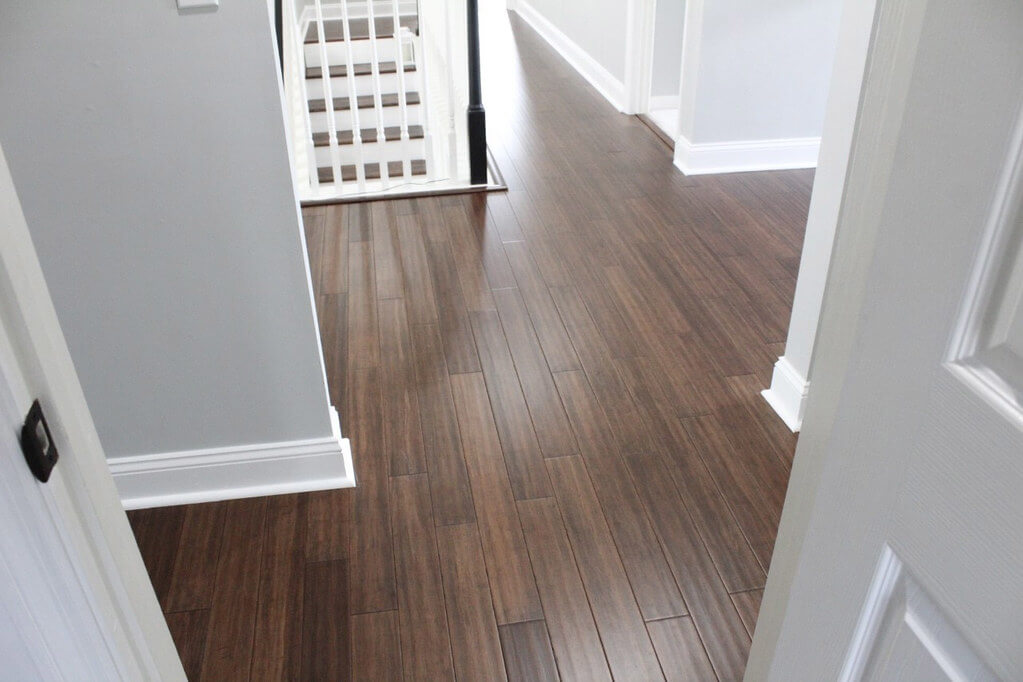
Three years of family living, including two large dogs and teenage children, has demonstrated the impressive durability of vintage Java bamboo flooring. High-traffic areas like the kitchen island and main hallway show minimal wear despite constant use and occasional abuse. The carbonized surface develops a beautiful patina over time that enhances rather than detracts from its appearance. Minor scratches from furniture movement or pet nails blend naturally with the grain pattern, actually adding character that improves the vintage aesthetic I wanted to achieve.
Dimensional stability has exceeded my expectations through seasonal humidity changes and temperature fluctuations that challenge many natural flooring materials. I’ve experienced no buckling, cupping, or significant gap development through two complete seasonal cycles. The engineered construction and proper installation have prevented the movement issues that sometimes plague solid bamboo products. Expansion gaps remain consistent year-round, and the surface stays smooth and even throughout changing environmental conditions that affect other natural materials.
Wear resistance in my kitchen and dining areas proves vintage Java bamboo can handle real-world family use without compromising appearance or performance. Dropped utensils, spilled food, and daily foot traffic have left no permanent damage or significant wear patterns. The protective finish maintains its luster and protection despite regular cleaning and occasional accidents. After three years, I’m confident this flooring will provide many more years of beautiful service while continuing to develop the aged character that makes vintage Java bamboo so appealing for long-term installations.
How does vintage Java bamboo flooring compare to traditional hardwood in terms of durability?
Vintage Java bamboo offers comparable durability to medium-hardness woods like cherry or walnut with a Janka rating around 1,100, making it suitable for most residential applications. My three years of experience with children and pets show excellent wear resistance despite being slightly softer than oak or maple. The carbonization process creates unique aging characteristics where minor wear enhances the vintage appearance rather than detracting from it. While not as hard as some exotic hardwoods, it provides sufficient durability for normal household use while offering superior sustainability and environmental benefits.
What maintenance schedule should I expect with vintage Java bamboo flooring?
Daily maintenance involves simple sweeping or vacuuming plus immediate spill cleanup to prevent moisture damage or staining. Weekly damp mopping with bamboo-specific pH-neutral cleaners maintains the protective finish and rich coloring without buildup or dulling. Monthly humidity monitoring prevents seasonal movement problems, and annual professional inspection identifies any developing issues before expensive repairs become necessary. I’ve found maintenance requirements actually lower than some hardwood floors since the carbonized surface resists most household stains and doesn’t require periodic refinishing like traditional wood floors.

Can vintage Java bamboo flooring be installed in kitchens and bathrooms?
Vintage Java bamboo works excellently in kitchens where I’ve experienced no moisture damage from typical cooking spills or appliance use over three years. The dense bamboo construction resists water penetration better than some hardwood species when spills are cleaned promptly. However, I wouldn’t recommend it for full bathrooms with shower or tub areas due to potential humidity and standing water. Powder rooms with good ventilation could work, but moisture-prone areas require careful consideration of installation methods and environmental control to prevent damage.
How does the carbonization process affect the bamboo’s environmental benefits?
The carbonization process uses heat treatment rather than chemical stains, maintaining bamboo’s natural environmental advantages while creating the distinctive vintage appearance. The process enhances some benefits by creating more durable surfaces that last longer, reducing replacement frequency, and overall environmental impact. Bamboo still grows 3-5 times faster than hardwood trees and regenerates from existing root systems without replanting. The manufacturing energy used for carbonization remains significantly lower than synthetic alternatives while preserving all the carbon sequestration and renewable resource benefits that make bamboo environmentally superior.
What’s the realistic lifespan of vintage Java bamboo flooring?
Quality vintage Java bamboo flooring typically lasts 15-25 years with proper maintenance and normal residential use, comparable to many hardwood species. My three-year experience suggests excellent long-term potential with minimal visible wear in high-traffic areas. The carbonized surface improves with age, developing a character that enhances rather than diminishes appearance over time. Individual damaged planks can be replaced if necessary, and the entire floor can potentially be refinished once or twice during its lifespan. Proper installation and maintenance are key factors determining longevity and performance throughout the expected service life.
How do I choose between vintage Java and natural bamboo flooring options?
Vintage Java bamboo offers rich brown coloring and enhanced character through carbonization, while natural bamboo provides lighter tones and slightly higher hardness ratings. I chose vintage Java for its sophisticated appearance and unique aging characteristics that complement my decor preferences. Natural bamboo works better for lighter color schemes or contemporary aesthetics, preferring minimal variation. Consider your design goals, color preferences, and desired level of character when choosing between options. Both provide excellent sustainability benefits, so the decision often comes down to aesthetic preferences and how the coloring works with your existing or planned interior design elements.

Cali Bamboo Fossilized 3.75″ Antique Java Bamboo Solid Hardwood Flooring In Box eBay
Cali Bamboo Flooring Solid Strand Bamboo Click 3 3/4 x 36 Antique Java

CALI BAMBOO Take Home Sample – Antique Java Wide Click Solid
Related Posts: