Pine wood flooring captured my attention five years ago when I inherited my grandmother’s 1920s farmhouse with original wide-plank floors throughout. What initially seemed like a restoration challenge became a passionate journey into understanding this unique flooring material. Pine’s distinctive character, affordability, and warmth have made it my go-to choice for three subsequent renovation projects. Through countless hours of research, installation, and maintenance, I’ve learned to appreciate both the beauty and challenges that come with choosing pine over more conventional hardwood options.
Understanding Pine Wood Characteristics
Pine wood belongs to the softwood family, which initially concerned me, given its reputation for denting and scratching more easily than hardwoods like oak or maple. However, I discovered that this softness contributes to pine’s unique charm and character development over time. Each dent and scratch tells a story, creating a lived-in appearance that many homeowners pay extra to achieve artificially. The natural aging process transforms pine floors into beautiful patina-rich surfaces that develop more character with each passing year.
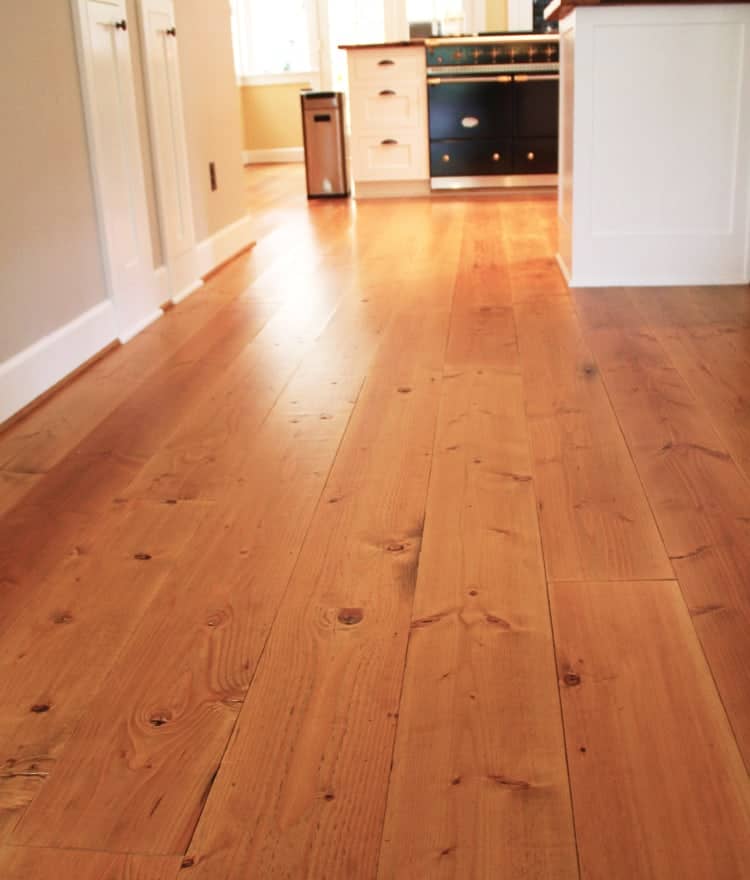
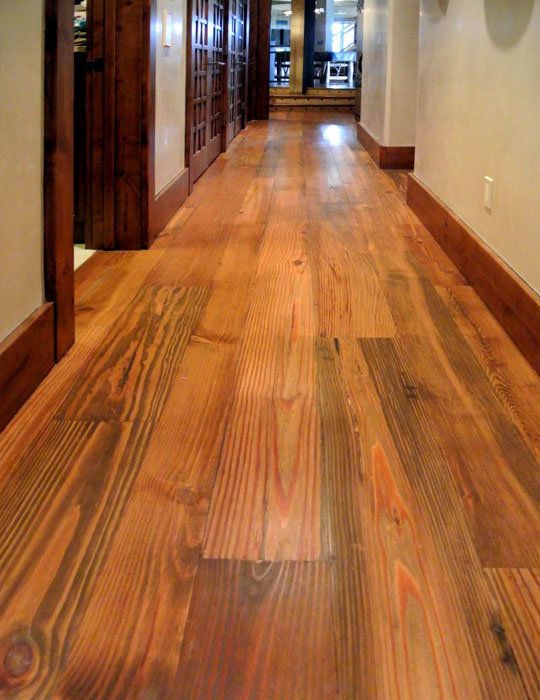
Grain patterns in pine fascinate me with their variety and natural beauty that no two boards ever match perfectly. I’ve observed dramatic differences between heart pine and sapwood sections, with heartwood displaying rich amber tones while sapwood remains lighter and more uniform. The prominent grain lines create visual interest that draws the eye naturally across room surfaces. Knots add rustic character that complements farmhouse and country decorating styles, though I learned to avoid boards with loose knots that might fall out over time.
Density variations within individual pine boards taught me important lessons about installation and finishing techniques during my first project. The softer spring wood absorbs stain differently than denser summer wood, creating natural highlighting effects that enhance the grain patterns. I learned to embrace these variations rather than fight them, choosing stains and finishes that complement the natural characteristics. This acceptance transformed my approach to wood flooring, appreciating imperfections as features rather than flaws to be hidden.
Installation Challenges and Solutions
My first pine flooring installation taught me that preparation becomes even more critical with softwood materials than traditional hardwoods. The softer surface shows every imperfection in the subfloor, requiring meticulous leveling and cleaning before beginning installation. I learned to use thicker underlayment than recommended for hardwoods to provide additional protection against minor subfloor irregularities. Taking extra time during the preparation phases prevented problems that would have been difficult to correct after installation completion.
Nail placement requires extra care with pine flooring to prevent splitting and surface damage that harder woods typically resist. I discovered that pre-drilling pilot holes, especially near board ends, eliminates most splitting issues that plagued my early attempts. Using slightly smaller finish nails than manufacturer recommendations provided better results in my experience. The investment in a quality pneumatic nailer with adjustable pressure settings made the installation process much more efficient and professional-looking.
Acclimation time proved more critical with pine than other wood species I’ve installed in various climate conditions throughout my renovation projects. Pine responds more dramatically to humidity changes, requiring longer adjustment periods in the installation environment. I learned to allow at least 72 hours for acclimation in heated spaces, longer during humid summer months. This patience prevented the gaps and buckling issues that can occur when installation rushes ahead of proper material conditioning.
Finishing Techniques and Options
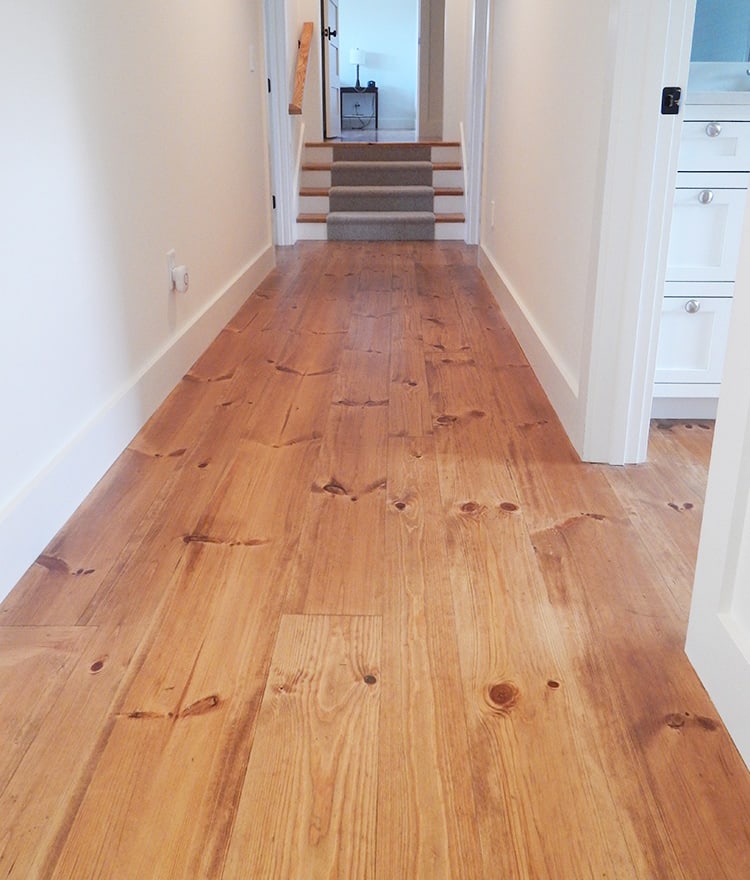
Stain selection for pine flooring requires understanding how the wood’s natural characteristics interact with different pigments and finishes. I discovered that pine accepts stain unevenly due to density variations, creating natural highlighting that enhances grain patterns beautifully. Pre-stain conditioners help achieve more uniform color absorption, though I prefer the natural variation that occurs without conditioning. Experimenting with sample boards in actual lighting conditions prevents disappointment with final color results.
Polyurethane finish application demands more attention to detail with pine than denser hardwoods due to the softer surface characteristics. I learned to apply thinner coats and allow longer drying times between applications to prevent bubbling and uneven coverage. The first coat tends to raise the grain more noticeably with pine, requiring light sanding between coats for smooth final results. Water-based finishes provide excellent durability while maintaining the natural wood color better than oil-based alternatives.
Natural oil finishes transformed my understanding of pine floor maintenance and appearance over time with their penetrating protection and easy maintenance characteristics. These finishes enhance the wood’s natural beauty while providing adequate protection for residential applications. I discovered that oil finishes require more frequent reapplication than polyurethane but allow for easy spot repairs when damage occurs. The maintenance schedule becomes routine rather than overwhelming when approached systematically.
Maintenance and Care Strategies
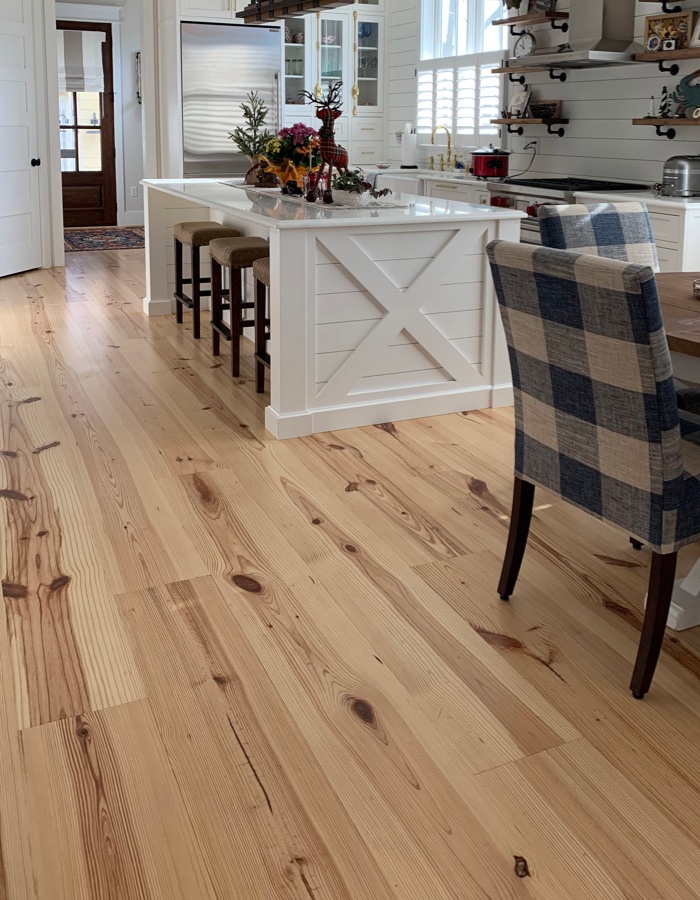
Daily maintenance of pine flooring requires gentler approaches than harder wood species due to the softer surface characteristics. I use microfiber dust mops exclusively, avoiding traditional brooms that might scratch the surface with accumulated debris. Immediate cleanup of spills prevents staining and water damage that pine absorbs more readily than denser woods. Regular maintenance schedules prevent the accumulation of dirt and grime that can become embedded in the softer wood fibers.
Seasonal care adjustments help pine floors maintain their beauty throughout changing humidity conditions that affect all wood flooring materials. I learned to monitor indoor humidity levels and adjust as necessary to prevent excessive expansion and contraction cycles. During dry winter months, humidifiers help maintain optimal moisture levels that prevent gap formation. Summer humidity control prevents buckling and cupping that can occur when moisture levels fluctuate dramatically.
Refinishing schedules for pine floors depend more on wear patterns and lifestyle factors than predetermined timeframes used for harder woods. My high-traffic areas show wear more quickly, requiring touch-up applications every two to three years rather than complete refinishing. I learned to address problem areas promptly rather than waiting for entire floor refinishing projects. This proactive approach maintains a consistent appearance while extending the time between major refinishing projects.
Cost Considerations and Value
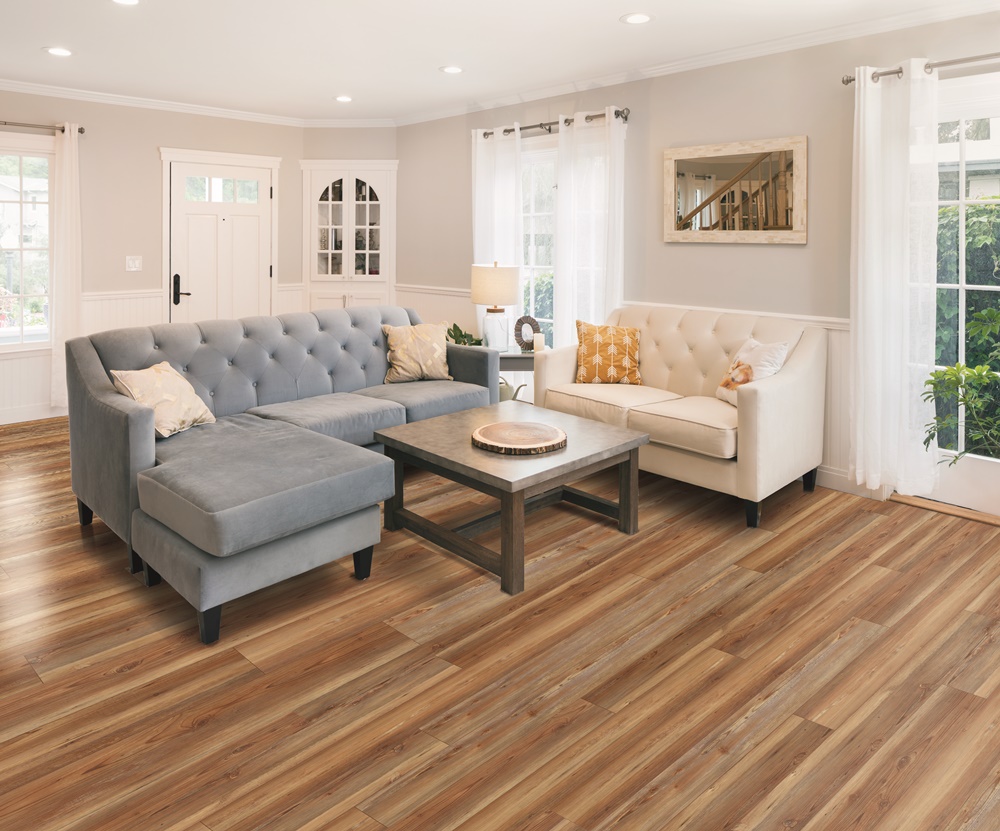
Initial material costs for pine flooring surprised me with their affordability compared to premium hardwood options available in the market today. I paid approximately half the cost of oak flooring for similar quality pine boards, allowing budget allocation for other renovation priorities. The savings enabled upgrades to higher-quality finish materials and professional installation for complex areas. This cost advantage makes pine flooring accessible for homeowners with limited budgets who want real wood floors.
Installation costs vary depending on the complexity of the project and local labor rates, though pine generally requires similar installation time as other wood species. I found that experienced installers familiar with softwood characteristics provided better results than those primarily working with hardwoods. The learning curve for DIY installation proved manageable with proper research and preparation, though professional installation guarantees better long-term results for complex layouts.
Long-term value considerations include both aesthetic appreciation and practical performance factors that affect resale value and personal satisfaction. Pine floors age gracefully, developing character that many homeowners find appealing over time. The ability to refinish multiple times extends the useful life significantly compared to engineered alternatives. Market acceptance varies by region, with some areas appreciating pine’s rustic character while others prefer traditional hardwood appearances.
Regional Variations and Sourcing
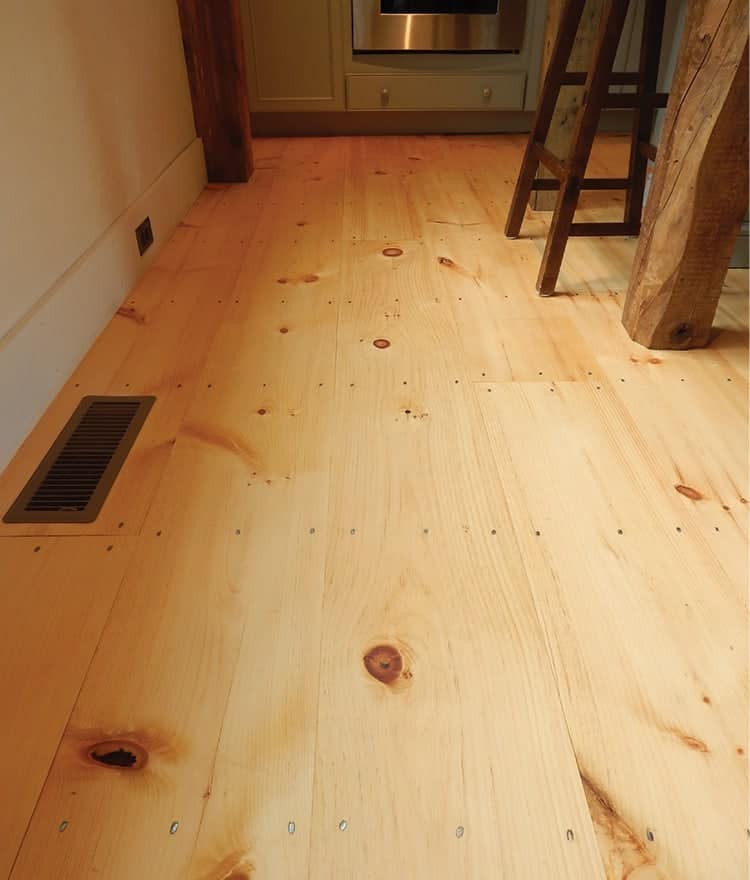
Geographic origin significantly impacts pine flooring characteristics, with different regions producing distinct grain patterns, color variations, and density differences. I’ve worked with Southern yellow pine, Eastern white pine, and reclaimed heart pine, each offering unique visual and performance characteristics. Southern varieties typically provide denser, more durable surfaces, while Northern pines offer lighter colors and more uniform grain patterns. Understanding these regional differences helps select the best materials for specific project requirements.
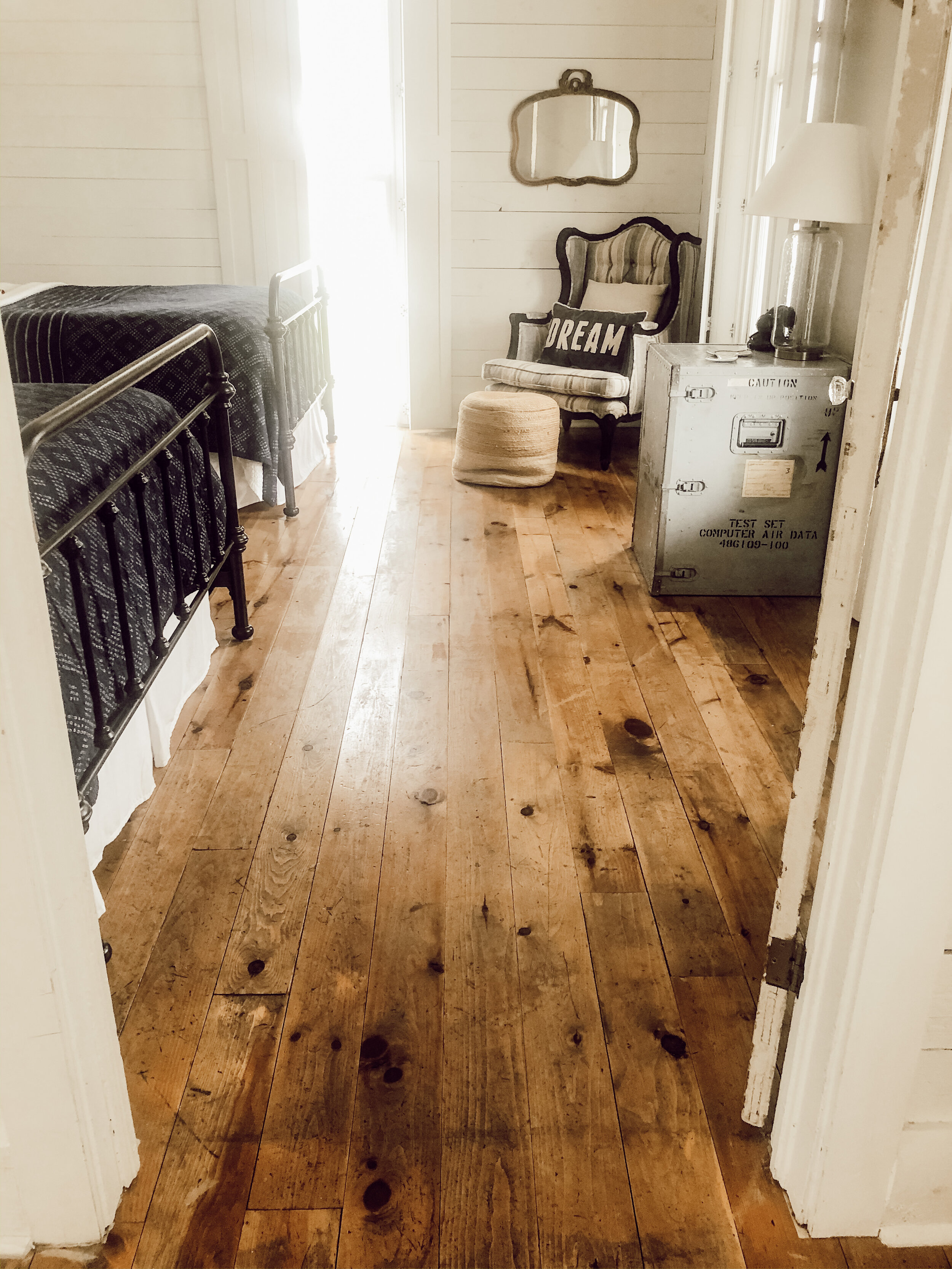
Reclaimed pine sources have become my preferred option for renovation projects seeking authentic historical character and environmental sustainability. Salvaged materials from old barns, factories, and buildings provide unique patina and grain patterns impossible to achieve with new lumber. I’ve discovered that reclaimed pine often comes from old-growth forests, providing superior density and stability compared to modern fast-growth alternatives. The additional cost reflects the unique character and environmental benefits of reusing existing materials.
Local sourcing options vary significantly by geographic region, affecting both material availability and transportation costs for pine flooring projects. I’ve found that working with regional suppliers provides better pricing and material selection than national chains. Local mills often offer custom milling services for specific width and thickness requirements. Building relationships with local suppliers has led to access to higher-quality materials and better pricing for multiple projects over time.
How does pine flooring durability compare to traditional hardwoods?
Pine flooring requires more careful maintenance than hardwoods due to its softer surface, but proper care extends its life significantly beyond expectations. I’ve maintained pine floors for over five years with minimal refinishing by using protective measures and prompt damage repair. The key lies in embracing the natural aging process rather than fighting it, allowing character development that many find more appealing than pristine hardwood surfaces. While more susceptible to dents and scratches, pine’s ability to accept multiple refinishing cycles provides excellent long-term value.
What are the best stain options for pine wood flooring?
Gel stains provide the most even color distribution on pine flooring, penetrating consistently despite the wood’s varying density characteristics throughout individual boards. I’ve achieved excellent results with medium-toned stains that complement pine’s natural grain patterns without overwhelming the wood’s inherent beauty. Pre-stain conditioners help achieve uniform color absorption, though I prefer the natural variation that occurs without conditioning treatments. Testing stain combinations on sample boards in actual lighting conditions prevents disappointment with final color results.
Can pine flooring work in high-traffic areas of the home?
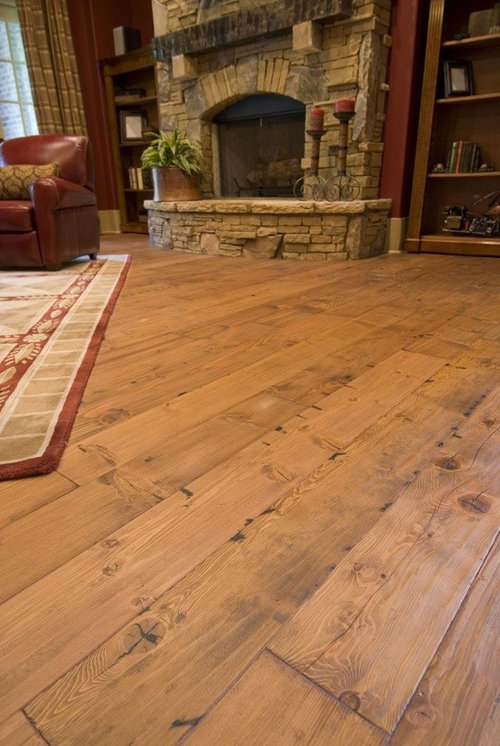
High-traffic pine installations require strategic planning and protective measures, but they can perform adequately with proper preparation and maintenance routines. I’ve successfully installed pine in entryways and hallways by choosing denser heartwood boards and applying multiple finish coats for enhanced protection. Area rugs and furniture pads prevent excessive wear while maintaining the natural beauty of the wood surfaces. The key lies in accepting that pine will show wear more readily than hardwoods, viewing this as character development rather than deterioration.
How often does pine flooring need refinishing compared to hardwood?
Pine flooring typically requires refinishing every 7-10 years in residential applications, compared to 10-15 years for hardwoods, depending on traffic patterns and maintenance quality. I’ve extended refinishing intervals by addressing problem areas promptly with spot treatments rather than waiting for complete floor refinishing projects. The softer surface accepts new finish materials easily, making refinishing less labor-intensive than hardwood projects. Regular maintenance schedules and protective measures significantly extend the time between major refinishing projects while maintaining consistent appearance.
What should I expect during the installation process for pine floors?
Pine installation requires extra attention to material acclimation, nail placement, and subfloor preparation compared to hardwood installations in my experience. I allow 72 hours minimum for acclimation in heated spaces, longer during humid conditions, to prevent gaps and buckling issues. Pre-drilling pilot holes near board ends prevents splitting that can occur with pine’s softer characteristics. The installation timeline typically matches hardwood projects, though the preparation phase requires additional time for optimal results.
Is pine flooring a good investment for home resale value?
Pine flooring market acceptance varies by region and target buyer demographics, with some areas appreciating its rustic character while others prefer traditional hardwood appearances. I’ve found that properly maintained pine floors add value in rural and suburban markets where natural character is appreciated. The key lies in quality installation and maintenance rather than the wood species itself. Pine’s affordability allows investment in higher-quality finishes and professional installation that enhance overall value regardless of the underlying wood species chosen.
Antique Heart Pine – Hardwood Floors
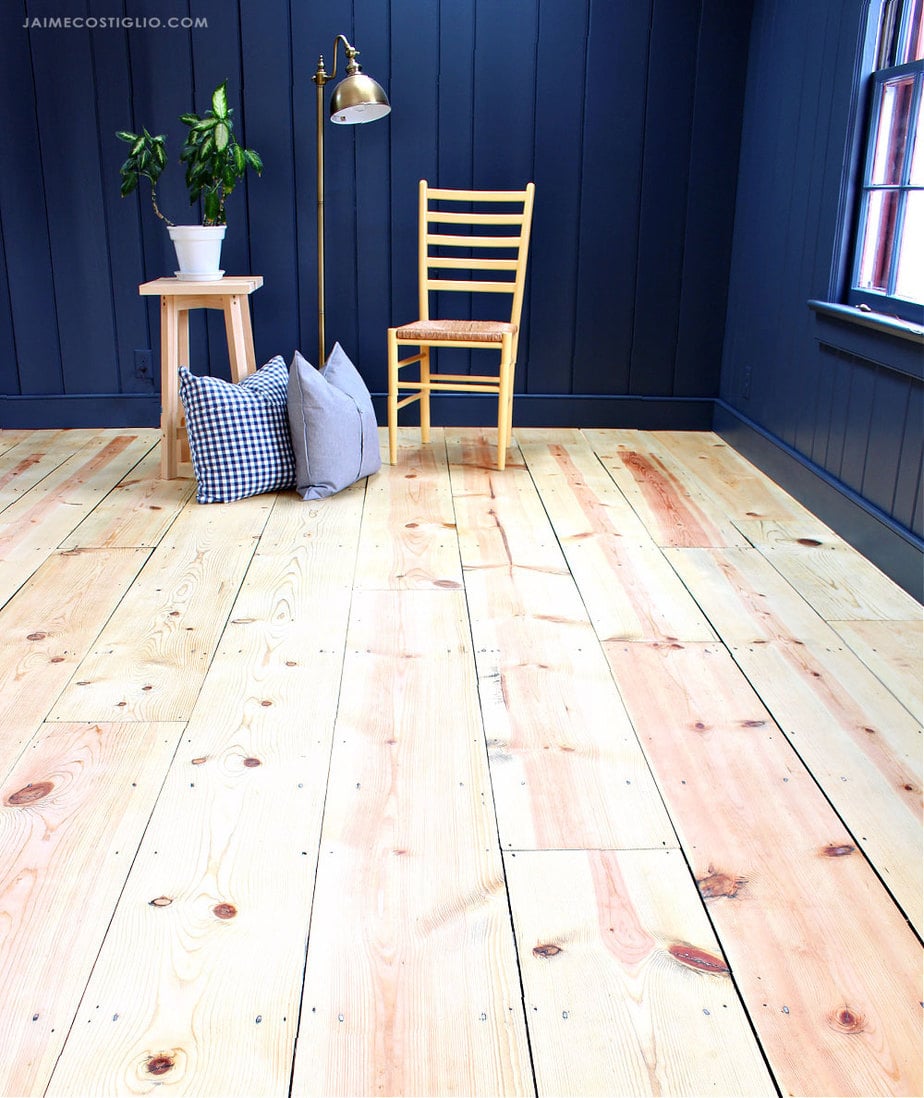
Refinishing Pine Floors – Jaime Costiglio
Related Posts: