When I first discovered travertine vinyl flooring three years ago, I was skeptical about how artificial materials could replicate the natural beauty of real stone. My previous experiences with vinyl had left me unimpressed, expecting cheap-looking surfaces that fooled no one. However, modern manufacturing techniques have revolutionized this industry, creating products that challenge even experienced contractors to distinguish them from genuine travertine. My complete home renovation became the perfect testing ground for these innovative flooring solutions.
Understanding Travertine Vinyl Technology
The manufacturing process behind quality travertine vinyl flooring amazed me when I toured a production facility last year. Advanced digital photography captures every detail of real travertine surfaces, including natural variations in color, texture, and veining patterns. Multiple layers of vinyl are then pressed together under extreme heat and pressure, creating incredibly realistic reproductions. I learned that the top wear layer determines durability, while photographic layers provide authentic visual appeal that convinced my stone-loving neighbors.
Installation flexibility sets travertine vinyl apart from traditional stone flooring in ways that saved me thousands of dollars during my renovation. These products install directly over existing surfaces without extensive subfloor preparation required for heavy stone materials. I completed my kitchen installation in just one weekend, compared to the week-long process stone would have required. The click-lock systems eliminate adhesives and allow for easy removal if I decide to change styles in the future.
Cost comparisons between travertine vinyl and natural stone revealed dramatic differences that influenced my final decision significantly. Natural travertine installation costs three to five times more than quality vinyl alternatives when factoring in materials, labor, and subfloor preparation expenses. My entire first floor cost less than what natural stone would have required for just my kitchen area. The savings allowed me to upgrade other aspects of my renovation while achieving the desired aesthetic appeal throughout my home.
Installation Experience and Challenges
My DIY installation journey started with careful subfloor preparation, ensuring level surfaces for optimal results with travertine vinyl flooring. I discovered that minor imperfections become magnified under vinyl materials, requiring more attention than I initially anticipated. Floor leveling compound became my best friend during this process, smoothing out irregularities that would have caused problems later. The time invested in proper preparation paid dividends in the final appearance and long-term performance of my new floors.
Cutting travertine vinyl planks proved surprisingly straightforward using basic tools available at any hardware store. I learned to score the decorative surface first, then snap the planks cleanly along the scored lines for perfect edges. Complex cuts around door frames and fixtures required more patience but presented no insurmountable challenges for determined DIY enthusiasts. The forgiving nature of vinyl allows for minor mistakes without requiring complete plank replacement like ceramic or stone materials would demand.
Pattern matching became crucial for maintaining realistic travertine appearances throughout larger installation areas in my home. I learned to shuffle planks from multiple boxes to avoid repetitive patterns that would expose the artificial nature of the material. Staggering seams properly creates more natural flow patterns that mimic how real stone would be installed. The investment in time for proper layout planning resulted in floors that consistently fool visitors into thinking I installed genuine travertine throughout my home.
Maintenance and Durability Insights
Daily maintenance of travertine vinyl flooring requires only basic cleaning supplies and minimal time investment compared to natural stone alternatives. I use simple soap and water solutions for regular cleaning, avoiding harsh chemicals that might damage the protective wear layers. Spills wipe up easily without staining or absorption issues that plague natural travertine surfaces. My busy household with children and pets has tested these floors extensively, and they continue looking pristine with minimal effort.
Scratch resistance exceeded my expectations after two years of heavy use throughout my home’s high-traffic areas. Moving furniture, dropping kitchen utensils, and pet claws have produced no visible damage to the surface wear layers. I conducted intentional scratch tests on sample pieces before installation, and the results convinced me of the durability claims manufacturers make. The protective coatings applied during manufacturing create surfaces that outperform many natural materials in resistance to daily wear.
Long-term performance observations reveal consistent color stability and surface integrity despite exposure to varying temperature and humidity conditions. My floors have experienced everything from winter heating to summer humidity without warping, fading, or separating at the seams. The dimensional stability surpasses what I experienced with previous laminate flooring installations that showed gaps during seasonal changes. This consistency provides peace of mind that my investment will maintain its appearance for many years to come.
Aesthetic Appeal and Design Flexibility
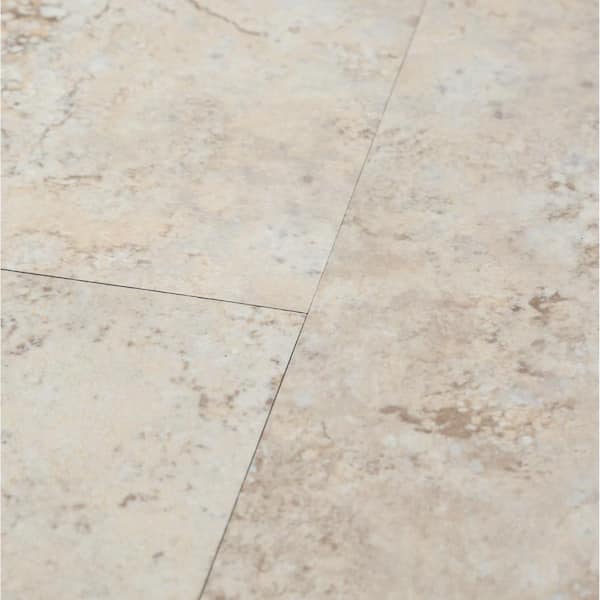
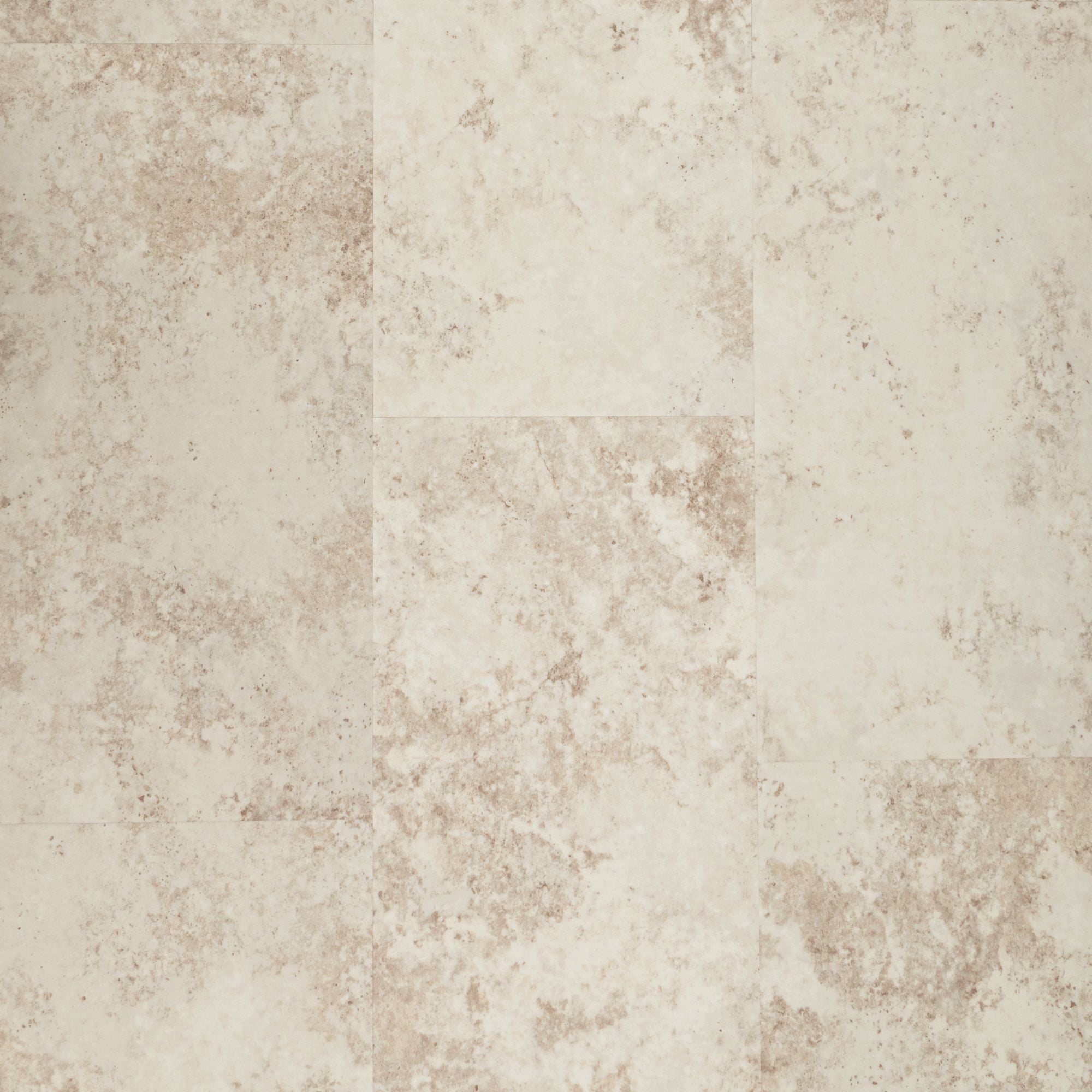
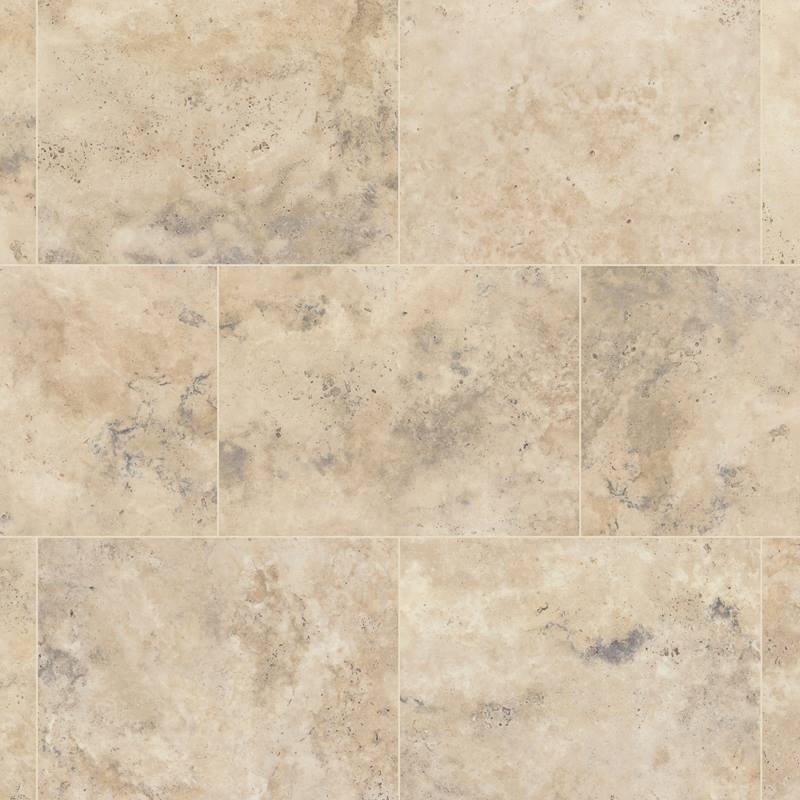
Color variation in quality travertine vinyl products creates authentic natural stone appearances that impressed even my most discriminating friends. Each plank displays unique patterns and color shifts that mirror the geological processes that create real travertine formations. I chose neutral tones that complement various decorating styles while providing timeless appeal that won’t look dated in future years. The subtle variations prevent the repetitive patterns that plagued earlier vinyl flooring generations and gave them artificial appearances.
Texture reproduction technology has advanced to the point where surface feel closely matches real travertine characteristics under bare feet. The embossed patterns follow the photographic images precisely, creating tactile experiences that support the visual illusion of natural stone. I often catch myself running my hand over the surfaces, amazed at how realistic the texture feels compared to smooth vinyl products from previous decades. This attention to detail transforms the entire sensory experience of walking through my home.
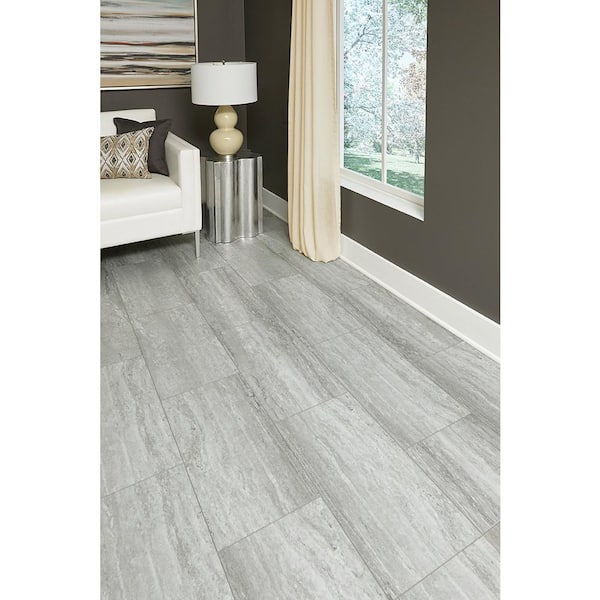
Design integration with existing architectural features proved seamless throughout my renovation project using travertine vinyl flooring. The neutral stone appearance coordinates beautifully with both traditional and contemporary design elements in different rooms. I successfully carried the same flooring throughout my main level, creating cohesive flow while maintaining distinct character in each space. The versatility allows for creative border treatments and pattern mixing that would be cost-prohibitive with natural stone materials.

Environmental and Health Considerations
Indoor air quality concerns led me to research the environmental impact and health safety of travertine vinyl flooring before installation. Modern manufacturing processes have eliminated many harmful chemicals that plagued earlier vinyl products, creating safer indoor environments for my family. I chose products with low VOC emissions and certifications from independent testing organizations that verify air quality standards. The peace of mind regarding my family’s health made the investment worthwhile beyond just aesthetic considerations.
Recycling potential surprised me when I learned about end-of-life disposal options for quality vinyl flooring products. Many manufacturers now accept old vinyl materials for recycling into new products, reducing landfill waste compared to disposal methods for natural stone. The lighter weight also reduces transportation energy costs during both delivery and eventual disposal phases. These environmental benefits add value beyond the immediate cost savings and performance advantages I experience daily.
Sustainable manufacturing practices employed by leading vinyl flooring companies impressed me during my research process before making final product selections. Many facilities use renewable energy sources and implement waste reduction programs that minimize environmental impact during production. The longer lifespan of quality vinyl products compared to cheaper alternatives reduces replacement frequency and associated environmental costs. These considerations aligned with my values while providing practical benefits for my home renovation project.

Future Trends and Innovations
Technology advancement in travertine vinyl flooring continues evolving rapidly, with new products improving upon the already impressive options available today. I’ve seen preview samples of upcoming releases that feature even more realistic textures and patterns created through advanced manufacturing techniques. The integration of antimicrobial treatments and enhanced scratch resistance promises even better performance for future installations. These innovations suggest that vinyl flooring will continue challenging natural materials in both appearance and functionality.
Market acceptance of luxury vinyl products has grown dramatically among homeowners and design professionals who previously dismissed vinyl as inferior. I’ve noticed increasing specifications of vinyl flooring in high-end homes and commercial applications where performance matters most. The stigma associated with vinyl flooring has largely disappeared as quality and appearance have improved significantly. This acceptance drives continued innovation and investment in developing even better products for discerning consumers.
Installation technology improvements continue making travertine vinyl flooring more accessible to DIY enthusiasts while improving professional installation efficiency. New adhesive systems and click-lock mechanisms simplify installation processes while improving long-term performance characteristics. I anticipate that future products will offer even easier installation methods that reduce labor costs and installation time. These improvements make vinyl flooring an increasingly attractive alternative to traditional materials for both new construction and renovation projects.
How does travertine vinyl flooring compare to real travertine in appearance?
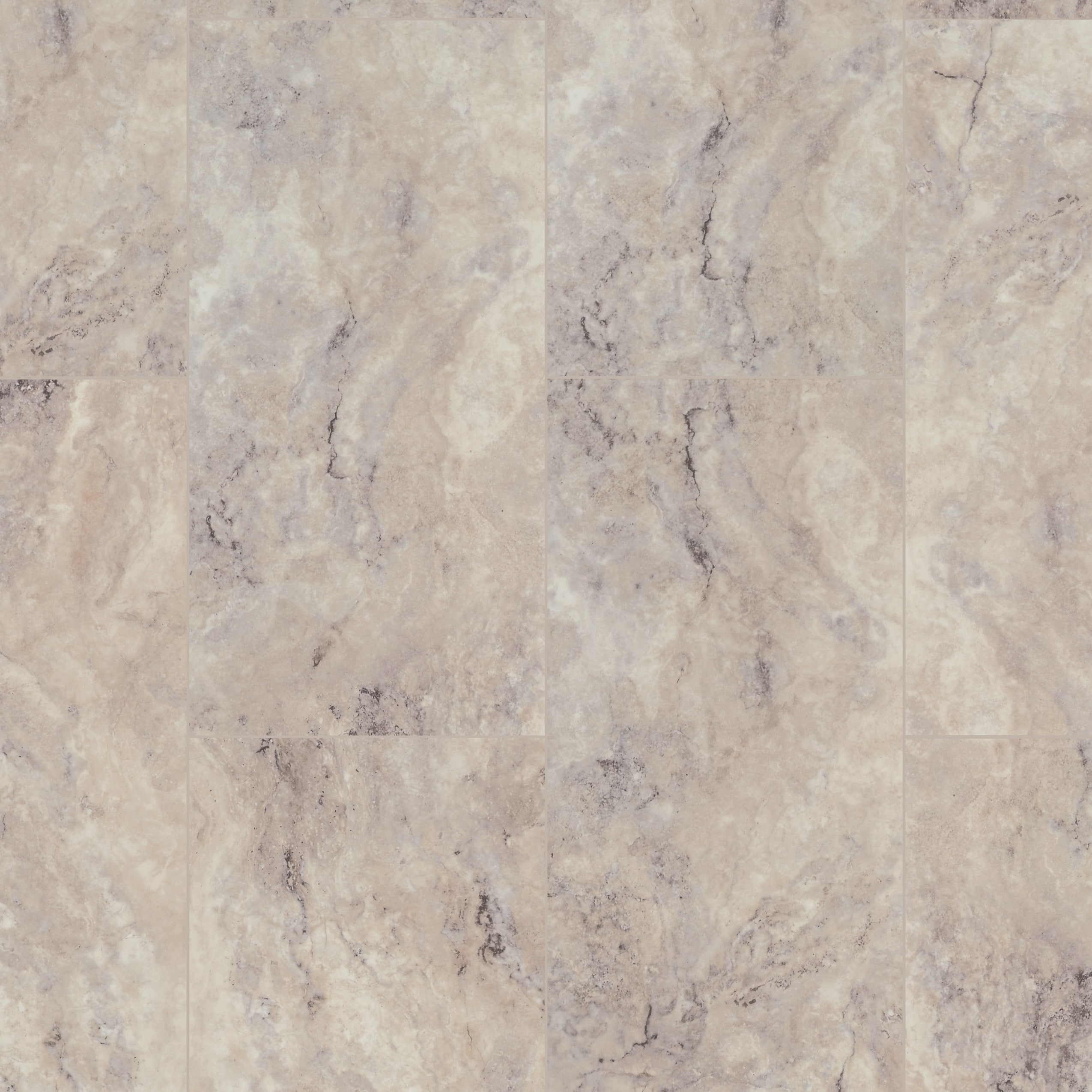
Modern travertine vinyl flooring replicates natural stone appearances so convincingly that most visitors cannot distinguish the difference without close examination. Advanced digital photography captures every detail of genuine travertine surfaces, including color variations, natural veining patterns, and texture characteristics. The manufacturing process reproduces these details with remarkable precision across multiple layers of vinyl materials. My experience shows that quality products maintain their realistic appearance even after years of daily use and exposure to various lighting conditions.
What are the main advantages of choosing vinyl over natural travertine?
Cost savings represent the most significant advantage, with vinyl installations costing approximately one-third the price of natural travertine when including materials and labor expenses. Maintenance requirements are dramatically reduced since vinyl requires no sealing, special cleaners, or professional restoration services that natural stone demands. Installation flexibility allows placement over existing floors without the extensive subfloor preparation that stone requires. The lighter weight eliminates structural concerns while providing superior water resistance and stain protection for busy households.
How difficult is it to install travertine vinyl flooring myself?
DIY installation proved manageable for my home renovation project using basic tools and following manufacturer instructions carefully throughout the process. The click-lock systems eliminate adhesive requirements while allowing for easy corrections during installation if mistakes occur. Proper subfloor preparation represents the most critical aspect, requiring level surfaces for optimal results and long-term performance. I completed my kitchen and living room installations over two weekends, though complex layouts around fixtures require additional time and patience for professional-looking results.
What maintenance routine keeps travertine vinyl looking its best?
Daily maintenance requires only regular sweeping and occasional mopping with soap and water solutions to maintain optimal appearance and performance. I avoid harsh chemicals, abrasive cleaners, and steam mops that might damage the protective wear layers over time. Immediate cleanup of spills prevents potential staining while preserving the surface integrity that makes these floors so practical. Weekly deep cleaning with manufacturer-recommended products keeps my floors looking pristine despite heavy foot traffic from children, pets, and frequent entertaining throughout my home.
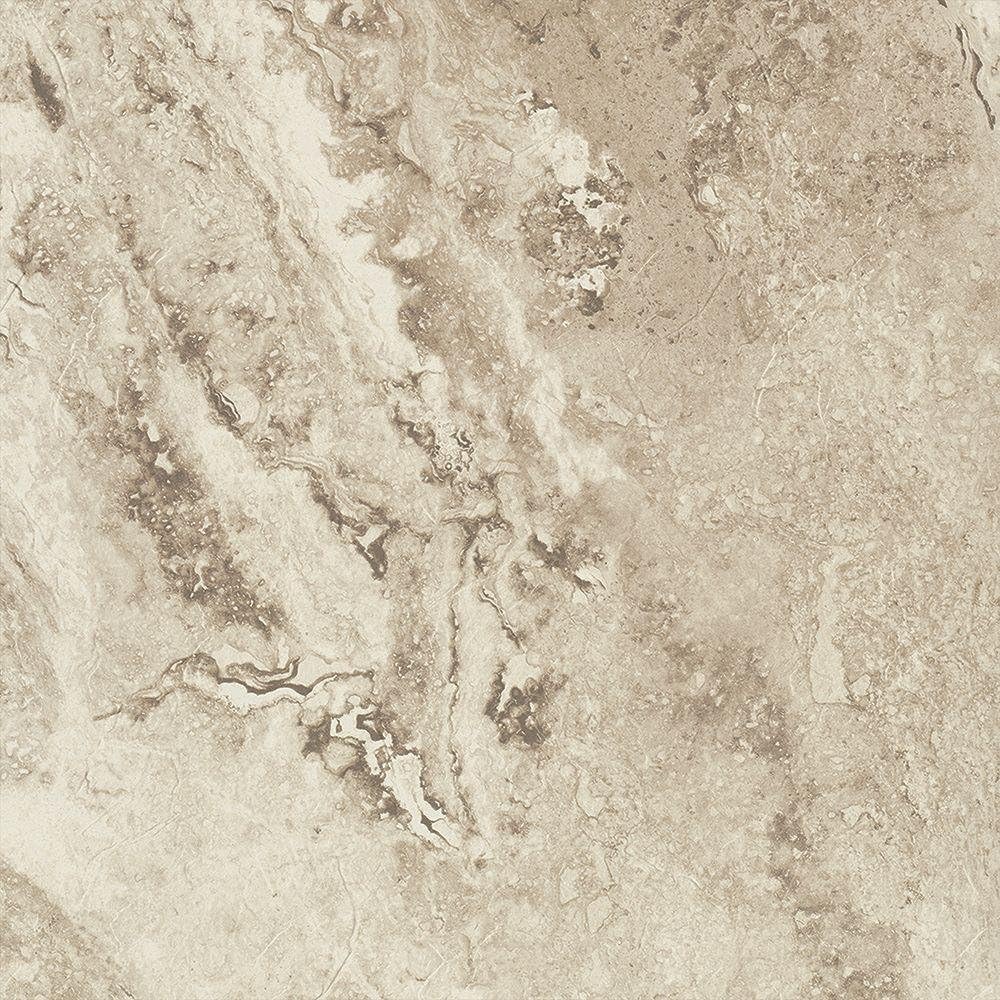
How long does quality travertine vinyl flooring typically last?
Manufacturer warranties typically range from 15 to 25 years for residential applications, though my research suggests properly maintained installations often exceed these timeframes significantly. The wear layer thickness directly impacts longevity, with thicker layers providing better protection against scratches, dents, and general wear patterns. My floors show no signs of deterioration after three years of heavy use in high-traffic areas throughout my home. Quality products from reputable manufacturers offer the best long-term value when considering both initial costs and replacement frequency over time.
Can travertine vinyl flooring be installed in moisture-prone areas like bathrooms?
Water resistance makes travertine vinyl flooring excellent for bathroom installations where natural stone might experience problems with moisture absorption and staining. I successfully installed vinyl throughout my guest bathroom, including areas around the shower and vanity where water exposure occurs regularly. Proper sealing at walls and fixtures prevents moisture infiltration that could cause subfloor damage over time. The non-porous surface eliminates concerns about mold, mildew, or bacterial growth that sometimes affect natural stone installations in humid environments like bathrooms and laundry rooms.
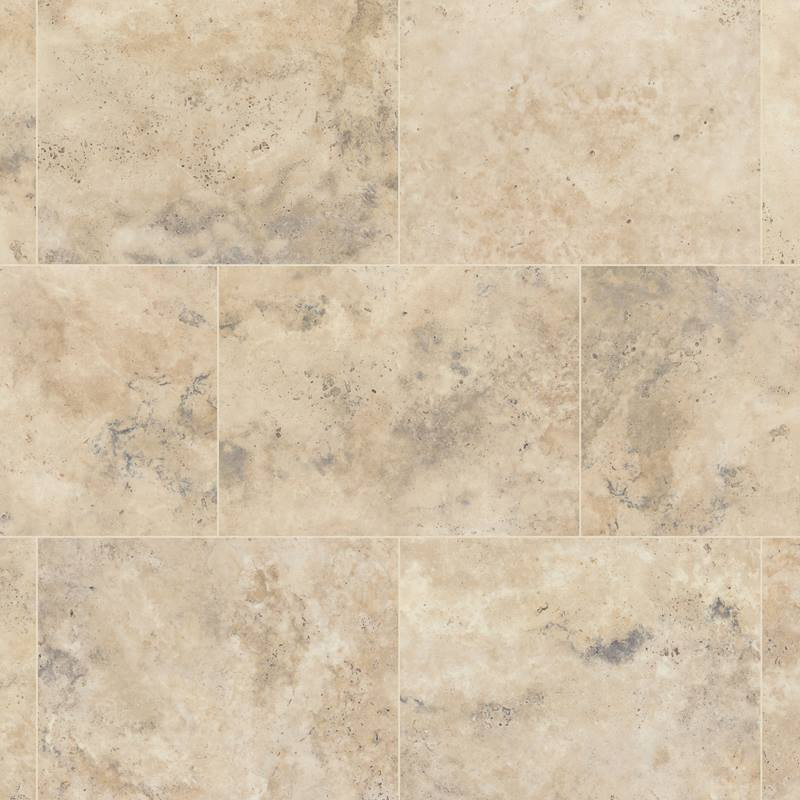
Style Selections Oyster Travertine 12-in x 24-in Groutable Water
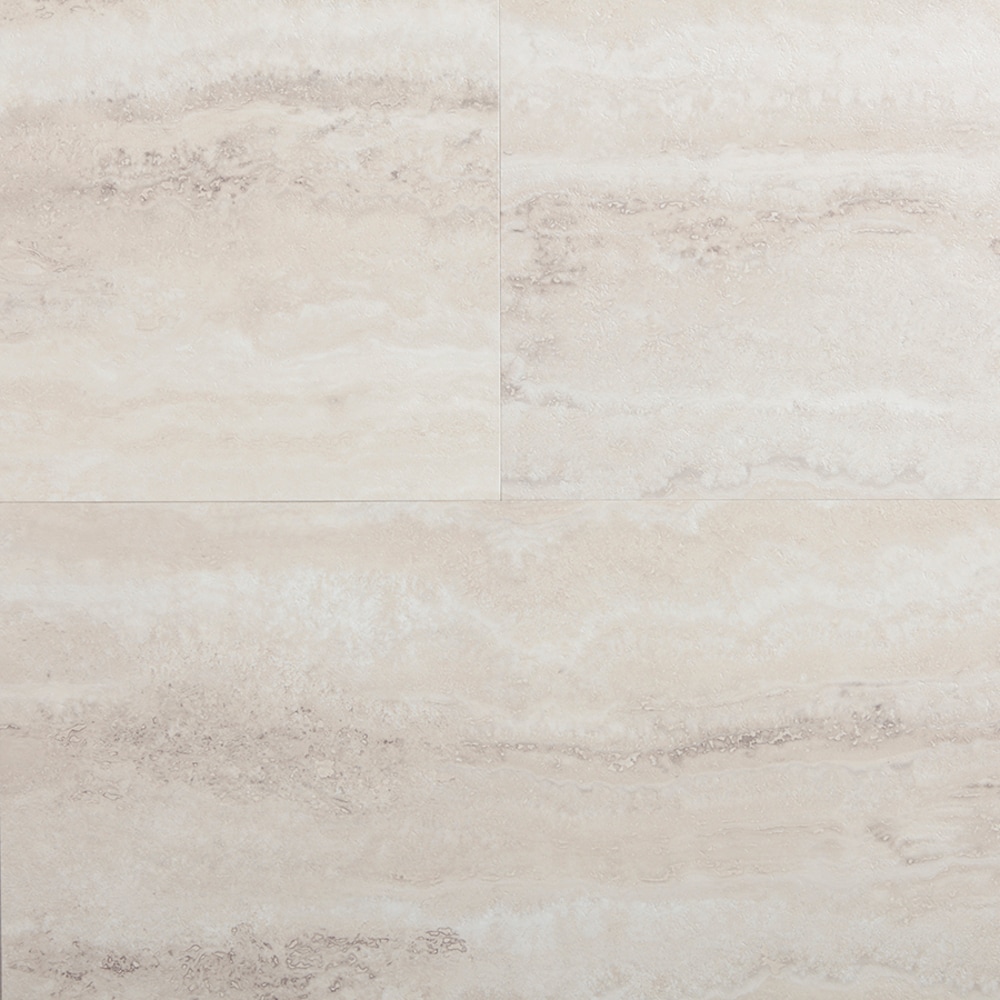
TrafficMaster Light Grey 12 in. x 24 in. Travertine Peel and Stick
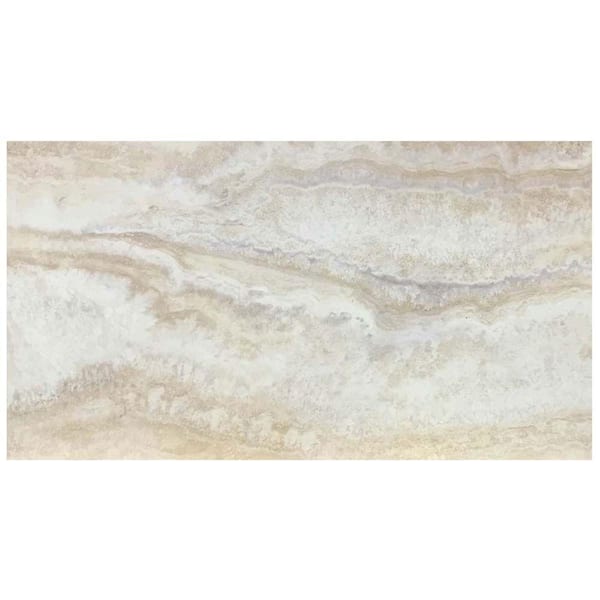
Travertine flooring in a Luxury Vinyl Tile – good for a 1960s or
Related Posts: