When I first stepped into my friend’s home and felt the smooth, warm surface beneath my feet, I knew I had discovered something special. The beautiful golden planks stretched across her living room, creating an atmosphere of natural elegance that synthetic materials simply couldn’t match. That moment sparked my fascination with bamboo flooring, leading me down a path of research, installation, and years of living with this remarkable material.
Why I Chose Bamboo Over Traditional Hardwood
My initial attraction to bamboo stemmed from its environmental benefits. Unlike oak or maple trees that take decades to mature, bamboo reaches harvestable size in just three to five years. This rapid regeneration means I could enjoy beautiful floors without contributing to deforestation. The grass family plant continues growing after harvesting, making it one of the most sustainable flooring options available today.
The durability factor sealed my decision. Bamboo’s tensile strength exceeds that of many hardwoods, meaning my floors can withstand daily wear from pets, children, and furniture movement. I learned that strand-woven bamboo, in particular, offers exceptional hardness ratings that surpass traditional oak. This strength promised longevity, making my investment worthwhile for decades to come.
Cost considerations played a significant role in my choice. Bamboo flooring typically costs less than premium hardwoods while offering comparable beauty and performance. Installation expenses remained reasonable since bamboo planks work with standard flooring tools and techniques. The long-term value proposition, combining durability with reasonable pricing, made bamboo an intelligent financial decision for my renovation project.
Installation Challenges I Encountered
Preparing my subfloor proved more critical than I initially anticipated. Bamboo requires perfectly level surfaces to prevent warping and squeaking. I spent considerable time addressing minor imperfections, using self-leveling compound and extensive sanding. Moisture barriers became essential, especially in areas prone to humidity fluctuations. This preparation phase consumed more time than the actual plank installation.
Acclimation testing my patience, but proved necessary for success. The bamboo planks needed to adjust to my home’s temperature and humidity levels for at least 72 hours before installation. I spread the boxes throughout different rooms, allowing the material to stabilize. Skipping this step could have resulted in gaps or buckling after installation, so patience became my greatest virtue.
Cutting techniques required adjustment from my previous hardwood experience. Bamboo’s fiber structure behaves differently under saw blades, sometimes splintering if cut too aggressively. I learned to use sharp, fine-toothed blades and to support the planks properly during cuts. Taking time to master these techniques prevented waste and ensured clean, professional-looking joints throughout my installation.

Maintenance Secrets I’ve Learned
Daily cleaning became surprisingly simple once I established the right routine. I sweep with a soft-bristled broom or microfiber mop to remove dirt and debris that could scratch the surface. Bamboo’s smooth finish resists most stains, but immediate cleanup prevents any potential penetration. I avoid harsh chemicals, instead using pH-neutral cleaners specifically formulated for bamboo surfaces.
Monthly maintenance involves deeper cleaning with slightly damp mopping. I use minimal water since excessive moisture can cause bamboo to expand and warp. A spray bottle allows precise control over water application. After mopping, I ensure complete drying by opening windows or running fans. This careful approach has kept my floors looking pristine for years.
Seasonal adjustments help manage natural expansion and contraction. During humid summers, I run dehumidifiers to maintain stable moisture levels. Winter heating systems can cause excessive dryness, so I monitor humidity with a simple gauge. These small efforts prevent gaps, cupping, or other moisture-related issues that could compromise my floor’s appearance and integrity.

Environmental Impact That Matters to Me
Carbon footprint reduction motivated my bamboo choice significantly. The rapid growth cycle means bamboo absorbs more carbon dioxide than slow-growing trees during the same timeframe. Manufacturing processes for bamboo flooring generally require less energy than traditional hardwood processing. Choosing bamboo felt like a meaningful contribution to environmental conservation while beautifying my home.
Renewable resource benefits extend beyond simple regrowth rates. Bamboo plants produce oxygen at higher rates than many trees, contributing positively to air quality. The root systems remain intact after harvesting, preventing soil erosion and maintaining ecosystem stability. These factors made me feel confident about supporting an industry that actively benefits our planet’s health.
Local sourcing became increasingly important as I researched suppliers. I found bamboo processors committed to sustainable harvesting practices and fair labor conditions. Supporting these businesses felt aligned with my values while ensuring product quality. The environmental story behind my floors adds meaning to my daily enjoyment of their natural beauty and functionality.

Long-Term Performance After Five Years
Durability exceeded my expectations throughout five years of family living. High-traffic areas show minimal wear despite constant foot traffic from children and pets. The strand-woven bamboo maintains its smooth surface and rich color, requiring only routine maintenance. Scratches that do occur remain shallow and often blend naturally with the grain pattern, preserving the overall aesthetic appeal.
Color stability impressed me more than traditional hardwoods I’ve owned previously. Bamboo’s natural UV resistance prevents the dramatic fading common with oak or maple floors. Areas exposed to direct sunlight maintain a consistent tone with shadowed sections. This stability eliminates the need for frequent refinishing cycles, saving both time and money over my floor’s lifespan.
Comfort factors contribute to my continued satisfaction with bamboo flooring. The material feels warm underfoot, even during cold months, creating a welcoming atmosphere throughout my home. Sound absorption qualities reduce echo and footstep noise, improving acoustic comfort. These subtle benefits enhance daily living in ways I hadn’t anticipated when making my initial flooring decision.

Future Trends I’m Watching
Innovation continues advancing bamboo flooring technology at an impressive pace. New manufacturing techniques create wider planks and more varied textures, expanding design possibilities for modern homes. Engineered bamboo products combine traditional beauty with enhanced stability, addressing previous concerns about moisture sensitivity. These developments promise even better performance for future installations.
Color options expand beyond traditional natural tones as manufacturers experiment with staining and carbonization processes. Darker shades now rival walnut and cherry hardwoods in richness and depth. Lighter varieties offer contemporary aesthetics perfect for minimalist design schemes. This growing palette allows bamboo to complement virtually any interior design vision or personal preference.
Installation methods evolve toward greater convenience and reliability. Click-lock systems eliminate the need for nails or adhesives in many applications. Waterproof finishes enable bamboo use in previously unsuitable areas like bathrooms and basements. These advances make bamboo flooring accessible to more homeowners and expand its potential applications throughout residential spaces.
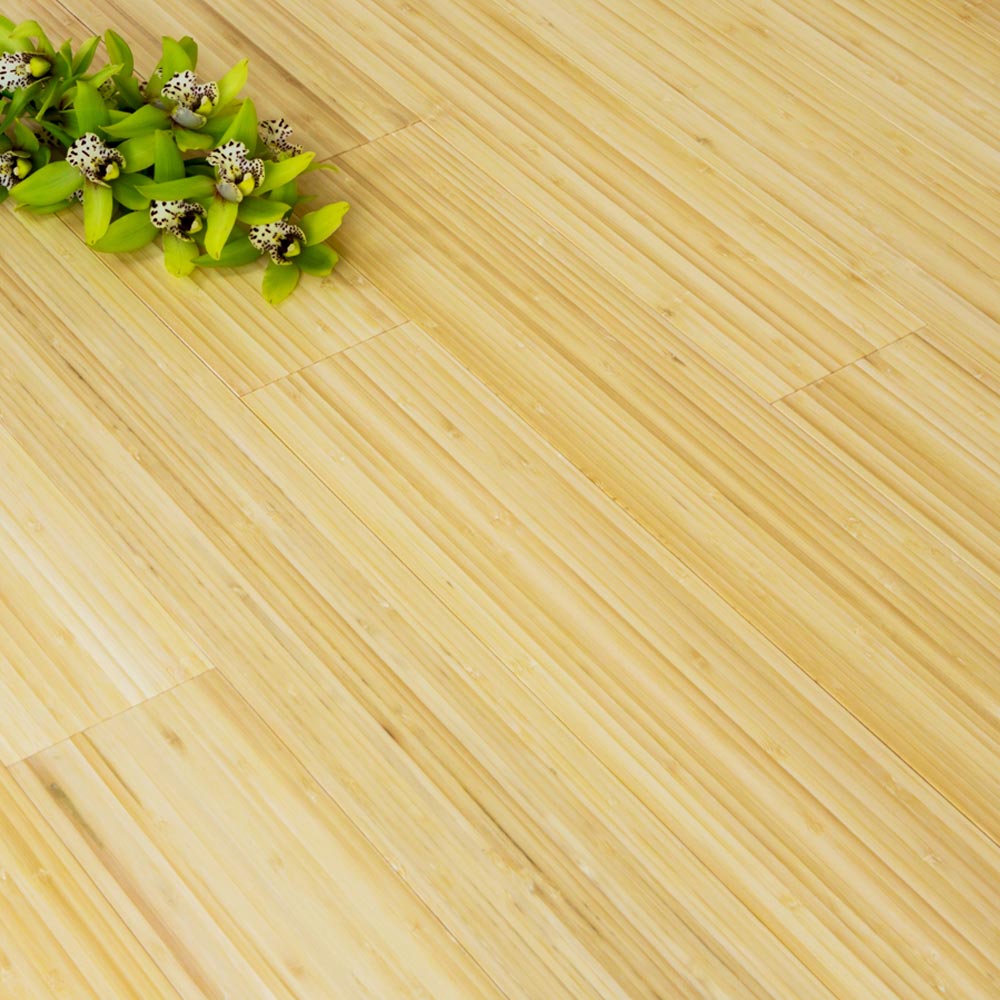
Is bamboo flooring suitable for high-moisture areas like kitchens and bathrooms?
Modern bamboo flooring with proper sealing can handle moderate moisture levels found in kitchens, but I wouldn’t recommend it for full bathrooms without waterproof varieties. Standard bamboo can warp or swell when exposed to standing water or excessive humidity. However, newer engineered bamboo products feature waterproof cores and finishes specifically designed for wet areas. Always check manufacturer specifications and consider your specific moisture conditions before installation.
How does bamboo flooring compare to hardwood in terms of resale value?
From my research and real estate conversations, bamboo flooring generally adds less resale value than premium hardwoods like oak or maple. However, the gap is narrowing as environmental consciousness grows among buyers. Bamboo appeals strongly to eco-minded purchasers who value sustainability. The key is choosing high-quality bamboo products and professional installation. Lower-grade bamboo might decrease home value, so investment in quality materials remains crucial.
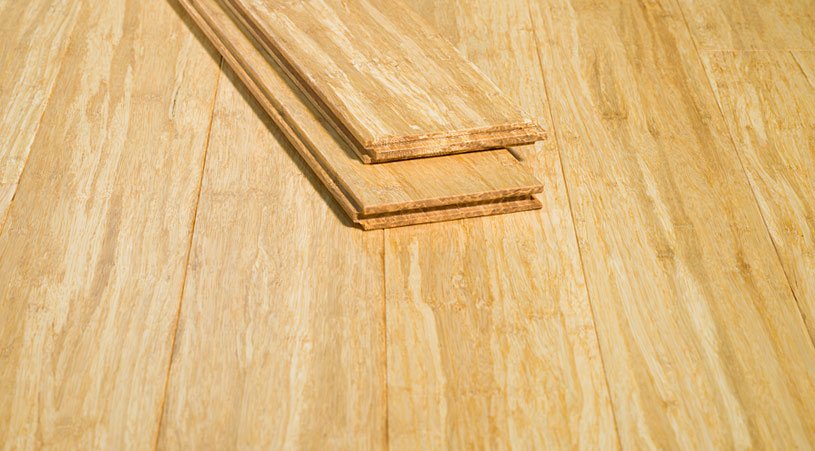
What thickness of bamboo flooring should I choose for my home?
I recommend 5/8-inch thickness for most residential applications based on my experience and research. This thickness provides excellent stability and allows for multiple refinishing cycles over the floor’s lifetime. Thinner options like 3/8-inch work well for floating installations over existing floors but offer limited refinishing potential. Thicker planks cost more but deliver superior performance and longevity, making them worthwhile for permanent installations.
Can bamboo flooring be refinished like traditional hardwood?
Yes, solid bamboo flooring can be refinished multiple times, though the process differs slightly from hardwood. I’ve learned that bamboo’s fiber structure requires careful sanding techniques to avoid splintering or tearing. Professional refinishing typically yields better results than DIY attempts. Strand-woven bamboo offers the most refinishing potential due to its density. Engineered bamboo has limited refinishing options depending on the wear layer thickness, so check specifications carefully.
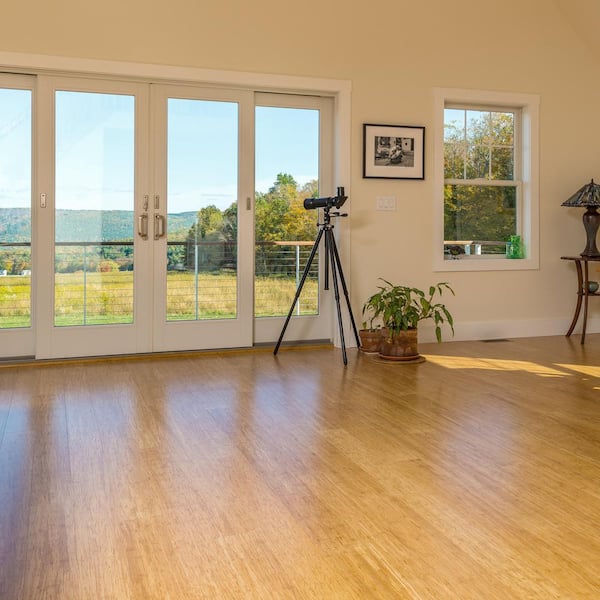
How do I prevent scratches and dents in bamboo flooring?
Prevention strategies I’ve implemented include placing felt pads under furniture legs, using area rugs in high-traffic zones, and maintaining pet nail trimming schedules. Bamboo’s hardness resists many scratches, but sharp objects can still cause damage. I sweep regularly to remove gritty particles that could scratch the surface when walked on. For moving furniture, I always use protective sliders or blankets to prevent gouges or pressure marks on the bamboo surface.
What climate conditions work best for bamboo flooring?
Bamboo performs optimally in stable environments with 30-50% relative humidity and temperatures between 60-80°F. I monitor these conditions with a simple hygrometer and adjust as needed with humidifiers or dehumidifiers. Extreme fluctuations can cause expansion, contraction, or warping issues. Proper acclimation before installation helps bamboo adjust to your specific climate. Consistent conditions throughout the year prevent most moisture-related problems that could affect appearance or performance.
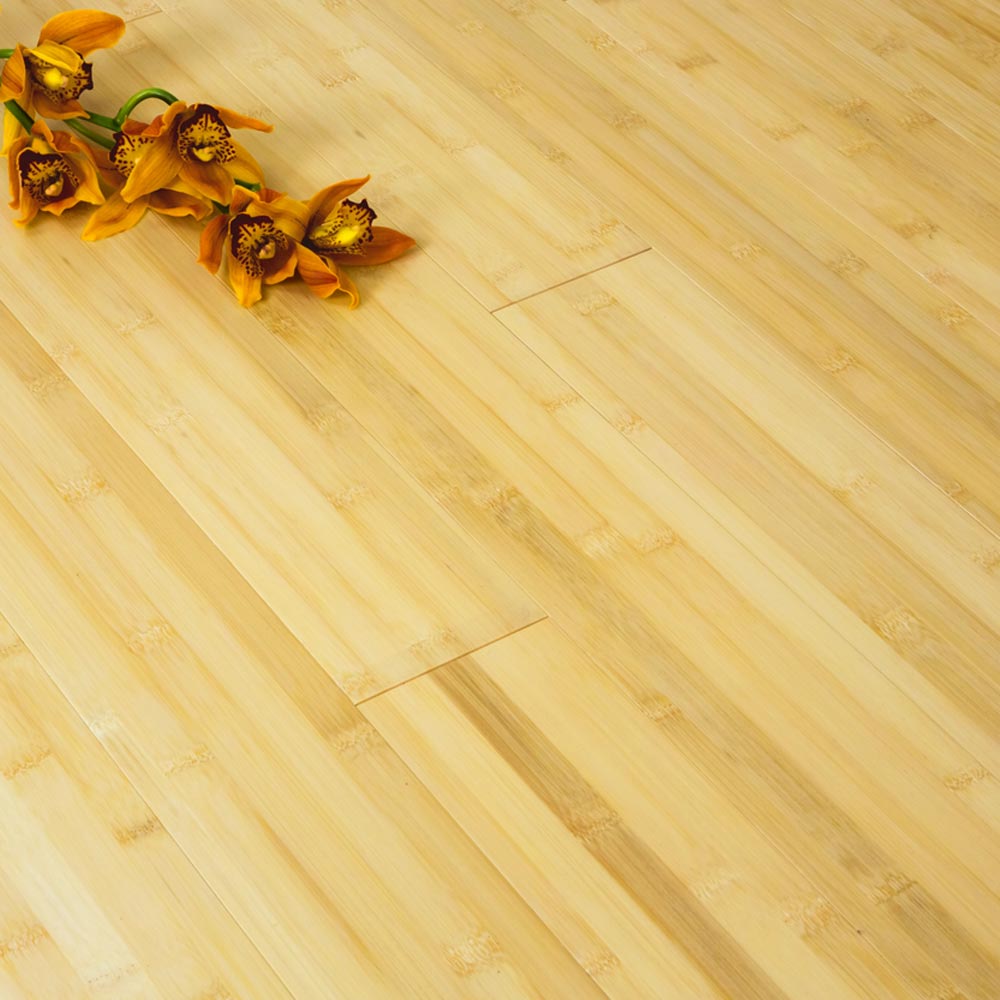
Solid Natural Horizontal Bamboo Flooring 2.21m²
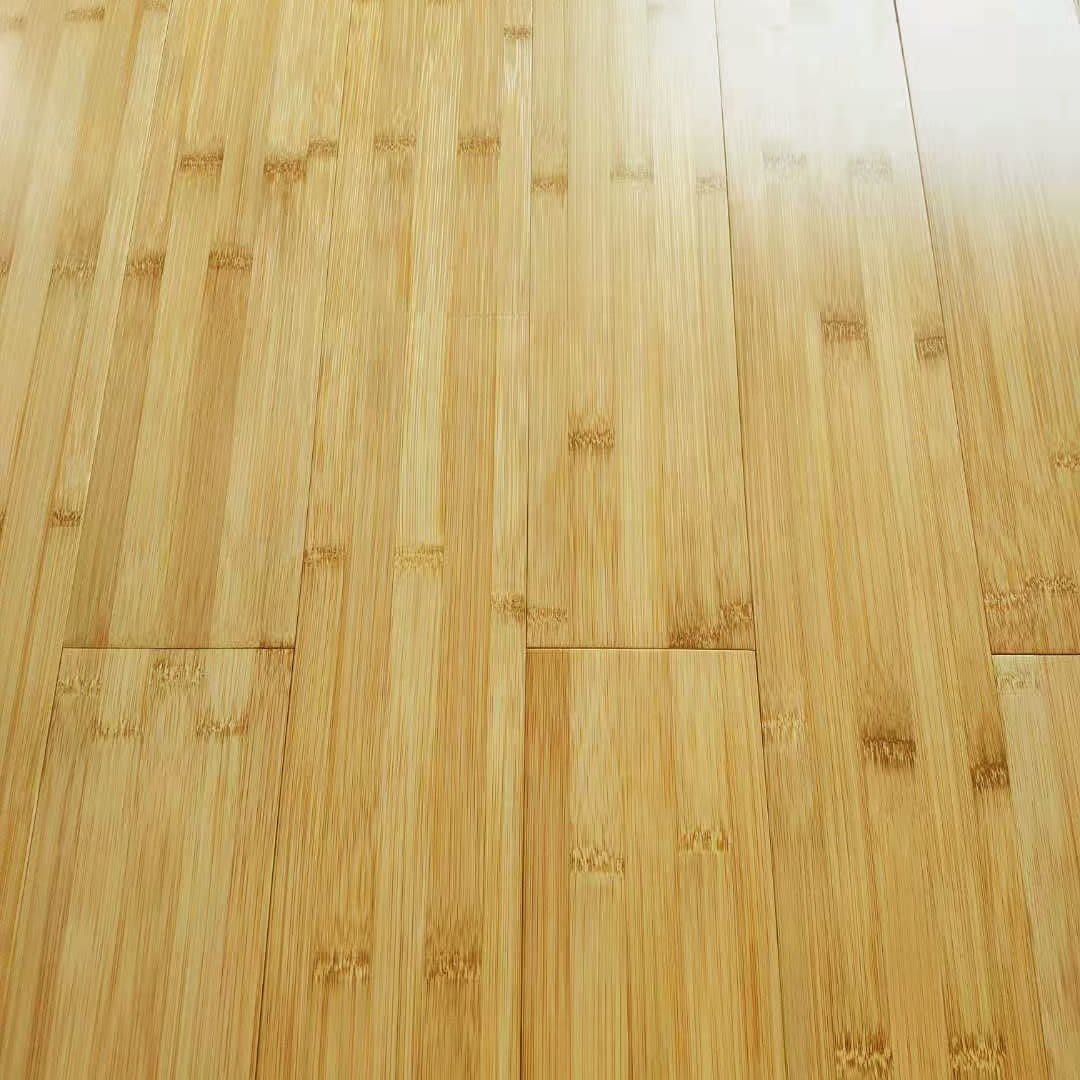
China Engineered Bamboo Flooring Natural Vertical – China Bamboo
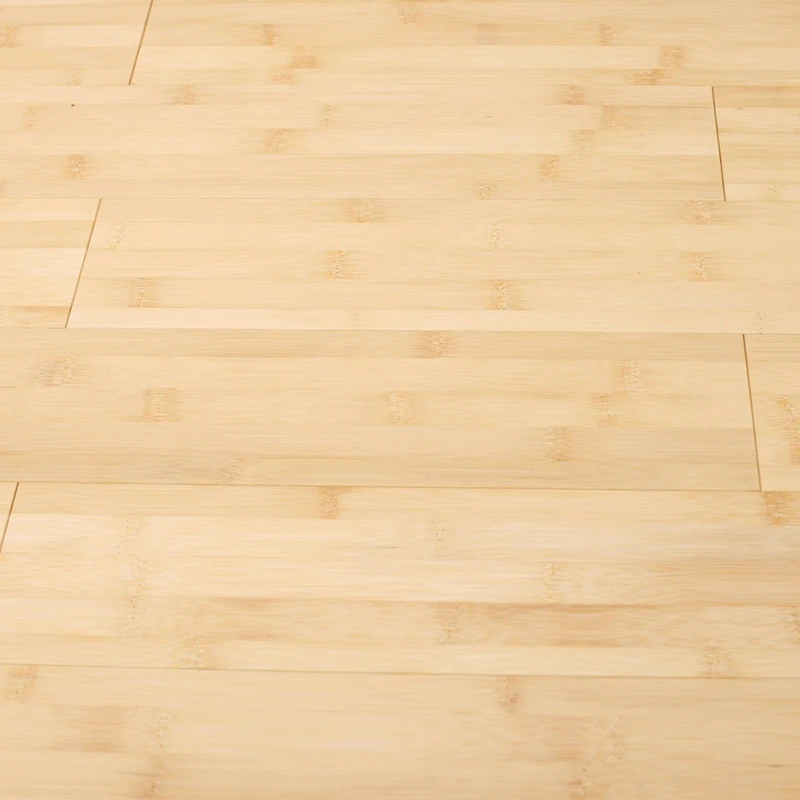
Bothbest Natural Eco Forest Solid Horizontal Bamboo Flooring Cheap Price
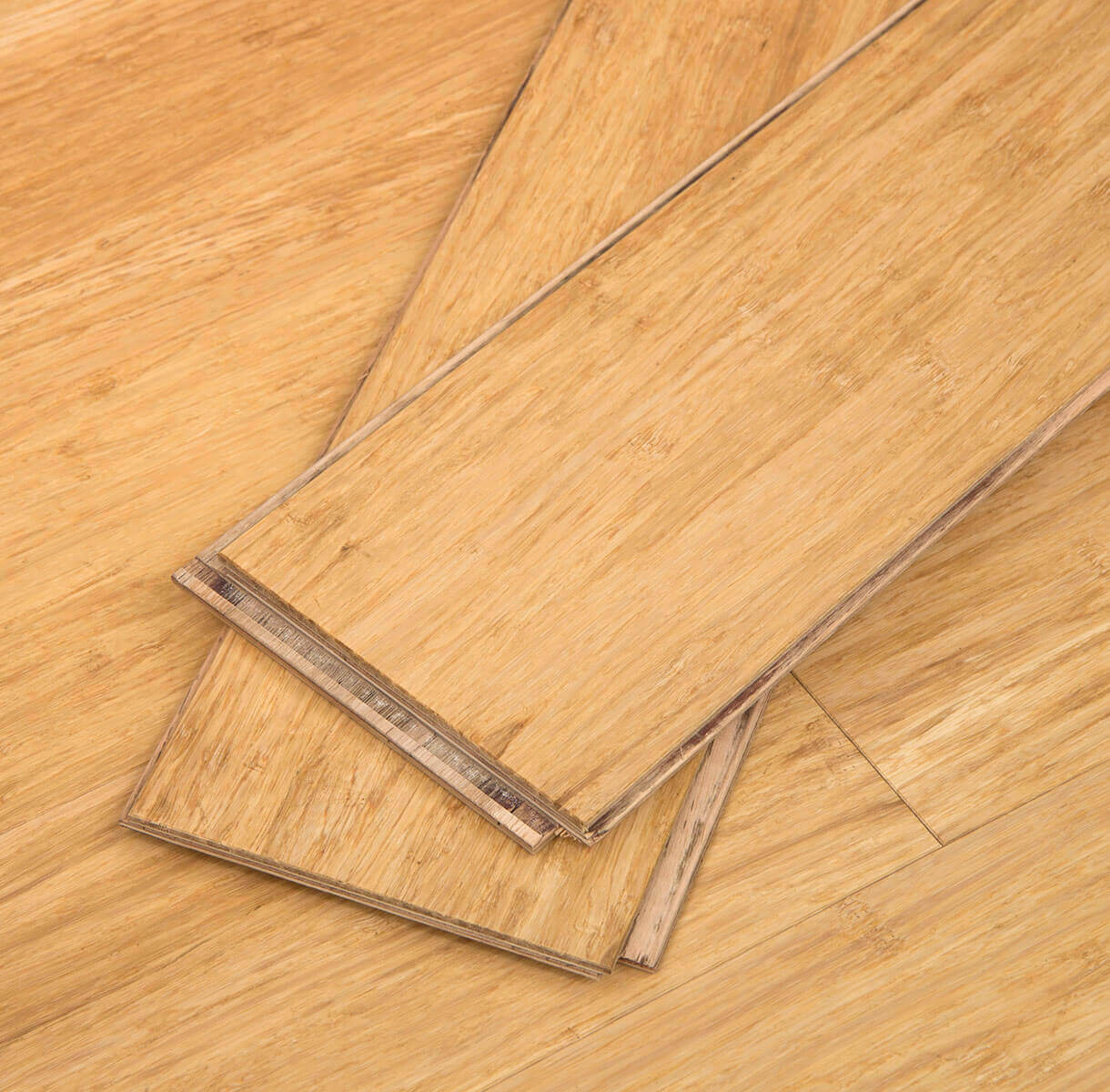
Natural Engineered Bamboo flooring Bamboo Design
Bamboo Collection

Related Posts: