Hardwood flooring is an investment that can add value, style, and beauty to your home for years to come. With so many options to choose from, including different species of wood, plank widths, and finishes, it can be overwhelming to figure out how much hardwood flooring you need for your project. Fortunately, there is an easy solution – a hardwood floor calculator.
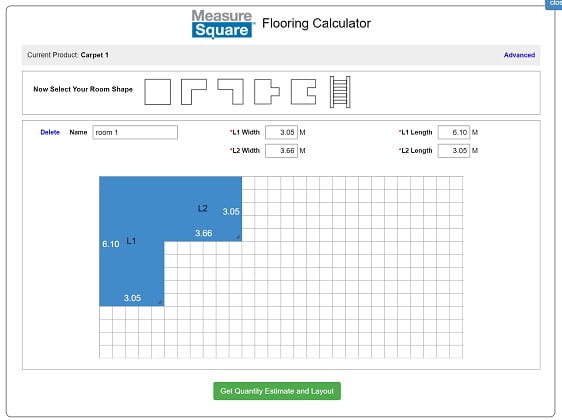
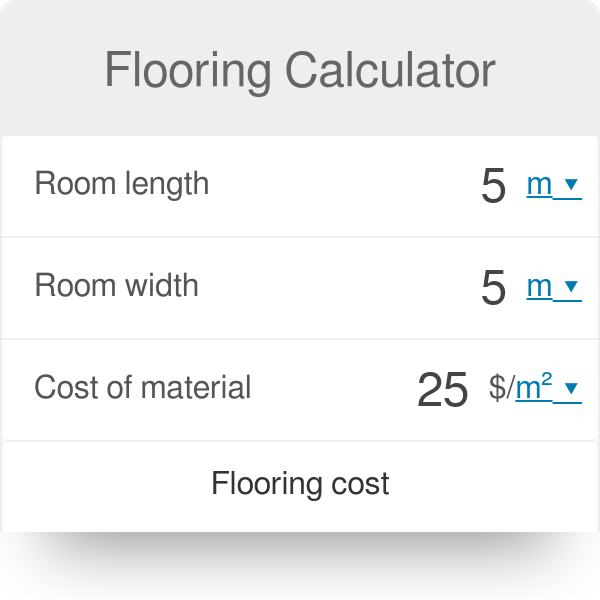
A hardwood floor calculator is an online tool that helps you determine the amount of hardwood flooring you need for your room. All you need to do is enter the room’s dimensions, the width of the plank you want to use, and the amount of waste you want to allow for cuts, and the calculator will do the rest. The waste factor is typically around 10% to 15%, depending on the complexity of the room layout and the number of cuts required.
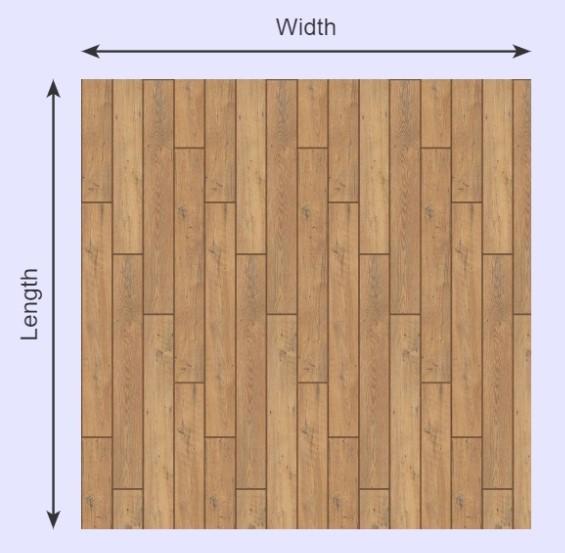
To use a hardwood floor calculator, you first need to measure the length and width of the room where you want to install the flooring. If the room has an irregular shape, divide the room into smaller rectangles, measure each one, and then add up the total square footage. Next, decide on the width of the plank you want to use. The most common widths are 2-1/4″, 3-1/4″, and 4″. Finally, decide on the waste factor. The higher the waste factor, the more hardwood flooring you’ll need to purchase to allow for cuts.
Once you have entered all the information into the hardwood floor calculator, it will give you an estimate of the number of square feet of hardwood flooring you’ll need to purchase. This estimate will include the amount of flooring required for the room, plus an additional amount for waste. Keep in mind that this is just an estimate and that it’s always a good idea to purchase a little extra flooring, just in case.
Using a hardwood floor calculator can help you make an informed decision about your hardwood flooring purchase. It can also help you avoid making the mistake of buying too little or too much flooring, which can save you time and money in the long run.
Hardwood flooring is an investment that requires careful consideration and planning. A hardwood floor calculator is a valuable tool that can help you determine the amount of flooring you need for your project and make your hardwood flooring purchase a success.
Estimate Hardwood Floor Calculator
Frequently Asked Questions
What is a hardwood floor calculator?
A hardwood floor calculator is an online tool that helps you determine the amount of hardwood flooring you need for your room. You simply enter the room’s dimensions, the width of the plank you want to use, and the amount of waste you want to allow for cuts, and the calculator will do the rest.
How do I use a hardwood floor calculator?
To use a hardwood floor calculator, measure the length and width of the room where you want to install the flooring, decide on the width of the plank you want to use, and choose the amount of waste you want to allow for cuts. Then, enter all the information into the hardwood floor calculator, and it will give you an estimate of the number of square feet of hardwood flooring you’ll need to purchase.
Why use a hardwood floor calculator?
A hardwood floor calculator is a valuable tool that can help you make an informed decision about your hardwood flooring purchase. It can also help you avoid making the mistake of buying too little or too much flooring, which can save you time and money in the long run.
We use cookies on our website to give you the most relevant experience by remembering your preferences and repeat visits. By clicking “Accept All”, you consent to the use of ALL the cookies. However, you may visit "Cookie Settings" to provide a controlled consent.
This website uses cookies to improve your experience while you navigate through the website. Out of these, the cookies that are categorized as necessary are stored on your browser as they are essential for the working of basic functionalities of the website. We also use third-party cookies that help us analyze and understand how you use this website. These cookies will be stored in your browser only with your consent. You also have the option to opt-out of these cookies. But opting out of some of these cookies may affect your browsing experience.
Necessary cookies are absolutely essential for the website to function properly. These cookies ensure basic functionalities and security features of the website, anonymously.
Cookie
Duration
Description
cookielawinfo-checkbox-analytics
11 months
This cookie is set by GDPR Cookie Consent plugin. The cookie is used to store the user consent for the cookies in the category "Analytics".
cookielawinfo-checkbox-functional
11 months
The cookie is set by GDPR cookie consent to record the user consent for the cookies in the category "Functional".
cookielawinfo-checkbox-necessary
11 months
This cookie is set by GDPR Cookie Consent plugin. The cookies is used to store the user consent for the cookies in the category "Necessary".
cookielawinfo-checkbox-others
11 months
This cookie is set by GDPR Cookie Consent plugin. The cookie is used to store the user consent for the cookies in the category "Other.
cookielawinfo-checkbox-performance
11 months
This cookie is set by GDPR Cookie Consent plugin. The cookie is used to store the user consent for the cookies in the category "Performance".
viewed_cookie_policy
11 months
The cookie is set by the GDPR Cookie Consent plugin and is used to store whether or not user has consented to the use of cookies. It does not store any personal data.
Functional cookies help to perform certain functionalities like sharing the content of the website on social media platforms, collect feedbacks, and other third-party features.
Performance cookies are used to understand and analyze the key performance indexes of the website which helps in delivering a better user experience for the visitors.
Analytical cookies are used to understand how visitors interact with the website. These cookies help provide information on metrics the number of visitors, bounce rate, traffic source, etc.
Advertisement cookies are used to provide visitors with relevant ads and marketing campaigns. These cookies track visitors across websites and collect information to provide customized ads.
 Frequently Asked Questions






 Related Posts: