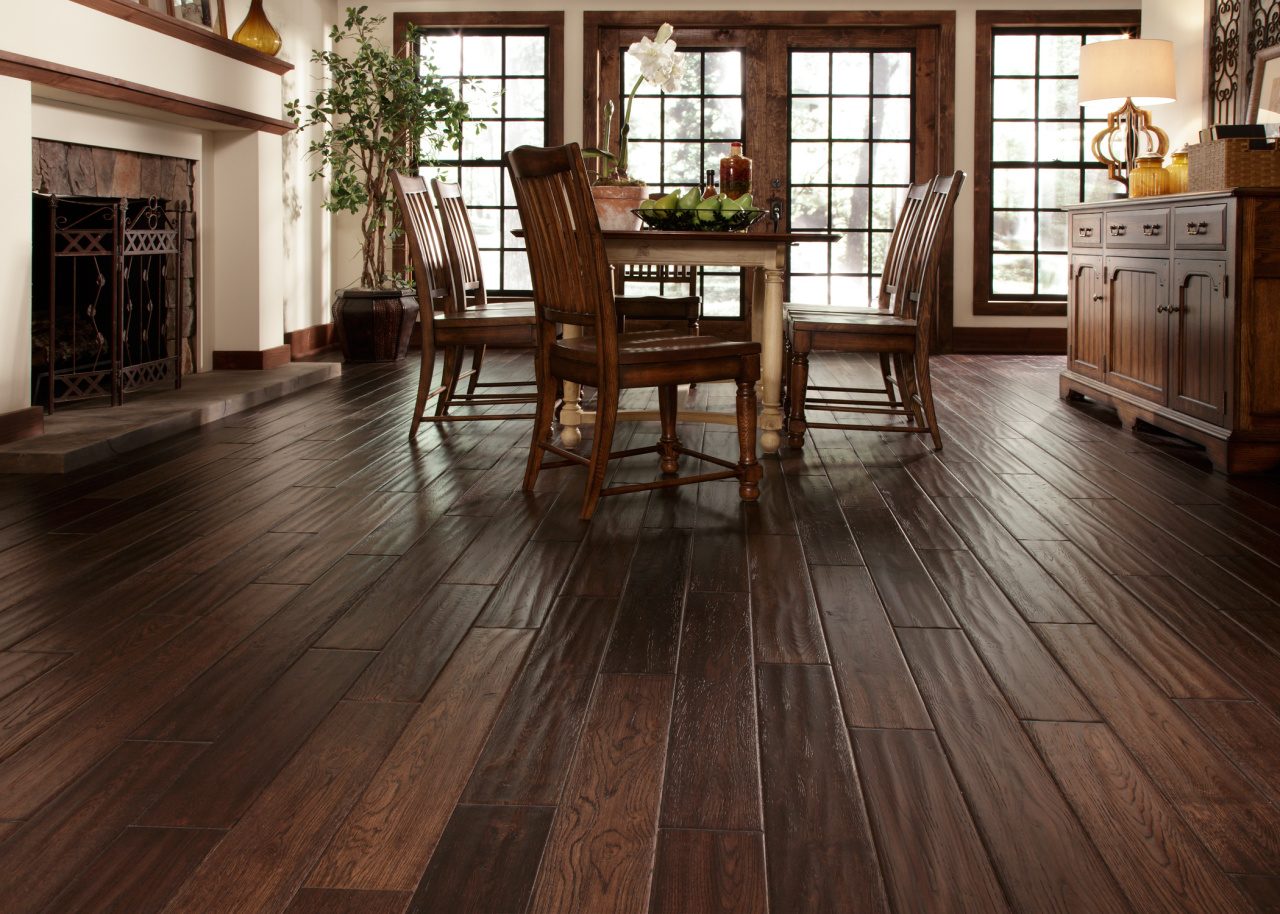
The first time I walked into a home with hand scraped hardwood floors, I stopped mid-step and just looked down. There was something about the texture and character of those boards that smooth, machine-finished floors simply don’t have.
Each plank looked like it had a story, with subtle valleys, ridges, and variations that made the floor feel genuinely alive. When I renovated my own home shortly after, hand scraped hardwood was at the top of my list without any hesitation. Here’s everything I’ve learned through research, installation, and years of daily life on these beautiful floors.
What Hand Scraped Hardwood Actually Means and How It’s Made
When I first started researching, I assumed hand scraped just meant someone ran a tool across the wood a few times. The reality is more involved and interesting than that.
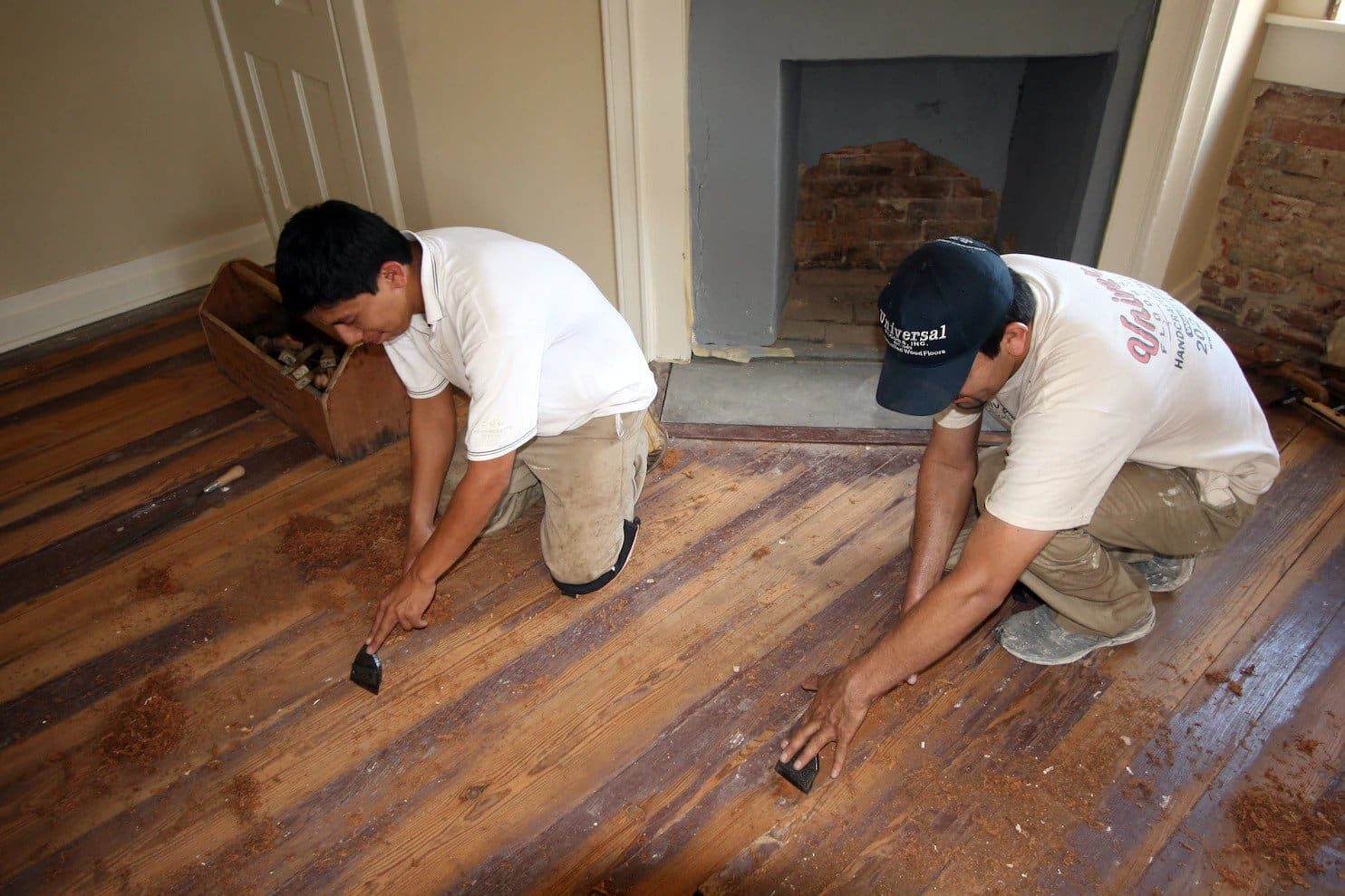
Traditionally, hand scraping was done by craftsmen who used steel blades to manually texture each plank, creating the uneven, worn appearance that characterized antique flooring in historic homes.
Today, most hand scraped flooring is produced one of two ways. Genuine hand scraping is still done by skilled artisans who work each board individually, which results in truly unique variation from plank to plank.
Machine-assisted scraping uses mechanical tools to replicate the look at higher volume, producing consistent but slightly more uniform results than true hand work.
I chose a product that used a combination of both methods, with machine scraping as a base and hand finishing applied afterward for authenticity. When I laid the boards side by side, no two looked identical, which is exactly what I wanted. That natural variation is what separates hand scraped floors from their smooth-finished counterparts and gives a room its sense of warmth and history.
Choosing the Right Wood Species for Hand Scraped Floors
Not every wood species works equally well with hand scraping, and this was something I didn’t fully appreciate when I started shopping. Harder, denser woods like hickory and white oak take scraping beautifully because their tight grain structure holds the texture cleanly without tearing or splintering along the surface.
Hickory was my personal top contender for a long time because of its dramatic grain variation and natural color contrast between light sapwood and darker heartwood. That combination alongside hand scraping creates an incredibly rich, rustic look. I ultimately chose white oak for its slightly more refined appearance that fit my home’s transitional style better than hickory’s bolder personality.
Softer species like pine can also be hand scraped, and they’re actually historically accurate since many original antique floors were soft wood. The tradeoff is that softer wood dents more easily in daily life. If you love the reclaimed or farmhouse aesthetic that pine offers, it’s a wonderful choice, just go in with realistic expectations about how it will develop new character marks over time with regular use.
How Hand Scraped Texture Affects Daily Life and Practicality
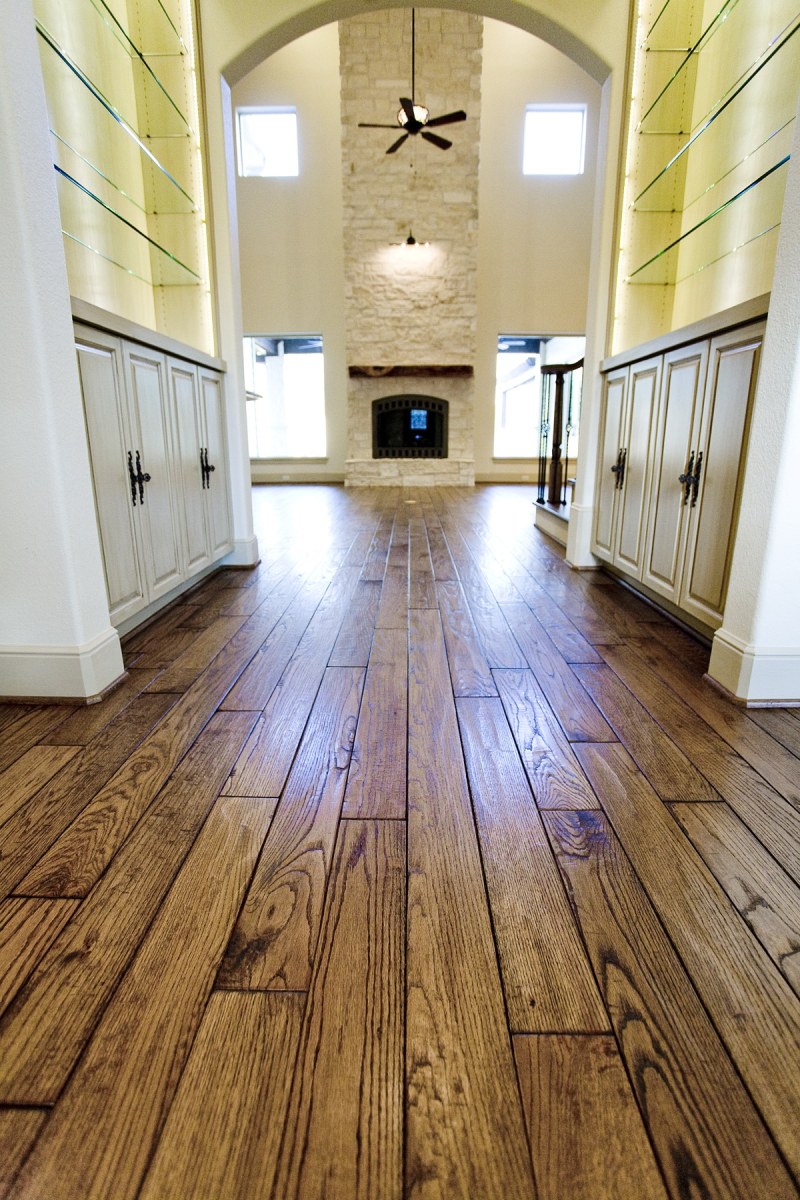
One of my favorite practical benefits of hand scraped floors is how forgiving they are of the minor scratches and dents that come with everyday family life. On a smooth, flat floor, a small scratch catches the light and announces itself clearly. On a hand scraped surface, that same scratch blends right into the existing texture and becomes essentially invisible.
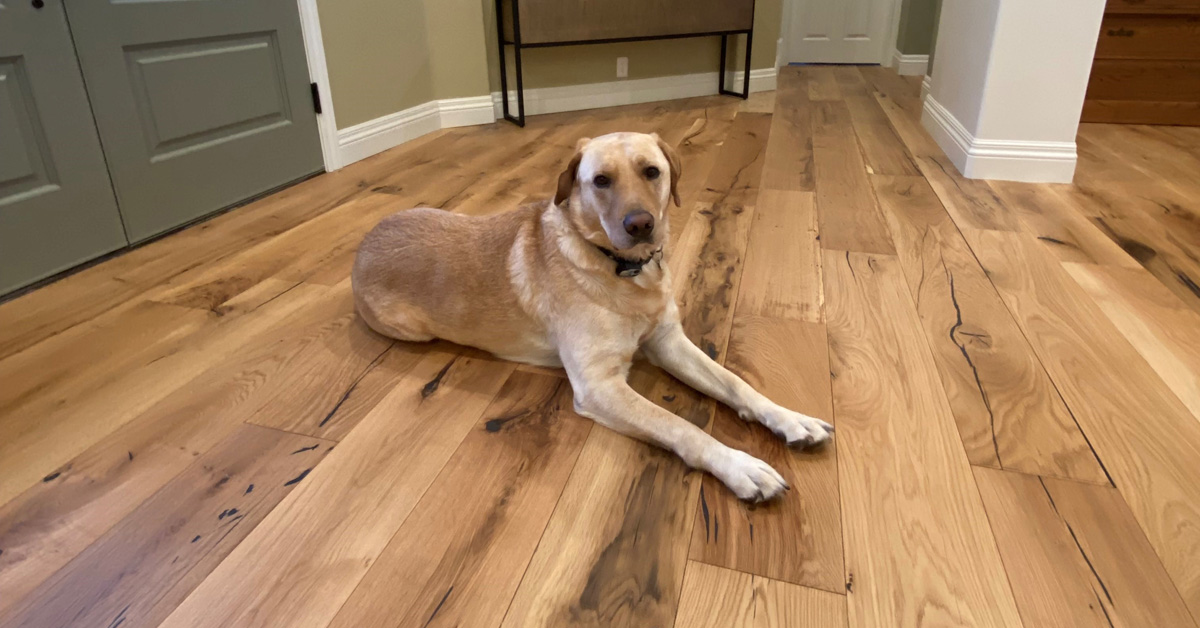
I have two kids and a large dog, and this quality has been genuinely meaningful in how I experience my floors day to day. I stopped hovering anxiously when my kids drag toys across the floor or when the dog’s nails click across the surface. The texture absorbs evidence of living in a way that smooth floors simply cannot match.
The one area where the texture requires more attention is cleaning. Dust and fine debris can settle into the low points of the scraping and require a slightly more thorough pass with a soft brush attachment on a vacuum. I do a full vacuum once a week and a dry microfiber mop in between, and that routine keeps everything looking clean and well-maintained without much extra effort overall.
Comparing Hand Scraped to Wire Brushed and Distressed Finishes
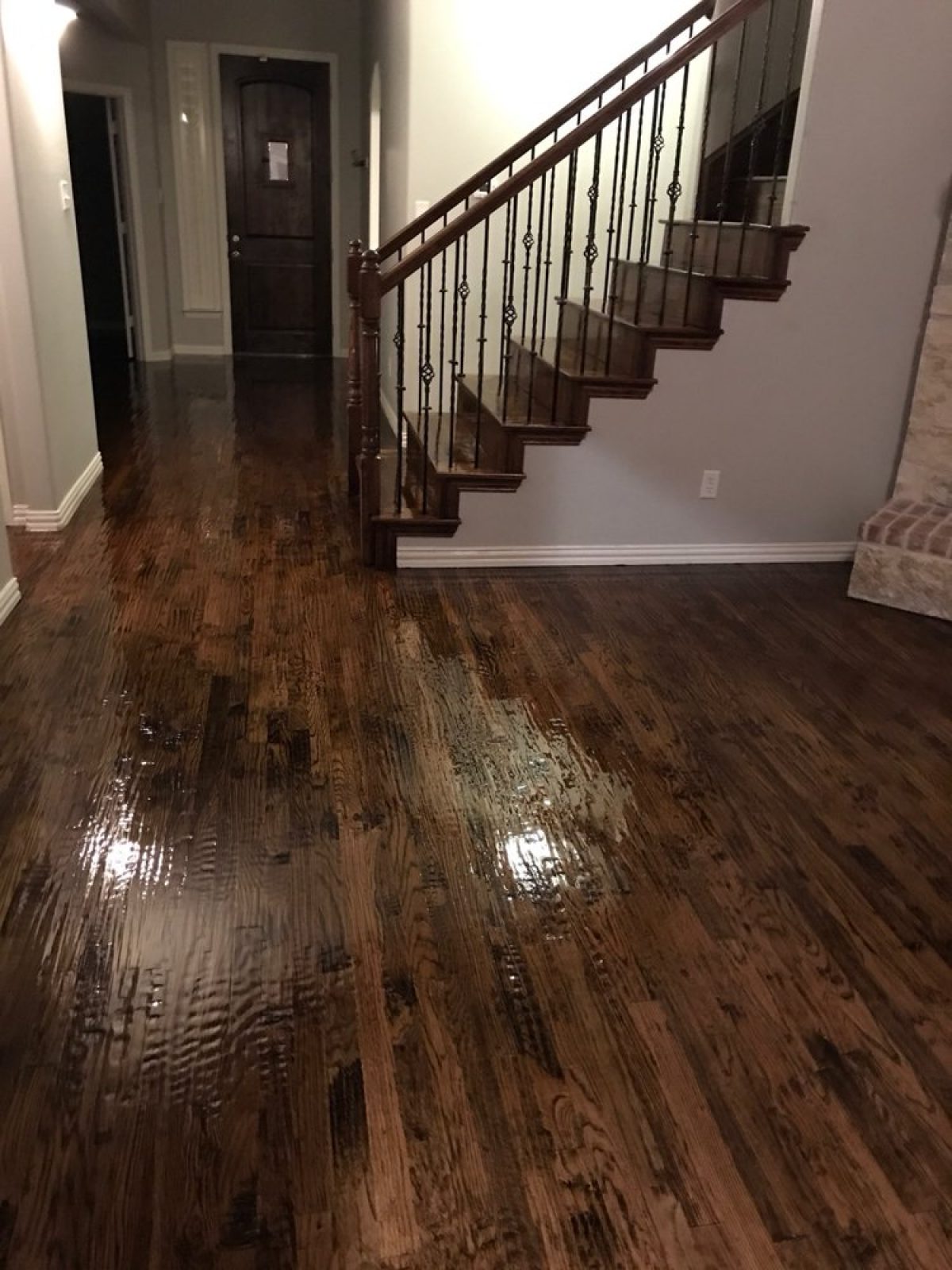
When I was shopping, I kept encountering similar-sounding terms like wire brushed, distressed, and hand scraped used almost interchangeably. They’re actually distinct finishes and the differences matter when you’re trying to achieve a specific look in your home.
Wire brushing removes the softer grain from the wood surface, leaving the harder grain lines raised and creating a subtly textured, matte appearance. It’s a more refined and contemporary take on texture that works beautifully in modern and transitional spaces. I seriously considered this option before deciding the deeper character of hand scraping was a better fit for my home.
Distressed flooring takes things further by adding artificial knots, wormholes, nail holes, and edge damage to simulate extreme age. It’s a very specific aesthetic that works wonderfully in rustic or farmhouse-style homes but can look out of place in more refined interiors. Hand scraping sits between wire brushing and full distressing in terms of character intensity, which made it the right balance for my space.

What to Expect From Installation and Cost
Hand scraped hardwood floors cost more than smooth-finished hardwood, and I think it’s important to be upfront about that. When I gathered quotes, I found hand scraped options running roughly $6 to $14 per square foot for the material alone, depending on species, grade, and whether the scraping was machine or hand-applied. Installation added another $3 to $5 per square foot in my area.
The installation process itself is the same as standard hardwood flooring. My installer used a nail-down method over my plywood subfloor, which is the most stable approach for solid hardwood. The job took two days for my 500-square-foot main living area, including acclimation time for the boards before they were nailed down.
One thing I’d flag is that hand scraped floors can be slightly harder to install cleanly at transitions and borders because the textured edge requires more careful cutting to look intentional rather than accidental. An experienced hardwood installer who has worked with textured floors specifically will do a noticeably cleaner job than someone unfamiliar with the material, so asking about their experience with this finish type before hiring is worth doing.

Long-Term Care and Whether Hand Scraped Floors Age Gracefully
Three years into living with my hand scraped floors, I can tell you they have aged beautifully. The natural patina that develops on hardwood over time looks even richer on a textured surface because the scraping catches light differently as the finish matures. My floors look better now than the day they were installed, which is not something I expected to be saying.
For ongoing care, I use a hardwood-specific cleaner applied with a barely damp mop every couple of weeks. I avoid anything with wax, oil soap, or ammonia since these products can break down the polyurethane finish over time and leave a residue in the texture that’s difficult to remove. Keeping the finish in good condition is much easier than letting it degrade and needing a full refinish sooner than necessary.
When the time does come for refinishing, hand scraped floors require a more careful approach than smooth floors. Aggressive drum sanding can remove the texture entirely, leaving you with a flat surface that no longer matches the original character. A professional who understands this will use a lighter sanding approach and re-apply the hand scraping texture before finishing, preserving the look that made you choose this floor in the first place.
Are hand scraped hardwood floors more expensive than smooth hardwood?
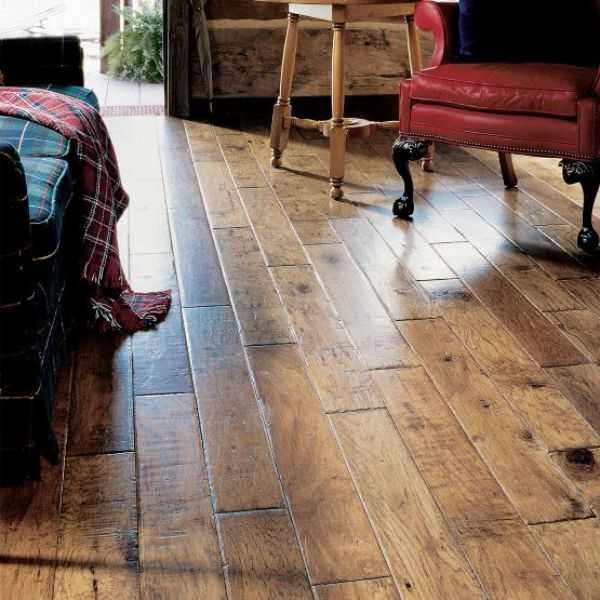
Yes, generally by a meaningful margin. The extra labor involved in creating the texture, whether by hand or machine, adds to the cost. I paid about 20 to 30 percent more per square foot than I would have for smooth hardwood in the same species. That said, the character and durability benefits, especially how well it hides everyday wear, make the premium feel worthwhile for most people who choose this finish.
Do hand scraped floors work in modern or contemporary homes?
They can, depending on the species and tone you choose. Lighter hand scraped white oak or ash in a wider plank format reads as more contemporary than darker, heavily textured hickory. I have a transitional style home and my floors feel right at home. I’d suggest bringing a sample into your space and living with it for a few days before committing, since lighting and existing decor affect how the texture reads considerably.
How do hand scraped floors hold up with kids and pets?
Exceptionally well in my experience. The existing texture camouflages new scratches and dents far better than smooth floors. My dog and two kids have put mine through serious daily use and the floors look wonderful. Choosing a harder species like white oak or hickory adds another layer of durability. I also keep pet nails trimmed and use felt pads under furniture legs as basic preventive measures that make a real difference over time.
Can hand scraped hardwood floors be refinished later?
Yes, but it requires a skilled professional who understands the finish. Aggressive sanding can remove the texture and leave you with a flat surface. A careful light sanding, followed by re-applying the hand scraped texture before finishing, preserves the original character. Ask any contractor specifically about their experience refinishing hand scraped floors before hiring them for this job, as the technique differs meaningfully from standard refinishing work.
What is the best finish for hand scraped hardwood floors?
I used a matte water-based polyurethane and it was the right call. Matte finishes complement the textured surface much better than high-gloss options, which can look oddly shiny over an already rustic texture. Water-based poly also stays clearer over time without yellowing. I applied three coats for good protection. Oil-based finishes are more durable in some opinions but add a warm amber tone and take considerably longer to cure fully.
How do I clean hand scraped hardwood floors without damaging them?
Dry microfiber mopping for daily dust and debris is your best regular tool. Weekly vacuuming with a soft brush attachment gets into the texture valleys where dust settles. For deeper cleaning, I use a hardwood-specific spray cleaner with a barely damp mop, never a soaking wet one. Avoid steam mops, wax-based products, and oil soaps entirely. Keeping the finish in good shape with the right products is far easier than trying to restore a damaged one.

Related Posts: