When I was renovating my living room, I spent weeks going back and forth between oak, maple, and a dozen other hardwood options before a flooring specialist pointed me toward birch. I had walked past birch floors my whole life without really noticing them, and once I started paying attention, I realized they were everywhere in homes I admired. Birch has this naturally light, clean look with just enough character to feel warm and lived-in rather than cold and showroom-perfect. After two years of living with it, I can say it was one of the best decisions I made in that renovation.
The Natural Look and Character of Birch
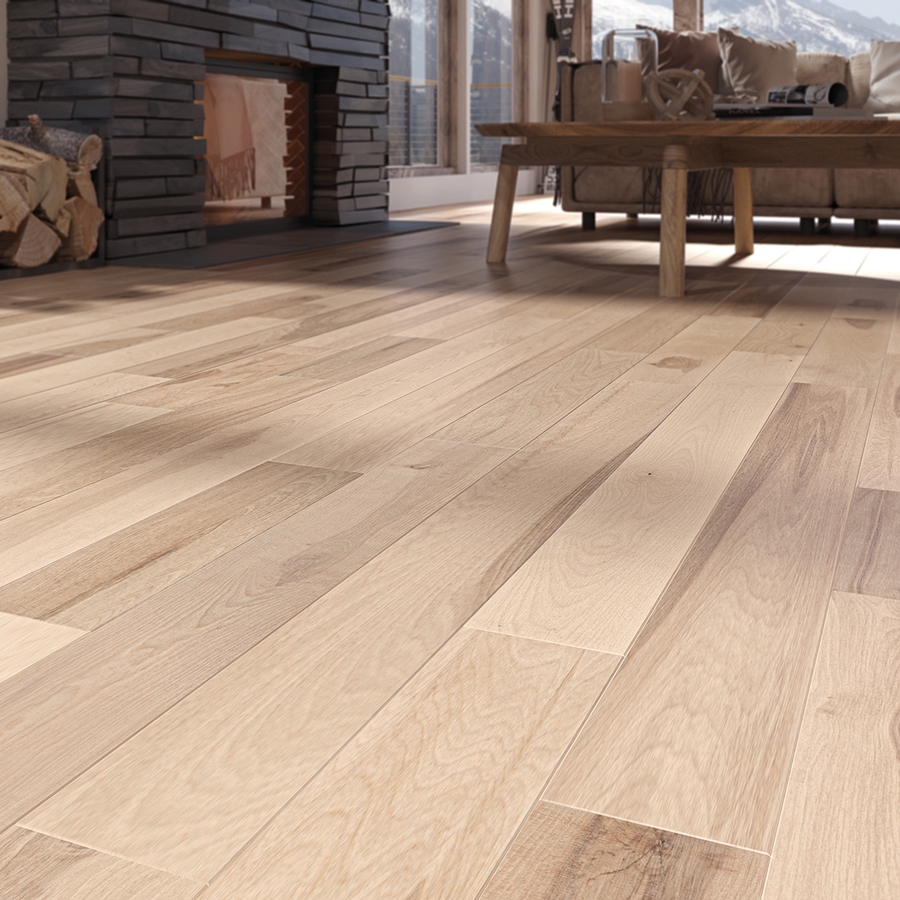
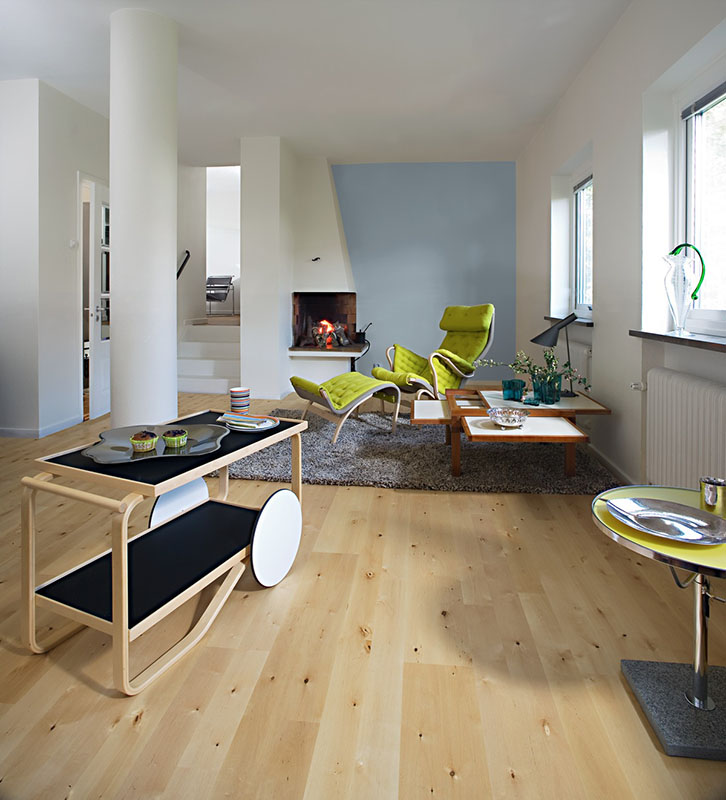
Birch hardwood has a fine, straight grain that gives it a smooth and elegant appearance without looking overly formal. What I love most is how the light tones bring a sense of airiness to a room. My living room faces north and doesn’t get a ton of direct sunlight, and the birch floor genuinely makes the space feel brighter and more open than any rug or paint color I tried before.
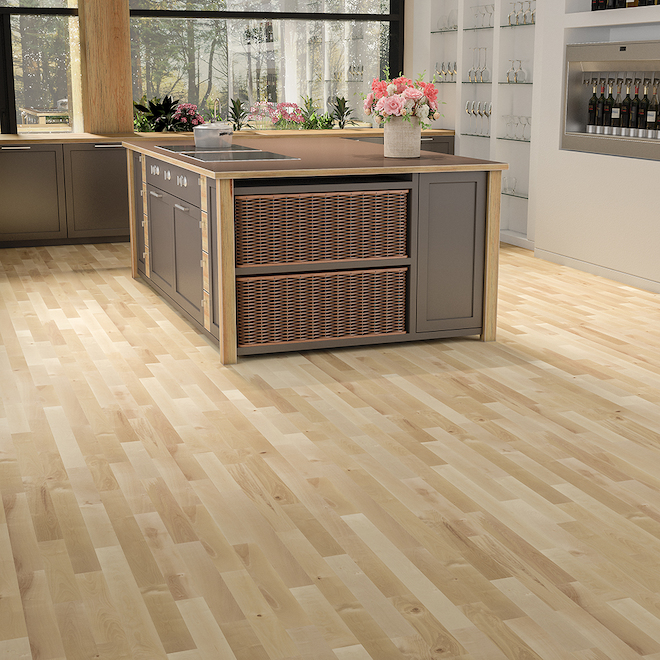
One thing to know upfront is that birch has natural color variation between the heartwood and sapwood. The heartwood tends toward warm reddish-brown tones, while the sapwood is much lighter and creamier. When these appear in the same floor, you get a naturally varied look that I find beautiful, though some people prefer more uniformity. You can request grading that minimizes variation if consistency matters to you.
The surface texture of birch is smooth and fine-grained, which makes it ideal for staining if you want a specific color. It accepts stain evenly and shows the finish beautifully. I kept mine close to natural with just a light amber finish, but I’ve seen birch stained in darker walnut tones and it looks equally stunning. The wood is versatile enough to work with nearly any interior style.
How Birch Compares to Oak and Maple in Hardness
Before I committed to birch, I spent a lot of time comparing it to oak and maple since those are the most common hardwood choices. On the Janka hardness scale, birch sits around 1260, which puts it harder than many soft maples but slightly softer than red oak. For most residential settings that’s more than adequate, and it’s held up beautifully in my busy living room.
What I found interesting is that birch actually machines and sands very smoothly compared to oak. Oak has a more open grain that can telegraph texture through finish coats, while birch gives you a cleaner, more refined surface. If you like a sleek, modern look rather than a rustic one, birch naturally delivers that without much effort during finishing.
The honest tradeoff is that birch is a bit more susceptible to denting than harder species like hickory or hard maple. In a home with large dogs or very heavy furniture being moved frequently, that’s worth considering. I have a medium-sized dog and haven’t had major issues, but I do use felt pads under all my furniture legs. A little precaution goes a long way with any hardwood floor.
Understanding Solid vs. Engineered Birch Flooring
When I was shopping, I quickly learned there are two main types of birch flooring: solid and engineered. Solid birch is exactly what it sounds like, a full plank of solid wood milled to thickness. Engineered birch has a real birch veneer on top bonded to layers of plywood or hardwood beneath. Both look essentially identical once installed.
I went with engineered birch for my living room because it offered more dimensional stability. Engineered flooring is less prone to expanding and contracting with humidity changes, which matters in a climate like mine where indoor humidity swings significantly between summer and winter. It also allowed me to install over a concrete subfloor in my lower level without worrying about moisture damage.
Solid birch is a great choice if you want a floor you can sand and refinish many times over its lifetime. The thicker wear layer allows for multiple refinishes, which can extend the life of the floor by decades. If you’re planning to stay in your home long-term and want a floor that can be completely renewed every fifteen to twenty years, solid birch is worth the investment. Either way, you’re getting a beautiful, real wood floor.
Staining and Finishing Options for Birch Floors
Birch is one of the easier hardwoods to work with when it comes to finishing, but there’s a catch that I wish someone had warned me about. Birch can sometimes blotch when stained, especially with darker colors. The uneven density of the wood causes it to absorb stain at different rates, leading to patchy results if you apply stain directly without a pre-conditioner first.
I used a wood conditioner before applying my finish and had no blotching issues at all. It’s an extra step that takes about thirty minutes but makes a significant difference in the final result. My flooring installer also recommended a gel stain for darker colors since gel stains sit on the surface more evenly rather than soaking in unevenly. Both approaches work well, so pick whichever fits your project.
For finish topcoats, I went with a water-based polyurethane because it dries clear and doesn’t add the amber yellowing that oil-based poly can over time. Birch’s natural light tone is one of its best features, and I didn’t want a coating that shifted the color too much. If you prefer a warmer, more traditional look, oil-based poly on birch produces a lovely warm glow. It really comes down to personal preference and the aesthetic you’re going for.

Installing Birch Hardwood Flooring in Your Home
Installation day was genuinely exciting for me. I hired professionals for my birch floor because I wanted the planks glued down over my concrete subfloor, which requires a specific adhesive and technique. But I’ve helped friends install floating engineered birch using a click-lock system, and that method is very DIY-friendly if your subfloor is level and prepped properly.
Acclimation is critical with birch. I left my flooring boxes open in the room for seventy-two hours before installation so the planks could adjust to my home’s temperature and humidity. Birch is responsive to moisture changes, so skipping this step risks boards buckling or gapping after installation. It’s an easy step that takes zero effort and makes a real difference in long-term performance.
Leave expansion gaps around the perimeter of the room. This is standard advice for any hardwood floor, but birch really does move with seasonal humidity changes, and without that gap the floor has nowhere to go. Your baseboards or quarter-round molding will cover the gap so it’s not visible. It’s one of those things that seems unnecessary until you skip it and end up with a buckled floor after your first humid summer.
Caring for Birch Hardwood Floors Long-Term
Daily care for birch is simple. I dry mop or vacuum with a soft brush attachment a few times a week to pick up dust and grit. Grit is the enemy of any hardwood floor because it acts like sandpaper underfoot and slowly scratches the finish. The more consistently you sweep, the longer that factory finish stays looking sharp.
For deeper cleaning, I use a pH-neutral hardwood floor cleaner diluted in water with a barely-damp mop. I never let water pool on the surface. Birch is responsive to moisture, and repeated wet mopping will eventually damage the finish and cause the wood to swell and warp. A lightly damp mop followed by a quick dry pass is all you need for a thorough clean.
Every ten to fifteen years, solid birch can be sanded and refinished to look completely new. I haven’t reached that point yet with my floor, but knowing it’s possible makes the investment feel even smarter. Even engineered birch with a thicker veneer layer can often be lightly sanded and recoated once or twice. Taking care of your birch floor means it genuinely has the potential to outlast you in the house.

Is birch hardwood flooring good for high-traffic areas?
Birch works well in most high-traffic residential areas like living rooms and hallways. It’s harder than some domestic species but softer than hickory or hard maple. I’ve had great results in my busy living room with a dog and two kids. Use entry mats, felt pads under furniture, and sweep regularly to protect the finish. With those basic precautions, birch handles everyday life very well.
How does birch flooring hold up against moisture?
Solid birch is sensitive to moisture and not recommended for bathrooms or below-grade installations. Engineered birch handles humidity fluctuations better due to its layered construction, making it a smarter choice for basements or over radiant heat. I installed engineered birch over concrete with no issues. Regardless of type, always wipe up spills quickly and avoid wet mopping to protect the finish and prevent swelling.

Can I install birch hardwood over radiant heat?
Yes, engineered birch is compatible with radiant heat systems. The layered construction resists the expansion and contraction caused by temperature changes better than solid wood. Keep floor temperatures below eighty-two degrees Fahrenheit and maintain stable indoor humidity levels. Solid birch over radiant heat is riskier and generally not recommended by most manufacturers, so engineered is the safer choice for heated subfloor systems.
How much does birch hardwood flooring cost?
Birch typically falls in the mid-range for hardwood pricing, roughly three to eight dollars per square foot for materials depending on grade and whether it’s solid or engineered. Installation adds another three to five dollars per square foot for professional labor. Compared to exotic hardwoods it’s very affordable, and the longevity makes the cost per year quite low over time. It’s solid value for a real hardwood floor.
Does birch flooring work with pets?
It works well with pets as long as you manage nails and spills. I have a dog and the floor looks great after two years. Keep pet nails trimmed to reduce scratching, use entry mats to catch moisture from paws, and clean accidents immediately to avoid moisture damage. Birch is not the hardest domestic species, so very large or active dogs may leave more visible marks, but for most pets it holds up comfortably.
How long does birch hardwood flooring last?
With proper care, solid birch flooring can last fifty years or more and be refinished multiple times during its life. Engineered birch with a thicker veneer layer typically lasts twenty to thirty years with the option to refinish once or twice. The longevity depends heavily on maintenance, traffic levels, and how well you protect the finish. I view it as a lifetime investment in my home rather than something I’ll ever need to replace.

Related Posts: