There’s a warmth to cherry hardwood flooring that I haven’t found in any other species, and the moment I saw it installed in a friend’s dining room, I knew it was what I wanted in my own home. The rich reddish-brown tones, the silky smooth grain, and the way it deepens and mellows with age make cherry one of the most beautiful domestic hardwoods available. After installing it in my living room and hallway several years ago, I’ve learned everything about its quirks, its undeniable beauty, and the care it genuinely requires. Here’s my honest, personal take on everything cherry hardwood involves.
What Makes Cherry Hardwood So Visually Distinctive
Cherry has a character that sets it apart from oak, maple, and other popular hardwood choices from the moment you see it. The grain is fine and straight with a naturally lustrous, almost satiny surface that reflects light in a way that feels genuinely luxurious without any added shine from a glossy finish. That natural glow was one of the first things that stopped me in my tracks when I first encountered it.
The color of freshly milled cherry is actually a pale pinkish-tan that surprises many people expecting the rich reddish-brown they’ve seen in photos. That darker, warmer tone develops through a process called patination, where exposure to light, particularly UV light, transforms the wood over months and years into the deep amber-red that cherry is famous for. Understanding this upfront prevented the disappointment I might have felt if the initial pallor had caught me off guard.
The figure and grain variation in cherry adds another layer of visual interest that I find endlessly appealing. Subtle wave patterns, small gum pockets, and the natural contrast between sapwood and heartwood give cherry floors a depth and complexity that straight-grained species simply can’t match. Every section of my floor looks slightly different, which makes the overall effect feel genuinely alive rather than uniform and machine-made.
Understanding Cherry’s Hardness and What It Means for Daily Life
Before installing cherry, I did my homework on the Janka hardness rating, which measures how resistant a wood is to denting and surface wear. Cherry scores around 950 on the Janka scale, which places it noticeably softer than white oak at 1,360 and significantly softer than hard maple at 1,450. Knowing this upfront helped me set realistic expectations for how the floor would behave under daily use.
In practice, living with a softer hardwood means small dents and dings from everyday life are more likely than they would be on a harder species. I have a chair leg that left a small compression mark near my dining area within the first year, something that likely wouldn’t have happened on oak. But here’s what I’ve come to appreciate: those minor marks give cherry character rather than making it look damaged, especially as the patina develops and the floor deepens in color.
If you have large dogs with hard nails or an extremely active household with young children, going in knowing that cherry will show evidence of life more readily than harder species helps you make the right choice. For my household, a couple and a small dog, the softness has been perfectly manageable. I use felt pads under all furniture and keep a runner in the highest-traffic hallway section, and those two habits have protected the floor effectively.

How Cherry Hardwood Changes Color Over Time
The color transformation of cherry over time is genuinely one of its most fascinating and, for some people, most intimidating characteristics. When my floors were first installed, they had a pale, slightly pink tone that looked beautiful but nothing like the rich cherry I had admired in older homes. My installer warned me, but I still found myself checking the floors daily in the first weeks watching the change unfold.
Within the first three months, the color had already shifted noticeably toward the warmer amber tones as light exposure worked its transformation. By the end of the first year, my floors had developed a gorgeous honey-reddish brown that was closer to what I originally envisioned. Now, several years later, they have deepened into that classic, rich cherry tone that makes guests stop and comment every time they visit.
One practical implication of this color change is that I had to be careful about area rugs during the early years. Any rug left in place too long will block light from reaching the wood beneath it, creating a lighter patch when the rug is moved. I repositioned my rugs periodically during the first year to allow even light exposure across the floor. After the major color development period stabilizes, this becomes less of a concern but still worth managing.

Choosing the Right Finish for Cherry Hardwood Floors
The finish you choose for cherry hardwood significantly affects both its appearance and how the color development process unfolds. I spent considerable time discussing options with my flooring installer before making a decision, and I’m glad I treated this as seriously as choosing the wood itself.
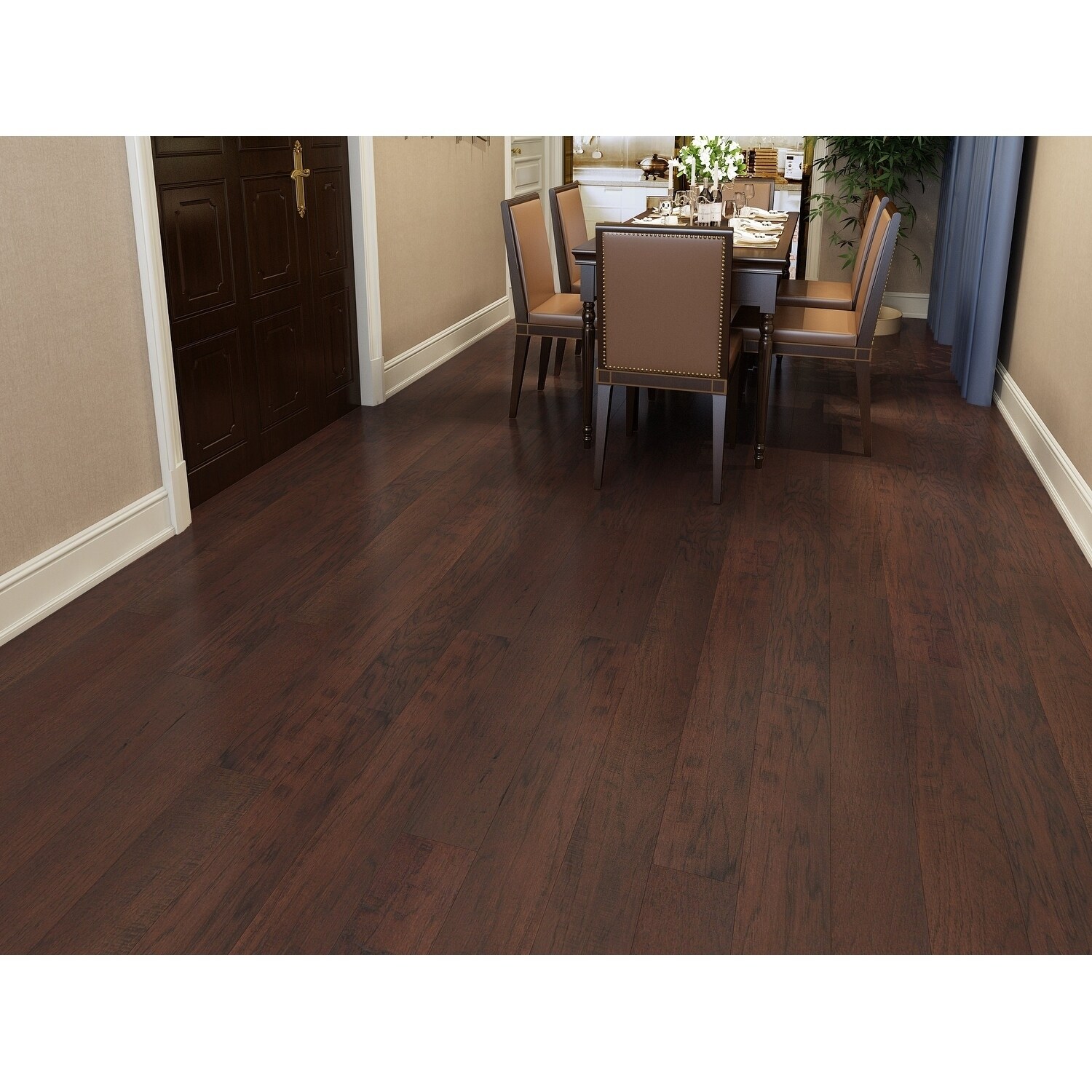
Oil-based polyurethane adds a warm amber tone that works harmoniously with cherry’s natural color journey. Many people prefer this for cherry specifically because the finish enhances rather than fights the wood’s inherent warmth. The tradeoff is longer cure time, stronger fumes during application, and a finish that yellows slightly more over the decades. My installer used oil-based poly on my floors and the result is beautiful and cohesive.
Water-based polyurethane stays clearer and dries faster but applies a cooler, less warm tone over cherry. Some people prefer this because it lets the wood’s own color speak without the finish adding additional warmth on top. Hardwax oil finishes are a third option that penetrate the wood rather than forming a film on top, creating a very natural, matte appearance and making spot repairs easier. Each option has genuine merit, and the right choice depends on the aesthetic you’re building toward.
Installation Considerations Specific to Cherry Hardwood
Cherry hardwood has some installation characteristics that differ from more dimensionally stable species, and knowing these upfront helped me communicate clearly with my installer and understand why certain steps were non-negotiable. Cherry is moderately sensitive to moisture and humidity changes, which means proper acclimation before installation matters more than with some other species.
My installer required the cherry planks to acclimate in my home for a full week before a single nail went down. The boards sat stacked with spacers between them in the rooms where they’d be installed, allowing them to adjust to the ambient temperature and humidity of my specific living environment. This prevented the expansion and contraction issues that can cause gapping or buckling after installation.
Nail-down installation over a plywood subfloor is the most common and recommended method for solid cherry, and that’s what my installer used throughout. The spacing of the fasteners matters more with softer woods like cherry to prevent any springing or movement between nails. My installer used closer nail spacing than he typically would for harder species, which resulted in a floor that has remained completely stable and tight across all the seasonal changes it has experienced since installation.

Long-Term Care and Maintenance for Cherry Hardwood Floors
Cherry responds very well to attentive but simple care, and establishing good habits early has kept my floors looking consistently beautiful over the years. My daily routine involves a dry microfiber mop to capture dust and fine debris that could scratch the finish if ground underfoot. I do this three to four times a week and it takes about five minutes for my entire floor area.
For deeper cleaning, I use a hardwood-specific spray cleaner applied to a barely damp microfiber mop pad. The key word is barely, because excess moisture is genuinely harmful to cherry over time, both from the surface down through the finish and from humidity changes in the room that cause movement in the wood. I never use steam mops, wet string mops, or any cleaner containing ammonia, bleach, or wax-based ingredients on my cherry floors.
When my floors eventually need refinishing, I plan to seek out a professional who has specific experience with cherry. The sanding process requires care to avoid over-sanding the softer wood and to preserve as much material as possible for future refinishing cycles. A water-based finish applied by an experienced hand preserves the option for different future aesthetic choices. Hardwood floors that are properly maintained can be refinished multiple times over a lifetime, making cherry floors a genuinely long-term investment in your home’s beauty and value.

Is cherry hardwood flooring more expensive than oak or maple?
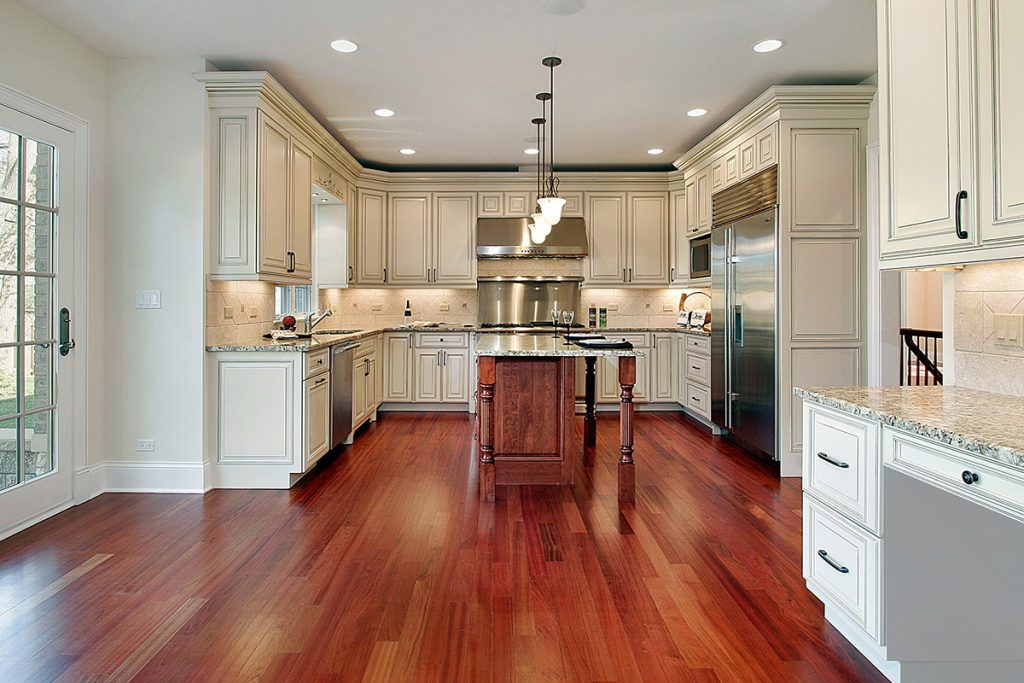
Yes, cherry typically costs more than domestic oak or maple. I paid around $8 to $12 per square foot for the material alone, with installation adding another $3 to $5. Oak usually runs $5 to $9 per square foot installed. The premium reflects cherry’s slower growth, more limited availability, and the exceptional beauty it offers. For me, the added cost felt justified given how much I use and genuinely love the finished result every single day.
Will cherry hardwood floors look different from room to room due to uneven light exposure?
This is a real consideration worth planning for. Rooms with more natural light develop the patina faster and more dramatically than darker rooms. My hallway and living room have slightly different tones after several years due to their different light levels. Using consistent artificial lighting and periodically repositioning area rugs during the first two years helps encourage even color development. The variation is subtle and natural-looking rather than jarring if managed reasonably.

Is cherry hardwood flooring a good choice for homes with pets and kids?
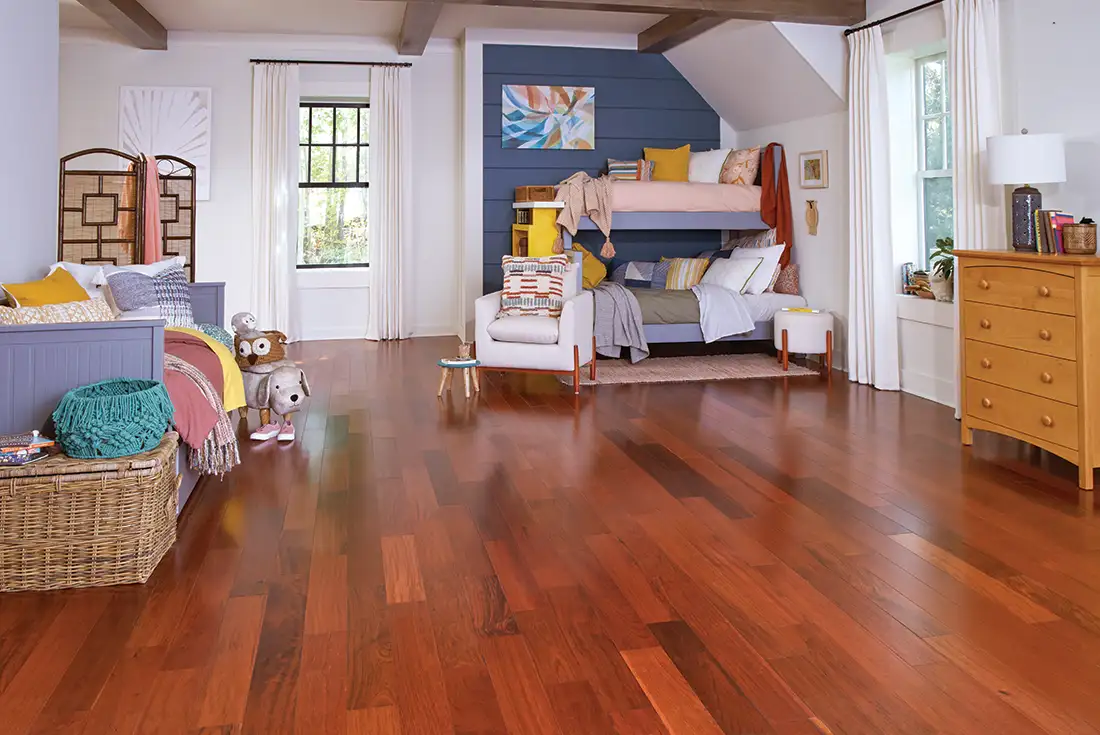
It works, but requires realistic expectations. Cherry is softer than oak or maple, so dents and dings happen more easily. With kids and pets, I’d recommend keeping nails trimmed, using felt pads under all furniture, and placing rugs in the most active areas. The good news is that cherry’s rich color and natural character actually absorb the evidence of daily life gracefully. Small marks blend into the overall appearance in a way that makes the floor look lived-in rather than damaged.
How often does cherry hardwood flooring need to be refinished?
With proper maintenance, cherry floors typically need refinishing every 7 to 12 years depending on traffic levels and care habits. Signs that refinishing is due include dullness that cleaning can’t restore, visible scratches through the finish layer, or areas where the wood itself is starting to show wear. Cherry is soft enough that aggressive sanding should be avoided, so working with an experienced professional who understands the species is important for getting good results without removing more material than necessary.
Does cherry hardwood flooring add value to a home?
In my experience and based on real estate feedback I’ve received, yes it does. Cherry hardwood is recognized as a premium material by most buyers and appraisers, and well-maintained cherry floors are a genuine selling point in a home listing. The key is maintaining them properly so they look beautiful rather than worn and neglected at the time of sale. Floors that have developed their natural patina and are in good condition tend to generate very positive reactions from prospective buyers.
What room is cherry hardwood flooring best suited for?
Cherry works beautifully in living rooms, dining rooms, bedrooms, home offices, and hallways. I have it in my living room and hallway and couldn’t be happier with both. I’d avoid it in bathrooms due to moisture sensitivity, and I’d be cautious in kitchens unless you’re very diligent about spills. Rooms with consistent humidity levels and indirect or controlled natural light tend to produce the most even and beautiful patina development over time. Cherry rewards environments where the conditions are stable and predictable.
Related Posts: