When I first saw walnut hardwood flooring in a friend’s home, I stood in her entryway longer than was probably polite, just staring at the floor. There was something about the deep, chocolatey tones and the swirling grain patterns that felt both dramatic and completely natural at the same time.
I knew immediately that I wanted it in my own home, and after installing it in my living room and dining area, I’ve never once questioned that decision. If you’re considering walnut flooring and want real, practical insight before committing, let me share everything I’ve discovered along the way.
Why Walnut Hardwood Stands Apart From Other Wood Species
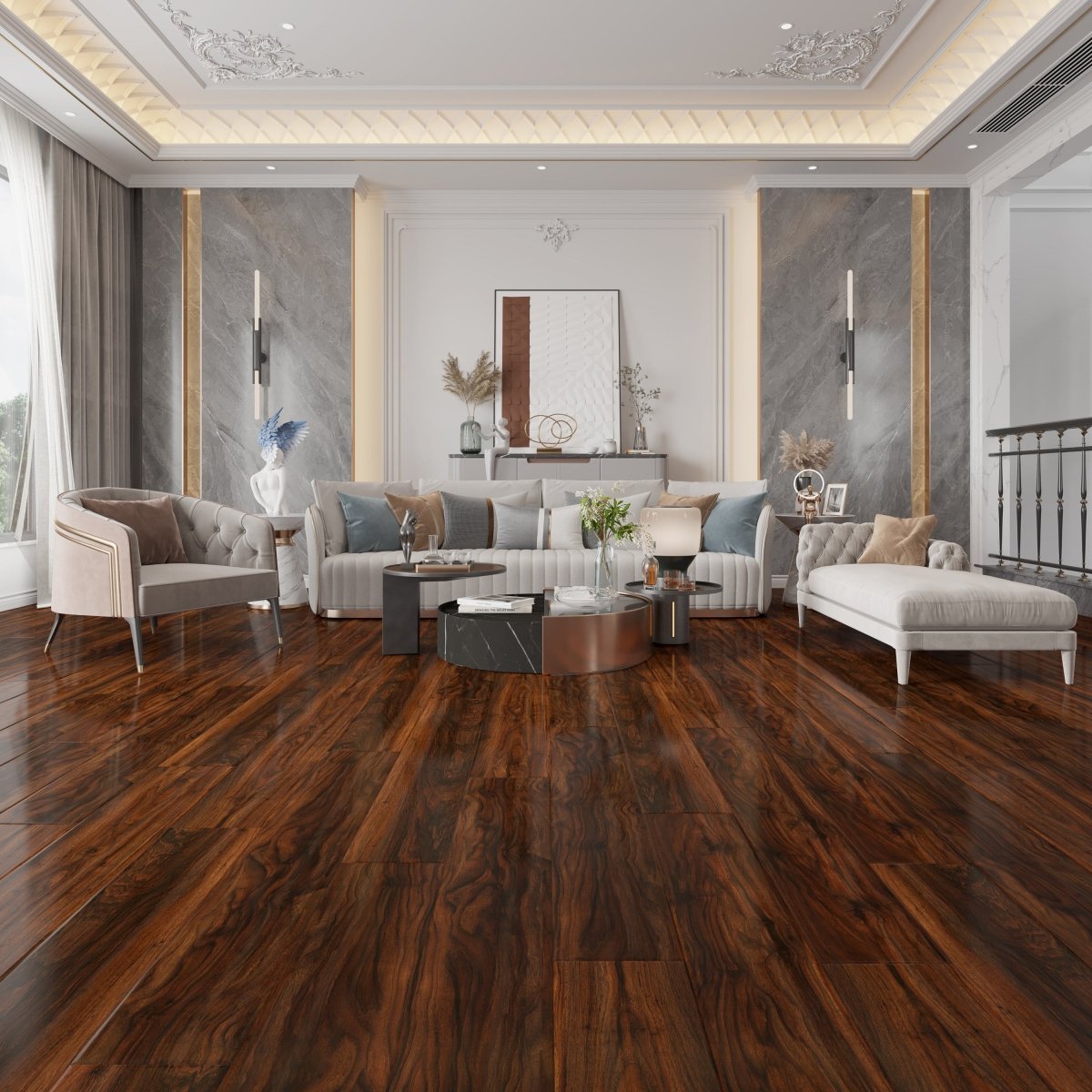
The first thing that sets walnut apart visually is the richness of its natural color. While oak and maple tend toward lighter, more neutral tones, walnut leans into deep browns, warm purples, and occasionally striking dark streaks that give each plank a sense of character and age. No two boards look exactly alike, and that variation is part of what makes a walnut floor feel genuinely special rather than generic.
Walnut is also a relatively soft hardwood compared to species like hickory or hard maple, which surprises people who assume darker wood means harder wood. It sits around 1010 on the Janka hardness scale, which is softer than red oak.
That means it can show dents and scratches more readily in very high-traffic areas, but it also means the wood has a warmth and responsiveness underfoot that harder species sometimes lack.
What really sealed it for me was learning how walnut ages. Many wood floors lighten slightly over decades as the finish wears and light exposure does its work, but walnut actually mellows beautifully into warm, golden-brown tones that look even richer over time.
I’ve seen walnut floors in older homes that look more gorgeous at 40 years than they did the day they were installed, and that kind of long-term character is hard to put a price on.

Wide Plank Walnut for a Dramatic, Modern Look
When I was choosing plank width, my designer friend strongly encouraged me to go wider than I initially planned, and I’m so glad I listened. Wide plank walnut flooring, typically anything from five inches and above, shows off the natural grain and color variation in a way that narrow strips simply can’t. Each board becomes a feature in itself rather than just part of a pattern.
Wide planks work especially well in open-concept living areas where you want the floor to feel like a continuous, flowing surface. In my combined living and dining space, the wide walnut planks create a visual flow that makes the area feel larger and more cohesive. The fewer seams running across the floor, the more the eye travels across the space without interruption, and that effect is genuinely striking.
The one consideration with wide plank hardwood is that wider boards can be more susceptible to movement with humidity changes than narrower strips. My installer recommended a moisture barrier and emphasized keeping my home’s humidity between 35 and 55 percent year-round. I invested in a whole-home humidifier connected to my HVAC system, and two years in, my wide plank walnut floor hasn’t shown a single gap or cupping issue.
Mixing Walnut With Light Walls and Neutral Interiors
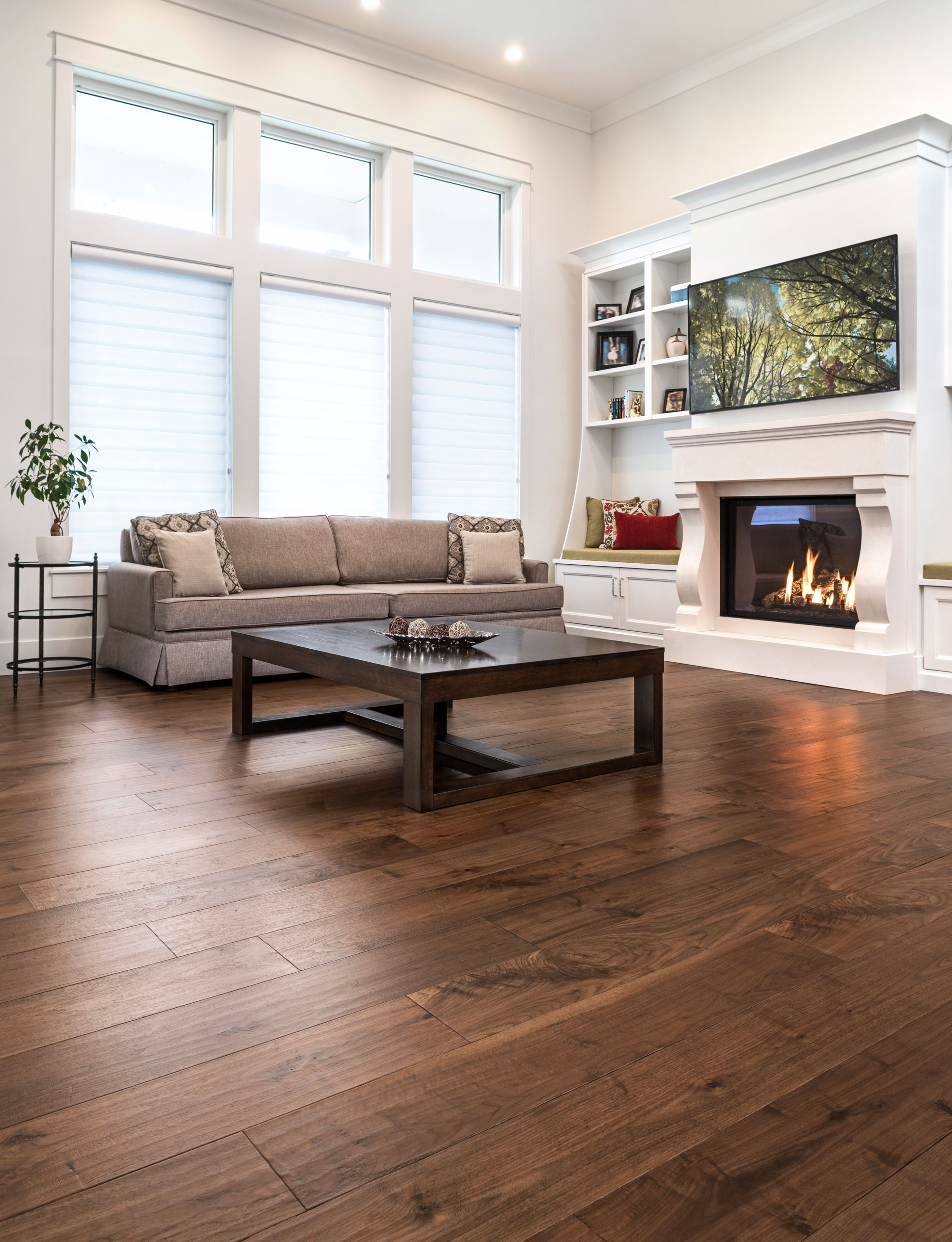
One of the design combinations I was most nervous about was pairing my dark walnut floor with light-colored walls. I worried it would feel too stark or high-contrast, but the result was the opposite of what I feared. The pale walls actually let the walnut floor become the undeniable focal point of the room, and every piece of furniture and decor placed on top of it seemed to gain a sense of intentionality it hadn’t had before.
Warm white and soft greige wall tones work particularly beautifully with walnut because they echo the warm undertones in the wood without competing with the floor’s depth. I painted my living room in a creamy off-white and the combination felt sophisticated but also genuinely cozy, which is a balance that’s harder to achieve than it sounds. The room felt designed rather than decorated, if that distinction makes sense.
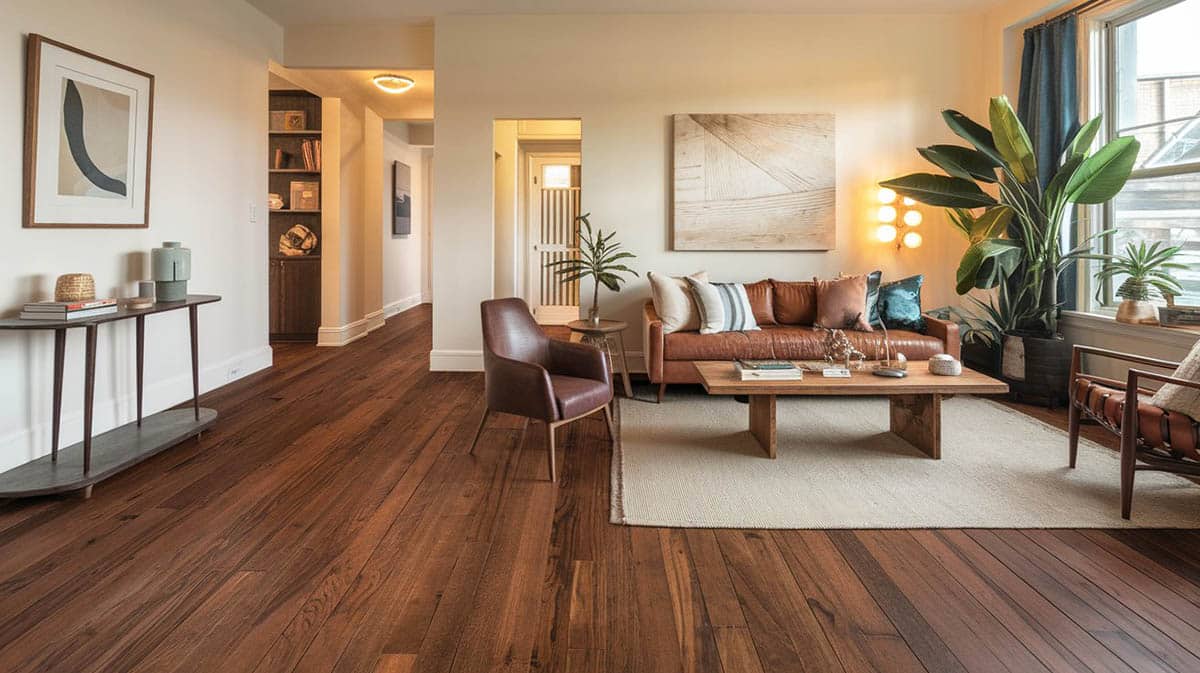
Natural textures like linen, jute, wool, and unfinished wood tones layer wonderfully over walnut floors. I brought in a large natural jute rug, linen throw pillows, and a few raw wood accent pieces, and the space felt warm and grounded without being dark or heavy. The key with dark floors and light walls is keeping your textiles and accessories in natural, organic tones that bridge the contrast rather than amplify it.
Using Walnut Flooring in Kitchens and Dining Areas
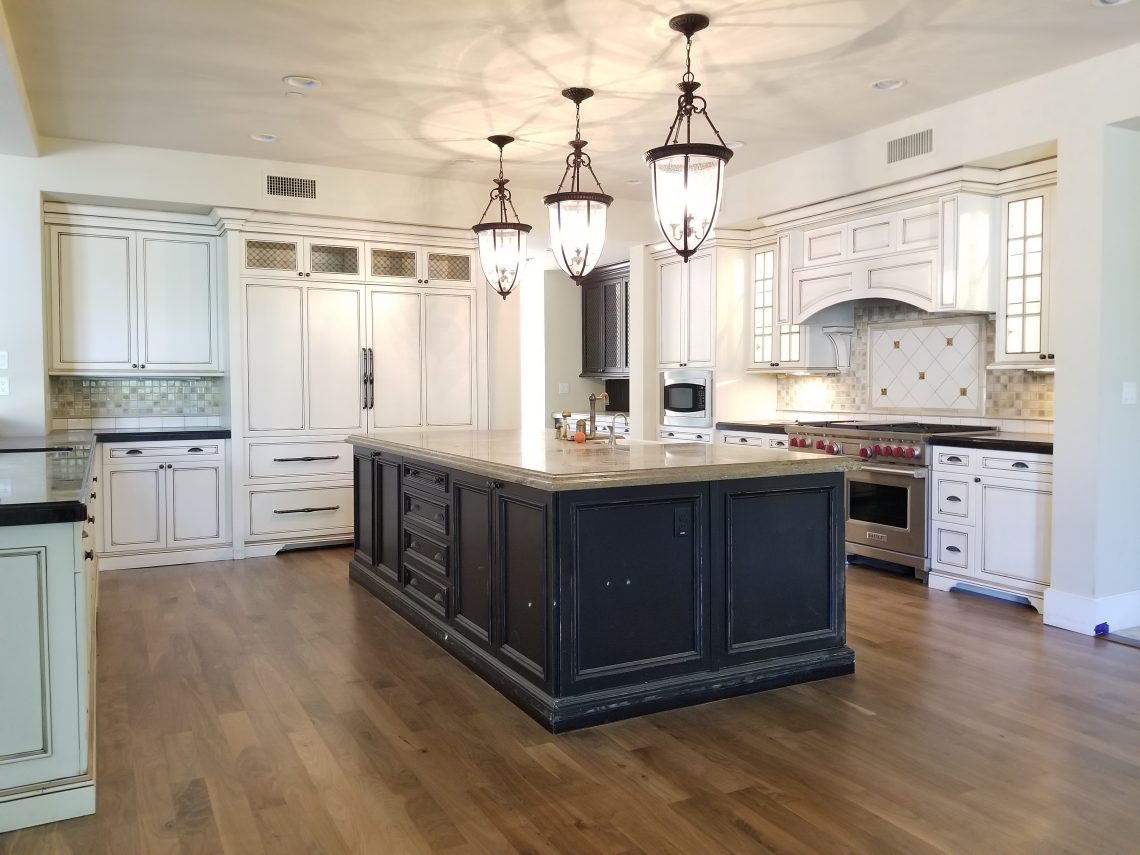
I extended my walnut flooring into the dining area connected to my kitchen, and it turned out to be one of the best decisions I made in the whole renovation. There’s something about eating a meal over a beautiful walnut floor that makes the experience feel more intentional and pleasurable, even on an ordinary Tuesday evening. The warmth of the wood softens the harder surfaces that kitchens typically involve.
The practical concern most people raise about wood flooring in or near kitchens is spills and moisture. My walnut floor carries a hard polyurethane finish that handles everyday splashes and drips very well as long as I wipe them up within a reasonable time. I keep a small cotton rug in front of the sink and dishwasher as an extra precaution, which handles the highest-moisture zone without compromising the overall look of the floor.
I did have one small area near the refrigerator where a slow leak went unnoticed for several days before I discovered it, and that section required professional attention to address slight cupping in two boards. The repair was not cheap, and it taught me to check appliance connections regularly. That experience didn’t change my love for the floor, but it reinforced that wood near kitchen appliances requires a bit more vigilance than wood in a living room or bedroom.
Finishing Options That Change the Entire Personality of Walnut
The finish you choose for walnut hardwood transforms its personality in ways I didn’t fully appreciate until I held samples side by side. A high-gloss polyurethane finish makes walnut look formal and dramatic, almost like furniture-grade cabinetry spread across your floor. It’s stunning in the right context but can show dust, footprints, and fine scratches more readily than matte alternatives.
Matte and satin finishes are what I ultimately chose, and I think they suit walnut’s natural character better than high gloss in most home settings. The low sheen lets the grain and color variation speak for themselves without the distraction of light reflections bouncing off the surface. It also hides the everyday evidence of a lived-in home, which matters a lot when you have pets and kids moving through the space constantly.
An oil-based penetrating finish is another option that gives walnut a completely different look from surface-applied polyurethane. Instead of sitting on top of the wood, the oil soaks in and hardens within the grain, leaving the surface feeling more like natural wood than a coated product. The result is a matte, tactile finish that feels almost raw but is genuinely protected. Maintenance is more involved since the oil needs refreshing periodically, but many people find the look worth the extra care.
Creative Layout Patterns to Make Walnut Flooring More Distinctive
Standard straight-lay installation is the most common approach and looks beautiful with walnut because the long grain lines move your eye through the space naturally. But after visiting a few showrooms and browsing design accounts online, I became fascinated by the other layout options available and how dramatically they change the feel of the same material.
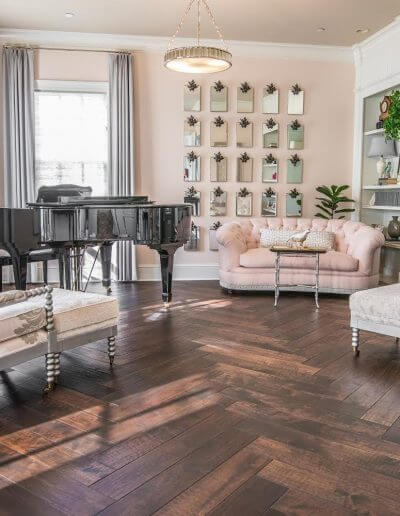
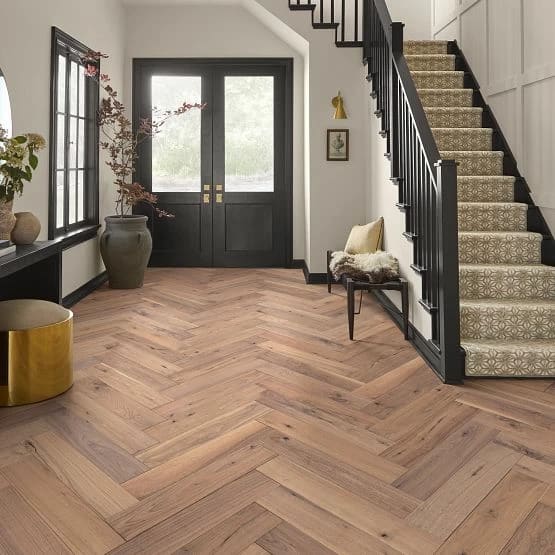
Herringbone is the pattern I almost chose instead of straight lay, and I still think about it. A walnut herringbone floor in a dining room or entryway is genuinely one of the most visually impressive flooring treatments I’ve ever seen in a residential space. The interlocking zigzag of the planks creates a sense of movement and craftsmanship that feels both historic and completely current at the same time.
Diagonal installation, where planks run at a 45-degree angle to the walls, is a subtler way to add interest without the complexity of herringbone. It makes rooms feel wider and is particularly effective in narrower hallways or rectangular spaces that feel a bit boxy with standard straight-lay flooring. My installer mentioned it adds some material waste to the job since more cutting is required at the perimeter, but the visual impact can be worth the modest additional cost if you want something a little unexpected.
Is walnut hardwood flooring a good choice for homes with pets?
It can work well, but walnut is softer than oak or hickory, so pet nails can leave marks over time. I have a medium-sized dog and manage fine by keeping his nails trimmed and using area rugs in his favorite spots. A harder finish and prompt attention to scratches help a lot. If your pets are very active or large, consider a harder species or engineered walnut with a tough aluminum oxide finish coating.
How much does walnut hardwood flooring typically cost?
Solid walnut flooring generally runs $8 to $14 per square foot for materials, making it one of the pricier domestic hardwood options. Engineered walnut is slightly more affordable at $5 to $12 per square foot. Add $3 to $6 per square foot for professional installation. It’s a significant investment, but walnut’s longevity and the way it ages beautifully over decades make it one of the more cost-effective luxury flooring choices long term.
Will walnut hardwood flooring work in a room with lots of natural light?
Yes, and it looks stunning in bright rooms. Be aware that direct sunlight over time can fade and lighten walnut’s deep tones, so UV-filtering window treatments help preserve the color. I have south-facing windows and used light-filtering shades to protect my floor during peak sun hours. Some people actually love the way walnut mellows with sun exposure, so this comes down to personal preference about patina.
Can walnut hardwood be refinished if it gets damaged?
Solid walnut can typically be sanded and refinished three to five times over its lifetime, which is one of the best arguments for choosing solid over engineered in spaces where longevity matters. Engineered walnut can usually be refinished once or twice depending on the veneer thickness. I had two boards professionally spot-repaired after a furniture moving incident and they blended back in beautifully with the surrounding floor after refinishing.

Is walnut hardwood flooring difficult to maintain day to day?
Not at all once you get into a routine. I dry mop or vacuum on a low setting every couple of days and do a damp mop with a hardwood-safe cleaner weekly. Avoid excess water and harsh chemical cleaners that strip the finish over time. Felt pads under furniture legs prevent the most common scratches. With basic consistent care, walnut flooring stays looking rich and beautiful with very little effort beyond what any hard floor requires.
How does walnut flooring hold up in high-humidity environments?
Wood and humidity are always in a relationship worth managing carefully. Walnut is not ideal for bathrooms or other high-moisture spaces, but in normal living areas it performs very well when indoor humidity stays between 35 and 55 percent. I use a whole-home humidifier in winter and a dehumidifier in my basement to stay in that range year-round. Consistent humidity management is the single most important thing you can do to keep any hardwood floor looking its best.

Related Posts: