When I first saw hand scraped hardwood flooring in a friend’s farmhouse, I couldn’t stop staring at it. There was something about those subtle grooves and imperfections that felt so much warmer and more alive than the smooth, uniform floors I’d always had. A few months later, I installed it in my own living room, and it completely changed the feel of the space. If you’re considering it, let me walk you through everything I learned along the way.
What Hand Scraped Hardwood Flooring Actually Is
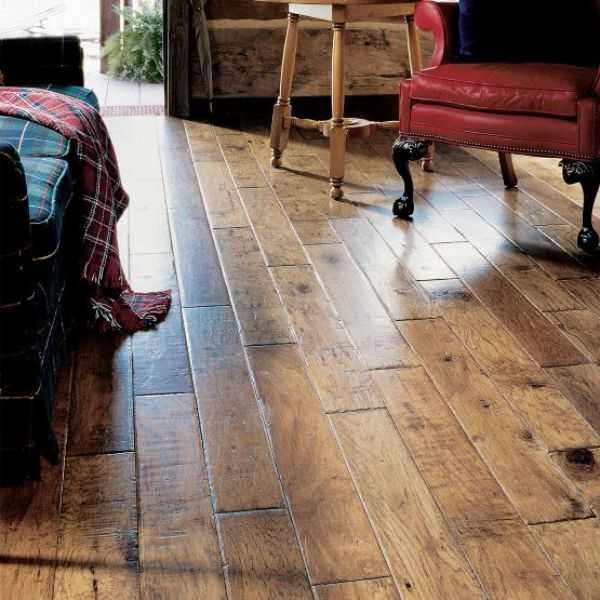
Hand scraped hardwood is exactly what it sounds like. Each plank is scraped, either by hand or with specialized machines, to create a textured, slightly uneven surface that mimics the look of old-world, antique flooring. The result is a floor that feels like it has history, even if it was just installed last weekend.
Traditionally, all hardwood floors were hand scraped because that’s how craftsmen finished wood before modern milling existed. Today it’s more of a design choice, and you’ll find it in everything from rustic cabins to modern farmhouse homes. I love that it bridges that gap between classic and contemporary so naturally.
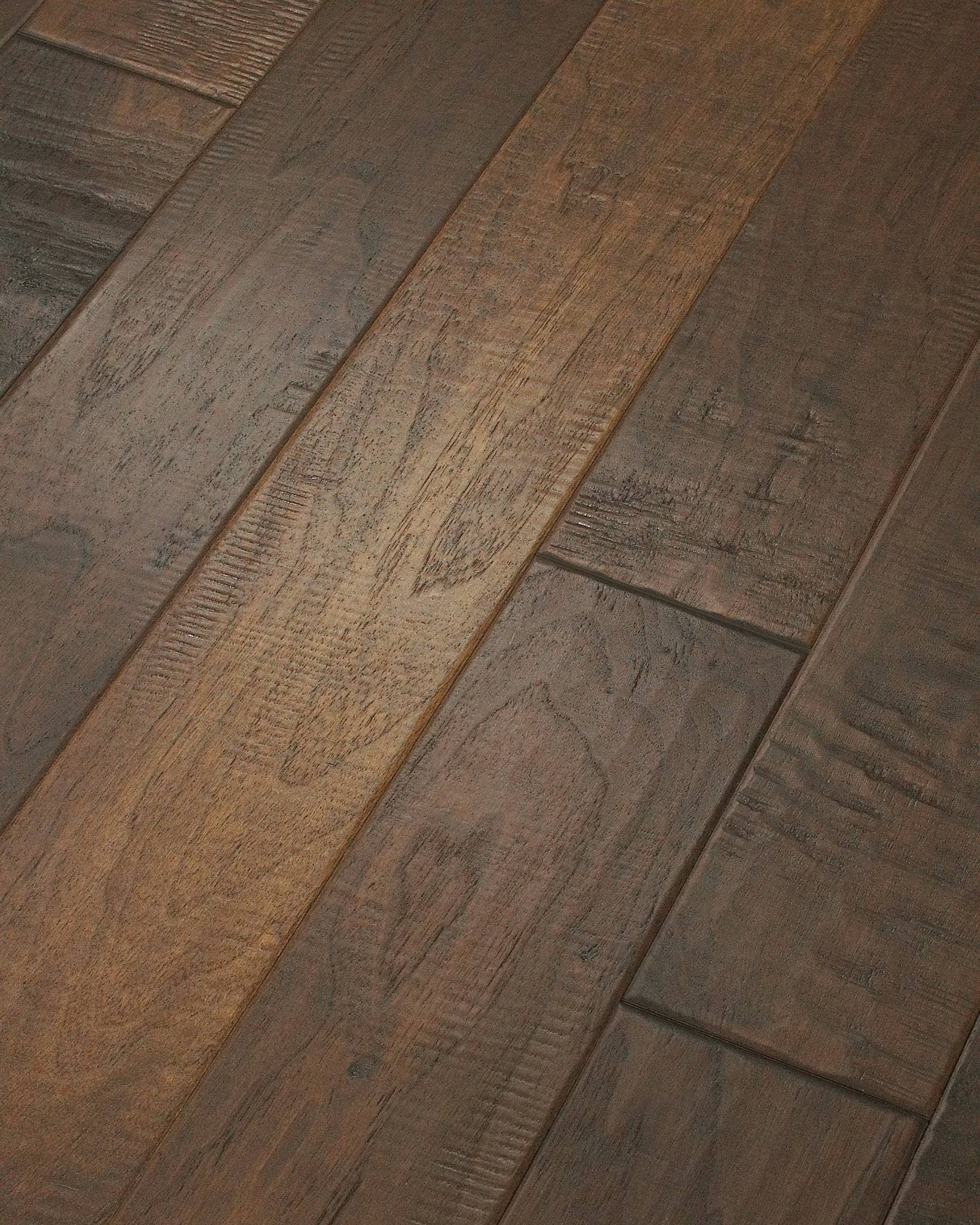
What surprised me most was how much variation exists within the style. Some boards have deep, dramatic scraping marks while others are more subtle. The species of wood, the finish applied, and how aggressively the scraping is done all affect the final look. When I was shopping, I ordered several samples before committing, and I’m really glad I did.
How It Compares to Smooth and Wire-Brushed Hardwood
Before I settled on hand scraped, I spent a lot of time comparing it to smooth hardwood and wire-brushed options. Smooth hardwood is beautiful and classic, but it shows every scratch, dent, and dog nail mark in a way that hand scraped floors simply don’t. For a household with kids and pets, that distinction matters a lot.
Wire-brushed hardwood sits somewhere in between. It has a slightly open grain texture but doesn’t have the same dramatic, artisan feel as hand scraped wood. I tried a wire-brushed sample in my living room and liked it, but it felt a little too subtle for the look I was going for. Hand scraped had more personality.
In terms of durability, all three options use the same hardwood species and finish systems, so the underlying wood quality is comparable. The textured surface of hand scraped floors does a better job of hiding everyday wear, which is honestly one of the biggest practical selling points alongside the aesthetics.
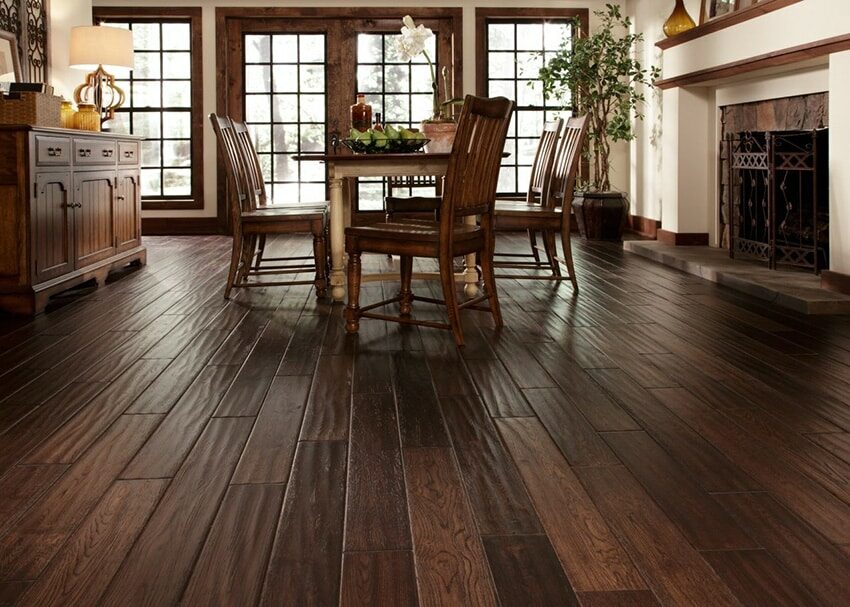
Choosing the Right Wood Species for Hand Scraped Floors
The wood species you choose makes a huge difference in how your hand scraped floor looks and performs. I went with white oak, and I’d make the same choice again. It has a beautiful grain pattern that really shows off the scraping texture, and it’s hard enough to handle a busy household without denting easily.
Hickory is another popular choice for hand scraped floors because its dramatic grain and natural color variation pair perfectly with the rustic texture. It’s also one of the hardest domestic wood species available. If you want something with a lot of visual character, hickory is worth a serious look.
Softer woods like pine can also be hand scraped, and they actually take on marks more easily, which some people love for an authentically aged look. Just know going in that softer species will continue to dent and wear over time. That can add to the charm or drive you crazy depending on your personality.
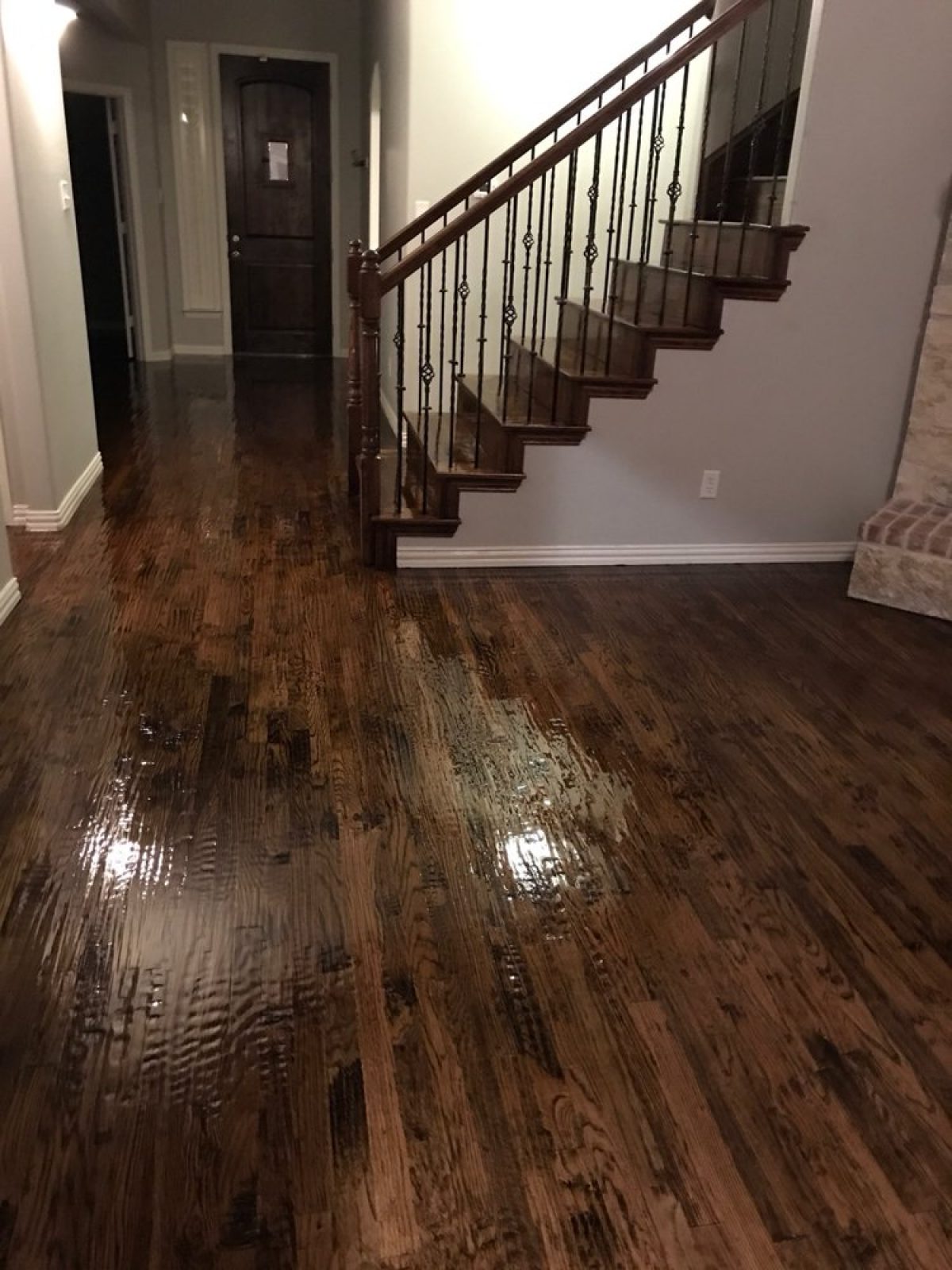
The Cost of Hand Scraped Hardwood and What Affects It
I won’t sugarcoat it, hand scraped hardwood is not cheap. When I budgeted my project, I found that hand scraped floors typically cost more than smooth hardwood of the same species, largely because of the extra labor or machining involved in the texturing process. Prices vary widely based on species, brand, and whether it’s solid or engineered.
Solid hand scraped hardwood generally runs higher than engineered options. For my living room, I chose engineered hand scraped oak because it gave me the same look at a lower price point and worked better over my existing subfloor. Engineered floors also tend to be more dimensionally stable, which matters in rooms with fluctuating humidity.
Installation costs are similar to any other hardwood flooring, so budget for that separately. If you’re handy, DIY installation is very doable with engineered click-lock products. I hired a professional for my project because I wanted the floating installation done perfectly over an uneven subfloor, and it was worth every penny.
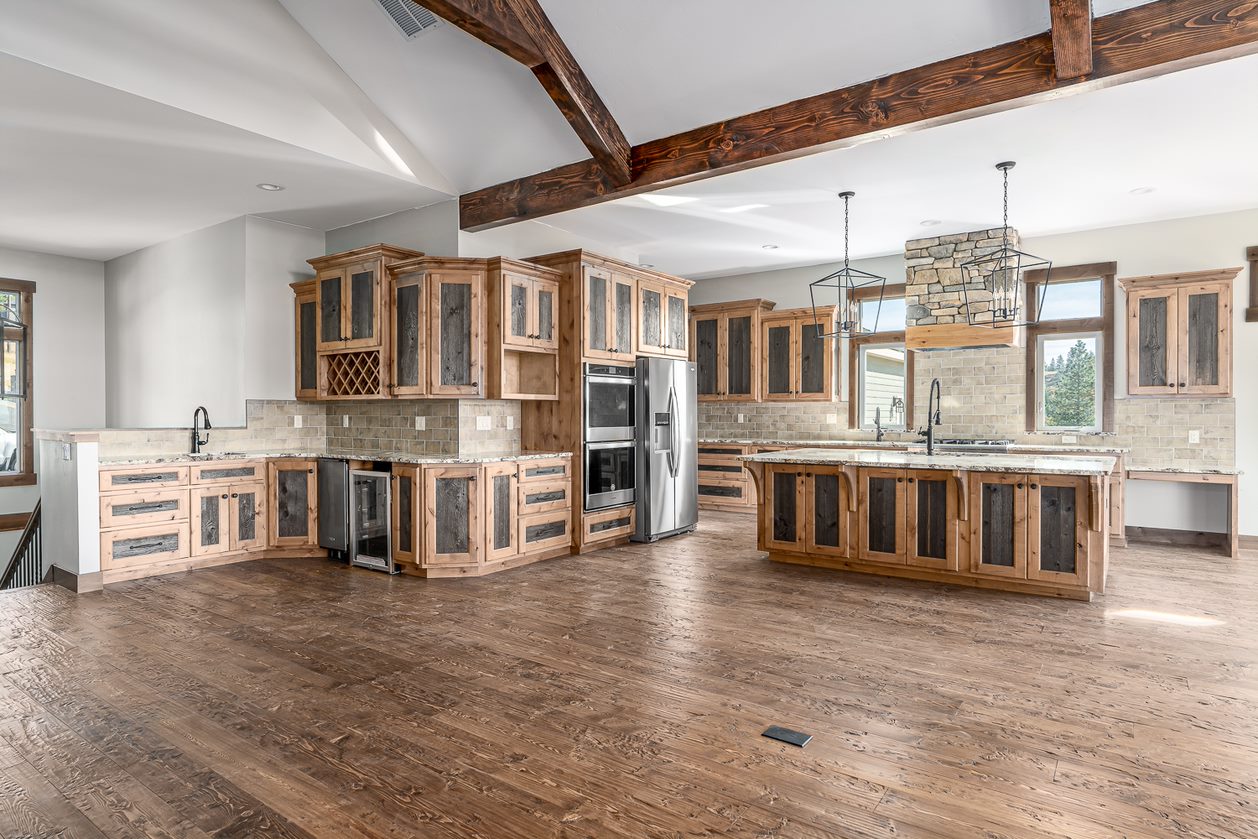
Installation Tips I Learned the Hard Way
The biggest installation lesson I learned is that hand scraped floors need to acclimate before you install them. I left my boxes in the room for five days before opening them, then let the planks breathe for another two days. Skipping this step can cause gapping or buckling after installation as the wood adjusts to your home’s humidity.
Subfloor prep is just as critical. My subfloor had a few high spots that I had to grind down before laying anything. Hand scraped floors are forgiving on the eye, but they’re not forgiving on an uneven subfloor. Any flex or bounce in the floor will eventually cause problems with the finish and the joints between planks.
One thing I didn’t expect is how much the direction of the planks affects the look. Running them parallel to the longest wall made my living room feel bigger and let the scraping texture flow more naturally. I also staggered the end joints carefully to avoid a pattern that would distract from the floor’s organic character.

Caring for Hand Scraped Hardwood Over the Long Haul
Caring for hand scraped floors is actually pretty straightforward, and the texture works in your favor when it comes to hiding daily dirt and minor scuffs. I sweep mine a few times a week with a soft-bristle broom and mop occasionally with a barely damp microfiber mop. Less water is always better with hardwood.
Avoid harsh chemical cleaners. I made the mistake once of using a general floor cleaner that left a dull haze in the texture grooves. Now I stick to cleaners specifically formulated for hardwood floors, and the difference is noticeable. The finish stays clearer and the texture looks crisper when you use the right products.
Refinishing is where hand scraped floors get a little tricky. Solid hand scraped hardwood can be refinished, but you’ll lose some of the scraped texture each time you sand it down. Engineered options have a thinner wear layer and fewer refinishing cycles available. Either way, with proper care, you’re looking at a floor that can last decades and only get more beautiful over time.
Is hand scraped hardwood flooring good for homes with kids and pets?
Yes, and it’s actually one of the reasons I chose it. The textured surface hides scratches, scuffs, and small dents far better than smooth hardwood. Dog nails, toy tracks, and chair legs are much less visible on a hand scraped floor. It’s not indestructible, but it’s far more forgiving in a busy household than a high-gloss smooth finish.
Can hand scraped hardwood be installed in kitchens or bathrooms?
I wouldn’t put solid hardwood in a bathroom, but engineered hand scraped hardwood can work in kitchens with proper precautions. Wipe up spills quickly and keep humidity levels stable. Bathrooms are generally too wet for any hardwood product. For wet areas, a wood-look luxury vinyl that mimics hand scraped texture is a smarter choice.

How do I keep the texture grooves clean?
A soft-bristle broom handles most of the daily debris. For deeper cleaning, a microfiber mop with a hardwood-safe cleaner works well. Avoid steam mops entirely, as the heat and moisture can damage the finish and warp the wood. I find that regular light cleaning prevents buildup in the grooves far better than occasional heavy scrubbing.
Is hand scraped hardwood more expensive than regular hardwood?
Generally yes, though the gap isn’t always dramatic. You’re paying for the extra processing involved in creating the texture. Engineered hand scraped options can bring costs down considerably. When I priced my project, the engineered hand scraped oak I chose was only slightly more per square foot than comparable smooth engineered hardwood, so it felt like a worthwhile upgrade.
Can I refinish hand scraped hardwood floors?
Solid hand scraped floors can be refinished, but each sanding removes some of the texture. After refinishing, the scraping detail will be less pronounced. Engineered hand scraped floors have limited refinishing cycles due to a thinner wear layer. If the texture is a major reason you chose this floor, plan to maintain the finish well so you can push refinishing off as long as possible.
Does hand scraped hardwood work in modern or contemporary homes?
Absolutely. I was surprised by how well it adapts to different styles. In my own home, which leans more modern farmhouse than rustic, it fits perfectly. The key is choosing a species and finish that complements your space. A lighter oak with subtle scraping reads as modern and warm, while a darker, deeply scraped hickory leans more rustic. There’s a version of this floor for nearly every aesthetic.
Handscraped Hardwood: Distressed to Success
ANDERSON VIRGINIA VINTAGE COLLECTION, SHAW HARDWOOD FLOORING
Related Posts: