When I converted my garage into a home gym and workshop three years ago, I needed flooring that could handle serious abuse without breaking the bank. After researching commercial-grade options, I installed heavy duty vinyl flooring, and it’s been a game-changer. This isn’t the thin vinyl sheet flooring from decades past. Modern heavy duty vinyl is a beast that has withstood dropped weights, rolling toolboxes, chemical spills, and constant heavy traffic without showing significant wear. Let me share what I’ve learned about choosing and living with flooring designed to take a beating.
Understanding Heavy Duty Vinyl Classifications
I discovered that vinyl flooring comes with wear layer thickness ratings that determine durability. Residential vinyl typically has 6-12 mil wear layers, but I went straight for commercial-grade with a 20 mil wear layer. This thicker protective coating makes all the difference when dealing with heavy equipment and tools. The wear layer is the clear top coating that takes all the abuse, protecting the decorative layer underneath from scratches, dents, and stains.
The classification system was confusing at first. I learned about AC ratings that go from AC1 (moderate residential) to AC5 (heavy commercial). For my gym and workshop, I chose AC5-rated vinyl that’s designed for schools, retail stores, and commercial spaces with extreme foot traffic. This seemed like overkill initially, but after three years of punishment, I’m glad I went with maximum durability rather than trying to save money on a lower rating.
Thickness matters beyond just the wear layer. Heavy duty vinyl ranges from 5mm to 8mm total thickness. I selected 8mm luxury vinyl planks with an attached underlayment pad. The extra thickness provides cushioning that’s appreciated when standing for long periods and adds sound dampening that keeps noise from disturbing the rest of the house. The dimensional stability of thicker vinyl also means it handles temperature fluctuations in my uninsulated garage better than thinner products would.
Installation for Maximum Durability
I chose the floating floor installation method using click-lock heavy duty vinyl planks. This approach allows the floor to move independently from the concrete slab underneath, accommodating the garage’s significant temperature swings without buckling or separating. The click-lock system also meant I could install it myself over a weekend, saving hundreds in professional installation costs.
Subfloor preparation was more critical than I expected. My garage floor had cracks and an uneven surface that needed addressing before vinyl installation. I filled cracks with concrete patch compound and used self-leveling underlayment in low spots. Heavy duty vinyl is more forgiving than some flooring types, but starting with a smooth, level surface ensures the locking mechanisms engage properly and prevents the floor from flexing excessively under weight.
I left generous expansion gaps around the perimeter, about three-quarters of an inch, because garage temperatures vary from near-freezing in winter to over 90°F in summer. These gaps, hidden under baseboards and transition strips, allow the vinyl to expand and contract without buckling. I also used transition strips rated for heavy commercial use where the vinyl meets the concrete driveway, ensuring these high-stress connection points could handle rolling equipment and foot traffic.

Performance Under Extreme Conditions
My gym area has truly tested the vinyl’s durability. I’ve dropped 45-pound weight plates from waist height multiple times, and the floor shows only minor surface impressions that aren’t visible unless you’re looking for them. The thick wear layer and dense core absorb impacts that would crack ceramic tile or dent softer flooring. I use rubber mats under the heaviest equipment for additional protection, but the vinyl itself is surprisingly resilient.
The workshop side faces different challenges. I’ve spilled paint thinner, motor oil, wood stain, and various solvents on the vinyl over the years. After wiping up the spills within a reasonable time, usually within a few hours, there’s been zero staining or damage. The commercial-grade finish resists chemical penetration far better than residential vinyl would. This chemical resistance has been invaluable in a workspace where spills are inevitable.
Temperature extremes in the uninsulated garage haven’t fazed the heavy duty vinyl. Summer heat that makes the concrete slab uncomfortably hot doesn’t affect the vinyl’s stability or appearance. Winter cold doesn’t make it brittle or cause cracking. The dimensional stability of quality heavy duty vinyl handles these temperature swings without the expansion, contraction, or warping issues I’ve seen friends experience with lesser products in similar environments.

Maintenance in High-Abuse Environments
My cleaning routine for the heavy duty vinyl is minimal considering how much abuse it takes. I sweep or vacuum weekly to remove sawdust, metal shavings, and general debris. The textured surface hides dirt well, so the floor rarely looks dirty even when it needs cleaning. This forgiving nature means I can focus on working rather than constantly worrying about floor appearance.
Deep cleaning happens monthly using a commercial-grade vinyl floor cleaner and a string mop. I don’t baby the floor with barely damp mopping like I would with hardwood. Heavy duty vinyl can handle a properly wet mop without issues, though I don’t leave standing water. The entire 400-square-foot space takes maybe 15 minutes to clean thoroughly. The chemical-resistant surface means I can use stronger cleaners when dealing with oil or grease without worrying about damage.
The textured surface that helps hide dirt also provides excellent slip resistance, crucial in a workshop where oil spills happen. I’ve never felt unsafe walking on the vinyl even with damp shoes or minor liquid spills. The commercial rating includes slip resistance testing, and this practical safety feature has prevented falls that might have occurred on smooth, glossy surfaces. Maintenance requirements are so low that the floor essentially takes care of itself between periodic cleanings.

Design Options in Heavy Duty Products
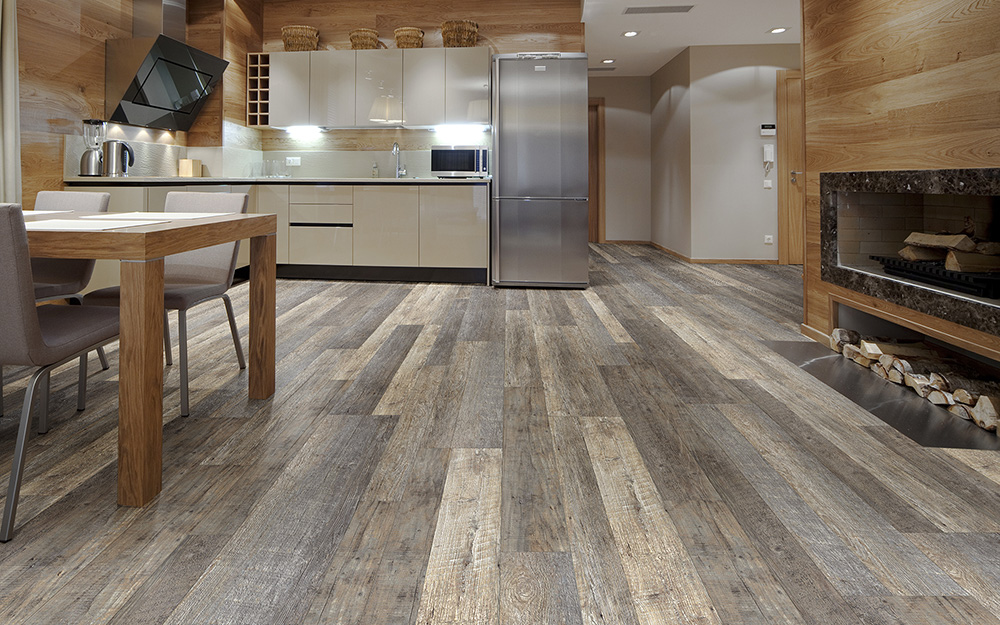
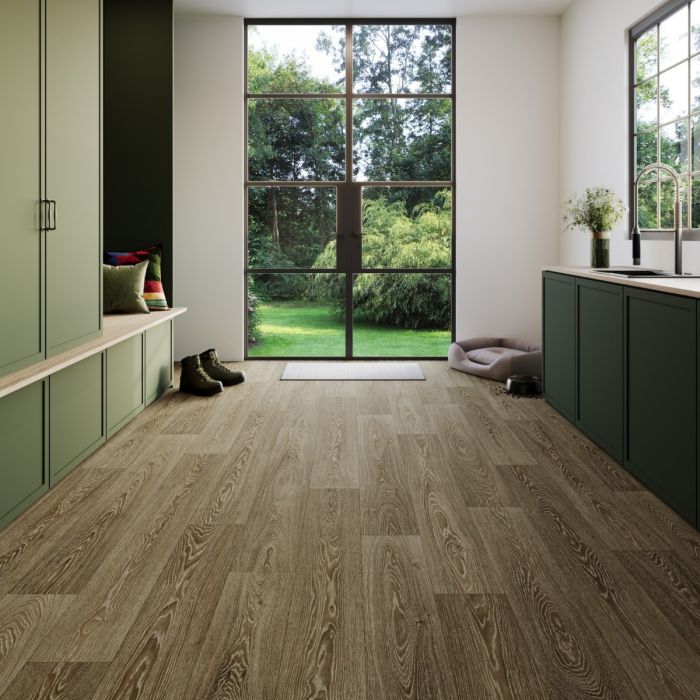
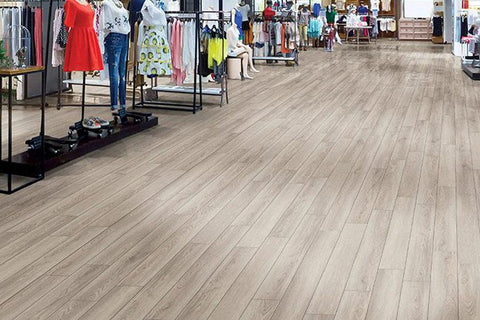
I was pleasantly surprised by the aesthetic options available in heavy duty vinyl. I initially expected industrial-looking gray or basic patterns, but I found realistic wood-look planks in a weathered oak finish that actually looks great. The high-definition printing technology makes the vinyl convincingly wood-like from normal viewing distance. This means my gym and workshop look intentionally designed rather than purely utilitarian.
The wood-look vinyl I chose has embossed texture that follows the printed grain pattern, adding tactile realism. Friends who visit often ask if it’s real wood until they see me drop tools or weights on it. The ability to have attractive flooring that doesn’t require coddling has been perfect for this dual-purpose space. I can enjoy the aesthetic without constantly worrying about protection and damage.
Color choice was strategic for hiding the inevitable dirt and scuff marks. I went with medium-toned wood-look rather than very light or very dark. This mid-tone conceals dust, metal shavings, and general workshop grime better than extremes would. The subtle grain pattern and color variation across different planks also helps disguise wear patterns that develop in high-traffic areas near the door and around major equipment.
Cost Analysis and Long-Term Value
Heavy duty vinyl cost more upfront than I initially budgeted. I paid about $4.50 per square foot for commercial-grade material versus $2-3 for residential vinyl. For my 400-square-foot space, this meant roughly $1,800 in materials versus $1,000 for cheaper options. However, after three years of abuse that would have destroyed residential-grade flooring, the extra investment has proven absolutely worthwhile.
Installation savings offset some of the material cost premium. The click-lock system allowed DIY installation that would have cost another $800-1,000 professionally. The total project including materials, underlayment, transition strips, and tools I needed to buy came to about $2,200. Professional installation of the same heavy duty vinyl would have run $3,500-4,000. My sweat equity made the upgrade to commercial-grade material financially feasible.
Long-term value extends beyond just durability. The heavy duty vinyl requires no special maintenance products, no periodic refinishing, and no replacement of damaged sections so far. Friends who chose cheaper garage flooring have already replaced sections damaged by dropped tools or chemical spills. My floor still looks nearly new three years in, suggesting a lifespan of 15-20 years even in this harsh environment. The durability justifies the higher initial cost through reduced replacement and maintenance expenses.

What’s the difference between heavy duty and regular vinyl flooring?
Heavy duty vinyl has thicker wear layers (20+ mil vs 6-12 mil), denser cores, and commercial-grade ratings. Mine has an AC5 rating versus AC3 for most residential vinyl. This translates to significantly better resistance to scratches, dents, chemicals, and traffic. The difference is like comparing a sedan to a truck, both work, but one handles abuse far better.
Can heavy duty vinyl handle vehicle traffic in a garage?
Yes, with caveats. Mine handles rolling toolboxes, hand trucks, and occasionally moving my car in and out without issues. However, for regular vehicle parking with hot tires and turning wheels, I’d recommend garage-specific vinyl or epoxy coating. My floor is primarily a workshop and gym, not full-time vehicle parking, which it handles perfectly.
Is heavy duty vinyl really waterproof for basement installations?
Completely waterproof. I’ve had water sitting on my garage floor from snow-covered equipment and cleaning activities without any problems. Heavy duty vinyl’s waterproof core and wear layer mean moisture doesn’t penetrate like it would with laminate or hardwood. For basements prone to moisture, it’s an excellent choice that won’t warp, swell, or support mold growth.
How does heavy duty vinyl compare to epoxy garage floors?
Vinyl is easier to install, more comfortable underfoot, and handles impacts better without cracking. Epoxy looks more industrial and is extremely durable but requires professional application and perfect surface prep. I chose vinyl for easier DIY installation, better comfort for gym use, and lower cost. Both are excellent options depending on priorities and intended use.
Will heavy furniture dent heavy duty vinyl permanently?
Minor impressions can occur but typically aren’t permanent. My squat rack leaves slight marks that disappear over time as the vinyl rebounds. I use furniture pads under extremely heavy equipment as cheap insurance. The thick, dense core of commercial vinyl resists permanent denting much better than residential products. Normal furniture weight causes no issues whatsoever.
Can I install heavy duty vinyl over existing floors?
Usually yes. I installed mine over old concrete, but it works over vinyl, tile, or other hard surfaces if they’re smooth and level. The existing floor must be structurally sound and free of moisture issues. Carpet or cushioned vinyl should be removed. The heavy duty vinyl’s thickness helps bridge minor imperfections better than thinner products.
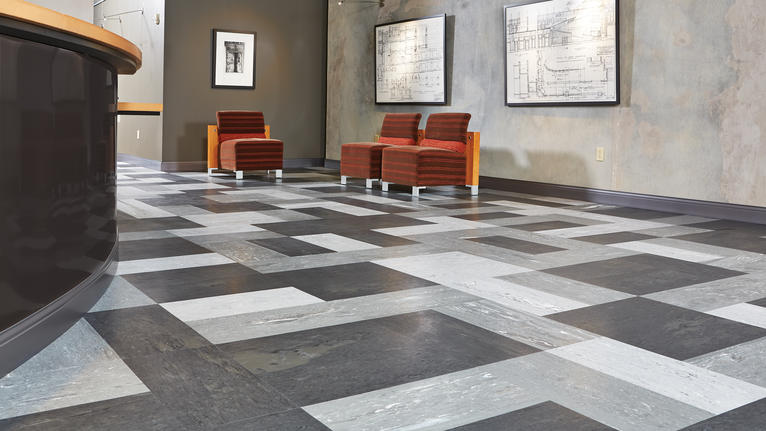
Resilient Vinyl Flooring VCT Tile, Sheet Vinyl, Luxury Wood Plank
Related Posts: