When I renovated my cabin-style home two years ago, I wanted flooring that felt natural and lived-in rather than sleek and modern. I’d always associated bamboo with contemporary minimalist design, but when I discovered rustic bamboo flooring options, everything changed. The distressed finishes, hand-scraped textures, and warm carbonized tones transformed my spaces into cozy retreats with genuine character. Installing rustic bamboo throughout my main living areas was one of my best design decisions, creating the authentic, welcoming atmosphere I’d been dreaming about.
Hand-Scraped Bamboo for Authentic Character
I chose hand-scraped bamboo for my living room and dining area because I wanted floors with visible texture and depth. The hand-scraping process creates irregular surface variations that catch light differently throughout the day, adding dimension that smooth floors can’t match. Each plank has unique scrapes and grooves that make the floor look like it’s been walked on for decades, even though it’s brand new.
The tactile quality of hand-scraped bamboo surprised me with how much it adds to the rustic aesthetic. When you run your hand across the surface, you feel the ridges and valleys created by the scraping tools. This texture isn’t just visual, it’s an actual three-dimensional surface that creates shadow lines and visual interest from every angle. The irregular texture also helps disguise minor scratches and wear that accumulate over time.
I selected a medium carbonized hand-scraped bamboo that balances rustic character with practical maintenance. The warm amber tones have natural color variations enhanced by the hand-scraping, which exposes lighter and darker layers within the bamboo. This creates an organic, aged appearance that complements my reclaimed wood furniture and vintage decor perfectly. The hand-scraped finish makes each plank a unique piece rather than uniform manufactured flooring.
Distressed and Wire-Brushed Finishes
For my bedroom, I went with wire-brushed bamboo that has a subtler rustic texture than hand-scraping. The wire-brushing process removes softer grain, leaving harder grain standing proud to create gentle surface undulation. This treatment gives the bamboo an aged, weathered appearance without the more dramatic peaks and valleys of hand-scraping. The result feels refined yet rustic, perfect for a bedroom where I wanted character without visual busyness.
I also experimented with distressed bamboo in my hallway, which includes artificial dings, dents, and color variations that mimic decades of wear. These manufactured imperfections are strategically placed to look random and authentic. I was skeptical at first, thinking they might look fake, but the skilled distressing creates convincing character that makes the floor appear genuinely aged and loved.
Combining different rustic finishes throughout my home created variety while maintaining cohesion through consistent color families. The hand-scraped living room, wire-brushed bedroom, and distressed hallway all work together because I kept them in the same warm carbonized tone range. This unified color palette with varying textures creates flow between spaces while giving each room its own personality. The variety keeps the house interesting without feeling disjointed or chaotic.
Dark Carbonized Bamboo for Deep Rustic Tones
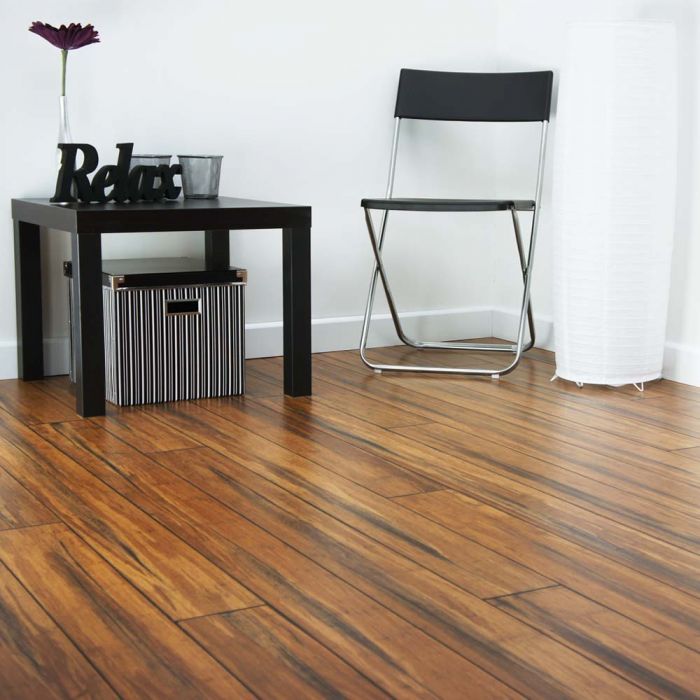
I installed deeply carbonized bamboo in my den to create a cozy, cabin-like atmosphere. The carbonization process involves steaming bamboo under pressure, which naturally darkens it to rich chocolate and espresso tones. These dark colors combined with hand-scraping create dramatic rustic flooring that anchors the room and provides stunning contrast against lighter walls and furnishings.
The depth of color in heavily carbonized bamboo changes with lighting conditions in fascinating ways. Morning sun brings out reddish undertones, while evening lamplight makes the floors appear almost black with golden highlights. This dynamic quality keeps the space visually interesting throughout the day. I paired the dark floors with cream walls and cognac leather furniture, creating a sophisticated rustic aesthetic rather than country kitsch.
One consideration with dark carbonized bamboo is that the carbonization process does reduce hardness slightly compared to natural bamboo. However, choosing strand-woven construction even with carbonization maintains excellent durability. My dark floors have held up beautifully to heavy use for two years. The dark color actually hides minor scratches better than lighter bamboo would, making maintenance easier despite the slight hardness reduction from carbonization.

Wide Plank Bamboo for Farmhouse Style
I chose wide plank bamboo for my kitchen, selecting 7-inch-wide boards that create a modern farmhouse aesthetic. Wide planks have fewer seam lines, making spaces feel larger and more open. The wider format also showcases the bamboo’s natural grain patterns and rustic texture more effectively than narrow planks. Each wide plank becomes a substantial design element rather than just background flooring.
The installation direction of wide planks matters significantly for the overall look. I ran them parallel to the longest kitchen wall, which draws the eye through the space and makes the galley kitchen feel less narrow. Wide planks installed lengthwise create clean sight lines that contribute to both rustic charm and contemporary openness. This combination of wide plank format with rustic finish bridges traditional and modern aesthetics beautifully.
I selected wide plank bamboo with natural edge variations where the plank edges aren’t perfectly straight but have slight irregularities. These micro-beveled or pillowed edges enhance the rustic, handcrafted appearance. Combined with the hand-scraped surface and warm carbonization, the wide planks create flooring that looks like reclaimed barn wood but with bamboo’s superior durability and sustainability. The authentic rustic character this achieves was exactly what I envisioned for the kitchen.

Mixing Bamboo Widths and Tones for Visual Interest
My most adventurous rustic bamboo idea involved mixing different plank widths in my entryway. I combined 5-inch and 7-inch wide planks in a random pattern that creates visual rhythm and rustic charm. This technique mimics old farmhouse floors where boards of varying widths were used because they came from different trees. The mixed-width installation required careful planning but created unique character impossible to achieve with uniform planks.
I also experimented with mixing two shades of carbonized bamboo in my mudroom. I alternated medium and dark carbonized planks in a random pattern that adds depth and visual complexity. This two-tone approach creates subtle variation that makes the floor more interesting without being busy or overwhelming. The mixed tones also help disguise dirt and wear in this high-traffic area, a practical benefit alongside the aesthetic appeal.
The key to successful mixing is maintaining other consistent elements. All my mixed planks share the same hand-scraped texture and plank length, with only width or color varying. This restraint prevents the floor from looking chaotic. I also kept the ratio roughly 60/40 rather than perfectly even, which creates a more natural, less contrived appearance. These mixed bamboo installations have become my favorite design feature, drawing compliments from every visitor.

Rustic Bamboo with Reclaimed Wood Aesthetics
I found bamboo products specifically designed to mimic reclaimed barn wood, complete with simulated nail holes, saw marks, and weathered coloring. These products gave me the reclaimed wood aesthetic I wanted at a fraction of the cost and with better durability than actual antique lumber. The sophisticated manufacturing process creates convincing rustic character including grain variations, knots, and color irregularities that look authentically aged.
In my home office, I installed bamboo with a gray-washed finish over carbonization that creates a weathered driftwood appearance. This treatment gives the bamboo a rustic coastal vibe that’s different from the warmer farmhouse tones in other rooms. The gray tones paired with hand-scraping create an aged, sun-bleached look that adds character while keeping the space feeling bright and airy rather than dark and heavy.
Combining rustic bamboo with actual reclaimed wood elements creates layered authenticity. I used genuine reclaimed barn wood for a feature wall in my living room, and the rustic bamboo floor complements it beautifully without competing. The bamboo’s sustainability credentials also align with the environmental consciousness of using reclaimed materials. This combination of bamboo flooring with authentic architectural salvage creates a cohesive rustic aesthetic with both practical and ethical benefits.
Does rustic bamboo show scratches more than smooth bamboo?
Actually less. The hand-scraped texture and distressed finish hide scratches beautifully because they’re already textured and irregular. My rustic bamboo has minor scratches that are virtually invisible, while my parents’ smooth bamboo shows every mark. The existing character of rustic finishes camouflages new wear, making maintenance and appearance preservation easier over time.
Is rustic bamboo flooring more expensive than regular bamboo?
Slightly, about 20-30% more due to additional manufacturing processes. I paid $5-7 per square foot for rustic hand-scraped bamboo versus $3.50-5 for smooth bamboo. The extra cost buys significantly more character and better scratch concealment. For spaces where you want authentic rustic charm, the premium is absolutely worthwhile for the aesthetic impact achieved.

Will heavily carbonized rustic bamboo be less durable?
Somewhat. Carbonization reduces hardness by about 30%, but choosing strand-woven construction maintains excellent durability despite carbonization. My dark carbonized floors are strand-woven with a Janka rating around 2,000, still harder than red oak. For rustic character with maximum durability, specify strand-woven construction even when choosing heavily carbonized finishes.
Can rustic bamboo work in modern or contemporary spaces?
Absolutely. I’ve seen rustic bamboo in ultra-modern lofts where it provides necessary warmth and organic texture against minimalist decor. The key is pairing it with clean lines and simple furnishings so the floor provides character without the space feeling country. Rustic doesn’t necessarily mean traditional, it just means textured and characterful.

Does rustic bamboo require special maintenance compared to smooth bamboo?
Not really. I clean both types the same way with sweeping and damp mopping. The textured surface might trap slightly more dirt in grooves, but I haven’t found this problematic with regular vacuuming. The rustic finish is actually more forgiving because it hides dust and minor wear better than smooth surfaces that show everything.
How do I choose between hand-scraped, wire-brushed, and distressed finishes?
Consider your desired character level. Hand-scraped offers the most dramatic texture and rustic appearance. Wire-brushed provides subtle rustic character that’s more refined. Distressed adds visible dings and color variations mimicking age. I chose hand-scraped for main living areas where I wanted bold character, wire-brushed for bedrooms needing calmer rustic charm, creating variety throughout my home.

Related Posts: